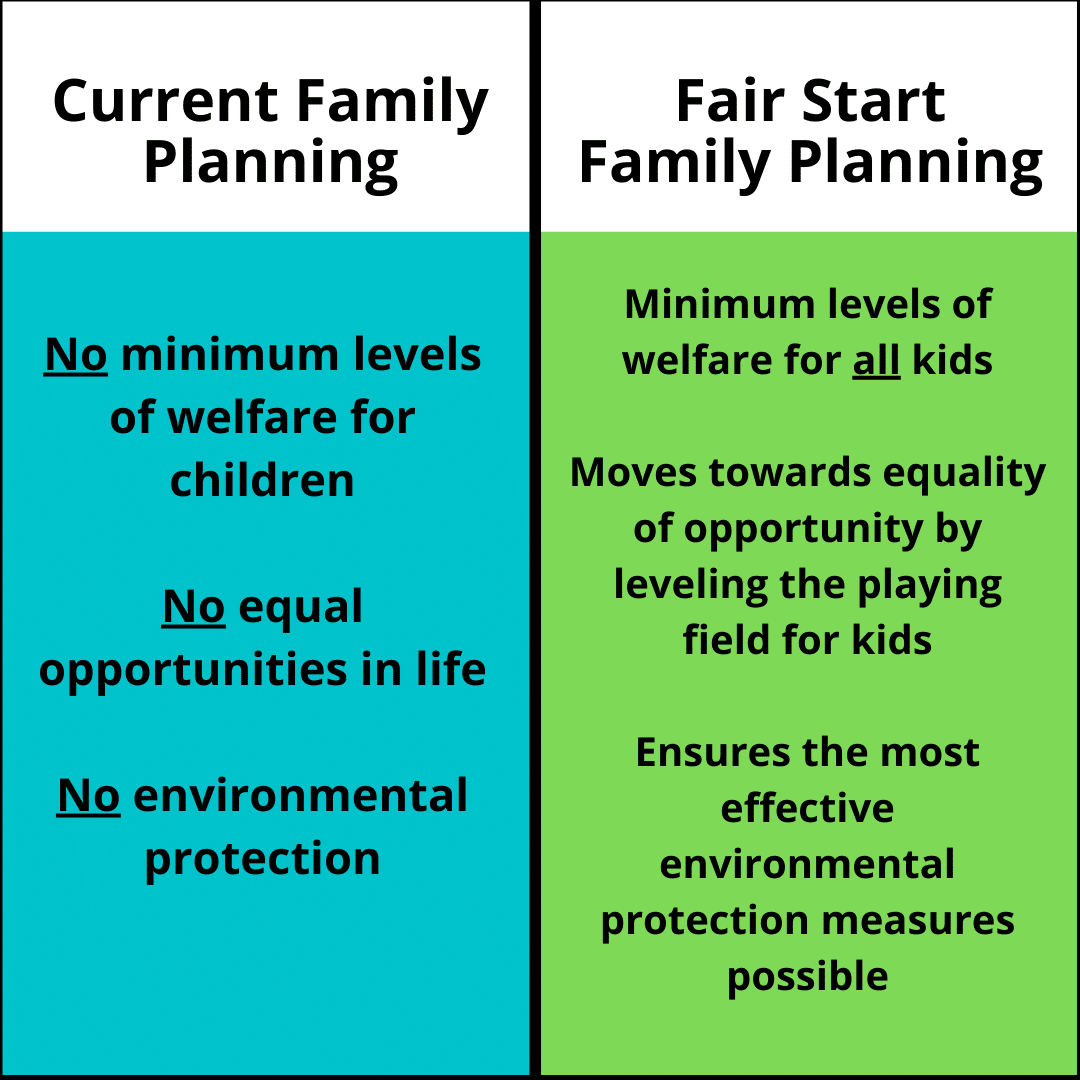
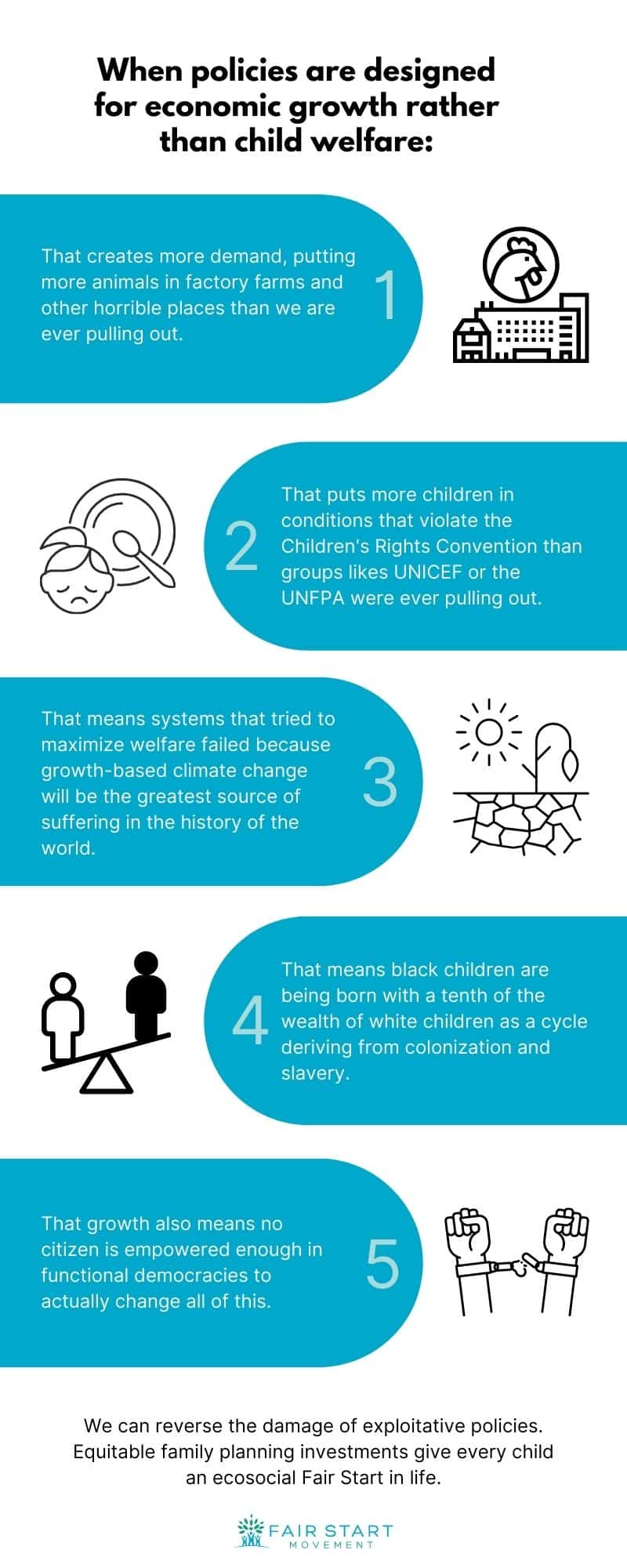
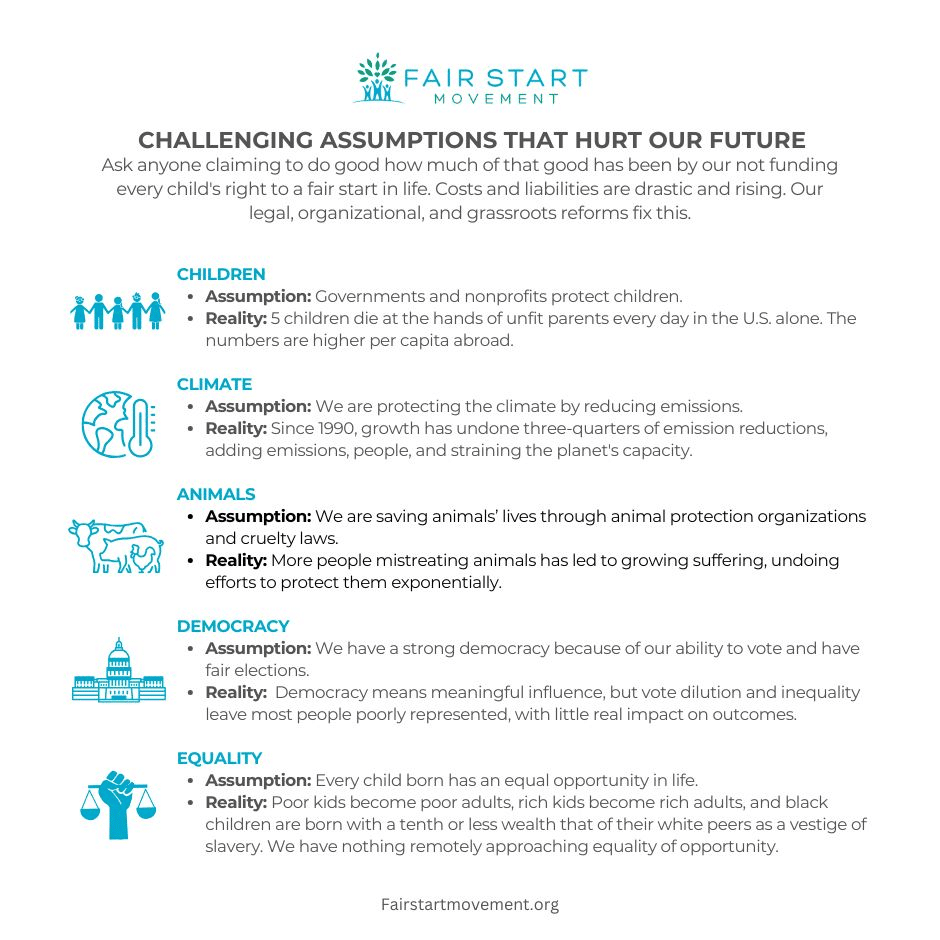
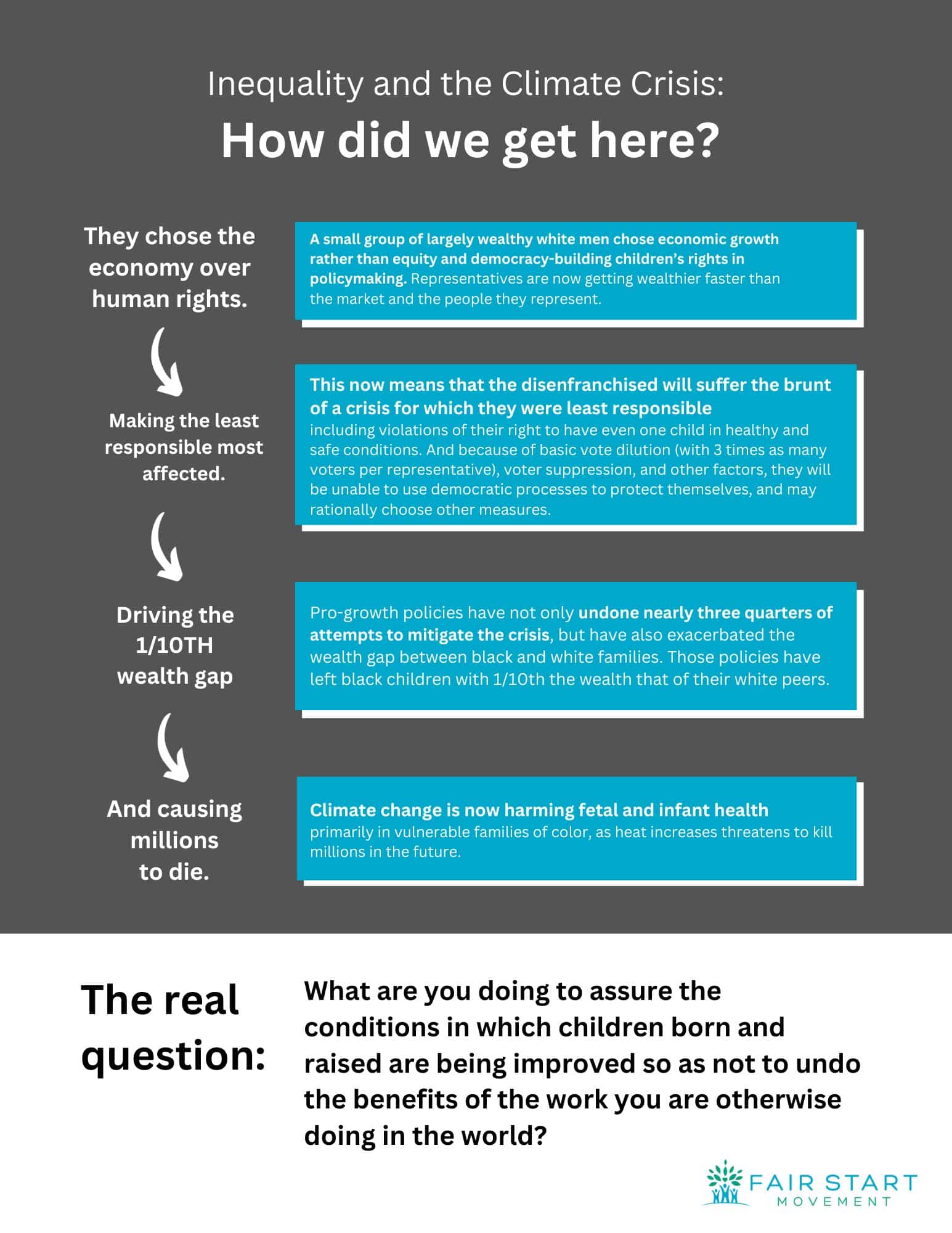
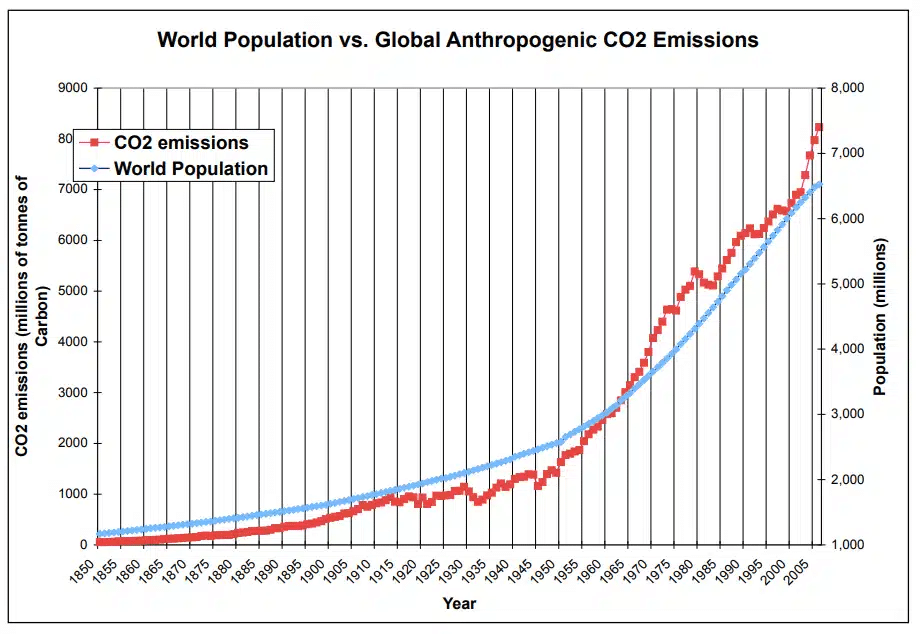
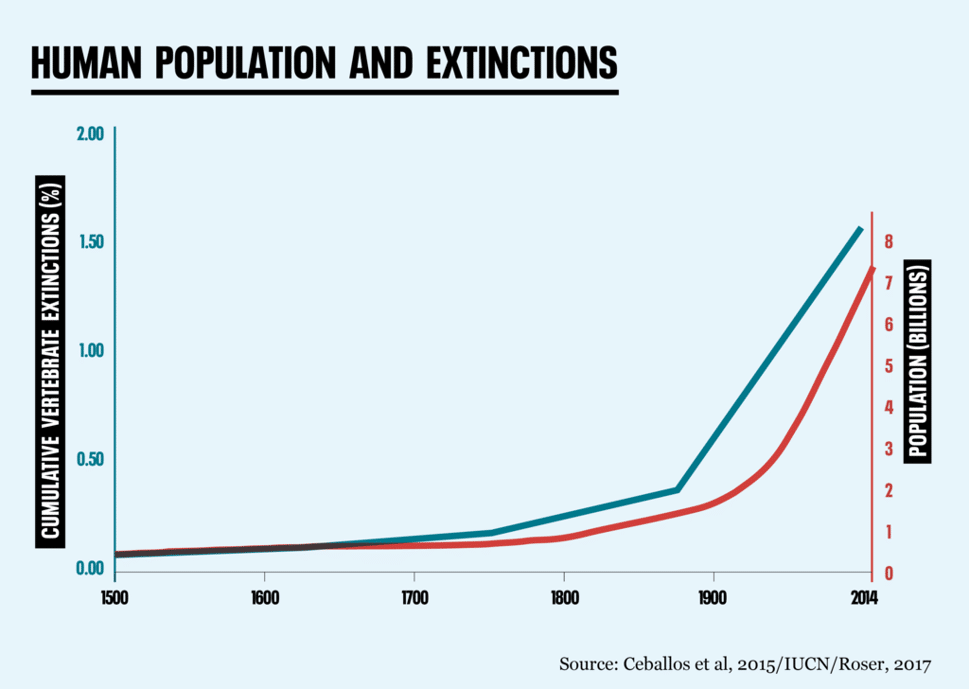
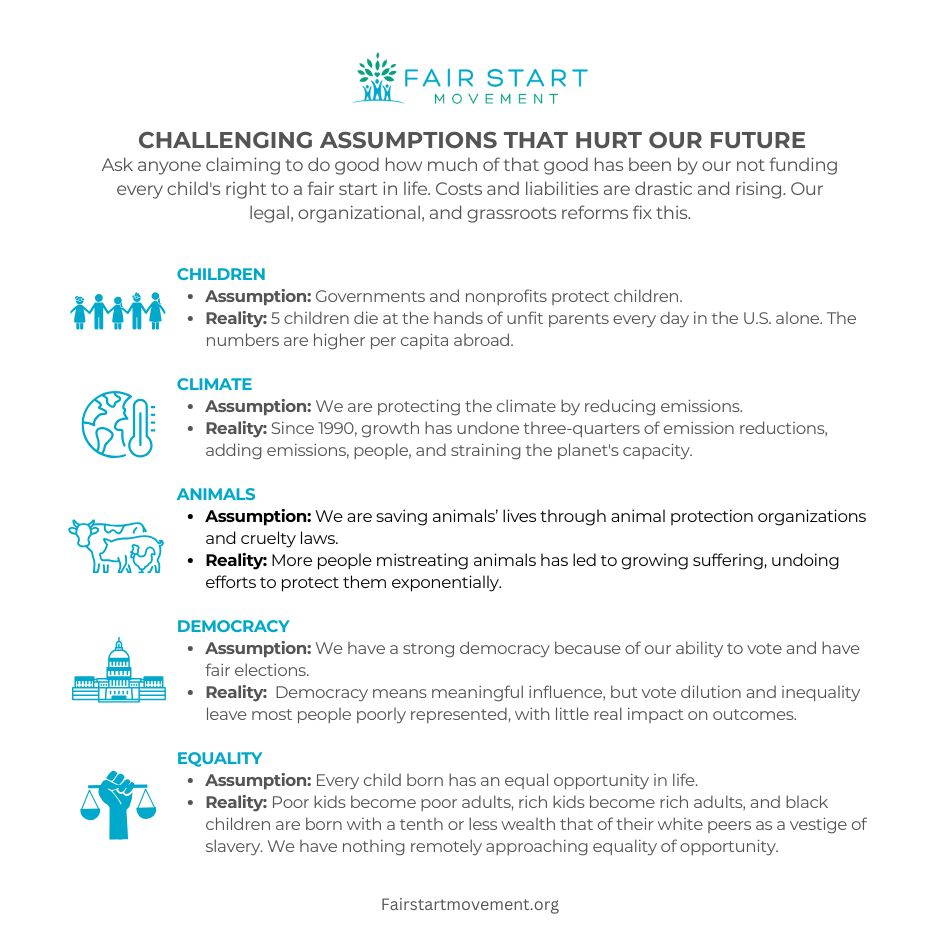
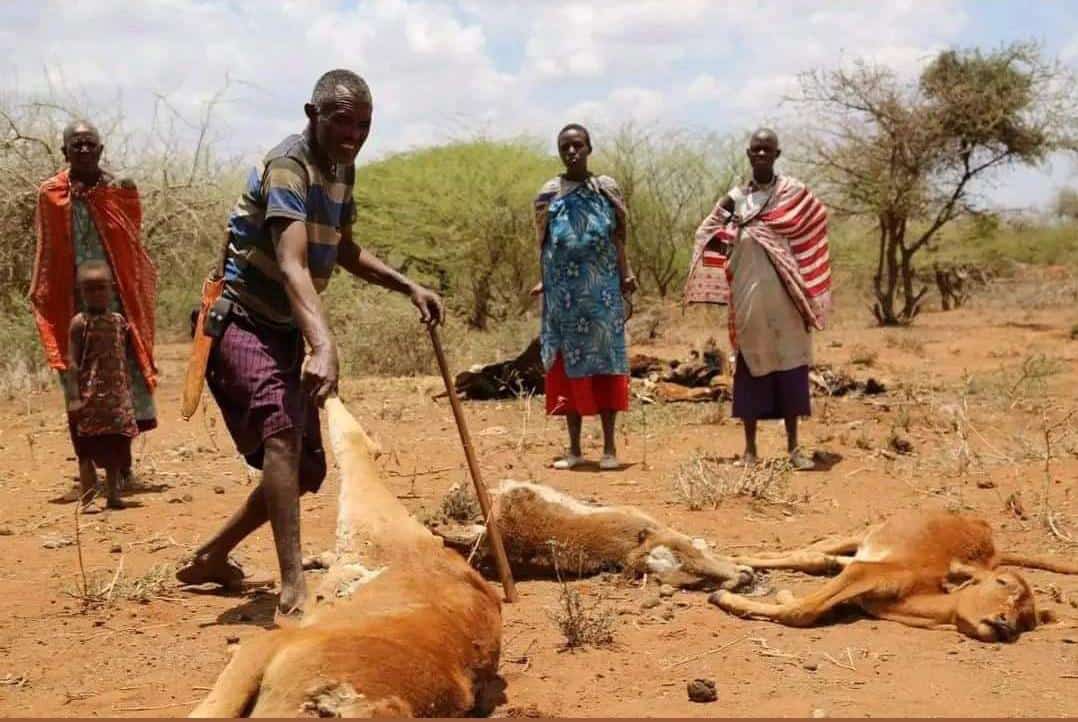
What’s the most just and effective reform possible? Ensuring every child a measurably fair start in life.
Why?
Documents like constitutions and treaties do not constitute legal obligations and nations – only people empowering others can do that, and the first necessary condition of that process is ensuring we account for the costs of ensuring all children enter the word above a “one person, one equal and influential vote” standard of democratic empowerment.
How do we assess if the costs are being covered? Those who wish to pay the costs can never compete against those who refuse, those who would use what one Nobel laureate called a growth Ponzi scheme, exploit infants and animals.
Take anyone’s or any institution’s value assessments and impact claims – these are what situates them in the political system.
Fact: Growing political inequity would have done more to harm their professed values than they have done to further them, and they are likely knowingly omitting the countervailing impacts of that growth in their value assessments and impact claims.
Anyone can use any AI tool to see this clearly, contrasting claimed impact with the impact of that growth.
This is called #illegaldiscounting, a cost/benefit analysis that uses a false premise – legitimate obligation in a legal system that does not empower those subject to it – to enable certain business models.
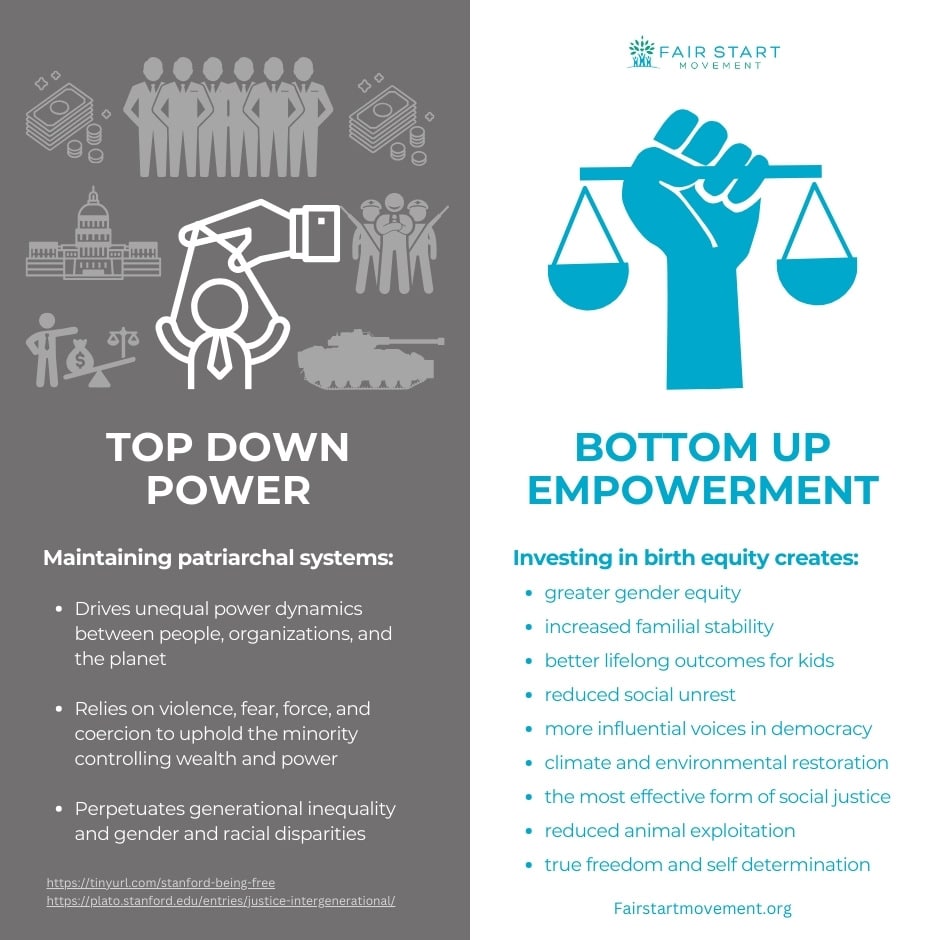
It is the inherited practice of the illegal conversion of political freedom into market freedom through an almost universal reproductive rights policy / creation ethic that treats having children as more self-determining form the parents than the child created. Welfare gains and market values do not offset the loss of freedom – the loss of objective, measureable self-determination – that the discounting requires.
Illegal discounting entails assuming children deserve what they are born with rather than what their rights and political equity require and discounting costs accordingly. It also involves assuming the legitimacy of a political system in which children of color receive a fraction of what white kids get.
It derives from the privatization of the creation of power relations, an inversion of the meaning of self-determination, by corrupt leaders in the human rights regime decades ago. These leaders subverted racial justice and decolonization efforts by maintaining “separate but equal” ideologies, and the protection of mostly white generational wealth, in the reproductive rights regime over intergenerational justice and a threshold for democratic empowerment of future children.
The standard does not require claimants to actually further the values they claim, and ignores the need for an objective standard – like a “one person, one equal and influential vote” metric – of who we humans should be.This corruption fundamentally created and drove the polycrisis, in part, because public interest became a race to the bottom, with doing good simply meaning doing better than the terrible actors around us. Instead, the objective standard could have ensured anti-legitimacywashing efforts, a much more evolved concept than greenwashing or humanewashing which deal with problems downstream, rather than upstream and preemptively. Those who refuse to discount could never compete against those who do, using wealth made by not paying the costs of child empowerment / legitimate political systems to continue that process.
Climate change solutions that magically enrich some children at deadly cost to others are not solutions at all.
This enriches some illegally, at deadly cost to others.
It skews the baseline for things like climate reparations by as much as five times, minimizing life-saving liability because it does not account for actual, or birth-based power relations. Instead it looks at them abstractly.
This has a disenfranchising and discriminatory impact on future generations, relative to things like democratic representative ratios and ecological carrying capacities.
If lawyers had gotten it right, economists would not have been able to discount future lives because to be legitimate, legal systems have to maintain “one person, one equal and influential vote” entry threshold under standards for intergenerational justice. Lawyers (like Heather Gerken, former Dean of Yale Law School) did not, and do not, get it right because they intentionally use the legal fiction of reproductive autonomy to block the threshold, and free ride on arbitrary birth positionalities, as well as concentrations of power and wealth (the endowments as Yale, and Ford Foundation, for example) made by not ensuring the threshold, in a way that erodes all of our freedoms and right to self-determination.
It would be physically impossible to be free / self-determining if we do not now move that wealth to now elevate the threshold, with markers like democratic representative ratios linked to ecological restoration, racial equity etc.
Those moving the wealth are not being altruistic. They are defending their own political freedom, a reason that has historically, and does today, allow extreme measures.
Here is what we can do to stop it:
Take anti-greenwashing legal frameworks and look for #legitimacywashing instead.
Illegal discounting violates unfair competition and civil rights laws because it disenfranchises future generations relative to a zero / legitimate baseline, and is inherently deceptive and discriminatory.
It is preemptively illegal, under constitutional law, because the authority to govern derives from the need to empower those subject to that authority. Illegal discounting converts the possibility of democratic participation into unsustainable, inequitable and disenfranchising growth by discounting the lives of future children beneath a threshold of democratic empowerment.
That means the same institutions that claim to be fighting climate change have for decades been discounting the damages in things like public interest litigation, in some cases with as much as one fifth the accurate damage assessment.
This is the primary ethical, moral, political, legal question, and because it is existential: Are we valuing others enough to make our benefits and obligations contingent on their empowerment?
What would it take to empower children as they come into the world with a representative ratio pegged to restorative ecological carrying capacities, and racial/political equity?
Then challenge the claims and business models as illegal under unfair competition, civil rights and constitutional law. Only this tests whether political authority and entitlement to wealth is contingent on empowerment. Only this accounts for the inseparability of values from obligation.
The University of Denver recently returned $250k to a funder because of their illegal discounting in regards to their animal law program.
Fair Start Movement is now assisting Truth alliance.global to make its own claims against the school for the harm it suffered.
In circles of funders and advocates dedicated to animal protection the question of whether organizations are illegally discounting (ID), devaluing the future lives of animals in their business modeling, is a real issue.
How it works in animal protection (much like a Ponzi):
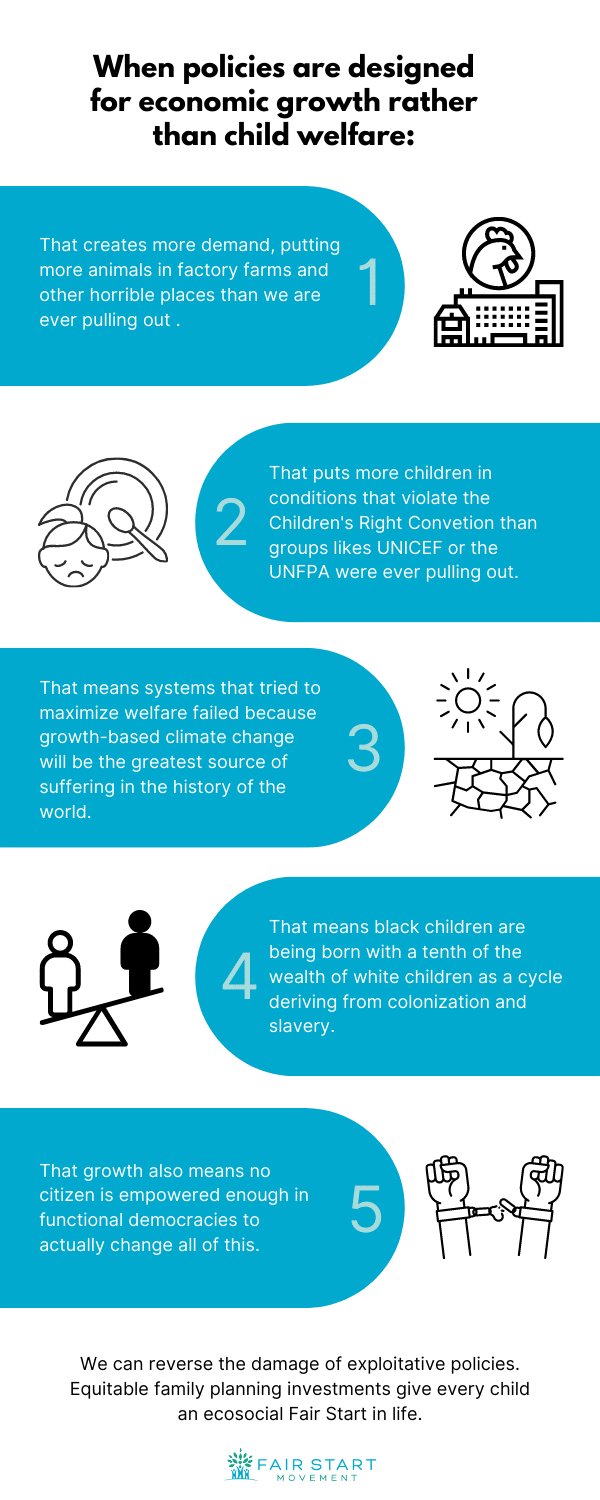
Funders create their wealth based on inequitable and unsustainable growth – by not paying the costs of empowering children or evading the climate crisis, by discounting black lives, etc. By using illegal discounting, those taking in the wealth do more harm than good to objective values, like animal protection. Fact: The growth creating the wealth kills more animals than as philanthropy it saves.
The funder then invests in the growth-based food or materials industry to make money, funds nonprofit organizations to create market preference for vegan products through downstream activism (distractivism) – after the harm has occurred, and more animals go into the system with more harm to the environment.
The funder and their wealthy kids walk away with the proceeds, the activists get paid their salary and their egos get fed, and animals and vulnerable communities are worse off.
Trump and those like him (mostly white generational wealth) win, because instead of animal protection blocking the inequitable and disenfranchising growth that created him, the animal protection movement enables the growth by creating a fantasy world of downstream victories to hide it.
This discounting has gone on a long time, but as the climate crisis death count rises, so does the liability of those engaged in this, and we may be reaching a point where key targets/examples start to fall. This will transition the driver or philanthropy not from charity to investment, but from investment to liability for the polycrisis.
Anyone can take similar action against similar targets. Learn more here and join the Constitutional Challenge campaign.
It’s common to see public interest organizations and governments challenging greenwashing or humanewashing as a means of protecting the environment. But are they using arbitrary criteria for what is green, or humane? Relative to what standard have they been making progress if we have arrived at the current polycrisis?
Our research further shows that framing the issue as “growth” itself is inaccurate though helpful to begin to introduce audiences to the issues. Growth is not accurate because people are not reducible to numbers that ignore the more influential relations formed as children enter the world. Those relations present a primarily qualitative issue, one that first has to do with empowerment.
The growth of the past several decades was first enabled by antiquated “separate but equal” reproductive rights policies that illegally discounted and disenfranchised future lives by ignoring a “one person, one equal and influential vote” standard for intergenerational justice in favor of preserving status quo birth inequity and mostly white generational wealth – harming mostly lives of color. The codification of “separate but equal” between 1948-1968 by the emerging human rights regime represented a power grab by elites to protect generational wealth, and avoid intergenerational justice obligations.
The move removed any threshold for intergenerational justice that would have maintained empowering conditions, including birth equity, low climate emissions and reasonable representative-ratio levels. The move used a narrow misconception of what it means to be free from power – one that assumed political authority and existing entitlements rather than legitimating them by actually empowering the children born into the world.
The policies, by ensuring unsustainable growth that diluted the average role one has in influencing the outcomes of their political systems, commercialized human freedom – basing the idea of freedom around free-market isolation and the disembedding of the person from their political systems, rather than empowerment.
To understand Illegal discounting / equitywashing we can simply ask: How are we accounting for empowering children as they came into the world at a “one person, one equal and influential vote” level – enough for them to simply vote to end the climate crisis, autocracy, inequity, etc? The notion that they have that level of influence – that they are anywhere near self-determining – is ludicrous. And the fact is, our assessing value and reporting impact without this accounting hid the daily decline, and made it all worse.
Forget words like sustainable, green, humane, etc. Organizations appear to have never met a basic standard of legitimacy,
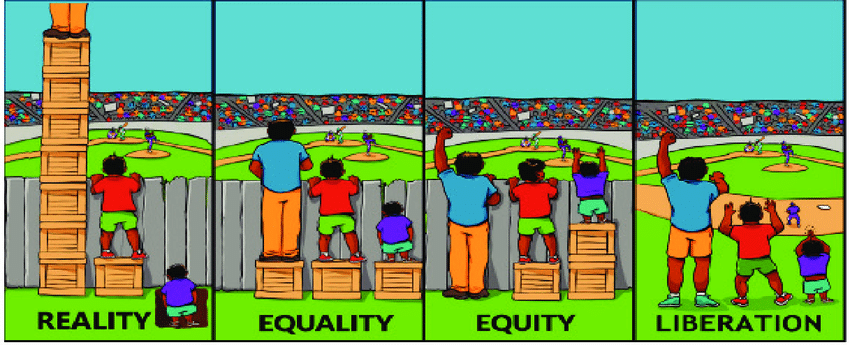
The alternative was, and is, to treat children entering the world beneath a recognized threshold of measurable empowerment as a constitutionally impermissible cost. It’s treating no child as worth more than another.
Constitutions and treaties don’t create legal obligations, only actually empowering others does that.
And that empowerment depends on whether we account for its costs, assess value, and report impact accordingly – and thus engage in a truly constitutional discourse. One either accounts for the benefits one enjoys as requiring the measurable empowerment of others, or one does not – and the things we say give away whether we do that, or not.
Can you think of and describe conditions in which those relations would form that does not involve that accounting? No – that’s impossible, as is being self-determining without truly empowering others.
The fix? Because they do not do that, equitywashing leads to false claims that disvalue human and nonhuman lives, and by metrics we all use like safe temperatures, influence over our political systems, equality of opportunity, etc.
Anyone impacted by those false claims can use consumer protection law to target the claims, and because the underlying business model that causes the claims often violates civil rights and other laws, advocates can use those laws to block use of the underlying model itself. These equity actions trigger something unique: They force governments to decide whether they are are interpreting their laws and own authority as contingent on the measurable empowerment of those subject to that authority – on a one person, one equal and influential vote standard – or choose to use some other standard.
Those willing to pay the costs of legitimacy could never compete against those who refuse to, but the former don’t have to compete: governance requires empowering those subject to it, and interpreting laws to require the same.
The practice is part of a historical trend of nonprofits setting low environmental standards and engaging in performative work, something that now exposes them to liability as the climate crisis unfolds. The situation is exacerbated by a lack of accountability mechanisms – like market forces or constituencies – in philanthropy.
As part of a 2024 fellowship I did with the MAHB at Stanford University, and based on extensive peer-reviewed research, FSM began to publish popular articles on interventions to end the equitywashing/ illegal discounting, and using animal liberation (where one finds the most falsifiable claims) as a vector for change.
It provides a window into how the polycrisis formed, and at the most fundamental level: How we value others, and assess and report our impacts on the world.
In 2025 around litigation I helped bring against Coca Cola, Inc. for equitywashing, I began a fellowship at Emory University based on a forthcoming book on using a “preemptive constitutional discourse” about what it means to empower future generations as a requirement for national legitimacy. The research is built into a tool: FalseClaimsChecker.org. This work is designed to use clearly out-of-context impact claims to get at and preempt the underlying modeling using a simple “one person, one vote” standard to block the illegal discounting and equitywashing under state law, using unfair competition litigation.
Said simply, the tool looks for fake numbers in claims, which originate from the false assumption that there is any form of freedom outside of being birth-empowered to a level of political self-determination. It’s accurate to call those numbers “fake” or “false” because they derive from the legal fiction that having children is more determinative for the parents than the children born or communities they come to comprise, with no level of infant-health-as-enfranchisement (relative to a neutral or zero position) required. Infants arbitrarily born into deprivation relative to others – racially, generationally, nationally, etc. – are not constitutionally positioned to be relatively self-determining, or part of a legitimate, inclusive, and empowering system.
In 2026 the funder I had brought on at the University of Denver and various allies made public demands on the University of Denver – including threatening the first ever political equity /constitutional injunction litigation.
In 2026 the Coke litigation terminated in-part because of a lack of funding from animal protection philanthropists avoiding the equitywashing issue, but the University of Denver returned key donor funds, and TruthAlliance.global is now making renewed public demands on the school to end its illegal discounting – in part because it constitutes unfair competition, and violates state and federal civil rights laws.
This work has now culminated in an open letter and forthcoming campaign to urge Coca-Cola, Inc. to end illegal discounting.
The efforts, unlike other campaigns, account for how the the public interest sector – from government, to philanthropy, to nonprofits – enabled many of the current crises because the sector used no fixed baseline or goalpost in assessing public interest outcomes and equitywashed by failing to adhere to the legal “floor”of a one person, one equal and influential vote standard. This is evident in looking at simple metrics like permissible climate emissions, minimum standards for early childhood development, functional representative ratios for political systems, etc. against the legitimacy, or legitimacy/child empowering, standard.
Instead public interest organizations use and have used constantly moving goalposts to ensure the ability to claim progress, and justify their positioning. That’s illegal, and flows from the racist “separate but equal” standard and policy embedded in near-universal reproductive rights systems which acted to protect generational wealth (particularly at foundations), and which accepted as a given that children of color deserve fewer resources, more risk, and diminished influence in their political systems.
Key public interest organizations face serious liability for decades of false claims, and are now taking actions to hide it. FSM activists have been removed from public interest fora, seen Wikimedia pages deleted, have had funders drop their funding, have seen their social media posts censored – and many other forms of retaliation – all for raising these questions.
Our experience has shown that like any sector, public interest entities will not only avoid admitting their mistakes, and as detailed in current proceedings before the African Union, will in many cases attempt to sabotage revelations of those mistakes.
TAKE ACTION: If you are supporting a public interest organization, assess their claims using FalseClaimsChecker.org and urge them to end illegal discounting.
The Supreme Court has sharply limited the Voting Rights Act, deepening an already severe state of racial inequity in the United States.
But this outcome did not come out of nowhere. It reflects decades of entrenched inequality at birth and the accumulation of generational wealth that has concentrated power in the hands of a few. Rather than fully confronting the country’s racist history, past generations built a system that appeared to move gradually toward equality. In reality, it was fragile—a house of cards. Persistent inequity at birth has done more to erode democratic values than to advance them.
Government authority ultimately derives from empowered people. The Court’s authority, like that of any institution, depends on a far more demanding standard of racial equity than what the Voting Rights Act alone provides—a standard the Court itself is now failing to meet. Its legitimacy rests on an interpretation of the Constitution that requires real, birth-based empowerment of those subject to its authority.
Put simply, the Court’s authority depends on every citizen having an equal voice in government—and that begins with equity at birth.
By that measure, the United States falls far short.
Centering equity in public policy would force government to account for whether people are truly empowered in their daily lives—especially given the conditions into which they are born and that are shaped by public power. This perspective has been emphasized by scholars and advocates who stress the foundational importance of birth equity.
There is nothing inherently special about Supreme Court justices. Their authority is conditional, and like anyone else, they can make flawed claims. If you examine how they justify their authority, you may find assumptions that do not hold up under scrutiny—particularly in a system where many people have little real control over political outcomes.
This raises a fundamental question: authority relative to what standard? Documents alone do not constitute a nation. A nation is constituted by people—by the conditions under which they are born and the extent to which those conditions allow for meaningful empowerment.
The Fair Start Movement aims to advance this principle through litigation, despite resistance from some institutions.
If it is illegal to operate a business that explicitly excludes people of color, it should also be illegal to structure systems that enrich some children while imposing deadly costs on others—disproportionately children of color. Such models obscure accountability, particularly as the climate crisis intensifies, and reflect broader patterns in academic and policy spaces: shifting standards away from meaningful measures of human well-being while still claiming progress.
Any individual or organization claiming to create value should be able to demonstrate that they accounted for the fundamental obligation to ensure that all children are meaningfully empowered from the start—at a level that allows them to withstand systemic threats like climate change, autocracy, and extreme inequality. Without that, such claims risk resting on a flawed baseline that benefits some while imposing severe costs on others.
The Supreme Court is no exception. Its legitimacy depends on whether it operates within a framework of genuine empowerment. If it does not, then its authority should be questioned—not out of disregard for institutions, but in pursuit of a more just and meaningful standard of legitimacy.
Across public-interest work — from animal advocacy to climate to social policy — institutions regularly claim progress.
They report impact.
They describe success.
They ask for trust.
But far too often, they do not answer a simple threshold question: relative to what baseline?
Without a clear baseline, a claim of “impact” cannot be independently verified. It becomes a statement without a measurable standard, and in that gap, perception can replace reality. An organization can appear to succeed while underlying conditions remain unchanged — or even worsen.
This is not always intentional. But it is systemic. And it matters.
At its core, this is a question of legitimacy. Public-interest institutions operate with authority and influence, often shaping outcomes that affect animals, children, and vulnerable communities. When claims of progress are made without clear, equitable, and measurable standards, that authority rests on perception rather than demonstrated outcomes.
These claims influence where money flows, which strategies scale, and ultimately which lives are affected — including animals, children, and vulnerable communities. When baselines are unclear or absent, it becomes difficult to distinguish between meaningful progress and performative success.
The problem is not limited to one issue area or one kind of institution. It extends across domains where public-facing claims are used to attract trust, justify strategy, secure funding, shape policy, and signal legitimacy. In that environment, the absence of a disclosed baseline is not a minor technical omission. It is often the difference between a claim that can be evaluated and one that cannot.
These gaps are not confined to a single domain. They extend into areas such as climate policy, where decisions are often evaluated against incomplete or shifting baselines. As a result, actions may be presented as progress while long-term consequences — including projected loss of life, environmental degradation, and disproportionate impacts on vulnerable populations — are not fully reflected in how success is measured or reported.
That is why we built the False Claims Checker.
www.FalseClaimsChecker.org is not a commercial product or a marketing exercise. It is a public-interest intake and triage mechanism designed to help structure the review of public-facing claims. It exists to identify whether a claim can actually be understood and assessed based on what has been disclosed. In that sense, its role is straightforward: to bring structure, clarity, and accountability to claims of impact before those claims are accepted at face value.
FCC evaluates publicly available claims using a structured standard:
What is being claimed?
What baseline is being used?
What outcomes can be independently verified?
It does not assume bad intent.
It does not require inside information.
It simply asks:
Can this claim be understood and validated based on what has been disclosed?
That question matters because public-interest claims do real work in the world. They shape reputations. They influence donors, regulators, journalists, institutions, and the public. They affect which interventions are replicated, which narratives dominate, and which harms remain obscured. If the baseline is missing, unstable, or selectively framed, the claim may still sound persuasive while remaining impossible to verify in any meaningful way.
This is especially important where the people, animals, or communities affected by a policy or institution are not positioned to control how success is defined on their behalf. In those settings, baseline selection is not neutral. It determines what counts, what disappears, and what can be publicly celebrated despite unresolved or worsening underlying conditions.
The broader concern behind FCC is that claims of progress are often made without the level of transparency necessary to evaluate them fully. That concern reaches across domains affecting animals, children, climate, race, and other vulnerable or publicly affected populations. Where appropriate, the issue is not merely whether a claim sounds reasonable. It is whether the claim discloses enough to permit independent understanding, meaningful comparison, and honest scrutiny.
Without that, “impact” can become a matter of presentation rather than proof.
FCC was built to address that problem.
Because without a baseline, there is no way to know whether progress is real.
Treating humans as numbers, and framing the world’s crises in terns of population, hides political inequity – the true driver of the crisis. It hides legitimate demands for birth equity reparations, putting millions of lives at risk.
Nandita Bajaj leads the entity Population Balance.
We inspire narrative, behavioral, and system change that shrinks our human impact and elevates the rights and wellbeing of people, animals, and the planet.
We are proud to be the first and only organization globally that uses an anti-oppression lens to draw connections between pronatalism, human supremacy, social inequalities, and ecological overshoot, and offer resilient, life-affirming pathways to address their combined impacts on the planet, people, and animals.
That is not accurate. Bajaj and the organization use the same fundamental standard – birth inequity – that caused the polycrisis.
Yes pronatalism – urging women to have children – is bad.
But what fundamentally drives pronatalism are concentrations of wealth and power that were able to exploit growth for decades – and able to do so because of the same reproductive rights model Bajaj backs and that Fair Start was designed to replace, one in which there is no requirement to ensure children are measurably empowered.
Opposing pronatalism in word without changing the entitlement structure can do more harm than good.
A Twentieth Century power grab by elites used the “separate but equal” standard to treat the act of having children as a matter of parental bodily autonomy, rather than political equity for all. This blocked the measurable empowerment of each child – the measurable political equity that is a necessary condition of being free – and ensured unsustainable and inequitable growth that created extreme concentration of wealth, disenfranchised citizens, and irreparable harm to the environment.
Today women “liberated” by this reproductive rights regime, as well as their children, are dying in growth-based heat waves, with no way to use their political influence to save themselves or their children. Worse yet, wealthy funders benefiting from that inequitable growth masked it for decades with the downstream charade interventions discussed above, and low standards for defining terms like “green,” “humane,” and “equitable” designed to enrich their own children at deadly cost to others.
There are a legion of professionals ensuring the white supremacy of this wealth bubble – lawyers, academics (many of whom do not account for birth positionality and thus lose neutrality in their work), reporters/editors, campaigners, and paid fundraisers – who create a fantasy world of legitimacy and social justice progress with performative, micro-level and downstream interventions easily undone by inequitable, disenfranchising, and upstream growth. These professionals protect and expand mostly white wealth by omitting the countervailing impacts of children entering the world in conditions that violate the children’s rights and disenfranchise them, impacts that contradict the value assessments and public interest impacts the professionals claim. They want the benefits of the privileged birth positionality system, including using it to appear to engage in public interest work and the furthering of key values, without acknowledging and mitigating the costs of that system to these values.
Fair Start activists worked with Bajaj for some time.
During that time, and now, she and the organization have rejected birth-equity based reforms, and framed the threat around human population rather than political inequity – a move that panders to funders keen to avoid questions of white supremacy and birth equity liability, and that deprives those most impacted by the climate crisis of the equity reparations they deserve.
In fact, Population Balance removed Fair Start modeling, which shows that it is illegal to treat children of color as deserving less than white children, from their podcast. Their work does not change the fundamental entitlement structure that caused the climate crisis, and is akin to performative equitywashing.
It’s not about population – humans are not numbers.
The issue is political equity. Bajaj provides a convenient offramp to avoid dealing with what we owe future generations, especially children of color.
“There’s a hard truth we can’t keep avoiding. In the fight for climate justice and birth equity, the path is not always clean. Sometimes, the very systems meant to support this work pull organizations into spaces that raise real legal and ethical concerns. The pressure to secure funding can quietly shift the focus from justice to survival and in doing so, it can reinforce the same power imbalances we are trying to dismantle”
Our Tell the Truth and Act campaign is simple: We admit not ensuring all children a fair start in life did more to harm our values than we did to further them, and we commit to changing that.
Fair Start activists are eager to debate Bajaj publicly on her modeling. Urge her to accept the offer.
Fact:
If it’s illegal to use a business model that prohibits hiring or housing persons of color, it’s illegal to structure cost/benefit business models to enrich some children at deadly cost to children of color. Use of that model hides liability for the deaths of tens of millions as the climate crisis intensifies, and reflects the public interest practice that ensured the polycrisis: Constantly moving goalposts away from the infant-health-as-enfranchisement standard necessary for political legitimacy in order to falsely claim truth, or victories, and to thus raise funds.
Unless a person or company claiming to add value to the world can show they were evaluating and reporting by accounting for the preemptive costs of having to measurably empower all children equitably as they enter the world – and at a standard where those children could protect themselves from the climate crisis, autocracy deadly inequity, etc. – the person or company making the claims was using an illegal baseline, a Ponzi/equity-fraud standard that benefits them at deadly cost to others, and mostly children of color.
Did the University of Denver really spend millions of dollars to create charade of animal liberation, saving a few here and there, while embracing an underlying model of animal propertyhood, birth inequity, and unsustainable growth that kills countless more, and harms vulnerable children?
“Today’s animal rights movement is hindered by an unmet need: While relying heavily on activists and insiders to uncover wrongdoing and urge systemic reform, there has historically been a dearth of available legal support. The Animal Activist Legal Defense Project fundamentally alters this state of affairs, with significant and distinctive benefits for the future of the animal rights movement and for the future of animal well-being.”
Relative to what standard does Marceau, or those like Paul Shapiro, benefit animals? Factor in the inequitable growth that put vastly more animals into suffering than they saved, and you find them moving the goalposts away from on-balance protecting animals in order to to appear to win, and appear so for those who use growth-based wealth to fund the efforts. That well-funded charade drowns out the voices of those who engage in fundamental reforms, and it costs lives as the climate crisis intensifies and women and children go without the resources they need to respond to it.
I co-founded the Animal Activist Legal Defense Project with Justin, in the wake of serious misconduct at the Animal Legal Defense Fund, including illegal baselining skewing how courts evaluate harm to the environment, the Board paying a settlement to the former executive director Stephen Wells to hide this, and continued illegal baselining that hides liability for philanthropists’ and nonprofits’ role in exacerbating the climate crisis. Part of the founding of the clinic at Denver, in records now removed from the school’s website, was a commitment to total liberation that accounted for many forms of justice. That quickly changed – consistent with funders’ growing concern about what the commitments would reveal and require.
When I mentioned to Justin the book “Winners Take All: The Elite Charade of Changing the World,” he responded: “This is a story as old as time. I admire the fact that you think you can solve it.” The work we did, if anything, exacerbated this phenomenon.
Justin’s statement above reflects a fantasy world that hides the liability of those who benefited from decades of anthropocentric, inequitable and disenfranchising growth – those who fund his work.
Fact: Inequitable growth that enriched mostly wealthy, white children at deadly cost to countless children of color did exponentially more harm to animals than we, at the program, ever did good. Use of that valuation and reporting model hides liability for the deaths of tens of millions as the climate crisis intensifies, and reflects the academic and public interest practice that ensured the polycrisis: Constantly moving goalposts away from the absolute infant-health-as-enfranchisement standard necessary for political legitimacy in order to falsely claim truth, or victories, and to thus raise funds.
Marceau’s work is a facade meant to create the impression of animal rights and law, while maintaining an illegal anthropocentric standard from which he benefits. While originally part of Animal Legal Defense Fund litigation that would have reset the baseline around the unity of interests between nonhumans and vulnerable persons, Marceau dropped out after leadership caved to Julia Olson and Our Children’s Trust – an anthropocentric environmental group – pressured the organization to drop the case. His advocacy since derives from illegal baselining that, like the advocacy of Tim Midura at the Brooks Institute for Animal Rights Law and Policy, does more to protect wealth and white privilege than on balance benefit animals.
How could that happen? For decades reproductive rights systems built on “separate but equal” ideology enabled inequitable growth that – absolved from having to pay the costs of equitizing birthrights – created extreme concentrations of wealth. That wealth now funds downstream, micro, and charade-level interventions that hide the macro process and create a fantasy world of progress that hides liability for the polycrisis.
That wealth, not on-balance values like the full measure of protecting animals, accounts for public interest policy and interventions.
Animal liberation can entail the symbolic rescuing a handful of animals and doing a few show trials, while growth drives the harm of trillions of more animals than activists protect.
To protect animals – to practice animal law actually capable of that – requires accounting for the relations they have with humans, relations that start as humans enter the world. But that entails accounting for things like racist child inequity, the countervailing impact of growth, questions of what we owe future children harmed by the climate crisis and whether that debt overrides competing interests, etc.
We, like the Brooks Institute for Animals Rights Law and Policy that funds the animal law program Justin manages as well as his title, chose greater harm to animals than we as animal lawyers could ever do good with our downstream and micro interventions, a choice made we made in order to evade difficult questions around birth inequity, while benefitting ourselves and those funding us, at cost to animals. It was a deliberate choice of macro (human / nonhuman indivisible) animal propertyhood over macro personhood, and in contravention of the wishes of Brooks McCormick Jr. to protect animals – a fact that Fair Start will show in the years to come.
Following the true intent of Brooks McCormick Jr. to protect animals requires the funding of reforms at the level of the creation of power relations between humans and animals. Based on what I saw at the University of Denver, Tim Midura and his daughters – whom he hired to lead the Institute – will have spent more on lavish events than on developing and implementing a norm that could on-balance protect animals by rearranging entitlements at the most fundamental level, accounting for and reversing overshoot and the inequitable and disenfranchising growth that causes it.
Relative to inequitable and disenfranchising growth, Midura’s use of the money had a negligible beneficial impact on animals – and he made that choice, to not even take the first necessary step of altering his conception of animal law and its basic content.
Marceau, instead of dealing with animal rights in the context of the subject-level relations of reproductive rights, intentionally chose to silo the issue away from birth equity in order to triple-dip: 1) benefit from his arbitrary but very privileged national/racial/class birth positionality, 2) benefit from growth-based wealth unimpeded by the rights of future children, and 3) pretend to be an animal savior while ensuring a comfortable life for him and his children at cost to animals. Pushed to do animal law as reforming the express or implied “we” reference that is the premise of all fundamental legal instruments like constitutions and covenants, their concern for animals fades relative to their desire to preserve their children’s unearned privileges.
Macro animal personhood and rights, the sort that accounts for the actual lived experience of all nonhumans, marked from the birth-creation of their relations with humans, is designed to prevent this sort of charade-level work and distractivism.
The lives animals experience cannot be separated from the creation of the humans with whom they will interact. Justin divides the two issues to get the benefit of appearing to be a hero, while using an underlying system – and its funds – that does much more harm to animals than he does good.
The University of Denver, and its funders, now have an opportunity to change the way it assesses value and report impacts – to eventually be able to substantiate its claims of furthering animal rights and liberation, the highest standard of environmental protection one can imagine and something that cannot be separated from the future prospects and lives of all children.
The University has done the micro version of animal liberation and personhood. Now it can do the macro.
If it’s illegal to use a business model that prohibits hiring or housing persons of color, it’s illegal to structure cost/benefit business models to enrich some children at deadly cost to children of color. Use of that model hides liability for the deaths of tens of millions as the climate crisis intensifies, and reflects the academic and public interest practice that ensured the polycrisis: Constantly moving goalposts away from the infant-health-as-enfranchisement standard necessary for political legitimacy in order to falsely claim truth, or victories, and to thus raise funds.
Unless a person or company claiming to add value to the world can show they were evaluating and reporting by accounting for the preemptive costs of having to measurably empower all children equitably as they enter the world – and at a standard where those children could protect themselves from the climate crisis, autocracy deadly inequity, etc. – the person or company making the claims was using an illegal baseline, a Ponzi/equity-fraud standard that benefits them at deadly cost to others, and mostly children of color.
And the just need not be subjected to unfair and unconstitutional competition: Because governments’ authority, including to entitle /incorporate private entities and assign wealth, derives uniquely from the obligation to empower those subject to that authority and those entitlements, governments are under a preemptive obligation to prioritize the elimination, through things like consumer protection actions that can enjoin the underlying business models, of illegal baselining.
“National legitimacy is, and should have always been, contingent on measurable birth equity or
the empowerment of each child to eventually control the outcomes of their political systems. The
Tell the Truth campaign, which is a universal discourse in which all admit wrongly assuming
children legally deserve with the prospects they are born with rather than what racial justice,
their rights, and political equity require, and commit to prioritizing those things, is the best
pathway to that legitimacy. Ensuring this change, especially in post-reconstruction scenarios, is
the first order of business for everyone, and a discourse of our birth-equity obligations – in which
it takes a village to plan for a child – is preemptive.”
Dr. Michael Greger is a prominent physician promoting plant-based nutrition as a means of health.
He was also paid a significant amount of money by the Humane Society of the United States, years ago, to further their mission of protecting animals.
Instead, over the span of decades he used the equity fraud standard described below and key positions he held in the animal protection movement to focus investors on food choice in growth-based markets as an effective reform, monetizing animal protection into a form of consumption, benefitting himself and investors in the process.
The growth in those markets did exponentially more harm to animals, and to vulnerable populations, than Greger did to help them.
In the past decade, the number of animals on U.S. factory farms has increased significantly, outpacing any reduction from veganism. Factory farm animal numbers rose by 6% (roughly 97 million more animals) between 2017 and 2022, reaching 1.7 billion, while veganism remains low (under 3% of the population) and has not significantly reduced overall consumption.
The Tell the Truth campaign simply asks him to admit that truth and factor in the negative impact of inequitable growth on humans and animals in order to dispel the illusion of his having made the world a better place.
Greger’s version of human health as a matter of food choice – on funded platforms in which he drowns out the voices of the vulnerable – has for decades masked deadly inequity that is now killing tens of millions of persons, and mostly persons of color.
Animal protection requires radical social change – with numbers that track total liberation. Those who have shifted it towards other ends, in the decades that proceeded Trump and the unfolding of the climate crisis, bear some responsibility for the crises we see today.
Contact Greger here, and urge him to Tell the Truth by describing his impacts in context, and to change standards for how he assesses and reports value.
Background:
Why Equity Fraud? Why Tell the Truth?
Fair Start Movement and TruthAlliance.global offer the most just and effective social justice reforms possible today, but one has to ask the right question to understand why. You have to ask, when someone makes a value assessment and/or impact claim, what it’s relative to, or the fundamental baseline the claimant is using. They may be using the same illegal baseline that caused the climate crisis, one that undoes the value they claim by illegally discounting future lives, treating children of color as worth a fraction of the benefits white children enjoy.
If someone claims a beneficial public impact, they should be able to account for how they factor in the variable of children entering the world, relative to what children’s rights and equity require. If they cannot, their assessment of value and reporting of impacts may do more harm than good.
Anyone can identify what’s called illegal baselining, or equity fraud: how is anyone claiming to create public value and impact accounting for children entering the world during the contemporaneous period of time? How were they accounting for a system of empowering children enough so they have a “one person, one influential vote,” enough to stop the harms of the climate crisis? If there was no such accounting or reporting to this standard, the claimant will have benefited at illegal and deadly cost to others and undone their claimed value. The Tell the Truth campaign identifies such people.
History
Fair Start was established by advocates who saw the corrupt use of a fraudulent Ponzi standard in their prior public-interest work. This standard stems from a twentieth-century power grab by wealthy families privatizing family planning to safeguard entitlements and maintain power, in a coercive political system never empowering its subjects. These families, along with political leaders, were legally bound to adhere to an objective, child-rights and equity standard, which asserts that no child is worth more than another, as outlined in the International Covenant on Civil and Political Rights. The fundamental measure of value? Infant health and wellness as self-determination, or the ensuring of equal political influence for each individual.
Instead, they used the prevailing “separate but equal” standard to base reproductive rights on a subjective framework with no functional protection for future generations—a move that disenfranchised others, leading to the exclusion of birth equity from valuation and reporting systems and a commercialized version of freedom missing the necessary condition of empowerment.
The twentieth-century power grab used the “separate but equal” standard to treat the act of having children as a matter of parental bodily autonomy, rather than political equity. This assumed existing entitlements and blocked the empowerment of each child—the measurable political equity that is a necessary condition of freedom—and ensured unsustainable and inequitable growth that created extreme concentration of wealth, disenfranchised citizens, and irreparable harm to the environment.
Today, women “liberated” by this reproductive-rights regime, as well as their children, are dying in growth-based heat waves, with no way to use their political influence to save themselves or their children. Worse yet, wealthy funders benefiting from that inequitable growth masked it for decades with downstream charade interventions and low standards for defining terms like “green,” “humane,” and “equitable,” designed to enrich their own children at deadly cost to others.
The power grab also created a false premise in our legal systems, because there is no protective obligation limiting the birth-creation of power relations. Why should we be obligated to protect the lives of those with great influence if they show no obligation to protect and empower those with the least influence so that political systems are legitimate?
Performative Babble Signaling Value While Benefiting From a System That Undoes It
The illegal standard uses manufactured numbers (using an XYZ analysis, where out-of-context statements about value and impact (X) are assessed against the variable of children entering the world during the relevant timeframe (Y) in a way that overshot and degraded children’s birthright conditions, showing a different outcome (Z) than claimed). The standard encouraged inaccurate claims of micro-level progress that benefited the claimant in order to hide larger losses based on macro-level factors like growth. One can’t benefit from a system that brings children into conditions and relations that violate a host of accepted legal standards, including treating infants of color as entities deserving political equity. Use of the standard means many public interventions did more to subjugate persons of color than further their missions.
These actors engage in hypocritical value signaling and performative babble, doing many seemingly useful things while “triple-dipping”: benefiting from inequitable birth positionality, growth-based wealth, and charade micro- and downstream public-interest work that hides the upstream macro-level harms from which they benefit at deadly cost to others.
Communications without the underlying obligation are hypocritical babble, with the communicator signaling values to others in the hope of improving their position in an illegitimate system, while refusing to legitimate the system by elevating a protective obligation to infants and animals in the formation of power relations above any other obligation, including deference to the state that purports to represent those infants.
For example, Paul Shapiro—a well-known animal-protection advocate—used the equity-fraud standard and a constant flow of inaccurate claims over the span of decades to help shift the movement from on-balance animal protection toward a system of vegan Ponzi-scheme food investments, and then founded his own company in order to cash in.
The power grab thus ensured a public-interest industry built on equity fraud, one that did more to enrich some children (like Barron Trump) at deadly cost to others (infants in the Sahel) than it did to long-run protect animals, the environment, children, and political systems. In this system, the wealth bubble created over decades of never having to pay the cost of children’s birthrights—not values—controls public-interest outcomes. Philanthropists assume entitlements unencumbered by both their professed and object values, when in reality they owe more than they could give as charity or invest.
The Solution: Tell the Truth and Be Part of a System of Protective Obligation—or Not
All Fair Start is is the research conclusion that all facts are relative to values, and value and impact claims either constitute or deconstitute legitimate political systems relative to a legally required ideal of measurable empowerment. It is physically impossible to be free without a preemptive, obligatory, collective discourse that ensures a system of family planning aligning measurable birth and political equity as the preemptive obligation with the coercive authority of the state, bringing all children above a threshold of empowerment.
The Tell the Truth campaign is the closest thing to that discourse because it requires admitting the use of an illegally commissive standard and communicatively reorienting the person in the political system to a preemptive obligation to future children. Like efforts to use non-binary pronouns or land-occupation declarations to change mindsets fixed around binary genders or colonial control of Indigenous land, the Tell the Truth campaign uses admission of benefiting at deadly cost to future generations—especially persons of color—to change how we think about obligation.
The campaign demands admission that we all used a system with an embedded baseline error that dilutes votes and commercializes democratic relations by overshooting and degrading political, social, and ecological thresholds, rather than applying an empowerment and resourcing threshold beneath which no child should be born.
The campaign acts as a “legitimacy lever,” taking the death debt from the use of the “separate but equal” reproductive-rights standard rather than the “no child is worth more than another” standard, and using it to leverage a legal, corporate, and grassroots effort in the United States and Europe to identify and preemptively enjoin key targets using equity fraud. This would, by 2028, not just remove Trump, but the fundamental cause of Trump: the power grab that assumed entitlements rather than legitimating them, and disembedded freedom from empowerment and isolated humans from one another, rather than having them measurably empowered and embedded via birth equity as the overriding human right.
How? Anyone can require their governments to block the use of the equity-fraud standard (usually through an illegal or unfair-competition-law injunction) because governments’ authority—including the authority to entitle wealth and property—derives from a preemptive obligation to measurably empower those subject to that authority. It’s illegal not to hire persons because of their color. It’s also illegal to use a standard in one’s work that enriches some—mostly white children—at deadly climatological and birth-inequity costs to millions of children of color.
Legitimate organizations that empower others cannot compete against those who exploit them. They can’t compete with those who omit facts that would show more harm done through a system that quietly turned claimed values into wealth. They can’t compete with those who want to improve their position in an illegitimate system rather than legitimate it. The Tell the Truth campaign is backed by grassroots, corporate-certification, and legal efforts to block equity fraud through state attorneys general who are obligated to legitimate their governance by actually empowering those subject to it.
Conclusion
To avoid equity fraud—which is an essentially racist Ponzi scheme with moving goalposts for what constitutes social justice in order to allow economic growth that enriches some and kills others—we all must assess value and report impact by accounting for the requirement on all of us to pay the costs of empowering children as they enter the world. The standard for doing so is sufficient entitlements and incentives to bring every child into the world in conditions, and with relations, that ensure one person, one equal and influential vote relative to political-equity metrics.
If one cannot show that—accounting for the costs of future children being empowered enough to use their political system to protect themselves from things like the climate crisis (equal offsets relative to zero, or one person, one equal and influential vote)—those assessing and reporting were using the equity-fraud standard. The Tell the Truth campaign divides the just—who back legal injunctions blocking equity fraud—from the unjust, who exploit birth inequity to triple-dip on their arbitrary benefits at deadly cost to others. The unjust hold wealth and entitlements that they refuse to legitimate with children’s rights, using violence to defend it while women and infants—unaware of their rights, including their rights to self-defense—die.
The following is an AI simplification of a longer draft, in progress, below it regarding one example of Fair Start’s Tell the Truth campaign, which urges constitutional discourse to target the fundamental driver of the political, ecological, and social crises we see in the world today: Birth-based political equity.
All facts, and the claims that use them, are relative to values. Ensuring the right set of values when assessing the accuracy of claims, and contrasting what we find when we use the wrong set of values, let’s us see problems in the world today at a deeper level, as well as how to fix them.
Fair Start reforms offer the most just and effective way to address many of today’s overlapping crises—but only if public-interest claims are evaluated using the right standard. Anyone claiming positive impact should be asked a basic question: How did your cost-benefit model account for children entering the world, and did it meet what those children’s legal rights, political equity, and national legitimacy require?
In most cases, the answer is that it did not. Children are typically treated as economic inputs driving growth, while the ecological, political, and human costs of that growth are ignored or illegally discounted. This produces “free” wealth that depends on worsening conditions—especially for children of color—and contradicts the values advocates claim to hold, such as safety, equality, and sustainability. The result is continued overshoot of ecological and social thresholds that both humans and nonhumans need to survive.
If a business or nonprofit used a valuation model that counted racial exclusion as a benefit, it would be subject to civil-rights enforcement. A model that enriches mostly white children while imposing deadly climate, political, and ecological costs on mostly children of color—often through disenfranchisement—is worse, not better, and is also illegal. Yet this model is widespread.
The model uses a sliding baseline that gives future children fewer resources and less political power as conditions worsen. This is the same growth-based Ponzi scheme—identified by a Nobel laureate—that shifts costs onto those least responsible while violating children’s legal rights. Impact claims made under this model are therefore inaccurate because they omit a decisive factor: the harms caused by inequitable and unsustainable growth itself.
The remedy is straightforward: call such claims in, and require advocates to change how they assess and report impact.
Paul Shapiro as an Example
Paul Shapiro, founder of a major alternative-protein company, recently claimed in a Medium essay that he has helped animals over more than two decades. That claim is misleading.
Since the early 2000s, factory farming has expanded dramatically, with hundreds of billions more animals suffering today than when Paul began his work—far exceeding any animals “saved” through food reforms. This outcome was driven by a factor Paul and many others relied on and benefited from: unsustainable, birth-inequitable growth paired with valuation models that illegally discount future human and nonhuman lives. Instead of focusing on fundamental justice, Paul and other activists used a focus on farmed animals as a vector to focus on food, monetizing animal rights in a way that benefited Paul and alternative protein food investors more than animals, and at cost to our ecologies, democracies, and the most vulnerable humans. Had they actually moved to liberate animals, they would have had to account for the fundamental creation of power relations between humans and animals – a costly move that would require dealing with racial justice, political equity, and other issues that cannot be reduced to an investment strategy masquerading as charity.
Activists working alongside Paul at Compassion Over Killing and later at the Humane Society consistently used this same flawed standard. It created the appearance of progress through narrow, downstream interventions while upstream growth quietly overwhelmed those gains. The model violated legal protections for children and animals, undermined racial justice, and entrenched political inequity by ignoring the impact of children entering the world without guaranteed birth or political rights.
The question is not whether Paul did better than worse actors. The question is relative to what standard he claims to have helped animals. Using a floating baseline—rather than a legally required threshold of empowerment—allows one to claim success even as conditions worsen overall. That is how animal suffering could increase dramatically while advocates claim victory.
Much of the funding for these efforts came from wealth produced by the same inequitable growth system—wealth that carries a “death debt” as climate harms accelerate. Charity distributed from this system does not outweigh the damage it causes.
The Core Failure
The standard Paul and others used treats harm as relative and adjustable rather than absolute. As ecological and political conditions degrade, the baseline simply shifts downward, normalizing injustice. This allows advocates to appear to help animals while benefiting from a system that does far more harm than good.
True animal protection cannot be separated from human political equity. Humans are animals, and any serious attempt to reduce nonhuman suffering must account for how children enter the world, how power is distributed at birth, and whether governance is legitimate. Ignoring these relationships turns animal protection into a charade.
Laws protecting animals have negligible impact compared to the effects of unchecked, inequitable human growth over generations. Food reforms and similar interventions are minor and often self-serving when measured against these macro forces—and they frequently obscure growing political illegitimacy.
The Alternative: Fair Start
A legitimate model begins with birth and political equity. Government authority—and the wealth it entitles—must be derived from the measurable empowerment of those subject to it. This is a yes-or-no condition, not a matter of ideology.
Fair Start treats caring for children as the foundation of freedom and democracy, not as a private matter divorced from political legitimacy. It replaces growth-based exploitation with a standard that ensures no child is born below a threshold of empowerment and preparation. This approach aligns with ecological limits, racial justice, democratic self-determination, and genuine animal protection.
Call to Action
Paul should tell the full truth about the context of his impact, including how growth undermined it. He should abandon models that exploit infants and animals and instead support a Fair Start standard that prioritizes birth and political equity as prerequisites for legitimate impact.
Specifically, he should support efforts—such as forthcoming FTC action—to prohibit the use of deceptive “equity fraud” valuation models in public-interest claims. This is a collective action problem, but it will not be solved unless those with influence lead.
This is not a personal attack. The personal is political, and Paul has the opportunity to help correct a systemic failure. Telling the truth about how we failed future generations—and committing to a just standard going forward—is the first step toward real accountability and real change.
Paul Shapiro Can Do More to Help Animals, at an Exponential Level
Fair Start reforms are the most just and effective way to end many of the crises we see in the world today, but you have to ask the right question of anyone making a public interest impact claim to understand why. Ask the person making the claim to explain how their value assessment (cost/benefit) model, and impact reporting, accounted for the factor of children entering the world, and entering in conditions that satisfy what those kids’ legal rights, right to political equity, and right to national legitimacy, require? Most likely they were not accurately accounting for those rights, but were instead treating children as economic inputs who are simply driving growth, and the “free” money that magically comes from unsustainable growth. Most likely the person making the claim was using a standard that contradicts their own values (like being made safe rather than put into a vulnerable position), and ensures the ongoing overshoot and degradation of multiple ecological/social thresholds that infants and animals need to survive.
Lots of inputs go into the outcome of more animals suffering despite the efforts critiqued below, but everyone has to choose the lens through which they weigh values and report impacts, and everyone can choose a model that requires a threshold of empowerment for all children. We are all responsible for that choice, because we benefit from the system that impacts them.
If the person making the claim was using this model/standard, they were mostly likely doing so in order to personally benefit, and using a sliding scale baseline that gives children (and mostly children of color) less and less as things worsen ecologically and politically in the world, heaping costs on those least responsible. This is the same scale that ensures the ongoing and illegal Ponzi scheme (as noted by one Nobel laureate) that fundamentally drives outcomes in the world today, and is designed to enrich some children at deadly cost to others, all in violations of children’s legal rights. And that means the claims the person is making are inaccurate – usually because they are omissive of a key factor, e.g. an animal advocate omitting the largest driver of animal suffering, as discussed below. The fix? Call the claimant in, and ask them to change how they assess and claim impact.
Paul Shapiro is an influential person and can use that influence to make a massive shift that does not disproportionally elevate his own prospects, and by embracing a macro or total liberation of not just nonhumans but humans as well.
Paul Shapiro and his recent claims to have helped animals over the span of more than two decades
Recently Paul Shapiro, founder of a highly valued alternative protein company, wrote a piece for Medium about his work at the animal protection organization Compassion Over Killing (now Animal Outlook) going back to the early 2000s. Paul is well respected and liked by many, including at Fair Start, but the subject below involves a system that causes unimaginable suffering. And while his work has inspired some to take up animal protection and leave lucrative careers, their goal was always to help animals on balance and as Paul pushed for in the early days, to liberate them.
Paul is better off than when he and other activists there started their work. Animals, and the most vulnerable humans, are much worse off, with horrific prospects for the future.
What went wrong? In his Medium piece Paul refers to helping animals in various ways over his career. For example, Paul says:
I’m grateful to the numerous animal advocates who helped build COK during my decade there. I’m also grateful to the animal advocates around the world who came both before and after us and are still today working to effectuate a better world for animals.
Those statements are inaccurate, and out of context.
Paul is trying to rewrite history. Factors of growth, impact, and damage to equity – and the cumulative and accelerating effect of all of these – should be and should have been taken into account by anyone doing public interest work when designing strategy and tactics.
There are hundreds of billions of more animals suffering in factory farming since 2001, exponentially more than Paul saved, and all from a factor Paul spent decades benefitting from while shuffling the costs of onto others: Unsustainable, and birth inequity-based growth, and the use of manufactured numbers in value assessments and impact reporting that illegally discount future human and nonhuman lives, rather than measuring harm from a zero baseline, as described below.
Activists today working with Fair Start also worked with Paul and others at the Compassion Over Killing, since roughly 2001, and after that at the Humane Society of the United States. During their entire experience, the activists and Paul all consistently used a fraudulent equity and impact standard – #equityfraud – that created a fantasy world of impacts on a micro and downstream level that were quietly being undone on a macro, and upstream level by a Ponzi scheme of inequitable growth.
The standard Paul and many others used treats the baseline for harm as floating rather than fixed, and as things get worse in the world ecologically and politically, it does more harm. Why talk about Paul, and not big companies like Coke, for example? Fair Start does talk about Coke, but Coke never claimed to be saving animals. By doing so, Paul sets a standard.
This is the question truly just people will ask: If Paul helped animals, he did so relative to what standard? Yes, he did better than Donald Trump, but using a floating scale, rather than the legally required threshold, leads to the situation we all face today: How could he be helping animals, while things have gotten worse for them on balance?
The animal protection efforts of Paul and the activists were funded by the wealth illegally produced by that growth. That wealth (much of it intergenerational and derived from the arbitrary birth lottery – where and with what you are born determining your benefits and burdens – we see in the world today) drives much of the public interest work one sees today, and the death debt it owes as the climate crisis accelerates outweighs the charity it doles out.
Paul values those norms too – things like safe temperatures, being heard and valued, a future with exponentially less animal suffering, having some control over the governments that have control over him, etc. That’s the nature of objectivity. But as things get worse with greater emissions, each person having less of an effective voice in their democracy, wealthy white children living at deadly cost to children of color, Paul’s business model accepts that degraded conditions as the new normal, as an acceptable baseline. If Paul were part of a system of mutual obligation and value, he would assess and report in a way that entitled all to the good things he values, and move towards Dasgupta’s optimality as discussed below.
Paul continues to use that standard of illegally discounting future lives, with his public interest work having acted ass a decoy to enable his private success. He does so despite several written conversations with Fair Start activists urging him to change course, and join the Tell the Truth process of legitimating macro systems by elevating in his for-profit and non-profit modeling birth/political equity as the measure of political legitimacy, and accurate cost/benefit analysis. His position reflects a phenomenon we see time and time again. Persons, like Paul, back the idea of Fair Start in the abstract because they get something from that, but pushed to apply the standard in their lives and they will refuse, or in some cases go out of there way to hide liability.
But the truth is, there is no such thing as an anthropocentric animal protectionist. If one care about nonhumans, they will choose a future and limitations on the powerful to minimize animal suffering. Using a growth arc is the opposite. It would be physically impossible to protect animals without accounting for the relations they will form with humans, which means one has to invert the entire power structure to actually protect them.
Part of the failure involved the organizational structures Paul and the other activists used – salary-based organizations designed to scale, but which simultaneously became reliant on the problems they claimed to want to solve.
Run an AI query on how inequitable growth, on many levels, impacted animals relative to vegan and other food-based interventions over the last few decades. It will show the latter are relatively insignificant. Then run the query on how inequitable growth impacts political equity. Not only were food interventions ineffective and usually self-serving for those promoting them – they hid growing political illegitimacy. Self-determination has as a requirement each person being an influential part of a political system, holding political equity, a necessary condition blocked by the legal fiction of reproductive autonomy, which functionally reduced autonomy to the body – now disconnected – not needing to be part of an effective system of self-governance.
Laws meant to protect animals have a negligible effect on their lives relative to the effect of humans having children, children that grow and interact with those animals, generation after generation, creating broader ecological and other outcomes. The former, by comparison, are charade version of impact.
Paul used his influential positioning in the animal protection movement to focus efforts on farmed animals as a vector to engage in relatively low-impact food reforms, premised on and omissive in reporting of, growth and an absence of children’s birthrights, and then positioned himself to benefit from that move at deadly cost to others absorbing the ecological, social and political costs of that growth. Farmed animals are not the most numerous category of existing animals exploited by humans, and future animals outnumber existing animals by far, but a farmed animal focus allows animal rights to be monetized around food reforms, and it was.
In many ways this move is the greatest example of the Winners Take Allphenomena, because that original assessment of how social justice becomes a charade did not account for animal-inclusive liberation, the highest form of social justice.
The children of the funders Paul aided over decades are rich, and made so through a system of growth and birth inequity that is killing millions of other children. Many of those same funders pushed Fair Start activists to treat this injustice as a matter of downstream “population” framing, rather than upstream preemptive political equity, and to go to other funders for charity-based resources rather than birth equity entitlements and reparations. It’s more about disempowerment, given the overshoot of multiple thresholds including reasonable levels of representatives to voters and other measures of political equity, than overpopulation.
They did so knowing that Fair Start and the vulnerable entities we represent would not be able to compete against the fraudulent modeling, and the wealth it creates.
Facts:
Paul’s model exploits growth that treats children of color as worth significantly fewer resources and more risk. No child is worth more than another, but the model Paul and other activists used was premised on the opposite, and illegitimate, assumption. Humans are animals, and any attempt to protect nonhumans starts by accounting for the actual relations that form between them and children as they enter the world. Paul’s model skips this step and assumes total animal propertyhood, (and future person propertyhood as well) dividing nonhumans off into the object rather than subject and relational phase of the sentence, which allows him to appear to benefit them while benefitting from a system that fundamentally exploits them. Paul is then able to appear to benefit animals – selling vegan products – but not pay the costs of a growth-based system that does more harm than he does good.
The model ignores the fact that government’s authority, including to entitle wealth, has to be derived from the measurable empowerment or birth/political equity of those subject to it. Measurable birth equity as the overriding basis of legitimate governance is a yes or no proposition. This is not about liberals versus conservatives, vegans versus meat eaters, or pro-Palestinians versus Israelis. It’s about those who believe governance requires empowering those subject to it, and those who do not believe it. One of the costs of the model Paul uses is violence, with illegitimate state violence driving violence in general in societies, a situation in which the innocent – rather than the beneficiaries of injustice – are targeted.
Use of the model is preempted by a variety of laws, and can be targeted as unfair competition under state law because vulnerable entities and those who represent them, like TruthAlliance.Global – most who operate without access to the capital Paul has access to almost entirely through the current system of birth positionality- can’t compete with those who use the equity fraud model, appearing to help animals while converting the harm caused to them – through growth – into a benefit for themselves. Like many with influence, it’s likely that Paul will resist this preemption, and instead rely on a system of coercive governance built on exploiting infants and animals to protect his wealth, influence, and false legacy, rather than choose to on balance protect animals. But we hope we are wrong. State Attorneys General (AGs) can enjoin illegal business models by targeting deceptive practices, unfair competition violations, misleading marketing, and fraud, often using state UDAP laws and working with federal agencies, leading to settlements or injunctions against the entire business model. All political obligation is premised on the express or implicit “we” in the legal instruments that purport to organize nations, the constitutions, but it would be physically impossible to create such self-determining relations without an empowering threshold.
The alternative model treats caring for children as the genesis of human freedom – not resistance to the state, but inclusion in it. Instead of using the idea of reproductive autonomy to undermine freedom and then sell back to people in a “free market” economy what they are owed in a legitimate democracy – nonhuman liberation, equality of opportunity, an influential voice, etc. – it makes allegiance to a political system contingent on such things shaping the power relations formed in birth and development.
But how does the model actually work?
After World War Two, nations were legally obligated to derive and condition their authority on objective limitations – called human rights – of the power humans have over one another. Instead leaders used a subjective reproductive rights system devoid of child equity standards in order to privatize the creation – at birth – of power relations, a move initiated by wealthy and white concentrations of power at the United Nations. This is the fundamental injustice and driver of all the suffering we see today, as upstream growth that benefits a few undoes downstream interventions that should be benefitting many.
These men started reproductive rights as a system that ensured they need not share power.
One way to think of it:
Women are told in the 1960s that terminating a pregnancy and having kids are both forms of bodily autonomy – a standard devoid of child equity, and child rights-based reproductive rights. By today many of those women, their kids and certainly grandkids will die in growth-based heat waves enabled by the absence of children’s birthrights, with their voices having been drowned out by population growth and political inequity. In short, they were robbed of enough influence over their political systems to stop the horrible outcomes. Worse yet? Environmentalists and animal rights activists would have hidden the problem for decades with downstream micro interventions undone by macro growth benefitting them and their funders, and with greenwashing/humanewashing interventions that looked good, but that defined “green” and “humane” with ridiculously low standards designed to benefit the investors/philanthropists funding the environmental and animal organizations at deadly cost to women and children.
Today the massive bubble of money made in those decades hides what happened, drowning out vulnerable voices with wealth. What happened? World leaders used a fundamental system that defined power and freedom around visions of the coercive power of the state and escape/safety from it, rather than empowering citizens through measurable birth/political equity so that one is part of a legitimate state and need not fear and run from it. Had world leaders done the latter we would have gotten Dasgupta’s optimality – but with equity. They did not, and today when Paul and others go to assess value and report impact, they do so from a completely arbitrary baseline (the same one baselining the arbitrary birth lottery / privatized creation of power relations reproductive rights system driving the Anthropocene) that has nothing to do with the real world – nothing to do with the conditions that infants and women of color need to be free. His version of saving animals and the growth arc it assumes – the money he spends on elevating his voice – these things block a reform that would allow humans to actually limit the power others have over us, and save countless lives in the process.
Instead humans vastly overshot ecological carrying capacities, legitimate political representative ratios, levels of equality of opportunity, minimal standards of birth-based child welfare, etc., with power relations that have little to do with the actual and measurable self-determination of peoples. And when Fair Start activists showed this research to wealthy U.S. funders in 2019 along with evidence their philanthropy was doing more to enrich their kids than further their stated missions, their reaction was to retaliate and hide liability. We are now in the process of telling this story, and bringing legal actions against these funders – who would rather ensure inaccurate legacies than actually do what they claim by factoring in birth/political equity as the key driver impacting the work.
Specifically, and especially given Paul’s work on false advertising, he should speak out in favor or a better future and embrace brith equity override, as others have done. He can also back forthcoming efforts at the Federal Trade Commission to prohibit use of the equity fraud model by both private and public entities.
In Paul’s defense, this is a collective action problem and those first changing the model face a lot of resistance – but it will not be changed unless some come forward and animal advocates have a lot of failure to make up for. What passed as “victories” for animal protection advocates in the United States over the last several decades shows a standard that fully explains the political and ecological state of affairs we see today.
This is not a personal attack on Paul – the personal is political, and Paul has the ability to make a great change.
Telling the Truth about how we failed future generations, what we owe them now, and what we intend to do, is a discourse – and unlike top-down and abstract national constitutions and even international human rights instruments – it actually obligates us in an empowering and self-determining way, situating us justly relative to others and at the most fundamental level.
Inequitable growth and unsustainable demand have put more animals in factory farms and done more harm to vulnerable communities than ever before, as detailed here.
Child equity impacts cannot be separated from animal welfare impacts.
I now urge anyone who wants to help animals to ask one simple question of anyone claiming to do good for them: How are you accounting for children coming into the world, including ensuring their rights and equal opportunities in life? How are you ensuring a basic system of justice that does not enrich some children at deadly cost to others and undo the claimed impacts through growth?
We don’t talk about how growth and inequitable birth positionality undo the work we do because it benefits the lawyers involved – like me, and those who fund us.
A new coalition –truthalliance.global – is bringing legal actions to ensure public interest interventions account for inequitable growth in their cost/benefit assessments and impact reporting. Those who truly represent the vulnerable cannot compete against the wealth of those who omit inequitable growth as a key factor in public interest outcomes.
Rather than use an illegitimate system that starts by exploiting infants and animals, the coalition urges all to tell the truth – to state impacts in context – and legitimate systems by deriving legal authority and entitlements to wealth from the empowerment of those subject to them.
The coalition has already moved to set a standard for such disclosures at the United Nations, African Union, and with the California Attorney General, and will soon challenge decades of claims by foundations and academic institutions that hid the fact that micro-level interventions were and are being undone by macro and upstream factors benefiting some at deadly and illegal cost to others.