IPCC’s repeated Planetary 2030 Climate Crisis Carbon Pollution Reduction Deadline, requires roughly an 840 gigaton / $30 trillion reduction, which includes accelerating positive feedback loops like wildfire pollution and methane releases from melting permafrost and frozen methane hydrates. IPCC stated that this reduction is required to preserve commerce, national security, cost-effective resilience, and a habitable Planet.
Fortunately, $70 trillion of available investor assets can be rapidly deployed globally achieving the Deadline.
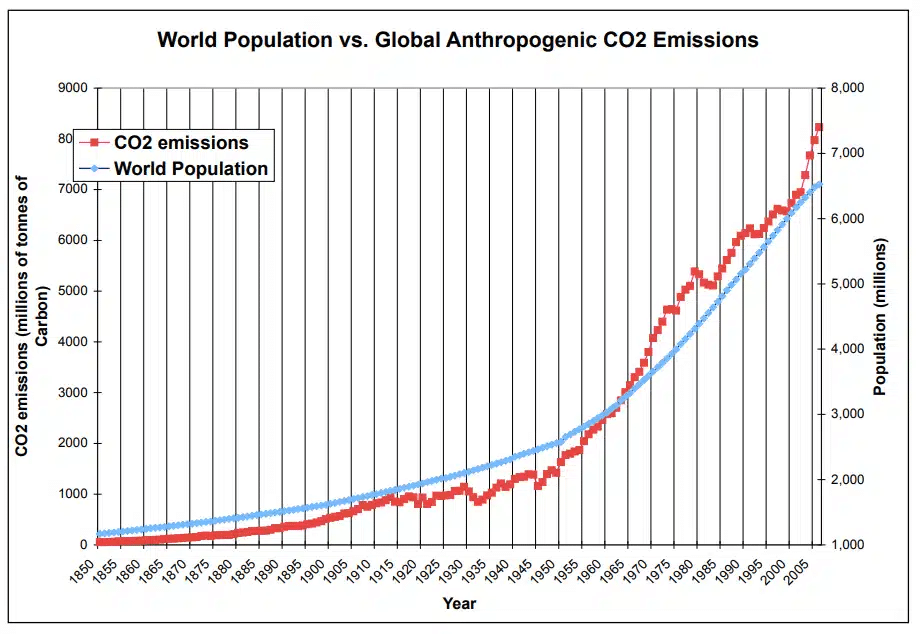
The repeated IPCC Deadline is per se documentation that unrestricted growth and growthwash have exceeded the carrying capacity of the Planet, with a plethora of accelerating false and deceptive claims violating global truth in advertising protections. These deceptive and unlawful claims are made in communications about what is green, sustainable, environmental product, environmentally friendly, eco-safe and many other broad, deceptive, and unsubstantiated claims including claims of material / substantive omissions
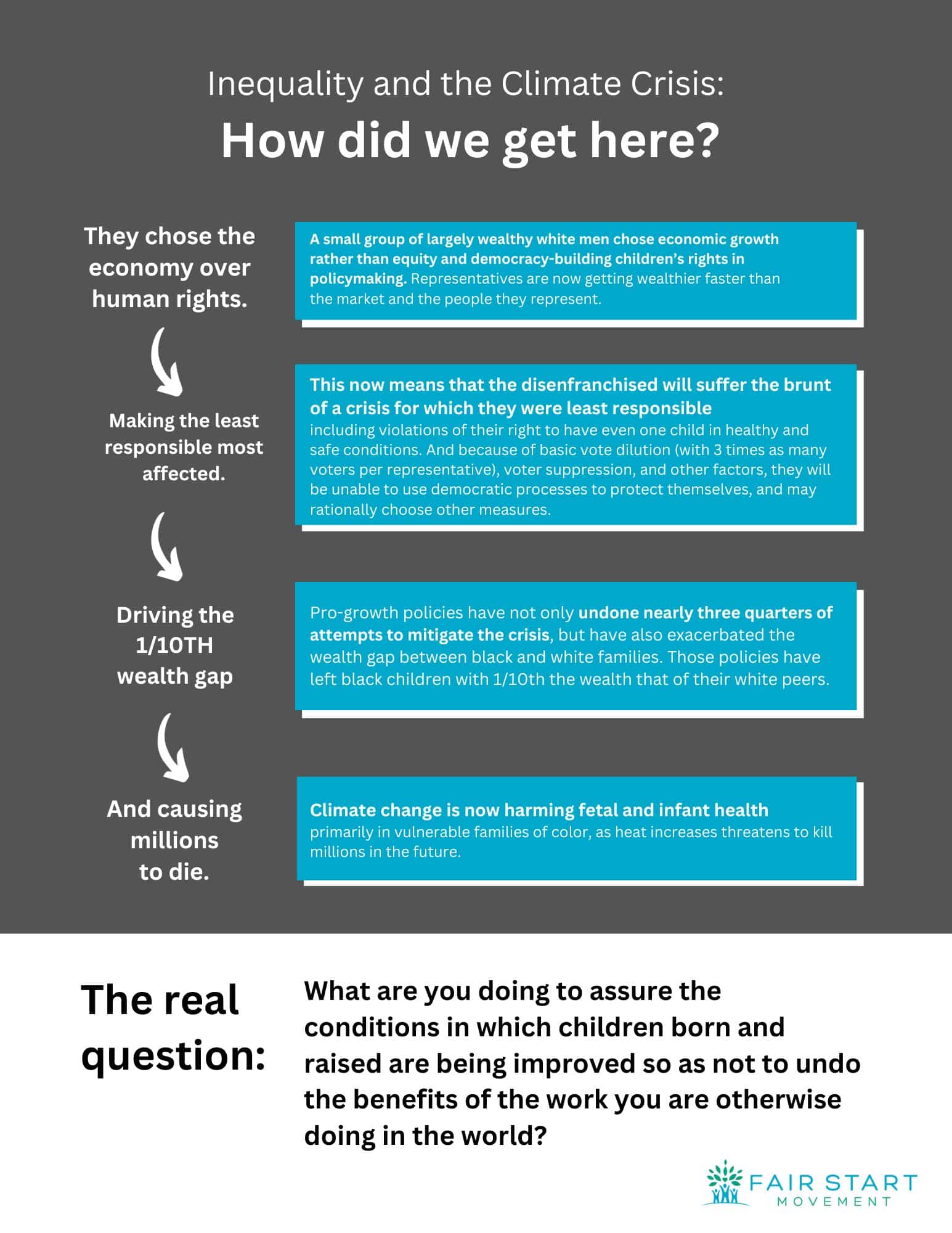
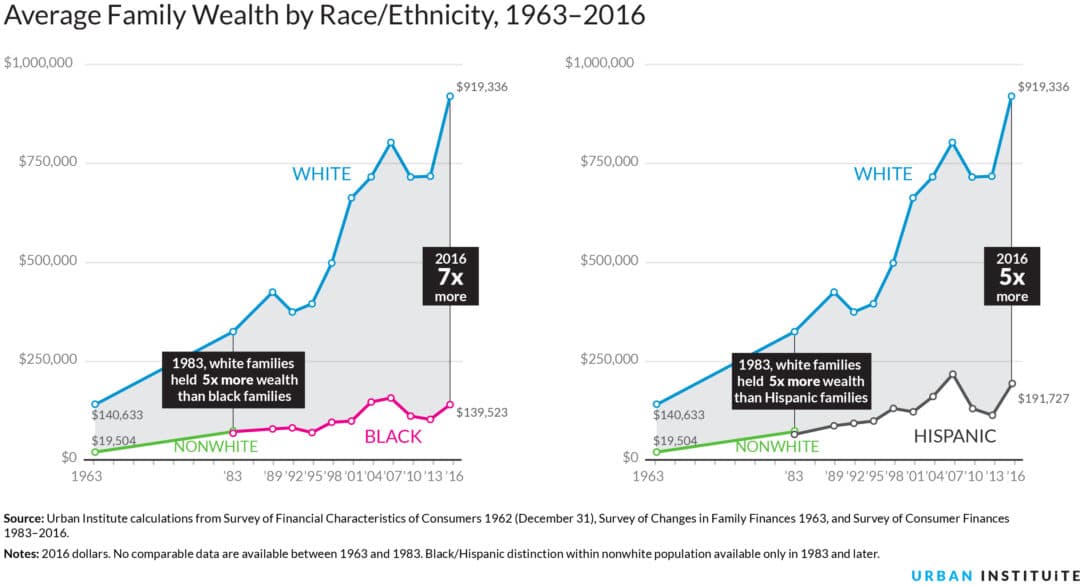
More dangerous is accelerating greenhushing, blocking bonafide green claims and suppressing free speech, transparency, and democracy. This degradation of democratic processes that could have mitigated the Crisis, has instead, limited the resilience of poor children to withstand it. The recognized and exceeded 350 ppm CO2 safe level for atmospheric carbon, in fact exceeds the 280 ppm CO2 safe level for children. The UN this year calculated that over 2 million people have died from the Climate Crisis, many of which are poor children.
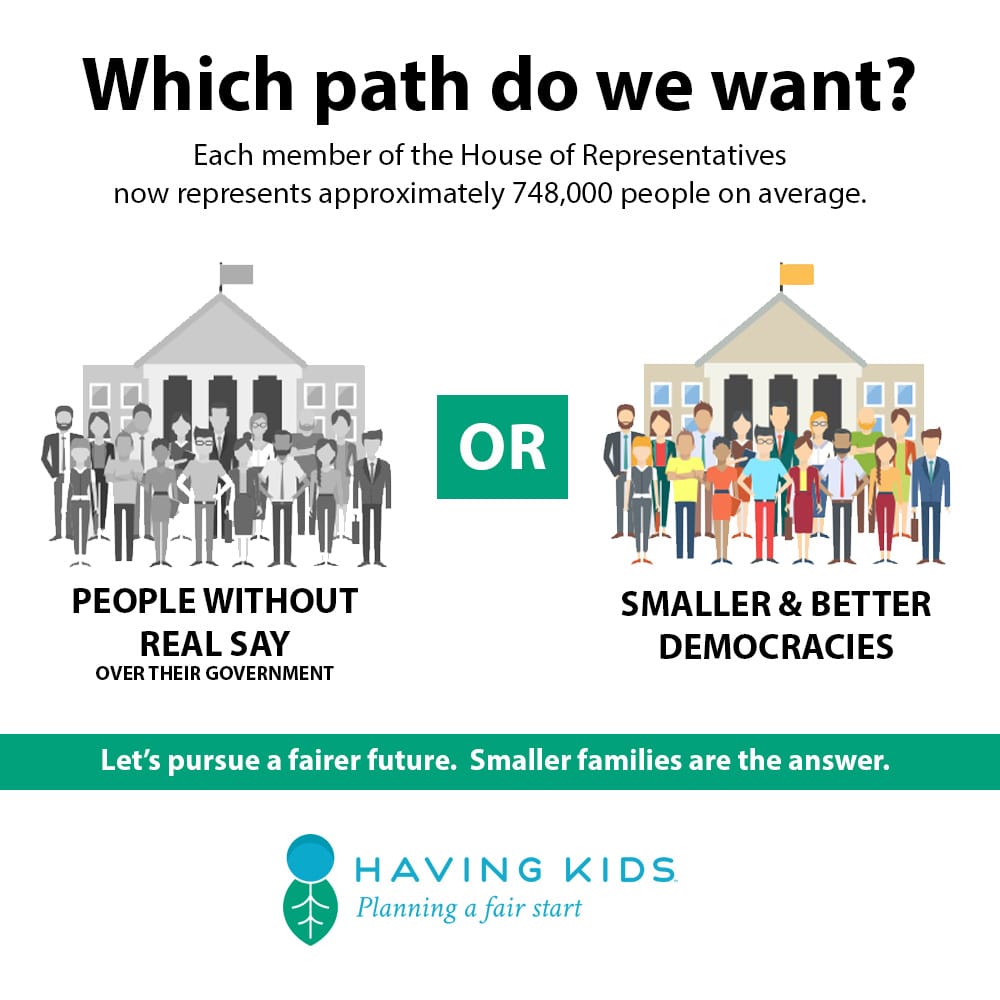
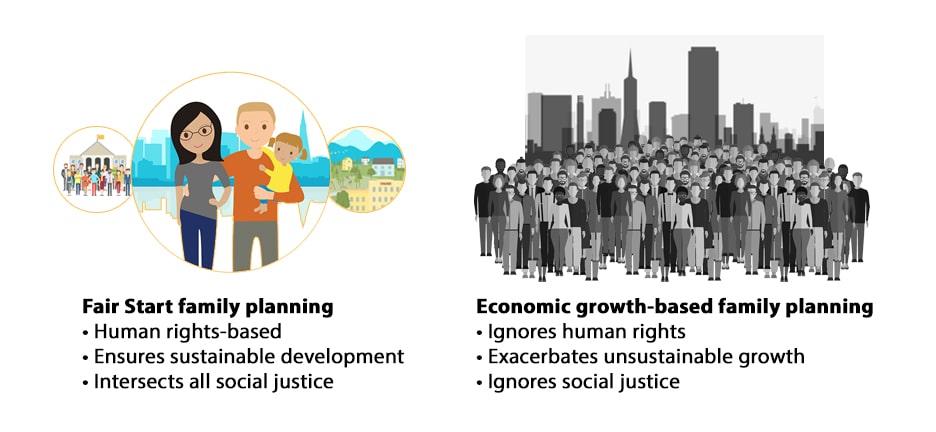
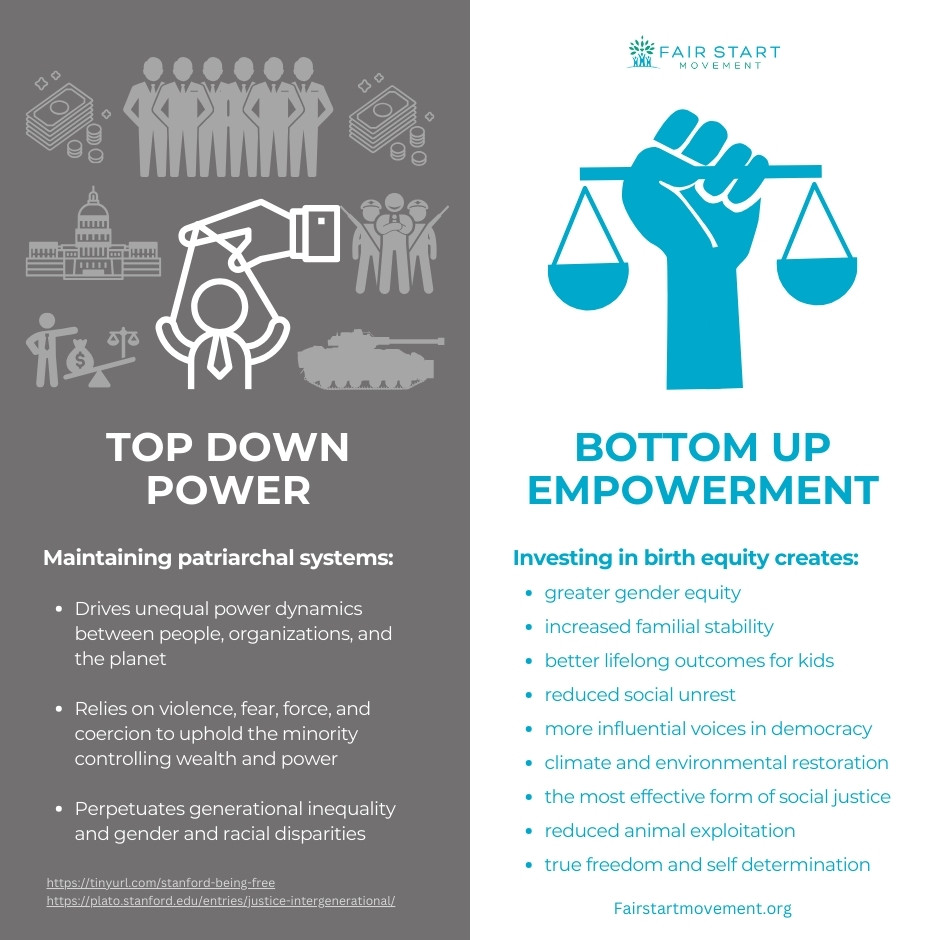
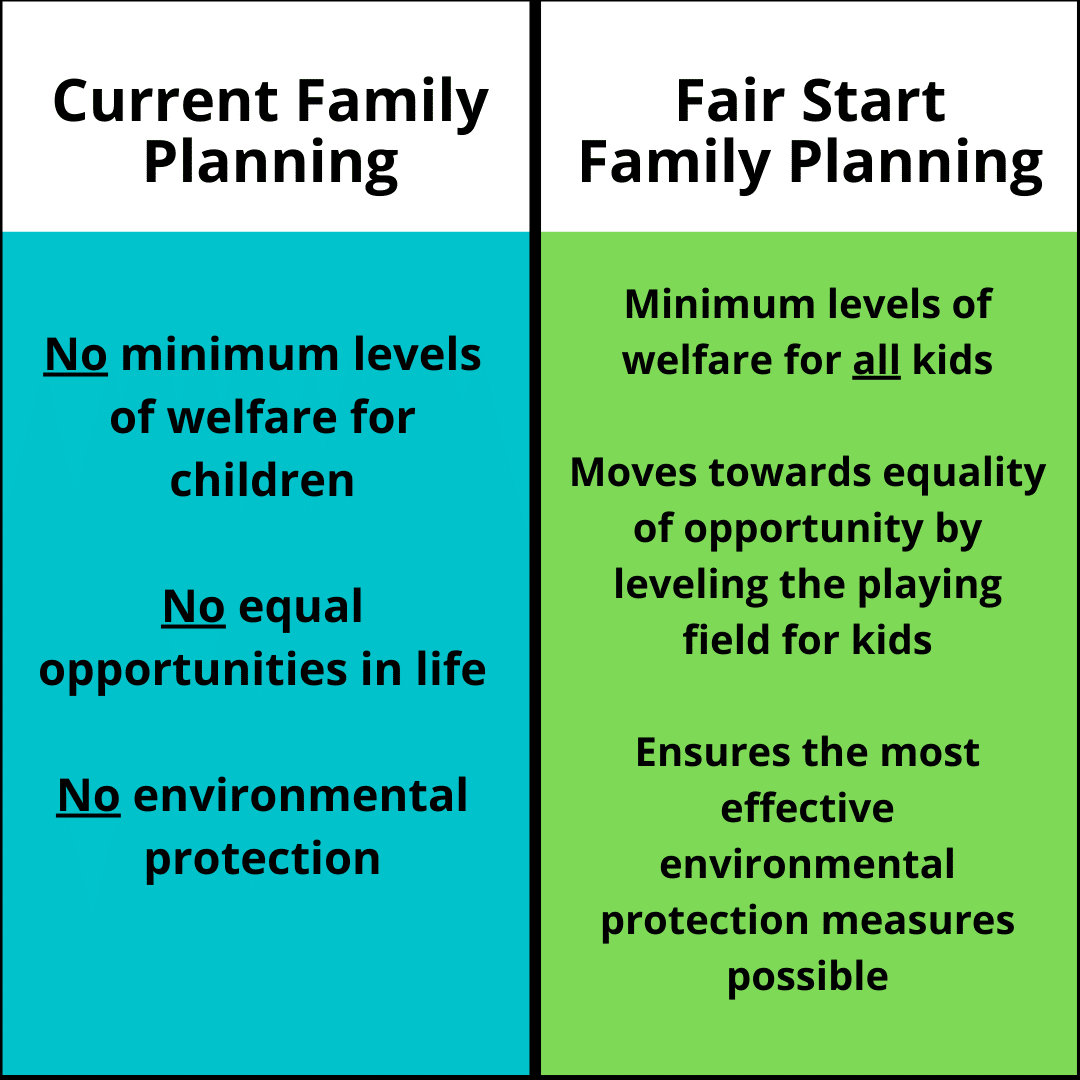
This 280 ppm safe climate restoration level for children can be achieved in part by – wealth/income scaled family planning entitlements geared to ensure delay, smaller families, and a clear route in terms of where, when, how and with what resources every child born will survive and thrive. These metrics are part of the consensus Green Initial Public (IPO) Offering Fair Start Pilot, providing a right to a healthy environment, through minimums and extra credit for supply chain carbon pollution reductions and zero carbon operating emissions, global forestry and illegal logging protections, electric vehicles, social equity including climate justice, reuse / circularity, and extensive toxicity bans and reductions. Green IPOs measure increased cashflow from sustainability over any company’s global supply chain with consensus underwriting standards achieving SEC requirements, and substantially increase Green IPO company valuations from unprecedented investor demand.
Green IPOs have been documented in the 10-year positive statistical business case released at the NYSE, as achieving IPCC’s 2030 Deadline by rapidly deploying globally, available and substantial investor assets. This paves the way for loss and damage reparations from accelerating climate damages that now threaten near- term cost-effective resilience. For example, 29 years of ice-penetrating aerial imagery by leading global governments, documents that protections from 2’ of sea level rise flooding and 10’ of storm surge, are required by 2030 at a U.S. cost of $5 trillion to preserve commerce and national security.
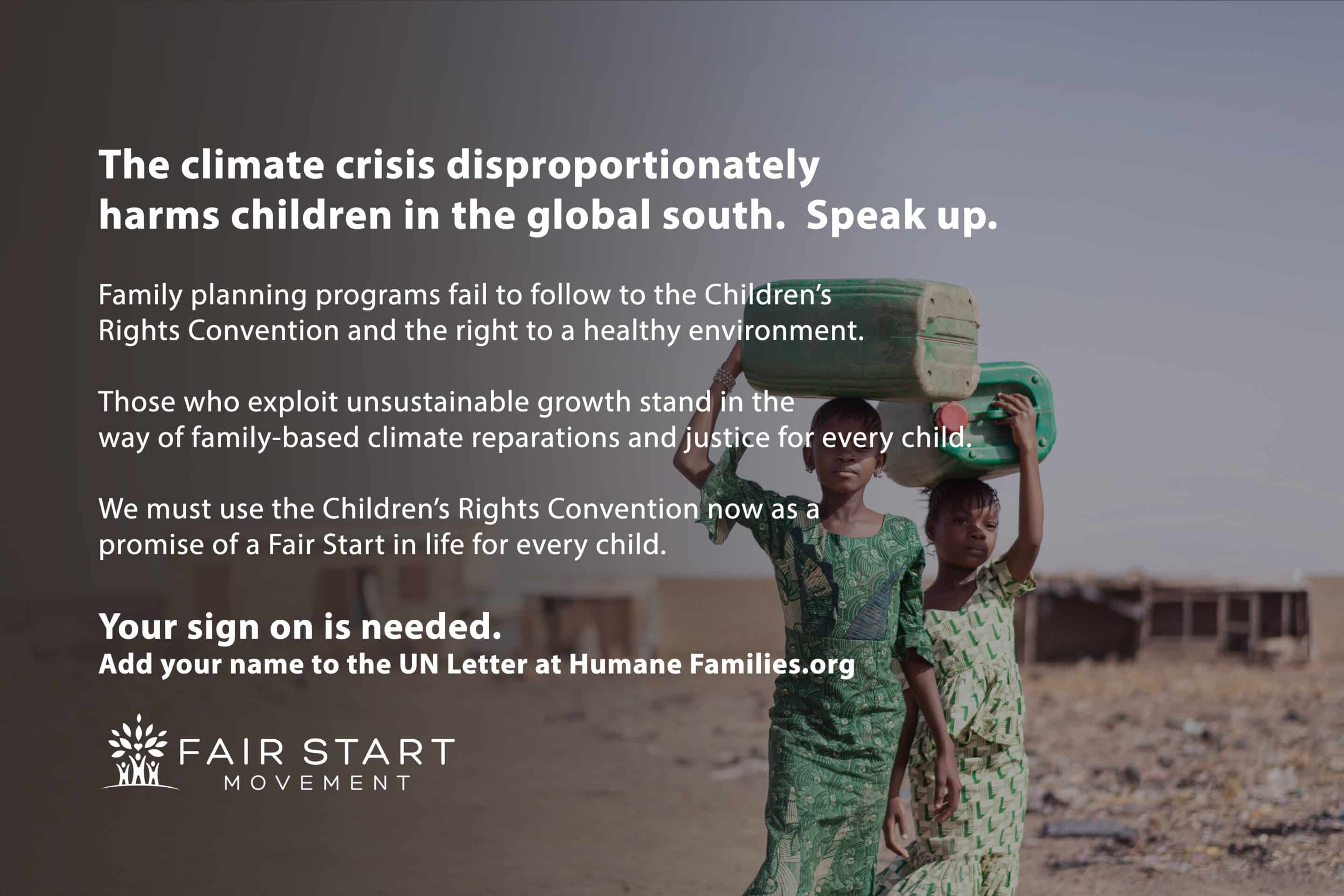
The UN documented this year that at least one million children died from the Climate Crisis, with children the most vulnerable bearing the greatest harm and accelerating future harm.
What do we do about this tragedy? By statutory law in all US States and throughout the world when dealing with children’s welfare, the principle in force, is that we must act in the best interests of the child. The basis of this predominant legal principle is that children are not able to defend themselves, and adults are subordinated to that principle and priority, and required to act in the best interests of the child.
Further, equitably, children have had no role in causing this genocidal harm, and existing statutory authority including in the U.S, makes both those that cause this deadly harm including serious bodily harm, and those that incite or imminently further this harm, liable for genocide to children.
Given the greatly accelerating Climate Crisis with no solutions in place and accelerating deaths of children, children’s rights must be restored to a safe level to both protect and preserve their human and ecological health and welfare.
This is a well-settled matter of public policy and law, and a superior priority than any class of property rights since greatly accelerating death and serious bodily injury are at stake and prohibited in this instance by binding and enforceable international statutory law.
There is no greater good than investing in the health, welfare and prosperity of our children who are our future.
Very truly yours
Mike Italiano
Mike founded the U.S. Green Building Council (USGBC), Capital Markets Partnership (CMP) & ASTM Committee E50 Environmental Assessment, was USGBC CEO & General Counsel, directed approval of LEED 1.0 & was Chairman ASTM E50. Mike also wrote and directed development & approval of LEED RELi 1.0 and 2.0 national consensus resilience standard with Perkins+Will, USGBC & CMP. He published over 70 articles in the environmental field, authored seven environmental books. Mike has over 30 years of environmental experience including as Senior Analyst at the White House Science Office and Assistant to the Director, National Commission on Water Quality where he helped write the Congressional Report on the Clean Water Act.