“The greatest injustice is not only that the world is warming, it is that those with the fewest resources are carrying the heaviest burden. And no child should be considered normal when it denies a child the dignity they deserve.”
Climate change is no longer a distant warning; it is a daily reality across Africa. Rising temperatures, prolonged droughts, and unpredictable seasons are affecting how people live, work, and survive. Yet the greatest challenge is not the heat itself, it is that millions of Africans face these conditions with the fewest resources to prepare, respond, or recover.
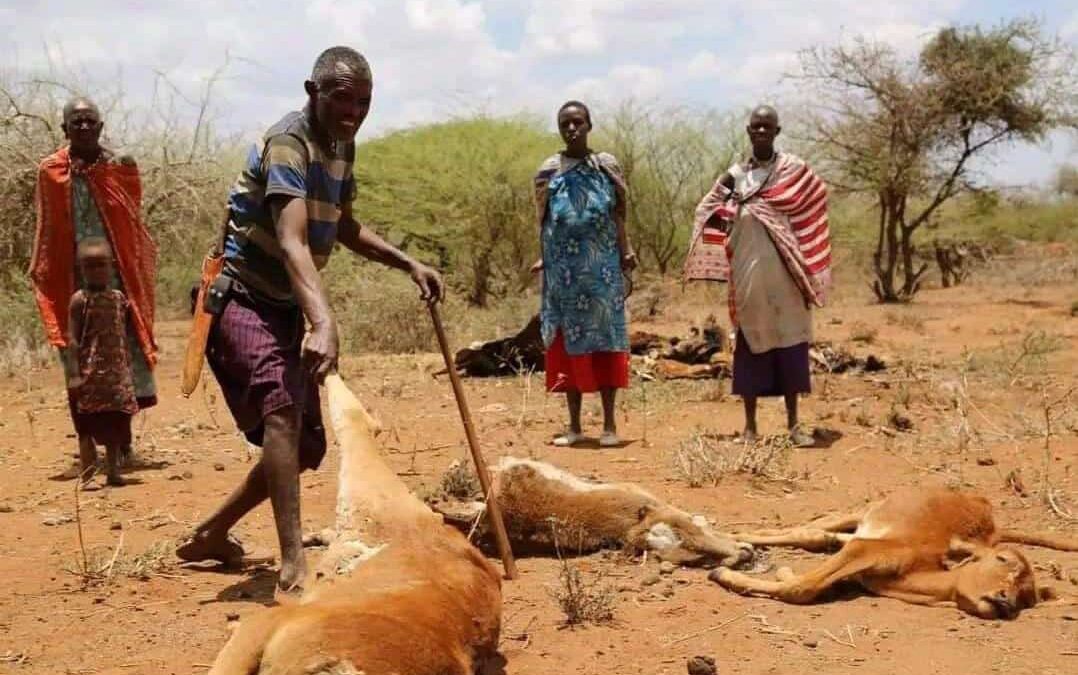
For many communities, livelihoods depend on rainfall, healthy pasture, and reliable water sources. When crops fail or livestock die, the consequences are immediate: food disappears from family tables, incomes collapse, and children often bear the heaviest burden through hunger, interrupted education, and declining well-being.

Children experience the climate crisis in deeply personal ways. Many walk long distances to school under extreme heat, often without adequate water, shade, or footwear. Overcrowded classrooms with poor ventilation make learning harder, while climate-related economic shocks push some children out of school to help support their families. Climate change is therefore not only an environmental issue it is increasingly shaping education, health, livelihoods, and the future of entire communities.
At the same time, many hardships that children endure have become so familiar that society rarely questions them: walking hours to school, missing classes because there is no water at home, or carrying responsibilities that belong to adults. Resilience is admirable, but a child’s ability to endure hardship is not proof that hardship is acceptable. Childhood should be defined by opportunity, protection, and dignity not by what a child can survive.
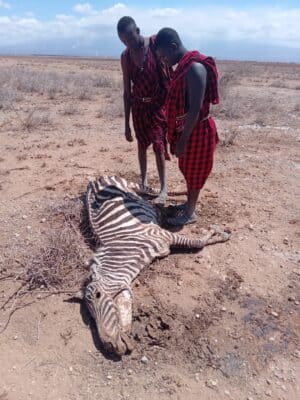
Perhaps the greatest injustice is that Africa has contributed the least to the climate crisis, yet faces some of its most severe consequences. The answer cannot be resilience alone. Communities need investment: access to information, technology, infrastructure, safe schools, water systems, and financial resources that allow families to adapt and thrive.
Climate action must reach the communities where these realities are already being lived every day. And child equity requires more than counting how many children are reached it requires asking what conditions we continue to allow children to live with.