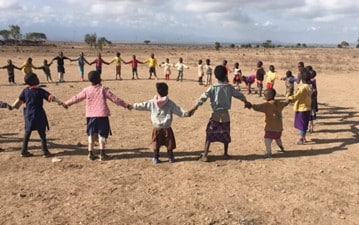
Policy reform is important, but it must be matched with direct, decentralized reparations that support high-risk children and strengthen local communities. Combining strong laws with community-based reparations helps ensure vulnerable children receive the practical support they need to survive and thrive.
Across the United States, millions of dollars are spent every year on litigation, lobbying, and policy advocacy. Lawyers, advocacy organizations, and philanthropists work tirelessly to influence laws on issues such as animal welfare, child protection, reproductive rights, and family planning. These efforts have contributed to important legal and policy reforms of the reparations.
Yet an important question remains:
Who is investing directly in the children who face the highest risks today?

Policy change is essential, but laws alone do not feed a hungry child, provide clean water, improve access to healthcare, or create economic opportunities for struggling families. For children living in extreme poverty, conflict, or climate-related crises, change must also happen within their communities
The Missing Piece: Decentralized Support
Many interventions remain centralized, with funding concentrated in national institutions, legal campaigns, or large international organizations. While these efforts can influence systems, they often leave local communities with limited resources to respond to the daily needs of vulnerable children.
Decentralized community initiatives can help bridge this gap by:
- Supporting families before children fall into crisis.
- Empowering local women’s groups and community leaders.
- Strengthening household food security and livelihoods.
- Expanding access to basic health services and education.
- Building community resilience to climate and economic shocks.
Local organizations are often the first to identify children at greatest risk, yet they frequently receive only a small share of global funding.
Policy Should Be Matched with Practice

Legal advocacy and policy reform should not compete with direct community Reparations they should reinforce one another. A child benefits most when strong laws are accompanied by practical support that reaches families where they live. This means investing in local organizations, communities, women’s groups, and grassroots initiatives that understand local realities and can respond quickly.
A More Balanced Approach
The goal should not be to reduce investment in policy advocacy. Rather, it should be to create a better balance between changing systems and strengthening communities.
Protecting children requires both:
- Effective laws that uphold children’s rights.
- Sustainable reparations that enable families and communities to protect children every day.
Without local implementation, even the strongest policies risk leaving the most vulnerable children behind.