Category: Children’s Rights

  • Gabriel Fernandez Was Tortured. We Must Prevent Child Abuse Before it Happens.

    Gabriel Fernandez Was Tortured. We Must Prevent Child Abuse Before it Happens.

    From “Why Did No One Save Gabriel?” published in The Atlantic, October 2nd, 2018.

    “Is it normal for your mom to hit you with the part of the belt that has that metal thing on the end?”

    “You mean the buckle?” Garcia (his first-grade teacher) asked.

    “Yeah,” he said. “Is it normal for you to bleed?”

    ———————–

    “Near the end of January, Garcia was reading to a group of students when the door opened. It was Gabriel. This time, the students didn’t laugh. They didn’t understand what they saw. Gabriel’s eyes were swollen, and squinty like a cat’s. Little round bruises dotted his face. Garcia told him to sit down. When she was finally alone with him at recess, she asked what had happened.

    “I fell,” he said.

    “I don’t believe you, Gabriel,” she said, noting that this was the first time he’d lied to her. She saw the anger swell inside him.

    “It’s because my mom shot me in the face with a BB gun!”

    “Okay.” She paused, not knowing what to say. “Why did you lie and tell me you fell?”

    “When I tell you, and that lady comes, then I get hurt worse.”


    Gabriel Fernandez was tortured to death by his mother and her boyfriend.

    Nearly five children die every day due to abuse and neglect in the U.S. The system failed to protect a little boy, who despite the cruelty inflicted upon him, still loved his mother. Gabriel’s case is a heartbreaking reminder that downstream solutions are not enough to keep kids safe.

    prevent child abuse

    But we cannot let him become another statistic. We must prevent abuse before it happens. Having Kids is the only organization working to stop child abuse through Fair Start orders, which prevent child abusers from having additional children while they are on probation and undergoing rehabilitative programs.

    You can prevent this harm inflicted on so many kids with your gift on this Giving Tuesday.


  • Shocking Child Abuse in Florida – Having Kids Offers Solution

    Shocking Child Abuse in Florida – Having Kids Offers Solution

    [et_pb_section fb_built=”1″ admin_label=”section” _builder_version=”3.0.47″][et_pb_row admin_label=”row” _builder_version=”3.0.48″ background_size=”initial” background_position=”top_left” background_repeat=”repeat”][et_pb_column type=”4_4″ _builder_version=”3.0.47″ parallax=”off” parallax_method=”on”][et_pb_text admin_label=”Text” _builder_version=”3.0.74″ background_size=”initial” background_position=”top_left” background_repeat=”repeat”]

    Today the national child-protection organization Having Kids called upon Florida Governor-elect Ron DeSantis to adopt a policy of preventing child abusers from having additional children. Together we can end child abuse.

    Read the full letter here.

    On August 19, 2018, the 4-year daughter of Jacqui Lyne Carter was brought into an emergency room in Jacksonville with severe head trauma. While the child’s mother Carter, told investigators that her daughter had simply hit her head from moving around excitedly in a bouncy chair, a medical examination showed a very different story. A CAT scan revealed multiple skull fractures as well as multiple brain bleeds. Medical reports from the hospital revealed that this young child had both “old and new skull fractures.” This type of skull fracture and brain damage was not from an accidental “bump,” but clearly “indicative of a blow to her head with force.” Even more horrifying, exams revealed not one, but two fractures, indicating at least two separate forceful blows to the girl’s head.

    In 2016 alone, Florida Department of Children and Families received more than 225,000 referrals for child abuse and neglect. Even more alarming, there were a staggering 126 fatalities from child abuse and neglect in Florida in 2017 – twice as high as the national average. Florida’s child maltreatment reporting rate has consistently exceeded the national average and Florida is in the top 10 states in the nation for reporting by calculating children investigated per 1,000 children in the general population. In fact, per a study by the SAS Institute that followed a 2005 birth cohort for 10 years, approximately one in every five children born in Florida in 2005 were reported at least once to the child welfare system within 60 months from birth. Florida’s child population has increased by 1.8% from 4,031,098 in 2007 to 4,105,129 in 2015 compared to a 0.5% decrease in the United States’ child population. Florida’s poverty rate for 2015 was 2% higher than the comparable national average.

    Having Kids is urging DeSantis to develop policies, and encourage legislation, that enables judges to issue Fair Start Orders. This would allow courts, at the judge’s discretion, to issue an order to prevent offenders in the most egregious child abuse and neglect cases from having children for a limited time period as a condition of his or her probation. Having Kids Executive Director Erika Mathews said this: “We offer child-first Fair Start family planning as a way to actually protect children, by preventing child abuse at the source – poor family planning.” “If we want a better world, we have to start thinking ahead.”

    Tweet him at @RonDeSantisFL and ask him to pursue Fair Start policies. 


    [/et_pb_text][/et_pb_column][/et_pb_row][/et_pb_section]

  • Having Kids Partners On Animal Impact Calculator

    Having Kids Partners On Animal Impact Calculator

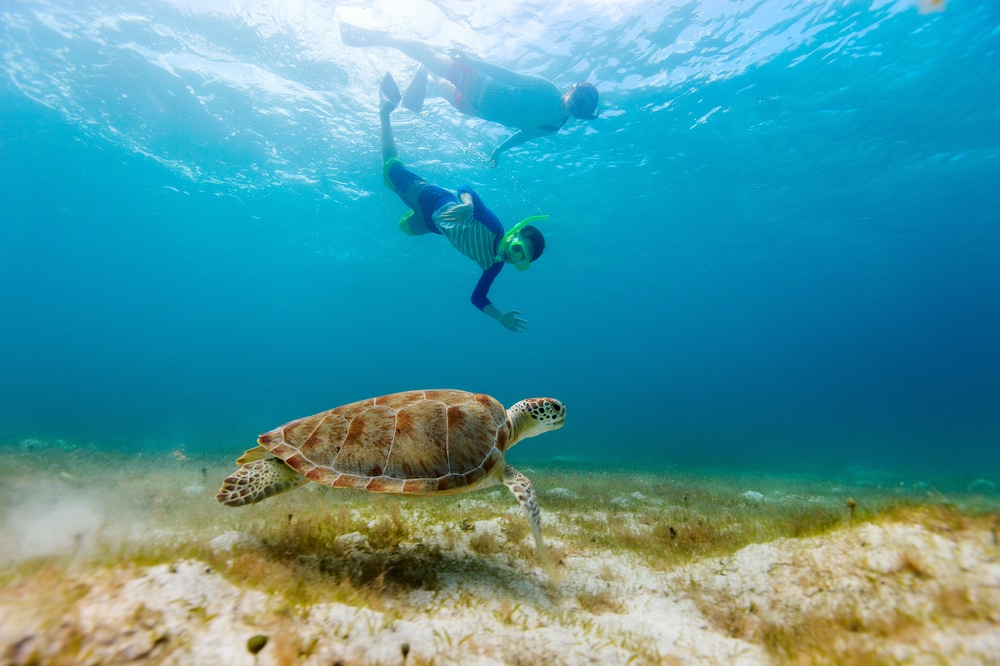
    Despite declining fertility rates in the US and a handful of other countries, our population is on track to grow exponentially in the coming decades. At the same time, Earth has entered the sixth mass extinction. It is one that rivals the extermination of the dinosaurs and 76% of life on Earth. However, unlike past extinction events caused by natural global pulses, humans have already caused the extinction of nearly 60% of wildlife. And these trends are accelerating (1). 

    Animals are disappearing and humans are to blame. 

    We will fail our children and future generations if we do not take significant action to mitigate our impact on the planet and wildlife.

    The vast and detrimental changes to Earth’s ecosystems are largely to meet our rapidly growing need for food, fresh water, timber, fiber, minerals, and fuel. They are the result of irresponsible human overpopulation, consumption, and a false-dependency on economic growth (2). It is becoming alarmingly clear that the demand we put on the planet is unsustainable. Although there are been substantial gains in human physical well-being and economic development for a few, the long-term costs are now being experienced in the form of climate change, habitat destruction, pollution, disease, war, displacement, hunger, and mass mortality in humans and nearly all other life forms (3)

    But effective change cannot happen without an informed scientific assessment to guide those strategies. That is why Having Kids is partnering with the Institute for Human-Animal Connection at the University of Denver to research individual impact on other species. Dr. Sarah M. Bexell is serving as the principal investigator on the project titled, the Animal Mortality Footprint Calculator.

    A similar tool has been developed to assess human individual impacts on the natural environment as a whole through the Ecological Footprint Calculator. And while estimates are available about the number of animals typically consumed for food, which measures in the billions in the U.S. alone, this research will go further to consider the cost to other species. The project will develop the algorithms to calculate the average number of animals that die to support the lifestyle of one human individual.

    This information will make a clear case to policymakers, economists, conservationists, environmental and social scientists, the philanthropic community, local communities, and citizens of the urgent need for consequential behavior change in terms of family planning and family size. The Animal Mortality Footprint Calculator will expose the inescapable truth of the direct impact that each person imposes on the most vulnerable beings.

    We know that choosing smaller families is the best way to protect for all animals, including humans.

    Unfortunately, the animal protection community has largely avoided that fact. A key aim of this project is to increase support of the Fair Start Model of family planning by animal advocates as well as communities everywhere.

    We must start a larger conversation on the choice to have smaller families size to protect biodiversity and the planet, and to reduce animal suffering caused by human activity. Sustainable family planning creates a path forward to a habitable world for all kids and animals.

    We will share updates as this research progresses. In the meantime, add your name to our open letter to the U.N, and learn more about the impact of humans on animals.

    1. WWF, 2016
    2. Global Humanitarian Forum, 2009; Millennium Ecosystem Assessment, 2005; WWF, 2014; 2016
    3. e.g., Ceballos, et al., 2015; Cohen, et. al., 2017; Dockery & Evans, 2017; Raworth, 2012; Rockstrom et al., 2009


  • Animals Are Disappearing and Large Families Are to Blame

    Animals Are Disappearing and Large Families Are to Blame

    Animals are disappearing. A recent study has determined that just two generations of humans have killed off more than half the world’s wildlife populations. Populations of animals have declined by 60 percent since 1970, according to a report released Monday by the World Wildlife Fund. According to the Washington Post, “the animals that remain will fight against warming oceans choked with plastic, toppled rainforests may zero out fragile species, and refuges such as coral reefs may nearly die off.”

    The loss is directly attributable to the fundamental cause of all environmental crises: Large, poorly planned families and the unsustainable population growth they cause. 

    Many of the environmental crises today are caused by variables that we did not understand when setting environmental polices decades ago, variables like the impact of greenhouse gas emissions. But at that time we did know about one variable – population growth as an underlying multiplier of all anthropogenic impacts. Had we taken family planning more seriously then, we would not be where we are today.

    Poor family planning is enabled by an outdated social model that focuses on what parents want more than on what future children need. It was a system developed for survival in a different time, before we knew what we know today about human impact on the planet, early childhood development needs, and the lasting impact that crowding has on inequality. We are not living in that world anymore. Our cities and towns are becoming increasingly crowded and we’re demanding more than the natural world can comfortably provide. That type of isolated living of the past no longer serves us. It does not account for the nonhuman world. It does not leave room for animals.

    There is a better way. 

    Urge the WWF, at @PavanSukhdev, to publicly support our call on the United Nations Secretary-General to issue a statement on the need for a new and cooperative “smaller family” planning model designed to give every kid a fair start in life.

  • We Have a Right to Better Male Birth Control. Who’s Standing in Our Way?

    We Have a Right to Better Male Birth Control. Who’s Standing in Our Way?

    Women have shouldered the costs of birth control for too long. They live with the side effects, risks, and responsibilities of obtaining and using it, or they risk pregnancy. Men face no such consequence. Perhaps that is why surveys report that men have a lower tolerance for the associated side effects. Given that men cause 100% of unplanned pregnancies, isn’t it time for them to share some of the responsibility?

    The good news is that many millennial men indicate that they do want options and the ability to choose for themselves. Education can also help to dispel concerns that may have led to the unfavorable opinions in survey results.

    A birth control pill for men and other long-acting and reversible contraceptives would drastically cut unwanted pregnancies. These options could be game-changers when it comes to solving the world’s biggest problems. Family planning is the most effective way to address climate change, child welfare, and economic equality. There are several new methods, including a gel and a pill, that could be approved more quickly with better policies and more funding.

    What’s blocking these new technologies that could solve some of the world’s greatest problems? In one word: men.


    Resistance to Societal Changes

    The patriarchal systems that run our country and which have been in place for thousands of years rely on control of women’s bodies. By increasing reproductive freedom for all, women gain greater power in their household, the workplace, and in society. And that threatens the influence of cultural norms and institutions.  


    Economic Interests

    The men who shape our society and policies are subscribers to the “bigger is better” approach to the economy. This economic view relies on unrestrained population growth to create more consumers and taxpayers. Those like Paul Ryan and Marco Rubio push for more babies because they falsely claim that “it’s good for the economy”.

    These unsustainable “capitalism at all costs” policymakers are the ones making decisions on the progress of male contraceptive, from the prioritization of testing and approvals, the allocation of funding, the determination of acceptable levels of risk, and tolerable side effects.

    In creating these pro-natalist economic policies, they didn’t consider the impact that these pro-growth policies have on the environment, equality, or the needs for children. And we’re all paying the price.


    Greater Reproductive Freedom for Men

    The Parsemus Foundation shows there is a demand from men for greater reproductive freedom as shown by these quotes from their site:

    “I want control of my fertility that is safe, convenient to use and totally effective. That way I can be in control of my life rather than putting it in the hands of women and government agencies.” – S. Gee, South Korea

    “Having control over when I have children is the foremost thing in my life. I place great value on having freedom of choice and freedom from worry…” – Anonymous, South Africa


    Breaking Down Barriers

    Our culture is unquestionably imbalanced in terms of gender equity, which begs an important question. If there’s a product that makes life easier for men, will there be fewer hurdles in accessing it? Considering that the majority of decision-makers are men, it’s not a big leap to assume that would be true. In such a case, increased acceptance, affordability and access to male contraceptive would create pressure for easier availability to women, pulling the rug out from much the resistance to women’s reproductive rights.


    The Big Picture

    You and your kids have a right to a world that is not ravaged by climate change, and environmentally and socially destabilized through massive population growth. The male pill and other contraceptives could go far towards preventing that scenario.

    Our archaic “bigger is better” child tax credit system pays the wealthy (along with everyone else) to have children. Why not shift that funding toward the development and clinical trials of male contraceptives for a more economically and environmentally sustainable future? That’s one of the many questions Having Kids will be asking members of Congress in the months to come.

  • What’s Progressive About Unsustainable Family Planning?

    What’s Progressive About Unsustainable Family Planning?

    In a one-sided piece that really should have been treated as an editorial, The Washington Post (WP) spills much ink lamenting falling birthrates in the United States. The article seems like an opinion-piece prelude to policies like Italy’s recent scheme to bribe parents into having more kids by giving them land in exchange. The U.S. is actually not that far behind, following Trump’s recent cash-for-babies tax credit increase.

    Pushing for larger families, without accounting for every child’s right to a fair start in life and the impact of growth on our environment is irresponsible. Smaller families mean more time, love and energy for each child, a safer and more sustainable environment, and more connected communities where each person’s voice can matter. That strengthens democracy. Promoting higher birthrates to fuel cheap future labor, voracious consumers, and compliant taxpayers is economic nationalism, the end of which we hope is coming. Bigger is not better, and if the WP truly values democracy, it will be more careful when reporting on its fundament, the trends in family planning that literally determine who we are and will be as a people.

    Tweet Marty Baron, Executive Editor of the WP, at @PostBaron and politely suggest fuller reporting on this vital issue.

  • Congress Overlooking the Obvious Solution to Opioid Births

    Congress Overlooking the Obvious Solution to Opioid Births

    Last week, the House and Senate passed a compromise to send the Opioid Crisis Response Act of 2018 to the White House for signing. This coincides with recent headlines that have renewed attention to the skyrocketing number of babies born addicted to opioids.

    Meanwhile, a staggering 90% of pregnancies among opioid-maintained women are unintended. So where are the safeguards to help these moms prevent unplanned pregnancies in the first place?

    TAKE ACTION: Add your name here.

    It should be noted that prosecution and incarceration have no proven benefits to maternal or infant health. We need a public health response. However, efforts have been centered on treatment and recovery. And of that, only 10 percent of Americans with a drug use disorder get specialty treatment.

    A Failure By Health and Human Services

    The Department of Health and Human Services is already working with selected states through the Substance-Exposed Infant Initiative. However, there is no mention of family planning or contraception in its report. While treatment is important, all of these efforts are focused on addressing the problem after the fact. We need to a proactive solution.

    LARC4CO is serving as a model for success for long-acting reversible contraceptive public programs in Colorado. As a member of the coalition, Having Kids is working to replicate that success in more states. But we must ask, why is this model not the federal standard?

    Only about 6% of women with an opioid use disorder report using Long-Acting Reversible Contraceptives (LARC), such as an IUD or implant. Because of this massive hole in family planning, children undergo physical trauma at birth and the lifelong emotional and health consequences that result. And the crisis is not limited to affecting children in infancy.

    Opioid Crisis Effects On Children
    • Babies born addicted to opioids endure withdrawal symptoms, which can last for months.
    • The instability that comes with a parent battling addiction also has harmful effects on children.
    • According to one study, “Children of opioid- and (alcohol-dependent parents) have significantly higher rates of psychopathology, as well as more difficulties in academic, social, and family functioning compared to the children of parents without a substance abuse disorder.”
    • Children’s born to mothers who use opioid during pregnancy may face learning disabilities.
    • Abuse and neglect are causing an increase in the number of children entering the foster care system.

    According to the Gooden Center:

    “Mainly because of the opioid crisis… [there were] 30,000 more children in foster care in 2015 than there were in 2012 which represents an 8 percent increase. In 14 states, the number of foster kids rose by 25 percent between 2011 and 2015. The problem became so severe in states like Texas, Florida and Oregon that kids had to sleep in state buildings because there were no more foster homes available.”

    Why are we waiting for babies to become drug dependent before action is taken? Is this legislation’s blindness to the source of problem intentional because of potential difficulty in getting conservatives to support a package which includes family planning measures? I truly hope not. The well-being of newborns should supersede political agendas.


    Helping Women With Opioid Dependency Through Family Planning

    We can help women and children by removing the hurdles to accessing long-acting and effective birth control. By doing so, we can improve lives and better help those struggling with addiction to overcome their dependency without the added burden of parenting before they are ready. The obvious solution to preventing infants from becoming additional victims in this crisis is through a conscious public effort for family planning.

    And what about cost concerns? While an IUD can cost about $1090, the cost of caring for an infant with neonatal abstinence syndrome (NAS) can be upwards of $60,000. Therefore, it makes fiscal sense for the public to support family planning.

    The failure by HHS and Congress to address this problem is forcing more infants to go through the agony of withdrawal every day. More children are being irreversibly affected. Swift, significant action is needed at the federal level to help communities afford women the ability to better prevent unplanned pregnancies.

    This crisis demands that we put children first with family planning that accounts for their needs. Anything less than immediate attention is an acceptance of more suffering of infants and additional trauma on families.

    Let’s invest in our communities by helping parents wait until they are ready and able to provide kids a fair start at life.

    The bill is on its way to the White House for signing. Please ask President Trump and HHS Secretary Alex Azar to use the bill signing as an opportunity to prioritize family planning to stop newborns from suffering. 

    TAKE ACTION: Add your name here.

  • Open Letter: U.N. Leadership Needed on Family Planning

    Open Letter: U.N. Leadership Needed on Family Planning

    Having Kids is renewing its call for Secretary-General Antonio Guterres to issue a new U.N. family planning statement, recommending a focus on children’s well-being and their need for a sustainable future. While the current family planning model used by the U.N. and most major family planning organizations seeks to improve human welfare, it has overlooked the long-term human rights of children to have an equitable and sustainable world. 

    Read the letter here.

    Since our last letter, several new studies have confirmed the dire threat posed by climate change, including its impact on the increasing threat of pestilence and crop losses, the severity of hurricanes and other weather threats, and the degradation of all ecosystems on earth. Fair Start family planning is not only the most effective way to mitigate the dangers of climate change. It also addresses children’s welfare crises such as poverty, inequality, hunger, disease, and the threats of violence and terrorism.

    A better family planning model would advance all 17 of the U.N.’s Sustainable Development Goals. All nations have a responsibility to act. That’s why we are urging Secretary-General Antonio Guterres to issue a new U.N. family planning statement on this urgent need.

    Take action now. Add your name to the petition or send a message through this page.

  • Is It Trendy to Have A Big Family?

    Is It Trendy to Have A Big Family?

    Observers having been suggesting that large families are a new status symbol. Even Tina Fey pointed out the absurdity. One writer wonders if the Instagram influence is to blame for creating the aspirational image of the trendy big family.

    “The Instagram world is a showcase of perfect mums who look like they have their act together, with a perfectly tidy house, immaculate lippy and a brood of gleaming children who have clearly been superglued to their chair to eat – normal children don’t sit still for photos.”

    People are now reacting with praise to an op-ed by writer Mark Oppenheimer, who is having five kids.

    We couldn’t help but notice what’s lacking in these promotions of large families: a consideration for kids’ needs. They also ignore the impact large families have on the environment and the future world all children need to thrive.  

    Research has shown that small families are better for children. Each additional child diminishes the amount of individual attention and investment that a parent can provide for the other children. Moreover, large families are the worst way to exacerbate climate change and other environmental crises. They ensure a future filled with more people competing for fewer resources in a degraded environment. Why do that to kids?

    Thinking Beyond Ourselves

    In an amazingly egocentric claim, Oppenheimer writes:

    “…People should do what they want to do…And those of us who want five children should have them.”

    Really? It is ok then to disregard the harmful impact we have on others? Is it fair for us to impose ourselves on others in that way? Do we owe something to all children in planning our families? Wouldn’t that recognizing that duty result in a better future for our own children?  

    There is a better way. We encourage all parents to consider how they can engage in more conscientious family planning by adopting the Fair Start model to reduce their impact on our already degraded environment, and give all kids a better shot at a more equitable future.

    Smaller families working together to plan for and invest more in each child is, hands down, the most effective way to improve child welfare, reduce inequality, and restore our environment.

    Let’s end the isolationist thinking in the act of planning our families that disconnects us from others in the world.