
When Promises Spoke Loudly but Care Was Left Behind. Between 1948 and 1968, the world spoke boldly about justice. Leaders gathered to declare human rights, equality, and freedom. The Universal Declaration of Human Rights promised dignity for all. Independence movements filled the air with hope. Civil rights were debated in grand halls. But while these words traveled the globe, everyday life told a different story especially for families across Africa and the Global South.
Behind the speeches, white supremacy, racial hierarchy, and economic extraction were tightening their grip. Wealth continued to flow outward. Power remained concentrated elsewhere. And quietly, without ceremony, the ways families cared for one another were disrupted. This contradiction between what was promised and what was lived reshaped homes, gender roles, and care itself.
When One Family Model Was Declared “Modern”
During this period, a single idea of family was promoted as the future: the Western nuclear family. A man earning wages. A woman caring alone, unpaid. A household separated from the community.
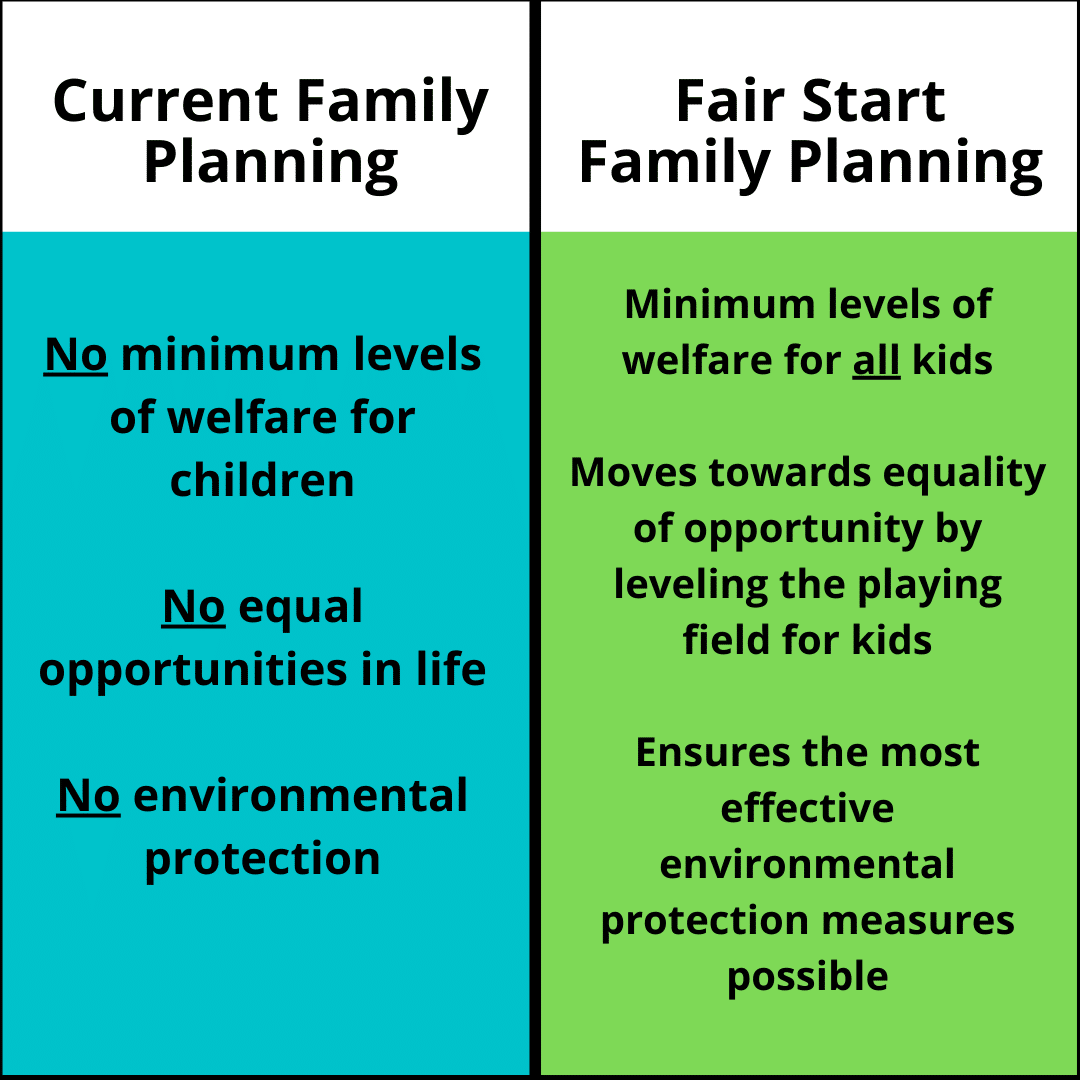
This model was presented as progress. But for African societies, it meant loss.
Extended families where aunties, grandmothers, neighbors, and older children shared responsibility were pushed aside. Communal childcare, women-led food systems, and collective protection of elders were labeled outdated. Care that had sustained life for generations was erased from policy and planning. While Western nations built wealth through industry, land control, and racialized labor, African families were told to abandon systems that worked without being given resources to replace them.
Families were not failing.
They were being forced to change under unequal power.
What Women Never Stopped Doing
Even as systems shifted, women did not stop caring.
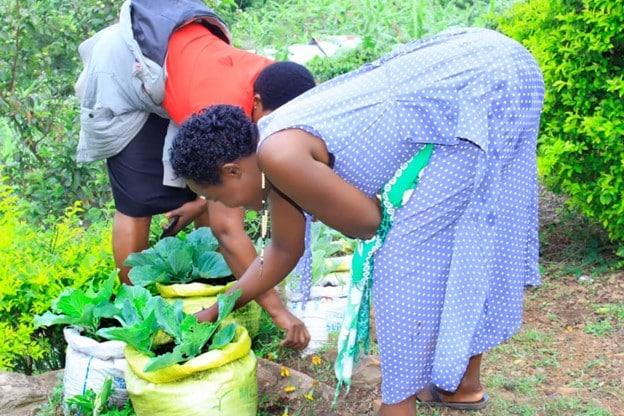
Mothers shared food when money was gone. Grandmothers raised children whose parents were lost to migration, illness, or conflict. Women organized survival quietly through shared labor, farming, caregiving, and conflict resolution.
This is where Women Care Modeling begins.
It does not invent care.
It recognizes what women were already doing, even when it was invisible, unpaid, and unsupported.
Women Care Modeling understands care as real power, economic, social, and political. It is not charity. It is not instinct alone. It is skilled labor and collective leadership.
Unlike the imposed nuclear family, Women Care Modeling is collective, intergenerational, and resilient because it was built to survive reality, not ideology.
Rights on Paper, Care in Real Life
From 1948 to 1968, governments debated rights in meeting rooms. Meanwhile, women in marginalized communities practiced justice daily without funding, without recognition, and often without rest. That gap has not disappeared. Today, institutions can mobilize millions of dollars for abstract priorities, while women-led family care systems holding children, responding to climate stress, feeding communities, and protecting the vulnerable are expected to survive on fragments. The question is not capacity. It is whose lives are valued.
Following the Money, Naming the Contradiction
Women Care Modeling makes the contradiction impossible to ignore. If families especially across Africa had controlled serious resources decades ago, the priorities would have been clear: Children cared for together, not left behind, Mothers supported in health and wellbeing, Food grown and shared locally, Elders protected and respected, Women leading with accountability to their communities
Instead, wealth was centralized in white institutions, and African families were blamed for “underdevelopment” after being stripped of land, labor, and decision-making power. Women Care Modeling names this not as an accident, but as racial injustice.
The petition in Africa is only the beginning. Across the United States, whistleblowers are stepping forward and using the U.S. legal system to challenge unconstitutional practices (see: Fair Start and Truth Alliance File Notice of Preemptive Standards with the California Attorney General
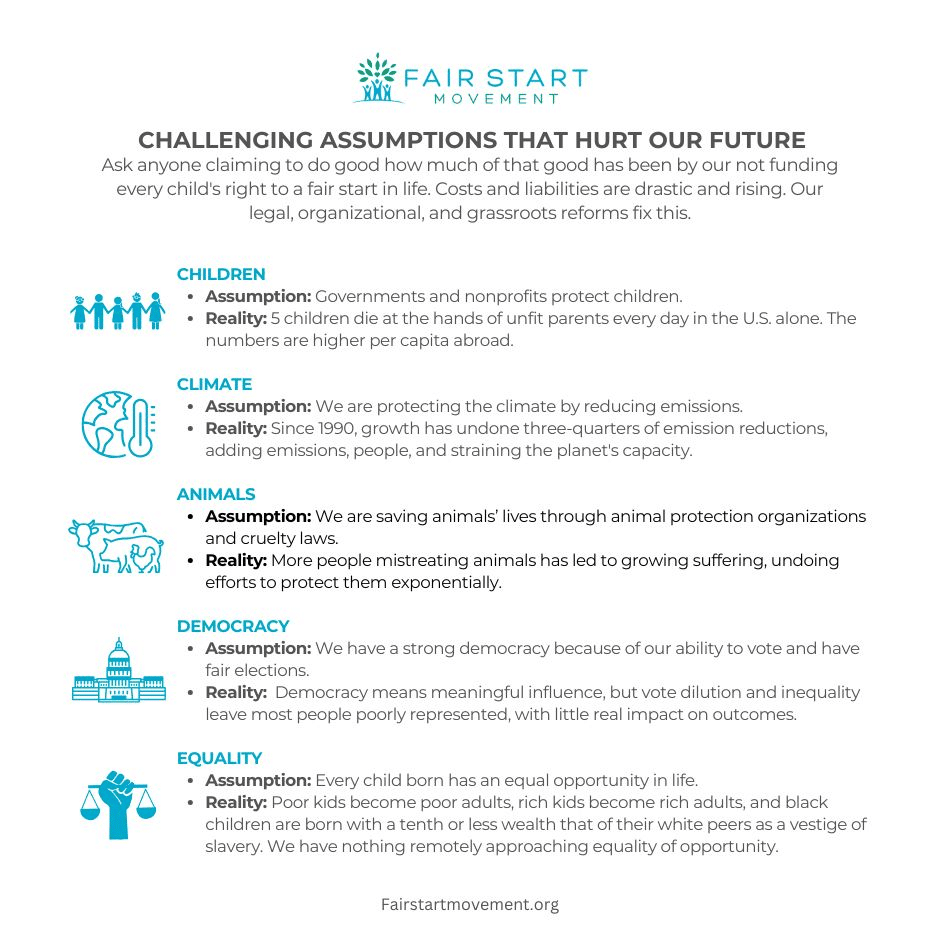
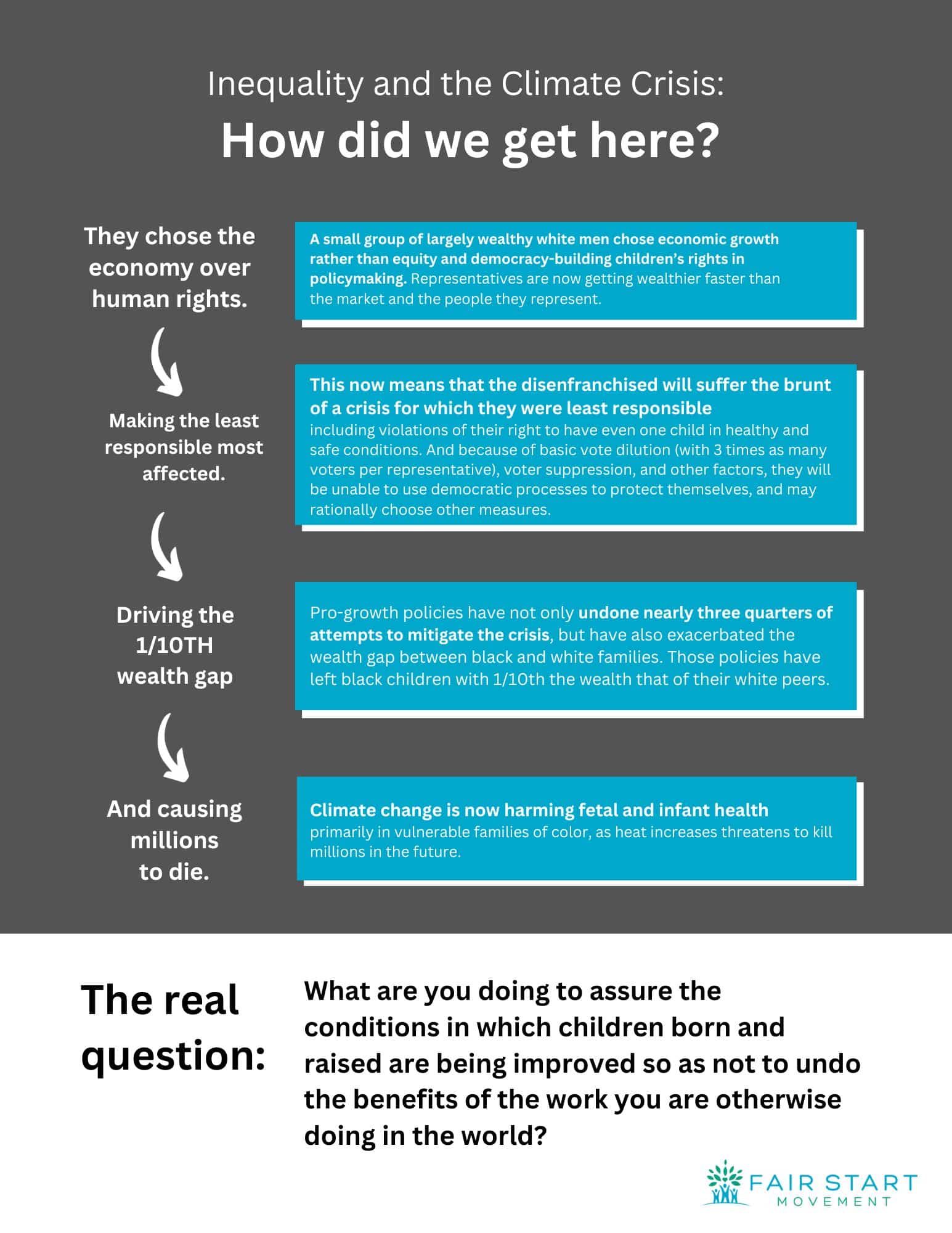
What this work reveals is a deeper truth about both Trump-era politics and the suffering experienced across Africa: for decades, much of what was labeled ‘public interest’ work left out crucial facts while claiming to serve the common good. At its core was a quiet but powerful assumption that some children mattered more than others.
These approaches were shaped by political and economic systems marked by inequality, often influenced by wealthy white families with outsized power in global institutions like the United Nations. In exporting a narrow vision of freedom and the patriarchal nuclear family, communitarian planning systems were weakened or dismantled.
The consequences have been devastating: wealth accumulated in some communities while children in others died. Enormous sums of money were used to avoid accountability through omission and misrepresentation, benefiting a privileged few at the direct expense of marginalized children. This is why every claim presented as ‘fact’ must be examined in context including whose values are centered and what baselines are being used. The most dangerous form of distortion is not always a lie, but the quiet erasure of the baseline itself.
Listening as Evidence
One of the strongest tools in Women Care Modeling is listening.
It asks families a simple but radical question:
How would you have used resources to care for life?
Across communities, the answers repeat themselves. These collective voices challenge the story that extraction builds progress. They show, again and again, that care builds societies. Real numbers are not only found in budgets. They live in shared wisdom, lived experience, and community accountability.
Care as Justice, Not Nostalgia
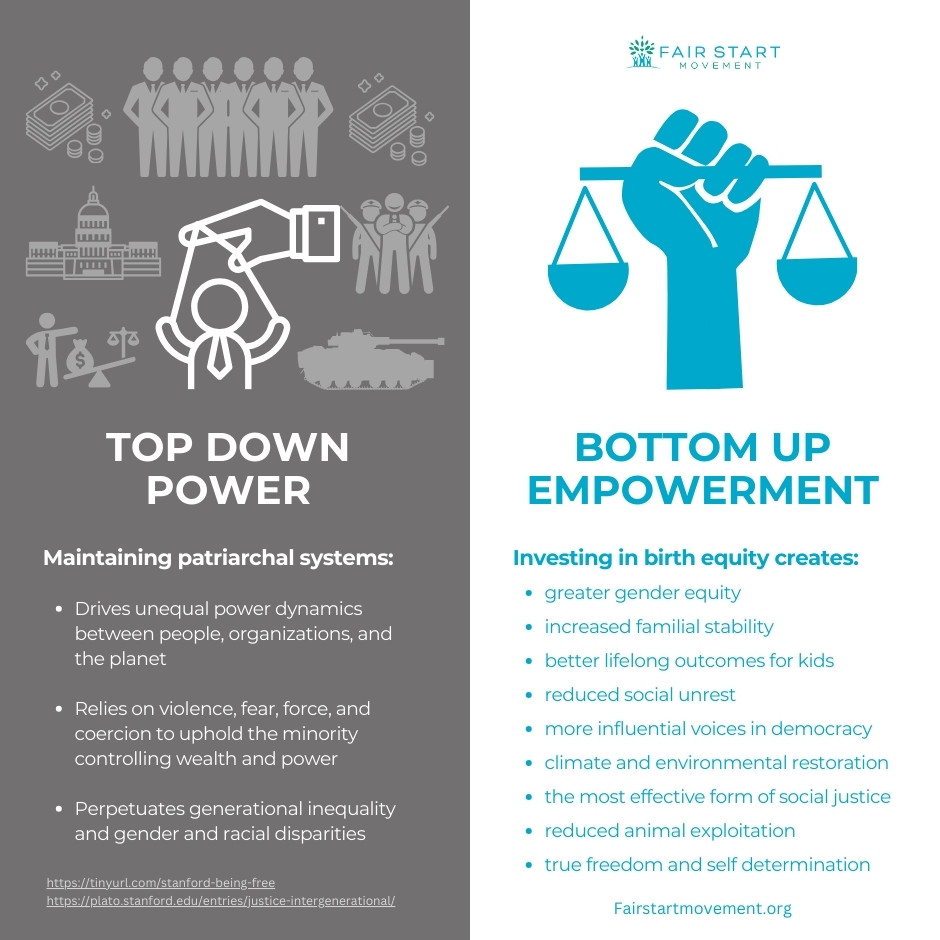
Women Care Modeling is not about returning to the past. It is about repairing what was deliberately dismantled. It stands as a justice-based family reform movement calling out the hypocrisy of a world that preached equality while sustaining white supremacy.
The call is clear:
- Repair the harm through reparative funding.
- Recognize African care systems as valid and powerful.
- Move away from isolated family models toward women-led, community care power
Africa does not suffer because it lacks families. It suffers because its care systems were broken to enrich others. Women Care Modeling insists on remembering this truth and building forward from it, with care at the center.