
Across justice and equity movements like Fair Start and the Truth Alliance, young people are often praised as the future yet too frequently sidelined in the present. While these movements exist to challenge injustice, equity fraud, and exclusionary power structures still limit genuine youth participation. Youth are not just participants; they are leaders, innovators, and truth-tellers. They bring lived experience, courage, creativity, and the ability to challenge systems that no longer serve communities fairly. However, many encounter barriers such as symbolic inclusion without decision-making power, unpaid labor and selective listening.
True equity demands more than good intentions. It requires sharing power, embedding youth in leadership with real authority, creating transparent accountability systems, investing in youth capacity, and honoring the diversity of youth identities. It also calls for intergenerational collaboration, where experience and energy work together not in hierarchy, but in partnership. Young people around the world are already proving what possible exposing discrimination is, leading grassroots solutions, and holding institutions accountable. Their success shows a simple truth: when youth voices are trusted and supported, justice becomes real.
Here is the summary of the interview of Carter Dillard and Youth Advocate Domonick D’Angelo
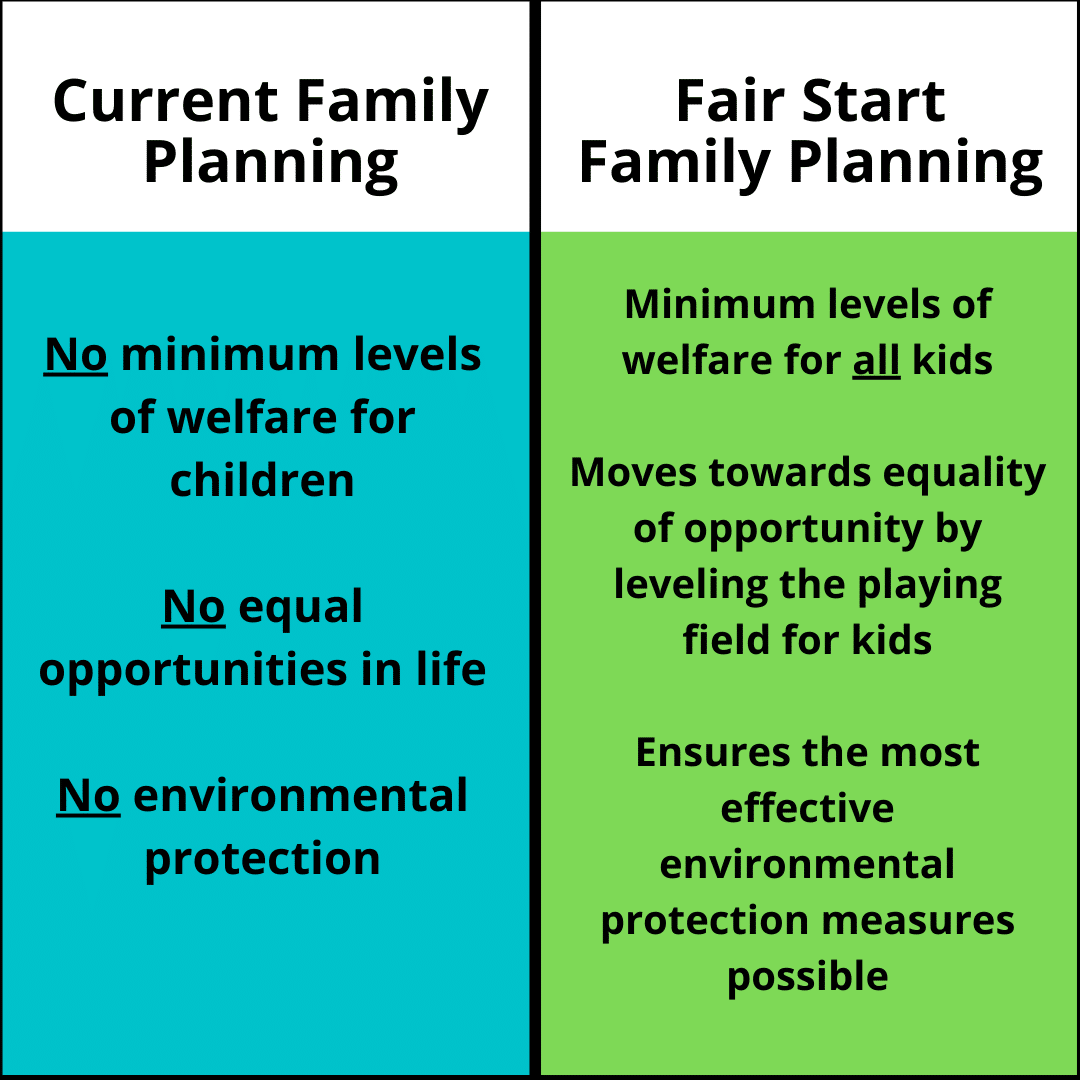
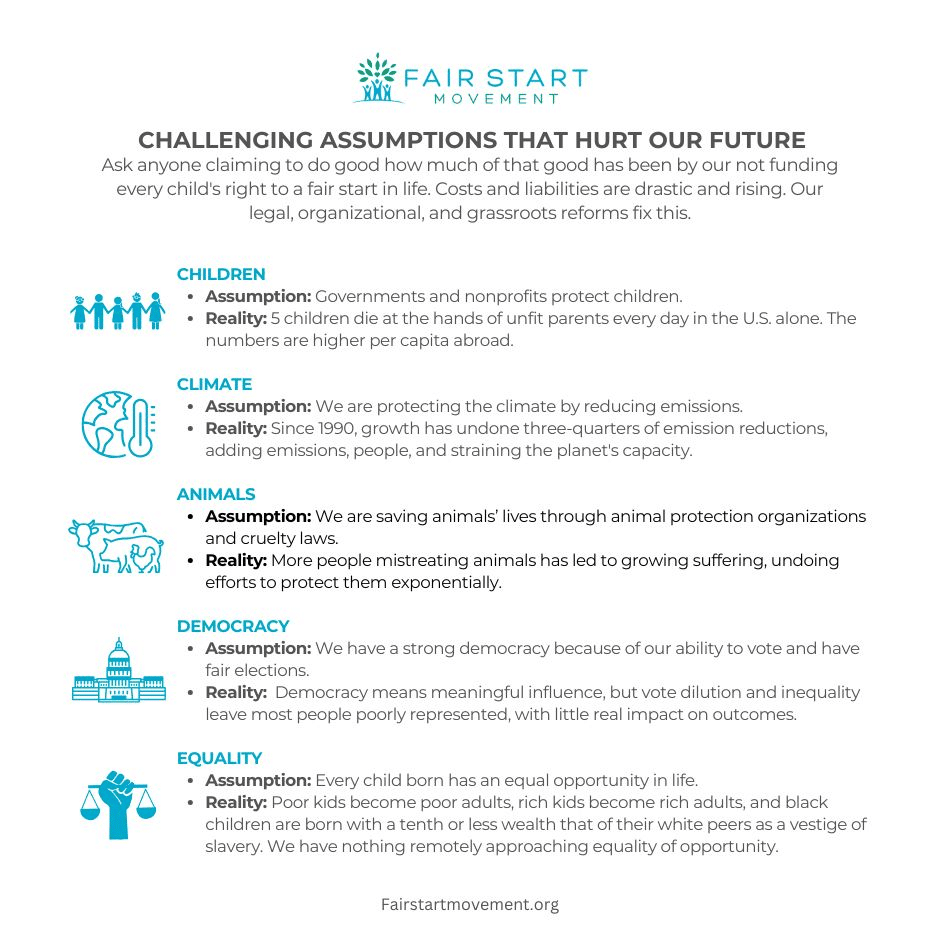
The Fair Start Movement argues that current political and economic systems shaped by investors who prioritized unsustainable growth have created large inequalities and allowed significant harm to future generations. This has produced extreme wealth concentration and driven many of today’s social justice efforts. The movement proposes a fundamental fix: redesigning these systems so that future generations are protected from inequity and environmental harm from the start. It invites people to join in addressing what it calls “equity fraud” and to help build fairer foundations for the future.
Recently we interviewed Domonick D’Angelo, a young man from South Florida, about his thoughts on all of this: He often discusses major societal issues with his friends, especially money and the national debt. He’s worried about how cryptocurrency might worsen financial instability and harm elderly retirees. He opposes abortion bans because he believes they force parents into raising children they don’t want or can’t afford, which can negatively affect kids.
He’s deeply concerned about global warming particularly shrinking glaciers and disappearing Arctic wildlife and fears for the future. He’s also uneasy about AI, seeing how it has already made classmates less engaged and worries it will replace human thinking and jobs, especially with population growth.
He loves nature and believes spending time in it is essential for feeling connected to God’s creation, noting that growth and development destroy wildlife and natural spaces. He distrusts the government due to perceived corruption and worries about misinformation and deep fakes further eroding trust.
The message is clear:
Youth voices matter. Youth leadership is essential. And equity cannot exist without accountability. The future of fair, inclusive movements depends on unleashing youth power now, not later.