
There is a growing conversation happening across the world about justice, inequality and the stories institutions tell about progress.
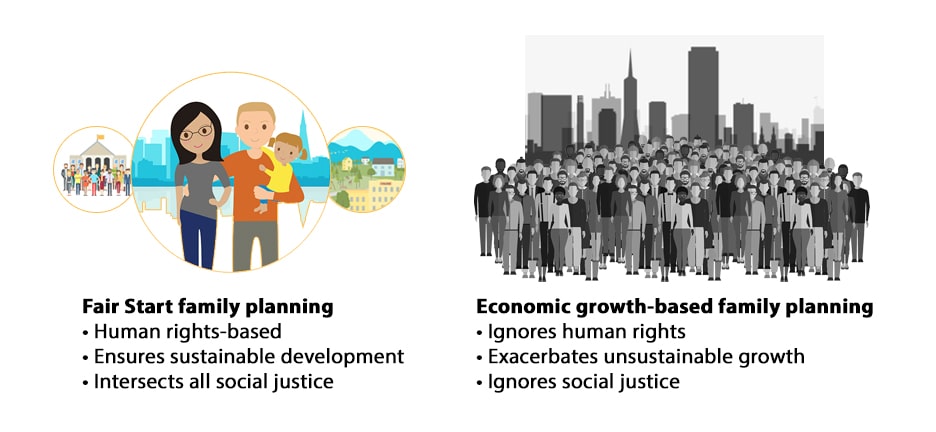
Not just in climate activism or animal protection, but in universities, nonprofits, philanthropy and social justice movements themselves.
People are beginning to ask a difficult but necessary question:
Are we truly addressing the root causes of suffering and inequality, or are we building narratives of progress while the underlying systems continue producing harm every single day?
That question sits at the heart of the recent Fair Start Movement article discussing Yale and what the organization describes as a “fantasy world of social justice undone daily by birth inequity.” (Fair Start Movement)
Importantly, this conversation should not be framed as an attack on individuals trying to create positive change. Many people working in academia, social justice advocacy and philanthropy genuinely care deeply about equity, human rights and creating a better future. Many dedicate their lives to helping vulnerable communities and challenging injustice.
But the article raises a broader systems-level concern.
It argues that many public-interest institutions may be measuring impact inside incomplete frameworks that fail to fully account for the structural conditions shaping real-world outcomes — particularly inequality at birth, political inequity and the long-term effects of growth-driven systems. (
At the center of Fair Start’s argument is the idea that “downstream” social justice work can be continuously undermined if the “upstream” systems driving inequality remain unchanged.
In simple terms, organizations may celebrate important victories — expanded rights, educational initiatives, diversity programs, environmental reforms or social justice campaigns — while larger structural conditions continue reproducing inequality underneath the surface. According to the movement, this creates a perception of progress that may not fully match the deeper realities experienced by the most vulnerable communities.
The article places particular emphasis on what it calls “birth inequity.”
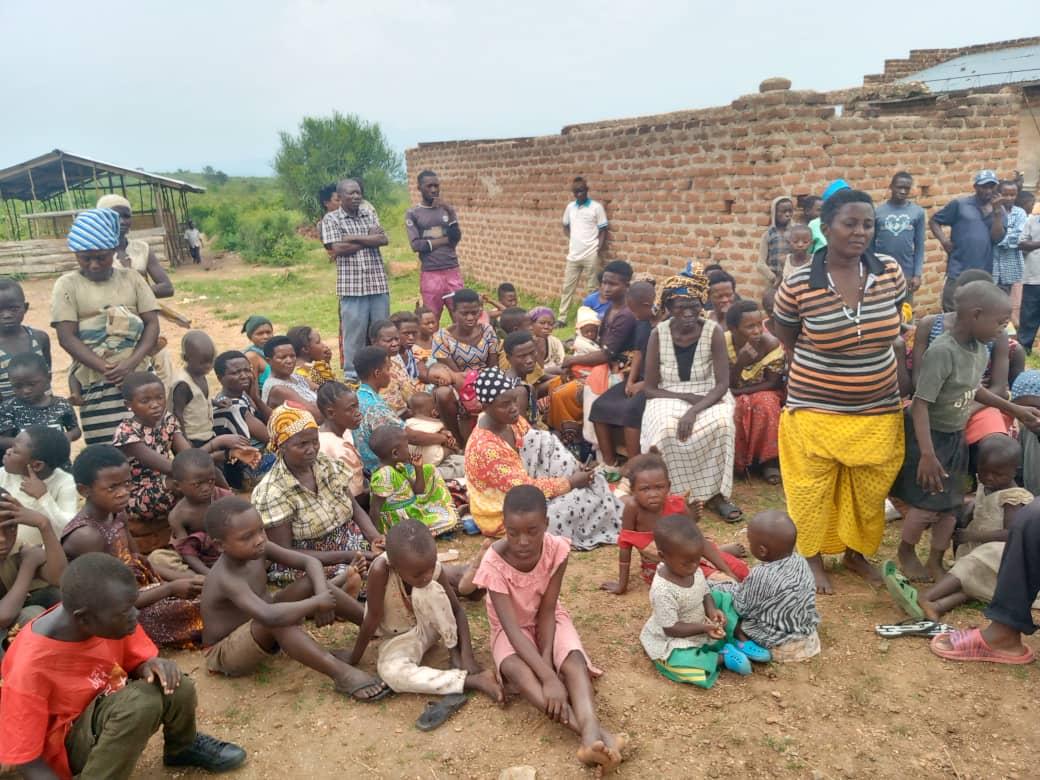
This refers to the reality that children enter the world under vastly unequal conditions depending on wealth, race, geography, political influence and environmental stability. Fair Start argues that these starting conditions profoundly shape health, opportunity, democratic influence and long-term survival itself, especially as climate instability and ecological degradation intensify globally.
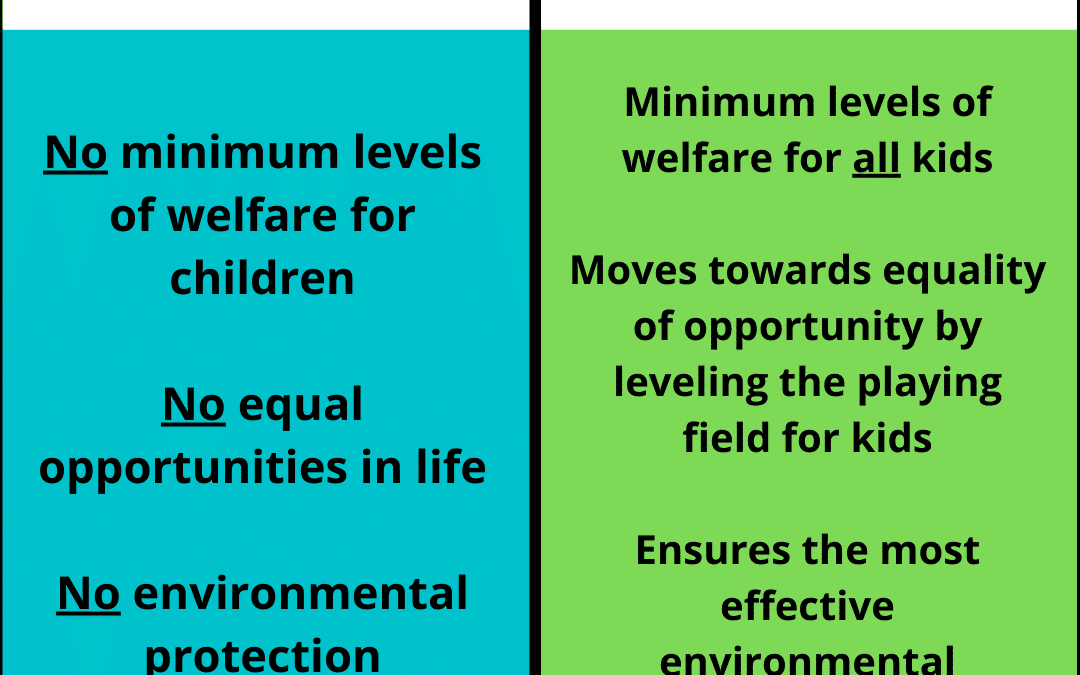
The broader concern being raised is that many institutions discuss justice without fully accounting for these baseline inequalities.
From the Fair Start perspective, if systems continue allowing millions of children to enter conditions of severe inequity, then downstream reforms alone may struggle to produce meaningful net progress over time. The movement argues that many public-facing impact claims fail to fully disclose how structural growth, ecological degradation and political inequality may be undoing the very outcomes organizations publicly celebrate. (Fair Start Movement)
Whether one agrees entirely with Fair Start’s framework or not, the deeper questions being raised are significant.
How should institutions measure progress honestly?
How do we distinguish between symbolic progress and systemic transformation?
And how do we ensure that public trust is grounded in transparency rather than carefully managed narratives?
These are questions that are becoming harder for society to ignore.
Across the world, people are watching ecosystems deteriorate, inequality deepen and political trust erode, even while institutions continue presenting optimistic narratives about sustainability, justice and progress. Increasingly, there is public demand for more honest conversations about whether current systems are truly addressing the root causes of the crises humanity now faces. (Fair Start Movement)
For those of us working directly with animals, conservation and vulnerable communities, these realities are impossible not to see.

We see humans and wildlife increasingly competing for shrinking resources. We see communities struggling under economic and environmental pressure. We see ecosystems under stress. And we see how inequality and ecological collapse are deeply connected.
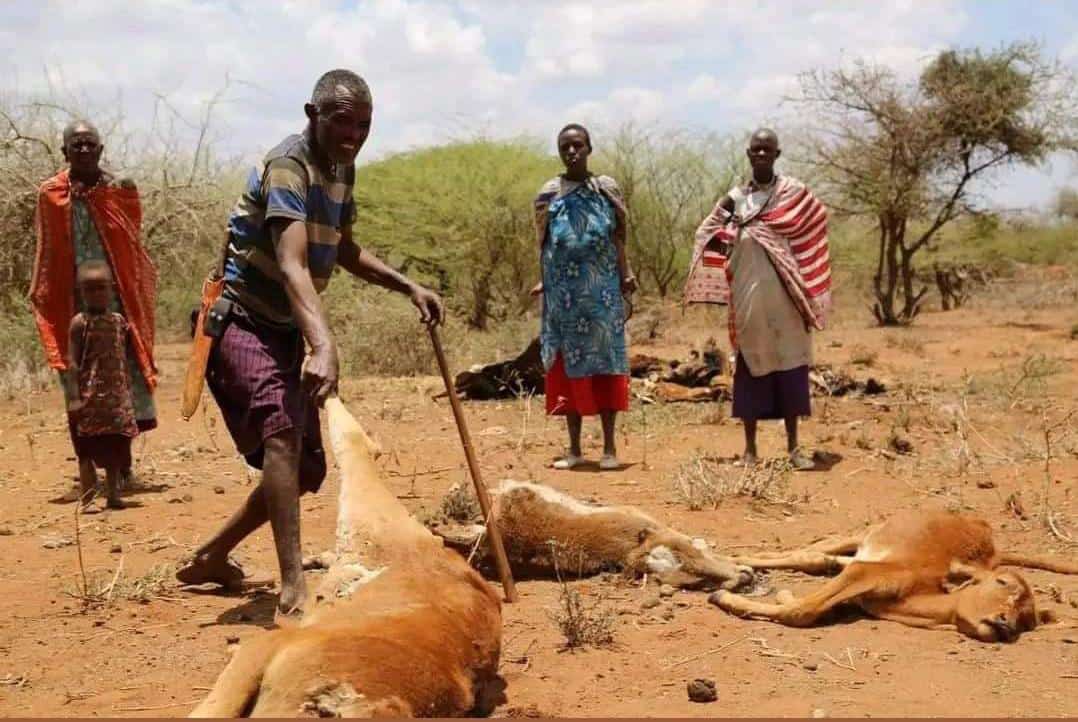
Because when systems fail people, they also fail nature.
The Fair Start article ultimately calls for something larger than political ideology or institutional branding. It calls for a deeper level of honesty about how we measure impact, how we define justice and whether the systems currently shaping the world are truly capable of delivering a fair future for the next generation.
And perhaps that is the most important part of this conversation.
Not tearing down good people.
Not attacking institutions.
But asking whether humanity is finally willing to confront the deeper structural realities underneath the crises we now face — and whether we have the courage to build systems rooted not only in appearance, but in truth.