Category: Child Development & Welfare

  • When Accountability Is Diluted, Children in Amboseli Pay the Price Through Unequal Protection, Limited Opportunity, and the Rising Cost of Education

    When Accountability Is Diluted, Children in Amboseli Pay the Price Through Unequal Protection, Limited Opportunity, and the Rising Cost of Education

    Summary “In Kenya’s Amboseli region, many Maasai children are still denied a fair chance at education as poverty, hidden school costs, corruption, colonial-era inequalities, weak local systems, and the growing impacts of climate change continue to make learning and opportunity harder to reach for struggling families cost of education for local children.” When Accountability Is Diluted, Children in Amboseli Pay the Price Through Unequal Protection, Limited Opportunity, and the Rising Cost of Education

    In the heart of Kenya’s Amboseli region, where the iconic Mount Kilimanjaro watches over the land, a more subtle yet equally pressing issue persists: the high cost of education for local children. While many see Amboseli as a haven for wildlife and indigenous Maasai culture, it’s also a place where structural inequalities—fueled by historical and contemporary systems—continue to impede access to quality education. These obstacles intersect with global issues like climate injustice and the enduring effects of white supremacy.
    At the center of this multifaceted struggle is the issue of school fees, which often serve as a barrier to education in a community where poverty and marginalization have deep roots. Local Maasai children, like many across rural Kenya, find themselves caught in a web of equity fraud, where the promise of education remains a distant dream, largely inaccessible to those who need it most.

    The Reality of School Fees in Amboseli
    For many families in Amboseli, school fees are not just a minor inconvenience—they are an insurmountable burden. While education is officially free in Kenya, there are numerous hidden costs associated with sending children to school. These include contributions for textbooks, uniforms, and other necessities, which, when accumulated, often exceed the financial reach of many Maasai families. The average household in Amboseli relies heavily on livestock for income, a livelihood that is vulnerable to the ravages of climate change. Droughts, erratic rainfall patterns, and other environmental stressors directly impact food security and income generation, making it even harder to pay for education.

    Many of these school fees, however, are not just a result of national policies—they are compounded by local corruption and equity fraud. Teachers or administrators sometimes collect additional fees for non-existent services, with funds failing to reach their intended educational purposes. This reinforces a cycle of inequality, where education becomes a commodity for those who can afford it, perpetuating a class divide and further disenfranchising marginalized communities like the Maasai.

    White Supremacy and the Legacy of Colonization
    The historical legacy of colonialism is deeply embedded in the educational system in Amboseli. The British colonizers, in their quest to “civilize” African societies, imposed an educational framework designed to subjugate and control local populations rather than empower them. Though Kenya gained independence decades ago, the residual effects of this system still shape the education infrastructure in many rural regions.
    One of the enduring impacts of this colonial legacy is the persistence of white supremacy in the form of Western-centric curricula and educational standards that fail to recognize the unique needs of indigenous communities like the Maasai. Many children in Amboseli are taught in schools where the language of instruction is English or Kiswahili, languages not spoken by their families. The curriculum often centers around Western ideals and economic structures, which may feel distant or irrelevant to Maasai children who are raised in a pastoralist culture deeply tied to the land and animals.
    The marginalization of indigenous knowledge systems and the lack of representation in education contribute to feelings of alienation. For the Maasai, whose identity is tied to their land, culture, and heritage, this disconnect only reinforces the cultural imperialism that has been entrenched for centuries.

    Decentralization: A Double-Edged Sword
    Kenya’s push for decentralization—a key aspect of its post-independence governance structure—was intended to bring services closer to the people. In theory, local governments would have the autonomy to allocate resources based on community needs. In practice, however, decentralization in Kenya has often resulted in uneven resource distribution and significant disparities in service delivery.
    In Amboseli, the promise of local governance often falls short. While county governments may receive funding to improve educational infrastructure and reduce fees, the lack of accountability, corruption, and a weak local administrative capacity has meant that funds do not always reach the intended schools. This has left Amboseli, a region already grappling with the effects of climate change, without the necessary educational resources to uplift its children.
    The decentralization process also amplifies inequality in regions like Amboseli, where local leaders may prioritize the needs of urban areas over those in more remote, rural communities. This disparity contributes to the feeling that Maasai children are further excluded from the promise of education.

    Climate Injustice: The Silent Killer
    Perhaps the most insidious force affecting education in Amboseli is the slow but persistent rise of climate injustice. The Maasai people, whose livelihoods are tied to livestock, face increasingly hostile environmental conditions due to climate change. Droughts and changing rainfall patterns have led to massive livestock deaths, food shortages, and a subsequent rise in poverty. This climate crisis directly impacts families’ ability to pay school fees, let alone ensure that their children attend school regularly.
    In many parts of Amboseli, children are forced to stay home and help their families cope with the aftermath of climate-induced disasters. This leads to a cycle of intergenerational poverty, where children who are unable to complete their education have fewer opportunities to break free from the poverty that their parents and grandparents have faced.
    What’s worse, climate injustice is not something that Maasai communities have caused—they are among the least responsible for the global climate crisis. Yet, they are among the most affected. This injustice further underscores the need for global solidarity and local action, with initiatives like the Truth Alliance aiming to amplify the voices of those most impacted by environmental changes and educational inequities.
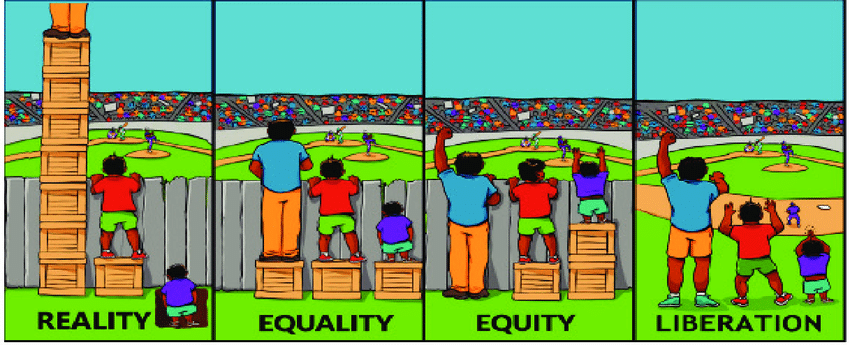
    Reality, equality, equity, and liberation

    Truth Alliance: A Call for Change
    In this context, organizations like Truth Alliance are crucial in advocating for systemic changes that address the root causes of inequity, colonialism, and climate injustice. Their work highlights the need for a more equitable approach to education, one that is locally controlled and culturally relevant, yet supported by national and international frameworks that prioritize the needs of marginalized communities.
    Truth Alliance advocates for educational policies that are inclusive, not just in terms of access but also in how education is delivered. This includes curriculum reforms that embrace indigenous knowledge and perspectives, as well as a push for transparent and accountable management of school fees. They also emphasize decentralization as a tool for local empowerment but with safeguards to prevent the misuse of funds and ensure that resources are reaching those who need them most.
    Above all, organizations like Truth Alliance highlight the need for urgent action on climate justice, calling for both local and global solutions to the environmental challenges that disproportionately affect communities like the Maasai. Climate change is not a distant issue—it is a present reality, and its effects on education, particularly in rural areas like Amboseli, cannot be ignored.

    Conclusion: Moving Forward with Equity and Justice
    The story of education in Amboseli is a complex one, woven together by the threads of history, culture, climate, and systemic injustice. School fees, equity fraud, white supremacy, decentralization, and climate injustice are all intertwined in a way that continues to limit the educational opportunities available to Maasai children. However, through the tireless efforts of organizations like Truth Alliance, there is hope for change.
    True transformation will come when the voices of the most marginalized are heard, when education becomes an instrument of liberation rather than exclusion, and when the global community takes collective responsibility for addressing the root causes of climate injustice. It is only through this holistic approach that communities like Amboseli will see the dawn of a more equitable future for their children—one where access to education is a right, not a privilege.

  • Support Education & Justice for Amboseli School Girls

    Support Education & Justice for Amboseli School Girls

    Dear Supporters,

    As part of the Tell the Truth campaign, Fair Start is making a special appeal this week. Amboseli is calling on the United Nations to recognize birth equity as the first human right. Now, we need your help to take action.

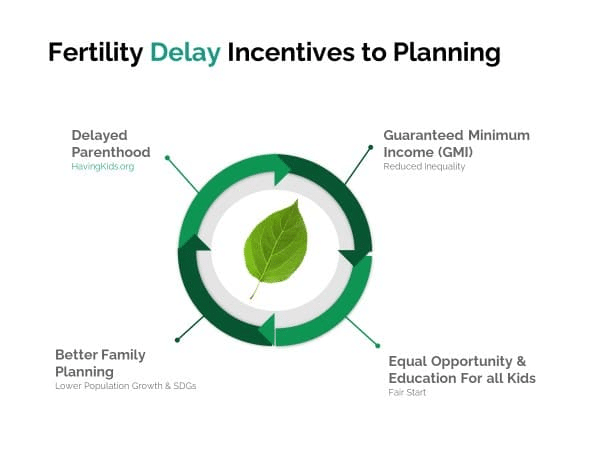
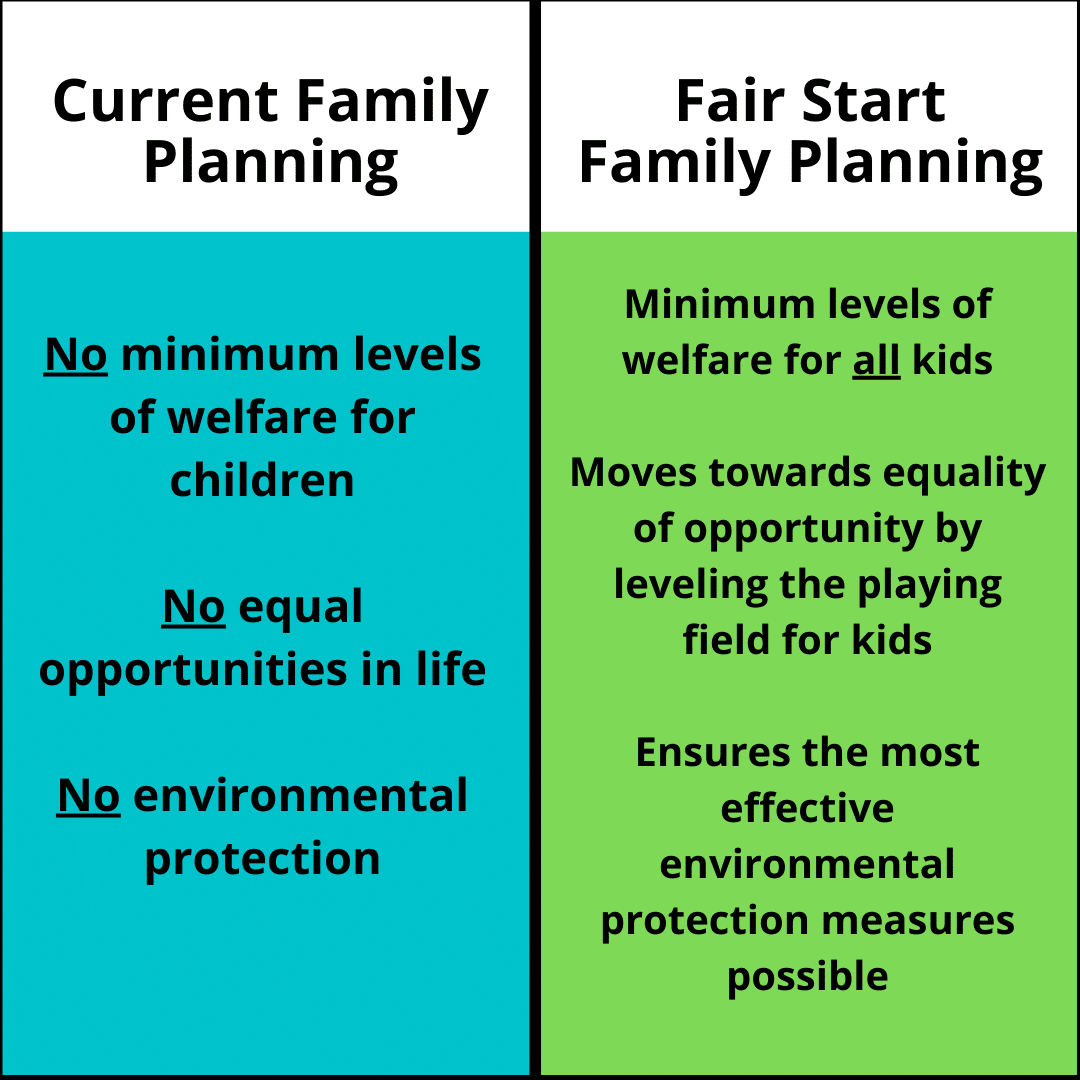
    A split infographic compares Current Family Planning with Fair Start Family Planning, listing differences in welfare, equality, and environmental protection for children, while highlighting how practices like legitimacywashing can undermine genuine progress.

    From our friend Dickson Lekina:

    I write to you with an urgent plea on behalf of the schoolgirls of Amboseli, Kenya. These bright young women face financial barriers that threaten their access to education. Without support, their futures hang in the balance.

    We seek immediate funding for school fees to ensure their education continues uninterrupted. Additionally, reparations are needed to address the injustices they have endured, helping them heal and build brighter futures.

    By standing with these girls, we uphold the fundamental right to education and gender equality. Your support can break cycles of hardship and empower them to reach their full potential.

    Please consider making a contribution through Fair Start. Together, we can create lasting change.

    Click here to Donate to Fair Start Movement Campaign


    With gratitude,
    Dickson Lekina

  • UPDATE: VALUING NEGLECTED COMMUNITIES AND GENDER IN ADDRESSING THE CLIMATE CRISIS IN THE GLOBAL SOUTH.

    UPDATE: VALUING NEGLECTED COMMUNITIES AND GENDER IN ADDRESSING THE CLIMATE CRISIS IN THE GLOBAL SOUTH.

    The climate crisis is not a distant threat, it’s is an urgent challenge for all of us, particularly in global south where vulnerable communities bear the brunt of climate crisis and inequalities impacts. As the world going with rising temperatures, resource depletion and extreme weather changes, Addressing systemic errors in climate solutions is vital to ensure a sustainable future for coming generations. A critical step that involves valuing neglected communities and integrating gender perspectives into climate action strategies.

    Why neglected communities matter?

    Neglected communities often on the fringes of mainstream development efforts possess valuable local knowledge and resilience. Indigenous populations, rural women and marginalized urban dwellers frequently adapt to environmental changes using sustainable practices passed down through generations. However, voices are often excluded from policymaking, leading to top-down solutions that fail to address unique challenges in today’s generation. Acknowledging these communities as partners rather than beneficiaries can drive more inclusive and effective climate action.

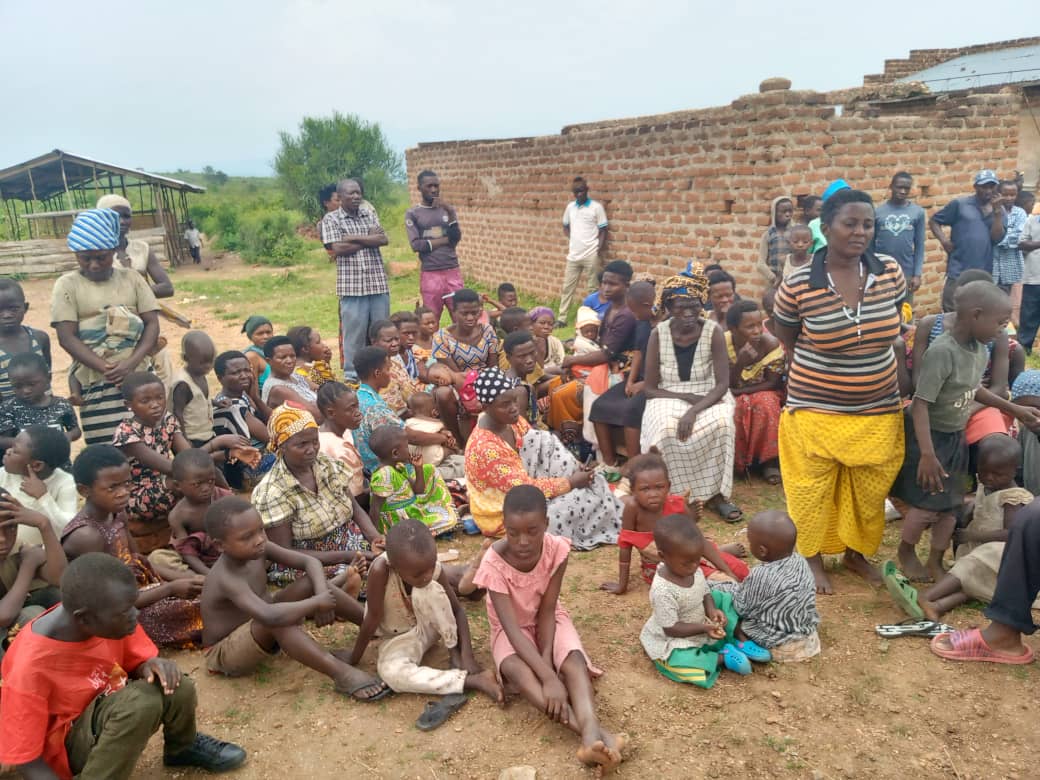
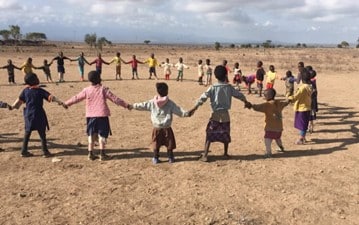
    People sitting around in a circle, a neglected community


    The role of gender in climate solutions. Gender disparities exacerbate vulnerabilities to climate change especially for women in the global south. Women carry responsibilities for water collection, food production, Care  giving disproportion affected by drought, floods, resource scarcity. Remain underrepresented in decision making spaces like COPs. Empowering women and integrated gender responsive approaches can enhance equalities. Women Care groups in doing kitchen gardens, Agroforestry, animal protection, child saving and family planning as per fair Start standards have demonstrated innovative solutions and creativity to address the needs and climate restoration, food security, small family planning, child bonds and fair Start standards for families in the neglected communities from global south to save next generations.


    Addressing systemic errors

    Systemic errors in current climate interventions rooted from treating global south as a homogeneous group and ignoring the intersection of social-economic, culture, political, environmental factors based on

    1. Participatory Approaches; policies must involve marginalized communities and ensure addressed concerns to the solutions.
    2. Gender Equity; Funding and programs must prioritize women Care group model in climate restoration and adoption of Fair Start Movement standards
    3. Decentralization; once top bottom system is changed to use bottom – up, cultures and indigenous knowledge can be valued in reshaping model.


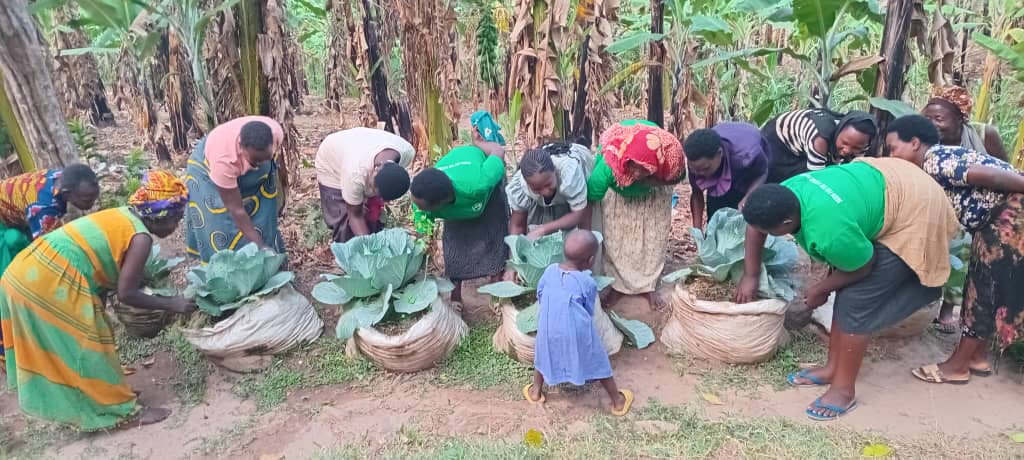
    People planting vegetables


    A collective Responsibility.

    Valuing neglected communities and gender in climate strategies is not a moral imperative but should be practical necessity. As global citizens, we must ensure Fair Start standards to advocate equality and equity in climate actions whereby most vulnerable communities have access to resources and voices hard and recognized in order to strive for the better future.

    Few leaders/wealth people that make small percentage on this world should not decide on the behalf of voiceless and neglected communities from global south.

    Call to Tell the Truth 

    In 2019, I came in to decentralize power of the system, I made a statement “The fight for climate change is not just a fight for only environmental degradation but also includes a fight for equality, justice and the rights to a future for every child, woman and men at forefront communities who deserve to be saved, empowered and voices Heard at international level because are affected more yet contribute less to the damage”

    That’s because for many years I used system not inverting the power of the system to decentralize I used Village Health Team (VHT) system while working in the refugee settlement to address health challenges in the community in accessing public health and it was not in decent razing the power to women in addressing climate crisis and food insecurity that’s why I started using Women Care Groups in decentralization and address the cause of climate change not signs and symptoms.


    Carter hiding in liberating animals using illegal standards here is the key false claim of Carter in 2016 and now is backing Women Care groups. What I did was similar to what Carter did in hiding the undoing of the liberation of animals.


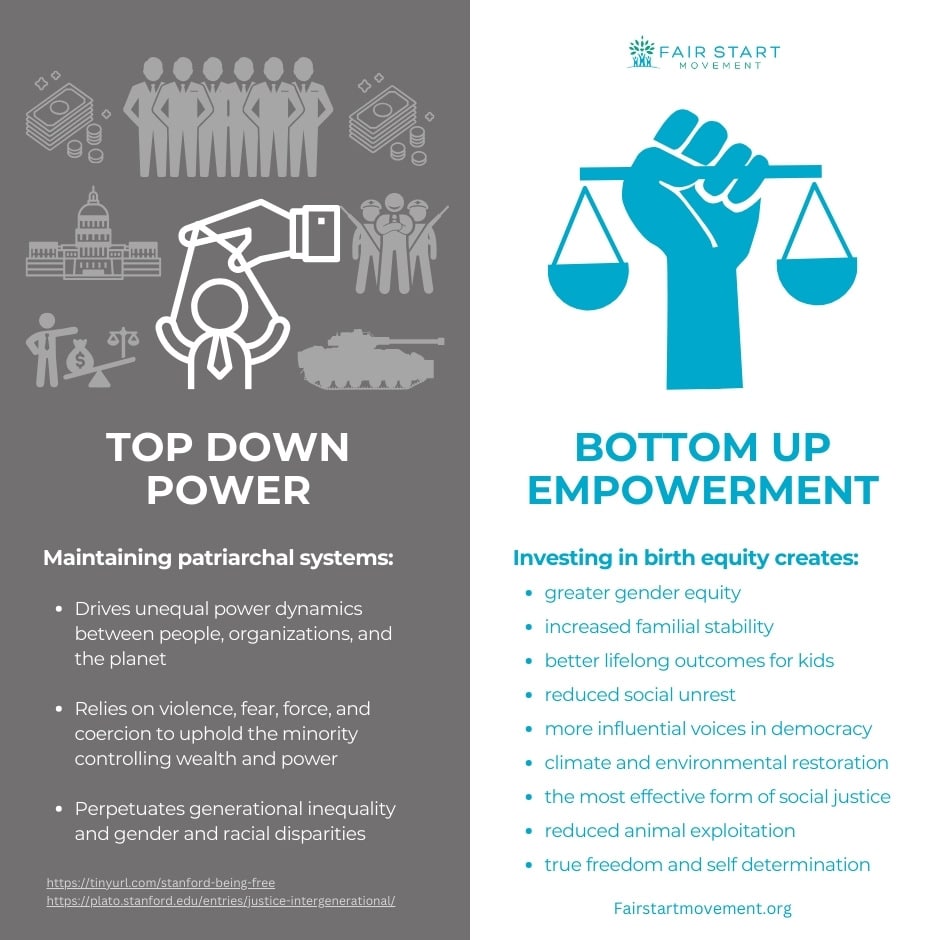
    Infographic comparing Top Down Power vs. Bottom Up Empowerment for birth equity, listing social impacts of each approach—including potential risks like legitimacywashing when using top-down strategies. Includes icons of people, scales, graduation cap, and supportive hands.


    COPs is failing to center climate Reparations and justice for neglected gender and communities to Fair Start standards.

    The conference of Parties (COPs) to the United Nations Framework Convention on Climate Change (UNFCCC) has become a global stage for negotiations on climate actions. Year after year, these conferences are criticized for failing to address the root cause of climate injustice at neglected communities and gender who are most vulnerable to the climate crisis. This failure is from lack of meaningful engagement and admitting the truth and putting structures of climate reparations in equitable manner and decentralized focused solutions. This failure undermines efforts to adhere to Fair Start Movement standards that prioritizes intergenerational justice and equity for future generations.

    Damages/harms caused by wealthy people/nations are often the largest polluters from global north on the global south. Despite decades of advocacy, COPs have consistently omitted financial commitments to reparations, instead offering vague pledges that rarely translate into actionable changes.

    Without clear structure reparations, vulnerable communities and gender from the global south with least responsibility for the climate crisis are left to bear the brunt of the effects. Failing to address these imbalances perpetuates cycles of inequality and extinction of next generations.

    Omission of decentralization at COPs

    Fair Start Movement emphasizes that true climate justice begins at community level (Decentralization) as based on the Afrocentric model. Indigenous women and local communities possess valuable knowledge about sustainable practices and ecosystem management whereas COPs negotiations frequently prioritize profit based solutions like carbon trading over nonprofit Decentralization systemic approach.

    Impacts on black Americans in the system of white supremacy. Climate change is not just an environmental issue. It is a social justice issue disproportionately affecting marginalized communities. For black Americans, the overlapping crises of climate change and systemic racism within a white supremacist structure amplify existing inequalities and create unique vulnerability.


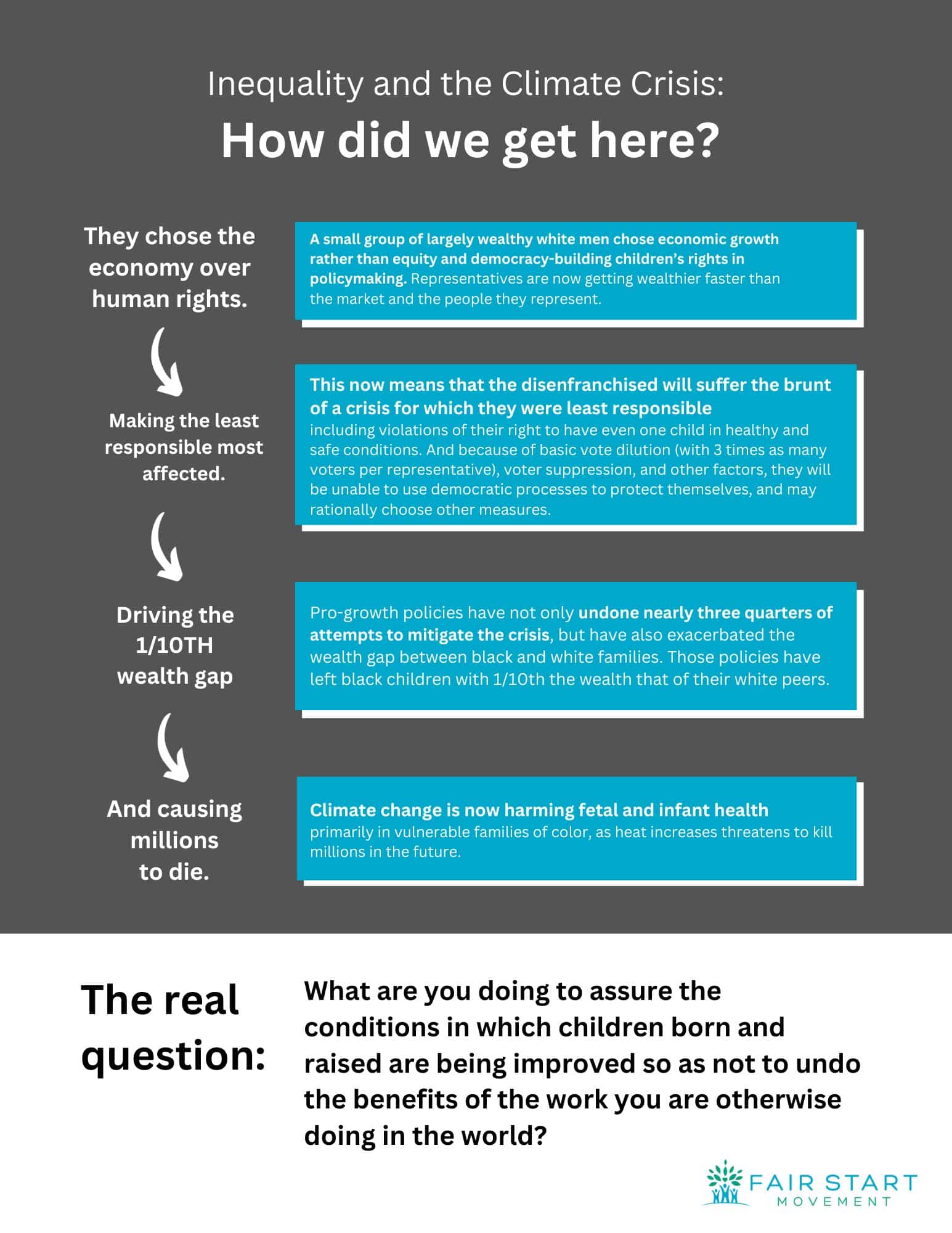
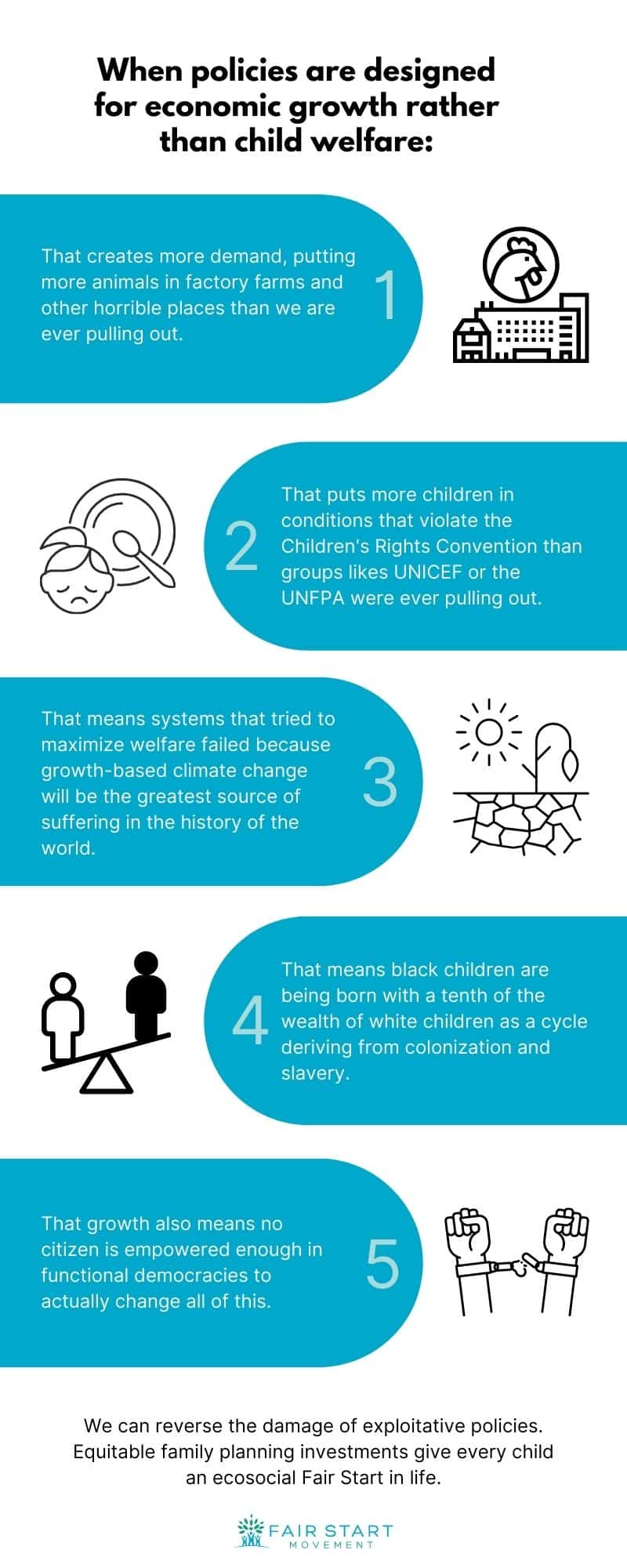
    Infographic titled Inequality and the Climate Crisis: How did we get here? with text blocks explaining causes like prioritizing economy over rights, disenfranchisement, ignoring the 1/10th wealth gap, and impacts on families. It also highlights how practices such as legitimacywashing contribute to the problem by masking systemic failures under a veneer of responsibility.

    Climate change and environmental Racism

    Black communities in America have been systematically neglected from wealthy building opportunities and relegated to neighborhoods with higher exposure to environmental harsh conditions. Industrial plants, landfills and highways are often located near predominantly black communities, leading to chronic health conditions such as Asthma, Allergies and others. Climate change exacerbates inequalities by intensifying extreme weather changes such hurricanes, heat waves and flooding in poor household air-conditioning.

    In 2005, During Hurricane Katrina, more black residents of New Orleans were disproportionately affected. Many lived in low lying geographic areas more prone to flooding, lacked access to reliable transportation to evacuate and faced systemic neglect in disaster response and these results are not accidental but are results of policies shaped by white supremacy.

    Economic injustice and climate vulnerability. The racial wealth gap leaves black Americans with fewer resources to recover from climate related disasters. Generations of poverty redlining and discriminatory practices in housing and lending have left many black families without adequate child bonds. The economic insecurity increases challenges of displacement, job loss and homelessness a rising from climate injustices and inequalities.

    A voice from the voiceless: women care group leaders of western Uganda Speak to the global north.

    People planting vegetables

    “We are the women of western Uganda, members of women care groups, mothers, farmers and protectors of life. We speak not just for ourselves but for our children and the land we nurture. We are voice of voiceless, calling on you leaders and funders of global north to listen to our cry as the climate crisis tightens its grip on our lives. The rivers we once relied upon are drying. The rains we depended on to grow food come too late or too hard destroying our crops. The land we call home which we have cared for like a mother cares for her child is cracking and drying under the weight of this climate crisis and the world looks away.  We, the women, feel this crisis most deeply. When water sources dry up, we walk longer distances to fetch water. When crops fail, it is our children who go to bed hungry. When mosquitoes grow, it’s our children who suffer from Malaria and some die. When disasters strike, it is on our hand to rebuild homes and lives and often with no support or recognition. The inequality is increasing, while we suffer the consequences of climate change. Knowing that the emissions driving this catastrophe come far away from factories, industries and lifestyles in the global north. We contribute the least yet we pay the highest price. We ask you global north leaders and funders: how can it be just our lives, our communities, our future sacrificed so others can prosper? How can you speak of justice while our cries are ignored? We are not just victims, we are also part of the solution but feel neglected at decision making, We may be neglected now but we are not powerless. We are speaking now and we will keep speaking until our voices are heard. Leaders of the global north, Funders and policymakers; will you hear us? Will you stand with us or will you turn away?”

    The truth needs to be heard from you and shame the devil.

    Please consider making a contribution through Donate. Together, we can create lasting change to save next generation


  • Is UNICEF Legit or Doing More Harm Than Good? Ask Leadership the Right Questions on Issues Like Child Abuse and Find Out.

    Is UNICEF Legit or Doing More Harm Than Good? Ask Leadership the Right Questions on Issues Like Child Abuse and Find Out.

    Recently, a 2-month-old by was seriously injured when a 10-year-old girl dropped the baby on a tile floor, authorities in Florida said Monday, announcing the arrest of a 36-year-old woman who they allege instructed the child via the online video game Roblox on how to kill the infant.

    Far away, UNICEF’s lead, Catherine Russell recently stated: 

    Children are the world’s most precious resource. There is no greater cause than championing their rights and wellbeing. I am committed to this cause with all my heart, and I am proud to join the UNICEF family.

    Ask Russell – here – how UNICEF accounts for children entering the world without parental delay and readiness entitlements, and how that impacts what UNICEF claims to value, and claims to do? Would she admit children entering the world without the resources they need reverses much of the work UNICEF has claimed do to?

    If she can’t say that children have an overriding right to a fair start in life that creates an authoritative demand to the wealth they and their mothers need, she’s hardly being legitimate or inclusive and empowering.


    Infographic comparing Top Down Power vs. Bottom Up Empowerment for birth equity, listing social impacts of each approach—including potential risks like legitimacywashing when using top-down strategies. Includes icons of people, scales, graduation cap, and supportive hands.


    Wouldn’t – given the role of birthing in the climate crisis – that deprivation have done more harm than UNICEF did good? Is UNICEF really just backing a standard that uses children as economic inputs for growth?

    Fair Start’s research suggest UNICEF is doing exactly that.

    We ask these question because Fair Start, as the fundamental fraud and reparations watchdog, is looking for  those choosing to benefit at deadly cost to others by not admitting that birth inequity has undone many claimed impacts, and instead moving towards requiring preemptive and liberating debt/reparations accounting, which encourages parenting delay, readiness, and equity for children as they enter and impact their ecosocial environments.

    These questions can divide the world into the fair and unfair – create a true border of human freedom and obligation that can reset national borders from the inside out – and allow us to overcome influential and unfair barriers to self-determination.

    A body of growing peer-reviewed research showed it was physically impossible to be free, or self-determining, without this reform because there is no system of values, including representative government, outside of relative positioning to the social and ecological state-of affairs that determine infant health, equitable positioning, and opportunity, without this accounting. Those entering the world are either not empowered, or we all have no choice but to be subjected to their power and influence – including the degradation of the environment around us. We should instead empower the governed, not government and the wealthy.

    That research also showed many organizations masking this fact with omissive claims of entitlement and impact, elevating their positionality in an illegal system operating in violation of child welfare laws rather than legitimating it, and often choosing to benefit their white kids at deadly cost to millions of children of color. Such entities and individuals – nonconstitutives or noncons – fall outside the protections of the scope of social obligation, and deserve as much protection and liberty as they ensure for children entering the world.


    How Do You Destroy a Planet's Atmosphere? Tell Lies. Fair Start Certification Tells the Truth Infographic


    Concentrations of wealth and power, including philanthropic funders, in those nations most responsible for the climate crisis often use decoy institutions and individuals – media, nonprofits, universities, agencies, think tanks, celebrities, etc. – to create a fantasy world of micro-level social justice impact that hides liability for the macro-level forces undoing the impact.

    Wealthy families in polluter nations use these low child welfare standards to undo upstream what they are pretending to do downstream – selling vegan products in growth markets that do more harm to animals than our sales do good, suing over immediate threats to endangered species that will go extinct long-run, centering children’s needs well after they arrive in the world and most of the damage is done, focusing on political candidates when their ability to represent is being slowly eroded. 

    The fantasy world ensures  wealthy whites benefit at deadly cost to mostly persons of color. Not addressing birth and emancipatory inequity allows some to treat inherited wealth and other privileges as somehow magically outside of the democratic process, and to use it, their positionality, and growth to slowly disenfranchise the average voter.

    One of those costs is violence. Nations using illegal violence to defend entitlements without being positioned to actually represent their constituents begets violence, like mass shootings,  which usually target innocents rather than the wealthy families benefiting for the representative system.


    Infographic titled Inequality and the Climate Crisis: How did we get here? with text blocks explaining causes like prioritizing economy over rights, disenfranchisement, ignoring the 1/10th wealth gap, and impacts on families. It also highlights how practices such as legitimacywashing contribute to the problem by masking systemic failures under a veneer of responsibility.


    We are now at a place where these families and their concentrations of wealth and power can use the wealth they made through the sustainability scam to attack the democratic process itself. The solution to this problem is to recognize that governments have no inherent authority, but only what is derived from and conditional upon them empowering their constituents, and that includes any authority to entitle wealth made at deadly cost to others that is partially owed in climate debt/reparations accounting. Inequity in one’s share in democracy is ineffective.

    If you want a better future, find the most influential institutions and individuals engaged in entitlement and impact fraud – those who can be made prominent example of – and ensure they tell the truth and back accounting that legitimates their authority.

  • Ask United Nations Secretary General Antonio Guterres to Tell the #WholeTruth About the Genesis of Today’s Crises

    Ask United Nations Secretary General Antonio Guterres to Tell the #WholeTruth About the Genesis of Today’s Crises

    [et_pb_section fb_built=”1″ admin_label=”section” _builder_version=”4.16″ global_colors_info=”{}”][et_pb_row admin_label=”row” _builder_version=”4.16″ background_size=”initial” background_position=”top_left” background_repeat=”repeat” global_colors_info=”{}”][et_pb_column type=”4_4″ _builder_version=”4.16″ custom_padding=”|||” global_colors_info=”{}” custom_padding__hover=”|||”][et_pb_text admin_label=”Text” _builder_version=”4.23.4″ background_size=”initial” background_position=”top_left” background_repeat=”repeat” global_colors_info=”{}”]

    Dear Secretary General,

    The climate and inequity crises the world faces today are worsening. They flow, fundamentally, from family planning policies centered around the Cairo Consensus that are anthropocentric, and do not ensure birth equity for children.


    An Open Letter to ReproAction and the Center for Reproductive Rights: Abortion Rights Can Override Governmental Authority

    These are the facts:

      • You and your family, as well as the extreme concentrations of wealth and power operating in the world today, personally benefitted from these policies, which allowed economic growth that externalized ecosocial costs on the global south, and enabled your children massive head starts in life relative to many regions of the world.

      • These policies violated any reasonable reading of international law, treating the most interpersonal act – creating children – as a personal matter, and in ways that flouted the Children’s Rights Convention – never creating the birth and development conditions all children deserve. These conditions should have been the fundamental baseline for any cost benefit analysis, and failure to use that baseline empowered some at cost to others.

      • Because these policies also degraded actual participatory democracies, where all people matter and have a say in their governance, you do not hold authority or representative capacity through consent, but rather through the coercive political systems of your member states.

      • You have the titular authority to make informal statements to change this course, and to help the UN adopt more regenerative and equitable child welfare policies.


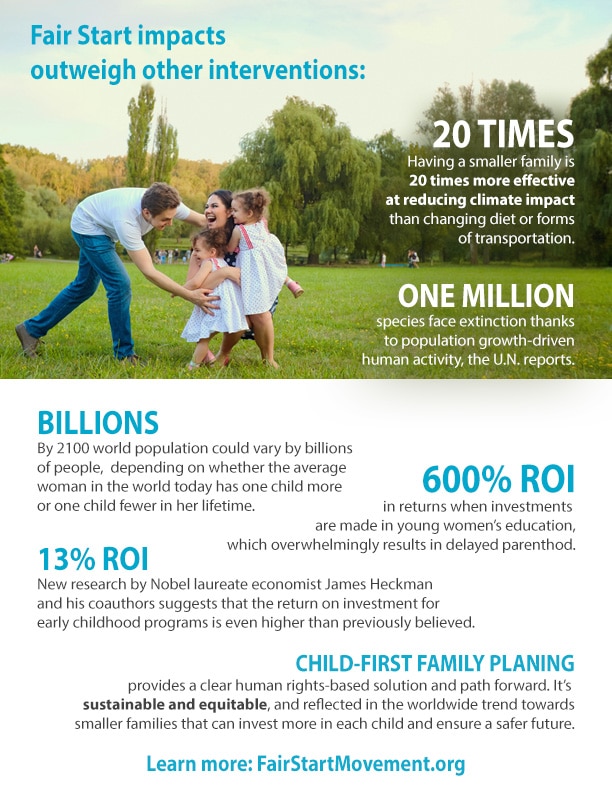
    Infographic explaining Fair Start impacts: Smaller families are 20x more effective at reducing climate impact. One million species face extinction. By 2100, population may double. Early childhood programs offer 13% ROI; family planning yields 600% ROI.

    Be effective.

    Please tell the #wholetruth – that the fundamental family policies you and all of us simply accept ensure  more and more animals are subjected to suffering and slaughter, many other species are wiped out, the gap between rich and poor widens, children are robbed of their potential because we do not invest in them, and each person has less of a say in their political systems – turning town halls where many rule to shopping malls where few rule. They guarantee children are tortured to death by their own parents. These policies have created the political space for the reemergence of abortion and contraception bans, and enable influencers in media to openly push women to have more children to grow economies.

    With the truth the United Nations can move the world onto a track truly consistent with the values of dignity and self-determination at the base of human rights.

    Without reforming family planning and child welfare policies you remain in a state of preconstitutionality, opposed to the truly free people constituting a just world using the Children’s Convention as a guiding light. That division is the first border of human power, and justifies action to protect future generations.

    TAKE ACTION: URGE THE SECRETARY GENERAL TO TELL THE #WHOLETRUTH.

    [/et_pb_text][/et_pb_column][/et_pb_row][/et_pb_section]
  • Having Kids Calls on Congressional Leaders to Prevent Child Abuse

    Having Kids Calls on Congressional Leaders to Prevent Child Abuse

    Today the national child-protection organization Having Kids called upon the leaders of the Senate Committee on Health, Education, Labor and Pensions to amend the Child Abuse and Prevention Treatment Act (“CAPTA”) to require states to enact legislation that allows judges to prohibit offenders convicted of certain felonies from having children as a condition of probation.  CAPTA allows states to apply for federal grants for child abuse prevention and treatment programs but also enumerates certain “eligibility requirements” that each state must comply with in order to receive funding.

    Read the full letter here.

    Having Kids’ proposal seeks an amendment to Section 106 of CAPTA to include, as funding eligibility requirements, that a state have Fair Start order legislation enacted.  Such legislation would, in the event of a conviction, temporarily prohibit an offender from having additional children during the pendency of any probation in order to prevent the abuse and neglect of any future children.  While the Congressional Findings from the CAPTA Reauthorization Act of 2010 hold that “substantial reductions in the prevalence and incidence of child abuse and neglect and the alleviation of its consequences are matters of the highest national priority,” national statistics from the past 5 years show that the epidemic of child abuse and neglect in the United States is not improving.  In 2016, there were an estimated 676,000 children across the country who were victims of abuse and neglect, up 3% from 2012.  The number of child fatalities that were the result of abuse and neglect steadily rose each year with 1,750 fatalities in 2016 versus 1,640 in 2012.  That is approximately 5 children dying every day in the United States as the result of abuse and/or neglect.

    “We believe that in order to truly make an impact in the prevention of child abuse, we must ensure that children are not born into potentially life-threatening situations,” said Anne Green, Executive Director of Having Kids. “It is a matter of national importance that we not only take care of abused children after the fact but do all that we can to prevent the abuse from happening in the first place.”

    Take action:
    Email the senate committee members and tell them that you support Having Kids’ proposal for a Fair Start amendment to the  Child Abuse and Prevention Treatment Act.

    Email Ranking Member senator Patty Murray

  • Education Policy Starts With Fair Start Family Planning Reform. Take Action.

    Education Policy Starts With Fair Start Family Planning Reform. Take Action.

    Joe Biden has plans to reform the American educational system. There is a lot to do. While educational attainment in the United States has been steadily increasing, the levels are still well below what a functional democracy would require, with the average American reading around the level of an Eighth Grader and unable to understand their own constitution, laws or political system.

    How do we make real change? There are three fundamental problems with the way we have been approaching education.

    • We are engaged in family planning reform now because existing systems are failing. So why are we using family planning policies that push more and more kids through these horrible systems? That’s a huge mistake. We should align family planning to maximize the impact of the systems that work.
    • Education policy often fails because there is a fundamental but unacknowledged disagreement about its fundamental role. Many think education is meant to increase economic growth – that babies are destined to be economic inputs. That is wrong. Economies are preceded and justified by functional human rights-based democracies that regulate them. The educational system required for democracies is virtually the opposite as that used for economic growth. Democracies require developing people for town halls, not shopping malls. That means fewer people, highly developed in ways that that make them capable of cooperative self-rule as free and equal people.

    We can fix these problems.

    Take action: Urge Biden’s new Secretary of Education Miguel Cardona @teachcardona to 1) explicitly recognize these problems, and 2) adopt Fair Start family planning as the fundamental human right and guidestar model through which education reform must be engaged.

  • Having Kids Presenting at Harvard: From Restoring Nature to Biden’s Child Care/Tax Plan

    Having Kids Presenting at Harvard: From Restoring Nature to Biden’s Child Care/Tax Plan

    Update: It was a great event! Check out the video here.

    __________________

    Cassie King is an outspoken young advocate for Fair Start family planning reforms. She recently called Vox‘s Matthew Yglesias out for pushing women to have more kids in the middle of the climate crisis.

    Tomorrow she will speak at Harvard Law School along with several others, on your and your kids’ human right to nature, and what it means for family planning policy.

    She is joined by Jessica Blome, one of the leading environmental lawyers in the country, who is also a mom. Here is her video:

    https://www.youtube.com/watch?v=GCxuzYElDxE

    Why Fair Start family planning reforms?

    They are the most effective change we can make:

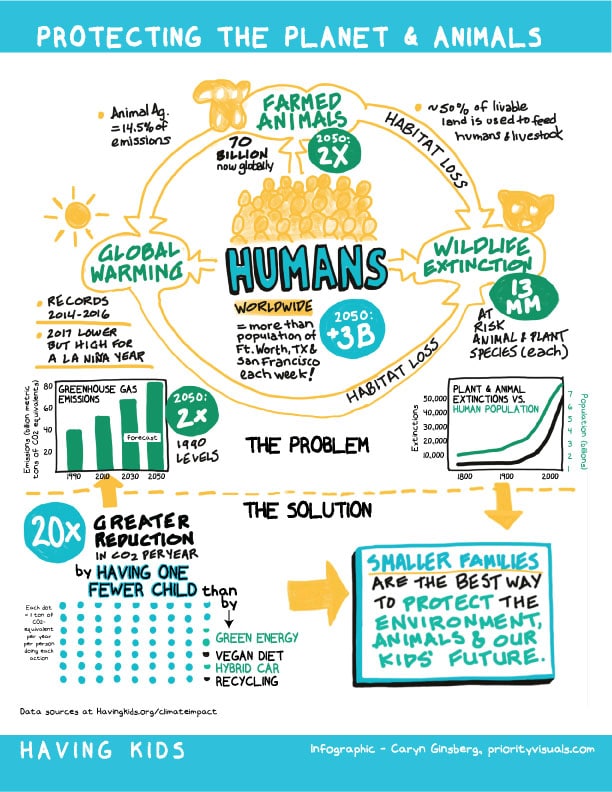
    Infographic showing that one child can produce 20 times more greenhouse gas than a person can save by driving a high-mileage car, recycling, or using energy-efficient appliances and light bulbs.

    Want to take action to support this effort, and ensure all children a Fair Start in life? Right now the Senate is debating legislation that seeks to fund child care, and alleviate poverty.

    But it:

    • Does nothing to seriously address the 1/10th wealth gap between black and white families in the U.S.
    • Does nothing to promote smaller and more sustainable families, which is a move with 20x more impact on the climate crisis than many alternatives.
    • Does nothing to end child abuse – instead, it will exacerbate it with a one-size-fits-all approach to family planning incentives.

    Take action: Urge your senator to help Having Kids amend the legislation to promote socially and ecologically fair start family planning, and add your name to our campaign.

  • New Survey: Education on Family Size and Population Growth

    New Survey: Education on Family Size and Population Growth

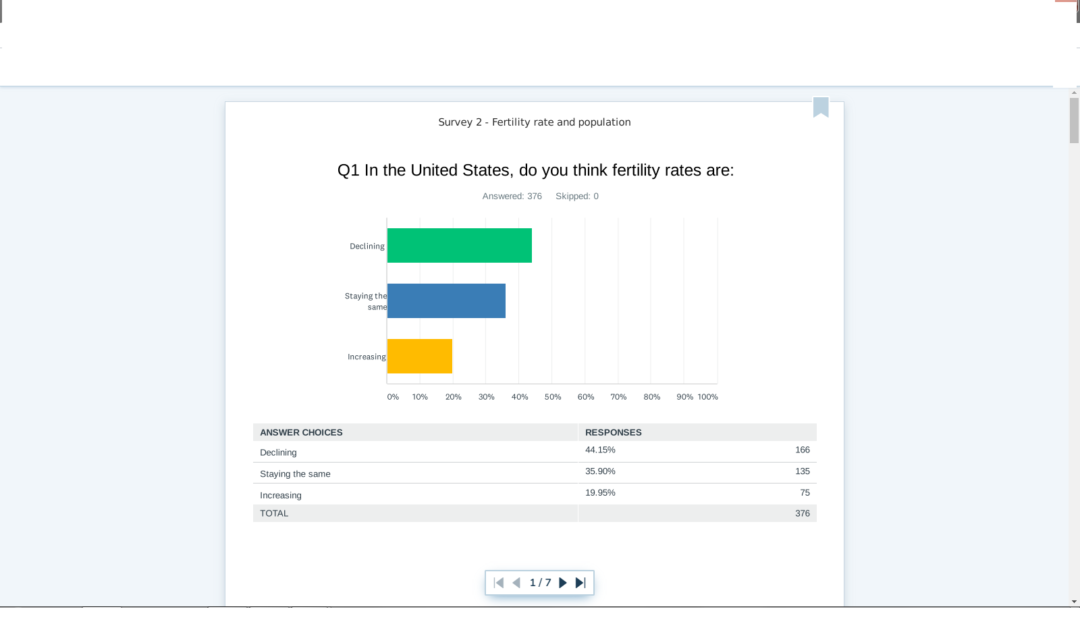
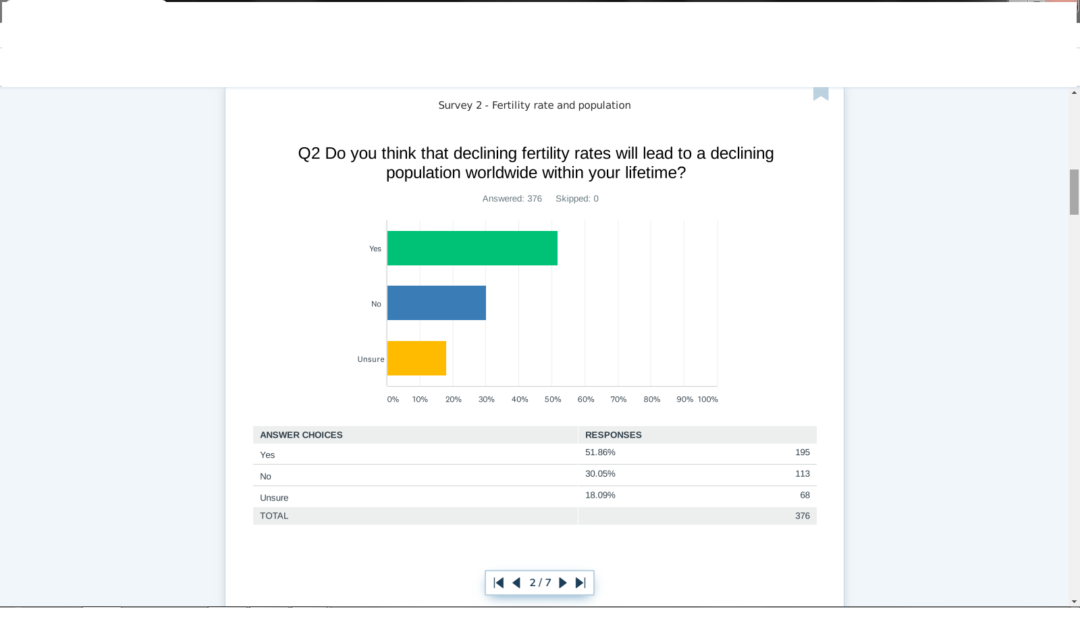
    Having Kids recently surveyed 376 people regarding their understanding of family size and population growth.

    • A significant number of people correctly see a relationship between family size and human population. About 86% of respondents answered affirmatively when asked whether there is a relationship between the number of children a couple decides to have and human population.
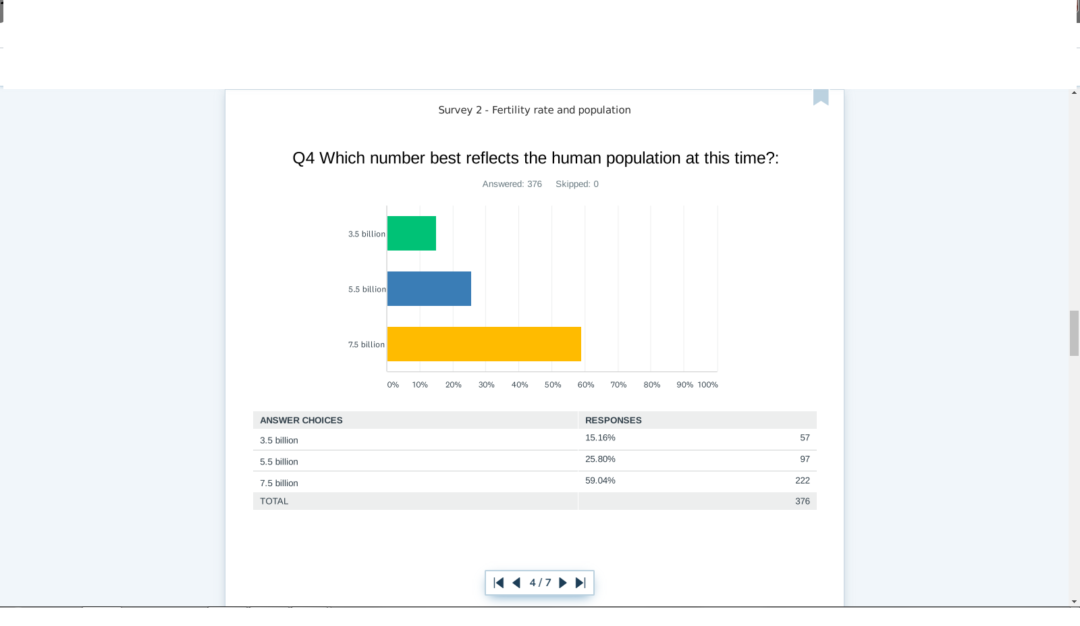
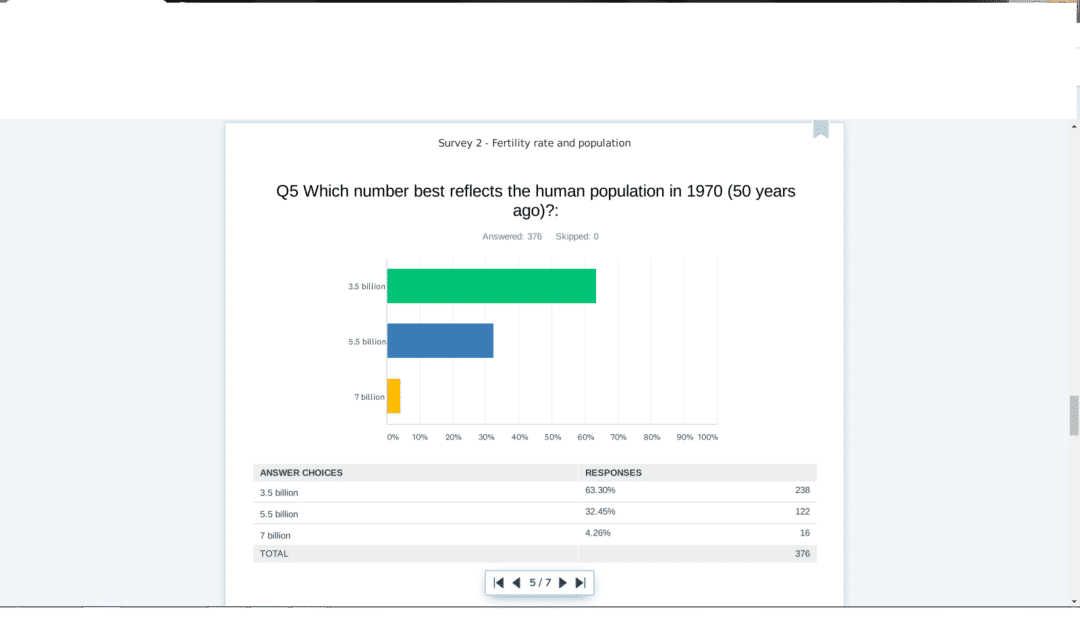
    • Though a majority of respondents have an accurate picture of current population numbers and those 50 years ago, a notable minority do not. Forty-one percent of respondents think the current number of people on the planet is either 3.5 billion (15.25%) or 5.5 billion (25.8%) instead of the correct answer of 7.5 billion and that the population in 1970 was either 7 billion (4.3%) or 5.5 billion (32.6%) instead of the correct answer of 3.5 billion.
    • Support for Having Kids’ mission remains high. Seventy-two percent of respondents indicated they would be supportive (36.3%) or very supportive (35.4%) of an organization pursuing Having Kids’ mission.
    • More education is needed regarding both the current population numbers and the expected growth of these numbers.
    A survey chart shows U.S. opinions on fertility rates: 45.94% think rates are declining, 35.99% say staying the same, and 18.08% say increasing. Bar graph and response table are displayed.
    A survey question asks if declining fertility rates will cause a worldwide population decline within respondents lifetimes. Bar chart: Yes (166), No (53), Unsure (77). Table repeats responses. Total: 296 answered, 0 skipped.
    A survey result screen shows a bar graph and table. The question asks about a relationship between family size and human population. 323 answered Yes, 25 No, and 28 Unsure, out of 376 total responses.
    A survey graph showing responses to Which number best reflects the human population at this time? Most respondents chose 7.5 billion, followed by 6.5 billion and 3.5 billion; results are also shown in a table below the chart.
    A survey question asks about the human population in 1970. A bar graph shows most respondents (62.63%) chose 3.5 billion, 28.29% chose 5.5 billion, and 9.08% chose 7 billion. Total responses: 381.
    A survey results chart shows support levels for an organization promoting cooperation between prospective parents. Most respondents are very supportive or supportive, with fewer neutral or unsupportive responses.