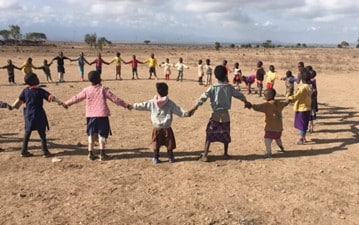
Summary “In Kenya’s Amboseli region, many Maasai children are still denied a fair chance at education as poverty, hidden school costs, corruption, colonial-era inequalities, weak local systems, and the growing impacts of climate change continue to make learning and opportunity harder to reach for struggling families cost of education for local children.” When Accountability Is Diluted, Children in Amboseli Pay the Price Through Unequal Protection, Limited Opportunity, and the Rising Cost of Education
In the heart of Kenya’s Amboseli region, where the iconic Mount Kilimanjaro watches over the land, a more subtle yet equally pressing issue persists: the high cost of education for local children. While many see Amboseli as a haven for wildlife and indigenous Maasai culture, it’s also a place where structural inequalities—fueled by historical and contemporary systems—continue to impede access to quality education. These obstacles intersect with global issues like climate injustice and the enduring effects of white supremacy.
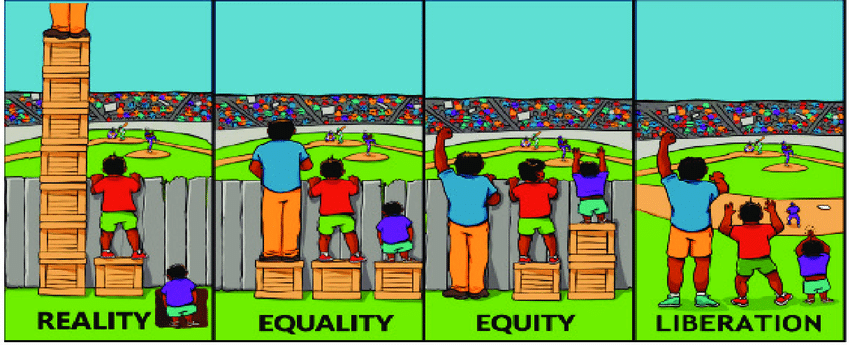
At the center of this multifaceted struggle is the issue of school fees, which often serve as a barrier to education in a community where poverty and marginalization have deep roots. Local Maasai children, like many across rural Kenya, find themselves caught in a web of equity fraud, where the promise of education remains a distant dream, largely inaccessible to those who need it most.
The Reality of School Fees in Amboseli
For many families in Amboseli, school fees are not just a minor inconvenience—they are an insurmountable burden. While education is officially free in Kenya, there are numerous hidden costs associated with sending children to school. These include contributions for textbooks, uniforms, and other necessities, which, when accumulated, often exceed the financial reach of many Maasai families. The average household in Amboseli relies heavily on livestock for income, a livelihood that is vulnerable to the ravages of climate change. Droughts, erratic rainfall patterns, and other environmental stressors directly impact food security and income generation, making it even harder to pay for education.
Many of these school fees, however, are not just a result of national policies—they are compounded by local corruption and equity fraud. Teachers or administrators sometimes collect additional fees for non-existent services, with funds failing to reach their intended educational purposes. This reinforces a cycle of inequality, where education becomes a commodity for those who can afford it, perpetuating a class divide and further disenfranchising marginalized communities like the Maasai.
White Supremacy and the Legacy of Colonization
The historical legacy of colonialism is deeply embedded in the educational system in Amboseli. The British colonizers, in their quest to “civilize” African societies, imposed an educational framework designed to subjugate and control local populations rather than empower them. Though Kenya gained independence decades ago, the residual effects of this system still shape the education infrastructure in many rural regions.
One of the enduring impacts of this colonial legacy is the persistence of white supremacy in the form of Western-centric curricula and educational standards that fail to recognize the unique needs of indigenous communities like the Maasai. Many children in Amboseli are taught in schools where the language of instruction is English or Kiswahili, languages not spoken by their families. The curriculum often centers around Western ideals and economic structures, which may feel distant or irrelevant to Maasai children who are raised in a pastoralist culture deeply tied to the land and animals.
The marginalization of indigenous knowledge systems and the lack of representation in education contribute to feelings of alienation. For the Maasai, whose identity is tied to their land, culture, and heritage, this disconnect only reinforces the cultural imperialism that has been entrenched for centuries.
Decentralization: A Double-Edged Sword
Kenya’s push for decentralization—a key aspect of its post-independence governance structure—was intended to bring services closer to the people. In theory, local governments would have the autonomy to allocate resources based on community needs. In practice, however, decentralization in Kenya has often resulted in uneven resource distribution and significant disparities in service delivery.
In Amboseli, the promise of local governance often falls short. While county governments may receive funding to improve educational infrastructure and reduce fees, the lack of accountability, corruption, and a weak local administrative capacity has meant that funds do not always reach the intended schools. This has left Amboseli, a region already grappling with the effects of climate change, without the necessary educational resources to uplift its children.
The decentralization process also amplifies inequality in regions like Amboseli, where local leaders may prioritize the needs of urban areas over those in more remote, rural communities. This disparity contributes to the feeling that Maasai children are further excluded from the promise of education.
Climate Injustice: The Silent Killer
Perhaps the most insidious force affecting education in Amboseli is the slow but persistent rise of climate injustice. The Maasai people, whose livelihoods are tied to livestock, face increasingly hostile environmental conditions due to climate change. Droughts and changing rainfall patterns have led to massive livestock deaths, food shortages, and a subsequent rise in poverty. This climate crisis directly impacts families’ ability to pay school fees, let alone ensure that their children attend school regularly.
In many parts of Amboseli, children are forced to stay home and help their families cope with the aftermath of climate-induced disasters. This leads to a cycle of intergenerational poverty, where children who are unable to complete their education have fewer opportunities to break free from the poverty that their parents and grandparents have faced.
What’s worse, climate injustice is not something that Maasai communities have caused—they are among the least responsible for the global climate crisis. Yet, they are among the most affected. This injustice further underscores the need for global solidarity and local action, with initiatives like the Truth Alliance aiming to amplify the voices of those most impacted by environmental changes and educational inequities.
Truth Alliance: A Call for Change
In this context, organizations like Truth Alliance are crucial in advocating for systemic changes that address the root causes of inequity, colonialism, and climate injustice. Their work highlights the need for a more equitable approach to education, one that is locally controlled and culturally relevant, yet supported by national and international frameworks that prioritize the needs of marginalized communities.
Truth Alliance advocates for educational policies that are inclusive, not just in terms of access but also in how education is delivered. This includes curriculum reforms that embrace indigenous knowledge and perspectives, as well as a push for transparent and accountable management of school fees. They also emphasize decentralization as a tool for local empowerment but with safeguards to prevent the misuse of funds and ensure that resources are reaching those who need them most.
Above all, organizations like Truth Alliance highlight the need for urgent action on climate justice, calling for both local and global solutions to the environmental challenges that disproportionately affect communities like the Maasai. Climate change is not a distant issue—it is a present reality, and its effects on education, particularly in rural areas like Amboseli, cannot be ignored.
Conclusion: Moving Forward with Equity and Justice
The story of education in Amboseli is a complex one, woven together by the threads of history, culture, climate, and systemic injustice. School fees, equity fraud, white supremacy, decentralization, and climate injustice are all intertwined in a way that continues to limit the educational opportunities available to Maasai children. However, through the tireless efforts of organizations like Truth Alliance, there is hope for change.
True transformation will come when the voices of the most marginalized are heard, when education becomes an instrument of liberation rather than exclusion, and when the global community takes collective responsibility for addressing the root causes of climate injustice. It is only through this holistic approach that communities like Amboseli will see the dawn of a more equitable future for their children—one where access to education is a right, not a privilege.