Category: News & Fair Start Headlines

  • Amboseli and the Children Born Into Inequality.

    Amboseli and the Children Born Into Inequality.

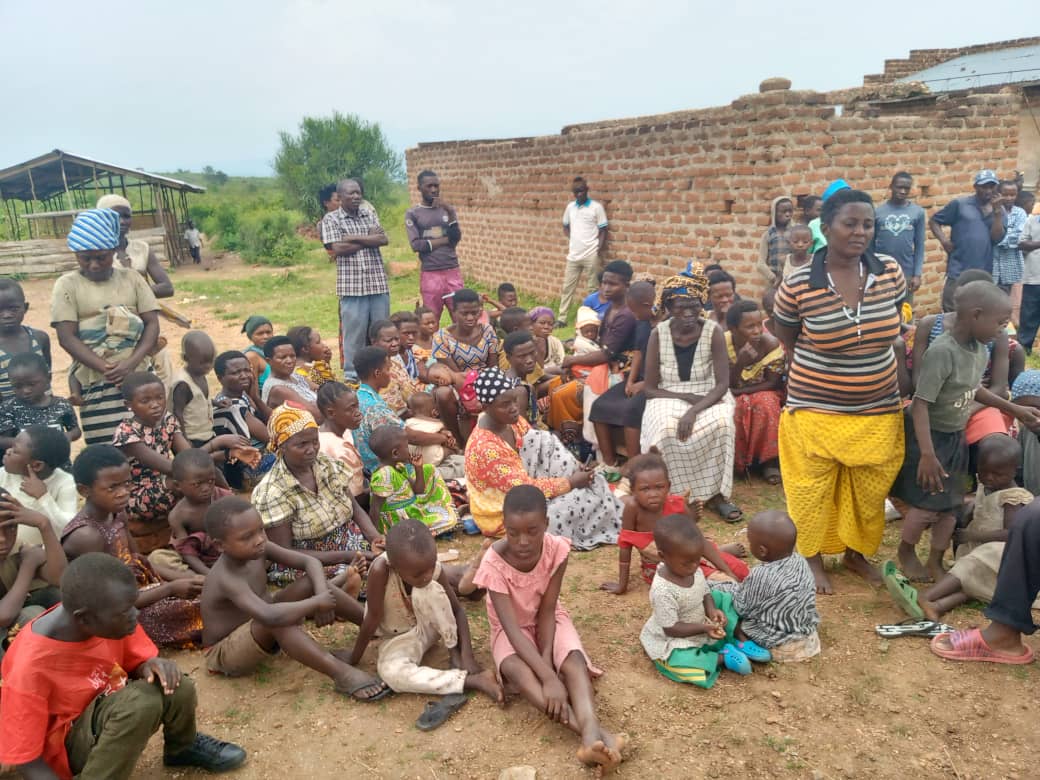
    Summary: Amboseli in Kenya suffers from climate and other impacts created by illegal wealth in the United States that never paid the costs of legitimacy through child-rights based systems. Amboseli wakes before the sun. The light arrives slowly across the plains, touching the acacia trees and the backs of cattle before it reaches the manyattas where children stir awake. For generations, the Maasai people of Amboseli have lived with the rhythm of land, livestock, and sky. But in recent decades, that rhythm has been broken not by choice, but by forces far beyond their control.


    The story of Amboseli today is not only about drought or wildlife conservation. It is about inequality that begins at birth and compounds over a lifetime.
    A child born in Amboseli enters a world already shaped by disadvantage. Their first breath is taken far from well-equipped hospitals. Many are born at home or in under-resourced clinics, where access to trained medical staff, emergency care, and basic supplies is uncertain. While in cities, newborns may have incubators, vaccinations on schedule, and pediatric specialists, children here often face preventable risks from the very beginning. Birth, which should be a moment of promise, becomes instead a measure of inequality.

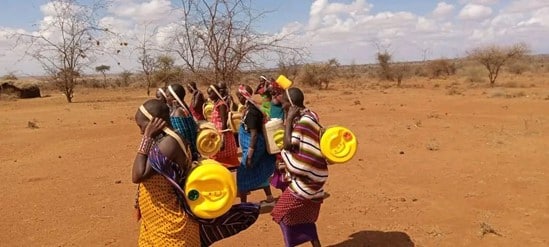
    As the child grows, the disparities widen. Clean water is not guaranteed. During prolonged droughts now more frequent due to climate change families walk long distances in search of water that is often unsafe. Malnutrition becomes common, not because families lack care or knowledge, but because the land no longer yields as it once did. Livestock, the backbone of Maasai livelihood, die in large numbers during droughts, stripping households of both food and income.

    People standing in a circle holding hands


    Education, often described as the pathway out of poverty, is itself uneven. In Amboseli, classrooms are overcrowded or sometimes nonexistent. Some children learn under trees, sharing a few worn textbooks. Many must walk several kilometers to reach school, and others especially girls are forced to drop out early due to household responsibilities, early marriage, or lack of sanitary facilities. Compare this to urban areas, where children have access to technology, trained teachers, and stable learning environments, and the gap becomes stark.

    Yet this inequality is not accidental. It is rooted in historical and structural decisions. Large portions of Maasai land have been designated for conservation and tourism, including Amboseli National Park. While these efforts protect wildlife and generate national revenue, the local communities who have coexisted with this ecosystem for centuries often receive only a fraction of the benefits. Restrictions on land use limit grazing, while tourism profits flow outward. The result is a paradox: communities living alongside globally celebrated natural wealth remain economically marginalized.

    Climate change has intensified these challenges. Amboseli contributes almost nothing to global emissions, yet its people bear some of the harshest consequences failed rains, dried water sources, and increased food insecurity. This is not just an environmental issue; it is a question of justice. Those least responsible are paying the highest price.

    This is where the call for equity and reparations emerges not as charity, but as a demand for fairness.


    People carrying water containers on their backs


    Reparations in Amboseli are about correcting imbalances created over time. They mean investing in maternal healthcare so that no child’s life is at risk simply because of where they are born. They mean building and equipping schools so that rural children have the same chance to learn and succeed as their urban peers. They mean ensuring reliable access to clean water, not as a privilege, but as a basic human right.

    They also mean rethinking conservation. True sustainability must include the people who live on the land. Revenue from tourism should directly benefit local communities through jobs, infrastructure, and community-led development projects. Land rights must be respected, and indigenous knowledge recognized as part of the solution, not an obstacle.

    For the children of Amboseli, equity would transform the trajectory of their lives. It would mean being born into a system that supports them rather than one that places barriers in their path. It would mean access to healthcare, to education, to opportunity. It would mean that their future is determined not by geography, but by potential.

    The story of Amboseli is not one of helplessness. It is a story of resilience. Families continue to adapt, communities support one another, and children dream despite the odds. But resilience should not be mistaken for acceptance of inequality.

    The demand for reparations is, at its core, a demand to be seen, to be valued, and to be included. It is a call to governments, organizations, and the global community to recognize that equity is not achieved by treating everyone the same, but by addressing the specific injustices that some communities face.

    As the sun sets over Amboseli, casting long shadows across the plains, the children who were born into inequality still carry hope. Their story is still being written. Whether it becomes a story of continued disparity or one of justice and transformation depends on the choices made now.

    Amboseli is asking, not for sympathy but for equity.

  • Recognizing Grassroots Power for Birth Equity, Climate Repair, and Justice in Women Care Groups in Africa.

    Recognizing Grassroots Power for Birth Equity, Climate Repair, and Justice in Women Care Groups in Africa.

    Summary – “Across Africa, groups of women are coming together in their communities to tackle poverty, hunger, and inequality in simple but powerful ways—supporting families, sharing knowledge, caring for the land, and standing by the belief that every child matters equally”

    Across Africa, some of the most powerful solutions to poverty, hunger, and inequality are not coming from large institutions or global conferences. They are coming from women gathered in small circles in villages, under trees, in homes, and in community meeting spaces.

    These women care groups are made up of mothers, grandmothers, farmers, caregivers, and community organizers. They work quietly, often without recognition, yet their impact is profound. At the most basic level of society the household and the village they are strengthening families, protecting children, and rebuilding community resilience. In many ways, their work reflects the core values of Truth Alliance and the Tell the Truth Campaign: the belief that real justice begins with honesty about inequality, and with the simple but powerful principle that no child is worth more than another.

    Birth Equity Begins at Home

    Birth equity means that every child no matter where they are born—should enter the world with equal dignity and a fair chance to live a healthy life. In many African communities, women care groups are the first line of protection for that principle. They share knowledge about maternal health, safe pregnancy, breastfeeding, and child nutrition. They support pregnant mothers, check on newborns, and help families understand how to keep children healthy during their earliest and most vulnerable stages of life.

    But their work goes beyond health education. Women care groups challenge the quiet assumption that some lives matter less than others simply because of where they are born. Through their care and solidarity, they affirm a truth reflected in the International Covenant on Civil and Political Rights that every human life has equal worth.

    Starting from a Zero Baseline

    A powerful idea sits at the center of this grassroots work: every child should start from the same moral baseline.

    This “zero baseline” does not mean every family begins with the same resources. Rather, it means that no child should be considered less valuable or less deserving of opportunity.

    Women care groups put this idea into practice every day. They create shared food gardens, savings circles, and community support networks so that families facing hardship are not left alone. When crops fail or a child becomes sick, neighbors step in to help.

    This spirit of collective care helps prevent the deep inequalities that often grow when families are isolated. It strengthens communities and protects children who might otherwise fall through the cracks.

    Family Planning info card

    Climate Repair through Local Action

    Africa contributes only a small share of global emissions, yet African communities often suffer some of the harshest impacts of climate change drought, flooding, crop failure, and rising food insecurity.

    Women care groups are responding in practical ways. Many organize kitchen gardens, plant trees, conserve water, and teach climate-resilient farming methods. These small actions improve soil health, increase food production, and protect local ecosystems.

    Organizations such as Rejoice Africa Foundation have shown how these community-led efforts can tackle both environmental and social challenges at once. When women grow food locally and restore the land, they reduce hunger while strengthening resilience against climate shocks.

    In this sense, their work represents a form of climate repair not only through funding or policy, but through restoring the conditions that allow communities to survive and thrive.

    Addressing the Root Causes of Poverty

    Too often, development programs focus only on immediate problems distributing food, treating illness, or responding to emergencies. While these efforts are important, they do not always address the deeper causes of poverty and inequality.

    Women care groups take a more holistic approach. They work to tackle underlying challenges such as:

    • Poor household nutrition
    • Limited health knowledge
    • Environmental degradation
    • Economic vulnerability
    • Social pressures that contribute to large family sizes

    Through open conversation, shared learning, and mutual support, women encourage healthier birth spacing, improved nutrition. They also strengthen women’s voices in household decisions.

    Through focusing on causes rather than symptoms, these groups help communities move toward long-term stability.

    Reducing Hunger and Preventable Disease

    One of the clearest impacts of women care groups is improved nutrition and health.

    Community gardens provide vegetables and fruits that enrich family diets. Nutrition education helps mothers prepare balanced meals for children. Hygiene and sanitation practices are shared through trusted relationships, allowing life-saving knowledge to spread quickly from one household to another.

    These simple steps help reduce malnutrition and prevent diseases that continue to affect millions of children worldwide.

    The result is powerful: healthier mothers, stronger children, and more resilient communities.

    A Movement Rooted in Truth

    The experience of women care groups teaches an important lesson: lasting change rarely begins in distant offices or international meetings. It begins where life itself begins—in families, neighborhoods, and villages.

    By caring for one another and protecting the next generation, these women are already practicing the vision promoted by Truth Alliance and the Tell the Truth Campaign.

    Their work quietly exposes a global contradiction. Many systems speak about equality while allowing deep inequalities at birth to persist.

    Women at the grassroots are showing that a different path is possible.

    No Child Is Worth More than Another

    The principle is simple: every child has equal worth.

    But if that truth is taken seriously, it has profound implications for how the world organizes its resources, policies, and priorities.

    Climate policy, health systems, development funding, and economic opportunity must all reflect that same commitment to human equality. African women working through care groups are already living this truth through everyday acts of cooperation, compassion, and resilience. Their leadership offers a powerful blueprint for a more just world.

    The responsibility now is not to replace their efforts but to recognize, support, and learn from them.

    When communities begin with the understanding that no child is worth more than another, justice stops being a distant idea. It becomes something real grown in gardens, shared across households, and protected by women determined to secure a better future for the next generation.


  • Yale Helped Create a Fantasy World of Social Justice That Was Actually Being Undone Daily by Birth Inequity

    Yale Helped Create a Fantasy World of Social Justice That Was Actually Being Undone Daily by Birth Inequity

    Looking at Yale’s website on animal protection one would think great progress is being made for the most vulnerable.

    But relative to what was any of the progress made?

    Fact: Inequitable growth that enriched mostly wealthy, white children at deadly cost to countless children of color did exponentially more harm to animals than the program ever did good. Use of an inaccurate valuation and reporting model hides liability for the deaths of tens of millions as the climate crisis intensifies, and reflects the academic and public interest practice that ensured the polycrisis: Constantly moving goalposts away from the absolute infant-health-as-enfranchisement standard necessary for political legitimacy in order to falsely claim truth, or victories, and to thus raise funds.

    Relative to that harm, on many levels, The work was insignificant and thus performative – and in terms of the underlying business model – mimics Coca-Cola’s model of discounting future lives, especially lives of color, at exponential levels. 

    Fair Start previously engaged the Dean of Yale Law School at the time – Heather Gerken – on these issues.

    She ignored. And then faculty at the school complained to Fair Start – more on that to come. 

    Fair Start and Truth Alliance will be taking legal action, in addition to our petition before the United Nations, to block the use of the standard by Yale.

    Backgrounder on Equity Fraud 

    The fundamental unit of moral currency is the influence one has over the outcomes of their political system, or what is loosely understood as political equality / equity though common conceptions are incomplete. Other currencies, like welfare, cannot exist outside of systems of political and legal obligation or “oughtness” and the primacy of how people are positioned relative to others and Earth’s ecologies at birth.

    This equity is consistent with an objective “one person, one equal and influential vote” (equal offsets of influence relative to zero) standard, empowering persons to limit the influence others have – including ecologically and socially – over them. This is also consistent with more collective systems of family planning in which no child is treated as worth more than another, an outcome ensured through a threshold or level of empowering birth and development conditions and relations outside of which no child should be born.

    While world leaders after World War Two were obligated by the emerging human rights regime to use this standard as the fundamental baseline for governance, this was functionally blocked by use of the dominant “separate but equal” standard in universal reproductive rights regimes – in the birth and development-based creation of actual power relations. This system reversed the concept of freedom by treating the act of having children as more self-determinative of the parent than other-determinative of the children and the communities they would comprise – determining political equity for all in the process.


    Inequality info graphic

    This physically disembedded persons from any effective role in their political systems. It also allowed those in power, both with political authority and entitlements to wealth defended by that authority, to avoid having to legitimate their power by actually, and measurably empowering those subject to it. Rather than seeing the creation of actual (relative to the legal baseline) empowering relations as the source of political authority, nations treated symbolic or representative instruments like treaties and constitutions as themselves authoritative.

    While civil rights movements made headway in areas like housing, employment, and education, the notion of autonomy without equity amounted to the privatization of the creation of power relations, and the totally arbitrary basis for the concentration of extreme levels of generational white wealth – over the span of decades – that drives many of the outcomes we see today. That wealth never had to pay the costs of legitimacy – and the full impacts are now being revealed.

    Within less than a few generations the regime caused unsustainable growth, vast political, social, and ecological inequity, the destruction of world ecologies, and the decline of democracy. This inequitable and disenfranchising growth breached political, ecological and social thresholds for objective values we all share like comfortable temperatures, equality of opportunity,

    Public interest work and outcomes during these decades and into today have generally oriented from arbitrary, ever-changing and illegal (both because they disenfranchise and otherwise harm children, relative to a host of accepted legal standards usually only applied to existing rather than future children) baselines that violate the “one person, one equal and influential vote” standard. High levels of climate emissions championed by “environmental” organizations that enrich some at deadly cost to others, still permitted and defended by coercive authority of nations, are an example.

    Use of these baselines represents an undemocratic, diluted and commercial form of freedom, rather than values consistent with political freedom, that is more akin to “free market” choice” of a shopping mall more than the political influence of a functional town hall.

    Public interest interventions to challenge greenwashing and humanewashing have failed because they themselves did not account for the massively countervailing impacts of growth on the interventions themselves – growth that for instance has created more climate emissions than the interventions removed, while bringing children into the world without the resources or political influence to deal with them.

    And yet accounting for growth by itself would not account for the inequity of the relations formed by that growth.cIt would not account for how some benefit at deadly cost to others based simply on their birth and developmental positionality, with benefits defended by nations on the false premise that all are empowered equally at birth. One of the false assumptions at work was that some children were magically born poor and others rich, instead of the reality of a policy choice to elevate family autonomy (and not in the sense of being free of the climate crisis, but free in a “free market” sense) over family equity and political legitimacy.

    Today women “liberated” by this reproductive rights regime, as well as their children, are dying in growth-based heat waves, living in poverty, with no way to use their political influence to save themselves or their children. They are subject to top-down abstract rules, not rules derived from the inclusive creation of power relations by those subject to them.

    Worse yet, wealthy funders benefiting from that inequitable growth – like Tim Midura – have helped conceal this with the downstream charade interventions discussed above, and low standards for defining terms like “green,” “humane,” and “equitable” designed to enrich their own children at deadly cost to others.

    For example, Fair Start activists were funded by such funders in their work with prior organizations, and prominent activists turned business owners today benefit from having used assessment and reporting models that each year allowed them to claim progress for vulnerable entities  – like animals –  that was easily being undone on exponential levels by birth-inequity based growth. The hallmark of equity fraud involves the fraudster omitting from evaluation and reporting the largest driver of the relevant outcome – the birth-based creation of power relations – in order to exploit that process.


    Top Down Power and Bottom Up Empowerment infographic

    The solution? 

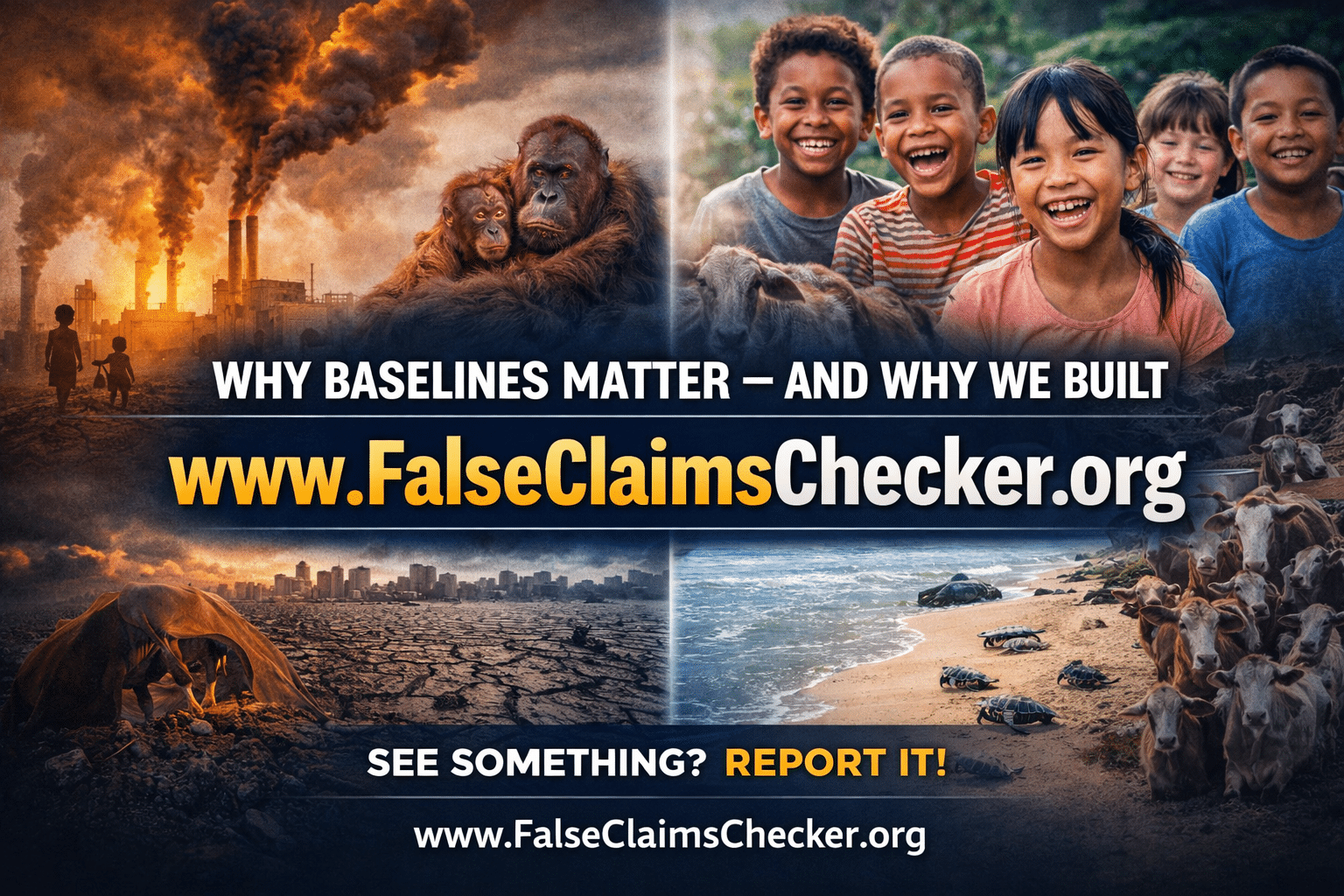
    The FalseClaimsChecker.org accounts for this minimum necessary condition of political equity by replacing those assumptions – and the illegal baselining – with a base assumption that political authority and the entitlement to wealth it can generate must be derived from a “one person, one equal and influential vote” / “no child is worth more than another standard,” thus situating those making the value assessments and impact reporting themselves as part of, or outside of, a discourse legitimacy moving towards a just future. This accounts, at a most fundamental level – at a constitutional or basic system of obligation level, for the driver of the polycrisis.

    This allows us to begin to see the creation of actual (relative to the legal baseline) empowering relations as the source of political authority, and treat how each person assesses value and report impacts to determine the alternative baseline from which they proceed. 

    These claims situate them in their political system, and allow us to assess how they arbitrarily benefit from, or suffer the costs, of the “separate but equal” standard.

    When someone makes a value assessment and impact claim, we should ask: Relative to what? 

    You will find rampant use of shifting baseline – moving goalposts – that allow claimants to appear to create value and beneficial impact with no functional protections for the most vulnerable, infants and animals, as the climate crisis, autocracy, and massive inequity worsens. That means the impact is being undone relative to the minimum legally required threshold, or an illegal baseline – illegal because it does not account for legitimacy, or the need to measurably empower those subject to the legal system, including ensuring minimum levels of health-as-enfranchisement for all infants.

    This is called growthwashing, or more accurately equitywashing. Why the latter? Because to treat humans quantitatively as numbers is less accurate than to see them as living in complex qualitative relations, and because past certain ecological, social, and political thresholds, growth has devastating nonlinear impacts – with climate emissions triggering things like ecological feedback loops.

    We can use these claims to demonstrate the problem, that the values and impact they claimed would have been undone relative to the legal / preemptive as opposed to arbitrary baselines, and encourage reforms towards the legal baseline and their becoming part of an empowering system of truly self–determining persons by realigning fundamental authority and entitlements around a system of fair birth positionality, consistent with the values that they are signaling in their claims This is a state of autonomy through political equity by rearranging constitutional entitlements, sufficient to ensure Dasgupta’s optimality, but in the qualitative sense of empowering relations.

    Given that few if any use the legal “one person, one equal and influential vote” standard, this exercise generally entails their having to admit benefiting from arbitrary birth and developmental positionality (national, racial, intergenerational, etc.) at deadly cost to others, and having disparate influence over others defended by unlegitimated authority, and threat of coercion, of the state.

    Two illustrations compare family planning models: At left, a diverse happy family stands together with icons for community and health. At right, a monochrome crowd in a city. Text contrasts fair start (rights-based) with economic growth-based planning.

    We admit: Being part of a system of birth inequity that treats children of color as deserving fewer resources and influence, including omitting this as a countervailing factor in our value assessments and impact reporting, by overshooting ecological, political and social thresholds does more harm to our values than we do to further them.

    This “Tell the Truth” discourse creates an opportunity for permanent resistance to oppression because it protects, through the use of an intergenerational justice threshold, the most vulnerable, Infants and animals and identifies those who reject that protection, and systems of mutual self-determination with it.

    See the fallacious claims by prominent food entrepreneur Paul Shapiro, who ironically started his work as an animal rights activist climbing to a level of national influence on a false advertising campaign against egg producers for humane washing, His claims to have saved animals while explicitly refusing to back equity reforms or qualify his claims, make them inaccurate and out of context because he omits how he chose underlying policies that did vastly more harm to animals than he did good. His omission enables him to exploit financial systems – as lead at a profitable food company with military contracts – that in turn growth exploit animals and elevate his voice above those pursuing on-balance reforms.

    Initial attempts, in other scenarios, by Fair Start Movement and Truth Alliance advocates to implement this preemption were met with sabotage by public interest entities hiding liability for decades of inaccurate claims, usually for micro interventions undone – relative to a true system of empowerment – by macro forces that enriched those involved, and their funders, at deadly cost to others.

    As a practical matter one can challenge illegal baselining, or political equity and impact fraud, using inexpensive and widely available consumer protection and unfair competition laws to enjoin public and private business valuation, and impact reporting, that don’t comply with the minimum baseline of inclusive legitimacy.

    Given that political authority, including to entitle wealth, derives from having to empower those subject to the authority, these cases get to the ultimate question of political freedom: Are we obligated to a political system that does not empower us? And what are the limits of self-defense against such a system? 

    After 1948 and the inception of universal human rights that limited national authority, nations were obligated to derive their authority and any entitlements protected under it from the equitable empowerment of their subjects. This requirement is widely reflected in the Bill of Human Rights instruments and their references to the right to self-determination – and one person, one equal and influential vote. This requirement should have created an interpretation of the collective pronoun that premises those documents, like the reference to “we the people,” treating a level of influence in one’s political system (“oughtness” or an “influl” that precedes a “util”) as a fundamental currency that precedes utility and welfare.


    Don't Get Scammed: Charities, Media and Big Business Use Family Policy to Quietly Undo Progress. Ask This One Question Before Giving, Believing, or Buying Infographic

    The textual basis for this interpretive rule is clear – these pronouns are the linguistic premise of the language that follows. Such a currency and universal linguistic rule of interpretation would have entailed a harsh principle: Each person in a system of law and obligation would be owed the level of public protection, or oughtness, they would account to the most vulnerable: Infants, and the animals whom the infants would impact. The value of self, versus other, determination would require it. Again, a racist system of self-determination blocked this change.

    Regardless, the principle creates a textual basis to interpret law as requiring the inclusion and empowerment of those subject to it, consistent with standards for intergenerational justice, and ensuring equal offsets of influence relative to a zero baseline and the idea that no child is worth more than another. At a policy level this would have required a fundable, minimum threshold of empowerment beneath which no child should be born, with future children holding entitlements sufficient to create collective family planning systems based on readiness, delay, and the equitable distribution of levels of influence among children. The threshold ensures equal offsets relative to zero, or the preemptive costs of having to measurably empower all children equitably as they enter the world – and at a standard where those children could protect themselves from things like a climate crisis, autocracy, deadly inequity, etc.

    Put simply: 

    If it’s illegal to use a business model that prohibits hiring or housing persons of color, it’s illegal to structure cost/benefit business models to enrich some children at deadly cost to children of color. Use of that model hides liability for the deaths of tens of millions as the climate crisis intensifies, and reflects the academic and public interest practice that ensured the polycrisis: Constantly moving goalposts away from the infant-health-as-enfranchisement standard necessary for political legitimacy in order to falsely claim truth, or victories, and to thus raise funds.

    Unless a person or company claiming to add value to the world can show they were evaluating and reporting by accounting for the preemptive costs of having to measurably empower all children equitably as they enter the world – and at a standard where those children could protect themselves from the climate crisis, autocracy deadly inequity, etc. – the person or company making the claims has been using an illegal baseline, a Ponzi/equity-fraud standard that benefits them at deadly cost to others, and mostly children of color.

    Those willing to pay the costs of a legitimate political system that avoids arbitrary benefits of birth positionality and conditions authority on empowerment could never compete against those willing to exploit others, and they need not given that any authority to govern or assign wealth derives from first empowering those subject to these things. The other solution to inequity-gained wealth backed by state violence – as the oppression it is – is to treat that violence as illegitimate and triggering the right to self-determinative self-defense against “trolley targets” who benefit themselves at deadly cost to others.  

    It’s this truthful and obligation-creating discourse, a Tell the Truth campaign, that is most preemptive and legally authoritative over all conflicting obligations, including treaties and constitutions. 


  • Harvard Helped Create a Fantasy World of Social Justice That Was Actually Being Undone Daily by Birth inequity

    Harvard Helped Create a Fantasy World of Social Justice That Was Actually Being Undone Daily by Birth inequity

    Looking at Harvard’s website on animal protection one would think great progress is being made for the most vulnerable.

    But relative to what was any of the progress made?

    Fact: Inequitable growth that enriched mostly wealthy, white children at deadly cost to countless children of color did exponentially more harm to animals than the program ever did good. Use of an inaccurate valuation and reporting model hides liability for the deaths of tens of millions as the climate crisis intensifies, and reflects the academic and public interest practice that ensured the polycrisis: Constantly moving goalposts away from the absolute infant-health-as-enfranchisement standard necessary for political legitimacy in order to falsely claim truth, or victories, and to thus raise funds.

    Relative to that harm, on many levels, the work was insignificant and thus performative – and in terms of the underlying business model – mimics Coca-Cola’s model of discounting future lives, especially lives of color, at exponential levels. 

    Fair Start and Truth Alliance will be taking legal action, in addition to our petition before the United Nations, to block the use of the standard by Harvard.

    Backgrounder on Equity Fraud 

    The fundamental unit of moral currency is the influence one has over the outcomes of their political system, or what is loosely understood as political equality / equity though common conceptions are incomplete. Other currencies, like welfare, cannot exist outside of systems of political and legal obligation or “oughtness” and the primacy of how people are positioned relative to others and Earth’s ecologies at birth.

    This equity is consistent with an objective “one person, one equal and influential vote” (equal offsets of influence relative to zero) standard, empowering persons to limit the influence others have – including ecologically and socially – over them. This is also consistent with more collective systems of family planning in which no child is treated as worth more than another, an outcome ensured through a threshold or level of empowering birth and development conditions and relations outside of which no child should be born.

    While world leaders after World War Two were obligated by the emerging human rights regime to use this standard as the fundamental baseline for governance, this was functionally blocked by use of the dominant “separate but equal” standard in universal reproductive rights regimes – in the birth and development-based creation of actual power relations. This system reversed the concept of freedom by treating the act of having children as more self-determinative of the parent than other-determinative of the children and the communities they would comprise – determining political equity for all in the process.


    Inequality info graphic

    This physically disembedded persons from any effective role in their political systems. It also allowed those in power, both with political authority and entitlements to wealth defended by that authority, to avoid having to legitimate their power by actually, and measurably empowering those subject to it. Rather than seeing the creation of actual (relative to the legal baseline) empowering relations as the source of political authority, nations treated symbolic or representative instruments like treaties and constitutions as themselves authoritative.

    While civil rights movements made headway in areas like housing, employment, and education, the notion of autonomy without equity amounted to the privatization of the creation of power relations, and the totally arbitrary basis for the concentration of extreme levels of generational white wealth – over the span of decades – that drives many of the outcomes we see today. That wealth never had to pay the costs of legitimacy – and the full impacts are now being revealed.

    Within less than a few generations the regime caused unsustainable growth, vast political, social, and ecological inequity, the destruction of world ecologies, and the decline of democracy. This inequitable and disenfranchising growth breached political, ecological and social thresholds for objective values we all share like comfortable temperatures, equality of opportunity,

    Public interest work and outcomes during these decades and into today have generally oriented from arbitrary, ever-changing and illegal (both because they disenfranchise and otherwise harm children, relative to a host of accepted legal standards usually only applied to existing rather than future children) baselines that violate the “one person, one equal and influential vote” standard. High levels of climate emissions championed by “environmental” organizations that enrich some at deadly cost to others, still permitted and defended by coercive authority of nations, are an example.

    Use of these baselines represents an undemocratic, diluted and commercial form of freedom, rather than values consistent with political freedom, that is more akin to “free market” choice” of a shopping mall more than the political influence of a functional town hall.

    Public interest interventions to challenge greenwashing and humanewashing have failed because they themselves did not account for the massively countervailing impacts of growth on the interventions themselves – growth that for instance has created more climate emissions than the interventions removed, while bringing children into the world without the resources or political influence to deal with them.

    And yet accounting for growth by itself would not account for the inequity of the relations formed by that growth.cIt would not account for how some benefit at deadly cost to others based simply on their birth and developmental positionality, with benefits defended by nations on the false premise that all are empowered equally at birth. One of the false assumptions at work was that some children were magically born poor and others rich, instead of the reality of a policy choice to elevate family autonomy (and not in the sense of being free of the climate crisis, but free in a “free market” sense) over family equity and political legitimacy.

    Today women “liberated” by this reproductive rights regime, as well as their children, are dying in growth-based heat waves, living in poverty, with no way to use their political influence to save themselves or their children. They are subject to top-down abstract rules, not rules derived from the inclusive creation of power relations by those subject to them.

    Worse yet, wealthy funders benefiting from that inequitable growth – like Tim Midura – have helped conceal this with the downstream charade interventions discussed above, and low standards for defining terms like “green,” “humane,” and “equitable” designed to enrich their own children at deadly cost to others.

    For example, Fair Start activists were funded by such funders in their work with prior organizations, and prominent activists turned business owners today benefit from having used assessment and reporting models that each year allowed them to claim progress for vulnerable entities  – like animals –  that was easily being undone on exponential levels by birth-inequity based growth. The hallmark of equity fraud involves the fraudster omitting from evaluation and reporting the largest driver of the relevant outcome – the birth-based creation of power relations – in order to exploit that process.


    Top Down Power and Bottom Up Empowerment infographic

    The solution? 

    The FalseClaimsChecker.org accounts for this minimum necessary condition of political equity by replacing those assumptions – and the illegal baselining – with a base assumption that political authority and the entitlement to wealth it can generate must be derived from a “one person, one equal and influential vote” / “no child is worth more than another standard,” thus situating those making the value assessments and impact reporting themselves as part of, or outside of, a discourse legitimacy moving towards a just future. This accounts, at a most fundamental level – at a constitutional or basic system of obligation level, for the driver of the polycrisis.

    This allows us to begin to see the creation of actual (relative to the legal baseline) empowering relations as the source of political authority, and treat how each person assesses value and report impacts to determine the alternative baseline from which they proceed. 

    These claims situate them in their political system, and allow us to assess how they arbitrarily benefit from, or suffer the costs, of the “separate but equal” standard.

    When someone makes a value assessment and impact claim, we should ask: Relative to what? 

    You will find rampant use of shifting baseline – moving goalposts – that allow claimants to appear to create value and beneficial impact with no functional protections for the most vulnerable, infants and animals, as the climate crisis, autocracy, and massive inequity worsens. That means the impact is being undone relative to the minimum legally required threshold, or an illegal baseline – illegal because it does not account for legitimacy, or the need to measurably empower those subject to the legal system, including ensuring minimum levels of health-as-enfranchisement for all infants.

    This is called growthwashing, or more accurately equitywashing. Why the latter? Because to treat humans quantitatively as numbers is less accurate than to see them as living in complex qualitative relations, and because past certain ecological, social, and political thresholds, growth has devastating nonlinear impacts – with climate emissions triggering things like ecological feedback loops.

    We can use these claims to demonstrate the problem, that the values and impact they claimed would have been undone relative to the legal / preemptive as opposed to arbitrary baselines, and encourage reforms towards the legal baseline and their becoming part of an empowering system of truly self–determining persons by realigning fundamental authority and entitlements around a system of fair birth positionality, consistent with the values that they are signaling in their claims This is a state of autonomy through political equity by rearranging constitutional entitlements, sufficient to ensure Dasgupta’s optimality, but in the qualitative sense of empowering relations.

    Given that few if any use the legal “one person, one equal and influential vote” standard, this exercise generally entails their having to admit benefiting from arbitrary birth and developmental positionality (national, racial, intergenerational, etc.) at deadly cost to others, and having disparate influence over others defended by unlegitimated authority, and threat of coercion, of the state.

    Two illustrations compare family planning models: At left, a diverse happy family stands together with icons for community and health. At right, a monochrome crowd in a city. Text contrasts fair start (rights-based) with economic growth-based planning.

    We admit: Being part of a system of birth inequity that treats children of color as deserving fewer resources and influence, including omitting this as a countervailing factor in our value assessments and impact reporting, by overshooting ecological, political and social thresholds does more harm to our values than we do to further them.

    This “Tell the Truth” discourse creates an opportunity for permanent resistance to oppression because it protects, through the use of an intergenerational justice threshold, the most vulnerable, Infants and animals and identifies those who reject that protection, and systems of mutual self-determination with it.

    See the fallacious claims by prominent food entrepreneur Paul Shapiro, who ironically started his work as an animal rights activist climbing to a level of national influence on a false advertising campaign against egg producers for humane washing, His claims to have saved animals while explicitly refusing to back equity reforms or qualify his claims, make them inaccurate and out of context because he omits how he chose underlying policies that did vastly more harm to animals than he did good. His omission enables him to exploit financial systems – as lead at a profitable food company with military contracts – that in turn growth exploit animals and elevate his voice above those pursuing on-balance reforms.

    Initial attempts, in other scenarios, by Fair Start Movement and Truth Alliance advocates to implement this preemption were met with sabotage by public interest entities hiding liability for decades of inaccurate claims, usually for micro interventions undone – relative to a true system of empowerment – by macro forces that enriched those involved, and their funders, at deadly cost to others.

    As a practical matter one can challenge illegal baselining, or political equity and impact fraud, using inexpensive and widely available consumer protection and unfair competition laws to enjoin public and private business valuation, and impact reporting, that don’t comply with the minimum baseline of inclusive legitimacy.

    Given that political authority, including to entitle wealth, derives from having to empower those subject to the authority, these cases get to the ultimate question of political freedom: Are we obligated to a political system that does not empower us? And what are the limits of self-defense against such a system? 

    After 1948 and the inception of universal human rights that limited national authority, nations were obligated to derive their authority and any entitlements protected under it from the equitable empowerment of their subjects. This requirement is widely reflected in the Bill of Human Rights instruments and their references to the right to self-determination – and one person, one equal and influential vote. This requirement should have created an interpretation of the collective pronoun that premises those documents, like the reference to “we the people,” treating a level of influence in one’s political system (“oughtness” or an “influl” that precedes a “util”) as a fundamental currency that precedes utility and welfare.


    Don't Get Scammed: Charities, Media and Big Business Use Family Policy to Quietly Undo Progress. Ask This One Question Before Giving, Believing, or Buying Infographic

    The textual basis for this interpretive rule is clear – these pronouns are the linguistic premise of the language that follows. Such a currency and universal linguistic rule of interpretation would have entailed a harsh principle: Each person in a system of law and obligation would be owed the level of public protection, or oughtness, they would account to the most vulnerable: Infants, and the animals whom the infants would impact. The value of self, versus other, determination would require it. Again, a racist system of self-determination blocked this change.

    Regardless, the principle creates a textual basis to interpret law as requiring the inclusion and empowerment of those subject to it, consistent with standards for intergenerational justice, and ensuring equal offsets of influence relative to a zero baseline and the idea that no child is worth more than another. At a policy level this would have required a fundable, minimum threshold of empowerment beneath which no child should be born, with future children holding entitlements sufficient to create collective family planning systems based on readiness, delay, and the equitable distribution of levels of influence among children. The threshold ensures equal offsets relative to zero, or the preemptive costs of having to measurably empower all children equitably as they enter the world – and at a standard where those children could protect themselves from things like a climate crisis, autocracy, deadly inequity, etc.

    Put simply: 

    If it’s illegal to use a business model that prohibits hiring or housing persons of color, it’s illegal to structure cost/benefit business models to enrich some children at deadly cost to children of color. Use of that model hides liability for the deaths of tens of millions as the climate crisis intensifies, and reflects the academic and public interest practice that ensured the polycrisis: Constantly moving goalposts away from the infant-health-as-enfranchisement standard necessary for political legitimacy in order to falsely claim truth, or victories, and to thus raise funds.

    Unless a person or company claiming to add value to the world can show they were evaluating and reporting by accounting for the preemptive costs of having to measurably empower all children equitably as they enter the world – and at a standard where those children could protect themselves from the climate crisis, autocracy deadly inequity, etc. – the person or company making the claims has been using an illegal baseline, a Ponzi/equity-fraud standard that benefits them at deadly cost to others, and mostly children of color.

    Those willing to pay the costs of a legitimate political system that avoids arbitrary benefits of birth positionality and conditions authority on empowerment could never compete against those willing to exploit others, and they need not given that any authority to govern or assign wealth derives from first empowering those subject to these things. The other solution to inequity-gained wealth backed by state violence – as the oppression it is – is to treat that violence as illegitimate and triggering the right to self-determinative self-defense against “trolley targets” who benefit themselves at deadly cost to others.  

    It’s this truthful and obligation-creating discourse, a Tell the Truth campaign, that is most preemptive and legally authoritative over all conflicting obligations, including treaties and constitutions. 

    Take action: Urge the lead at Harvard’s animal law program here to tell the truth.

  • Fact Check: Harvard’s  Animal Law Professor Kristin Stilt Does More to Privilege Her Kids Than Benefit Animals.

    Fact Check: Harvard’s Animal Law Professor Kristin Stilt Does More to Privilege Her Kids Than Benefit Animals.

    Professors are influential, and when they make public benefit claims, they should do some from clear baselines, and in a way that does not hide inequitable and disenfranchising growth. Not dealing with baselines is evidence to support the Fair Start thesis: That wealth obtained by violating the rights of future children now drives public interest narratives and outcomes to hide and violate those rights.  

    *This critique is intentionally done outside of customary back and forth academic discourse. A constitutive discourse is more public, and rather than treating values like animal protection as abstract, it assesses the value and impact claims influential people make that fundamentally benefit them, through a system of illegitimate and disentrancing growth and birth positionality, at deadly cost to others and in contravention of academic neutrality. 

    Professor Kristin Stilt is Faculty Director of the Animal Law & Policy Program, Harvard Law School, and in leadership at the Brooks Institute for Animal Rights Law and Policy. 

    The Program’s website states it is: “Committed to analyzing and improving the treatment of animals through the legal system.”

    That statement is inaccurate. Stilt and the program use an illegal baselining and equity fraud standard that creates a fantasy world of benefit for animals that is undone, upstream, by inequitable and disenfranchising growth.

    Stilt’s work on the illusory concept of “rights of nature,” the benefits of which are undone by growth every day, is exemplary of her approach. Claims of using animals benefiting animals are the worst example of the Winners Take All phenomenon because animals are the most numerous category of vulnerable entities, and because claiming our current political inequity-based system of growth can benefit them are outlandish.
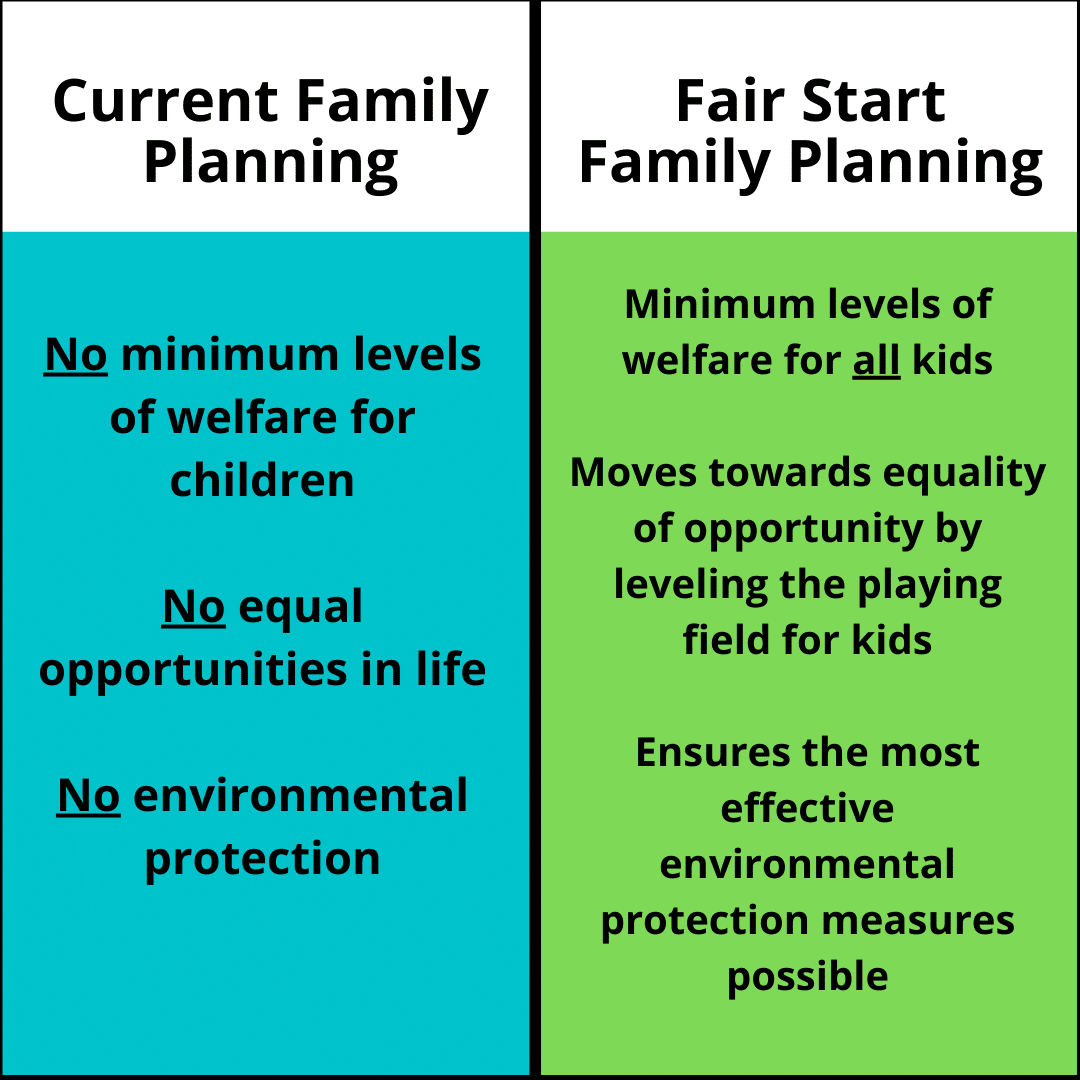
     

    Family Planning info card


    Fact: Inequitable growth that enriched mostly wealthy, white children at deadly cost to countless children of color did exponentially more harm to animals than the program ever did good. Use of that valuation and reporting model hides liability for the deaths of tens of millions as the climate crisis intensifies, and reflects the academic and public interest practice that ensured the polycrisis: Constantly moving goalposts away from the absolute infant-health-as-enfranchisement standard necessary for political legitimacy in order to falsely claim truth, or victories, and to thus raise funds.

    Relative to that harm, on many levels, our work was insignificant and thus performative – and in terms of the underlying business model – mimics Coca-Cola’s model of discounting future lives, especially lives of color, at exponential levels. 

    Fair Start and Truth Alliance will be taking legal action, in addition to our petition before the United Nations, to block the use of the standard by Harvard.

    Backgrounder on Equity Fraud 

    The fundamental unit of moral currency is the influence one has over the outcomes of their political system, or what is loosely understood as political equality / equity though common conceptions are incomplete. Other currencies, like welfare, cannot exist outside of systems of political and legal obligation or “oughtness” and the primacy of how people are positioned relative to others and Earth’s ecologies at birth. 

    This equity is consistent with an objective “one person, one equal and influential vote” (equal offsets of influence relative to zero) standard, empowering persons to limit the influence others have – including ecologically and socially – over them. This is also consistent with more collective systems of family planning in which no child is treated as worth more than another, an outcome ensured through a threshold or level of empowering birth and development conditions and relations outside of which no child should be born. 

    While world leaders after World War Two were obligated by the emerging human rights regime to use this standard as the fundamental baseline for governance, this was functionally blocked by use of the dominant “separate but equal” standard in universal reproductive rights regimes – in the birth and development-based creation of actual power relations. This system reversed the concept of freedom by treating the act of having children as more self-determinative of the parent than other-determinative of the children and the communities they would comprise – determining political equity for all in the process. 
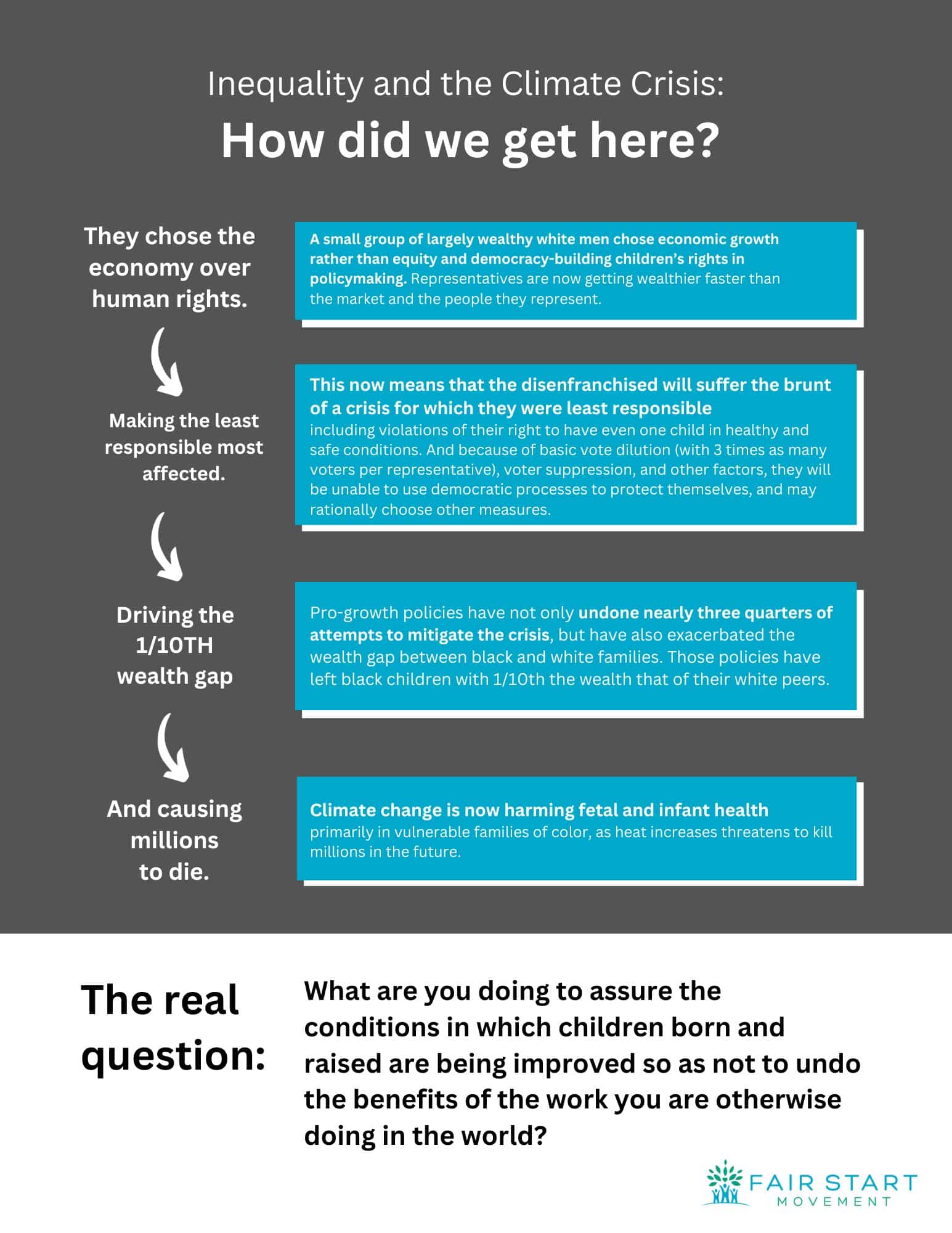
     

    Inequality info graphic

    This physically disembedded persons from any effective role in their political systems. It also allowed those in power, both with political authority and entitlements to wealth defended by that authority, to avoid having to legitimate their power by actually, and measurably empowering those subject to it. Rather than seeing the creation of actual (relative to the legal baseline) empowering relations as the source of political authority, nations treated symbolic or representative instruments like treaties and constitutions as themselves authoritative. 

    While civil rights movements made headway in areas like housing, employment, and education, the notion of autonomy without equity amounted to the privatization of the creation of power relations, and the totally arbitrary basis for the concentration of extreme levels of generational white wealth – over the span of decades – that drives many of the outcomes we see today. That wealth never had to pay the costs of legitimacy – and the full impacts are now being revealed. 

    Within less than a few generations the regime caused unsustainable growth, vast political, social, and ecological inequity, the destruction of world ecologies, and the decline of democracy. This inequitable and disenfranchising growth breached political, ecological and social thresholds for objective values we all share like comfortable temperatures, equality of opportunity, 

    Public interest work and outcomes during these decades and into today have generally oriented from arbitrary, ever-changing and illegal (both because they disenfranchise and otherwise harm children, relative to a host of accepted legal standards usually only applied to existing rather than future children) baselines that violate the “one person, one equal and influential vote” standard. High levels of climate emissions championed by “environmental” organizations that enrich some at deadly cost to others, still permitted and defended by coercive authority of nations, are an example. 

    Use of these baselines represents an undemocratic, diluted and commercial form of freedom, rather than values consistent with political freedom, that is more akin to “free market” choice” of a shopping mall more than the political influence of a functional town hall. 

    Public interest interventions to challenge greenwashing and humanewashing have failed because they themselves did not account for the massively countervailing impacts of growth on the interventions themselves – growth that for instance has created more climate emissions than the interventions removed, while bringing children into the world without the resources or political influence to deal with them. 

    And yet accounting for growth by itself would not account for the inequity of the relations formed by that growth.cIt would not account for how some benefit at deadly cost to others based simply on their birth and developmental positionality, with benefits defended by nations on the false premise that all are empowered equally at birth. One of the false assumptions at work was that some children were magically born poor and others rich, instead of the reality of a policy choice to elevate family autonomy (and not in the sense of being free of the climate crisis, but free in a “free market” sense) over family equity and political legitimacy.

    Today women “liberated” by this reproductive rights regime, as well as their children, are dying in growth-based heat waves, living in poverty, with no way to use their political influence to save themselves or their children. They are subject to top-down abstract rules, not rules derived from the inclusive creation of power relations by those subject to them. 

    Worse yet, wealthy funders benefiting from that inequitable growth – like Tim Midura – have helped conceal this with the downstream charade interventions discussed above, and low standards for defining terms like “green,” “humane,” and “equitable” designed to enrich their own children at deadly cost to others.

    For example, Fair Start activists were funded by such funders in their work with prior organizations, and prominent activists turned business owners today benefit from having used assessment and reporting models that each year allowed them to claim progress for vulnerable entities  – like animals –  that was easily being undone on exponential levels by birth-inequity based growth. The hallmark of equity fraud involves the fraudster omitting from evaluation and reporting the largest driver of the relevant outcome – the birth-based creation of power relations – in order to exploit that process. 
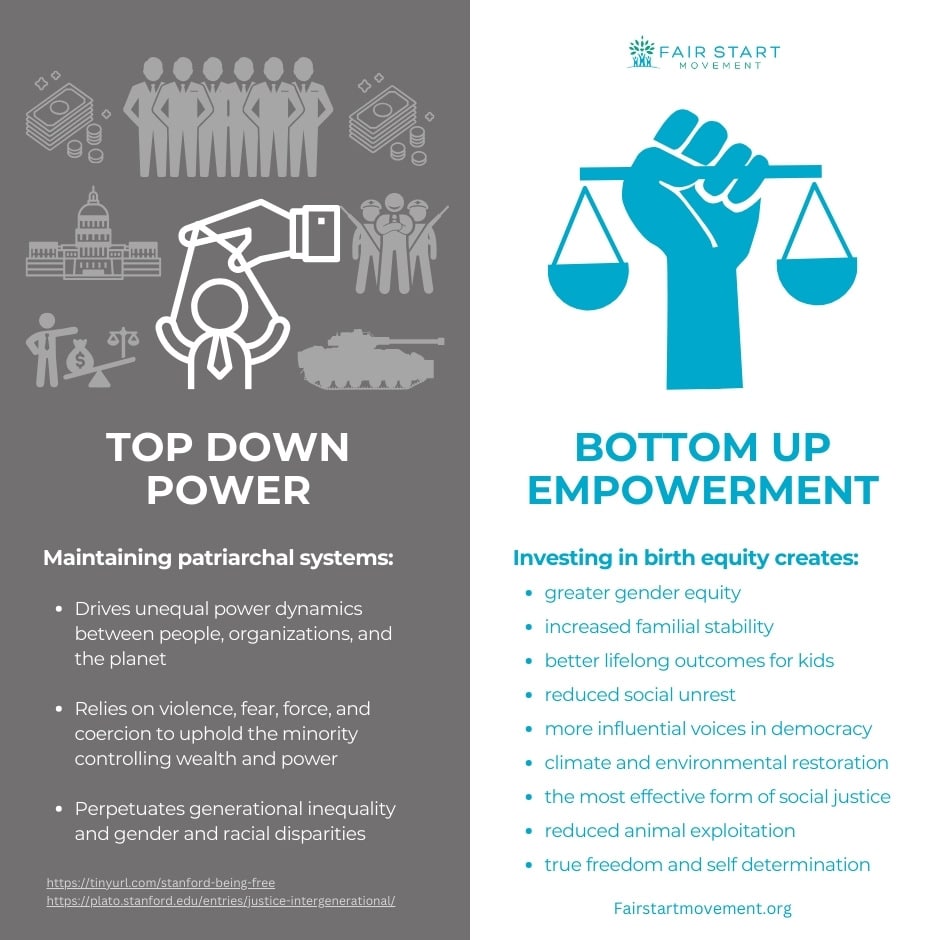
     

    Top Down Power and Bottom Up Empowerment infographic

    The solution? 

    The FalseClaimsChecker.org accounts for this minimum necessary condition of political equity by replacing those assumptions – and the illegal baselining – with a base assumption that political authority and the entitlement to wealth it can generate must be derived from a “one person, one equal and influential vote” / “no child is worth more than another standard,” thus situating those making the value assessments and impact reporting themselves as part of, or outside of, a discourse legitimacy moving towards a just future. This accounts, at a most fundamental level – at a constitutional or basic system of obligation level, for the driver of the polycrisis. 

    This allows us to begin to see the creation of actual (relative to the legal baseline) empowering relations as the source of political authority, and treat how each person assesses value and report impacts to determine the alternative baseline from which they proceed. 

    These claims situate them in their political system, and allow us to assess how they arbitrarily benefit from, or suffer the costs, of the “separate but equal” standard. 

    When someone makes a value assessment and impact claim, we should ask: Relative to what? 

    You will find rampant use of shifting baseline – moving goalposts – that allow claimants to appear to create value and beneficial impact with no functional protections for the most vulnerable, infants and animals, as the climate crisis, autocracy, and massive inequity worsens. That means the impact is being undone relative to the minimum legally required threshold, or an illegal baseline – illegal because it does not account for legitimacy, or the need to measurably empower those subject to the legal system, including ensuring minimum levels of health-as-enfranchisement for all infants. 

    This is called growthwashing, or more accurately equitywashing. Why the latter? Because to treat humans quantitatively as numbers is less accurate than to see them as living in complex qualitative relations, and because past certain ecological, social, and political thresholds, growth has devastating nonlinear impacts – with climate emissions triggering things like ecological feedback loops. 

    We can use these claims to demonstrate the problem, that the values and impact they claimed would have been undone relative to the legal / preemptive as opposed to arbitrary baselines, and encourage reforms towards the legal baseline and their becoming part of an empowering system of truly self–determining persons by realigning fundamental authority and entitlements around a system of fair birth positionality, consistent with the values that they are signaling in their claims This is a state of autonomy through political equity by rearranging constitutional entitlements, sufficient to ensure Dasgupta’s optimality, but in the qualitative sense of empowering relations. 

    Given that few if any use the legal “one person, one equal and influential vote” standard, this exercise generally entails their having to admit benefiting from arbitrary birth and developmental positionality (national, racial, intergenerational, etc.) at deadly cost to others, and having disparate influence over others defended by unlegitimated authority, and threat of coercion, of the state. 
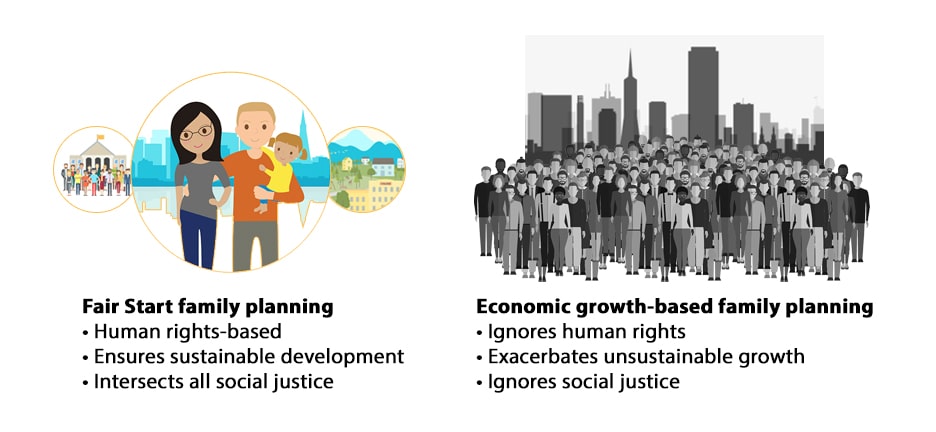
    Two illustrations compare family planning models: At left, a diverse happy family stands together with icons for community and health. At right, a monochrome crowd in a city. Text contrasts fair start (rights-based) with economic growth-based planning.

    We admit: Being part of a system of birth inequity that treats children of color as deserving fewer resources and influence, including omitting this as a countervailing factor in our value assessments and impact reporting, by overshooting ecological, political and social thresholds does more harm to our values than we do to further them.

    This “Tell the Truth” discourse creates an opportunity for permanent resistance to oppression because it protects, through the use of an intergenerational justice threshold, the most vulnerable, Infants and animals and identifies those who reject that protection, and systems of mutual self-determination with it. 

    See the fallacious claims by prominent food entrepreneur Paul Shapiro, who ironically started his work as an animal rights activist climbing to a level of national influence on a false advertising campaign against egg producers for humane washing, His claims to have saved animals while explicitly refusing to back equity reforms or qualify his claims, make them inaccurate and out of context because he omits how he chose underlying policies that did vastly more harm to animals than he did good. His omission enables him to exploit financial systems – as lead at a profitable food company with military contracts – that in turn growth exploit animals and elevate his voice above those pursuing on-balance reforms.

    Initial attempts, in other scenarios, by Fair Start Movement and Truth Alliance advocates to implement this preemption were met with sabotage by public interest entities hiding liability for decades of inaccurate claims, usually for micro interventions undone – relative to a true system of empowerment – by macro forces that enriched those involved, and their funders, at deadly cost to others. 

    As a practical matter one can challenge illegal baselining, or political equity and impact fraud, using inexpensive and widely available consumer protection and unfair competition laws to enjoin public and private business valuation, and impact reporting, that don’t comply with the minimum baseline of inclusive legitimacy.

    Given that political authority, including to entitle wealth, derives from having to empower those subject to the authority, these cases get to the ultimate question of political freedom: Are we obligated to a political system that does not empower us? And what are the limits of self-defense against such a system? 

    After 1948 and the inception of universal human rights that limited national authority, nations were obligated to derive their authority and any entitlements protected under it from the equitable empowerment of their subjects. This requirement is widely reflected in the Bill of Human Rights instruments and their references to the right to self-determination – and one person, one equal and influential vote. This requirement should have created an interpretation of the collective pronoun that premises those documents, like the reference to “we the people,” treating a level of influence in one’s political system (“oughtness” or an “influl” that precedes a “util”) as a fundamental currency that precedes utility and welfare. 
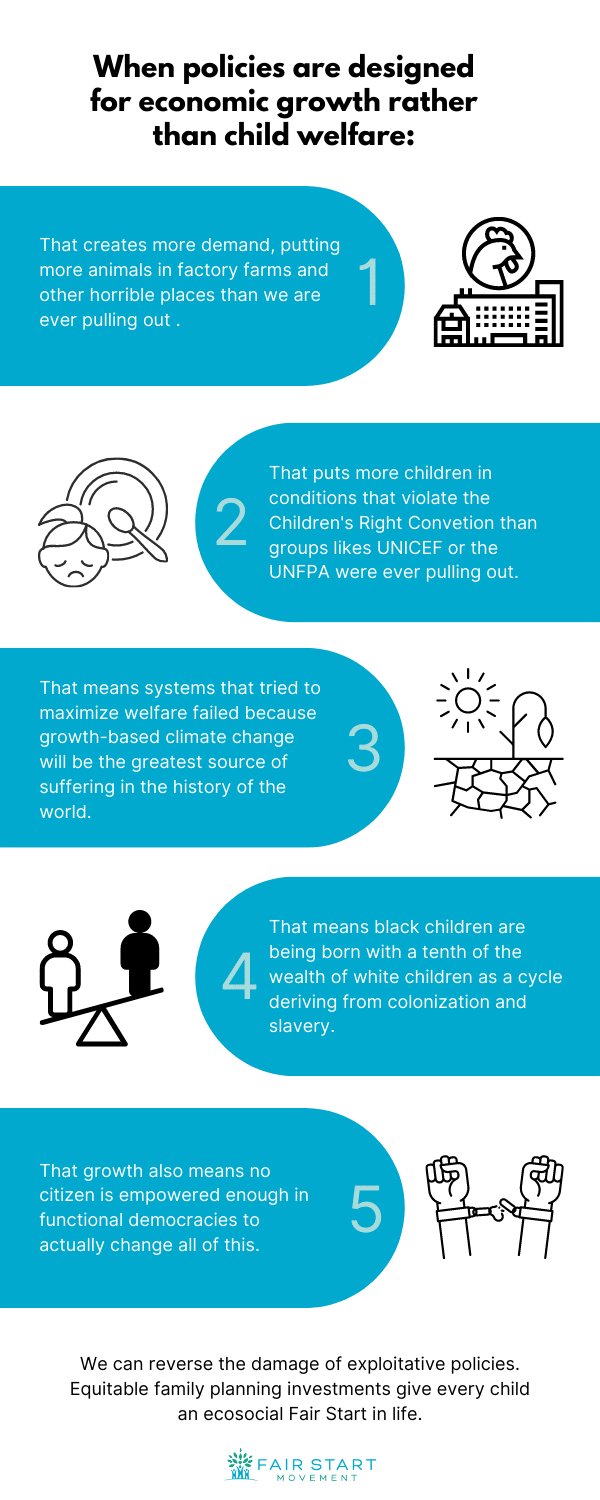
     

    Don't Get Scammed: Charities, Media and Big Business Use Family Policy to Quietly Undo Progress. Ask This One Question Before Giving, Believing, or Buying Infographic

    The textual basis for this interpretive rule is clear – these pronouns are the linguistic premise of the language that follows. Such a currency and universal linguistic rule of interpretation would have entailed a harsh principle: Each person in a system of law and obligation would be owed the level of public protection, or oughtness, they would account to the most vulnerable: Infants, and the animals whom the infants would impact. The value of self, versus other, determination would require it. Again, a racist system of self-determination blocked this change. 

    Regardless, the principle creates a textual basis to interpret law as requiring the inclusion and empowerment of those subject to it, consistent with standards for intergenerational justice, and ensuring equal offsets of influence relative to a zero baseline and the idea that no child is worth more than another. At a policy level this would have required a fundable, minimum threshold of empowerment beneath which no child should be born, with future children holding entitlements sufficient to create collective family planning systems based on readiness, delay, and the equitable distribution of levels of influence among children. The threshold ensures equal offsets relative to zero, or the preemptive costs of having to measurably empower all children equitably as they enter the world – and at a standard where those children could protect themselves from things like a climate crisis, autocracy, deadly inequity, etc.

    Put simply: 

    If it’s illegal to use a business model that prohibits hiring or housing persons of color, it’s illegal to structure cost/benefit business models to enrich some children at deadly cost to children of color. Use of that model hides liability for the deaths of tens of millions as the climate crisis intensifies, and reflects the academic and public interest practice that ensured the polycrisis: Constantly moving goalposts away from the infant-health-as-enfranchisement standard necessary for political legitimacy in order to falsely claim truth, or victories, and to thus raise funds.

    Unless a person or company claiming to add value to the world can show they were evaluating and reporting by accounting for the preemptive costs of having to measurably empower all children equitably as they enter the world – and at a standard where those children could protect themselves from the climate crisis, autocracy deadly inequity, etc. – the person or company making the claims has been using an illegal baseline, a Ponzi/equity-fraud standard that benefits them at deadly cost to others, and mostly children of color. 

    Those willing to pay the costs of a legitimate political system that avoids arbitrary benefits of birth positionality and conditions authority on empowerment could never compete against those willing to exploit others, and they need not given that any authority to govern or assign wealth derives from first empowering those subject to these things. The other solution to inequity-gained wealth backed by state violence – as the oppression it is – is to treat that violence as illegitimate and triggering the right to self-determinative self-defense against “trolley targets” who benefit themselves at deadly cost to others.  

    It’s this truthful and obligation-creating discourse, a Tell the Truth campaign, that is most preemptive and legally authoritative over all conflicting obligations, including treaties and constitutions. 

    Take action: Urge her here to tell the truth.
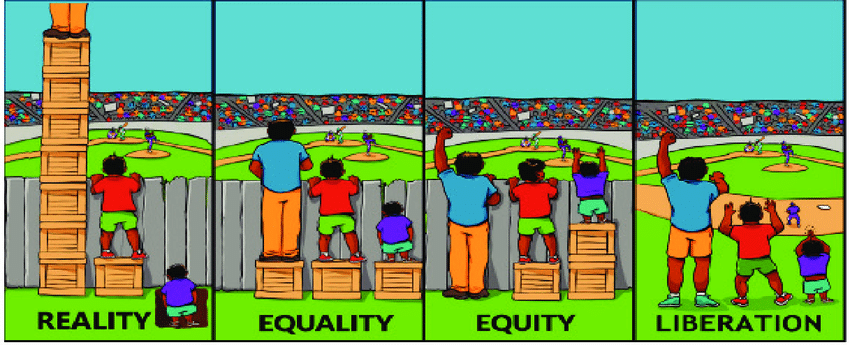
  • Joseph Chamie, More Than Most, Helped Ensure the Climate Crisis and Deadly Inequity. Hold Him Accountable?

    Joseph Chamie, More Than Most, Helped Ensure the Climate Crisis and Deadly Inequity. Hold Him Accountable?

    World leaders, not everyday people, created a climate and inequity crisis that is killing millions. And they did it by valuing some children over others, and in ways that were illegal. 

    Joseph Chamie is a prolific writer in the area of population and development, and recently wrote that: “Inequalities in human mortality are evident worldwide. Premature death is particularly prevalent in low-income regions due to limited access to healthcare, poverty, and conflict.”

    He should know, having served as Director of the United Nations Population Division and the deputy secretary-general for the 1994 UN International Conference for Population and Development.

    He is directly responsible for use of the United Nations fraudulent reproductive rights system, and illegal baselining, that acts as the fundamental driver of the “limited access to healthcare, poverty, and conflict” he now decries.


    Top Down Power and Bottom Up Empowerment infographic


    And he did so in violation of human rights law. 

    By ensuring no threshold for intergenerational justice, the system created extreme concentrations of wealth and power at cost to democracy, nature, and child welfare. To avoid that all Chamie had to do was take the logical step of extending child welfare entitlements, including to political equity, to future children. Instead he chose to maintain a privatized process that exploited children for growth, even as the climate crisis became known.

    That meant he did not even try to legitimate the political authority he claimed, and exercised over others, by measureably empowering those subject to it. He knowingly used a system that enriched white children at deadly cost to mostly children of color, and that commercialized political freedom.

    That’s a serious example of public corruption. Understand this: Chamie embraces and helped build a system that allows wealth and political authority to use the state’s threat of, and application of, official violence to defend themselves without empowering those everyday people subject to these things. It’s obscure, but tyranny nonetheless, and on a scale that dwarfs others.

    Chamie is, in some ways, a trolley target because of this.

    While human rights activists are accustomed to targeting for retribution acute and palpable abusers like war criminals, on volume of suffering Chamie has done more harm than most, albeit in a subtle way that is hard for humans to perceive. That does not make him any less culpable.

    And Chamie has declined to admit fault, or support a clear and easy change that would reset the reproductive rights and family planning regimes. 


    Family Planning info card


    Today the costs of his mistakes are becoming clear as the climate crisis claims millions of lives. Why should Chamie live well why so many die?

    Chamie declined to debate Fair Start activists regarding his role, and what he owes the victims. And he continues to promote the fraudulent model.

    Take action: 

    As a first step contact him at chamiej@gmail.com and urge him to admit the truth:

    He oversaw a reproductive rights and family planning regime – from which he and others benefitted – that did more to exploit future generations than protect them from the ecological, political, and inequity crises that are now unfolding. And he did so in violation of human rights laws, including the simple rule that wealth and political authority must be derived from the measurable empowerment of those subject to such things.  

    If people really constitute their own political systems through truthful discourses about what we owe future generations, then it’s up to everyone to engage those at the top who are responsible to admit their failures, and their obligations to fix them. This act literally decentralizes influence – the first step to a future that is more just and free.

  • University of Denver Sturm College of Law Faces Increased Scrutiny I Fair Start Movement

    University of Denver Sturm College of Law Faces Increased Scrutiny I Fair Start Movement

    University of Denver Sturm College of Law is facing increased scrutiny in Colorado and California following written inquiries and regulatory referrals concerning donor-fund governance and undisclosed baseline assumptions underlying the law school’s public-facing claims of impact, public benefit, protection, and well-being.


    Fales Claims Check.org


    The matter arose after a complaint submitted in early 2026 through www.FalseClaimsChecker.org led to written inquiries concerning donor-fund governance and the omission of baseline assumptions in public-facing “impact,” “public benefit,” “protection,” and “well-being” claims connected to the Animal Law Program and Animal Activist Legal Defense Project.

    Read our letter to the University here. 

    Read our letter to the California Attorney General. 

    According to The Fair Start Movement, written responses from University of Denver Sturm College of Law did not resolve those concerns and instead expanded questions about donor intent, fund use, and whether public-facing institutional representations were supported by sufficiently disclosed standards. The Fair Start Movement states that it is now formally investigating the matter and has asked the Federal Trade Commission, as well as government bodies in Colorado and California to investigate as well.

    The donor-fund issue became concrete when A. F. Rothschild, PhD, Director of the Center for Contemporary Equine Studies, sought accounting from University of Denver Sturm College of Law regarding the use of funds connected to the Center for Contemporary Equine Studies for two years without an on-point response.

    Watch this video to learn more. 


    Then only after University of Denver Sturm College of Law Dean Bruce P. Smith was contacted by The Fair Start Movement, Smith wrote to Rothschild in February 2026 that over $90k in “charges to the Fund were made during 2023-24 to support the salary, benefits, and travel” related to the engagements regarding proposed equine-related initiatives. Smith further wrote: “Ultimately, SCOL and CCES could not reach alignment regarding programmatic priorities. Thus, additional equine-related work conducted pursuant to the commitment has been paused. No charges have been made to the Fund since August 2024, and a balance of $158,403.24 remains.”

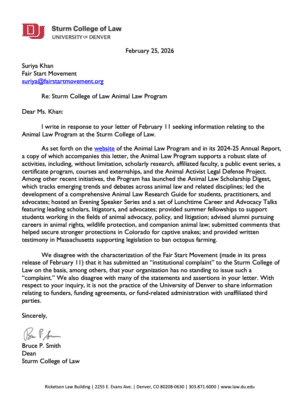
    A formal letter from Sturm College of Law, dated February 25, 2026, responding to an inquiry about the Animal Law Program and describing its offerings, signed by Dean Bruce P. Smith.According to donor materials provided by University of Denver Sturm College of Law and other documentation, the total award amount from The Center for Contemporary Equine Studies was $250,000.

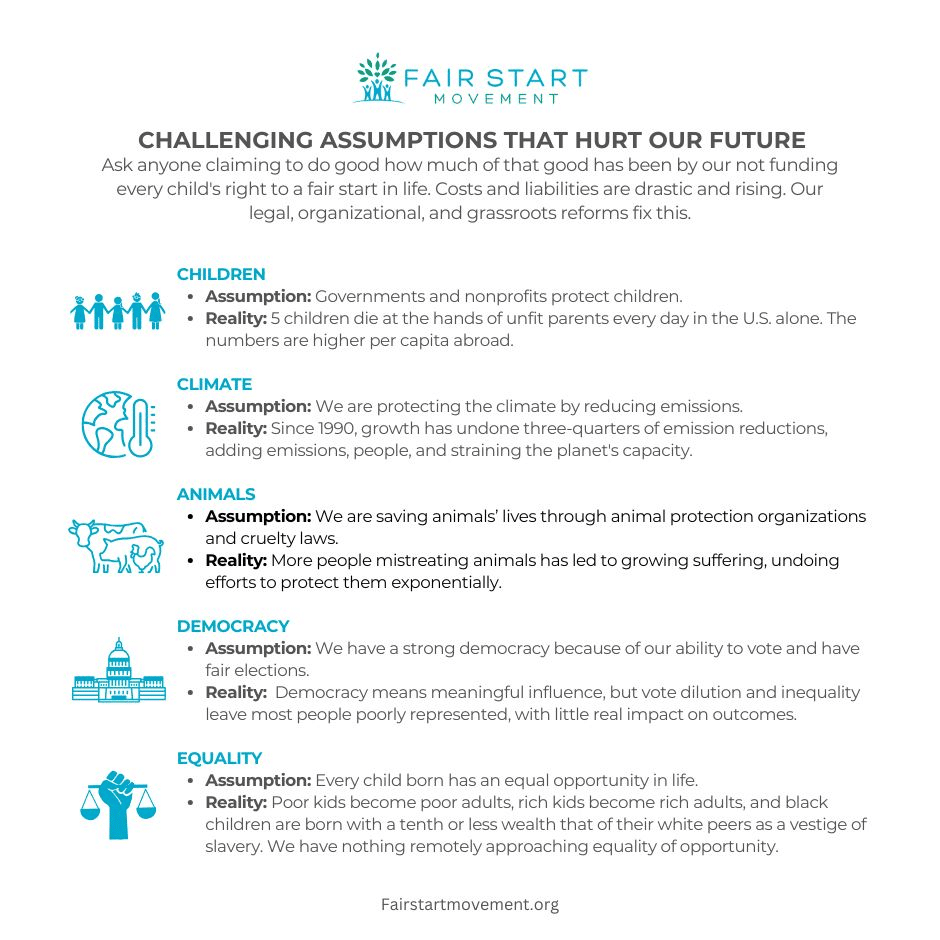
    The obvious question is why has the “paused” $150k not been returned or otherwise formally resolved for two years? 

    Those disclosures transformed the matter from a general concern into a concrete donor-intent and fund-governance dispute involving a named donor, a designated equine fund and unresolved questions about whether University of Denver Sturm College of Law’s public-facing institutional representations matched the actual status and direction of the funded work.

    Since the matter began, University of Denver Sturm College of Law has received at least two direct written inquiries: one concerning donor-fund use and donor intent in connection with equine-designated funding raised by A. F. Rothschild, PhD, Director of the Center for Contemporary Equine Studies, and another from The Fair Start Movement seeking baseline clarity for public-facing benefit claims connected to the Animal Law Program and Animal Activist Legal Defense Project.

    Both inquiries have received written responses from University of Denver Sturm College of Law, but the issues expanded rather than narrowed, and the matter has since reached the Colorado Attorney General, the Colorado Secretary of State, and the California Attorney General.

    On February 25, 2026, University of Denver Sturm College of Law Dean Bruce P. Smith wrote that “the Animal Law Program supports a robust slate of activities, including, without limitation, scholarly research, affiliated faculty, a public event series, a certificate program, courses and externships, and the Animal Activist Legal Defense Project.”

    The Fair Start Movement argues that this response did not address the narrower question it had raised: what evaluative baseline governs University of Denver Sturm College of Law’s public-facing benefit claims.

    That question matters because the Program’s own Annual Report uses language such as “enhance animal protection in the United States” and “around the world for generations to come,” describes itself as “well-known in Colorado as a hub for education, advocacy, and compassion,” refers to “elevating the voices of all beyond human animals,” and claims it will “expand our impact throughout Colorado and across the nation.”

    The Fair Start Movement says the underlying issue is not whether a program undertakes activity, but whether public-facing claims of impact or benefit disclose the evaluative baseline needed to interpret them. In its view, that includes what counts as benefit, what harms or costs are excluded, what populations are counted, the time horizon used for evaluation, and how uncertainty and tradeoffs are treated.

    “This inquiry process has now become a formal case for Fair Start Movement and False Claims Checker,” said Suriya Khan of Fair Start Movement. “We asked a narrow question. The University replied. But the reply did not identify the baseline used for public-benefit language or the disclosure limits attached to those claims. In general, it matters when institutions seek trust, donations, and public reliance.”

    Zahara Nabakooza, lead at TruthAlliance.global, decried the charade and misdirection of funding from a macro-level benefit to infants and animals together: “This is not a request for awareness campaigns or symbolic gestures. It is a demand for accountability. Governments, institutions, and global leaders must confront inequality honestly, commit resources where harm has been greatest, and measure progress transparently. Good intentions are not enough. Outcomes matter.” That would entail the school using a zero-baseline to assess value and report impact, something like the inseparable link between future human and nonhuman outcomes.

    The Fair Start Movement reports that University of Denver Sturm College of Law is no longer merely in an advocacy dispute and that this matter now presents a policy-level and institutional investigative issue under familiar omission, donor-reliance, and misleading-net-impression theories reflected in Federal Trade Commission deception standards and California unfair-competition law.

    The theory is grounded in established federal and California law. The FTC states that a deceptive practice can involve a material representation, omission, or practice that is likely to mislead a reasonable person in the circumstances, and the agency’s deception policy expressly focuses on the net impression created by what is said and what is left out.

    California’s Unfair Competition Law defines unfair competition to include unlawful, unfair, or fraudulent business acts or practices as well as deceptive, untrue, or misleading advertising, and Business and Professions Code section 17200/17500 separately prohibits untrue or misleading statements made to induce the public to enter into obligations. 

    California courts have long recognized that advertising can mislead through implication and omission, including in Committee on Children’s Television, Inc. v. General Foods Corp., 35 Cal.3d 197, and that materially misleading representations tied to reliance and economic loss are actionable under California’s UCL and false-advertising framework, including in Kwikset Corp. v. Superior Court, 51 Cal.4th 310.

    The Fair Start Movement says those principles are directly relevant here. In its view, University of Denver Sturm College of Law cannot seek trust, money, credibility, or public reliance through claims of “impact,” “public benefit,” “well-being,” “compassion,” or “protection” while leaving unstated the evaluative assumptions that determine what those terms mean.

    “The issue in Denver is just the first of many,” said Suriya Khan, “and The Fair Start Movement is asking regulators across the country to consider baseline-disclosure guidance clarifying that public-facing net-benefit claims should disclose the baseline assumptions that determine what the claim means. The proposed disclosure structure would require statements describing what is counted as benefit, what harms or costs are excluded, the time horizon and uncertainty treatment, how outputs are expected to translate into outcomes, and what verification procedures and correction triggers apply.”

    The dispute also has relevance beyond one school or one donor. The Fair Start Movement says the issues raised here may have implications for how universities, nonprofits, and advocacy programs describe public impact, outcomes, and benefit claims.

    To help identify similar patterns, Fair Start is directing journalists, donors, advocates, and institutions to www.FalseClaimsChecker.org.

    The tool is intended to screen public-impact claims, force baseline clarity before such claims induce reliance, and catalyze identification of similar false or omission-based claims across sectors and across the world.

    About Fair Start Movement

    Fair Start Movement is a public-interest initiative focused on compliance, disclosure, and governance issues in public-benefit claims. Through research, complaints, and policy advocacy, it examines whether institutions adequately disclose the assumptions and standards underlying claims of impact, benefit, protection, and related outcome-oriented representations. FalseClaimsChecker.org is one of its public-facing projects.

    Media Contact
    Suriya Khan
    Fair Start Movement
    suriya@fairstartmovement.org
    516-725-3157

  • FalseClaimsChecker.org | Binary Disclosure Standard for Public-Impact Claims

    FalseClaimsChecker.org | Binary Disclosure Standard for Public-Impact Claims

    Why Baselines Matter — And Why We Built www.FalseClaimsChecker.org

    Across public-interest work — from animal advocacy to climate to social policy — institutions regularly claim progress.

    They report impact.
    They describe success.
    They ask for trust.

    But far too often, they do not answer a simple threshold question: relative to what baseline?

    Without a clear baseline, a claim of “impact” cannot be independently verified. It becomes a statement without a measurable standard, and in that gap, perception can replace reality. An organization can appear to succeed while underlying conditions remain unchanged — or even worsen.

    This is not always intentional. But it is systemic. And it matters.

    At its core, this is a question of legitimacy. Public-interest institutions operate with authority and influence, often shaping outcomes that affect animals, children, and vulnerable communities. When claims of progress are made without clear, equitable, and measurable standards, that authority rests on perception rather than demonstrated outcomes.

    These claims influence where money flows, which strategies scale, and ultimately which lives are affected — including animals, children, and vulnerable communities. When baselines are unclear or absent, it becomes difficult to distinguish between meaningful progress and performative success.

    The problem is not limited to one issue area or one kind of institution. It extends across domains where public-facing claims are used to attract trust, justify strategy, secure funding, shape policy, and signal legitimacy. In that environment, the absence of a disclosed baseline is not a minor technical omission. It is often the difference between a claim that can be evaluated and one that cannot.

    These gaps are not confined to a single domain. They extend into areas such as climate policy, where decisions are often evaluated against incomplete or shifting baselines. As a result, actions may be presented as progress while long-term consequences — including projected loss of life, environmental degradation, and disproportionate impacts on vulnerable populations — are not fully reflected in how success is measured or reported.

    That is why we built the False Claims Checker.

    www.FalseClaimsChecker.org is not a commercial product or a marketing exercise. It is a public-interest intake and triage mechanism designed to help structure the review of public-facing claims. It exists to identify whether a claim can actually be understood and assessed based on what has been disclosed. In that sense, its role is straightforward: to bring structure, clarity, and accountability to claims of impact before those claims are accepted at face value.

    FCC evaluates publicly available claims using a structured standard:
    What is being claimed?
    What baseline is being used?
    What outcomes can be independently verified?

    It does not assume bad intent.
    It does not require inside information.
    It simply asks:

    Can this claim be understood and validated based on what has been disclosed?

    That question matters because public-interest claims do real work in the world. They shape reputations. They influence donors, regulators, journalists, institutions, and the public. They affect which interventions are replicated, which narratives dominate, and which harms remain obscured. If the baseline is missing, unstable, or selectively framed, the claim may still sound persuasive while remaining impossible to verify in any meaningful way.

    This is especially important where the people, animals, or communities affected by a policy or institution are not positioned to control how success is defined on their behalf. In those settings, baseline selection is not neutral. It determines what counts, what disappears, and what can be publicly celebrated despite unresolved or worsening underlying conditions.

    The broader concern behind FCC is that claims of progress are often made without the level of transparency necessary to evaluate them fully. That concern reaches across domains affecting animals, children, climate, race, and other vulnerable or publicly affected populations. Where appropriate, the issue is not merely whether a claim sounds reasonable. It is whether the claim discloses enough to permit independent understanding, meaningful comparison, and honest scrutiny.

    Without that, “impact” can become a matter of presentation rather than proof.

    FCC was built to address that problem.

    Because without a baseline, there is no way to know whether progress is real.

    See something? REPORT IT!

    www.FalseClaimsChecker.org

  • Factchecking Professor Justin Marceau. His Animal Advocacy Does Not On Balance Liberate Animals. It’s a Facade That Hides Liability for the Climate and Inequity-Driven Deaths of Millions.

    Factchecking Professor Justin Marceau. His Animal Advocacy Does Not On Balance Liberate Animals. It’s a Facade That Hides Liability for the Climate and Inequity-Driven Deaths of Millions.

    Did the University of Denver really spend millions of dollars to create charade of animal liberation, saving a few here and there, while embracing an underlying model of animal propertyhood, birth inequity, and unsustainable growth that kills countless more, and harms vulnerable children?  

    “Today’s animal rights movement is hindered by an unmet need: While relying heavily on activists and insiders to uncover wrongdoing and urge systemic reform, there has historically been a dearth of available legal support. The Animal Activist Legal Defense Project fundamentally alters this state of affairs, with significant and distinctive benefits for the future of the animal rights movement and for the future of animal well-being.”

    —Professor Justin Marceau, Director, Animal Activist Legal Defense Project

    That statement is not accurate.

    Relative to what standard does Marceau, or those like Paul Shapiro, benefit animals? Factor in the inequitable growth that put vastly more animals into suffering than they saved, and you find them moving the goalposts away from on-balance protecting animals in order to to appear to win, and appear so for those who use growth-based wealth to fund the efforts. That well-funded charade drowns out the voices of those who engage in fundamental reforms, and it costs lives as the climate crisis intensifies and women and children go without the resources they need to respond to it.

    I co-founded the Animal Activist Legal Defense Project with Justin, in the wake of serious misconduct at the Animal Legal Defense Fund, including illegal baselining skewing how courts evaluate harm to the environment, the Board paying a settlement to the former executive director Stephen Wells to hide this, and continued illegal baselining that hides liability for philanthropists’ and nonprofits’ role in exacerbating the climate crisis. Part of the founding of the clinic at Denver, in records now removed from the school’s website, was a commitment to total liberation that accounted for many forms of justice. That quickly changed – consistent with funders’ growing concern about what the commitments would reveal and require.

    When I mentioned to Justin the book “Winners Take All: The Elite Charade of Changing the World,” he responded: “This is a story as old as time. I admire the fact that you think you can solve it.” The work we did, if anything, exacerbated this phenomenon.

    In the years that I served with the program we never implemented that standard, but used the same illegal, racist (it starts with the assumption children of color deserve less than white children) and anthropocentric standard for evaluating the value and impact of our work that fundamentally caused the climate crisis, the standard the Animal Legal Defense Fund has used and still uses.

    In fact, leadership at the school removed me from a grant project involving a funder I had brought in to the process, one willing to address the macro issues (or what he calls the “necro”), and then repurposed the grant towards low-impact, charade-level work, keeping part of the grant even after the funder broke from the school and asked that it be returned.


    Inequality info graphic

    Justin’s statement above reflects a fantasy world that hides the liability of those who benefited from decades of anthropocentric, inequitable and disenfranchising growth – those who fund his work.

    Fact: Inequitable growth that enriched mostly wealthy, white children at deadly cost to countless children of color did exponentially more harm to animals than we, at the program, ever did good. Use of that valuation and reporting model hides liability for the deaths of tens of millions as the climate crisis intensifies, and reflects the academic and public interest practice that ensured the polycrisis: Constantly moving goalposts away from the absolute infant-health-as-enfranchisement standard necessary for political legitimacy in order to falsely claim truth, or victories, and to thus raise funds.

    Relative to that harm, on many levels, our work was insignificant and thus performative – and in terms of the underlying business model – mimics Coca-Cola’s model of discounting future lives, especially lives of color, at exponential levels. 

    Marceau’s work is a facade meant to create the impression of animal rights and law, while maintaining an illegal anthropocentric standard from which he benefits. While originally part of Animal Legal Defense Fund litigation that would have reset the baseline around the unity of interests between nonhumans and vulnerable persons, Marceau dropped out after leadership caved to Julia Olson and Our Children’s Trust – an anthropocentric environmental group – pressured the organization to drop the case. His advocacy since derives from illegal baselining that, like the advocacy of Tim Midura at the Brooks Institute for Animal Rights Law and Policy, does more to protect wealth and white privilege than on balance benefit animals.

    How could that happen? For decades reproductive rights systems built on “separate but equal” ideology enabled inequitable growth that – absolved from having to pay the costs of equitizing birthrights – created extreme concentrations of wealth. That wealth now funds downstream, micro, and charade-level interventions that hide the macro process and create a fantasy world of progress that hides liability for the polycrisis.

    That wealth, not on-balance values like the full measure of protecting animals, accounts for public interest policy and interventions.

    Animal liberation can entail the symbolic rescuing a handful of animals and doing a few show trials, while growth drives the harm of trillions of more animals than activists protect.

    To protect animals – to practice animal law actually capable of that – requires accounting for the relations they have with humans, relations that start as humans enter the world. But that entails accounting for things like racist child inequity, the countervailing impact of growth, questions of what we owe future children harmed by the climate crisis and whether that debt overrides competing interests, etc.

    We, like the Brooks Institute for Animals Rights Law and Policy that funds the animal law program Justin manages as well as his title, chose greater harm to animals than we as animal lawyers could ever do good with our downstream and micro interventions, a choice made we made in order to evade difficult questions around birth inequity, while benefitting ourselves and those funding us, at cost to animals. It was a deliberate choice of macro (human / nonhuman indivisible) animal propertyhood over macro personhood, and in contravention of the wishes of Brooks McCormick Jr. to protect animals – a fact that Fair Start will show in the years to come. 

    Following the true intent of Brooks McCormick Jr. to protect animals requires the funding of reforms at the level of the creation of power relations between humans and animals. Based on what I saw at the University of Denver, Tim Midura and his daughters – whom he hired to lead the Institute – will have spent more on lavish events than on developing and implementing a norm that could on-balance protect animals by rearranging entitlements at the most fundamental level, accounting for and reversing overshoot and the inequitable and disenfranchising growth that causes it.

    Relative to inequitable and disenfranchising growth, Midura’s use of the money had a negligible beneficial impact on animals – and he made that choice, to not even take the first necessary step of altering his conception of animal law and its basic content.

    Trump did not simply win. The public interest sector became corrupt, and they and those they fund are betting they can use their wealth to suppress these truths, and that audiences will simply not hear them nor act upon them. The programming is further evidence that public interest interventions often do more to protect the growth-based wealth that funds low-impact charades,  made at cost to children’s and animals’ rights, than to actually further those rights.


    Challenging assumptions that hurt our future infographic

    The baseline for progress in the programming, and the school in general, was set closer to growth economics based on treating children of color as deserving less that white kids, a standard that has nothing to do with animal welfare, exacerbating situations like the ejiao trade in equines and it’s projected growth. Original intent in the founding of the programming aside, that standard used is illegal because it violates a host of laws, including the fundamental rule that persons obligated to a legal system should first be empowered by it. 

    Marceau, instead of dealing with animal rights in the context of the subject-level relations of reproductive rights, intentionally chose to silo the issue away from birth equity in order to triple-dip: 1) benefit from his arbitrary but very privileged national/racial/class birth positionality, 2) benefit from growth-based wealth unimpeded by the rights of future children, and 3) pretend to be an animal savior while ensuring a comfortable life for him and his children at cost to animals. Pushed to do animal law as reforming the express or implied “we” reference that is the premise of all fundamental legal instruments like constitutions and covenants, their concern for animals fades relative to their desire to preserve their children’s unearned privileges.

    Macro animal personhood and rights, the sort that accounts for the actual lived experience of all nonhumans, marked from the birth-creation of their relations with humans, is designed to prevent this sort of charade-level work and distractivism. 

    The lives animals experience cannot be separated from the creation of the humans with whom they will interact. Justin divides the two issues to get the benefit of appearing to be a hero, while using an underlying system – and its funds – that does much more harm to animals than he does good.

    That’s a charade. And it’s illegal. 

    What Marceau did – part of a larger example of public interest advocates selling out, cost macro reforms that on-balance benefit animals substantial funding and time. And that cost the lives of mostly persons of color.

    The University of Denver, and its funders, now have an opportunity to change the way it assesses value and report impacts – to eventually be able to substantiate its claims of furthering animal rights and liberation, the highest standard of environmental protection one can imagine and something that cannot be separated from the future prospects and lives of all children.

    Fair Start and Truth Alliance activists have called upon the University to join the Tell the Truth campaign, and back preemptive standards for human rights and constitutional reforms that would truly liberate all animals. 

    The University has done the micro version of animal liberation and personhood. Now it can do the macro.

    If it’s illegal to use a business model that prohibits hiring or housing persons of color, it’s illegal to structure cost/benefit business models to enrich some children at deadly cost to children of color. Use of that model hides liability for the deaths of tens of millions as the climate crisis intensifies, and reflects the academic and public interest practice that ensured the polycrisis: Constantly moving goalposts away from the infant-health-as-enfranchisement standard necessary for political legitimacy in order to falsely claim truth, or victories, and to thus raise funds.

    Unless a person or company claiming to add value to the world can show they were evaluating and reporting by accounting for the preemptive costs of having to measurably empower all children equitably as they enter the world – and at a standard where those children could protect themselves from the climate crisis, autocracy deadly inequity, etc. – the person or company making the claims was using an illegal baseline, a Ponzi/equity-fraud standard that benefits them at deadly cost to others, and mostly children of color.

    What do we do about it?

    Use of that illegal baseline constitutes unfair and illegal (actually uniquely unconstitutional) competition. Entities willing to pay the costs of legitimacy by refusing valuation and reporting models that don’t actually empower children as they enter the world at a measurable level of “one person, one equal and influential constitutional vote” could never compete against those who refuse to do that, those who triple dip on their arbitrary birth positionality in an unsustainable system of growth to benefit from a system that quietly does more harm to their professed cause than they do to further it.

    And the just need not be subjected to unfair and unconstitutional competition: Because governments’ authority, including to entitle /incorporate private entities and assign wealth, derives uniquely from the obligation to empower those subject to that authority and those entitlements, governments are under a preemptive obligation to prioritize the elimination, through things like consumer protection actions that can enjoin the underlying business models, of illegal baselining.

    “National legitimacy is, and should have always been, contingent on measurable birth equity or
    the empowerment of each child to eventually control the outcomes of their political systems. The
    Tell the Truth campaign, which is a universal discourse in which all admit wrongly assuming
    children legally deserve with the prospects they are born with rather than what racial justice,
    their rights, and political equity require, and commit to prioritizing those things, is the best
    pathway to that legitimacy. Ensuring this change, especially in post-reconstruction scenarios, is
    the first order of business for everyone, and a discourse of our birth-equity obligations – in which
    it takes a village to plan for a child – is preemptive.”

    – Pierrette Kengela


    Family Planning info card