The story of Amboseli today is not only about drought or wildlife conservation. It is about inequality that begins at birth and compounds over a lifetime.A child born in Amboseli enters a world already shaped by disadvantage. Their first breath is taken far from well-equipped hospitals. Many are born at home or in under-resourced clinics, where access to trained medical staff, emergency care, and basic supplies is uncertain. While in cities, newborns may have incubators, vaccinations on schedule, and pediatric specialists, children here often face preventable risks from the very beginning. Birth, which should be a moment of promise, becomes instead a measure of inequality.
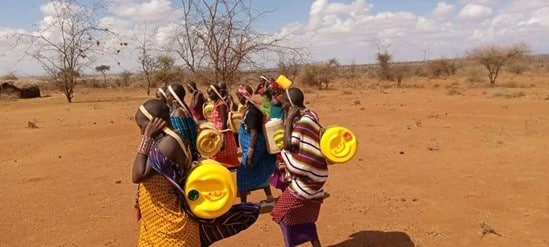
As the child grows, the disparities widen. Clean water is not guaranteed. During prolonged droughts now more frequent due to climate change families walk long distances in search of water that is often unsafe. Malnutrition becomes common, not because families lack care or knowledge, but because the land no longer yields as it once did. Livestock, the backbone of Maasai livelihood, die in large numbers during droughts, stripping households of both food and income.
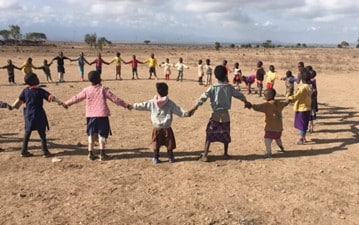
Education, often described as the pathway out of poverty, is itself uneven. In Amboseli, classrooms are overcrowded or sometimes nonexistent. Some children learn under trees, sharing a few worn textbooks. Many must walk several kilometers to reach school, and others especially girls are forced to drop out early due to household responsibilities, early marriage, or lack of sanitary facilities. Compare this to urban areas, where children have access to technology, trained teachers, and stable learning environments, and the gap becomes stark.
Yet this inequality is not accidental. It is rooted in historical and structural decisions. Large portions of Maasai land have been designated for conservation and tourism, including Amboseli National Park. While these efforts protect wildlife and generate national revenue, the local communities who have coexisted with this ecosystem for centuries often receive only a fraction of the benefits. Restrictions on land use limit grazing, while tourism profits flow outward. The result is a paradox: communities living alongside globally celebrated natural wealth remain economically marginalized.
Climate change has intensified these challenges. Amboseli contributes almost nothing to global emissions, yet its people bear some of the harshest consequences failed rains, dried water sources, and increased food insecurity. This is not just an environmental issue; it is a question of justice. Those least responsible are paying the highest price.
This is where the call for equity and reparations emerges not as charity, but as a demand for fairness.
Reparations in Amboseli are about correcting imbalances created over time. They mean investing in maternal healthcare so that no child’s life is at risk simply because of where they are born. They mean building and equipping schools so that rural children have the same chance to learn and succeed as their urban peers. They mean ensuring reliable access to clean water, not as a privilege, but as a basic human right.
They also mean rethinking conservation. True sustainability must include the people who live on the land. Revenue from tourism should directly benefit local communities through jobs, infrastructure, and community-led development projects. Land rights must be respected, and indigenous knowledge recognized as part of the solution, not an obstacle.
For the children of Amboseli, equity would transform the trajectory of their lives. It would mean being born into a system that supports them rather than one that places barriers in their path. It would mean access to healthcare, to education, to opportunity. It would mean that their future is determined not by geography, but by potential.
The story of Amboseli is not one of helplessness. It is a story of resilience. Families continue to adapt, communities support one another, and children dream despite the odds. But resilience should not be mistaken for acceptance of inequality.
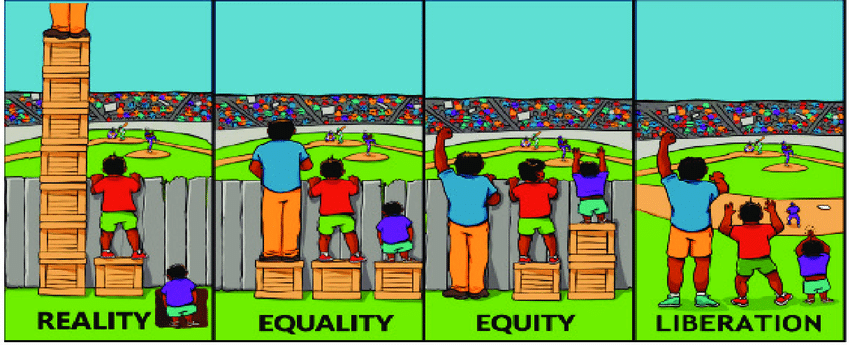
The demand for reparations is, at its core, a demand to be seen, to be valued, and to be included. It is a call to governments, organizations, and the global community to recognize that equity is not achieved by treating everyone the same, but by addressing the specific injustices that some communities face.
As the sun sets over Amboseli, casting long shadows across the plains, the children who were born into inequality still carry hope. Their story is still being written. Whether it becomes a story of continued disparity or one of justice and transformation depends on the choices made now.
Amboseli is asking, not for sympathy but for equity.