
Summary – “Across Africa, groups of women are coming together in their communities to tackle poverty, hunger, and inequality in simple but powerful ways—supporting families, sharing knowledge, caring for the land, and standing by the belief that every child matters equally”
Across Africa, some of the most powerful solutions to poverty, hunger, and inequality are not coming from large institutions or global conferences. They are coming from women gathered in small circles in villages, under trees, in homes, and in community meeting spaces.
These women care groups are made up of mothers, grandmothers, farmers, caregivers, and community organizers. They work quietly, often without recognition, yet their impact is profound. At the most basic level of society the household and the village they are strengthening families, protecting children, and rebuilding community resilience. In many ways, their work reflects the core values of Truth Alliance and the Tell the Truth Campaign: the belief that real justice begins with honesty about inequality, and with the simple but powerful principle that no child is worth more than another.
Birth Equity Begins at Home
Birth equity means that every child no matter where they are born—should enter the world with equal dignity and a fair chance to live a healthy life. In many African communities, women care groups are the first line of protection for that principle. They share knowledge about maternal health, safe pregnancy, breastfeeding, and child nutrition. They support pregnant mothers, check on newborns, and help families understand how to keep children healthy during their earliest and most vulnerable stages of life.
But their work goes beyond health education. Women care groups challenge the quiet assumption that some lives matter less than others simply because of where they are born. Through their care and solidarity, they affirm a truth reflected in the International Covenant on Civil and Political Rights that every human life has equal worth.
Starting from a Zero Baseline
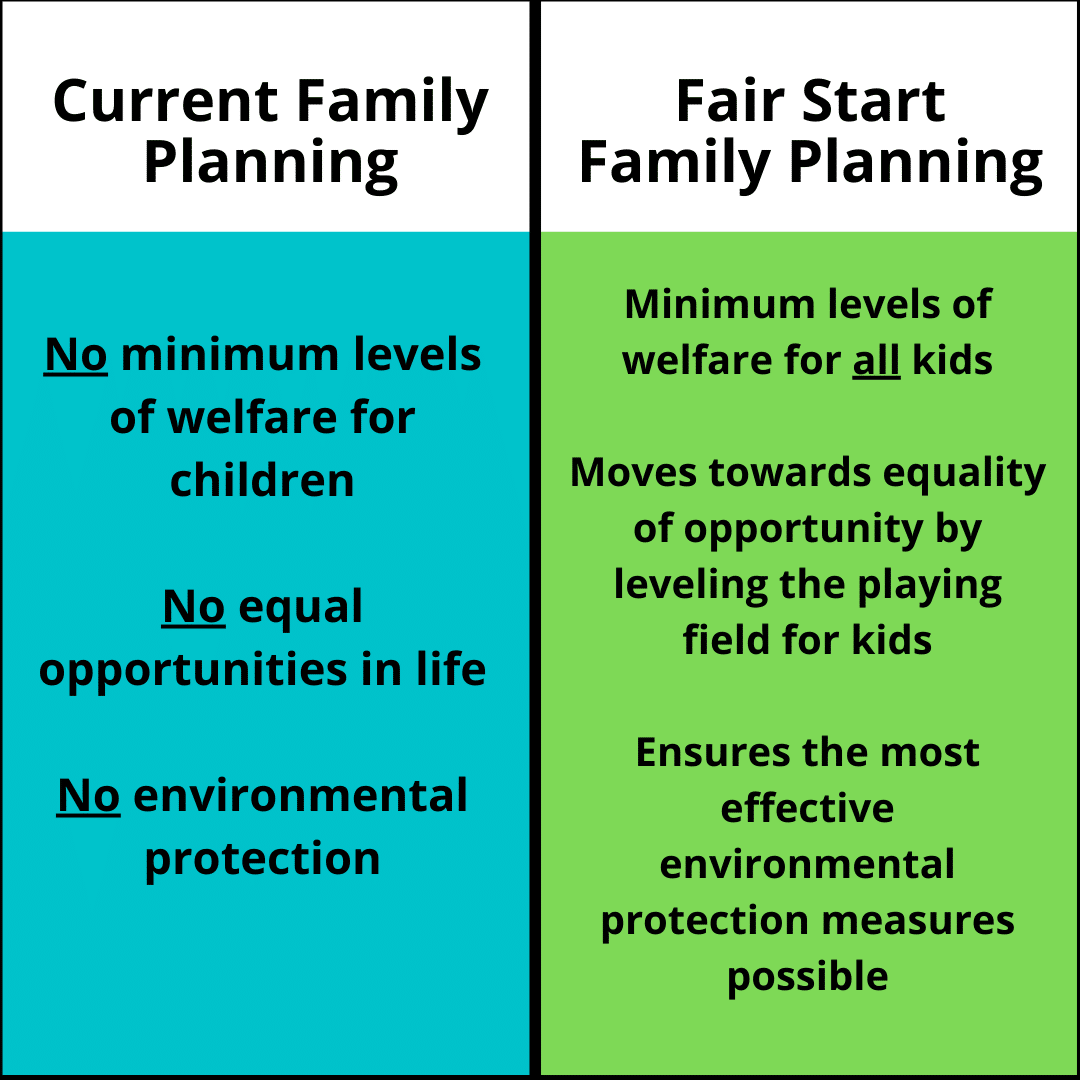
A powerful idea sits at the center of this grassroots work: every child should start from the same moral baseline.
This “zero baseline” does not mean every family begins with the same resources. Rather, it means that no child should be considered less valuable or less deserving of opportunity.
Women care groups put this idea into practice every day. They create shared food gardens, savings circles, and community support networks so that families facing hardship are not left alone. When crops fail or a child becomes sick, neighbors step in to help.
This spirit of collective care helps prevent the deep inequalities that often grow when families are isolated. It strengthens communities and protects children who might otherwise fall through the cracks.
Climate Repair through Local Action
Africa contributes only a small share of global emissions, yet African communities often suffer some of the harshest impacts of climate change drought, flooding, crop failure, and rising food insecurity.
Women care groups are responding in practical ways. Many organize kitchen gardens, plant trees, conserve water, and teach climate-resilient farming methods. These small actions improve soil health, increase food production, and protect local ecosystems.
Organizations such as Rejoice Africa Foundation have shown how these community-led efforts can tackle both environmental and social challenges at once. When women grow food locally and restore the land, they reduce hunger while strengthening resilience against climate shocks.
In this sense, their work represents a form of climate repair not only through funding or policy, but through restoring the conditions that allow communities to survive and thrive.
Addressing the Root Causes of Poverty
Too often, development programs focus only on immediate problems distributing food, treating illness, or responding to emergencies. While these efforts are important, they do not always address the deeper causes of poverty and inequality.
Women care groups take a more holistic approach. They work to tackle underlying challenges such as:
- Poor household nutrition
- Limited health knowledge
- Environmental degradation
- Economic vulnerability
- Social pressures that contribute to large family sizes
Through open conversation, shared learning, and mutual support, women encourage healthier birth spacing, improved nutrition. They also strengthen women’s voices in household decisions.
Through focusing on causes rather than symptoms, these groups help communities move toward long-term stability.
Reducing Hunger and Preventable Disease
One of the clearest impacts of women care groups is improved nutrition and health.
Community gardens provide vegetables and fruits that enrich family diets. Nutrition education helps mothers prepare balanced meals for children. Hygiene and sanitation practices are shared through trusted relationships, allowing life-saving knowledge to spread quickly from one household to another.
These simple steps help reduce malnutrition and prevent diseases that continue to affect millions of children worldwide.
The result is powerful: healthier mothers, stronger children, and more resilient communities.
A Movement Rooted in Truth
The experience of women care groups teaches an important lesson: lasting change rarely begins in distant offices or international meetings. It begins where life itself begins—in families, neighborhoods, and villages.
By caring for one another and protecting the next generation, these women are already practicing the vision promoted by Truth Alliance and the Tell the Truth Campaign.
Their work quietly exposes a global contradiction. Many systems speak about equality while allowing deep inequalities at birth to persist.
Women at the grassroots are showing that a different path is possible.
No Child Is Worth More than Another
The principle is simple: every child has equal worth.
But if that truth is taken seriously, it has profound implications for how the world organizes its resources, policies, and priorities.
Climate policy, health systems, development funding, and economic opportunity must all reflect that same commitment to human equality. African women working through care groups are already living this truth through everyday acts of cooperation, compassion, and resilience. Their leadership offers a powerful blueprint for a more just world.
The responsibility now is not to replace their efforts but to recognize, support, and learn from them.
When communities begin with the understanding that no child is worth more than another, justice stops being a distant idea. It becomes something real grown in gardens, shared across households, and protected by women determined to secure a better future for the next generation.