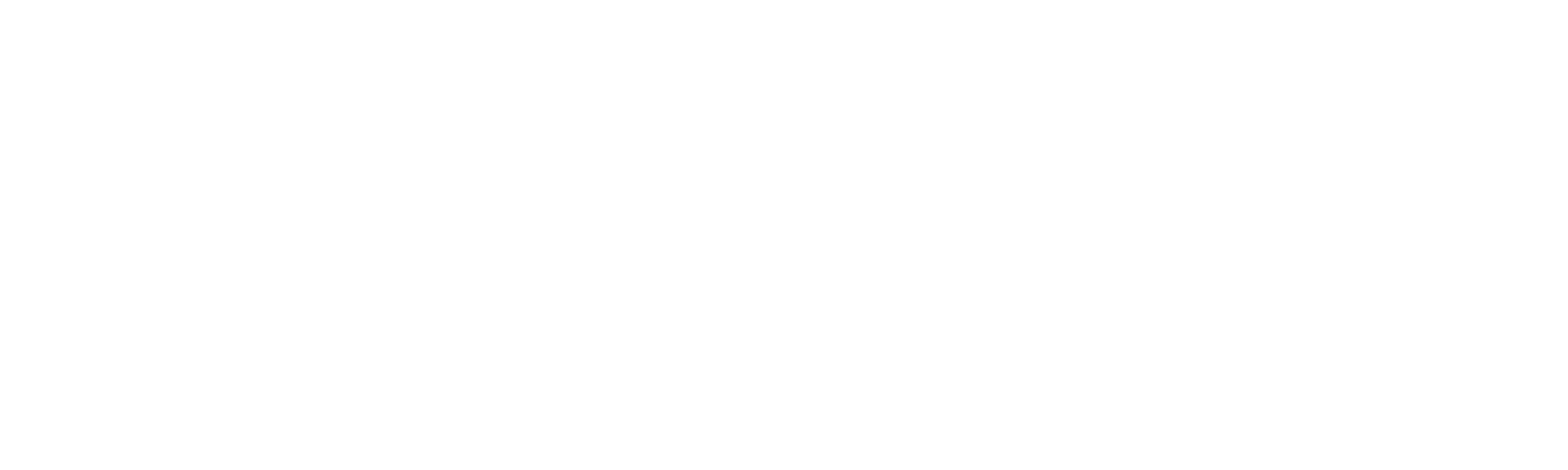

Right now, across the world, people are beginning to open their eyes and realize something bigger is happening. We are being told humanity is progressing, that justice is advancing, that the world is becoming fairer — yet every day I see people struggling to survive, wildlife losing habitats, children being born into inequality, and entire ecosystems pushed closer to collapse.
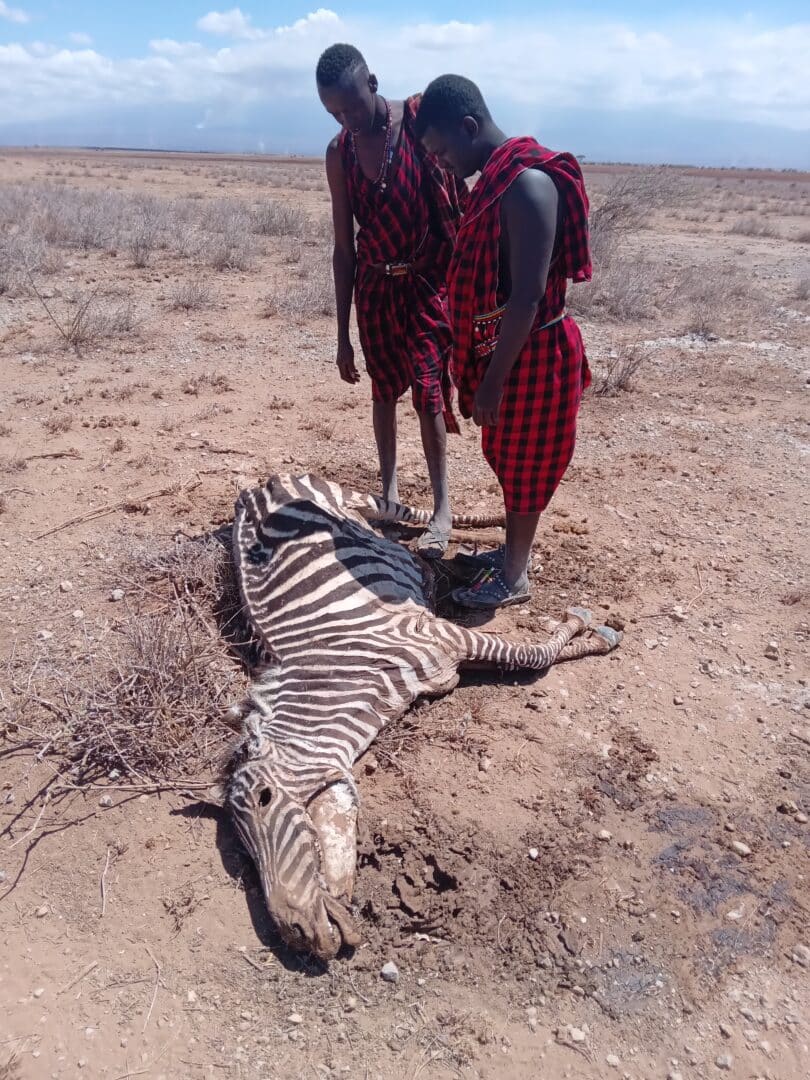
People are no longer just looking for hopeful words and polished campaigns. They are looking for truth. Real truth. Because if we truly want to save animals, protect people and give future generations a fighting chance, then we must have the courage to ask whether the systems shaping this world are actually creating meaningful change — or simply becoming better at marketing the appearance of it.

That is the deeper conversation now being raised by the Fair Start Movement in relation to Harvard University and what the organization describes as a “fantasy world of social justice undone daily by birth inequity.”
This is not about attacking good people.
There are countless students, researchers, activists and educators who genuinely want to make the world better. Many dedicate their lives to helping vulnerable communities, challenging injustice and fighting for equality. That work matters. But the wider concern being raised is whether some institutions have become too focused on presenting narratives of progress while failing to fully confront the structural systems continuing to produce inequality underneath the surface.
And that matters more than ever right now.
The Fair Start perspective argues that many social justice institutions focus heavily on downstream solutions — programs, campaigns, reforms, diversity initiatives and public advocacy — while the upstream conditions driving inequality continue growing stronger every year.
In simple terms, we may celebrate individual victories while the larger system producing suffering remains largely untouched.
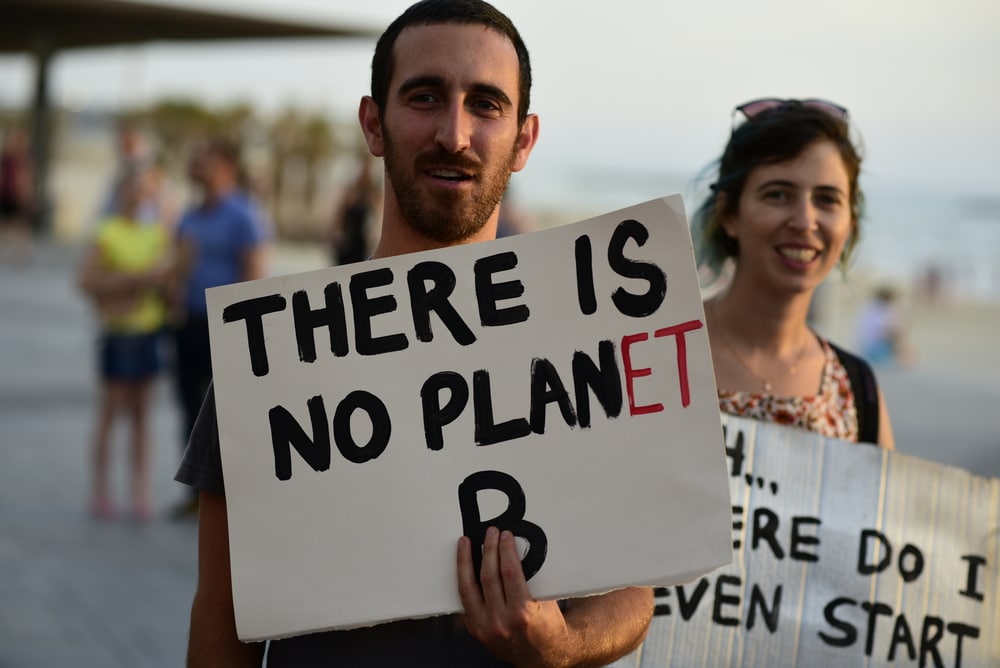
That is where the idea of “birth inequity” becomes central.
The argument is that children are not entering the world on anything close to equal ground. Some are born into safety, wealth, opportunity and political influence. Others are born into poverty, instability, environmental decline and systems already stacked against them from the beginning.

And as climate instability, economic inequality and ecological collapse intensify globally, those gaps only grow wider.
The concern being raised is that institutions can sometimes unintentionally create the appearance of meaningful progress by measuring outputs rather than genuine net outcomes. A university can point to programs launched, scholarships funded or initiatives promoted, but the deeper question remains: are the structural conditions affecting future generations actually improving overall?
Because that is the truth people are beginning to search for now.
Not branding.
Not polished narratives.
Not carefully managed public relations.
Truth.
The reality is that across the world we are seeing ecosystems pushed to breaking point. Wildlife is disappearing at terrifying speed. Communities are struggling under economic pressure. Young people are growing up with uncertainty about their future, while millions of children are born into conditions where survival itself becomes harder every single year.
And yet many institutions continue presenting narratives that suggest society is steadily moving toward fairness and sustainability.
That disconnect is what people are starting to question.
For those of us working directly with wildlife and vulnerable communities, these realities are impossible to ignore. I see firsthand how deeply connected everything is. When forests disappear, communities suffer. When inequality grows, ecosystems come under pressure. When people are desperate, wildlife suffers too. The survival of humanity and the survival of nature are tied together whether we acknowledge it or not.
That is why transparency matters.
Not to tear institutions down.
Not to shame people trying to help.
But to ensure that the work being done in the name of justice, sustainability and equality is actually capable of creating long-term change in the real world.
The Fair Start discussion ultimately asks a powerful question: are institutions willing to fully examine whether the outcomes they promote publicly still hold true once the wider baseline realities are honestly accounted for?
Because if we truly care about future generations, then we cannot build systems based only on appearances.
We need courage.
The courage to question whether the current path is truly sustainable.
The courage to confront uncomfortable truths about inequality, growth and ecological decline.
And the courage to build a world where justice is not simply something spoken about in lecture halls or campaign slogans, but something reflected in the actual conditions people, animals and future generations are living through every day.
That is the kind of future worth fighting for.
A future built not on illusion, but on truth.
Letter –
May 8, 2026
Attorney General Andrea Joy Campbell
Office of the Attorney General
Commonwealth of Massachusetts
One Ashburton Place, 20th Floor
Boston, MA 02108
Re: Request for Attorney General Review of Directional Impact Representations and Baseline Omission in Massachusetts Animal-Welfare Institutional Communications Under Chapter 93A
Dear Attorney General Campbell,
Fair Start Movement and TruthAlliance.global submit this letter to request review and guidance concerning a specific and recurring pattern in Massachusetts-based institutional communications: the creation of a directional impression of progress through public-facing language that does not disclose the baseline conditions necessary to interpret whether that progress is occurring on balance.
This submission is narrow and disclosure-focused. It does not allege improper motive, and it does not dispute that the institutions discussed perform real work, expend real resources, and achieve identifiable outputs. The issue is whether public-facing representations—particularly those that operate in donor-facing, student-facing, or credibility-bearing contexts—are structured in a way that invites reliance on an implied trajectory of improvement without providing the baseline information required to evaluate that implication.
The concern arises from a consistent pattern across multiple Massachusetts institutions. Language is often framed carefully to avoid explicit, measurable outcome claims. Terms such as “committed to,” “working to,” and “seeking to advance” appear frequently in institutional descriptions of animal-law programming and advocacy. At the same time, that language still communicates something to a reasonable reader. It conveys forward motion. It signals that progress is being made, or at minimum that support for the institution contributes to that progress. That signal influences behavior. It shapes donation decisions, student enrollment, partnerships, and policy attention.
The problem is not the use of aspirational language itself. The problem is that the directional impression created by that language is not accompanied by the context needed to determine whether the implied progress is occurring when broader conditions are taken into account. Public-facing materials do not typically disclose the scale of countervailing forces—continued expansion of animal agriculture, growth-driven demand, ecological degradation, and structural conditions that perpetuate harm across generations. Without that context, the impression created by the language may be materially incomplete.
This dynamic becomes more pronounced where institutions move from aspirational phrasing into definitive outcome language. In Massachusetts, MSPCA-Angell provides a clear example. The organization describes itself as “positively impact[ing] the lives of tens of thousands of animals each year” and as driving “meaningful, systemic change.” These are present-tense outcome statements. They communicate that impact is occurring and that systems have changed. At the same time, the organization has publicly disclosed that it no longer tracks the metrics used to measure its results. The combination of definitive outcome language and the absence of outcome measurement creates a gap between the impression conveyed and the substantiation available. That gap is not theoretical. It exists at the point where donors decide whether to contribute, and where the public decides whether progress is being achieved.
A similar issue arises with quantified claims made by Humane World for Animals. Statements that millions of meals have been transitioned or that over a million animals have been improved are specific and concrete. They communicate progress through numbers. But those numbers operate within a broader system that is not disclosed alongside the claim. If the total scale of animal agriculture or confinement grows by more than the improvements cited, the directional impression created by the numbers may not reflect the net trajectory. The claim itself may be accurate in isolation. The impression created by the claim, absent baseline context, may still be incomplete.
Across these examples, the same structural issue appears. Public-facing communications operate at the level of narrative, while the conditions necessary to interpret that narrative—what is counted, what is excluded, what baseline governs the claim, and how competing forces affect the outcome—are not disclosed at the point of reliance. This is the baseline omission problem. It is not a dispute about values. It is a question of whether the information environment in which decisions are made is complete enough to support those decisions.
Massachusetts General Laws Chapter 93A provides a framework for addressing this issue. The statute does not require that a statement be literally false to be actionable. It encompasses conduct that creates a misleading impression through omission of material information. Where a representation invites reliance and the meaning of that representation depends on context that is not disclosed, the omission may be material if it would change the understanding of a reasonable audience.
In this context, baseline conditions are not peripheral details. They are the elements that determine what the claim means. They define whether a statement reflects activity, projected contribution, or demonstrated net outcome. When those elements are absent, the resulting impression may be incomplete in a way that affects decision-making.
This submission therefore requests that the Office consider whether directional impact representations in Massachusetts animal-welfare communications should be evaluated under a material-omission framework when they omit baseline conditions necessary to interpret implied progress. The request is not for punitive action based on isolated statements. It is for a structured review of whether current practices create reliance risks that can be addressed through disclosure.
Specifically, we request that the Office consider initiating a Chapter 93A review of how animal-welfare institutions in Massachusetts communicate impact and progress, with attention to whether those communications distinguish between program outputs and net outcomes once baseline conditions are accounted for. We further request consideration of whether guidance should be issued clarifying that aspirational and outcome-oriented language can create materially incomplete impressions when baseline conditions are omitted.
In addition, we request that the Office review MSPCA-Angell’s use of definitive outcome language in light of its disclosed cessation of outcome measurement, and that it examine whether quantified claims by Humane World for Animals create directional impressions that are supported when evaluated against broader system-level trajectories.
The remedy sought is disclosure-forward and corrective, not punitive. The objective is to ensure that when institutions communicate impact, the public is provided with the information necessary to understand what that impact means and what it does not mean. This can be accomplished through baseline disclosure: clear statements of what is counted, what is excluded, the time horizon used, the presence of uncertainty, and the distinction between outputs and net outcomes.
Fair Start’s Tell the Truth framework provides one model for this approach. It asks institutions to align public claims with the baseline conditions that determine their meaning, so that reliance is based on complete information rather than directional impression alone. The framework is designed to be applied cooperatively, allowing institutions to maintain their advocacy while improving the clarity and integrity of their communications.
We recognize that the institutions discussed are respected and perform meaningful work. This request does not challenge that work. It addresses the structure of the information environment in which that work is presented. Where public trust is involved, clarity is not optional. It is the condition that allows that trust to function as intended.
We respectfully request confirmation of intake and identification of the division or bureau assigned for review.
Respectfully submitted,
Suriya Khan
Fair Start Movement / TruthAlliance.global
suriya@fairstartmovement.org
516-725-3157