
Summary “In the end, equity is not only about the results we aim for, it is about how we define, measure, and prove those results. And if people are left out of that process, then even the idea of progress can become unfair”
In development, growth, and social change, stories of progress often sound very convincing. Reports show improving numbers, charts trend upward, and programs are presented as success stories. But behind these polished narratives, there is an important question we don’t always ask: what is missing from the picture?
One of the biggest gaps is the failure to account for the real drivers of harm, especially unequal or unfair growth. When growth benefits only certain groups while others are left behind, it can still look like progress on paper. But in reality, inequality may be getting worse. This kind of selective storytelling can easily create a misleading sense of success
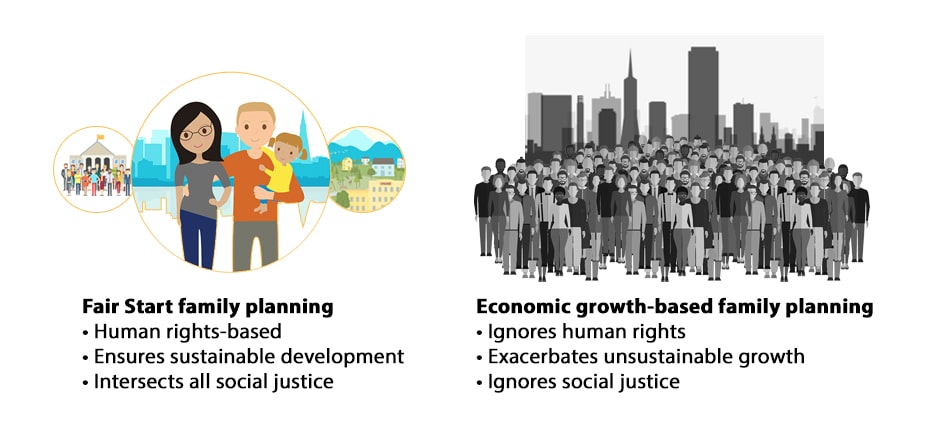
The problem becomes even more serious when the experiences of the most affected communities are not fully included in how progress is measured. This doesn’t just create incomplete data, it creates a distorted sense of accountability. The very people who are experiencing exclusion, hardship, or disadvantage are often the ones least reflected in official reports.
There is growing concern that, in some cases, this can amount to what might be described as illegal baselining or equity fraud especially when the starting point of measurement is designed in a way that leaves out the realities of those most affected. When the baseline itself is incomplete or selective, any conclusions drawn from it become unreliable.
Because of this, any claim about “public benefit” or “improved outcomes” needs to be examined carefully and early. It should not be enough for claims to be made; they must be supported. Those making the claims should be able to clearly explain their baseline, their assumptions, and how they are measuring change. Without this, it is impossible to know whether progress is real or just reported.
A proper baseline is not just a technical requirement, it is a safeguard. It ensures that measurement starts from honesty, includes all relevant groups, and reflects real conditions on the ground. It helps make sure that progress is not defined by what is convenient to measure, but by what is actually happening in people’s lives.

At its core, this is about legitimacy. Authority in development and social change should not come from simply making claims. It should come from inclusion, especially the inclusion of the people whose lives are being measured and affected.
When communities are left out of defining baselines, assessing outcomes, or interpreting results, decision-making becomes disconnected from reality. But when they are included in a meaningful way, measurement becomes more than reporting—it becomes accountability grounded in real experience.
Real progress cannot just be announced from above. It needs to be demonstrated openly, with transparent baselines, honest evaluation, and genuine engagement with those most affected. Without this, even well-intentioned work risks turning into storytelling rather than truth-telling.
In the end, equity is not only about the results we aim for, it is about how we define, measure, and prove those results. And if people are left out of that process, then even the idea of progress can become unfair