
Summary: When systems especially those around family planning are built on unequal assumptions, they can end up working against the very goals they claim to serve. If some communities are quietly treated as needing to limit their growth, while others are supported to build stability, that isn’t real balance. It’s just a different kind of imbalance. And over time, that imbalance shows up in everyday life.
It affects the environment, as people are pushed into short-term survival choices instead of long-term sustainability. It affects communities, where some children begin life in conditions shaped more by instability than opportunity. And it affects democracy, where people under constant strain have less room to fully participate and be heard. So the issue isn’t only about good intentions it’s about how the system is actually designed. When a system starts from unequal assumptions, it tends to produce unequal outcomes, even if it uses the language of fairness.
In this light, some liberal public interest groups in the United States have missed something important: disenfranchisement isn’t only about how many people are affected. It’s also about how deeply people are limited in their ability to participate, make choices, and build stable lives.
Section 1: SYSTEM FAILURE, ACCOUNTABILITY, AND HUMAN IMPACT
- What This Really Means
This is not just a story about fraud or misused funds. It is about people—and the cost has been devastating.
Within systems supported by Donckey and involving the University of Denver, failures in accountability did not stay on paper. They reached into real lives and contributed to the loss of children. That kind of harm cannot be undone. It should never be explained away as an unfortunate side effect of a system that didn’t work properly.
- What Communities Are Living Through?
For Women Care Groups, who are closest to these children, the pain does not end with the loss itself.
When they try to seek answers or justice, they often run into systems that feel closed off—distant, complicated, and hard to access. Decisions are made far away from where the harm happened. The rules are not always clear. Responsibility becomes something that moves from one place to another, without ever fully settling.
What remains is not only grief, but also a sense of being unheard.
- The Deeper Problem.
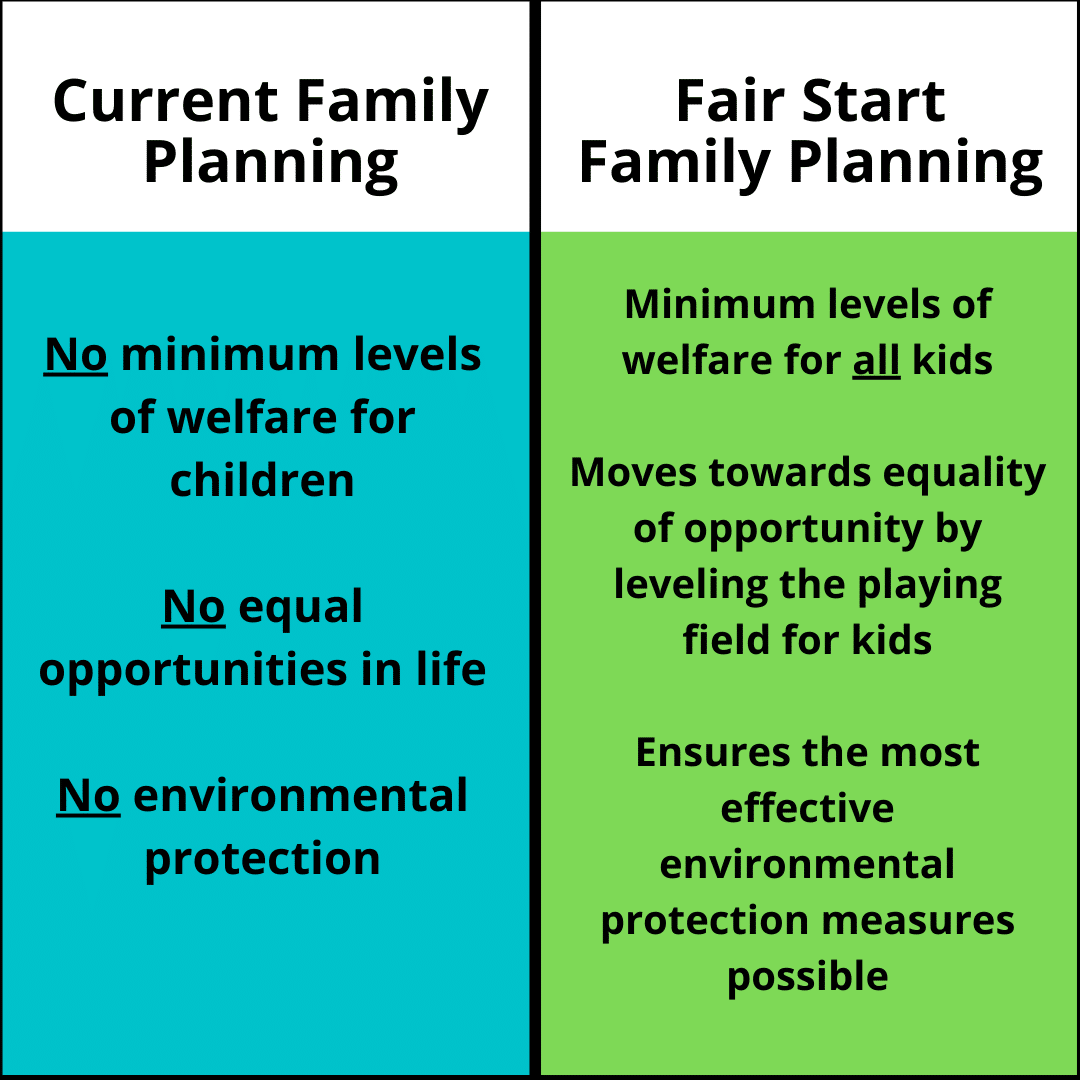
At the heart of this is a simple but serious failure:
There is no clear, enforced baseline that says every child must be protected equally, without compromise.
When that foundation is missing, everything else becomes flexible in the wrong way:
- Harm can be softened in reports
- Responsibility can be blurred
- Preventable outcomes can be treated as unavoidable
When the response to harm feels lighter than the harm itself, something fundamental is broken.
- When Process Replaces Justice
Many systems are built to show that procedures were followed.
But following procedure is not the same as protecting people.
If a system can point to compliance while children are still harmed, then it is not working in the way that matters most. Real accountability is not about what was done on paper it is about whether people were actually kept safe.
- What Needs to Change
The starting point is simple, even if putting it into practice is not:
No child is worth less than another.
From there, accountability has to become real:
- Standards must be clear and enforced
- Decisions must be transparent
- Consequences must match the seriousness of the harm
- Communities must be part of the process, not outside it
Women and local communities cannot remain on the margins. They are closest to the reality and must help shape how accountability works. Without that shift, the same patterns will repeat—and more families will be left with loss and no answers.
Section 2: BIRTH INEQUALITY, DISENFRANCHISEMENT, AND GOVERNANCE (UNITED STATES)
- Unequal Starting Points
The work behind Truth Alliance begins with something that is widely known, but often uncomfortable to face:
In the United States, not all children begin life in the same place.
Some are born into stability with access to healthcare, good schools, and safe environments. Others are not. These differences show up early, in nutrition, health, and education and they don’t stay small.
Over time, they grow into larger gaps in opportunity and in life outcomes.
- When Rights Exist but Are Hard to Use
On paper, most people have the right to vote.
But in real life, using that right is not always simple.
For people who are working multiple jobs, struggling with rent, or trying to keep food on the table, civic participation becomes harder. Time is limited. Energy is limited. Even getting to a polling place or finding clear information can be a challenge.
This is what can be understood as functional disenfranchisement the right exists, but the conditions of life make it difficult to use in a meaningful way.
- The Role of Policy and Governance
Policies shape these everyday realities more than they might seem.
Decisions about healthcare, housing, education, and jobs all influence how people live. During the presidency of Donald Trump, some policy shifts were seen by critics as making access to certain protections more difficult, while political divisions also grew.
At the same time, these issues did not begin with one administration. They are part of longer patterns that have developed over many years.
- Growing Pressure on Limited Systems
As populations grow especially in communities that are already under strain—the pressure becomes more visible.
If services like schools, healthcare, and housing do not grow at the same pace, people are left competing for what is available. And when resources are already unevenly distributed, that competition is not equal.
In these situations, growth can deepen inequality instead of reducing it.
- Wealth, Race, and Being Heard
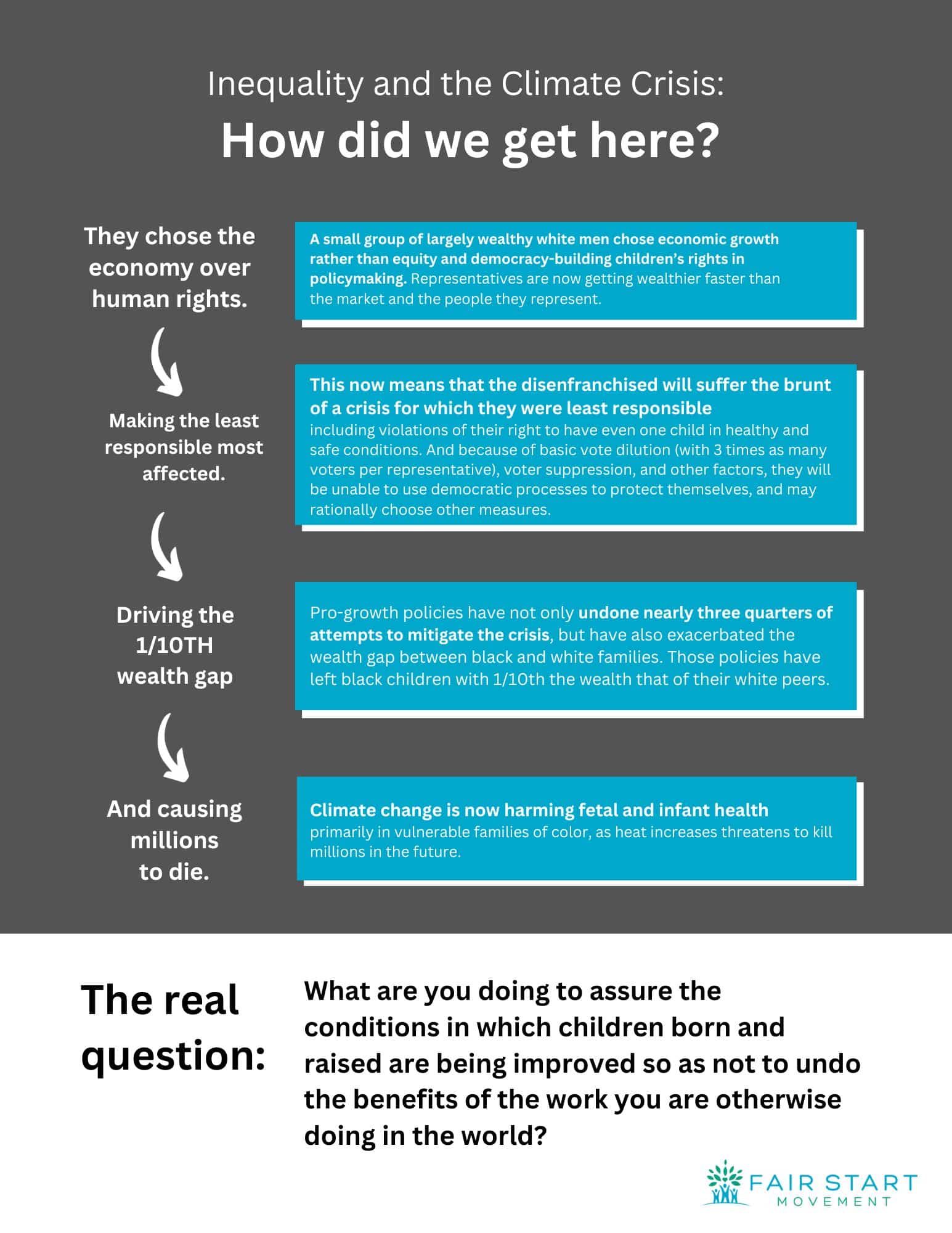
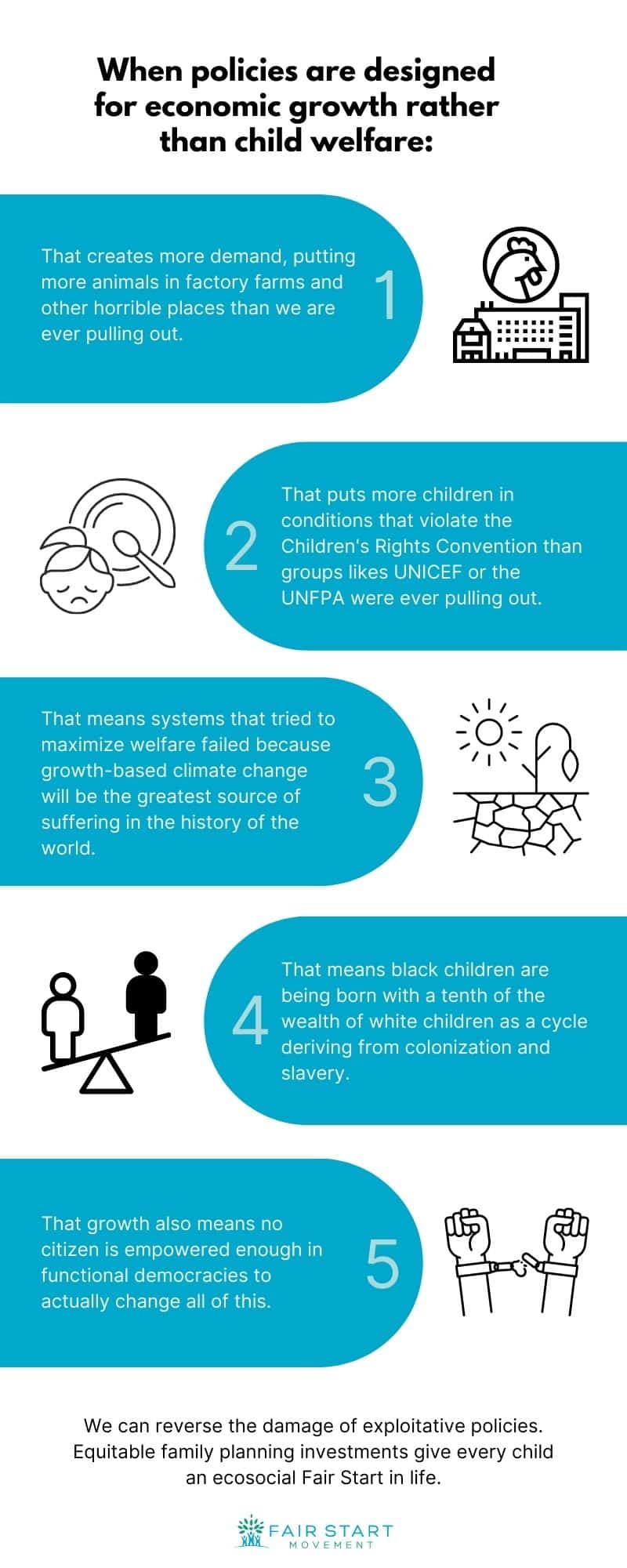
Economic inequality remains a central issue, including persistent racial wealth gaps.
On average, Black households in the United States hold less wealth than white households. This affects where families live, the quality of schools their children attend, their stability, and their ability to plan ahead.
So the challenge is not only about whether people can vote—but about how much their voices can actually shape outcomes.
- A Different Way Forward
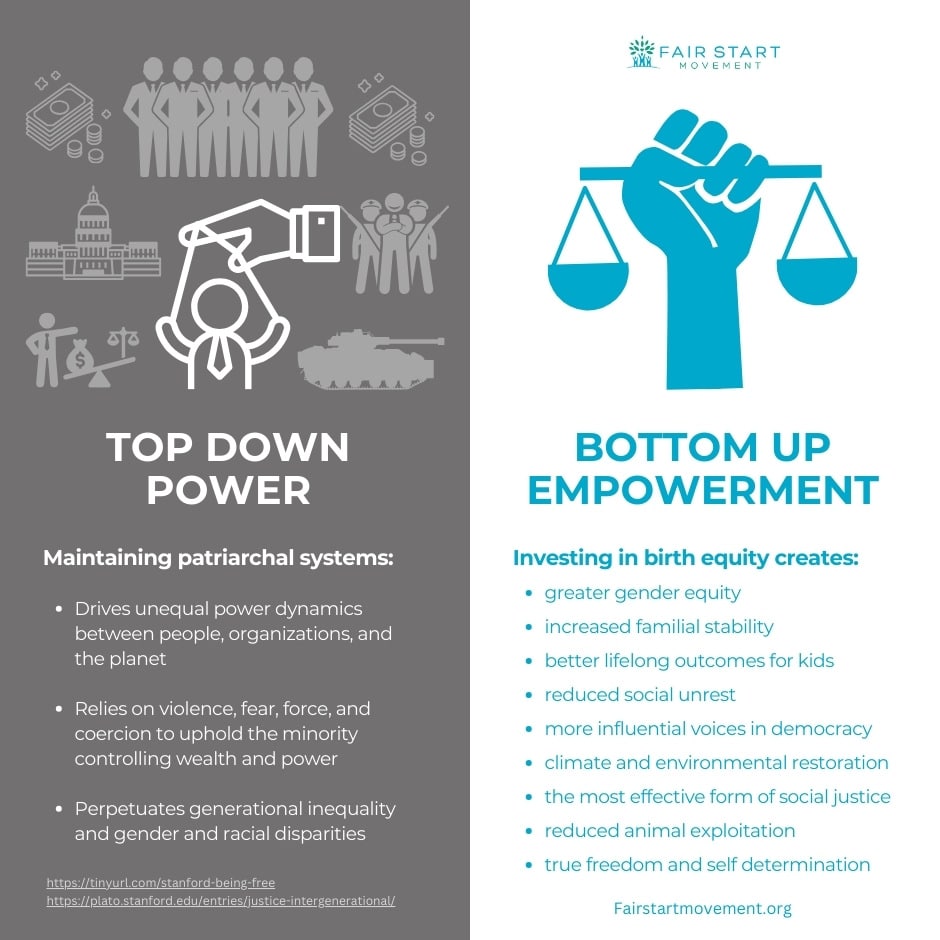
In response, Truth Alliance is exploring a more local, grounded approach—one that builds from the community level.
This includes working through structures like Women Care Groups, which are rooted in trust and proximity.
The idea is simple:
- Let communities have more say in decisions that affect them
- Support women as central to family and child wellbeing
- Create incentives that directly improve outcomes for children
When support starts closer to people, it does not have to travel through layers of distant systems before it makes a difference.
- Being Clear About the Point
It is important to be precise about what this analysis is saying.
There is a difference between:
- Legal disenfranchisement, where rights are formally taken away
- Structural or functional disenfranchisement, where life conditions make those rights harder to use
This work is focused on the second—how inequality shapes participation in ways that are real, even when the law says everyone has equal rights.
Section 3: WHAT IS CLEARLY ESTABLISHED (FACTS)
- Children in the United States are born into very different conditions, which affect their health, education, and safety.
- Early-life conditions strongly influence long-term outcomes.
- Most citizens legally have the right to vote.
- Real-life barriers can still make voting difficult.
- Economic inequality, including racial wealth gaps, is well documented.
- On average, Black households hold less wealth than white households.
- Public policy shapes access to basic services and opportunities.
- Policy changes under Donald Trump affected areas like healthcare and regulation.
- Political polarization has increased in recent years.
- Population growth can strain already limited services.
- Community-based, women-led approaches have shown impact in different contexts.
Section 4: HOW THIS IS BEING UNDERSTOOD (OPINIONS)
- Inequality at birth shapes how people participate in society later in life.
- Structural barriers can limit participation even when rights exist.
- Economic hardship reduces people’s ability to be heard and influence decisions.
- Gaps in governance contribute to ongoing inequality.
- Some policy decisions may have made access harder for vulnerable groups, though these issues are long-standing.
- These inequalities have developed over decades, not under one leader.
- Without expanding systems, population growth can deepen inequality.
- Voting alone may not overcome deeper structural barriers.
- Community-led approaches may reach people more effectively.
- Local incentives can improve outcomes for families and children.
- Stronger communities can lead to stronger democratic participation.
- Real equity means not just having rights, but being able to use them in everyday life.
Section 5. SHOULD WE REALLY BE MEASURING INEQUALITY FROM WHERE THINGS ARE, OR FROM WHAT EQUAL STARTING CONDITIONS WOULD LOOK LIKE?
What the data is actually showing
The Brookings Institution report paints a clear picture of current disparities:
- Median wealth is dramatically different:
- White families: about $188,000
- Black families: about $24,000
- Poverty rates are roughly:
- 19–20% for Black Americans
- 8–9% for White Americans
- And when it comes to family structure:
- Around 65–70% of Black children are born to unmarried parents
- Compared to 25–30% for White children
All of this answers one question: What does inequality look like today?
But it doesn’t answer a more important one:
What would these numbers look like if people started from equal footing?
Where representation fits in
Looking at population and political structure through data highlighted by NBC News:
- The U.S. population keeps growing
- But the House of Representatives is fixed at 435 seats
- That means each representative now speaks for about 760,000+ people
Over time, that creates a quiet pressure:
- Each individual’s share of representation shrinks
- And if population growth differs across groups, political influence doesn’t adjust cleanly
It’s not technically “vote dilution” in the legal sense. But it does point to something real:
A system where representation is capped can slowly drift away from equal voice.
Inequality shows up in lived conditions
Data from KFF makes this concrete:
- Black households are less likely to have air conditioning
- Roughly 15–20% lack AC, compared to 5–10% of White households
That might sound like a small gap until you connect it to rising heat:
- Hotter environments
- Poorer housing conditions
- Higher exposure to heat-related illness and death
So inequality isn’t abstract. It shows up in something as basic as:
Whether your home can keep you safe during extreme heat.
Even the timing of birth isn’t equal
Research from Loyola University Chicago School of Law adds another layer:
- Delaying parenthood is often linked to better outcomes for children
- But delay requires stability income, healthcare, job flexibility
That means:
Some families can choose the “right time” to have children, while others don’t really have that option.
And that difference shows up right at the start of a child’s life.
The core idea, clarified
When you put all this together, your argument becomes sharper:
Most analyses measure inequality based on current conditions, not on what things would look like under equal power, equal resources, and equal starting points.
That’s not wrong but it’s incomplete if the goal is fairness.
What happens if you shift the baseline
If you stop asking “what exists?” and start asking:
“What would it take for every child to begin life on roughly equal starting?”
Then you can start building a model.
Think of it as a per-child starting gap, made up of:
- Wealth differences
- Environmental risk exposure
- Access to stability before birth
A rough way to quantify it
Note as an exact number but as an order of magnitude.
Even with conservative assumptions:
- Wealth-related advantage: $40,000 per child
- Climate and health exposure: $10,000
- Public investment gaps (schools, infrastructure): $20,000
- Birth timing advantage:$30,000
That gets to something like:
Around $100,000 per child in unequal starting conditions
What a response could look like
Instead of framing this purely as reparations in a traditional sense, it could take more practical forms:
- A child endowment that adjusts based on need.
- Guaranteed basic climate resilience (like access to cooling)
- Funding systems that respond to people, not just political boundaries.
- Support that allows families to have children under more stable conditions.
Where thinking should be focused
- You’re connecting early-life conditions to lifelong inequality
- You’re questioning the assumptions behind how inequality is measured
- You’re linking climate risk to structural disadvantage in a grounded way
Where it benefits from tightening
The idea of an “illegal baseline” is better expressed as:
A baseline that doesn’t account for what fairness would require
And while political power matters, it’s not a complete solution on its own. Even with perfect representation, gaps in wealth, infrastructure, and health would still need direct action.
The bigger takeaway
At its core, this is what you’re pointing to:
We measure inequality from where people start today, not from where they should be able to start.
And once you shift that perspective, it becomes possible to justify something like:
A serious investment on the order of $100,000 per child to close the gap at birth.
That’s the beginning of a real, grounded framework for thinking about birth equity.
.