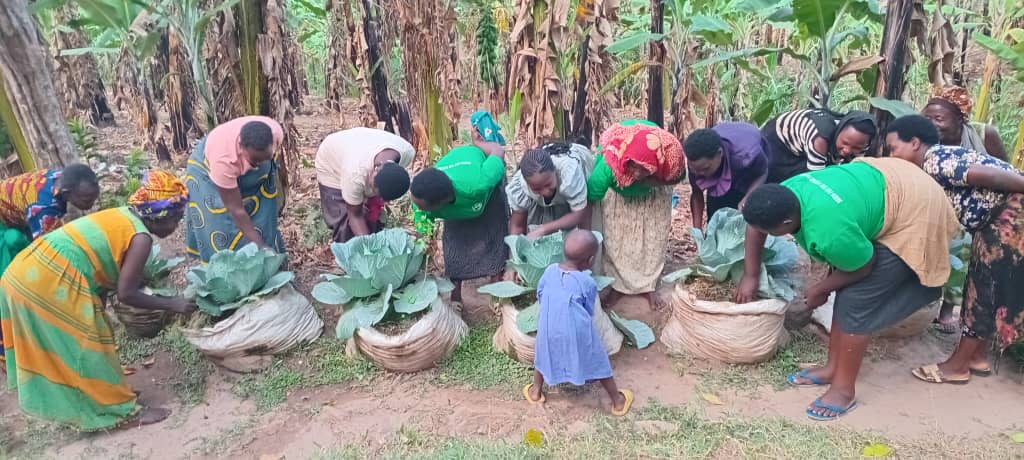
Women Care Modelling starts from a simple truth: the people carrying the heaviest weight of climate change, poverty, and injustice already know what needs to change. Women, especially caregivers, farmers, and community organizers are not on the sidelines of this crisis. They are living it every day. This model places them where they belong: at the center of decisions, resources, and accountability. It recognizes that real solutions do not come from distant offices or short-term projects, but from those who protect families, stretch scarce resources, and hold communities together when systems fail.
Centralized Power, Rooted in Real Life
In Women Care Modelling, power is not scattered across layers of bureaucracy or captured by elites. It is centered within women-led care groups, the same groups that manage food, water, health, education, and daily survival. Because these women know which child missed a meal, which household lost crops, and which family is at risk, decisions are grounded in reality. Centralizing power here builds trust, strengthens coordination, and closes the space where corruption and “elite capture” often thrive. Money and support are harder to misuse when communities can see, feel, and track their impact.
Facing the Climate Crisis as a Daily Reality
For women, climate change is not a theory it is empty granaries, longer walks for water, and children falling sick more often. Women Care Modelling treats climate action as a matter of survival.
Women lead practical solutions:
- Kitchen gardens that feed families even during drought
- Water-saving practices that protect health and dignity
- Seed preservation that keeps food systems alive
- Knowledge shared between mothers, daughters, and grandmothers
Because women manage households and care systems, the impact is immediate. Food appears on the table. Children eat better. Families become more resilient, not in reports, but in real life.
Naming and Stopping Equity Fraud
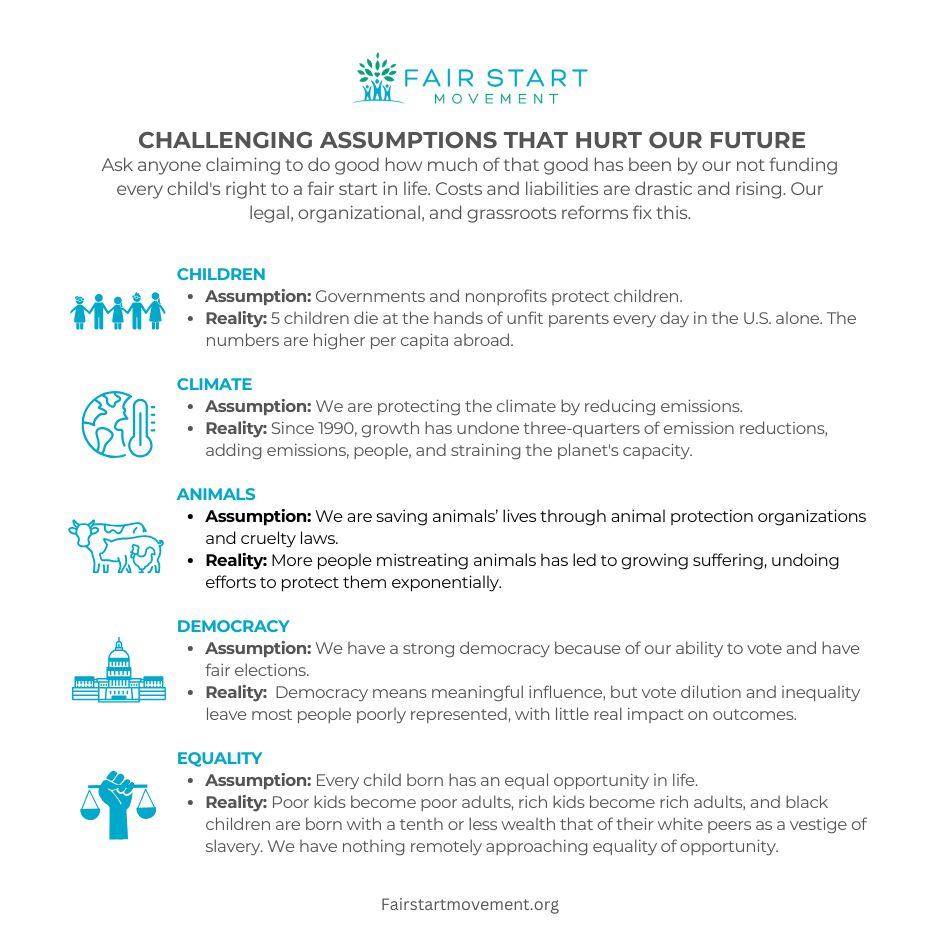
Equity fraud happens when systems talk about fairness but deliver benefits upward to the wealthy, the connected, and the powerful while leaving women and children behind. Women Care Modelling exposes and interrupts this pattern.
It does so by:
- Putting oversight directly in women’s hands
- Measuring impact at the level of the home and the child
- Demanding transparency in climate finance and aid
- Prioritizing those most at risk, not those with the loudest voices
This is not about being invited to the table. It is about owning the table, the budget, and the decisions.
“No Child Is Worth More than Another”
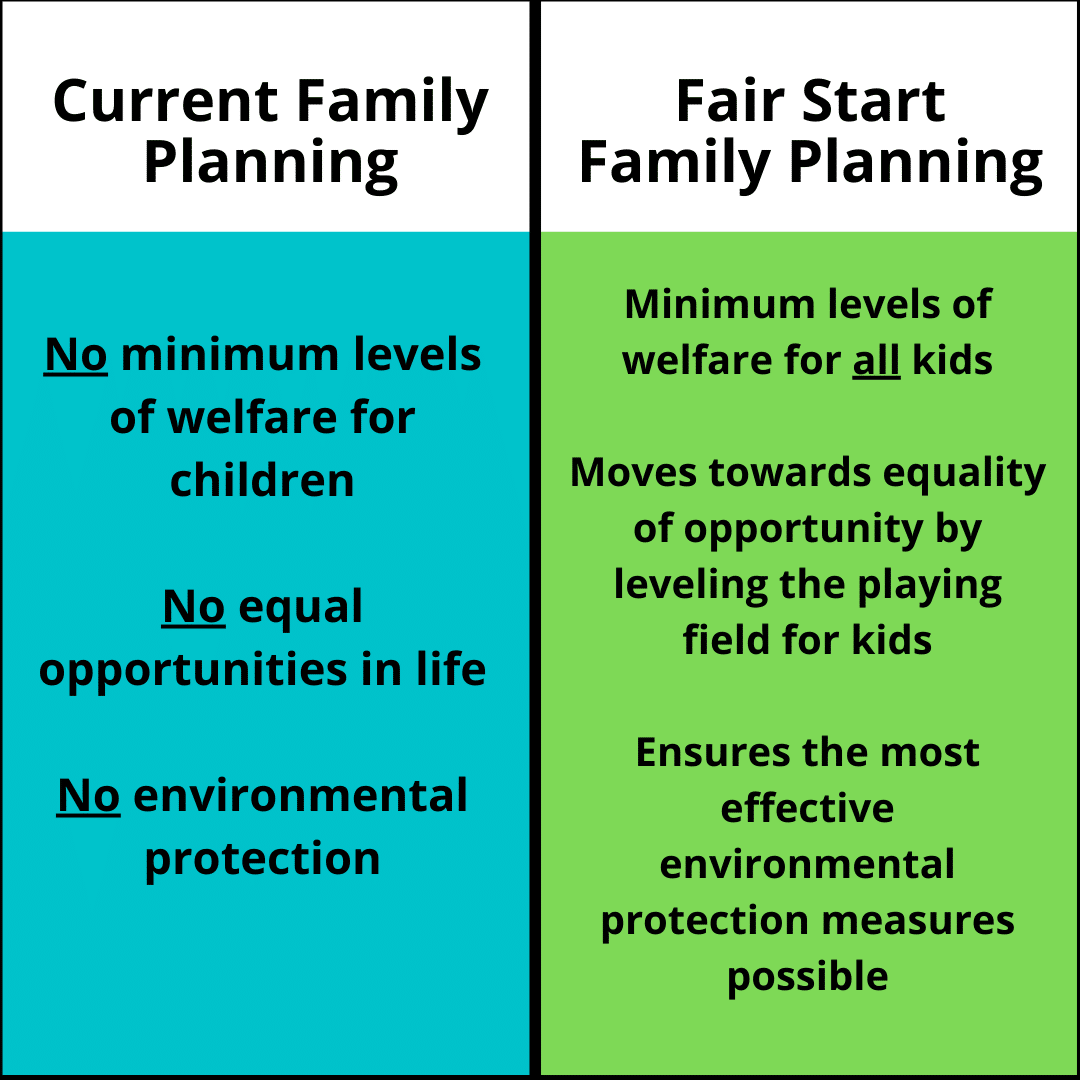
At the heart of Women Care Modelling is a moral line that cannot be crossed: no child’s life is more valuable than another’s. When care guides decision-making, children are no longer sorted by wealth, geography, or politics. Nutrition, health, safety, and education become non-negotiable not privileges reserved for a few. Under women-led care systems, children are not numbers in future plans. They are here, now, and their lives matter today.
A Shift in Power and in Values
Women Care Modelling is not charity, and it is not a soft approach. It is a transfer of power away from extractive systems that profit from crisis, and toward care-centered leadership that protects life. In a world facing climate breakdown and deepening inequality, this model offers something rare and necessary: a way to govern that values care as strength, accountability as justice, and survival as a shared responsibility.