To those who care, and to those who decide,
Like many working in environmental and human rights spaces, I long assumed that population, environment, and equity were being addressed through separate but adequate channels. I did not understand until much later that birth equity itself had been systematically excluded from impact frameworks, despite its direct implications for children, ecosystems, & animals.
But…..
There is a particular kind of exhaustion that comes with being an environmentalist without money, without power, and without institutional support. It is the exhaustion of seeing, clearly and constantly, how much could be done—and how little is allowed to happen. It is knowing that solutions exist, that communities are willing, that the science is sound, and yet watching progress stall because it is deemed unprofitable, inconvenient, or misaligned with short-term interests.

Environmentalism, in this context, becomes an act of persistence rather than progress. It is built on unpaid labor, emotional resilience, and the quiet hope that speaking up still matters. Many who care deeply about the planet are left to volunteer their time, fund their own initiatives, and absorb disappointment as a routine cost of conscience. Passion is expected to replace funding. Moral urgency is expected to substitute for real support. And still, we are told to do more.
At the same time, we must confront a deeper injustice that shapes not only environmental outcomes, but the future of humanity itself: the radical inequality of life possibilities for children.
A child’s chances of contributing to a better world are not distributed equally. They are shaped by the neighborhood they are born into, the color of their skin, the social circles that surround them, the quality of their education, and the financial security of their family. Some children grow up with access to mentors, resources, and platforms that amplify their ideas. Others grow up fighting simply to survive—forced to trade curiosity for caution, and long-term dreams for immediate needs.
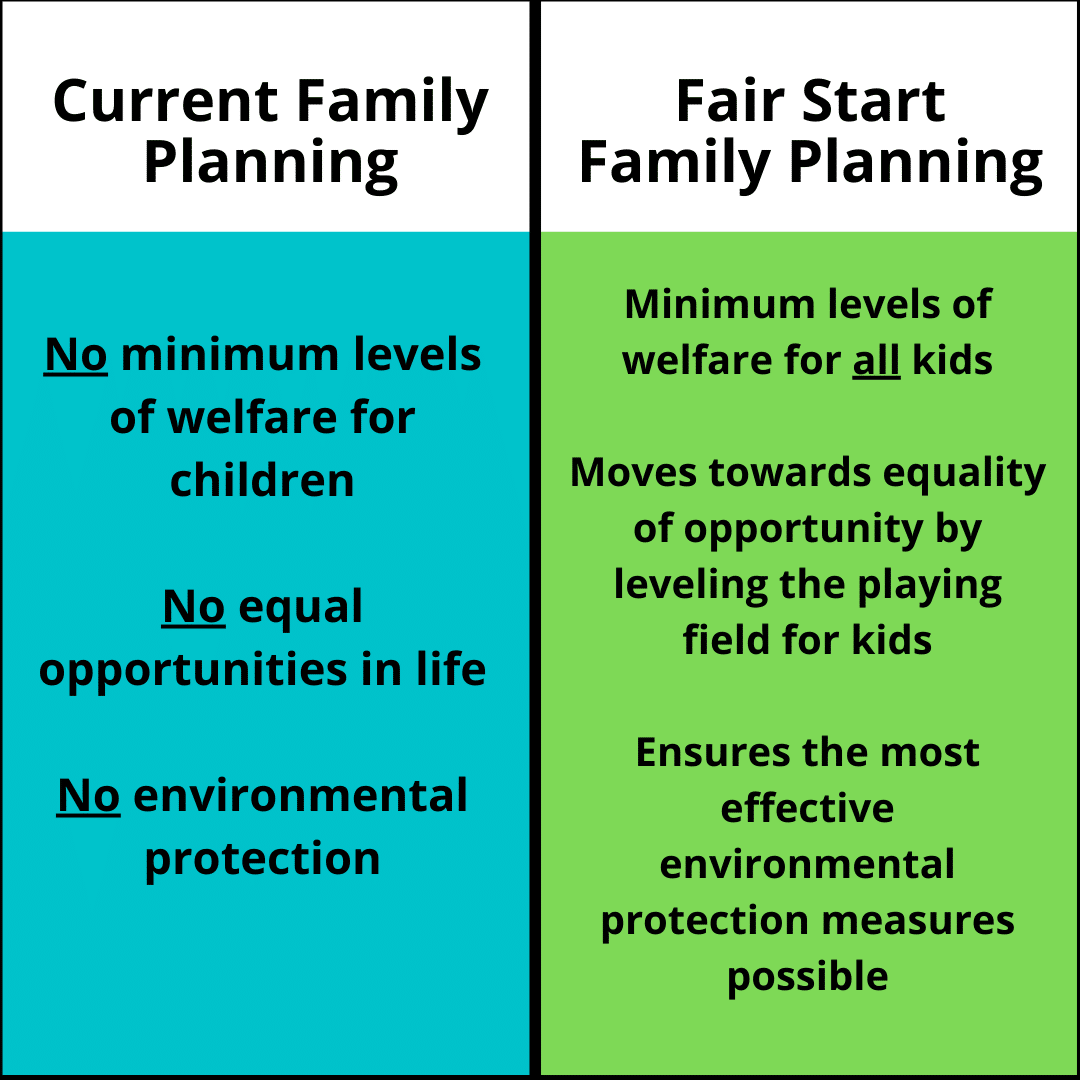
When children from privileged backgrounds are raised in systems that normalize profit over people, growth over balance, and comfort over responsibility, they absorb these values as facts of life. If they learn—explicitly or implicitly—that wealth requires exploitation, that environmental damage is an acceptable side effect, and that the suffering of other children is simply part of how the world works, then this worldview hardens into normality.
These children will grow up to be the decision-makers of tomorrow: lawmakers, executives, investors, and leaders of multinational corporations. They will direct the systems that shape our planet’s future. And if they have been taught that inequality is natural, that environmental sacrifice zones are unavoidable, and that entire communities can be left behind without consequence, how can we reasonably expect them to imagine a world that works for everyone?
How can we expect them to design policies for a planet they were never taught to share?
Meanwhile, children from underprivileged backgrounds—often the ones most affected by environmental destruction—are systematically excluded from the very spaces where solutions are created. Their insights, born from lived experience, are dismissed. Their potential contributions are lost to cycles of poverty, discrimination, and underinvestment that repeat generation after generation.
This is not just an environmental failure. It is a moral one.
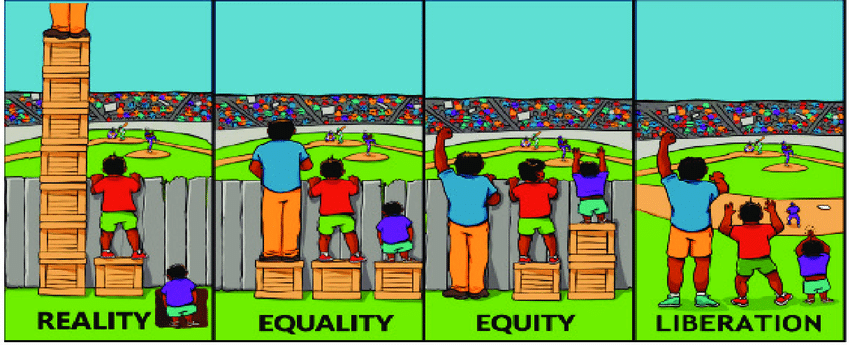
A sustainable future cannot be built by a narrow segment of society making decisions in isolation from those who bear the greatest consequences. A livable planet requires not only clean energy and conservation, but equity, imagination, and empathy—qualities that must be cultivated early, across all backgrounds.
If we want a better world, we must stop treating environmentalism as a luxury hobby and start treating it as a collective responsibility. We must fund it. We must protect it. And we must ensure that children—regardless of race, class, or geography—are given the tools to participate meaningfully in shaping the future.
Because a planet designed only by the privileged will never be a planet that works for everyone.
And because hope, without justice, is not a strategy—it is a delay.
Sincerely,
Someone who knows how much more we could do