For too long, institutions across the world have learned how to market compassion better than they measure outcomes.
That is the deeper issue now emerging around the University of Denver Sturm College of Law’s animal-law programming and the wider concerns being raised regarding public-facing impact claims, donor representations and institutional accountability.
At the centre of this dispute is a simple but enormously important question:
What happens when institutions present “impact” to the public while excluding the baseline realities that determine whether any genuine net progress actually exists?
Because that is where trust begins to break down.
The public narrative surrounding Sturm’s animal-law brand has been built around rescue-adjacent work, activist defence, clinics, advocacy and legal reform. These are all emotionally compelling and highly marketable areas of work. But concerns now being raised publicly suggest that the impact framework being relied upon may exist inside a controlled accounting model — one that measures visible downstream successes while failing to fully account for the larger upstream systems continuing to expand suffering overall.
And that distinction changes everything.
Because if an institution highlights isolated victories while excluding the broader baseline drivers that continue increasing harm, then what is being presented may no longer reflect true net impact. It becomes a selective narrative rather than complete accounting.
This is not simply a philosophical disagreement about activism.
It is a question of evidence integrity.
The TIPOC argument being raised is fundamentally about transparency. It argues that truth in public impact claims requires institutions to disclose the context necessary for those claims to be properly understood. A law school, of all places, understands how omission works. A statement does not need to be technically false in order to become misleading. If favourable variables are included while unfavourable baseline conditions are excluded, the public can easily be led toward conclusions the full evidence may not support.
And when that narrative is tied to donor funding, recruitment, institutional prestige and moral authority, the stakes become even higher.
Because this is not just about branding.
It is about whether public trust is being earned honestly.
The concern being raised is that institutions can continue producing marketable “wins” indefinitely if they operate inside incomplete accounting systems. Downstream advocacy will always appear successful if the underlying baseline conditions driving harm are kept outside the frame. Meanwhile, the harder upstream work — work that might actually reduce the baseline pipeline of suffering itself — becomes politically difficult, financially inconvenient and structurally unsupported.
That creates a dangerous equilibrium.
One where omission becomes normalised because honesty becomes competitively disadvantageous.
This matters profoundly within legal education.
A law school is not simply another nonprofit organisation producing awareness campaigns. It is a credentialing institution responsible for training future professionals to think rigorously, analyze evidence carefully and communicate claims responsibly. If impact language is allowed to imply net societal benefit without complete accounting, then students risk learning the worst possible lesson: that moral language can substitute for analytical integrity.
That is not justice.
That is narrative management.
And this is why formal accountability measures are now being demanded publicly and in writing.
The requests being raised are not vague emotional complaints. They are structured governance demands.
They include calls for a written response issued under the Dean’s authority identifying who holds responsibility for impact claims, donor representations and program oversight. They include requests for documented legal review by University counsel examining public-facing materials, internal methodologies and the standards used to define institutional “impact.”
There are also calls for escalation beyond the program’s own internal incentive structures, including involvement from wider University leadership and oversight mechanisms designed specifically for situations where reputational protection risks overriding accountability.
Record preservation has also been demanded immediately, including internal drafts and communications, because institutions under scrutiny often attempt to quietly revise narratives after concerns become public.
Most importantly, there are calls for public corrections wherever net outcomes may have been implied without genuine net accounting.
Because silent edits are not accountability.
They are damage control.
The broader issue here extends far beyond one university.
Across conservation, sustainability, public health and social justice sectors, the same structural problem keeps appearing: institutions learning how to market virtue while avoiding full disclosure of the systems-level realities underneath.
But the world does not need better narratives anymore.
It needs honesty.
Because if organisations truly want to protect animals, protect people and protect the future of this planet, then impact cannot be measured through selective visibility.
Fair Start is Working to End the Corrupt Public Interest Charade That Created Trump With a Yes-or-No Campaign on How We Measure Impact.
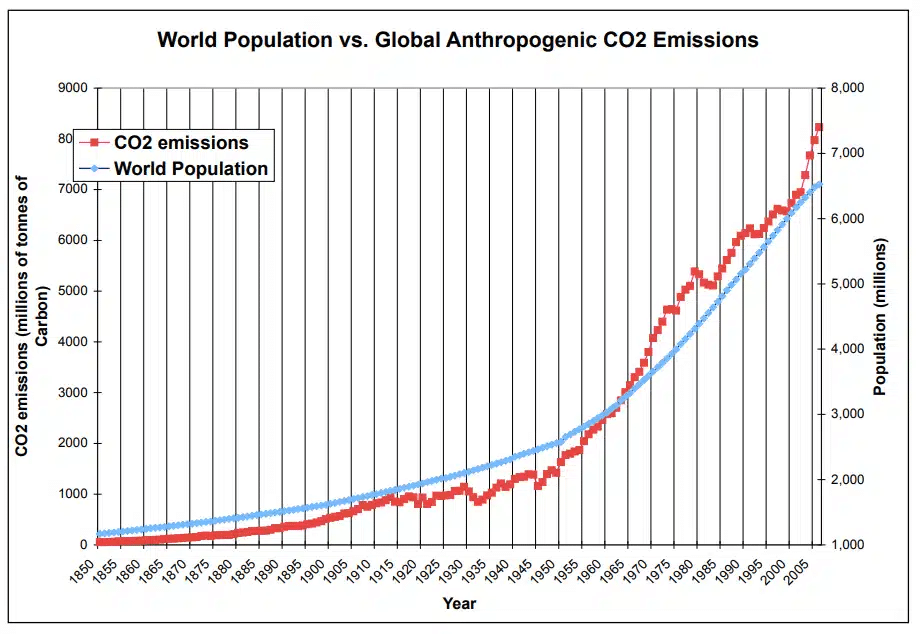
Micro, Downstream Interventions Are Being Undone by Macro, Upstream Growth and Birth-Based Political Inequity, Illegally Discounting Future Lives and Creating Liability for the Deaths of Millions.
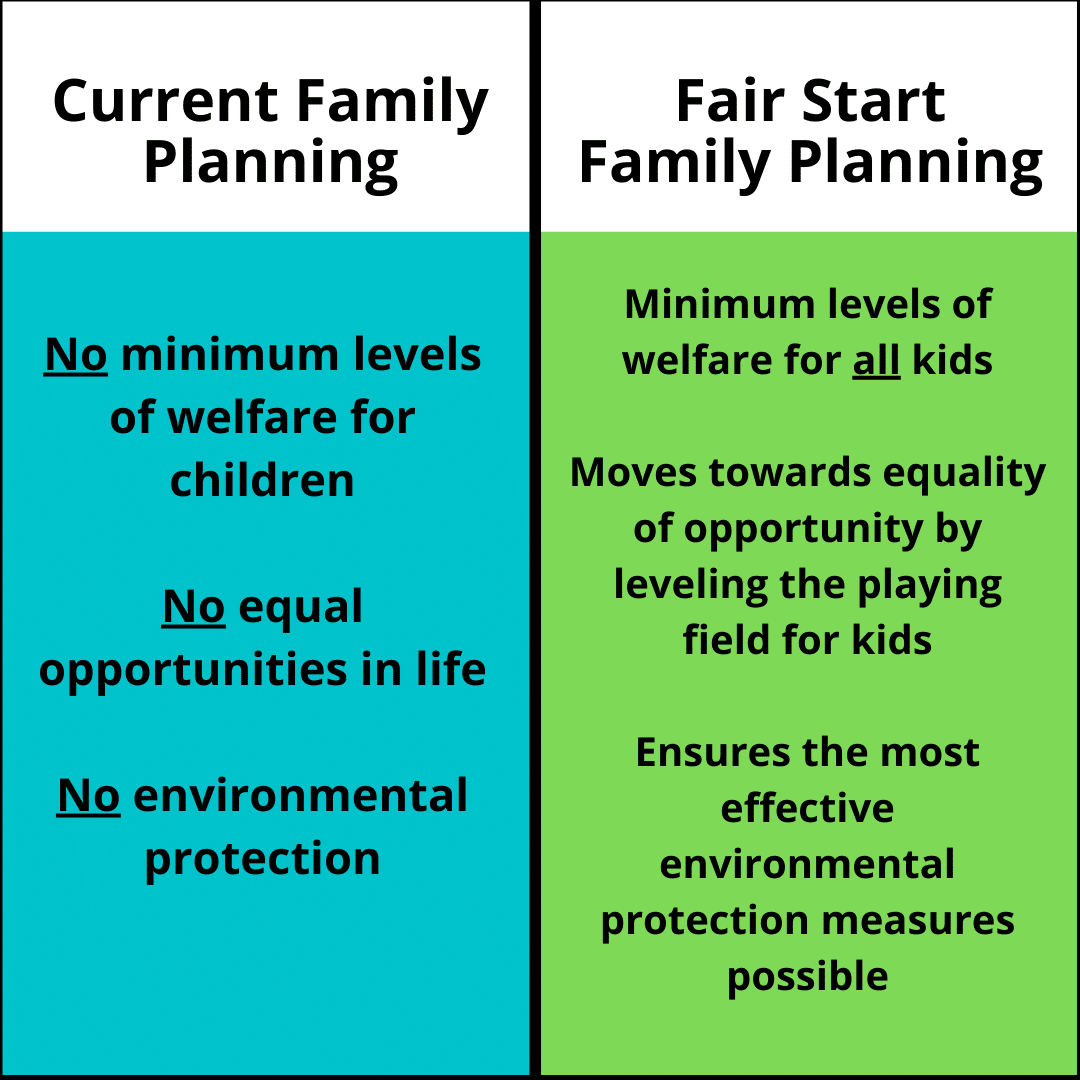
Fair Start Movement and TruthAlliance.global offer the most just and effective social justice reforms possible today—but only if we ask the right question to understand why. When someone makes a value assessment or impact claim, we must ask: relative to what? What is the baseline?
If someone claims a beneficial public impact, they should be able to account for how they factor in the variable of children entering the world, relative to what children’s rights and equity require. If they cannot, their value assessments and impact reporting may do more harm than good.
Fair Start was established by advocates who recognized a fraudulent Ponzi standard embedded in prior public-interest work.
Animal law provides a key starting point. It is both aspirational and a stark example of winner-take-all philanthropy. In the 1970s, Peter Singer advanced an illegal and fraudulent standard at the Animal Legal Defense Fund that narrowly defined animal liberation. Over five decades, that standard facilitated wealth concentration that now underwrites his Effective Altruism movement.
This standard stems from a twentieth-century power grab by wealthy families who privatized family planning to safeguard entitlements and maintain power within a coercive political system that never empowered its subjects.
These families, along with political leaders, were legally bound to adhere to a child-rights and equity standard asserting that no child is worth more than another, as outlined in the International Covenant on Civil and Political Rights. The fundamental measure of value is infant health, wellness, and self-determination—ensuring equal political influence for each individual.
Instead, they relied on a prevailing “separate but equal” standard to disenfranchise others, excluding birth equity from valuation and reporting systems.
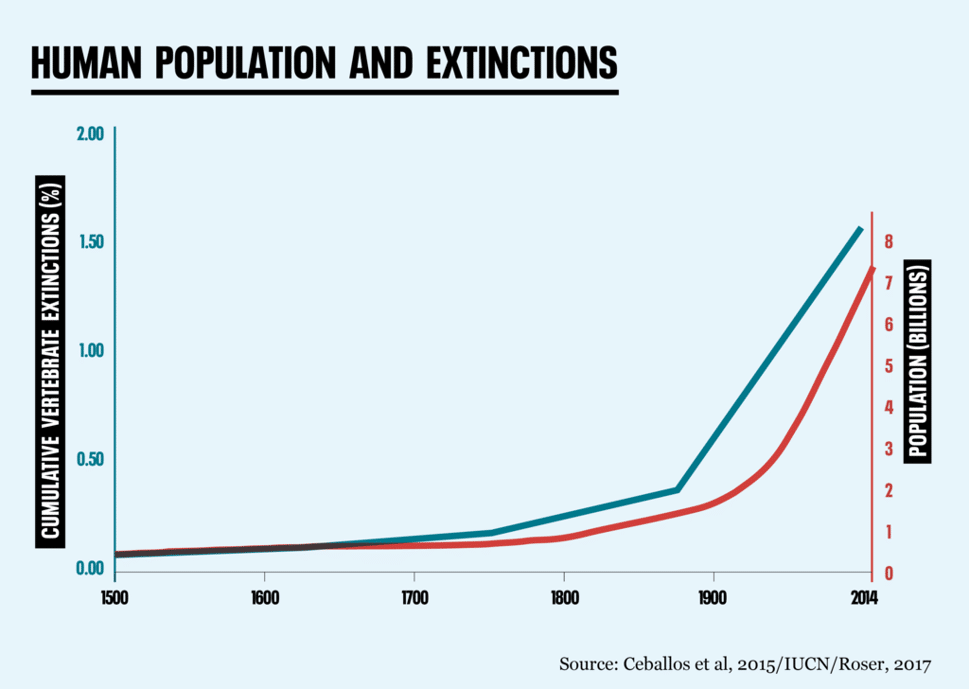
This twentieth-century power grab treated the act of having children as a matter of parental bodily autonomy rather than political equity. In doing so, it blocked the empowerment of each child—the measurable political equity that is a necessary condition of freedom—and ensured unsustainable, inequitable growth. The result has been extreme concentration of wealth, mass disenfranchisement, and irreparable environmental harm.
Growth is not neutral.
Growth produces political inequity and ultimately illegitimacy. World leaders pushed public interest and social justice into the object position of the sentence, enabling triple extraction—through birth positionality, growth-based profits, and charade-level philanthropy—from a system built on birth inequity.
This has forced us into a position where we benefit at deadly cost to others through increasingly diluted and commercialized versions of our values, making those values inaccessible to future generations. There is no way to prevent this harm other than preventing children from being brought into the world without sufficient resources and political equity. The system ensures children arrive without what they need, and in numbers and power relations that degrade the very conditions required for their survival and freedom.
Today, women “liberated” by this reproductive-rights regime—and their children—are dying in growth-driven heat waves, with no meaningful political influence to protect themselves. Meanwhile, wealthy funders who benefit from inequitable growth masked these harms for decades through downstream, performative interventions and weak standards for terms like “green,” “humane,” and “equitable,” enriching their own children at deadly cost to others.
This is about equity as empowerment—one’s influential share in one’s democracy. It is the political analogue of equity in a firm. What we have instead is a diluted, growth-and-inequity-commercialized version of freedom: a vote in a shopping mall rather than a town hall. The principle of one person, one equal and influential vote is the basis of national legitimacy. Today, legitimacy would require enough empowerment for future generations to block the climate and political harms we now face—and to reverse their root causes.
The most fundamental obligation is to position future generations, and ourselves with them, in this way. The only means is a constitutional discourse that accounts for these obligations and brings every child into the world above a measurable threshold of empowerment—within conditions and relations that make that empowerment real. Our words situate us in constitutional discourse. There is no such thing as a “private” equity entitlement outside it.
A broad professional class sustains the white-wealth bubble: lawyers who refuse to derive authority from empowerment because they benefit from not doing so; academics who ignore birth positionality and thereby forfeit neutrality; reporters and editors incentivized to produce ad-friendly sensationalism that omits birth-equity facts; campaigners and fundraisers who profit from downstream work rather than structural solutions. Together, they manufacture a fantasy of legitimacy and progress built on micro-level interventions that are easily undone by upstream growth and disenfranchisement.
They profit by blocking the threshold that would protect infants and animals, while pretending their downstream additions are meaningful. In doing so, they convert freedom into wealth through child abuse, disenfranchisement, ecocide, and deadly inequity. They take objective values meant for all and hoard them for themselves.
Fair Start activists watched these groups take extreme measures to hide liability, including reframing the issue as “population” in order to evade equity-based overrides.
The remedy is to confront those using this fraud—beginning with the Tell the Truth campaign—and to pursue state attorneys general complaints to prohibit the hidden, illegal, and highly harmful practices treated as permissible despite violating objective human-rights and democratic limits on power. Legal instruments alone do not constitute obligations. Bringing children into the world in a way that genuinely empowers them does.
There is also a preemptive cause of action for fraud, because governments can redefine what it means to omit information necessary for legitimate political obligation.
The Fair Start Tell the Truth (TTT) campaign is one way to do this.
Long-time animal-liberation advocate Zane McNeill recently highlighted the urgency of resisting current administration efforts to coerce higher birth rates—moves that would undo the benefits of nearly all contemporary social-justice efforts:
While opposing pronatalism is essential, it does not by itself address the power imbalance that enables such coercion. Fair Start reforms—including the Tell the Truth campaign, which prioritizes measurable #birthequity as a basis for national legitimacy—are the most just and effective path forward. This includes actions such as suing Coke/Fairlife to enjoin equity fraud.
To understand why, we must ask one question of anyone making public-interest impact claims: How are you accounting for children entering the world? What level of democratic empowerment do you require? Are children and animals being discounted and exploited at birth?
The campaign demands a simple admission: we all relied on a system with an embedded baseline error—one that dilutes votes, commercializes democratic relations, and overshoots political, social, and ecological thresholds, rather than enforcing a resourcing threshold beneath which no child should be born. Freedom and self-determination—and national legitimacy—are physically impossible without a shared language that creates measurable empowerment through equitable power relations.
The illegal standard relies on manufactured numbers, often via an XYZ analysis: out-of-context impact claims (X) are assessed against the variable of children entering the world (Y) in ways that degrade birthright conditions, producing outcomes (Z) that contradict the claims. This standard rewards micro-level “progress” that benefits the claimant while concealing macro-level losses driven by growth. Interventions conducted under such a system often did more to subjugate people of color than to advance their stated missions.
Our work uses the Tell the Truth campaign to preemptively establish legitimate obligations and to examine why some actors refuse to participate.
Leaders such as Suriya Khan, Gabby Mora, and Breeze Harper are telling the truth. Others, including Paul Shapiro, are not.
This all begins by challenging value and impact claims rooted in an illegal UN-developed standard (1948–1968) that caused the deaths of tens of millions through a colonial system of privatized reproductive rights designed to protect entitlements rather than measurably empower women and children.
This was political-equity fraud. It triggered multi-threshold overshoot and self-reinforcing feedback loops.
Our thesis is that admitting use of this system—and changing course through language itself—reorients obligation from governance toward future generations. The TTT campaign is supported by legal, certification, and grassroots efforts within Fair Start and Truth Alliance. Legitimacy is about obligation, and all our work reflects that value.
TTT is a constitutive discourse, not a document. It rests on individual choices about which models to use within institutions, recognizing that we all benefit at others’ expense. The campaign identifies non-constitutive language and impact reporting that ignores harm to infants and animals, demonstrating the need for systemic change.
To tell the truth is to admit participation in a system of unsustainable growth and inequitable birth positionality—one that has harmed our professed values more than it has advanced them.
There is no conception of freedom that does not require measurable political equity—enough influence to protect oneself from the climate crisis. At this stage of overshoot, liability outweighs charity or investment.
The TTT “legitimacy lever,” as our lead Suriya Khan describes it, redirects responsibility for the global death debt created by the “separate but equal” standard toward concrete demands—beginning in Africa and India—and leverages them through failed UN mechanisms into coordinated legal, corporate, and grassroots action in the U.S. and Europe. The goal is not merely to remove Trump by 2028, but to remove the conditions that produced him: a disembedded, isolated conception of freedom.
Omitting information required for zero-baseline legitimacy in public-impact reporting constitutes illegal unfair competition. Using illegitimate entitlements to oppress infants and animals—backed by state violence—is morally equivalent to violence itself.
Peter Singer and the Obligation to Tell the Truth
Animal law provides a key starting point. It is both aspirational and a stark example of winner-take-all philanthropy. In the 1970s, Peter Singer advanced an illegal and fraudulent standard at the Animal Legal Defense Fund that narrowly defined animal liberation. Over five decades, that standard facilitated wealth concentration that now underwrites Effective Altruism.
Singer continues today with a charade version of animal liberation, working with groups like Direct Action Everywhere while obscuring the political-equity and impact fraud that produced the current polycrisis. Claimed impacts collapse when assessed against an objective, preemptive standard.
True animal protection—subject-level reform—requires accounting for the human-animal relations formed at birth. Instead, animal advocacy focused for decades on downstream spectacle after macro-level property relations were already entrenched. Ending exploitation requires ending those relations, but doing so demands confronting racist birth inequity—the same power imbalance imposed on animals at birth.
Behavior is driven by fear of ostracism and coercion. The wealthy rely on diluted representation and state power to preserve growth economies. Leaders act as if votes are equal when they are not. In that context, preemptive self-defense—and defense of others—is justified.
Fair Start represents a permanent form of resistance to fundamental oppression, using language to define obligation, legitimacy, and protection. The first laws are those that account for our creation relative to one another and the environment. No one is above the law.
All Fair Start is, is the research conclusion that all facts are relative to values, and value and impact claims either constitute or deconstitute legitimate political systems relative to a legally required ideal of measurable empowerment. It is physically impossible to be free without a preemptive, obligatory, collective discourse of family planning ensuring all children are born above a threshold of empowerment. The Tell the Truth campaign is the closest thing to that discourse. Deconstituting legitimacy through inaccurate statements is equity fraud and subject to preemptive equity injunctions, because authority derives from constituting—from telling the truth.
What really drives behavior? Fear of ostracism and coercion. The wealthy use state violence and the threat of prosecution to control people, but few know the state operates on diluted representation necessary for growth economies that benefit the top. Leaders act as if votes are equal. We have a right to preemptive self-defense, and defense of others, in that context.
Fair Start represents a permanent, ubiquitous, and indefatigable form of resistance to fundamental oppression, using language to identify perpetrators and obligations. It clarifies who belongs in the legitimate linguistic community of obligation,entitlements-to-ensure actual or on-balance values, and protection, and who does not. All laws should be fair.The first laws are laws that account for our creation relative to others and our environment. And no one is above the law
This year, Fairstartmovement.org is launching the Tell the Truth campaign, calling on prominent social justice figures to acknowledge their failures as the climate crisis worsens and claims millions of lives.
At the root of these failures is the neglect of a fundamental issue: the impact of population growth and power dynamics on the success of their reforms. This oversight has consistently undermined progress, enriching a small percentage of mostly white families while causing devastating harm to communities of color.
For decades, activists including myself were discouraged from addressing this issue, allowing wealthy funders to exploit growth-driven inequities that fuel the crisis.
This is not a debate. Tell the Truth simply asks key figures to disclose how their advocated values have been systematically undone in the last three years as children entered the world without the necessary resources, further degrading ecosystems and eroding political representation.
Take Peter Singer, for example. He should acknowledge how his work in animal liberation—whether in terms of animal suffering, welfare, or rights violations—has been undermined by economic growth that primarily benefited his backers. Instead of relying on misleading projections for food investments, he should measure real harm using a zero-baseline approach that accounts for self-determination and the broader consequences of unchecked population growth.
Singer’s advocacy for Effective Altruism repeats this fundamental error, promoting a model of philanthropy that redistributes wealth gained at the expense of animals, the environment, and children’s rights. His framing of animal liberation has ultimately enriched a privileged few rather than meaningfully improving welfare.
If he truly cares about animal liberation, he must incorporate population impact into his cost-benefit analysis—something he has never done. Now is the time to start.
When we factor in the climate crisis, the numbers reveal the truth: his work has benefited investors in vegan food and other industries more than it has protected animals or vulnerable people. Intentions aside, Singer and others have contributed whether through negligence or omission to the same demand-driven growth that fuels environmental destruction. Unlike Exxon, which drives emissions through supply-side actions, Singer claims to advocate for animals while enabling the very system that harms them.
Animal rights claims are highly falsifiable when examined through real data. Will legacy and hype take precedence over preventing further deaths in this crisis?
Contact Peter Singer and urge him to tell the truth.
A real solution? Support UN-backed reforms that ensure future generations receive the wealth these failures have created.
This goes beyond greenwashing approaching fraud. As the death toll rises, legal systems are evolving to hold accountable those who facilitate the crisis through misleading narratives and omissions.
This year Fairstartmovement.org will engage in the Tell the Truth campaign, urging prominent social justice figures to admit failure as the climate crisis accelerates and kills millions.
At the base of all of the failures is their not having accounted for children entering the world, or the actual creation of power relations, when they urged reforms. That factor was undoing, every day, the benefits their reforms would have ensured. Instead, that factor resulted in the enrichment of a small percentage of mostly white families at deadly cost to countless families of color.
I and many others were encouraged to ignore that issue in our activism, for decades, so that the wealthy funders could take advantage of the growth and inequity driving the crisis.
This is not a debate. Tell the Truth means just urging key figures to disclose how the values they championed were undone – over the last three years – as children entered the world without the resources they need, and in ways that degraded their ecologies and disenfranchised them politically.
For example, we can urge Peter Singer to disclose how his animal liberation work, from the numbers of animals suffering and general impacts on welfare to daily violations of rights, was undone in the last three years by growth that benefitted his backers.
Ask him to relate the numbers to zero baselines that account for actual harm including the value of self-determination, like these, and not projections for food investments.
If we account for the climate crisis the numbers – in both fields he championed – will show him enriching vegan food and other investors, not benefitting animals or vulnerable humans. It’s not about intent. Yes, Exxon and others’ supply-side work drove emissions, but only in response to the same growth-based demand that Singer and others enabled (even if done so simply as a matter of negligence). And Exxon never claimed to be liberating animals.
Animal rights claims are the most falsifiable when we run the numbers. Is hype and a questionable legacy more important than staving off deaths in the crisis?
This goes beyond greenwashing towards fraud, and as deaths mount legal systems are evolving to prohibit drivers of the crisis like moving wealth in deadly ways through omissive messaging.
Please consider making a contribution through Donate. Together, we can create lasting change to save next generation
She remains so until she takes account of the primacy of her positionality, and acts on it.
We can’t get to justice, legitimacy and an obligation to follow the law from the injustice of violating children’s birthrights and assuming children of color deserve exponentially less resources and more risk. Doing that has done more harm than we did good. How? Exploiting mothers’ vulnerability to ensure growth, and not first ensuring reparative family reforms that assure children birth and development conditions consistent with the Children’s Condition, does more harm to all of our missions than we are doing good, because the power dynamics that choice creates is degrading the ecological capacity of the planet to ensure infant health – the first and only measure of value.
At the end of this post we ask her to prioritize intergenerational justice, not as an issue siloed from her animal work, but as the correct basis for it.
Introduction
The climate crisis is intensifying, and killing millions who had little role in causing or exacerbating it. At the same time a small percentage of persons have become obscenely wealthy. Many are asking if there has been a fundamental failure of justice – in the actual creation, at birth, of power relations – that we should all address. Many entities in those nations most responsible for the crisis are using the same fraudulent political systems, and impact / reporting standards, that caused the crisis in order to hide liability.
Fact: The failure of world leaders for decades to ensure a measurable fair start in life, both ecologically and socially, for all children has done more to harm the practice of justice than Nussbaum and other luminaries have done to further it. There is no form of justice, and certainly not animal justice, that ignores the actual creation of human and nonhuman relations. And it’s very hard to change a future child’s prospects once they are born, so true justice first focuses on thresholds beneath which children should not be born. Most thinking about that threshold seems focused on welfare. But if we use a metric or value like self-determination, the idea of intergenerational justice actually becomes a the first necessary condition for political obligation, the first rule, or what is required to owe others our allegiance to a legal system. Nothing is more primary than our birth-determined relations to others.
When the reproductive rights regime was developed and put into law, the architects conflated the acts of having kids and not having kids equally as a matter of parental bodily isolation. But creating a child is the least isolating thing one can do – it’s interpersonal in nature, not personal, and it is in fact the basis of our relations – it’s constitutive: https://mahb.stanford.edu/blog/family-planning-offers-the-best-means-for-combating-climate-change-an-interview-with-carter-dillard-fair-start-movement/.
Autonomy as isolation, out of context, was effectively an extension of the racist “separate but equal” thinking at work at the time.
Nussbaum’s work ignores this primary issue – the largest determinant of animals lives.
This is a failure many funding the fields of animal law and justice are eager to ignore because they made their wealth on the growth and inequity that together are killing many as temperatures rise. Climate change and inequality are interconnected crises that disproportionately harm the most vulnerable, requiring immediate, systemic action. This is not a choice on a menu of public interest interventions. This work relates to the inescapable system of costs, benefits, and obligations we are all born into, the largest driver of outcomes, and the choice to exploit that system or legitimate it.
There is no universe in which beneficial impacts, taken out of context from their relative position to birth equity, occurred. Use of such-out-of-context claims hides the fundamental driver for the deaths: Enabling the powerful over the vulnerable
Fair Start is writing Nussbaum openly for a reason
That backchannel and time consuming discourse is what one might call distracademia. In light of the immediate horrors of things like growth-exacerbated heat waves, much in the modern animal protection movement – like the academy and its questionable impact – seems more like a self-aggrandizing garden club that has been funded by the clear cutting of local forests than drivers of a true social justice movement.
At a meta level, beyond the façade, is Nussbaum assuming entitlements she should not?
Liberalism, and freedom, mean being empowered. How could that possibly happen outside of the context creation, development and emancipation? Are academics exempt from this relative positioning? Those who reject fair creation obligations limit themselves to a version of freedom that is leading to the death of others. Why not change the entitlements default while engaged in the discourse to avoid that? Would Martha have focused on this change, decades ago, if she had known how the climate crisis would unfold?
It’s very possible we should define fundamental political group membership, and the deserving of collective protection, based on the level of protection members would extend to infants and animals. Those rejecting self-determining protections for these vulnerables through things like parental delay and readiness incentives would themselves fall outside the scope of being owed protection because there would never be a way to explain why they have shown the reciprocity necessary for membership. They are not included in any collective “we.” Deserving that, being included in a legitimate system, is not onerous and could just require backing high level birth protections for infants. For those who do not, it’s unclear why they deserve basic protection in political systems which are, at base, premised on inclusion.
That is all we are asking Nussbaum to do – to consider resetting the default for obligation, and protection, while she engages in discourse.
There is an analogy for the shift that is needed:
All work is done on a floor that is falling apart, and some want to keep going while others fall through. These free riders threaten us all. Why? It is physically impossible to be free, as in self-determining, if we cannot ask and then assure that persons are created, developed and emancipated in ways that offset equally their capacity to influence political systems equally, relative to a neutral position or objective standard for evaluation.
Those entering the world are either not empowered, or we all have no choice but to be subjected to their power and influence – including their degradation of the environment around us. We should instead empower the governed, not the government and the wealthy.
All evidence suggests that not ensuring all children a measurable fair start in life, and birth and development conditions consistent with the Children’s Rights Convention and the Human Right to a Healthy Environment, has done more to harm all social justice goals, including individual freedom, than any other efforts have done to further them. In many cases when one factors in loss of political equity, or one’s effective shares in democracy to control the influence of others, many public interest organizations have spent more on lavish travel and events than furthering their missions.
But we don’t talk about this because it means admitting the historic subversion of civil rights through family inequity, and the treating of children of color as deserving a fraction of what white kids deserve, while assuming those children of color should suffer the brunt of the climate crisis. The wealth we see in the world today carries massive debt because we all benefitted from the violation of children’s rights to make it, bringing children into the world as means and not rights-bearing ends.
Whatever Nussbaum said, she lived a life of benefiting from not having to assure her own values in the birth-creation of others’ power relations, for example, in the funding that would have backed her work. All of that wealth would have been made in disregard of the lives of animals and the most vulnerable children because their interests are absent in the fundamental family creation norms that entitle wealth.
Nussbaum clearly avails herself of the benefits of our legal system, to protect herself for example, without deriving that system back to, and conditioning its legitimacy upon, measurably empowering those subject to it. That is the problem – one the impacts the freedom of others in a way that calls for a reaction.
Abstract academic debates about ethics, often funded by concentrations of wealth and power reliant on inequity and growth, threaten to exacerbate the results of the climate crisis by forestalling law and policy reforms. Many of the debates derive from the same Eurocentric vestige of colonialism described above – the historic entitlement of wealthy families to exploit birth positionality relative to colonized nations – nesting in the human-rights regime.
Academia should be objective and that doesn’t mean ignoring one’s positionality. It actually means first accounting for it, especially to avoid contradictory exploitation and entitlements that conflict with one’s values.
They will silo off values, like animals’ rights, from the issue of who the humans – the performance of which those rights depend on – should be. They will avoid discussions of their full positionality. They will avoid explicitly conditioning state authority on empowering each person equally.
If the micro-liberation of nonhumans looks like open rescues at factory farms, the macro would look like “real new deal” social contract demands for reparations in exchange for child-centric planning that would ensure a truly climate-restored and bio-diverse future in which humans are empathetic enough to be inclined to treat nonhumans well. But many academics, whose interests do not align with macro reforms, ignore the latter.
These academics often assist funders in coaptating the values, imitating and redefining things like animal rights and mutual self-determination of humans and nonhumans, creating something that looks like the value but more aligned with their interests.
Fair Start has shown that a necessary condition for something to constitute “animal law” would be that it can actually benefit nonhumans, including accounting for the creation – through our birth and development – of their relations with humans. There are influential funders in this space however that define the field to specifically avoid that issue, going so far as to selectively report developments in the field to hide the way macro forces like growth undo the value of granular “victories” at a macro level. This benefits the funders, and wealthy their kids, as deadly cost to nonhumans and mostly vulnerable children of color. Both Nussbaum and the funders have affirmed their views of animal law and justice in this regard, with Fair Start activists in communications the activists can provide.
Our language, by not including the impact children entering the world has on our values, work, and missions, hides costs we foist on others and blocks our ability to derive obligations to follow the law back to a condition of its actually measurably empowering those subject to it. The hiding means we value the things in our lives by taking the idea of self-determination out of context, ignoring how our lives very much determine others – climatologically for example. At a subject-subject level of animal liberation, it would not mean that we have social contract obligations with nonhumans as voters or contractors. It would means that their presence influences who the human persons we share our democracy with are and should be. That’s what matters to nonhumans.
As discussed below, one solution is to legally require disclosures contrasting claims about values with the actual ecosocial baseline children need to experience value, and how their birth and development alters that baseline in a way that harms infants’ needs.
We have all benefitted at deadly cost to future generations, a fact quickly manifesting now as the climate crisis intensifies.
None can be allowed to ignore creation ethics / positionality. Where, when and with which resources we are born is the largest determinant of outcomes in things like the climate crisis. And in terms of justice, and political obligation, there is no more basic a choice than how to deal with and offset our creation positionality, and the benefits and costs it conveys, intergenerationally for example.
Our collective failure to deal with the unjust and unsustainable system of growth that created our own birth, developmental, and emancipatory positionalities is leading to the death of millions. Academics are not immune from this systems of benefits and costs. In fact leaders in the academy are some of the most responsible given their decoy effects.
We should all admit our benefitting at deadly cost to others based on never ensuring all children the fair start in life justice required. Doing so now, and changing policies to internalize the costs we foist on others, can save lives. Doing so would allow us to require fundamental social coordination around a norm which is infinitely easier to use than a written constitution of the sort we have in the U.S., a thing unknowable to most – and more backed by guns than collective reason and understanding.
Nussbaum’s work and claims contain the same self-serving baseline error as the work of Cass Sunstein. Instead of self-determination in the accurate sense, law and policy forced our thinking into an immediate focus on other humans that veiled our creation. How? Again, our legal and political systems treated having children as an act of autonomy, bundled up with the act of not having children, because that form of autonomy would define the concept of power in a way that avoided questioning certain entitlements.
The dangerous and powerful were the men with guns in government, and the castle of the home was an autonomous zone to be protected from it. That’s not the definition of the conception of power that makes democracy work. Power is any form of human influence, the mass aggregate of human activities that is killing millions in the climate crisis, and it begins as we—and our relations to others—are created fundamentally through birth and development. Watch for others entering the world, not the leaders with money and guns they will become.
This was power over others, not self-determination for all, and the misconception mainly operated by taking the element of time out of the equation and assuming certain relations rather than requiring birth and developmental self-determination. However, families are not just part of the social contract but constitutive of it.
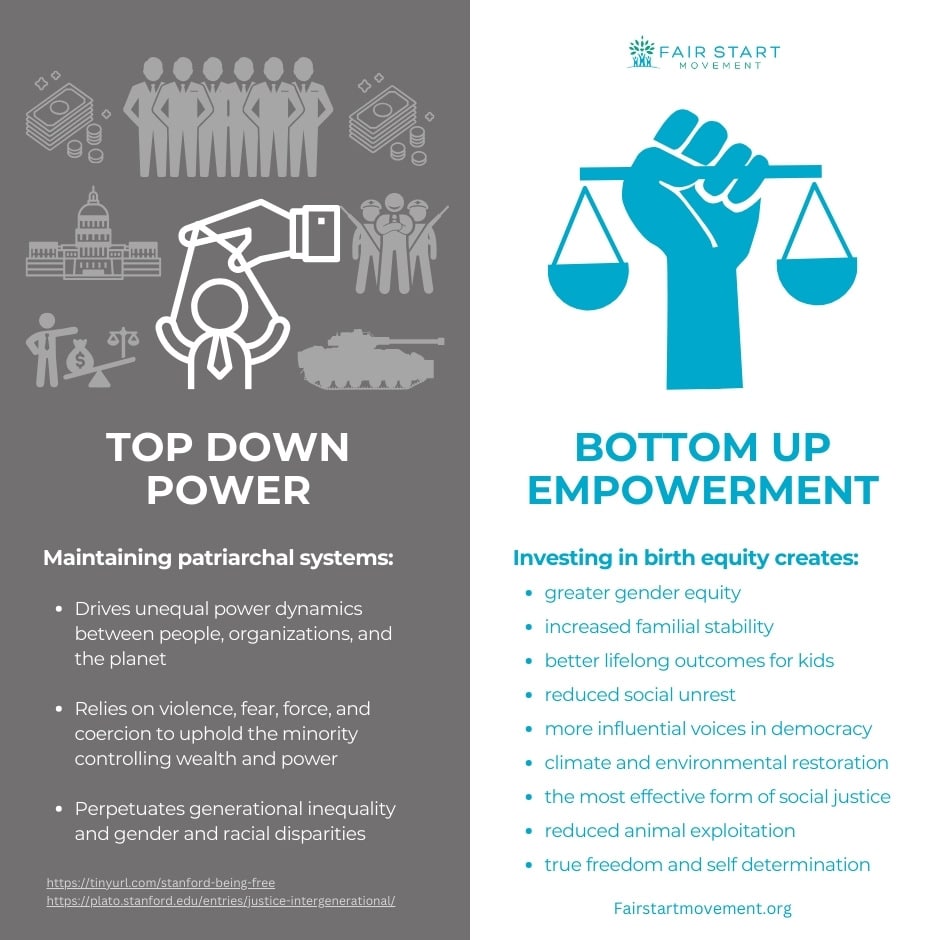
Instead of racing others to the bottom for how bad we can act or be, the natural and temporalized threshold for being is based on hard metrics linked to physical conditions in the world, and it is much easier to see and achieve in a collective setting, like care modeling, than a nuclear family. This is a binary choice between acting obligated towards bottom-up systems of investment and inclusion, or top-down systems of governmental violence that exploit low levels of child welfare to create growth that kills animals and destroys nature.
But as the climate and relate crises worsen, there are fewer reasons to continue to make that mistake. In essence, if we do not change the standard, we are inclined to “double dip,” to ignore birth positionality – the fundamental system most driving the outcomes, the main determinant, while pretending we are saviors ensuring justice. The Fair Start, “Tell the Truth,” theory of change takes claims each of us have made that assumed state authority and wealth entitlements not conditioned on the actual empowerment of constituents, has us admit those claims were fallacious, and urged us to now commit to elevating the empowerment threshold as an obligation above state authority.
This mimics some of the truth and reconciliation work in other contexts, but with future children.
Nussbaum is a luminary. She is also a person who simply benefitted at deadly cost to others, as many of us have. She can be a leader in fixing the fundamental cause of that. Martha will have air conditioning this summer. Some infants near her in Chicago will not.
For example, we could ask whether she would consider who – between wealthy families uniquely responsible for the climate crisis seeking to defend their wealth, and impoverished would-be mothers needing resources to defend their future children’s choices in life, would have a superior claim to use state violence?
But as the climate crisis intensifies and kills millions who had little role in causing or exacerbating it, and at a time where a small percentage of persons have become obscenely wealthy, many are asking if there has been a fundamental failure of justice that we should all address.
Fact: The failure of world leaders for decades to ensure a measurable fair start in life, both ecologically and socially, for all children has done more to harm the practice of justice than Sandel and other luminaries have done to further it.
We have all benefitted at deadly cost to future generations, a fact quickly manifesting now as as the climate crisis intensifies.
None can be allowed to ignore creation ethics / positionality. Where, when and with which resources we are born is the largest determinant of outcomes in things like the climate crisis. And in terms of justice, and political obligation, there is no more basic a choice than how to deal with and offset our creation positionality, and the benefits and costs it conveys, intergenerationally for example.
Our collective failure to deal with the unjust and unsustainable system of growth that created our own birth, developmental, and emancipatory positionalities is leading to the death of millions. Academics are not immune from this systems of benefits and costs. In fact leaders in the academy are some of the most responsible, and we should all admit our benefitting at deadly cost to others based on never ensuring children the fair start in life justice required.
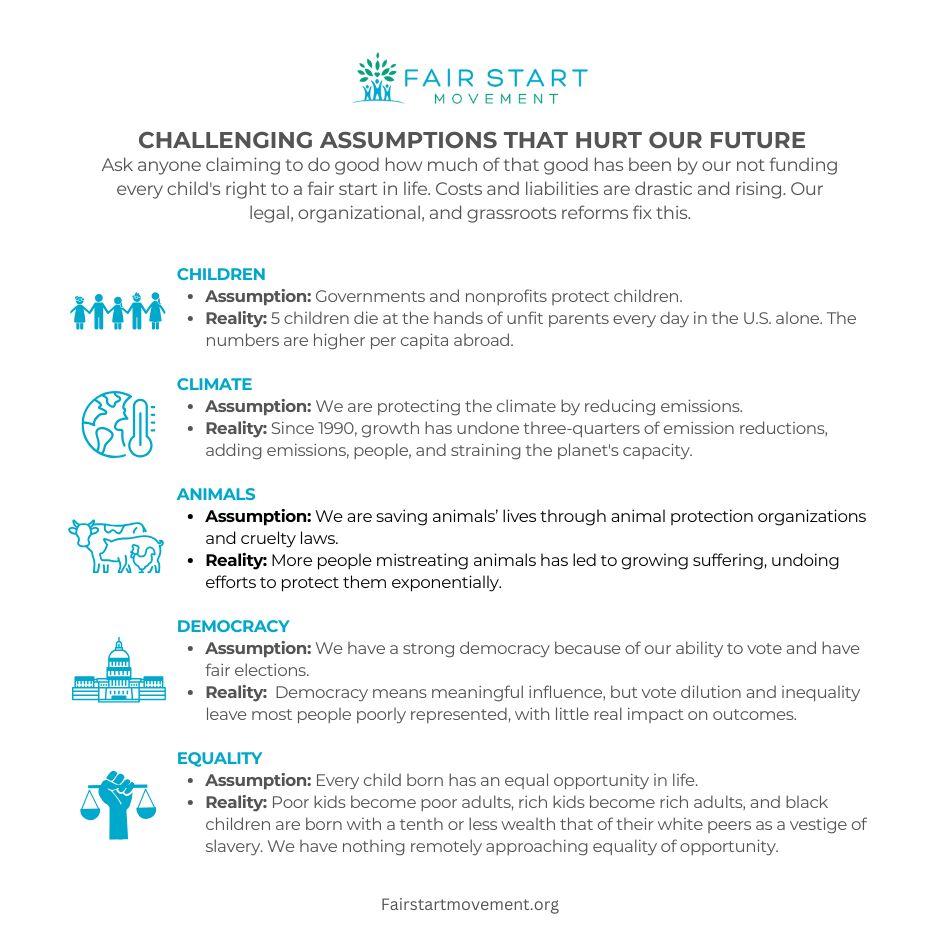
Ask anyone claiming to good work in the world to account for children being born without what the Children’s Rights Convention promises those kids in resources and rights. Then ask the person claiming to do good to reassess their claims. You will see a lot of good that many claimed to do actually fall away, by metrics we all believe in, with harm escalating as temperatures rise.
The full title of his famed 1975 book, Animal Liberation, is Animal Liberation: A New Ethics for Our Treatment of Animals. His failure to promote an “our” consistent with animal liberation – ensuring entitlements first drive smaller and more equitable and empathetic human communities – vastly undid his work and masked the key drivers of the climate and inequity crises killing millions today.
Humans are animals, so inclusive animal personhood just means functional human rights – something Singer undercuts.
Fact: Not ensuring all children a fair start in life, as the first and overriding human right, does more harm to animals than Singer’s work on food reform does good – by far. The inequity and growth he ignores causes more suffering and death to animals, and humans, than vegan food reforms save.
And it’s only getting worse as the climate crisis sets in. Don’t get scammed. Ensuring children a fair start is the most effective way to free children, animals and the rest of us. Instead of backing justice, Singer benefits at deadly cost to others by hiding how his positionality harms humans and nonhumans – allowing him to appear as an altruistic savior when in fact the wealth he guides in the effective altruism movement was made at deadly cost to the animals he claims to value, and in contravention of the utility he uses as a base metric.
What are real animal rights?
Again, humans are animals. Animal rights and law focuses on nonhumans because of their unique vulnerability. Why then not focus on infants and animals, and the creation of fundamental power relations? Those like Singer and others do not because that level of comprehensive vision involves equity, race, democracy, and other factors that require true tradeoffs against one’s positionality. Effective animal rights is expensive.
It’s easier to ignore all of that.
True animal rights and law focuses on the creation of power relations, and limiting capacity to harm others – the capacity that is the core of the Anthropocene and the antithesis of animal rights.
How is that animal liberation? How is it not racist to refuse children of color a fair start in life? Would Singer not be eager to ensure the fertility delay and readiness reparations discussed below because (among serving other values), they compensate for the absence of animal rights in human reproductive rights regimes, and evade harm to animals in the future?
He (and others, like Heather Gerken, who oversees animal law programming at Yale Law School) should admit they were wrong to not have done this before, and aid in moving the deadly wealth their work mis-entitled – much of it sitting with effective altruism funders – to now save human and nonhuman lives via fertility delay and readiness reparations. We can also make legitimate claims against the privileges of his children, whom he benefited through a performative form of animal liberation at horrific cost to other children.
The animal rights movements has been like a garden club celebrating nature on a micro level, while refusing to intervene in the clear cutting of the forests around the club, often because they benefited from their own silence. That happens enough and ecological catastrophe sets in, while effective altruism and other offshoots now use wealth made at cost to the professed values to drown out black and other more vulnerable voices demanding effective reforms, like treating black birth equity as the overriding human right. Animal rights advocates and lawyers often choose to continue the charade because their illusory audience and impacts seem better than not talking about these things, even if the underlying system undoes them. A better approach would be to choose a system that does not undo the work.
Who is responsible for the climate crisis?
Concentrations of wealth and power, including philanthropic funders, in those nations most responsible for the climate crisis often use institutions and individuals – media, nonprofits, universities, agencies, think tanks, celebrities, etc. – to create a fantasy world of social justice impact that hides liability. The fantasy world ensures wealthy whites benefit at deadly cost to mostly persons of color. As early as 2003, activists now involved with Fair Start were urged by the nonprofits in which they worked to promote food reforms as a means to benefit animals, reforms they and their employers knew were being undone by growth and inequity which enriched only a few.
Not addressing birth inequity allows some to treat inherited wealth and other privileges as somehow magically outside of the democratic process, and to use it, their positionality, and growth to slowly disenfranchise the average voter. We are now at a place where these families and their concentrations of wealth and power can use the wealth they made through the sustainability scam to attack the democratic process itself.
Singer’s beneficial impact is being undone as children enter the world without the resources their rights require, resources that would empower children to constitute – to be included – in legitimate political systems of self-determining peoples. Singer instead starts his proposed reforms by ensuring the capacity of the powerful to punch down and exploit the vulnerable, and in a way that benefits a few at cost to many. This burdens the children of wealthy families with increasing death debt – a debt which must be paid at some point, and saddles businesses with billions of dollars in increased climate costs.
Singer’s life, and the life of his kids – these are worth no more than other lives.
Fair Start reforms and debt/savings birth accounts mean no child’s life will be made worth more than the life of another. This reform targets the fraud wealthy white families and fake charities in polluting nations have been using for decades to hide liability for the climate crisis.
These families and their concentrations of wealth and power have not created value. Instead they first used poor family planning to create their own audiences and artificial demand by ensuring dismal standards for child development and education, treating people as economic inputs rather than citizens while benefitting from the appearance of inclusive and functional democracies.
Ask them: How do you account for children entering the world on what you value, and claim to do? How do you ensure self-determination for all? You are looking for sustainability, or impact, fraud.
In the core sustainability scam that drove the crises, many charities focused on sensational, micro-level campaigns while quietly undoing beneficial impacts with macro-level and inequitable family policies that enriched management as well as those funding the entities. You can urge your attorney generals to correctly account for the harms, and ensure preemptive justice for the most harmed.
Please consider making a contribution through Donate. Together, we can create lasting change to save next generation
Singer is best known for his views on animal ethics. In his book Animal Liberation he popularized the term speciesism, which he defines as “a prejudice or attitude of bias in favor of the interests of members of one’s own species and against those of members of other species”. See https://utilitarianism.net/utilitarian-thinker/peter-singer/
Singer was instrumental in developing the Effective Altruism framework described as:
Effective altruism (EA) is a research field and practical community that aims to find the best ways to help others, and put them into practice. See https://www.effectivealtruism.org/
On any given day Singer or EA enthusiasts made claims about creating benefit, those claims were being vastly undone as children entered the world without entitlements to share equity (equity, like equity in a company, where you have a measurably equal and influential role in outcomes) and beneath minimum thresholds of wellbeing, thereby degrading their own environment and exacerbating the climate and other crises we see today.
Millions are dying because of these mistakes. Some might have questioned the legitimacy of a system likely to cause the death of hundreds of millions of persons, and exponentially more nonhumans. There is no evidence Singer or EA enthusiasts are questioning it, even as it enriches them.
Singer, and the funders who backed him, made animal rights more about selling vegan food in unsustainable growth-based economies than what it really is: The fundament of social justice, a requirement to first be a species that co-exists and cares for others. This cost countless lives, but enriched many.
Why the Entry of Children Into the World Matters Most
Systems ensuring children entering the world as such – without share equity entitlements – degraded your ecological and social self-determination, and that of the children born, because the systems are using the children for economic growth rather than treating them as the constituents of democracy. Given mounting deaths in the climate crisis, the exploitative and unsustainable growth Singer and EA adherents enabled will do more harm – by the metrics of how they lived, what they said, and the legal systems from which they benefitted – than they will have done good.
Nations cannot legitimately assign entitlements without continuously constituting themselves in way the measurably empowers each citizen. It’s called share equity – which again is like equity in a company, where you have a measurably equal and influential role in outcomes.But right now most nations treat their constituents as economic inputs, consumers and workers designed for growth, rather than citizens with an equal and effective voice in their political systems. Governments take a share of wealth in the form of taxes, rather than justly entitling it first to ensuring the entry threshold for children.
Animal rights is a human idea, and must come from a legitimate human rights orientation consistent with animal rights outcomes. Micro animal rights, like open rescue, cannot come from a macro orientation of anthrocentric domination.
The public prominence of Singer and EA was funded by wealth made under this illegitimate system, at deadly cost to many, drowning out the voices of the unentitled. Many involved in Fair Start work were paid by their employers to omit from public statements how growth was undoing the claimed benefits for animals, and other EA favored outcomes, and enriching mostly white children at deadly cost to black children. These employers were often funded by interests that benefitted from growth, e.g., vegan food investors.
One in particular was specifically advised that growth was undoing the claimed benefits for animals, and risking ecological catastrophe, but he continued funding the work – lauded by the recipient organizations for doing good. He knowingly risked lives with his lies, and as the crisis unfolds he will be made an example of – to show how it was caused.
TAKE ACTION: Urge Singer here to admit these facts and to call for EA enthusiasts to back reforms at the United Nations that would prioritize share equity as the fundamental value necessary for legitimating any system. To the extent that he and EA leaders do not, they are hiding liability for climate reparations and illegitimately holding and using wealth – backed by the violence of the state – that could save innocent lives.
For many who understand that their own freedom is contingent on the birth and development thresholds for all children, this will take Singer and EA leaders outside of the protection of a legitimate legal system where each persons is empowered, because Singer and EA leaders would have refused the first term of the social contract – to be fair.
This makes them key targets in efforts to legally preempt and – through crowdsourced action – shift illegal entitlements in order to evade millions of climate-related deaths. Claims of animal liberation, on the edge of countless deaths caused by the Anthropocene, that exacerbate that situation may be the most glaring example of Winners Take All – a but also a chance to make examples of those involved, to show what it means to do better, and to decolonize wealth and the nonhuman world at once.
For truly free persons who wish to orient their lives based on a system of being empowered with share equity rather than living under extreme wealth entitlements made via inequity, backed by state violence that cannot be justified, there is no obligation that comes before ensuring the thresholds for being and development, described below. Doing so constitutes freedom at the first border of power, a border that overrides and precedes national borders.
We owe our first obligations to the governed, and the future majority, and never the government which has no inherent authority – especially not to protect concentrations of wealth and power, and those that lie for them. Why focus on Singer? Animal liberation, and the legal system necessary to achieve it, is perhaps the highest ideal of human progress to date. Defining that idea in a way that evades critical protections for nonhumans, and enables today’s catastrophic state of affairs, causes harm by decoying efforts away from effective work. Singer is well aware of the failings of his work, and should use his substantial wealth and influence to fix obvious errors.
Here are eight metrics, and how then can be used to assured share equity entitlements, including reparations for climate harms. We cannot evade impacting all these values when we have children, hence Singer’s focus on animal liberation as an abstract concept accomplished neither liberation for humans or nonhumans.
Welfare – ensuring things like health, nutritional and educational outcomes that are measured based on the world as it would have been had the United Nations in1948 actually used self-determination – rather than reproductive isolation of families – as the standard for who we should be.
Nature/environment (e.g., measurable emissions) – limiting emissions to levels that would not have caused the crisis, generally less than 280 ppm, and requiring the restoration of full biodiversity towards optimal ranges consistent with low-end UN growth projections.
Having an equal and influential share to determine all laws, including constitutional provisions – limiting representative ratios to those fitting with low-end UN growth projections.
Democratic, not economic, levels of trust – Metrics for trust among citizens must show their willingness to trust each other with legislation, and all lesser included forms of trust that implies.
Real efficiency – Ensuring outcomes, like gross domestic product, are based on the inclusion of others as equals, not exploiting others in disregard of the capacity of all to contribute highly.
Self-determination, or share equity, to limit the influence others have over you – Whether you are free requires an amalgamation of the other metrics above.
The high human and nonhuman deaths counts we see attributed to the climate crisis assume our current near-universal reproductive rights standard, the one that caused the crisis by ignoring the primary and overriding self-determination rights of future generations. Peter Singer, for decades, backed traditional reproductive rights modeling even though it was doing more harm to animals than his work on animal liberation was doing good.
Singer did the same, but can correct the harm he caused and also lead Effective Altruism backers to also change course simply by admitting the facts of how children entering the world without sufficient resources for years reversed the good he he promoted, and how inverting our first obligations and influence can allow us to do better.
Because we now owe climate reparations to the future generations harmed by our accumulation of wealth, the true cost of which was placed on them, and mostly children of color who are least responsible for the crisis, those traditional reproductive rights systems will have to change to avoid benefiting a few at deadly cost to many.
Many thought and other leaders who failed future generations and would have to pay for the benefits they enjoyed at cost to others are hiding their liability by omitting information when making claims.
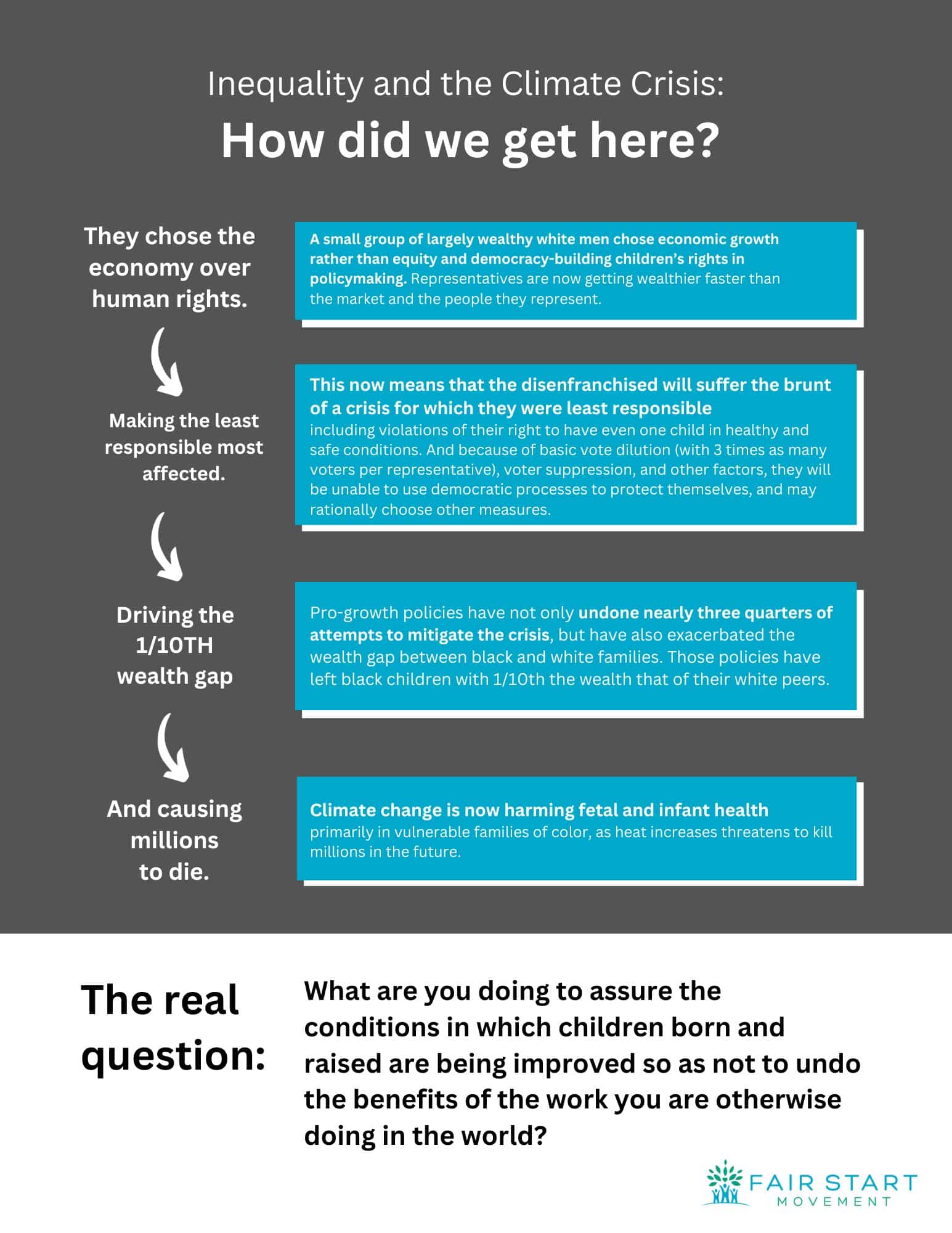
We can identify key leaders like Singer to role model the change by asking them about their views on child welfare and reproductive rights, and about how their approach – with no real protections for the children born – has undone many of the good things they publicly claimed to have done. We can ask of all claiming to do good: What are we doing to first ensure – as a fundamental policy – that the conditions in which children are born and raised are being improved using simple metrics, and so we are not undoing and misstating the benefits of the work we otherwise do?
A quiet filing before the United Nations is urging these disclosures as well as changes to the fundamental reproductive rights regime that correct the fundamental problem.
TAKE ACTION: Urge Singer, at psinger@princeton.edu, to admit that not basing his animal liberation work on share equity undercut the results, and that as the climate crisis unfolds, liberating nonhumans will require no longer exploiting future generations but rather improving their birth and development conditions.