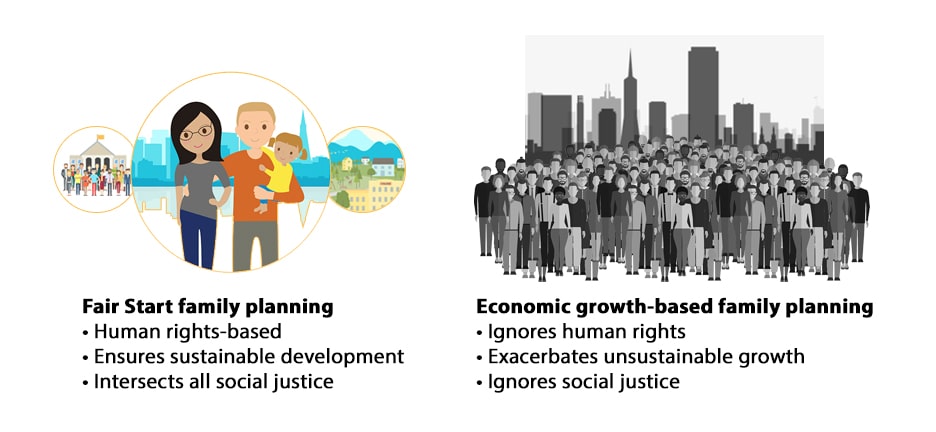
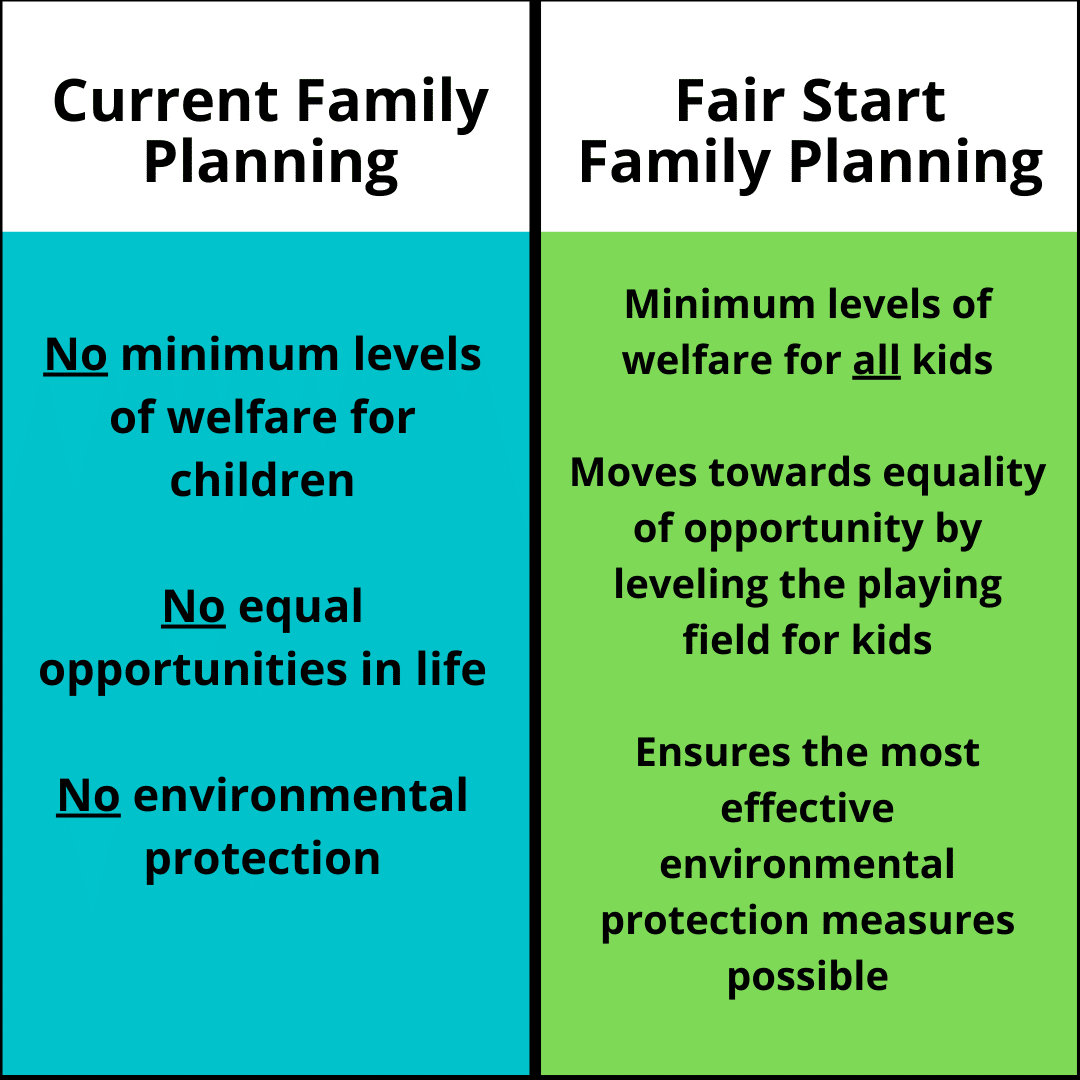
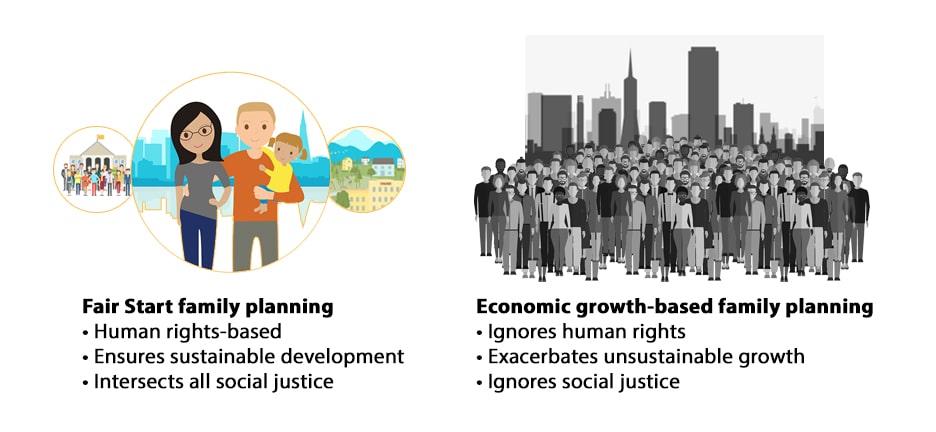
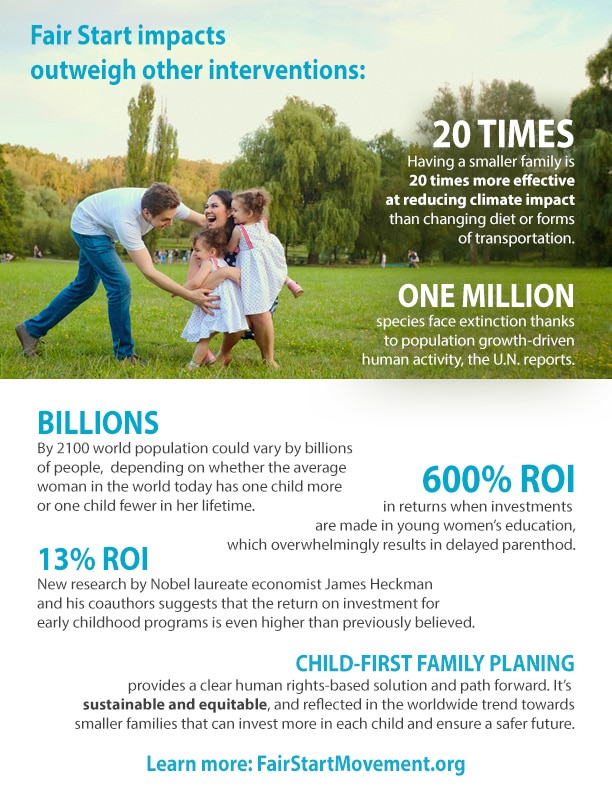
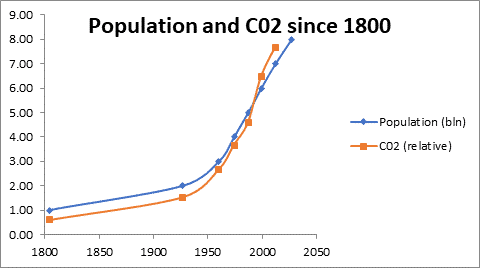
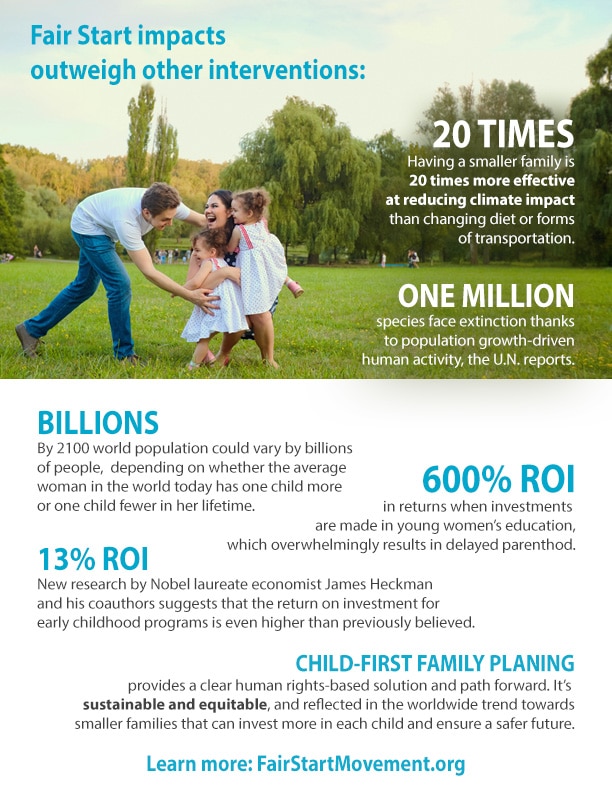
t really makes no sense when you realize those growth-based policies violate human rights as well, robbing future children of what they deserve in life by ensuring no minimum levels of investment and welfare in each child.
By Appbirdky – Own work, CC BY-SA 4.0, https://commons.wikimedia.org/w/index.php?curid=131834975
Children are being tortured and killed by their parents. They will die in the climate crisis. Why? Because a few men in leadership continue to favor profitable population growth over sustainable and equitable family planning entitlements – something that betters the way we plan families and has the greatest impact – as the first human right. Continuing will ensure those least responsible for climate, inequity and other crises suffer their greatest consequences. We can change course by targeting these men, much the way movements in the past focused on choke points to make true change.
This question helps us spot the #famscam. It’s a scam run by nonprofits, media and businesses – making it seem like we are reducing or refining consumption, and reducing climate emissions, through abstract top-down reforms, while quietly, bottom-up increasing the number of consumers to maintain profitsmargins. The pro-growth policies they hid undid roughly 3/4ths of the climate mitigation attempted in the last few decades, and ensured there are more animals in factory farms, less wildlife and nature, and greater inequity, than ever before. That undoing will kill millions.
They are assisted by nonprofits, media and businesses that – through growthwashing – hide that growth and its impacts, creating a fantasy world of progress for animals, children, and the environment that is just not there. The pro-growth policies they hid undid roughly 3/4ths of the climate mitigation attempted in the last few decades, and ensured there are more animals in factory farms, less wildlife and nature, and greater inequity, than ever before.
Massive environmental organizations ran campaigns to protect particular tracts of land while quietly backing growth policies that have ensured mass extinction and wildfires on those same tracts of land. Giant animal charities ran million dollar campaigns to expand cage sizes in factory farms for millions animals, or featured vegan products as a form of cutting edge social change, while silently choosing family models that ensured billions of new animals would enter the supply chain.
Faking progress while hiding deadly growth, especially when we have a right to take the resources that would stop it, will ensure the death of millions. It’s a scam run by nonprofits, media and businesses – making it seem like we are reducing or refining consumption and climate emissions, through abstract top down reforms, while quietly bottom-up increasing the number of consumers to maintain profits.
Continuing will ensure those least responsible for climate, inequity and other crises suffer their greatest consequences.
To avoid scams, and see the truth, you can ask one simple question of any person or group claiming to do good: What have you been doing to deal with the basic connection between children being born, and things like child welfare, the climate crisis, animal rights, or anything else you might claim to care about?
Making the world a better and more free place requires dealing with fundamental human relationships as they are created, and how humans will relate to nonhuman ecologies, not theoretical relationships. And that starts with and requires changing the way we plan actual families, moving from systems based on what parents want to what children need, with the Children’s Rights Convention as a minimal planning standard. That means actually looking forward. It starts with using questions like the one above to call out liars, those who use fake versions of social justice that – when examined – actually start by using future generations to convert the nonhuman world into wealth for a few men.
How could we possibly think we are protecting animals while ignoring the creation of the humans who will harm them? Organizations avoid this issue because it is hard to navigate, and they can make money on low impact campaigns instead. Every problem we face today stems from family policies that inequity and pushed growth over children’s rights – treating us like fodder for shopping malls rather than citizens for town halls. Why keep making that mistake?
This does not have to be about making the world a better place. How are the children being born into the world today limiting your personal freedom? How will they degrade the climate you need to survive, increase other threats to your security, and limit your role in functional democracies – you right to an effective say over the rules under which you must live? How will widening inequality further degrade the communities in which you live? Being free means being obligated only to follow legitimate laws (including laws that protect wealth at the top) which begin by empowering each person to be relatively self-determining – and in a measurable way. It means taking democracy, the limitation and decentralization of power, seriously.
Either way, ask the one question of anyone claiming to work towards a better future.
TAKE ACTION:
Ask any nonprofit you support this crucial question: What have you been doing to deal with the basic connection between children being born, and things like the climate crisis, child welfare, or anything else you might claim to care about?
ChatGPT is an open access artificial intelligence system growing in popularity. We asked the system about kids, and the need for a fair start in life.
This is what it said:
Yes, all children deserve a fair start in life. Every child, regardless of their circumstances, should have access to the resources, opportunities, and support they need to reach their full potential. A fair start in life includes access to quality education, healthcare, nutrition, housing, and a safe environment free from abuse and neglect. Ensuring that every child has a fair start in life is not only a moral imperative but also essential for building a prosperous and healthy society. By investing in the well-being of our children, we can create a better future for all.
And as for how to give them that? We asked this: How do we give all kids a fair start in life?
Giving all kids a fair start in life requires a multi-faceted approach that involves addressing a range of factors that can influence a child’s development and opportunities. Some of the key factors that can impact a child’s early years include:
Access to quality early childhood education: Research shows that early childhood education can have a significant impact on a child’s cognitive and social development, as well as their future academic success. Ensuring that all children have access to high-quality early childhood education programs can help level the playing field and give them a strong foundation for future learning.
Access to healthcare: Regular access to healthcare can help ensure that children stay healthy and are able to develop to their full potential. This includes providing access to preventative care, such as vaccines and check-ups, as well as treatment for illnesses and injuries.
Nutritious food and adequate housing: Children who experience food insecurity or unstable housing may struggle to learn and grow to their full potential. Providing access to healthy food and affordable housing can help ensure that all children have a fair start in life.
Supportive families and communities: Children who have supportive families and communities are more likely to thrive. This includes providing access to safe and nurturing environments, as well as social and emotional support.
Equal opportunities: All children should have access to the same opportunities, regardless of their background or circumstances. This includes access to quality education, healthcare, and other resources that can help them reach their full potential.
By addressing these factors, we can help ensure that all children have a fair start in life and the opportunity to reach their full potential.
Note that ChatGPT does not specify when we should take the necessary steps to ensure these things. So we asked another question:
Should we change our family planning policies to ensure all children a fair start in life?
Family planning policies can have a significant impact on ensuring that all children have a fair start in life. While every country has its own unique set of circumstances, there are a few general ways that family planning policies can be changed to help achieve this goal:
Access to contraception: One of the primary ways to ensure that families can plan their pregnancies and have the number of children they desire is to ensure that they have access to a range of contraceptive options. This can help reduce unintended pregnancies and enable parents to plan and prepare for their children’s arrival.
Education: Providing education and information about family planning can help individuals and couples make informed decisions about when to have children and how many children they want to have. This education can also include information about maternal and child health, nutrition, and child development.
Healthcare: Access to quality healthcare, including prenatal care and pediatric care, can help ensure that children get a healthy start in life. This includes access to vaccinations, regular check-ups, and timely treatment of illnesses and conditions.
Support for families: Providing support for families, such as parental leave, child care, and family-friendly workplaces, can help parents balance work and family responsibilities and provide the care and support that children need.
By prioritizing these areas, family planning policies can help ensure that all children have a fair start in life.
Eloísa Trinidad is Executive Director of Chilis on Wheels and a well known liberation activist, drawing all forms of liberation into one form of activism that furthers the interests of all vulnerable entities.
Listen to her vision and methods here:
People can follow Eloisa and connect with her here:
Eloisa is working on food justice, among other things.
TAKE ACTION:
The USDA is inviting public comments from US-based organizations, schools, and individuals on its once-every-five-years proposed revisions to the child nutrition meal patterns. There is a real opportunity for these new rules and regulations to facilitate more nutritious, plant-forward, and culturally appropriate menus. We know this is your goal, so I am providing a resource to help you share your position with USDA by its May 10 deadline for public comments.
The Healthy Future Students and Earth Coalition has created an extensive set of template comments for allied organizations centered on how the updated child nutrition meal patterns can support plant-forward menus and plant-based, climate-friendly, and culturally appropriate options. Additionally, we created a shorter template and toolkit geared toward parents and students.
There are two major ways you can help:
Include some or all of the asks in our template comment to USDA in your organization’s comments by May 10. The top of the template includes instructions for how to submit your comment.
If you have students or caregivers in your network, share the caregiver/student toolkit with your network as soon as possible. The toolkit includes a sample outreach email and social media posts. Personal stories and challenges accessing healthy food are of the utmost importance when submitting comments.
We greatly appreciate your partnership with these two actions. Additionally, please let us know if there is anything our coalition can do to support your efforts around the meal patterns or school food advocacy more broadly.
Please feel free to share this email with partners, organizations, groups, and individuals in your state and across the country.
*Note – we changed the content on May 11th based on advice from a social change leader urging that we should be less confrontational, and more collaborative. This was the advice:
I think framing John Raymond as a bad person who needs to have his money removed from him is not a angle that readers can get behind, since he is just doing what ambitious capitalist Americans do. Let’s face it, if most Americans were in John Raymond’s shoes, they would have done the same thing. The argument would be that John Raymond’s son or daughter will have to do differently, as our world cannot continue having this economic system that it does. And if Raymond loves his children, he will change his ways NOW since we do not have time to waste. So instead of us preying on John and taking things from him, framing it as John giving to the world by changing his ways because he loves his kid might be a better tactic.
And because he is in the business of fossil fuels, the wealth he “owns” was made at cost – through the climate crisis – to those in the future. The cost of much of his family’s wealth could be the death of millions.
John T. Raymond is great example of the climate trolley problem, recently covered in Newsweek. What if you could save millions by engaging one man? You can. John. T Raymond is worth hundreds of millions of dollars, money made by externalizing costs and risks on others.
One could argue that the positive law entitlements described in the first link of this paragraph must control in the absence of agreement otherwise, but unpacked that boils down to doing what the government – the men with guns – says, because it is the government. But that, as a reason, is the opposite of the ideal of American freedom.
This is all beyond liberalism or conservatism. We might equally target the lead at the New York Times – Joseph Kahn – for his role, his use of power, in holding up the family system that created John’s wealth.
TAKE ACTION: Contact John here through his agents, and urge him to do the right thing, or find and reason with him lawfully and peacefully in person and we will publicize your bravery. Free persons will limit and decentralize the influence others have over them (including climatological influence) by physically constituting just communities, relative to a neutral baseline like a restored climate and nature, such that we are not interfering with the freedom or relative self-determination of others.
John, using some of his wealth to give back to future generations and reorient what we mean by being free, could lead in this regard.
Want to be effective? Target other choke point high-value targets like Vladimir Putin (who financed western oil companies) or Joseph Kahn, lead editor at the New York Times, who urges women to have kids to in order to further grow the economy that is ensuring the climate crisis.
The comment – combined with an assessment of her policies more generally – shows that Boebert does not orient from a sufficiently just and reasonable position, and thus falls outside of the realm of reasonability necessary to be part of a social contract that is the basis of American freedom.
Similarly, nothing in her policies suggests she would ensure minimum levels of social development for each child born. No reasonable person would submit to a democracy where other citizens are not developed to participate in that democracy – to join others as equals in a town hall debate to control the rules under which they should live. They certainly would not submit to millions of others raised with no such levels. Is it hard to define welfare and social development for all of this? The Children’s Convention did the defining, decades ago.
In other words, Boebert’s not constituting a just and free society because she is ignoring the necessary development of its members. She believes it’s ok for peopleyou do not trust to have power over you, or she rejects the idea that governance and obligation to follow laws derives from the people.
Free people will condition their obligation to follow the law and respect property rights on this change, and on being democratically empowered using a simple inversion test, because only these changes ensure they will not be impacted by others – through even subtle things like the climate crisis and bad parenting – against their will. The obligation to follow the law stems from systems being fair and free, and systems start with family policy.
Boebert is preconstitutional, promoting an fantasy world of freedom that ignores actual power relations, and their creation or constituting of their relations.
Take action: Urge Boebert here to adopt Fair Start modeling in her policies to correct all of this, and to be reasonable in a way that enables democracy, and the freedom it allows.
By Esther Afolaranmi. Esther is a Law Graduate from Bowen University, and will be working with the Animal Activist Legal Defense Project at the University of Denver this year. Esther has career interests in corporate/commercial law practice, real estate management, family law and a keen interest in human rights. She enjoys and excels at being the voice of the voiceless.
In fulfillment of that legal obligation Fair Start is funding the Seeds for the Future program. The money Fair Start gives into this is not a donation. It was an approximation of what we owe based on how our wealth externalized its costs on future generations relative to a power neutral baseline.For Exxon that figure would be exorbitant, and dozens of interviews with political/legal theorists later, none can tell us why Esther’s demand for family-based climate reparations does not precede and thus override political processes.
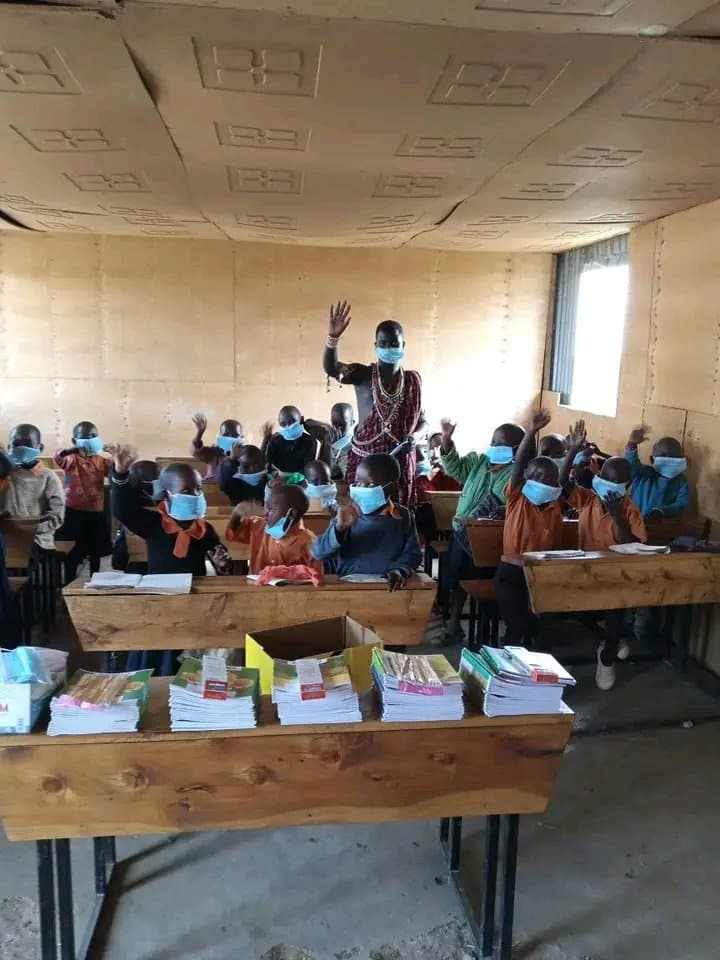
Cheerful African Ethnicity Infant Carrying Healthy Water for a dehydration concept
This creates a future where birth equity entitlements determine family planning outcomes. In the spirit of Bell Hooks, love should be our guide and if it takes a village to raise a child it take a village to plan for and invest equitable in them.
This change can be be made within nations, in domestic legal systems, as well. For example, domestic law can be amended to promote birth equity over family autonomy, targeting those like Elon Musk who never paid the costs of their massive wealth, costs laid on the backs of women and children.
Climate restoration involves the process of reversing the damage caused by climate change and restoring the natural systems that have been impacted by human activities. The concept of birth equity depicts that every child born into a society has an equal chance at life, regardless of their race, ethnicity, or socioeconomic status.
The idea of linking climate restoration with birth equity as a legal obligation is what we propose. We suggest that in order to address climate change and restore the planet, we must also consider how we bring new life into the world and ensure that every child has an equal chance at a healthy and sustainable future.
This approach acknowledges the fact that certain populations, such as low-income communities and communities of color, are disproportionately affected by the impacts of climate change. By prioritizing these obligations, we can work towards addressing these disparities and ensuring that every child has access to the resources and opportunities needed to thrive and that’s what the Seeds for the Future Project is about.
The Seeds for the Future campaign aims to address food insecurity, harsh climatic changes, wealth injustices, children’s rights and family size at grassroots in Uganda.
We reckon that implementing this concept as a legal obligation (though some may choose to give as charity) would likely be challenging. It would require significant changes to our legal and social systems, as well as widespread support from policymakers and the public. We are ready and committed to championing this cause.
Drought, hunger , food insecurity, disease , population increase due to climate crisis . People are dying younger than they were dying in past centuries. The Global North is continuing to turn their deaf ears, listening to songs of suffering global South and they only give empty pledges. Global North organizations , donors and foundations have continued to fund nonprofits registered in Global North who come to Global South to generate reports without working on the root cause of the climate crisis .
Here Amanda discusses the impacts of her decisions to break free from the family molds that confine how many others live in order to write her own life story, and to show us her profound and self-authored vision of family and love.
Her freedom has freed others – ecologically, socially, and in terms of how she shows others what is possible.
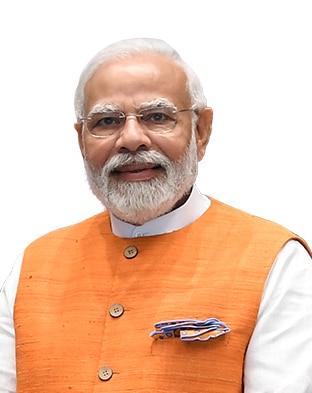
On India’s Independence Day on August 15, 2019 India’s Prime Minister Narendra Modi called on the central and state governments to implement policies to control the country’s population growth rate: “Population explosion will cause many problems for our future generations. We have to be concerned about population explosion. The central as well as state governments should launch schemes to tackle it,” Modi said in his Independence Day address before the nation’s iconic Red Fort in Delhi according to NDTV. The prime minister also called on Indian couples to have smaller families and praised Indian citizens who have already embraced smaller family norms, saying that having fewer children is “an act of patriotism.”
In November, 2022, the Supreme Court refused to entertain the petitions seeking directions to control the population, saying it is for the Central government to look at the issue of population control. The Supreme Court also said that it was not an issue where the court should interfere.
However, in November the Court also ruled that under India’s Medical Termination of Pregnancies Act, 1971 (MTP Act), and its related rules, all women are entitled to safe and legal abortion, regardless of their marital status. This enables legislation that would seek to reduce family size.
At the same time, India shows great disparity in equality of opportunity among children. A recent study used two rounds of Indian National Family Health Surveys and concepts of Inequality of Opportunity and Human Opportunity Indices to measure inequality arising out of unequal coverage of full immunization and minimum nutrition for Indian children. The results suggest overall high level of inequality of opportunity with substantial geographical variations. Changes in inequality of opportunity in the two services during 1992-1993 to 2005-2006 were mixed with some geographical regions outperforming others. The findings also call for substantial policy revisions if the goal of universal full immunization and minimum nutrition has to be achieved. See https://www.jstor.org/stable/41487420
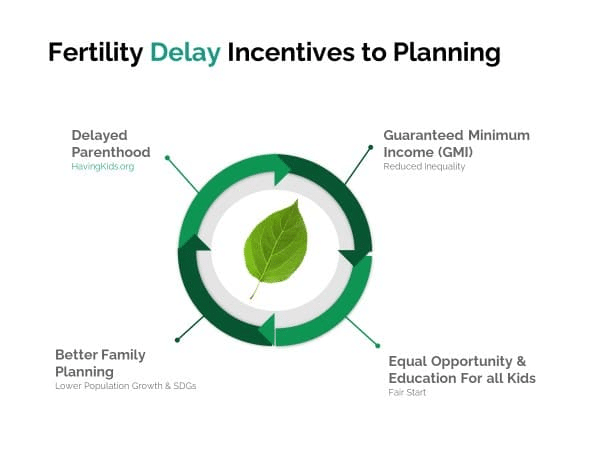
Modi’s call for a smaller family policy can thus be recast as a promoting equity, through measures which mimic calls for reforms to U.S. tax policy using devices such as “baby bonds” which create savings accounts for children, and could be used to incentivize delayed fertility.
More specifically:
1) Cut all benefits to wealthy families who don’t need the funding.
Moreover, these policies can override conflicting rights and policies because family planning is the first norm from which others derive, accounting for the creation and existence of persons, from whom governance and all of its practical norms derive: See https://bolognalawreview.unibo.it/article/download/13299/12829
The actual policy changes would flow from 1) the UDHR and International Bill of Rights, and a correct interpretation of Article 16, see https://fairstartmovement.org/fair-start-file-update-to-un-human-rights-council-petition-our-overriding-right-to-nature-and-equity/, to 2) mandate scaled family planning entitlements, like baby bonds, through India’s current family incentives progam. In an effort to encourage Family Planning (FP) adoption, since 1952, the Government of India has been implementing various centrally sponsored schemes that offer financial incentives (FIs) to acceptors as well as service providers, for services related to certain FP methods.