Category: Race, Class & Human Rights

  • Recognizing Grassroots Power for Birth Equity, Climate Repair, and Justice in Women Care Groups in Africa.

    Recognizing Grassroots Power for Birth Equity, Climate Repair, and Justice in Women Care Groups in Africa.

    Summary – “Across Africa, groups of women are coming together in their communities to tackle poverty, hunger, and inequality in simple but powerful ways—supporting families, sharing knowledge, caring for the land, and standing by the belief that every child matters equally”

    Across Africa, some of the most powerful solutions to poverty, hunger, and inequality are not coming from large institutions or global conferences. They are coming from women gathered in small circles in villages, under trees, in homes, and in community meeting spaces.

    These women care groups are made up of mothers, grandmothers, farmers, caregivers, and community organizers. They work quietly, often without recognition, yet their impact is profound. At the most basic level of society the household and the village they are strengthening families, protecting children, and rebuilding community resilience. In many ways, their work reflects the core values of Truth Alliance and the Tell the Truth Campaign: the belief that real justice begins with honesty about inequality, and with the simple but powerful principle that no child is worth more than another.

    Birth Equity Begins at Home

    Birth equity means that every child no matter where they are born—should enter the world with equal dignity and a fair chance to live a healthy life. In many African communities, women care groups are the first line of protection for that principle. They share knowledge about maternal health, safe pregnancy, breastfeeding, and child nutrition. They support pregnant mothers, check on newborns, and help families understand how to keep children healthy during their earliest and most vulnerable stages of life.

    But their work goes beyond health education. Women care groups challenge the quiet assumption that some lives matter less than others simply because of where they are born. Through their care and solidarity, they affirm a truth reflected in the International Covenant on Civil and Political Rights that every human life has equal worth.

    Starting from a Zero Baseline

    A powerful idea sits at the center of this grassroots work: every child should start from the same moral baseline.

    This “zero baseline” does not mean every family begins with the same resources. Rather, it means that no child should be considered less valuable or less deserving of opportunity.

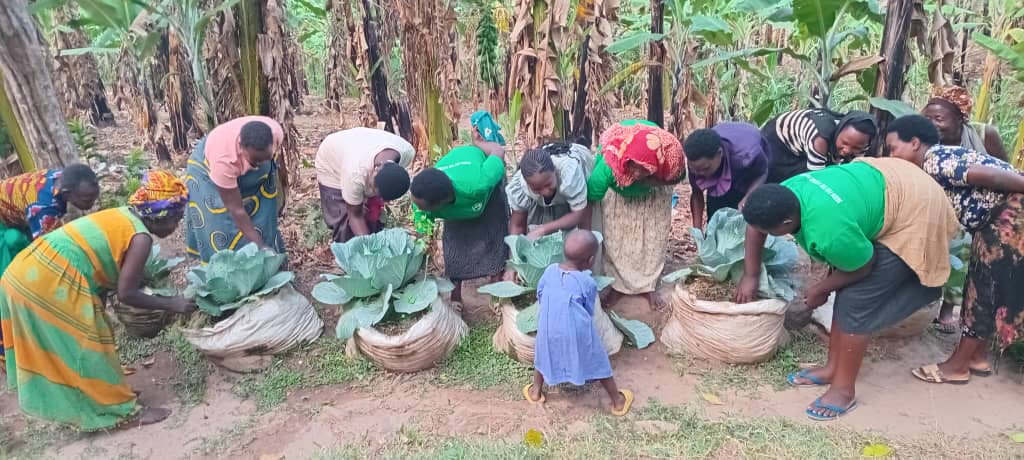
    Women care groups put this idea into practice every day. They create shared food gardens, savings circles, and community support networks so that families facing hardship are not left alone. When crops fail or a child becomes sick, neighbors step in to help.

    This spirit of collective care helps prevent the deep inequalities that often grow when families are isolated. It strengthens communities and protects children who might otherwise fall through the cracks.

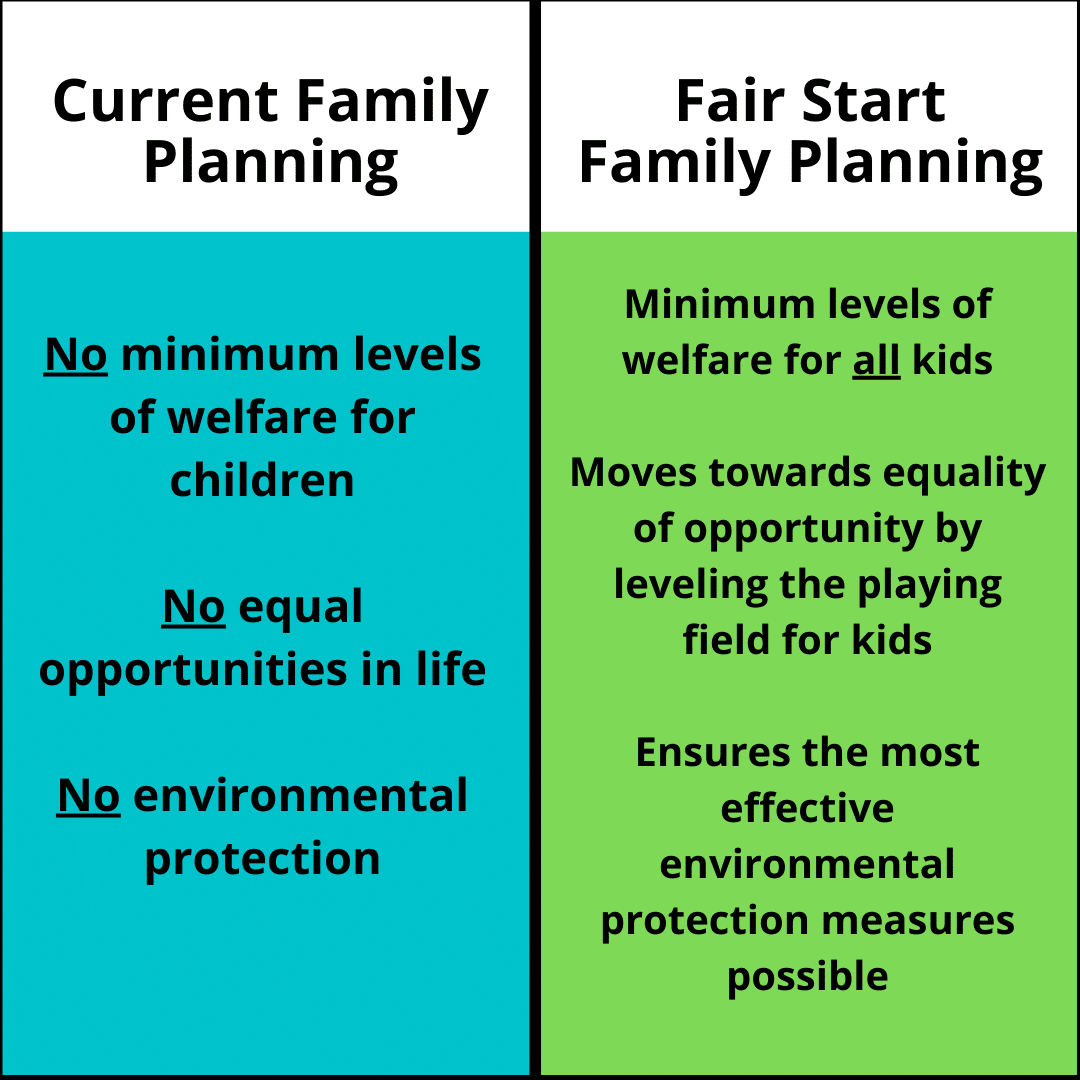
    Family Planning info card

    Climate Repair through Local Action

    Africa contributes only a small share of global emissions, yet African communities often suffer some of the harshest impacts of climate change drought, flooding, crop failure, and rising food insecurity.

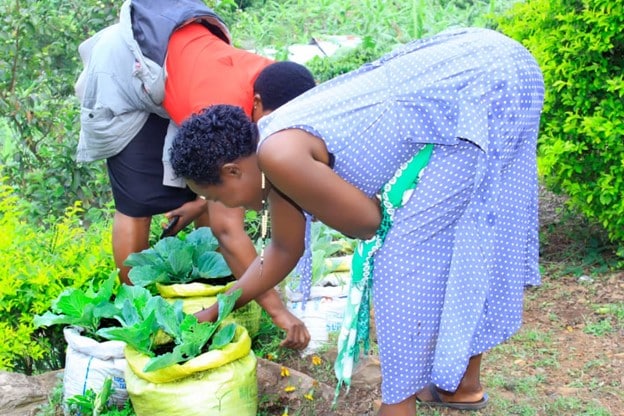
    Women care groups are responding in practical ways. Many organize kitchen gardens, plant trees, conserve water, and teach climate-resilient farming methods. These small actions improve soil health, increase food production, and protect local ecosystems.

    Organizations such as Rejoice Africa Foundation have shown how these community-led efforts can tackle both environmental and social challenges at once. When women grow food locally and restore the land, they reduce hunger while strengthening resilience against climate shocks.

    In this sense, their work represents a form of climate repair not only through funding or policy, but through restoring the conditions that allow communities to survive and thrive.

    Addressing the Root Causes of Poverty

    Too often, development programs focus only on immediate problems distributing food, treating illness, or responding to emergencies. While these efforts are important, they do not always address the deeper causes of poverty and inequality.

    Women care groups take a more holistic approach. They work to tackle underlying challenges such as:

    • Poor household nutrition
    • Limited health knowledge
    • Environmental degradation
    • Economic vulnerability
    • Social pressures that contribute to large family sizes

    Through open conversation, shared learning, and mutual support, women encourage healthier birth spacing, improved nutrition. They also strengthen women’s voices in household decisions.

    Through focusing on causes rather than symptoms, these groups help communities move toward long-term stability.

    Reducing Hunger and Preventable Disease

    One of the clearest impacts of women care groups is improved nutrition and health.

    Community gardens provide vegetables and fruits that enrich family diets. Nutrition education helps mothers prepare balanced meals for children. Hygiene and sanitation practices are shared through trusted relationships, allowing life-saving knowledge to spread quickly from one household to another.

    These simple steps help reduce malnutrition and prevent diseases that continue to affect millions of children worldwide.

    The result is powerful: healthier mothers, stronger children, and more resilient communities.

    A Movement Rooted in Truth

    The experience of women care groups teaches an important lesson: lasting change rarely begins in distant offices or international meetings. It begins where life itself begins—in families, neighborhoods, and villages.

    By caring for one another and protecting the next generation, these women are already practicing the vision promoted by Truth Alliance and the Tell the Truth Campaign.

    Their work quietly exposes a global contradiction. Many systems speak about equality while allowing deep inequalities at birth to persist.

    Women at the grassroots are showing that a different path is possible.

    No Child Is Worth More than Another

    The principle is simple: every child has equal worth.

    But if that truth is taken seriously, it has profound implications for how the world organizes its resources, policies, and priorities.

    Climate policy, health systems, development funding, and economic opportunity must all reflect that same commitment to human equality. African women working through care groups are already living this truth through everyday acts of cooperation, compassion, and resilience. Their leadership offers a powerful blueprint for a more just world.

    The responsibility now is not to replace their efforts but to recognize, support, and learn from them.

    When communities begin with the understanding that no child is worth more than another, justice stops being a distant idea. It becomes something real grown in gardens, shared across households, and protected by women determined to secure a better future for the next generation.


  • Urge Peter Singer to Tell the Truth. His Work for Animals Failed Because It Was Based on the Equity Fraud Standard.

    Urge Peter Singer to Tell the Truth. His Work for Animals Failed Because It Was Based on the Equity Fraud Standard.

    Urge Peter Singer to Tell the Truth

    Fair Start is Working to End the Corrupt Public Interest Charade That Created Trump With a Yes-or-No Campaign on How We Measure Impact.

    Micro, Downstream Interventions Are Being Undone by Macro, Upstream Growth and Birth-Based Political Inequity, Illegally Discounting Future Lives and Creating Liability for the Deaths of Millions.

    Fair Start Movement and TruthAlliance.global offer the most just and effective social justice reforms possible today—but only if we ask the right question to understand why. When someone makes a value assessment or impact claim, we must ask: relative to what? What is the baseline?

    If someone claims a beneficial public impact, they should be able to account for how they factor in the variable of children entering the world, relative to what children’s rights and equity require. If they cannot, their value assessments and impact reporting may do more harm than good.

    Fair Start was established by advocates who recognized a fraudulent Ponzi standard embedded in prior public-interest work.


    Family Planning info card

    Animal law provides a key starting point. It is both aspirational and a stark example of winner-take-all philanthropy. In the 1970s, Peter Singer advanced an illegal and fraudulent standard at the Animal Legal Defense Fund that narrowly defined animal liberation. Over five decades, that standard facilitated wealth concentration that now underwrites his Effective Altruism movement.

    Singer continues today with a charade version of animal liberation, working with groups like Direct Action Everywhere while obscuring the political-equity and impact fraud that produced the current polycrisis. Claimed impacts collapse when assessed against an objective, preemptive standard.

    This standard stems from a twentieth-century power grab by wealthy families who privatized family planning to safeguard entitlements and maintain power within a coercive political system that never empowered its subjects.

    These families, along with political leaders, were legally bound to adhere to a child-rights and equity standard asserting that no child is worth more than another, as outlined in the International Covenant on Civil and Political Rights. The fundamental measure of value is infant health, wellness, and self-determination—ensuring equal political influence for each individual.

    Instead, they relied on a prevailing “separate but equal” standard to disenfranchise others, excluding birth equity from valuation and reporting systems.

    This twentieth-century power grab treated the act of having children as a matter of parental bodily autonomy rather than political equity. In doing so, it blocked the empowerment of each child—the measurable political equity that is a necessary condition of freedom—and ensured unsustainable, inequitable growth. The result has been extreme concentration of wealth, mass disenfranchisement, and irreparable environmental harm.

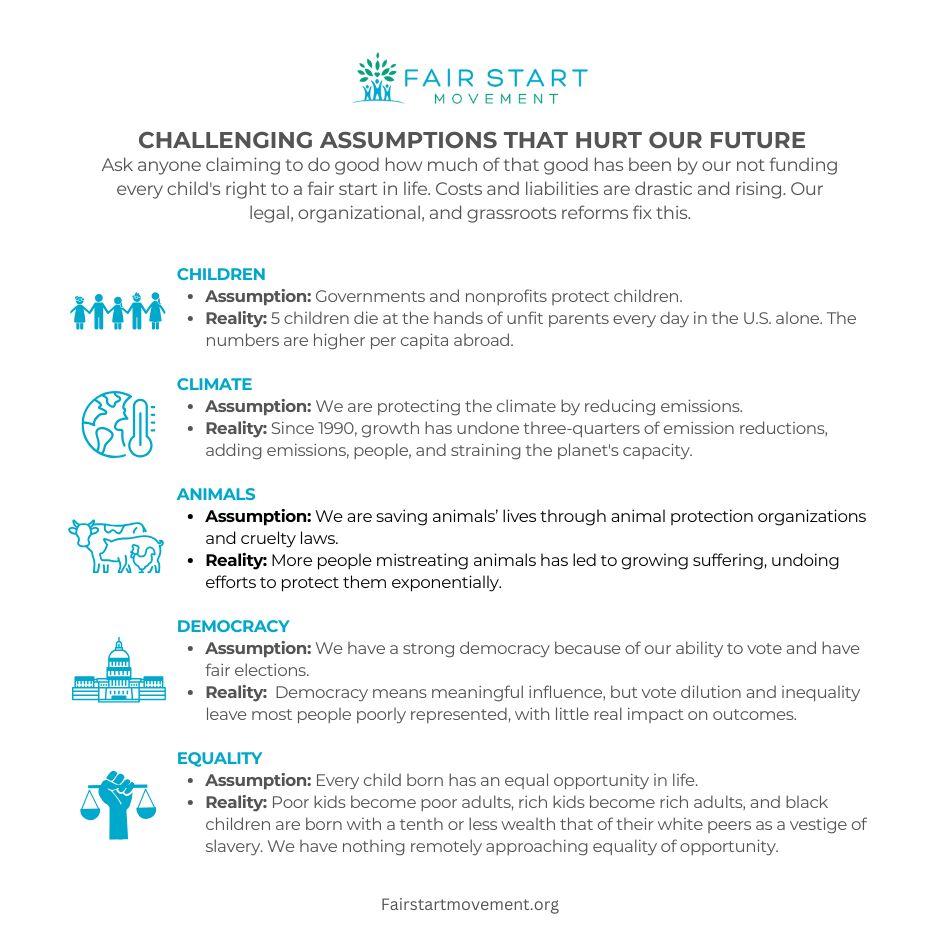
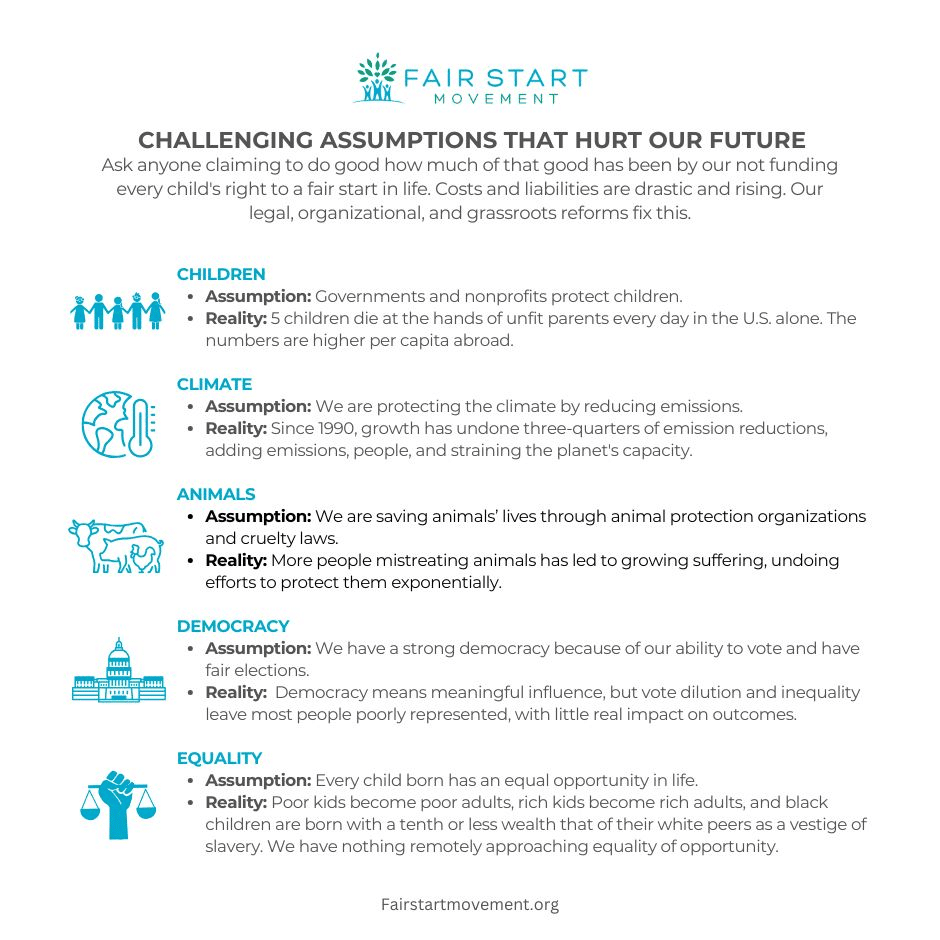
    Challenging assumptions that hurt our future infographic

    Growth is not neutral.

    Growth produces political inequity and ultimately illegitimacy. World leaders pushed public interest and social justice into the object position of the sentence, enabling triple extraction—through birth positionality, growth-based profits, and charade-level philanthropy—from a system built on birth inequity.

    This has forced us into a position where we benefit at deadly cost to others through increasingly diluted and commercialized versions of our values, making those values inaccessible to future generations. There is no way to prevent this harm other than preventing children from being brought into the world without sufficient resources and political equity. The system ensures children arrive without what they need, and in numbers and power relations that degrade the very conditions required for their survival and freedom.

    Today, women “liberated” by this reproductive-rights regime—and their children—are dying in growth-driven heat waves, with no meaningful political influence to protect themselves. Meanwhile, wealthy funders who benefit from inequitable growth masked these harms for decades through downstream, performative interventions and weak standards for terms like “green,” “humane,” and “equitable,” enriching their own children at deadly cost to others.

    This is about equity as empowerment—one’s influential share in one’s democracy. It is the political analogue of equity in a firm. What we have instead is a diluted, growth-and-inequity-commercialized version of freedom: a vote in a shopping mall rather than a town hall. The principle of one person, one equal and influential vote is the basis of national legitimacy. Today, legitimacy would require enough empowerment for future generations to block the climate and political harms we now face—and to reverse their root causes.

    The most fundamental obligation is to position future generations, and ourselves with them, in this way. The only means is a constitutional discourse that accounts for these obligations and brings every child into the world above a measurable threshold of empowerment—within conditions and relations that make that empowerment real. Our words situate us in constitutional discourse. There is no such thing as a “private” equity entitlement outside it.

    A broad professional class sustains the white-wealth bubble: lawyers who refuse to derive authority from empowerment because they benefit from not doing so; academics who ignore birth positionality and thereby forfeit neutrality; reporters and editors incentivized to produce ad-friendly sensationalism that omits birth-equity facts; campaigners and fundraisers who profit from downstream work rather than structural solutions. Together, they manufacture a fantasy of legitimacy and progress built on micro-level interventions that are easily undone by upstream growth and disenfranchisement.

    They profit by blocking the threshold that would protect infants and animals, while pretending their downstream additions are meaningful. In doing so, they convert freedom into wealth through child abuse, disenfranchisement, ecocide, and deadly inequity. They take objective values meant for all and hoard them for themselves.

    Fair Start activists watched these groups take extreme measures to hide liability, including reframing the issue as “population” in order to evade equity-based overrides.

    The remedy is to confront those using this fraud—beginning with the Tell the Truth campaign—and to pursue state attorneys general complaints to prohibit the hidden, illegal, and highly harmful practices treated as permissible despite violating objective human-rights and democratic limits on power. Legal instruments alone do not constitute obligations. Bringing children into the world in a way that genuinely empowers them does.

    There is also a preemptive cause of action for fraud, because governments can redefine what it means to omit information necessary for legitimate political obligation.

    The Fair Start Tell the Truth (TTT) campaign is one way to do this.

    Long-time animal-liberation advocate Zane McNeill recently highlighted the urgency of resisting current administration efforts to coerce higher birth rates—moves that would undo the benefits of nearly all contemporary social-justice efforts:

    Funders Must Support Advocates Fighting Back Against Pronatalism

    While opposing pronatalism is essential, it does not by itself address the power imbalance that enables such coercion. Fair Start reforms—including the Tell the Truth campaign, which prioritizes measurable #birthequity as a basis for national legitimacy—are the most just and effective path forward. This includes actions such as suing Coke/Fairlife to enjoin equity fraud.

    To understand why, we must ask one question of anyone making public-interest impact claims: How are you accounting for children entering the world? What level of democratic empowerment do you require? Are children and animals being discounted and exploited at birth?

    The campaign demands a simple admission: we all relied on a system with an embedded baseline error—one that dilutes votes, commercializes democratic relations, and overshoots political, social, and ecological thresholds, rather than enforcing a resourcing threshold beneath which no child should be born. Freedom and self-determination—and national legitimacy—are physically impossible without a shared language that creates measurable empowerment through equitable power relations.

    The illegal standard relies on manufactured numbers, often via an XYZ analysis: out-of-context impact claims (X) are assessed against the variable of children entering the world (Y) in ways that degrade birthright conditions, producing outcomes (Z) that contradict the claims. This standard rewards micro-level “progress” that benefits the claimant while concealing macro-level losses driven by growth. Interventions conducted under such a system often did more to subjugate people of color than to advance their stated missions.

    Our work uses the Tell the Truth campaign to preemptively establish legitimate obligations and to examine why some actors refuse to participate.

    Leaders such as Suriya Khan, Gabby Mora, and Breeze Harper are telling the truth. Others, including Paul Shapiro, are not.

    This all begins by challenging value and impact claims rooted in an illegal UN-developed standard (1948–1968) that caused the deaths of tens of millions through a colonial system of privatized reproductive rights designed to protect entitlements rather than measurably empower women and children.

    This was political-equity fraud. It triggered multi-threshold overshoot and self-reinforcing feedback loops.

    Our thesis is that admitting use of this system—and changing course through language itself—reorients obligation from governance toward future generations. The TTT campaign is supported by legal, certification, and grassroots efforts within Fair Start and Truth Alliance. Legitimacy is about obligation, and all our work reflects that value.

    TTT is a constitutive discourse, not a document. It rests on individual choices about which models to use within institutions, recognizing that we all benefit at others’ expense. The campaign identifies non-constitutive language and impact reporting that ignores harm to infants and animals, demonstrating the need for systemic change.

    To tell the truth is to admit participation in a system of unsustainable growth and inequitable birth positionality—one that has harmed our professed values more than it has advanced them.

    There is no conception of freedom that does not require measurable political equity—enough influence to protect oneself from the climate crisis. At this stage of overshoot, liability outweighs charity or investment.

    The TTT “legitimacy lever,” as our lead Suriya Khan describes it, redirects responsibility for the global death debt created by the “separate but equal” standard toward concrete demands—beginning in Africa and India—and leverages them through failed UN mechanisms into coordinated legal, corporate, and grassroots action in the U.S. and Europe. The goal is not merely to remove Trump by 2028, but to remove the conditions that produced him: a disembedded, isolated conception of freedom.

    Omitting information required for zero-baseline legitimacy in public-impact reporting constitutes illegal unfair competition. Using illegitimate entitlements to oppress infants and animals—backed by state violence—is morally equivalent to violence itself.

    Peter Singer and the Obligation to Tell the Truth

    Animal law provides a key starting point. It is both aspirational and a stark example of winner-take-all philanthropy. In the 1970s, Peter Singer advanced an illegal and fraudulent standard at the Animal Legal Defense Fund that narrowly defined animal liberation. Over five decades, that standard facilitated wealth concentration that now underwrites Effective Altruism.

    Singer continues today with a charade version of animal liberation, working with groups like Direct Action Everywhere while obscuring the political-equity and impact fraud that produced the current polycrisis. Claimed impacts collapse when assessed against an objective, preemptive standard.

    True animal protection—subject-level reform—requires accounting for the human-animal relations formed at birth. Instead, animal advocacy focused for decades on downstream spectacle after macro-level property relations were already entrenched. Ending exploitation requires ending those relations, but doing so demands confronting racist birth inequity—the same power imbalance imposed on animals at birth.

    Fair Start’s core conclusion is simple: facts are relative to values, and value claims either constitute or deconstitute legitimate political systems. Freedom is impossible without a collective, preemptive discourse that ensures every child is born above an empowerment threshold. The Tell the Truth campaign comes closest to such a discourse. Misrepresentation is equity fraud and subject to preemptive injunction because authority derives from constituting—from telling the truth.

    Behavior is driven by fear of ostracism and coercion. The wealthy rely on diluted representation and state power to preserve growth economies. Leaders act as if votes are equal when they are not. In that context, preemptive self-defense—and defense of others—is justified.

    Fair Start represents a permanent form of resistance to fundamental oppression, using language to define obligation, legitimacy, and protection. The first laws are those that account for our creation relative to one another and the environment. No one is above the law.

    All Fair Start is, is the research conclusion that all facts are relative to values, and value and impact claims either constitute or deconstitute legitimate political systems relative to a legally required ideal of measurable empowerment. It is physically impossible to be free without a preemptive, obligatory, collective discourse of family planning ensuring all children are born above a threshold of empowerment. The Tell the Truth campaign is the closest thing to that discourse. Deconstituting legitimacy through inaccurate statements is equity fraud and subject to preemptive equity injunctions, because authority derives from constituting—from telling the truth.

    What really drives behavior? Fear of ostracism and coercion. The wealthy use state violence and the threat of prosecution to control people, but few know the state operates on diluted representation necessary for growth economies that benefit the top. Leaders act as if votes are equal. We have a right to preemptive self-defense, and defense of others, in that context. 

    Fair Start represents a permanent, ubiquitous, and indefatigable form of resistance to fundamental oppression, using language to identify perpetrators and obligations. It clarifies who belongs in the legitimate linguistic community of obligation,entitlements-to-ensure actual or on-balance values, and protection, and who does not. All laws should be fair.The first laws are laws that account for our creation relative to others and our environment. And no one is above the law


  • Freedom Cannot Be Granted to Equity Fraud

    Freedom Cannot Be Granted to Equity Fraud

    We cannot keep calling something “progress” when it leaves children unsafe, families struggling, and the land exhausted. Freedom and legitimacy should never be given to wealthy individuals or organizations that operate under fake equity standards—standards that ignore how children are born into the world, how families survive day to day, and how the environment that sustains life is treated. Equity is not just about how much money is made. It starts much earlier with safe births, strong families, clean water, healthy land, education, and the protection of children’s lives. When these basics are ignored, the wealth that follows is not neutral. It is built by taking more than is given back.

    Today, many powerful actors hide behind numbers that look impressive but tell only part of the story. These numbers leave out family reform, birth equity, and climate impact. This is not accidental. It is a choice. And that choice has consequences especially for children and communities living on the frontlines of environmental and economic harm.

     Two Lives, One Broken System

    Dickson’s frustration comes from what he sees every day. Children dropping out of school. Families stretched thin. Communities facing drought, pollution, and land pressure. Mothers giving birth in conditions that no one should accept. His concern is not theoretical, it is personal, urgent, and deeply human.

    At the same time, Paul Shapiro’s Company is thriving within this same system.

    As communities struggle, Shapiro Paul’s meat company has grown. He is now a millionaire. But this success has come at a real cost to families and children in places like Amboseli, where environmental damage, land stress, and the absence of family-centered reforms are rarely counted in profit reports. When wealth grows while children suffer and land is depleted, something is wrong. That is not development. That is equity fraud.

    See here more information on Paul Shapiro as an example

     What Fake Standards Leave Out

    Fake standards make harm invisible. They allow wealth to grow while erasing:

    • The conditions children are born into.
    • The damage to land, water, and climate that families depend on.
    • The absence of family and birth reforms.
    • The long-term impact on education, health, and community survival.

    When environmental destruction and family breakdown are excluded from “impact,” success becomes a performance. Injustice becomes normal.

    Climate justice and family reform cannot be separated. When land is polluted or overused, families lose food, health, and stability. When families are unsupported, children become vulnerable to illness, exploitation, and early death. Ignoring this connection is not neutrality—it is participation in harm.

     A Silence That Speaks Loudly

    Years ago, we sent a concept note to Paul Shapiro. It focused on seeds for the future, family reform, community equity, environmental responsibility, and protecting children. There was no response. No engagement. No support. Years later, his company is flourishing. Meanwhile, Truth Alliance continues to struggle to raise funds, not because the work lacks value, but because it refuses to lie, inflate numbers, or separate profit from responsibility. Truth is harder to fund than comfort.


    A Simple, Necessary Demand

    Truth Alliance is not asking for charity. It is boldly asking for honesty and accountability.

    We are calling on those who have benefited from broken systems to:

    • Acknowledge harm to families, children, and the environment
    • Stop hiding behind incomplete or fake standards
    • Measure success through climate responsibility, family reform, and child well-being
    • Take responsibility for wealth built on silence and extraction

    Freedom without accountability is not freedom.
    It is exploitation. If equity does not protect children at birth, support families, and care for the land they depend on, then it is not equity at all. And we can no longer pretend otherwise.


  • Fair Start Reforms Protect Children Before It’s Too Late

    Fair Start Reforms Protect Children Before It’s Too Late

    Fair Start reforms offer the most just and effective way to address many of today’s overlapping crises—but only if public-interest claims are evaluated using the right standard. Anyone claiming positive impact should be asked a basic question: How did your cost-benefit model account for children entering the world, and did it meet what those children’s legal rights, political equity, and national legitimacy require? In most cases, the answer is that it did not. Children are typically treated as economic inputs driving growth, while the ecological, political, and human costs of that growth are ignored or illegally discounted. This produces “free” wealth that depends on worsening conditions – especially for children of color – and contradicts the values advocates claim to hold, such as safety, equality, and sustainability. The result is continued overshoot of ecological and social thresholds that both humans and nonhumans need to survive.

    How is such contradiction possible?

    Between 1948 and 1968 world leaders effectively subverted the ongoing decolonial and racial justice movements with a human rights regime premised on a fraudulent standard: Autonomy or self-determination without the necessary condition of measurable political equity or empowerment. That fallacy fundamentally operates through an arbitrary and floating baseline present in almost all private and public cost/benefit modeling that illegally discounts future lives, and a universal but illegitimate reproductive rights regime devoid of children’s rights and political equity standards, which avoids applying limiting values to the birth-creation of power relations, and which has mostly protected long generations and growing concentrations of wealth.

    The standard treated children, and thus future generations, as means rather than ends, and it ignored that persons not documents constitute nations, and almost inevitably through collective family planning efforts that ensure a minimum threshold of empowerment for all children. That threshold – a real border to replace the fictitious ones nations use today – enables consensual governance, avoiding each person’s loss of self-determination to the billions of others occupying and changing the planet. The real border makes consent possible.

    The following is a complete restatement of the official press release by Gregg D. Shore, First Assistant District Attorney, Bucks County, PA.

    In what the judge called “one of the most horrific examples of child abuse that I’ve ever seen,” a Tullytown couple were sentenced this afternoon to 10 to 21 years in state prison for violently abusing their twin, infant daughters. Melissa Shales, 26, inflicted multiple broken bones on both infants by the time they were 2 months old. Now 17 months, the girls only recently began to walk, and still need physical therapy. Michael Shales, 31, failed to seek medical care for those injuries and badly tore the throat of one girl with a pair of pliers when he was high on heroin. That girl remains on a feeding tube. “Their two months of life with their parents was torture,” Deputy District Attorney Chelsey D. Jackman said. “Nothing short of torture.” Bucks County Common Pleas Court Judge Raymond F. McHugh concurred with that assessment. “I believe that both of these parents tortured their children,” McHugh said. “I don’t know which is worse: to injure a child, or to fail to get a child treatment.” Both defendants pleaded guilty on May 22 to charges of aggravated assault and endangering the welfare of children.

    McHugh sentenced each to serve seven to 14 years for the assault charges, plus a consecutive three to seven years for child endangerment. Police were called to the Shales’ squalid, trash-strewn apartment on March 21, 2016, where officers found the infants malnourished and injured. Melissa Shales told police that one of the twins was having trouble breathing. The child had a throat injury inflicted earlier in the day when Michael Shales had used pliers to retrieve a piece of gauze lodged there. Police found the baby pale and gurgling, her breathing shallow. The apartment, meanwhile, was strewn with dirty clothes, toys, sharp tools, soiled diapers and dirty dishes, along with drug paraphernalia and unspent bullets left within the reach of the babies and their 2-year-old brother. Michael Shales had begun the day by purchasing $120 worth of heroin in the Kensington section of Philadelphia. When he returned, Melissa Shales became so enraged that she threw the baby she had been bottle-feeding into the aluminum rails of a nearby daybed and stormed out. Michael Shales then injected the heroin he had bought before trying to wipe the inside of the injured baby’s mouth with a piece of gauze. When the gauze became lodged in her throat, he tried to retrieve it with his fingers before using a pair of pliers, puncturing the back of her throat and esophagus in the process. Police were not summoned to help the infant until after 10 o’clock that night. The baby’s injuries required her to be intubated to breathe and for a feeding tube to be inserted for nourishment. The child also was found to have a fractured femur, rib and tibia, neck injuries consistent with shaken-baby syndrome, and cuts and bruises to her vagina.

    The couple admitted having left her in soiled diapers for hours at a time. About one week before police intervened, Melissa Shales had grabbed the same baby’s leg while bathing her and heard a pop. Over several days, both parents tried repeatedly to pop and twist the leg back into place, possibly worsening the injury, Jackman said. Neither parent called or visited a doctor, and by the time police were summoned the child’s leg had swollen to the size of a 1-year-old’s leg. Melissa Shales also admitted to having thrown the same baby forcefully into her swing after becoming angry with her husband on March 20, 2016. The baby landed hard on her left side, and appeared to be favoring that side afterward. Michael Shales witnessed the assault but, again, neither parent sought medical attention. The baby’s twin sister also was found to have two fractures to her leg, and was hospitalized on March 22, 2016. Experts at St. Christopher’s Hospital attributed the breaks to non-accidental trauma, likely caused by pulling, shaking or twisting the child. Melissa Shales admitted to police that she had picked up the infant by her onesie and placed her down hard in the past. Both children were malnourished, having gained only two pounds each in their first two months of life, Jackman said. In a statement to police, Melissa Shales said she had injured the babies “to get back at Michael, to show him how mad he makes her.”

    In court today, Melissa Shales said had she worked 40 hours per week for minimum wage while her husband stayed home and spent their money on guns and drugs. She accused him of abusive, threatening behavior toward her. Melissa Shales also blamed her behavior on her use of methamphetamine. She said she began using the drug after the twins were born at the behest of her husband, who “told me that sex would be better” on meth. She said she “was too afraid of him” to challenge Michael Shales’ own drug abuse. “What I did to my kids was and is unacceptable,” she said. “From here on out, I wouldn’t blame my kids if they never wanted to see or hear from me again.” Michael Shales told a much different story. Addicted to opioids since 17, when he suffered severe spleen and back injuries in a criminal assault, he said the injuries and his addiction limited his ability to work. His attorney, Paul Lang, told McHugh that Melissa Shales had been physically abusive to her husband, and was trying to “deflect” blame for her violence onto him. “Words cannot express the pain and sorrow that I have built up in my heart,” Michael Shales said. “I regret my actions, and long for the opportunity to rectify my actions.” The girl who suffered the most broken bones and the punctured throat “was treated as a rag doll by the two people who are supposed to protect her against any kind of harm,” Jackman argued.

    Michael Shales, she said, “sat there and watched” his wife abuse the child, failing to intervene each time the baby cried out in pain. “Those cries went unanswered,” she told McHugh. “I’m asking Your Honor to answer those cries today, and to see that justice is served.” Family members of both defendants testified that both were brought up in good homes, a fact that McHugh said made their crimes even worse. The judge added that heroin addiction may explain theft and other property crimes, but not violence inflicted on one’s own children. “It’s horrific,” the judge said. “It shakes my faith in human beings.” The case was investigated by Tullytown Police Sgt. Phillip D. Kulan and Bucks County Detective Jack Slattery, and prosecuted by Deputy District Attorneys Chelsey D. Jackman and Monica W. Furber. Contact: Chelsey D. Jackman, 215.348.6016, cdjackman@buckscounty.org Approved for release by Gregg D. Shore, First Assistant District Attorney.

    Sourced via CRIMEWATCH®: https://bucks.crimewatchpa.com/da/29567/post/couple-get-10-21-years-torture-twin-infant-daughters


  • Women Care Modeling and Family Reforming

    Women Care Modeling and Family Reforming


    When Promises Spoke Loudly but Care Was Left Behind. Between 1948 and 1968, the world spoke boldly about justice. Leaders gathered to declare human rights, equality, and freedom. The Universal Declaration of Human Rights promised dignity for all. Independence movements filled the air with hope. Civil rights were debated in grand halls. But while these words traveled the globe, everyday life told a different story especially for families across Africa and the Global South.

    Behind the speeches, white supremacy, racial hierarchy, and economic extraction were tightening their grip. Wealth continued to flow outward. Power remained concentrated elsewhere. And quietly, without ceremony, the ways families cared for one another were disrupted. This contradiction between what was promised and what was lived reshaped homes, gender roles, and care itself.

    When One Family Model Was Declared “Modern”

    During this period, a single idea of family was promoted as the future: the Western nuclear family. A man earning wages. A woman caring alone, unpaid. A household separated from the community.


    Family Planning info card


    This model was presented as progress. But for African societies, it meant loss.

    Extended families where aunties, grandmothers, neighbors, and older children shared responsibility were pushed aside. Communal childcare, women-led food systems, and collective protection of elders were labeled outdated. Care that had sustained life for generations was erased from policy and planning. While Western nations built wealth through industry, land control, and racialized labor, African families were told to abandon systems that worked without being given resources to replace them.

    Families were not failing.

    They were being forced to change under unequal power.

    What Women Never Stopped Doing

    Even as systems shifted, women did not stop caring.

    Mothers shared food when money was gone. Grandmothers raised children whose parents were lost to migration, illness, or conflict. Women organized survival quietly through shared labor, farming, caregiving, and conflict resolution.

    This is where Women Care Modeling begins.

    It does not invent care.

    It recognizes what women were already doing, even when it was invisible, unpaid, and unsupported.

    Women Care Modeling understands care as real power, economic, social, and political. It is not charity. It is not instinct alone. It is skilled labor and collective leadership.

    Unlike the imposed nuclear family, Women Care Modeling is collective, intergenerational, and resilient because it was built to survive reality, not ideology.


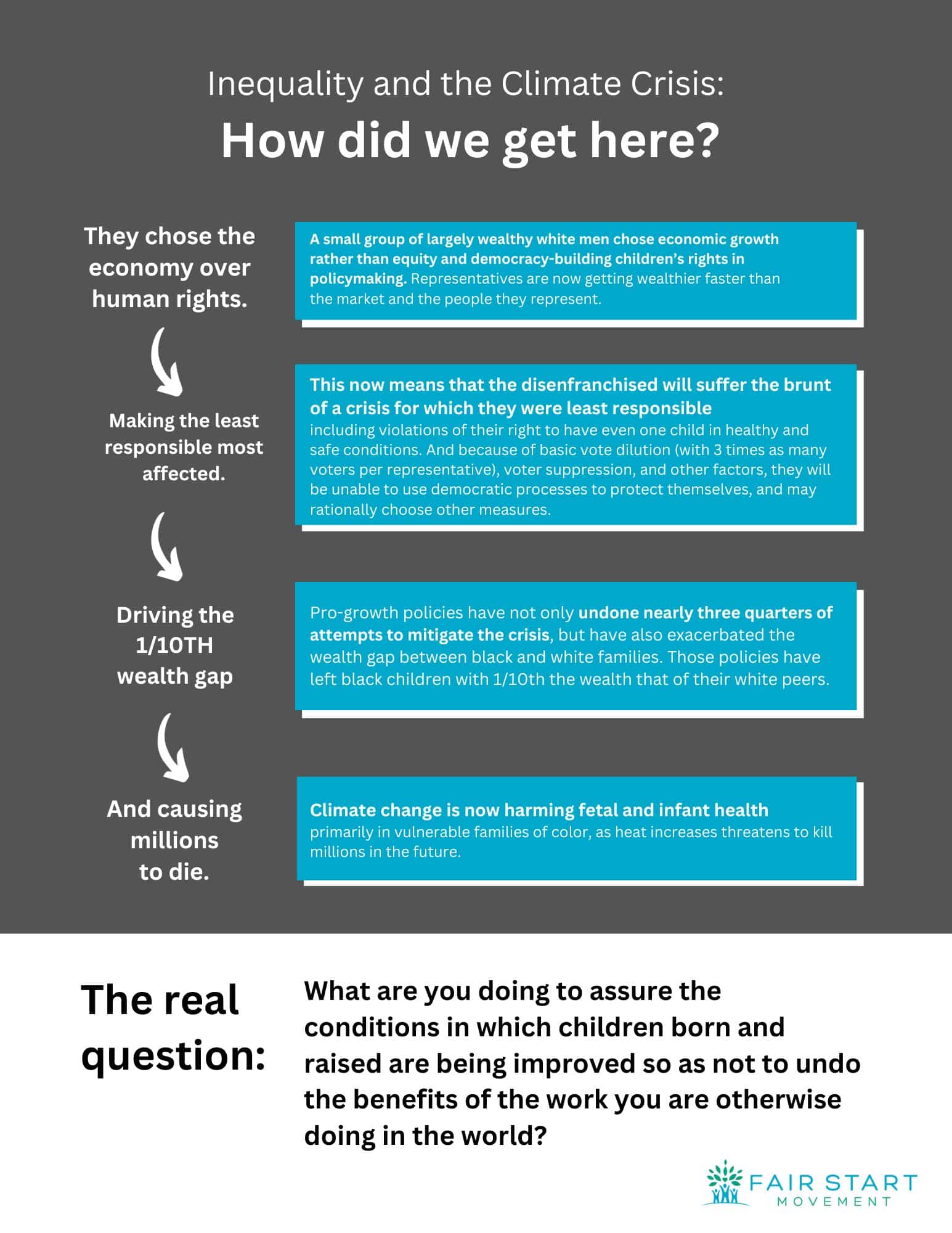
    Challenging assumptions that hurt our future infographic

    Rights on Paper, Care in Real Life

    From 1948 to 1968, governments debated rights in meeting rooms. Meanwhile, women in marginalized communities practiced justice daily without funding, without recognition, and often without rest. That gap has not disappeared. Today, institutions can mobilize millions of dollars for abstract priorities, while women-led family care systems holding children, responding to climate stress, feeding communities, and protecting the vulnerable are expected to survive on fragments. The question is not capacity. It is whose lives are valued.

    Following the Money, Naming the Contradiction

    Women Care Modeling makes the contradiction impossible to ignore. If families especially across Africa had controlled serious resources decades ago, the priorities would have been clear: Children cared for together, not left behind, Mothers supported in health and wellbeing, Food grown and shared locally, Elders protected and respected, Women leading with accountability to their communities

    Instead, wealth was centralized in white institutions, and African families were blamed for “underdevelopment” after being stripped of land, labor, and decision-making power. Women Care Modeling names this not as an accident, but as racial injustice.

    The petition in Africa is only the beginning. Across the United States, whistleblowers are stepping forward and using the U.S. legal system to challenge unconstitutional practices (see: Fair Start and Truth Alliance File Notice of Preemptive Standards with the California Attorney General

    Some people from wealth concentrated hide from the Truth and benefiting at deadly cost harming millions of vulnerable children  

    What this work reveals is a deeper truth about both Trump-era politics and the suffering experienced across Africa: for decades, much of what was labeled ‘public interest’ work left out crucial facts while claiming to serve the common good. At its core was a quiet but powerful assumption that some children mattered more than others.


    People planting vegetables


    These approaches were shaped by political and economic systems marked by inequality, often influenced by wealthy white families with outsized power in global institutions like the United Nations. In exporting a narrow vision of freedom and the patriarchal nuclear family, communitarian planning systems were weakened or dismantled.

    The consequences have been devastating: wealth accumulated in some communities while children in others died. Enormous sums of money were used to avoid accountability through omission and misrepresentation, benefiting a privileged few at the direct expense of marginalized children. This is why every claim presented as ‘fact’ must be examined in context including whose values are centered and what baselines are being used. The most dangerous form of distortion is not always a lie, but the quiet erasure of the baseline itself.

    Inequality info graphic

    Listening as Evidence

    One of the strongest tools in Women Care Modeling is listening.

    It asks families a simple but radical question:

    How would you have used resources to care for life?

    Across communities, the answers repeat themselves. These collective voices challenge the story that extraction builds progress. They show, again and again, that care builds societies. Real numbers are not only found in budgets. They live in shared wisdom, lived experience, and community accountability.


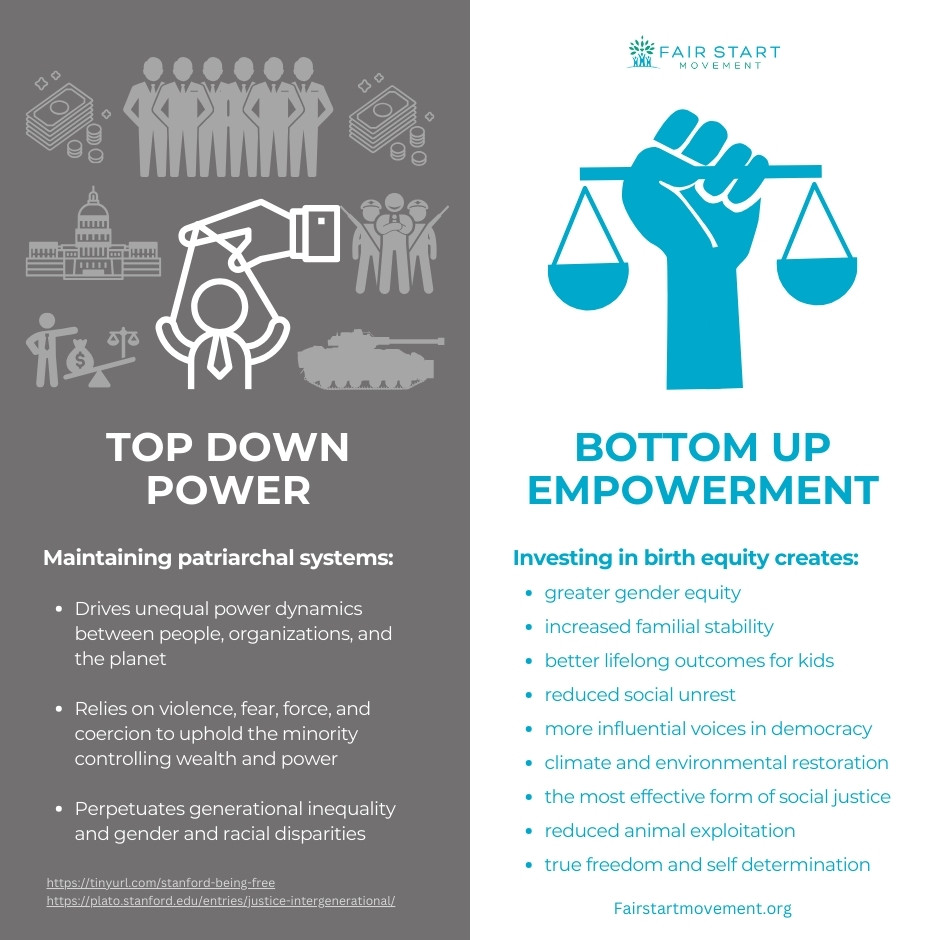
    Top Down Power and Bottom Up Empowerment


    Care as Justice, Not Nostalgia

    Women Care Modeling is not about returning to the past. It is about repairing what was deliberately dismantled. It stands as a justice-based family reform movement calling out the hypocrisy of a world that preached equality while sustaining white supremacy.

    The call is clear:

    • Repair the harm through reparative funding.
    • Recognize African care systems as valid and powerful.
    • Move away from isolated family models toward women-led, community care power

    Africa does not suffer because it lacks families. It suffers because its care systems were broken to enrich others. Women Care Modeling insists on remembering this truth and building forward from it, with care at the center.

  • Women Care Modelling: When Care Modelling  Becomes Power for Climate Justice, Equity, and Children’s Rights.

    Women Care Modelling: When Care Modelling Becomes Power for Climate Justice, Equity, and Children’s Rights.

    Women Care Modelling starts from a simple truth: the people carrying the heaviest weight of climate change, poverty, and injustice already know what needs to change. Women, especially caregivers, farmers, and community organizers are not on the sidelines of this crisis. They are living it every day. This model places them where they belong: at the center of decisions, resources, and accountability. It recognizes that real solutions do not come from distant offices or short-term projects, but from those who protect families, stretch scarce resources, and hold communities together when systems fail.

    Centralized Power, Rooted in Real Life

    In Women Care Modelling, power is not scattered across layers of bureaucracy or captured by elites. It is centered within women-led care groups, the same groups that manage food, water, health, education, and daily survival. Because these women know which child missed a meal, which household lost crops, and which family is at risk, decisions are grounded in reality. Centralizing power here builds trust, strengthens coordination, and closes the space where corruption and “elite capture” often thrive. Money and support are harder to misuse when communities can see, feel, and track their impact.


    Family Planning info card


    Facing the Climate Crisis as a Daily Reality

    For women, climate change is not a theory it is empty granaries, longer walks for water, and children falling sick more often. Women Care Modelling treats climate action as a matter of survival.

    Women lead practical solutions:

    • Kitchen gardens that feed families even during drought
    • Water-saving practices that protect health and dignity
    • Seed preservation that keeps food systems alive
    • Knowledge shared between mothers, daughters, and grandmothers

    Because women manage households and care systems, the impact is immediate. Food appears on the table. Children eat better. Families become more resilient, not in reports, but in real life.

    Naming and Stopping Equity Fraud

    Equity fraud happens when systems talk about fairness but deliver benefits upward to the wealthy, the connected, and the powerful while leaving women and children behind. Women Care Modelling exposes and interrupts this pattern.

    It does so by:

    • Putting oversight directly in women’s hands
    • Measuring impact at the level of the home and the child
    • Demanding transparency in climate finance and aid
    • Prioritizing those most at risk, not those with the loudest voices

    This is not about being invited to the table. It is about owning the table, the budget, and the decisions.

    Challenging assumptions that hurt our future infographic

    “No Child Is Worth More than Another”

    At the heart of Women Care Modelling is a moral line that cannot be crossed: no child’s life is more valuable than another’s. When care guides decision-making, children are no longer sorted by wealth, geography, or politics. Nutrition, health, safety, and education become non-negotiable not privileges reserved for a few. Under women-led care systems, children are not numbers in future plans. They are here, now, and their lives matter today.

     A Shift in Power and in Values

    Women Care Modelling is not charity, and it is not a soft approach. It is a transfer of power away from extractive systems that profit from crisis, and toward care-centered leadership that protects life. In a world facing climate breakdown and deepening inequality, this model offers something rare and necessary: a way to govern that values care as strength, accountability as justice, and survival as a shared responsibility.

  • Principles of Birthright Equity, by Bishnu Pathak

    Principles of Birthright Equity, by Bishnu Pathak

    Birthright equity is the inherent right that every child deserves from birth. It is a fair and equitable start in life, pursuing fundamental rights and equal opportunities necessary to thrive by virtue of being born. The Convention on the Rights of the Child stresses the importance of giving children a fair and equitable start in life, with parents and society playing a vital role in ensuring their welfare. The objective of this study is to explore the concept of birthright equity, examining the five principles of child rights equity, their origins, and their connection to ancient Vedic texts. Challenges related to these principles are discussed, along with potential solutions. Information was gathered by drawing on experiences and archival literature reviews using the snowball technique from the past (yesterday), understanding the axiomatic truth of birthright equity in the present (today), and fostering hope for the transformation of challenges through dialogue for the future (tomorrow). Key child rights doctrines of birthright equity include non-discrimination, prioritizing the child’s best interests, fostering a healthy environment, and ensuring overall well-being. To comply with the above-mentioned doctrines, the study of the birthright equity principles focuses on concepts like truth, biophilia, reparation, self-determination, and a bottom-up approach. The state-of-the-art paper is grounded on the principle of “I know that I do not know” or “I am simply a student of the principles of birthright equity,” which allows scholars ongoing refinement for future studies.

    Introduction

    Birthright equity refers to the inalienable, non-derogatory, and inherent rights that every child is born with. It goes beyond legal status to include material needs and social conditions. Birthright equity combines the principles of birthright and birth equity. Birthright pertains to citizenship acquired by being born in a specific nation, while birth equity involves ensuring equal access to maternal and infant healthcare environments, as well as improved social circumstances. Birthright equity emphasizes human rights as equality, liberty, security, and dignity, with peace, freedom, non-violence, and democracy at its core.

    Essentially, the concept of birthright equity suggests that true freedom, democracy, and justice require that all individuals have a fair and equitable start in life from birth. This means being free from any avoidable inequalities, disparities, discrimination, and injustices. The goal is to create a world where every child has the opportunity to thrive and reach their full potential by progressing through healthy environments and social trust, while avoiding dual-layered equity-fraud and impact-bias prejudices (Afolaranmi et al., September 9, 2025), rather than hindering or preventing the birth process.

    In today’s world, there is a growing focus on birthright equity, especially in developed countries where having children is not a top priority for many couples. This study aims to consider all perspectives and analyze equitable growth, healthy environments, and social trust for birthright families, societies, nations, and the global community. The general objective of the research on birthright equality is to highlight the moral and ethical principles related to the birth of every individual. It is essential that everyone has the right to a fair and equal start in life, with the freedom to determine their own path.

    The specific objective of this study is to investigate the concept of birthright equity by examining the five principles of child rights equity, their origins, and their link to ancient Vedic texts.  It also discusses challenges related to these principles and proposes potential solutions.  The study focuses on creating conditions for healthy development, addressing structural and racial inequalities based on birth position and family connections, and exploring ethical responsibilities in the context of climate change and sustainable resource management. The research methodology includes experience-based observation, networking tracking methods, and a literature review.

    Theory of Truth

    The truth is a crucial element in ensuring justice for all individuals from the start. Birthright equity is a key concept in social justice frameworks, highlighting the significance of honesty, transparency, and recognition of systemic injustices in achieving true equity from birth. This principle is at the core of the Fair Start Movement’s discussions on social justice. Justice is a central argument that cannot begin with a half-truth or lie; truth is absolute. Every birth deserves a fair start in life, growing up in a secure environment with access to healthy socio-economic and physical conditions for achieving true birthright equity (https://fairstartmovement.org/).

    In Metaphysics Book VI, Aristotle presents a fundamental concept of truth: “To say of what is that it is not, or of what is not that it is, is false, while to say of what is that it is, and of what is not that it is not, is true” (Cohen, October 8, 2000).  “In today’s complex world, the importance of truth is more critical than ever. This principle applies to leaders, corrupt officials, and brokers who often deceive the country and its people. Truth is a fearful word for them.  Conversely, those who are honest, loyal, patriotic, and dedicated to the people of the universe are constantly seeking, learning, sharing, and writing about the truth. Pursuing truth is a noble endeavor that shapes a positive history, promotes peace, and ensures the prosperity of future generations. The word “truth” comes from Germanic roots meaning stability and faithfulness. It originally meant loyalty, fidelity, and veracity (https://www.etymonline.com/word/truth).

    “Satya” is a Sanskrit word that translates to “truth” in Vedic teachings. It represents the concept of eternal truth encompassing the ultimate truths of Consciousness, Brahman, Atman, and Purusha. Satya is the virtue of truthfulness in all aspects of life, including thought, speech, deed, and action, as an integral part of Dharma, or moral duty.  It is a fundamental principle that underlies the cosmic order and natural law, transcending time, space, and individual distinctions (http://veda.wikidot.com/satya).  Satya is both a metaphysical and ethical principle of truthfulness (Mukunda, August 5, 2018). In Vedic philosophy, there are two types of truth: Paramarthika Satya (supreme, eternal truth) and Vyavaharika Satya (mundane or relative truth). The Vedic texts emphasize the importance of speaking the truth, stating that it is the most essential quality of a yogin and the supreme virtue. A truthful person is believed to be free from worries and anxieties, possessing a calm mind (https://www.vedanet.com/satya-and-the-eternal-truth/).

    The preamble of the Convention on the Rights of the Child (CRC) affirms that everyone is entitled to rights and freedoms without discrimination. The Declaration of the Rights of the Child emphasizes the need for special care for children due to their immaturity. Article 7 of the Convention highlights a child’s right to birth registration, a name, nationality, and parental care. Article 26 of the International Covenant on Civil and Political Rights (ICCPR) ensures equal protection under the law without discrimination. The law must prevent discrimination based on various factors. Similar principles are echoed in the International Covenant on Economic, Social, and Cultural Rights (ICESCR).  The Universal Declaration of Human Rights states that everyone is entitled to fundamental birthrights without distinction based on various factors.

    The CRC is an international treaty that aims to protect and promote the rights of children. Equity is a fundamental principle of the CRC, ensuring that all children, regardless of their age, have equal access to rights and opportunities.  Non-discrimination, as outlined in Article 2 of the CRC, is a key aspect of equity, ensuring that children are treated equally regardless of their background or status. Articles 3, 6, and 12 of the CRC emphasize the importance of children’s well-being, survival, and participation.

    Similarly, the Universal Declaration of Human Rights (UDHR) emphasizes the inherent dignity and rights, freedom, and protection of all individuals, without discrimination (Articles 1, 2, & 7). The ICCPR focuses on equality and non-discrimination rather than equity but aims to achieve fair outcomes. The UN Human Rights Committee interprets the concept of equality in the ICCPR as a principle of equity.

    The ICESCR directly addresses equality and non-discrimination, with the Committee on ICESCR promoting substantive equality that aligns with the concept of equity.  Equity involves fair, inclusive, and non-discriminatory implementation of rights to promote social justice and create inclusive environments.  It encompasses social, economic, and educational aspects to ensure that every birth has the opportunity to thrive.

    The main challenge to truth in birthright equity is the failure of current systems to provide equal opportunities, which results in a gap between the ideal of universal equity and predetermined life outcomes based on birth circumstances. This marginalizes vulnerable individuals born in disadvantaged areas and highlights the flaws in systems that perpetuate inequality and environmental degradation.

    Achieving birthright equity requires addressing systemic injustice and working towards a more equitable society.  Overcoming the “truth” challenge involves recognizing and addressing existing inequalities through actions such as promoting transparency, accountability, legal reforms, and policy changes that prioritize disadvantaged birth equity. Resolving the truth challenge requires a holistic approach that includes honesty and systemic efforts to bridge the gap between the moral ideal of equal opportunities and deep-rooted inequality

    Theory of Biophilia

    Biophilia, love of life, is the inherent and inalienable human need to connect with nature. All individuals should be granted equal access to basic rights and opportunities from birth. It is a natural instinct to seek connections with life-affirming activities, and these opportunities should be accessible to all communities, regardless of socioeconomic status, profession, religion, race, color, or geographical location. Access to nature is a fundamental human need, but not everyone has equal access to health, education, well-being, and natural environments, leading to an injustice that violates this “birthright equity.”

    The term “biophilia” was coined independently by German psychologist Erich Fromm and American biologist E.O. Wilson. Fromm used it to describe the psychological attraction to all living and vital things, while Wilson focused on the evolutionary adaptation context (Fromm, 1964 & Wilson, E. O. (1984). The concept behind biophilia originated with different individuals at different times.

    The implications of the biophilia concept assert that access to nature is a fundamental human entitlement necessary for health and well-being. It must address systemic inequalities that limit marginalized communities’ access to green spaces and clean environments. Access to nature is crucial for physical, cognitive, and emotional development, ensuring that every child has a fair start. Environmental justice advocacy involves advocating for policies that provide equitable access to nature for all and protecting the climate as a universal birthright for current and future generations (Zhuang et al. 2023).

    The Vedic philosophy emphasizes the deep connection between humans and nature (Hemsley, October 30, 2019). In the Vedas, nature is considered divine, with elements like earth, water, fire, air, and space possessing divine qualities.  Instead of seeing nature as something to conquer, it is viewed as a manifestation of the divine, inspiring reverence and a holistic approach to life. A profound statement in the Atharva Veda (12.1.12) underscores the bond between humans and the earth, stating, “My mother is earth, and I am her son” (Pokhrel, Undated).  The Yajur Veda in 36.18 promotes a friendly and harmonious relationship with all living beings (Balauni, 2023). This philosophy encourages a sense of interconnectedness and respect for the natural world.

    Biophilia argues that social justice requires ensuring a connection to nature from birth. It reinforces intergenerational responsibility and the moral duty of current generations to protect the environment and ensure a stable climate for the birthright of future generations (Yang et al. 2022).

    The notion of biophilia supports the idea that everyone has a right to nature, but it also highlights the challenges in making this a reality for all. There is a gap between the moral argument for biophilia and the practical implementation of ensuring equal access to nature for everyone, especially in a world marked by systemic inequalities. Despite the universal need for nature, not everyone has equal access to it from birth.

    The transition from biophilia to birthright equity involves implementing policies and initiatives that ensure equal access to nature for all individuals, regardless of their background, location, or place of residence. This shift requires a comprehensive approach that emphasizes collective responsibility and is supported by robust policy frameworks, legal measures, and community engagement. Ultimately, the goal is to establish a universal reality where everyone has the opportunity to benefit from a healthy and natural environment from the start of their lives.

    Theory of Reparation

    The theory of reparative birthright equality suggests that all individuals should have equal access to resources and opportunities from birth. It calls for addressing historical harms and injustices and systemic inequalities, such as slavery, colonization, systemic racism, and environmental degradation, through reparative measures to ensure that everyone begins life on an equitable footing. This theory is commonly used to support policies and practices that aim to rectify past wrongs and establish a fairer and more just society for all (GSDRC, August 2016).

    Reparation is a restoration or repair that acts as making amends for an injury or wrongdoing by providing compensation, services, or symbolic gestures. It is often associated with legal or political contexts. Under international human rights law, there is an obligation for a state or responsible party to provide adequate, effective, and prompt reparation to victims of gross human rights violations or serious humanitarian law violations. The United Nations outlines five forms of full reparations. Restitution, compensation, rehabilitation, satisfaction, and guarantees of non-repetition. These demands emphasize national reckoning and structural changes, not just individual payments.  Therefore, all victims of human rights violations have a right to reparation (www.ictj.org/reparations).

    Reparations for birthright equity is a contemporary moral and ethical argument advocating for compensation for historical and systemic injustices and inequalities.  The demand for reparations stems from severe human rights violations such as armed insurgency and slavery, leading to the establishment of organizations like the National Coalition of Blacks for Reparations in America (N’COBRA) in 1987 (ICJ, 2002). The movement for reparations for Black Americans dates back to the immediate aftermath of the Civil War, with initiatives like General Sherman’s Field Order No. 15 granting land to formerly enslaved families.  In modern times, advocacy efforts continue through initiatives like H.R. 40, introduced by Congressman John Conyers in 1989 to study the possibility of reparations for Black Americans (Dybska, 2025). After armed conflict, approximately 90 countries, including Nepal, Sri Lanka, Bangladesh, South Africa, Kenya, and Indonesia, have either completed or are in the process of implementing transitional justice and reparation programs (Pathak, July 15, 2019).

    Reparation in Vedic literature involves compensating for past wrongs, known as Prayascitta, and repaying debts (Deep, 2017). It is a form of justice that corrects wrongdoing, similar to the idea of social justice in the modern world.  Vedic philosophy includes concepts like karma and dharma, which relate to actions, consequences, and moral order. However, the modern sense of reparation as a legal or political term for compensating for past injustices is not a direct or primary meaning of the word “Veda” ( https://vedicheritage.gov.in/introduction/).

    Reparation is a critical component of transitional justice.  Connecting reparation to birthright equity presents moral, practical, and politico-legal challenges. Balancing the universal goal of equal opportunity with the need to address past wrongs through targeted remedies is the main dilemma. The key challenge lies in reconciling the universal principle of birthright equity with the complexities of implementing reparations. While the moral imperative of birthright equity necessitates addressing historical injustices, the practical considerations of defining, targeting, and gaining political support for reparations present significant obstacles that could hinder the pursuit of universal justice.

    To address the challenge of connecting reparations to birthright equity, a comprehensive approach is necessary. This approach should involve targeted historical redress along with universal policies that promote lasting fairness for all individuals. The goal is to acknowledge that while achieving a fair start for everyone is the ultimate aim, certain historical injustices necessitate customized reparations to reach this objective. Reparations should not solely focus on financial compensation but should also address the root causes of ongoing inequality. By combining specific redress for past wrongs with universal policies that guarantee equal opportunities for all, we can overcome the barriers to linking reparations and birthright equity, ultimately advancing genuine justice and fairness in society.

    Theory of Self-determination

    Self-determination theory (SDT) is a well-known psychological and legal framework that connects human personality and motivations to the choices individuals make. It focuses on individuals’ natural tendencies towards growth, connections, and innate psychological needs. In the early 1970s, Edward Deci and Richard Ryan introduced the concept of self-determination, emphasizing three fundamental human motivation needs: competency, autonomy, and relatedness (1985, 2000, & 2012). President Woodrow Wilson advocated for the self-determination of nations in his 14-point speech to Congress on January 8, 1918 (https://avalon.law.yale.edu/20th_century/wilson14.asp). SDT highlights how social and cultural factors can either support or hinder individuals’ sense of autonomy and motivation for personal growth, well-being, progress, and development.

    The concept of birthright equity Self-determination is a synthesized notion that argues for capacity growth as an inherent human entitlement from birth. However, achieving this right universally requires that all individuals be born, grow, live, work, and age into conditions of equity and fairness (Chichian, June 13, 2024). The central concept of self-determination is a fundamental birthright equity that ensures every individual has the necessary resources and opportunities to exercise throughout their lives.  Self-determination is the birthright that allows individuals to freely determine their political status and pursue social, cultural, and economic development (Article 3 of UNDRIP, 2006).

    The concept of self-determination in the Vedas is primarily explored through the philosophical principles. Such principles include atman (the self), karma (action), yoga (union), sattva (purity), and purushartha (human effort or free will) (Periyandavar & Patil, 2023). The Vedic scriptures emphasize self-realization rather than modern political rights, promoting a profound self-determination that allows individuals to shape their ethical destiny, attain self-knowledge, and achieve liberation through their own efforts, actions, and choices (Tathagatananda, Undated & Philosophical Investigations, October 4, 2008).

    The lack of birthright equity hinders self-determination, leading to systemic inequalities and significant disadvantages from birth. This limits an individual’s control over their life, liberty, dignity, and destiny.  Without birthright equity, newborns lack essential resources like nutrition, clean-and-green environments, and healthcare needed for meaningful self-determination from infancy to adulthood.  This perpetuates a cycle of inequality, as those born into poverty or marginalized communities face lifelong challenges due to entrenched power imbalances and exclusion from decision-making processes. Without proactive efforts to address birthright equity, the promise of the right to self-determination remains unfulfilled for many, constraining their life outcomes and perpetuating disadvantage.

    Resolving challenges to birthright equity through self-determination involves addressing both theoretical rights and practical-behavioral barriers. The goal is to ensure that everyone has the resources and opportunities to exercise self-determination from the start. This transformation of society aims to make self-determination a universal reality for all, rather than a privilege for some. Therefore, birthright self-determination is a principle where a pregnant, especially female, individual has the fundamental right to make decisions about their own body, healthcare, and birthing process.  They should be fully informed about all procedures, risk factors, time-consuming aspects, and alternatives and have autonomous rights not to introduce immediate, short-term, or life-threatening emergencies.

    Theory of Bottom-up Approach

    The theory of the bottom-up approach is a model that emphasizes inclusivity, flexibility, and collective action to achieve equity. It involves grassroots participants in decision-making, policy development, information processing, system implementation, and problem-solving. This approach begins at the grassroots level to address issues and then progresses upward to create a comprehensive solution (Eby, June 28, 2018).

    The bottom-up approach to birthright equity highlights change initiated by grassroots participation and local mobilization as the main drivers of political and legal change for ordinary individuals and communities, rather than directives from central authorities (https://fiveable.me/key-terms/introduction-comparative-politics/bottom-up-approach). This approach includes grassroots movements that stem from the concerns and desires of marginalized communities, particularly those facing poor birth outcomes and systemic inequality. It also stresses the active involvement of local community members in identifying problems, developing solutions, and implementing programs tailored to specific local needs.

    The bottom-up approach is a commonly used methodology in different fields, with specific applications evolving over time. In psychology, Eleanor J. Gibson introduced the formal theory of bottom-up processing in 1966 (Cherry, February 3, 2025). The bottom-up approach to birthright equity is a modern social justice and policy advocacy concept focused on ensuring a fair start for all.

    During the Vedic period, especially in its early phase, there were elements of governance and social organization that mirrored principles of community-level input and decentralized decision-making.  Following a bottom-up approach, it is suggested to begin by reading the Upanishads and then the Vedas (https://hinduism.stackexchange.com/questions/3771/what-order-should-i-read-the-vedas-and-upanishads-in).

    Bottom-up efforts can often become fragmented, disorganized, and lose focus on overarching organizational or societal goals. This consensus-building process can significantly slow down project implementation, particularly in time-sensitive situations or crises. Managing and integrating numerous individual inputs, ideas, and departmental plans can be complex and challenging to coordinate, leading to confusion, duplicated efforts, and a lack of consistency. This can make uniform implementation and quality control difficult across different contexts. In large organizations with thousands of employees, a clear hierarchy is often necessary for efficiency, which can make a bottom-up approach less effective. Additionally, bottom-up initiatives may be influenced by local interests or more vocal groups, potentially overlooking the needs of marginalized individuals within the community (Blackmore, March 17, 2025).

    Power and decision-making are shared among participants, with leadership emerging from within the community. While recognizing systemic issues, the bottom-up approach often starts with local problems, such as access to quality healthcare and trauma-related needs. Grassroots activism plays a crucial role in mobilizing public support and advocating for political and structural reforms to ensure equitable opportunities for all children.

    A bottom-up approach to birthright equity focuses on community-led initiatives, individual actions, and grassroots organizing to promote fairness and equal opportunity from the ground up.  It prioritizes local engagement and individual empowerment, believing that meaningful change begins at the grassroots level and can lead to broader systemic changes. By empowering individuals, families, and communities to drive change, this approach aims to create immediate impact and influence larger policy changes in the future.  It underscores the importance of local involvement and ownership in addressing inequities and ensuring a fair start for all individuals.

    Conclusion

    The paper argues for justice from birth, stating that every child should have a healthy environment regardless of their mother’s economic status or background. It stresses equality among children and criticizes the prioritization of power over justice in legal and economic systems. The text supports protecting newborns, ecosystems, and nonhuman species by giving priority to parental autonomy during childbirth. Justice requires holding individuals accountable for past wrongs through fact-checking, impact fraud, and enforceable standards.

    Changes in birth and family policy are aimed at ensuring birthright equity, ecological sustainability, and democratic legitimacy. Equity at birthright is crucial for environmental, climate, and racial justice. Legitimate governance should begin with participatory standards from birth to give every embryo a chance to thrive rightfully. Sustainable resource management is vital for achieving environmental equity and justice by providing equal access to a safe environment for all individuals from birth. Fair distribution of benefits to future generations and equitable sharing are necessary for ensuring a habitable planet through intergenerational and intragenerational equity.

    References:

    1. Afolaranmi, Esther; Nabakooza, Zaharah; & Robert, Mwesigye. (2025, September 9). “How Birth Equity Determines the Future of Justice and Democracy”. LAP Progressive. Retrieved November 2, 2025, from https://www.laprogressive.com/gender-discrimination/birth-equity.
    2. Balauni, Mukunda B. (2023). “Vedic Beliefs on Environment and Sustainable Development”. Journal of Development and Social Engineering. Volume 9. No. 1.
    3. Blackmore, Laura. (2025, March 17). Top-Down Vs Bottom-Up Approach In Management: Key Differences. Retrieved November 6, 2025, from https://www.cascade.app/blog/top-down-vs-bottom-up.
    4. Cherry, Kendra. (2025, February 3). How Bottom-Up Professing Works. Retrieved November 8, 2025, from https://www.verywellmind.com/bottom-up-processing-and-perception-4584296.
    5. Chichian, Gohar. (2024, June 13). “Change can’t wait: how to collaborate for health equity”. Catchafire. Retrieved November 4, 2025, from https://blog.catchafire.org/collaborate-for-health-equit.
    6. Cohen, S. Marc. (2000, October 8). “Aristotle’s Metaphysics”. Stanford Encyclopedia of Philosophy. Retrieved October 21, 2025, from https://plato.stanford.edu/archives/spr2014/entries/aristotle-metaphysics/.
    7. Convention on the Rights of the Child. (1989). Retrieved October 31, 2025, from https://www.ohchr.org/en/instruments-mechanisms/instruments/convention-rights-child.
    8. Deci, E. L. & Ryan, R. M. (2012). Motivation, personality, and development within embedded social contexts: An overview of self-determination theory. Oxford: Oxford University Press.
    9. Deci, E. L., & Ryan, R. M. (1985). Intrinsic motivation and self-determination in human behaviour. Springer.
    10. Deep, Ajay. (2017). “Vedic History of Debts and CSR, Legal Regulation, and CSR Initiative by Maharatna Company”. International Journal of Current Research. Volume 9. Issue 7. Retrieved October 22, 2025, from
    11. Dybska, Aneta. (2025). “The ADOS Movement: Policing the Boundaries of Lineage”. European Journal of American Studies. https://doi.org/10.4000/14eim.
    12. Eby, Kate. (2018, June 28). Which Management Style Is Right for You: Top-Down or Bottom-up Approach. Retrieved November 7, 2025, from https://www.smartsheet.com/top-down-bottom-up-approach.
    13. Fair Start Movement. Retrieved October 25, 2025, from https://fairstartmovement.org/.
    14. Fromm, Eric. (1964). The Heart of Man: Its Genius for Good and Evil. New York: Harper and Row.
    15. (2016, August). Transitional Justice. University of Birmingham. Retrieved October 6, 2025, from https://gsdrc.org/wp-content/uploads/2016/08/TransitionalJustice_GSDRC.pdf.
    16. Hemsley, Jasmine. (2019, October 30). Biophilia: How to connect with plant and nature. Retrieved November 1, 2025, from https://www.jasminehemsley.com/la-vida-veda/2019/10/30/biophilia-how-to-connect-with-plants-amp-nature.
    17. (2002). Background information concerning to the right to remedy and reparation. Retrieved November 6, 2025, from https://www.icj.org/resource/background-information-concerning-the-right-to-remedy-and-reparation/.
    18. (Undated). Reparation. Retrieved November 5, 2025, from https://www.ictj.org/reparations.
    19. International Covenant on Economic, Social, and Cultural Rights. (1966). Retrieved October 30, 2025, from https://www.ohchr.org/en/instruments-mechanisms/instruments/international-covenant-economic-social-and-cultural-rights.
    20. International Covenant on the Civil and Political Rights. (1966). Retrieved October 30, 2025, from https://www.ohchr.org/en/instruments-mechanisms/instruments/international-covenant-civil-and-political-rights.
    21. (2018, August 5). Satya, Rta and Dharma: Foundations of All Things. Retrieved November 7, 2025, from https://meru.media/satya-rta-and-dharma-foundations-of-all-things/.
    22. Origin and History of Truth. Retrieved November 6, 2025, from https://www.etymonline.com/word/truth.
    23. Pathak, Bishnu. (2019, July 15). “Biswaka Sankramankalin Aayogharu: Satya, Nyaya ra Aviojan Sandhai Ojhelma (Anatomy of the World’s Transitional Justice Commissions: The Ever-Present Shadow on Truth, Justice and Prosecution)”. Journal of Satyako Khoji. Year 1. No. 1. Kathmandu: CIEDP Journal.
    24. Periyandavar, Keerthana & Patil, Anuya A. (2023). “Leadership and Motivation in the Vedic Tradition: Implications for Industrial and Organizational Psychology”. Brahmavidya. Volume 87. Issue. 3.
    25. Philosophical Investigations. (2008, October 4). Handout: Free Will and Self-Determinism. Retrieved November 8, 2025, from https://peped.org/philosophicalinvestigations/free-will-and-determinism/.
    26. Pokhrel, Bishnu Pd. (Undated). Nature in the Vedas: Sources of Life and Psychic Healing. Kathmandu: Saraswati Multiple Campus.
    27. Retrieved October 23, 2025, from https://vedicheritage.gov.in/introduction/.
    28. Retrieved October 7, 2025, from https://fiveable.me/key-terms/introduction-comparative-politics/bottom-up-approach.
    29. Ryan, R. M. & Deci, E. L. (2000). “Self-determination theory and the facilitation of intrinsic motivation, social development, and well-being”. American Psychologist. Volume 55. Issue 1. doi:1037/0003-066X.55.1.68.
    30. Satya and the Eternal Truth. Retrieved November 7, 2025, from https://www.vedanet.com/satya-and-the-eternal-truth/.
    31. Shahi, Hari Bhakta. (Undated). “Significance of Bottom- Up Approach for Policy Implementation”. PAAN Journal. Volume 30.
    32. The Veda. Retrieved November 8, 2025, from http://veda.wikidot.com/satya.
    33. (2006). UN Declaration on the Rights of Indigenous Peoples. Retrieved from November 4, 2025, from www.ohchr.org/sites/default/files/Documents/Publications/Declaration_indigenous_en.pdf.
    34. Universal Declaration on Human Rights. (1948). Retrieved October 31, 2025, from https://www.amnesty.org/en/what-we-do/universal-declaration-of-human-rights/.
    35. What order should I read in Vedas and Upanishads. Retrieved October 27, 2025, from https://hinduism.stackexchange.com/questions/3771/what-order-should-i-read-the-vedas-and-upanishads-in.
    36. Wilson E. O. (1984). Biophilia. Cambridge: Harvard University Press.
    37. Yang, H.; Chen, T.; Zeng, Z.; & Mi, F. (2022). “Does urban green space justly improve public health and well-being? A case study of Tianjin, a megacity in China”. Journal of Cleaner Production. Volume 380. Part I. doi: 10.1016/j.jclepro.2022.134920.
    38. Zhuang, Y; Xie D; & Yu, X. (2023). “Urban Tree Canopy and Environmental Justice: Examining the Distributional Equity of Urban Tree Canopy in Guangzhou, China”. International Journal of Environmental Research and Public Health. Volume 20. No. 5. doi: 3390/ijerph20054050.

    _______________________________________________

    Prof. Bishnu Pathak was a former Senior Commissioner at the Commission of Investigation on Enforced Disappeared Persons (CIEDP), Nepal who has been a Noble Peace prize nominee 2013-2019 for his noble finding of Peace-Conflict Lifecycle similar to the ecosystem. A Board Member of the TRANSCEND Peace University holds a Ph.D. in interdisciplinary Conflict Transformation and Human Rights in two decades. Arduous Dr. Pathak who is an author of over 100 international paper-book publications has been used as references in more than 100 countries across the globe. Immense versatile personality Dr. Pathak’s publications belong to Human Rights, Human Security, Peace, Conflict Transformation, and Transitional Justices among others.

    He can be reached at ciedpnp@gmail.com.
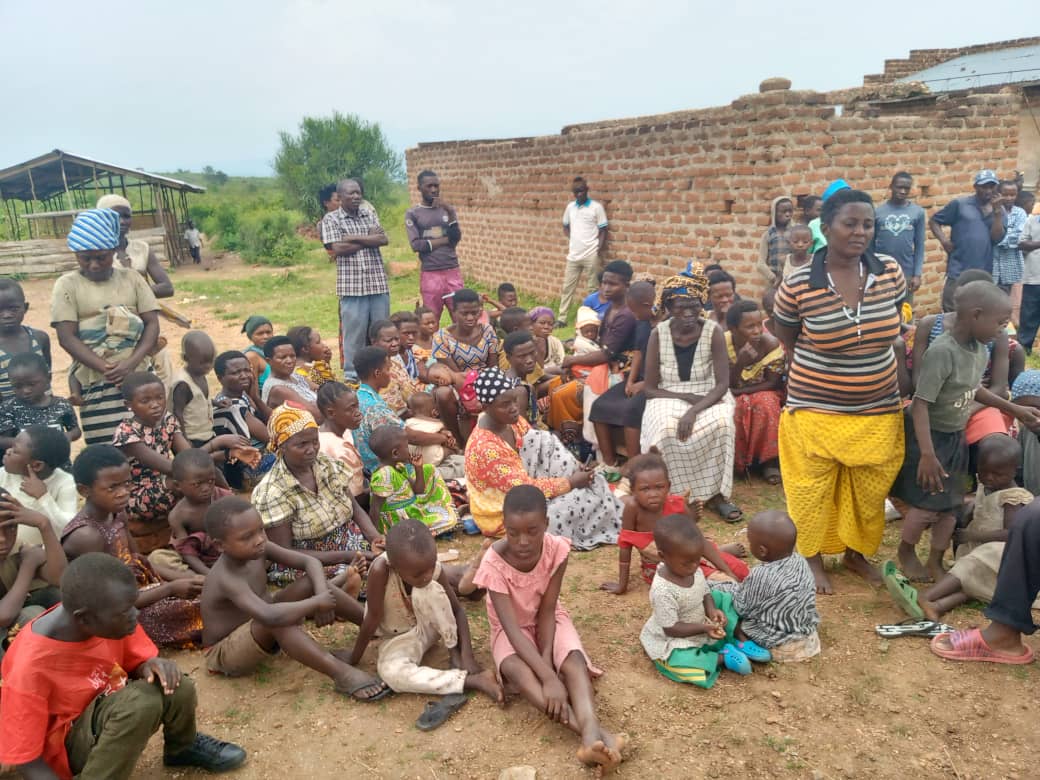
  • Urging Support for Political Equity in Birth and Development as a Fundamental Human Right

    Urging Support for Political Equity in Birth and Development as a Fundamental Human Right

    The Issue at Hand

    Fair Start formed in response to widespread use of an illegal assessment and reporting standard by U.S. companies, nonprofits, media, and universities. This standard evades compliance with the Children’s Rights Convention and conceals climate damage liability. Rooted in outdated and unjust metrics, it has fueled the climate crisis and led to millions of deaths.

    Instead of ensuring justice at birth and political equity, this system relies on arbitrary measures of social justice. We can change that by asking key questions:

    • “How do you account for children’s rights when assessing your organization’s impact?”
    • “Are your claims based on the same flawed standards that contributed to the climate crisis?”

    Justice begins with fair conditions at birth and development. We must shift from after-the-fact remedies to proactive, structural change.


    A split infographic compares Current Family Planning with Fair Start Family Planning, listing differences in welfare, equality, and environmental protection for children, while highlighting how practices like legitimacywashing can undermine genuine progress.

    The Roots of the Problem

    Decades ago, world leaders removed political equity from reproductive rights, reinforcing “separate but equal” family standards. This led to unjust and unsustainable birth conditions, favoring economic growth over equity. The result? Disproportionate climate risk and political disenfranchisement, particularly for marginalized children.

    Rather than investing in equitable birth and development, wealth was concentrated in privileged families, worsening inequality. Charitable efforts have often done more to enrich donors than to solve systemic issues.

    The Consequences of Ignoring Political Equity

    By ignoring fair power distribution at birth, social justice efforts have been performative rather than transformative. This has allowed:

    • Political and economic systems to continue favoring privileged groups.
    • Climate crisis impacts to disproportionately harm vulnerable communities.
    • Social justice philanthropy to obscure its failures rather than address them.

    The current system scores children of color as deserving fewer resources and more risk, worsening climate-related deaths. Any organization avoiding this reality is complicit in deepening inequity.


    Challenging assumptions that hurt our future infographic

    The Need for a Fair Start Standard

    All legal obligations should stem from a foundation that prioritizes children’s rights and political equity at birth. True justice must:

    1. Ensure children are born into conditions that fulfill their rights.
    2. Address environmental sustainability alongside political representation.
    3. Shift funding and policy priorities toward early-childhood equity.

    Steps Toward Change

    1. Recognize Fair Start as a Preemptive Standard
      • Reparations should focus on ensuring small, equitable, and democratic family structures.
      • Organizations should acknowledge past failures and commit to a new standard of legitimacy.
    2. Expose High-Profile Barriers to Equity
      • Identify individuals and institutions benefiting from inequitable systems.
      • Challenge philanthropists and corporations to disclose how their wealth affects children’s rights.
    3. Launch the Fair Start “Tell the Truth” Campaign
      • Replace misleading impact claims with truthful assessments of harm and injustice.
      • Hold organizations accountable for their role in perpetuating inequity.

    The Bottom Line

    Political legitimacy starts at birth. Justice requires ensuring that no child is born into conditions of deprivation and disempowerment. This is not an optional intervention—it is the foundation of a fair and sustainable future.

    We must stop supporting unjust systems and demand accountability. Will you join us in advocating for a truly equitable start in life for all children?

    Click here to Donate to Fair Start Movement Campaign


  • Tell the Truth Campaign: Ensuring Birth Equity as the First Human Right

    Tell the Truth Campaign: Ensuring Birth Equity as the First Human Right

    The Tell the Truth campaign calls on all who claim to improve the world to report their impacts in the context of children entering the world—relative to the rights and conditions they are promised.

    Are organizations truly accounting for the life experiences of the most vulnerable—infants and the animals they will impact? When we evaluate this honestly, we see how today’s ecological and political crises arose: those who appeared to be making progress were, in reality, reinforcing inequality and environmental destruction.

    Exposing the Truth

    We are fact-checking organizations that claim to support justice but fail to account for birth equity and sustainability, including:

    • The Weeden Foundation
    • Mercy for Animals
    • Wikipedia and the Center for Biological Diversity
    • Animal Rights Philanthropist Brad Goldberg

    This process reveals how public interest efforts often use flawed standards that hide their role in worsening the crises they claim to solve. By failing to prioritize birth equity, they reinforce systemic injustice, climate devastation, and political inequality.

    A split infographic compares Current Family Planning with Fair Start Family Planning, listing differences in welfare, equality, and environmental protection for children, while highlighting how practices like legitimacywashing can undermine genuine progress.

    The Core Issue: A Flawed Standard Driving Global Crises

    For decades, nonprofits, media, and business leaders ignored the impact of population growth and inequality, creating a false narrative of progress. Their standards for measuring impact exclude birth equity, ensuring a cycle of privilege for some while disempowering others—especially children of color. This approach has:

    • Undermined climate and racial justice efforts
    • Allowed unsustainable economic growth to masquerade as progress
    • Ensured wealth remains concentrated at the expense of the most vulnerable

    A Necessary Shift: Fair Start as the Overriding Human Right

    Instead of perpetuating injustice, we must reallocate extreme wealth to ensure every child is born into a system of reparations, with access to essential resources, education, and a sustainable environment. This includes:

    • Parenting delay and readiness programs
    • Family planning incentives inversely tied to privilege
    • A shift in policy to prioritize children’s rights as the foundation of justice

    Holding Institutions Accountable

    Fair Start activists, many of whom previously worked in leading nonprofits, are exposing how these organizations profited from systems that violated children’s rights. Legal action is underway, including climate tribunals in Africa, to challenge these harmful practices.

    Challenging assumptions that hurt our future infographic

    Take Action: Tell the Truth

    We urge organizations and individuals to:

    1. Assess and report impacts honestly—How does your work account for birth equity and the rights of future generations?
    2. Support policy reforms that place children’s rights at the center of governance and sustainability efforts.
    3. Admit the truth—continuing to ignore this reality does more harm than good.

    Justice starts with birth equity. It’s time to tell the truth and demand real accountability.

    Click here to Donate to Fair Start Movement Campaign