Category: Responsible Parenting & Smaller Families

  • Building a Better Future Should Never be Taboo

    Building a Better Future Should Never be Taboo

    [et_pb_section bb_built=”1″ admin_label=”section”][et_pb_row admin_label=”row”][et_pb_column type=”4_4″][et_pb_text admin_label=”Post Text” background_layout=”light” text_orientation=”left” use_border_color=”off” border_color=”#ffffff” border_style=”solid”]

    This family wants to join the Featured Families at Having Kids but is afraid of backlash from friends and family. This family will therefore remain anonymous.

    How did talking about our decision to build a better future become taboo?

    We strongly believe in small, nurturing families, but we have been reluctant to speak publicly about this issue out of a fear that we would offend one or more of our family or friends. We have a number of friends, both older and around our age (30s-40s) who have chosen to have larger families. On other issues, these folks are thoughtful and conscientious, but the question of how many kids to have is something that they view as uniquely personal and outside the realm of fair debate or discussion. It is very difficult to talk to someone you love about how you wish they were not having a third or fourth kid.

    As for us, keeping our family small has always been a priority. We are both busy professionals and our time and money can only be spread so far. With a smaller family we have money for travel, cultural events, and other fun outings that simply would not be possible if we had more kids. With a smaller family we can travel and visit grandparents and all comfortably fit in their home for holidays. And with a smaller family, both of us are able to engage in a considerable amount of pro bono public service work. We spend hundreds of hours per year doing volunteer work for our communities and for non-profits, and this would not be possible if we had a larger family.

    If more families make choices like this, the world will become a healthier and happier place. Let’s break the taboo and speak out. Good family planning means smaller families working together to plan a fair start in life for every child.

    At Having Kids:

    We promote and protect every child’s right to a fair start in life by replacing unsustainable, parent-centered family planning models with the human rights-based and child-centered Fair Start family planning model. The model suggests a shift in family planning from a subjective focus on just the parents, to an objective focus that considers the interests of the potential child, the parents, and the community.

    It’s all about this: Smaller families working together to give every child a fair start in life.

    Today many families are adopting the Fair Start family planning model. First, they try to give their child a fair start in life by having a smaller family where they can invest more in their child. Often they also foster or adopt one of the many children eagerly waiting for parents rather than creating additional need. Second, they publicly role model their choices. Finally, these families join public advocacy campaigns to shift resources from extractive centers of power like governments, corporations, and wealthy families in order to democratically empower children and future citizens by incentivizing better family planning by all parents. Why? All parents know that the quality of their own child’s life will depend on how other parents decide to have and raise their kids.

    [/et_pb_text][et_pb_cta admin_label=”Action Button” button_url=”https://fairstartmovement.org/model/” url_new_window=”off” button_text=”Learn More” use_background_color=”off” background_color=”#18aacc” background_layout=”dark” text_orientation=”left” use_border_color=”off” border_color=”#ffffff” border_style=”solid” custom_button=”on” button_letter_spacing=”0″ button_use_icon=”on” button_icon_placement=”right” button_on_hover=”on” button_letter_spacing_hover=”0″ saved_tabs=”all” button_bg_color=”#ea593c” button_border_color=”#ffac9b” button_font=”|||on|” button_icon=”%%20%%” button_bg_color_hover=”rgba(234,89,60,0.8)” /][/et_pb_column][/et_pb_row][/et_pb_section]

  • Featured Families Form Community!

    Featured Families Form Community!

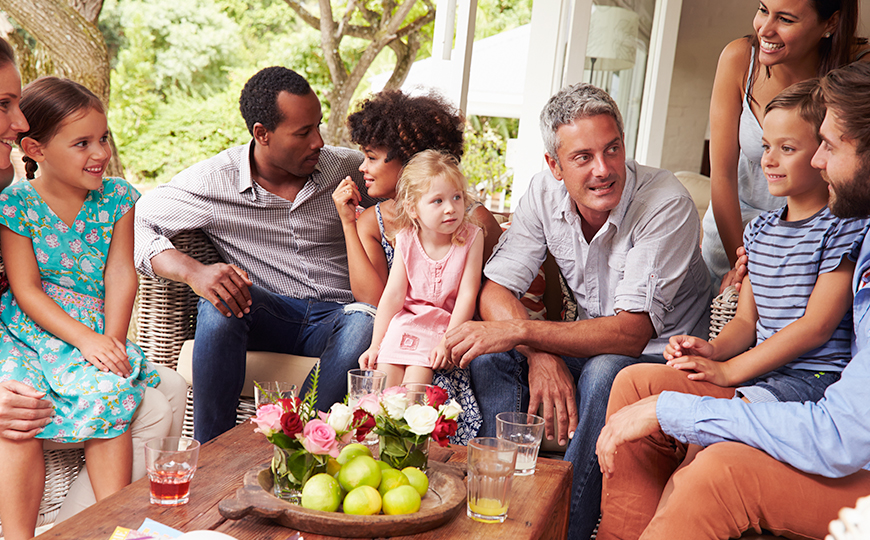
    We are grateful to the Having Kids families that shared their stories of how they are giving their children a fair start. By having a small family, they can invest more in each child, use extra resources to help others, and make a better future for all. These stories are the beginning of a larger community where parents lead by example. If you care about your children’s future, join us at fairstartmovement.org.

    –Anne (center in the picture above)

    At Having Kids:

    We promote and protect every child’s right to a fair start in life by replacing unsustainable, parent-centered family planning models with the human rights-based and child-centered Fair Start family planning model. The model suggests a shift in family planning from a subjective focus on just the parents, to an objective focus that considers the interests of the potential child, the parents, and the community.

    It’s all about this: Smaller families working together to give every child a fair start in life.

    Today many families are adopting the Fair Start family planning model. First, they try to give their child a fair start in life by having a smaller family where they can invest more in their child. Often they also foster or adopt one of the many children eagerly waiting for parents rather than creating additional need. Second, they publicly role model their choices. Finally, these families join public advocacy campaigns to shift resources from extractive centers of power like governments, corporations, and wealthy families in order to democratically empower children and future citizens by incentivizing better family planning by all parents. Why? All parents know that the quality of their own child’s life will depend on how other parents decide to have and raise their kids.


  • Families Making a Choice – Meet Astrid and John

    Families Making a Choice – Meet Astrid and John

    [et_pb_section bb_built=”1″ admin_label=”section”][et_pb_row admin_label=”row”][et_pb_column type=”4_4″][et_pb_text admin_label=”Post Text” background_layout=”light” text_orientation=”left” use_border_color=”off” border_color=”#ffffff” border_style=”solid”]

    Jon and Astrid waited until their careers advanced before having their two boys because they wanted them to have the best start in life possible! Consequently, they’ve decided not to have more kids because of their belief in ohana, the Hawaiian concept of the intentional family rather than the biological one, which emphasizes the notion that families and their friends are bound together and all members of the ohana must cooperate and help one another for the benefit of every member. Jon and Astrid have elected to use the time and resources that would have gone into creating a larger family to help the families around them, the ones that will help determine the world their own children inherit. They are aware of the relationship between the family size choices we all make today, our world’s environment, and kids’ quality of life. They are hopeful that other families will join them too!

    [/et_pb_text][et_pb_cta admin_label=”Action Button” button_url=”https://fairstartmovement.org” url_new_window=”off” button_text=”Take Action” use_background_color=”off” background_color=”#18aacc” background_layout=”dark” text_orientation=”left” use_border_color=”off” border_color=”#ffffff” border_style=”solid” custom_button=”on” button_letter_spacing=”0″ button_use_icon=”on” button_icon_placement=”right” button_on_hover=”on” button_letter_spacing_hover=”0″ saved_tabs=”all” button_bg_color=”#ea593c” button_border_color=”#ffac9b” button_font=”|||on|” button_icon=”%%20%%” button_bg_color_hover=”rgba(234,89,60,0.8)” title=”Sign the Fair Start Declaration ” /][/et_pb_column][/et_pb_row][/et_pb_section]

  • A Better Day for All Future Fathers

    A Better Day for All Future Fathers

    On Father’s Day, we should consider how best to improve the lives of all future fathers and their children.

    It’s hard to read through this New York Times article (“Remember the Population Bomb? It’s Still Ticking”) and not see the obvious: Our world would be a much better place if the United Nations and member states had decades ago adopted a family planning model based on what children need, rather than simply what parents want.

    We can begin to change that.

    To start, we can lead by example. In wealthy countries like the United States (which are largely responsible for many of the problems in African countries), we can adopt the norm of smaller families that work together to invest more in each child. We can urge the United Nations and member states to change the family planning models they promote to the Fair Start model.

    Consider signing the Fair Start declaration at HavingKids.org and helping all future fathers, mothers, and children!

    At Having Kids:

    We promote and protect every child’s right to a fair start in life by replacing unsustainable, parent-centered family planning models with the human rights-based and child-centered Fair Start family planning model. The model suggests a shift in family planning from a subjective focus on just the parents, to an objective focus that considers the interests of the potential child, the parents, and the community.

    It’s all about this: Smaller families working together to give every child a fair start in life.

    Today many families are adopting the Fair Start family planning model. First, they try to give their child a fair start in life by having a smaller family where they can invest more in their child. Often they also foster or adopt one of the many children eagerly waiting for parents rather than creating additional need. Second, they publicly role model their choices. Finally, these families join public advocacy campaigns to shift resources from extractive centers of power like governments, corporations, and wealthy families in order to democratically empower children and future citizens by incentivizing better family planning by all parents. Why? All parents know that the quality of their own child’s life will depend on how other parents decide to have and raise their kids.

  • Want to Solve Global Problems? Focus on Family Planning.

    Want to Solve Global Problems? Focus on Family Planning.

    [et_pb_section bb_built=”1″ admin_label=”section”][et_pb_row admin_label=”row”][et_pb_column type=”4_4″][et_pb_text admin_label=”Post Text” background_layout=”light” text_orientation=”left” use_border_color=”off” border_color=”#ffffff” border_style=”solid”]

    Want to help address and solve key crises around the world, including improving child welfare, decreasing the inequality gap, building democracy, and mitigating climate change and other environmental threats? Here’s how.

    • Numerous studies have shown that early childhood interventions — such as a family planning model that alters the conditions in which children are born and first raised — create the best returns in terms of improved child welfare.
    • Those early investments can reduce the long-term effects that unequal early childhood conditions have on children, including our current massive health and income gaps between adults.
    • Increasing early childhood investments, especially through modeling that promotes smaller families investing more in each child, is also a uniquely effective way to build the connected communities that real democracies require.
    • Studies have also shown that planning smaller families is the most effective way to mitigate climate change and other environmental threats, in some cases reducing impact with twenty times more efficacy than other protective measures.

    Sign the Fair Start Declaration today and help us create the future we all want.

    At Having Kids:

    We promote and protect every child’s right to a fair start in life by replacing unsustainable, parent-centered family planning models with the human rights-based and child-centered Fair Start family planning model. The model suggests a shift in family planning from a subjective focus on just the parents, to an objective focus that considers the interests of the potential child, the parents, and the community.

    It’s all about this: Smaller families working together to give every child a fair start in life.

    Today many families are adopting the Fair Start family planning model. First, they try to give their child a fair start in life by having a smaller family where they can invest more in their child. Often they also foster or adopt one of the many children eagerly waiting for parents rather than creating additional need. Second, they publicly role model their choices. Finally, these families join public advocacy campaigns to shift resources from extractive centers of power like governments, corporations, and wealthy families in order to democratically empower children and future citizens by incentivizing better family planning by all parents. Why? All parents know that the quality of their own child’s life will depend on how other parents decide to have and raise their kids.

    [/et_pb_text][et_pb_cta admin_label=”Action Button” button_url=”https://fairstartmovement.org/” url_new_window=”off” button_text=”Sign Here” use_background_color=”off” background_color=”#18aacc” background_layout=”dark” text_orientation=”left” use_border_color=”off” border_color=”#ffffff” border_style=”solid” custom_button=”on” button_letter_spacing=”0″ button_use_icon=”on” button_icon_placement=”right” button_on_hover=”on” button_letter_spacing_hover=”0″ saved_tabs=”all” button_bg_color=”#ea593c” button_border_color=”#ffac9b” button_font=”|||on|” button_icon=”%%20%%” button_bg_color_hover=”rgba(234,89,60,0.8)” /][/et_pb_column][/et_pb_row][/et_pb_section]

  • Let’s All Look Out for the Children

    Let’s All Look Out for the Children

    [et_pb_section fb_built=”1″ admin_label=”section” _builder_version=”3.22″ hover_enabled=”0″ sticky_enabled=”0″][et_pb_row admin_label=”row” _builder_version=”3.25″ background_size=”initial” background_position=”top_left” background_repeat=”repeat”][et_pb_column type=”4_4″ _builder_version=”3.25″ custom_padding=”|||” custom_padding__hover=”|||”][et_pb_text admin_label=”Post Text” _builder_version=”3.27.4″ background_size=”initial” background_position=”top_left” background_repeat=”repeat” use_border_color=”off” border_color=”#ffffff” border_style=”solid”]

    Look for advice on deciding whether to have a child and a theme will emerge: The articles are always written entirely from the perspective of the parent. The needs and interests of the future child are invisible.

    In some cases, we hear that kids are expensive, but those references are also written from the parents’ perspective. In other cases, parents will simply abandon the idea of considering a future child’s interests and embrace their own desires, even in pretty shocking circumstances or after significant reflection. This is surprising (to put it mildly), given the role this decision has on the environment in which all children will live.

    The parent-only perspective is understandable, however. Humans, as a group, are prone to many cognitive biases that determine how we plan families.

    Having Kids is focused on reversing this short-sighted and ultimately destructive bias. We are driving the change away from the view that family planning is a matter for parents and parents alone. We strive to reform family planning so that the future child emerges from invisibility and is part of the conversation.

    Share the story of how you included your child’s perspective in your decision-making process. You can help build a better future for all of us.

    At Having Kids:

    We promote and protect every child’s right to a fair start in life by replacing unsustainable, parent-centered family planning models with the human rights-based and child-centered Fair Start family planning model. The model suggests a shift in family planning from a subjective focus on just the parents, to an objective focus that considers the interests of the potential child, the parents, and the community.

    It’s all about this: Smaller families working together to give every child a fair start in life.

    Today many families are adopting the Fair Start family planning model. First, they try to give their child a fair start in life by having a smaller family where they can invest more in their child. Often they also foster or adopt one of the many children eagerly waiting for parents rather than creating additional need. Second, they publicly role model their choices. Finally, these families join public advocacy campaigns to shift resources from extractive centers of power like governments, corporations, and wealthy families in order to democratically empower children and future citizens by incentivizing better family planning by all parents. Why? All parents know that the quality of their own child’s life will depend on how other parents decide to have and raise their kids.

    [/et_pb_text][et_pb_cta button_url=”https://fairstartmovement.org/adopt-the-model/” button_text=”Share Your Story” admin_label=”Action Button” _builder_version=”3.16″ use_background_color=”off” background_size=”initial” background_position=”top_left” background_repeat=”repeat” custom_button=”on” button_bg_color=”#ea593c” button_border_color=”#ffac9b” button_font=”|||on|” button_icon=”%%20%%” text_orientation=”left” use_border_color=”off” border_color=”#ffffff” border_style=”solid” button_letter_spacing_hover=”0″ button_bg_color_hover=”rgba(234,89,60,0.8)” saved_tabs=”all” button_text_size__hover_enabled=”off” button_one_text_size__hover_enabled=”off” button_two_text_size__hover_enabled=”off” button_text_color__hover_enabled=”off” button_one_text_color__hover_enabled=”off” button_two_text_color__hover_enabled=”off” button_border_width__hover_enabled=”off” button_one_border_width__hover_enabled=”off” button_two_border_width__hover_enabled=”off” button_border_color__hover_enabled=”off” button_one_border_color__hover_enabled=”off” button_two_border_color__hover_enabled=”off” button_border_radius__hover_enabled=”off” button_one_border_radius__hover_enabled=”off” button_two_border_radius__hover_enabled=”off” button_letter_spacing__hover_enabled=”on” button_letter_spacing__hover=”0″ button_one_letter_spacing__hover_enabled=”off” button_two_letter_spacing__hover_enabled=”off” button_bg_color__hover_enabled=”on” button_bg_color__hover=”rgba(234,89,60,0.8)” button_one_bg_color__hover_enabled=”off” button_two_bg_color__hover_enabled=”off”][/et_pb_cta][/et_pb_column][/et_pb_row][/et_pb_section]

  • What’s the Solution to an Increasingly Inequitable World?

    What’s the Solution to an Increasingly Inequitable World?

    [et_pb_section bb_built=”1″ admin_label=”section”][et_pb_row admin_label=”row”][et_pb_column type=”4_4″][et_pb_text admin_label=”Post Text” background_layout=”light” text_orientation=”left” use_border_color=”off” border_color=”#ffffff” border_style=”solid”]

    Writing for The Guardian, William Rees provides an informed and intelligent voice on how to solve what may be the most pressing problems in the world today:

    The proximate drivers are excess economic production and consumption, and over-population.… Carbon dioxide is accumulating at an accelerating rate in the atmosphere and 2014, 2015 and 2016 sequentially shared the distinction of being the warmest years in the instrumental record. . . .

    At the same time, this is a world of chronic gross social inequity that erodes population health and social cohesion. According to Oxfam, the world’s richest eight billionaires possess the same wealth as the poorest 50% of the human family. More generally, the richest quintile of humanity takes home about 70% of global income compared with just 2% by the poorest fifth of the population…. This situation is egregiously unjust, socially destabilising and ecologically precarious.

    His solution is sound and feasible: “[P]lanned degrowth toward a quasi steady-state economy is technically possible, would benefit the poor and could be achieved while improving the overall quality of life, even in high-income countries. Considering the human suffering that would be avoided and the number of non-human species that would be preserved, it is also a morally compelling strategy.”

    How can we move forward to this solution? The first step is for governments and the United Nations to abandon current family planning models in favor of one based on true human rights—like the Fair Start model. This model balances the right to have children against every child’s right to a fair and equitable start in life.

    Support the change we need by signing our Fair Start petition.

    [/et_pb_text][et_pb_cta admin_label=”Action Button” button_url=”https://fairstartmovement.org/” url_new_window=”off” button_text=”Sign up here” use_background_color=”off” background_color=”#18aacc” background_layout=”dark” text_orientation=”left” use_border_color=”off” border_color=”#ffffff” border_style=”solid” custom_button=”on” button_letter_spacing=”0″ button_use_icon=”on” button_icon_placement=”right” button_on_hover=”on” button_letter_spacing_hover=”0″ saved_tabs=”all” button_bg_color=”#ea593c” button_border_color=”#ffac9b” button_font=”|||on|” button_icon=”%%20%%” button_bg_color_hover=”rgba(234,89,60,0.8)” /][/et_pb_column][/et_pb_row][/et_pb_section]

  • Rethinking the Language of Family Planning

    Rethinking the Language of Family Planning

    [et_pb_section fb_built=”1″ admin_label=”section” _builder_version=”3.22″][et_pb_row admin_label=”row” _builder_version=”3.25″ background_size=”initial” background_position=”top_left” background_repeat=”repeat”][et_pb_column type=”4_4″ _builder_version=”3.25″ custom_padding=”|||” custom_padding__hover=”|||”][et_pb_text admin_label=”Post Text” _builder_version=”3.27.4″ background_size=”initial” background_position=”top_left” background_repeat=”repeat” use_border_color=”off” border_color=”#ffffff” border_style=”solid”]

    Writing for The Guardian, Andrew Solomon explores the need for a better vocabulary, one that adequately serves all families raising future generations.

    People apply this [traditional] vocabulary with a blunt literalism, asking adopted children about their “real parents”, in keeping with the presumption that nature consistently trumps nurture. . . . Explaining a wider distribution of responsibilities among biological and non-biological parenting figures carries the risk of similar ostracism. In our ecstatic embrace of the nuclear family, we are told that a child “needs” a mother and a father, and that it is problematical for a child to be “missing” one of those archetypal roles, or to look to more than two people for ultimate guidance and reassurance. We should also question the tyranny of biological relatedness. Why should we presume that children are better off with their biological parents than with anyone else? Some children have biological parents who do not love them or are not competent to raise them; that is an old problem.

    What if we expanded Solomon’s call to include family planning? What if the new language focused on what future children and the community needed in the long term, rather than what parents wanted in the short term?

    Under our current static, parent-centered model for family planning, parents talk about wanting a boy or girl, a third or fourth child, or siblings for their current child. What if our language instead encouraged us to name and personify future children even before they were conceived? What if the needs of these future children were the center of our conversations? What if we included the community those children would both affect and rely upon: their teachers, our neighbors, their friends, their ecosystem?

    Solomon is right that our language does not serve non-traditional families. But it also doesn’t serve future children and our communities, who remain invisible in common discussions of would-be parents. Let’s expand the scope to include a fair start for all children.

    At Having Kids:

    We promote and protect every child’s right to a fair start in life by replacing unsustainable, parent-centered family planning models with the human rights-based and child-centered Fair Start family planning model. The model suggests a shift in family planning from a subjective focus on just the parents, to an objective focus that considers the interests of the potential child, the parents, and the community.

    It’s all about this: Smaller families working together to give every child a fair start in life.

    Today many families are adopting the Fair Start family planning model. First, they try to give their child a fair start in life by having a smaller family where they can invest more in their child. Often they also foster or adopt one of the many children eagerly waiting for parents rather than creating additional need. Second, they publicly role model their choices. Finally, these families join public advocacy campaigns to shift resources from extractive centers of power like governments, corporations, and wealthy families in order to democratically empower children and future citizens by incentivizing better family planning by all parents. Why? All parents know that the quality of their own child’s life will depend on how other parents decide to have and raise their kids.

    [/et_pb_text][et_pb_cta button_url=”https://fairstartmovement.org/take-action/” button_text=”Take Action” admin_label=”Action Button” _builder_version=”4.7.7″ use_background_color=”off” background_size=”initial” background_position=”top_left” background_repeat=”repeat” custom_button=”on” button_bg_color=”#ea593c” button_border_color=”#ffac9b” button_font=”|||on|” button_icon=”%%20%%” text_orientation=”left” hover_enabled=”0″ use_border_color=”off” border_color=”#ffffff” border_style=”solid” button_letter_spacing_hover=”0″ button_bg_color_hover=”rgba(234,89,60,0.8)” saved_tabs=”all” button_text_size__hover_enabled=”off” button_one_text_size__hover_enabled=”off” button_two_text_size__hover_enabled=”off” button_text_color__hover_enabled=”off” button_one_text_color__hover_enabled=”off” button_two_text_color__hover_enabled=”off” button_border_width__hover_enabled=”off” button_one_border_width__hover_enabled=”off” button_two_border_width__hover_enabled=”off” button_border_color__hover_enabled=”off” button_one_border_color__hover_enabled=”off” button_two_border_color__hover_enabled=”off” button_border_radius__hover_enabled=”off” button_one_border_radius__hover_enabled=”off” button_two_border_radius__hover_enabled=”off” button_letter_spacing__hover_enabled=”on” button_letter_spacing__hover=”0″ button_one_letter_spacing__hover_enabled=”off” button_two_letter_spacing__hover_enabled=”off” button_bg_color__hover_enabled=”on” button_bg_color__hover=”rgba(234,89,60,0.8)” button_one_bg_color__hover_enabled=”off” button_two_bg_color__hover_enabled=”off” sticky_enabled=”0″][/et_pb_cta][/et_pb_column][/et_pb_row][/et_pb_section]

  • Care about Climate, Care about Kids

    Care about Climate, Care about Kids

    [et_pb_section bb_built=”1″ admin_label=”section”][et_pb_row admin_label=”row”][et_pb_column type=”4_4″][et_pb_text admin_label=”Post Text” background_layout=”light” text_orientation=”left” use_border_color=”off” border_color=”#ffffff” border_style=”solid”]

    Post from guest blogger Courtney.

    Like most Americans, I am well aware of the dangers of global warming. The topic is a common subject across media platforms, occupying space on television news, blogs, and Facebook posts. Most people in progressive circles express a fair amount of certainty that thanks to climate change, life on this planet will be very difficult for its inhabitants, even 50 years from now.

    And yet, the context, even one as dire as many of us envision, does not currently play a central role in people’s decision to have children. This seems odd, but it’s a natural consequence of the one-sided parenting model we now operate under. Under the three-sided model proposed by Having Kids, people would frame their decision not only in terms of their own desires, but also in the interest of their children and of the community/society.

    In an environmental context where global warming is a major factor, potential parents should weigh their desire to parent against the wellbeing of their future child, as well as the ability of the community to respond effectively to a changing climate and environment. Such decision-making might result in a person deciding not to have children or deciding to have fewer children — children they would better equip to live in this more challenging world. Either way, the decision would be one that emerged from a broader — and some might say truer — perspective on the situation at hand.

    At Having Kids:

    We promote and protect every child’s right to a fair start in life by replacing unsustainable, parent-centered family planning models with the human rights-based and child-centered Fair Start family planning model. The model suggests a shift in family planning from a subjective focus on just the parents, to an objective focus that considers the interests of the potential child, the parents, and the community.

    It’s all about this: Smaller families working together to give every child a fair start in life.

    Today many families are adopting the Fair Start family planning model. First, they try to give their child a fair start in life by having a smaller family where they can invest more in their child. Often they also foster or adopt one of the many children eagerly waiting for parents rather than creating additional need. Second, they publicly role model their choices. Finally, these families join public advocacy campaigns to shift resources from extractive centers of power like governments, corporations, and wealthy families in order to democratically empower children and future citizens by incentivizing better family planning by all parents. Why? All parents know that the quality of their own child’s life will depend on how other parents decide to have and raise their kids.

    [/et_pb_text][et_pb_cta admin_label=”Action Button” button_url=”https://fairstartmovement.org/model/” url_new_window=”off” button_text=”Learn More” use_background_color=”off” background_color=”#18aacc” background_layout=”dark” text_orientation=”left” use_border_color=”off” border_color=”#ffffff” border_style=”solid” custom_button=”on” button_letter_spacing=”0″ button_use_icon=”on” button_icon_placement=”right” button_on_hover=”on” button_letter_spacing_hover=”0″ saved_tabs=”all” button_bg_color=”#ea593c” button_border_color=”#ffac9b” button_font=”|||on|” button_icon=”%%20%%” button_bg_color_hover=”rgba(234,89,60,0.8)” /][/et_pb_column][/et_pb_row][/et_pb_section]