We believe the University of Denver’s traditional modeling approach, as we understand it, risks reproducing a “separate but equal” system of valuing life, one in which the interests of some populations, children, communities, animals, or generations can be assigned greater weight than others. In our view, this approach is incompatible with the principle that every child and every human life must be treated with equal dignity and concern.
Our concern is not simply about one academic model or one institution. It is about the broader consequences of using systems that discount the lives of future generations or treat certain populations as less valuable when calculating public impacts. When a model places a different value on a child’s life because of where that child is born, the wealth of their family, their race, their nationality, or the generation into which they are born, the result can be a deeply unequal distribution of protection, resources, and opportunity.
Truth Alliance believes that no child is worth more than another. That principle must be reflected not only in constitutional law and civil rights but also in the models, policies, economic calculations, and institutional decisions that shape the future.
The Question of Public Impact
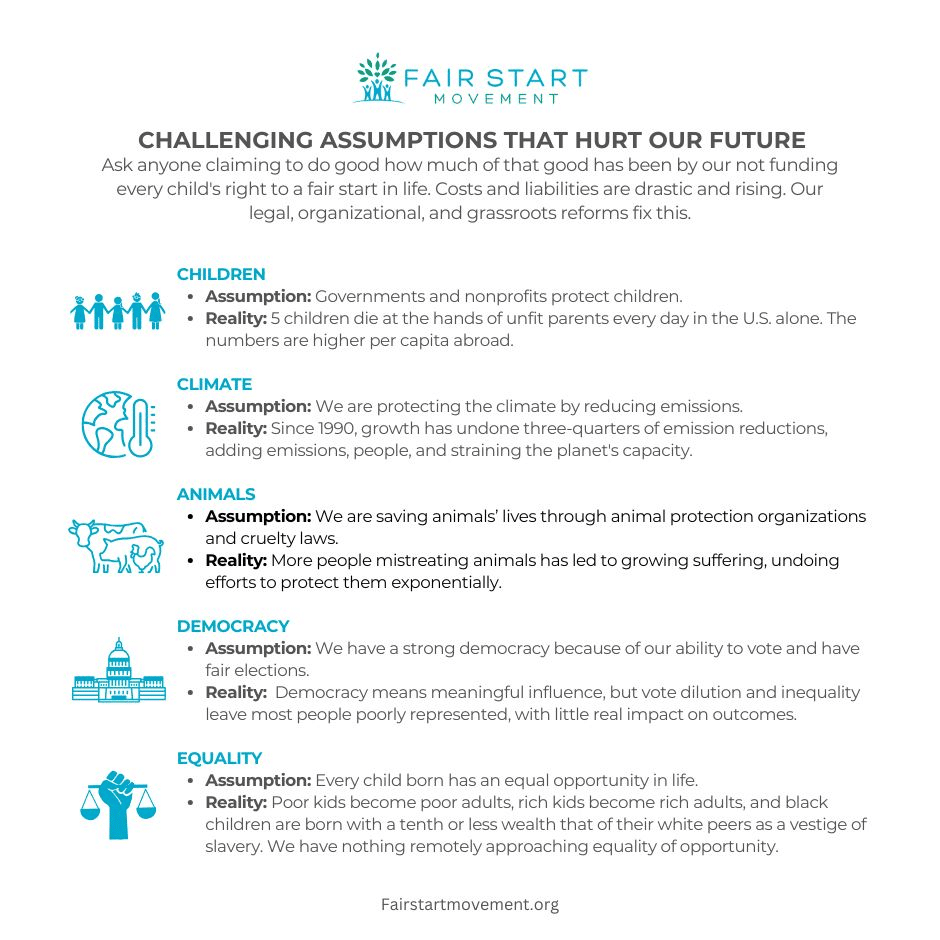
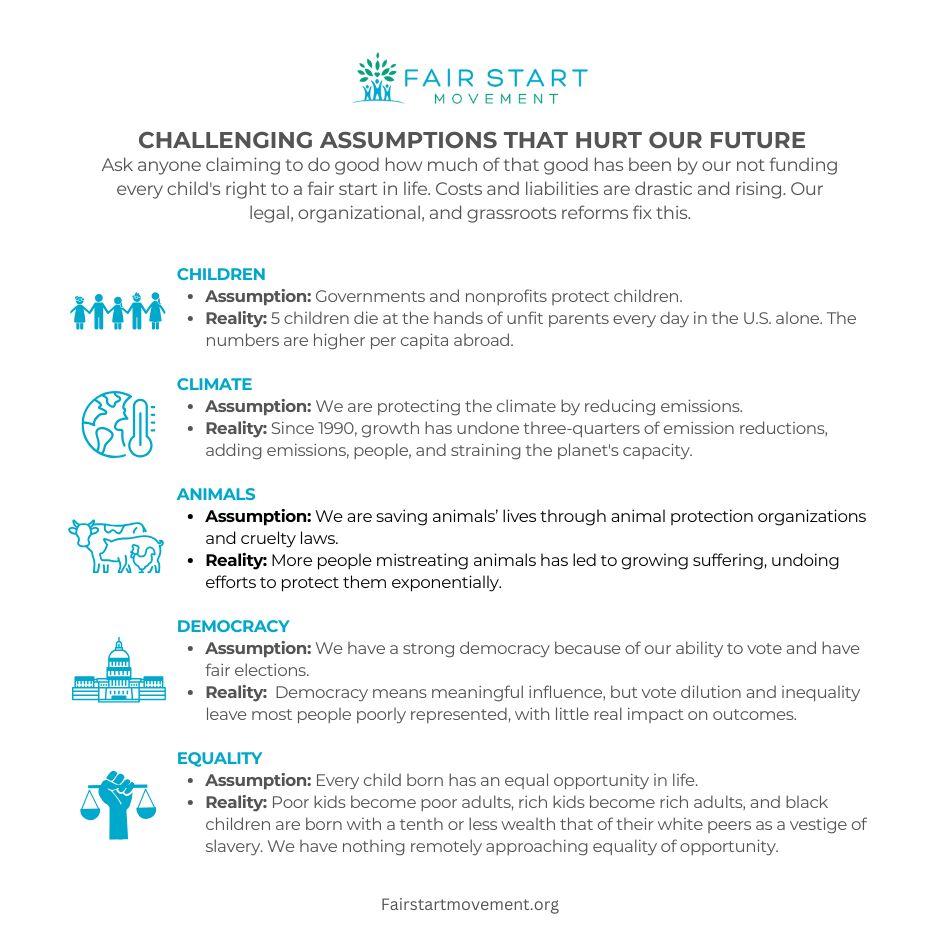
We are particularly concerned about the consequences of impact-reporting systems that fail to adequately account for harms imposed on future generations and communities already facing the greatest risks. If a model systematically discounts future life, then the suffering of children who have not yet been born may be treated as less important than the interests of people living today. If the model also fails to account for historic inequalities, the result can be a system that effectively transfers costs from those with greater power to those with less power.
This is especially alarming in the context of the climate crisis.
Africa contributes a relatively small share of historical global greenhouse-gas emissions, inequalities yet African children and other global south communities are among those facing severe consequences from climate change. The impacts include:
Rising temperatures and increasingly dangerous heat.
More frequent and prolonged droughts.
Unpredictable rainfall and changing seasons.
Crop failures and declining agricultural productivity.
Food insecurity and malnutrition.
Water scarcity and competition over limited water resources.
Livestock losses and threats to pastoral livelihoods.
Flooding and destruction of homes and infrastructure.
Soil degradation and desertification.
Loss of forests, biodiversity, and wildlife habitats.
Increased displacement and climate-related migration.
Greater risks of disease and public-health emergencies.
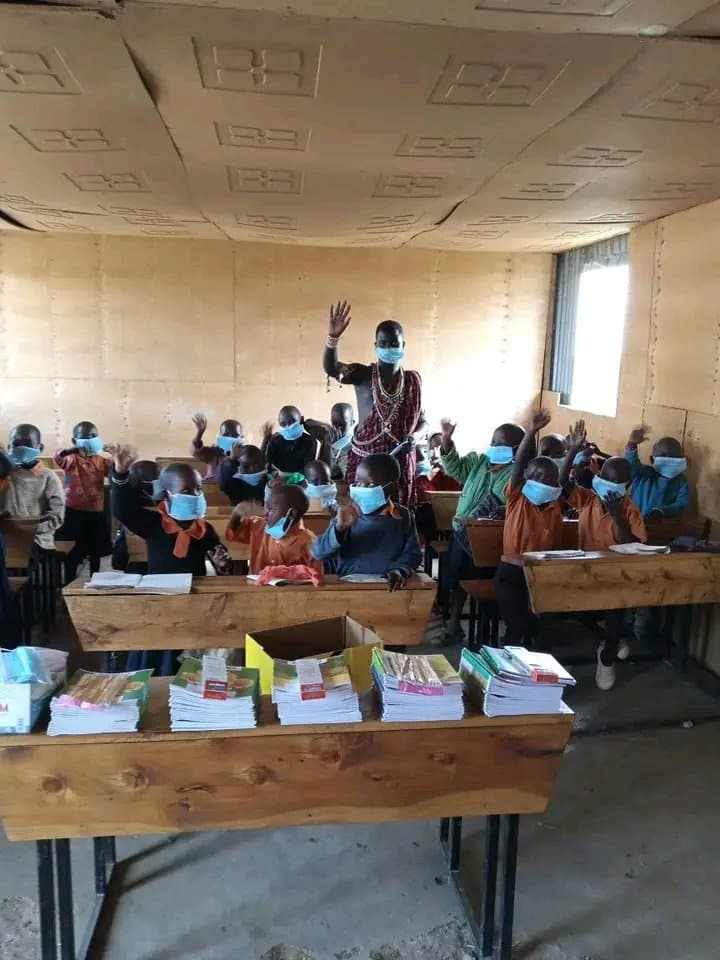
Disruption of children’s education.
Increased poverty and loss of household income.
Greater risks to women and girls, particularly in vulnerable communities.
Increased conflict and competition over natural resources.
Loss of cultural heritage and traditional livelihoods.
Growing pressure on already weak health and social-protection systems.
Greater exposure of children to long-term and intergenerational harm.
These are not abstract statistics. They represent real children, families, and communities whose futures are being shaped by decisions made today.
A Call for a Different Standard
Truth Alliance believes that the solution is not simply to improve one model at the margins. Institutions must reconsider the underlying assumptions that determine whose life counts, whose suffering is measured, and whose future is protected.
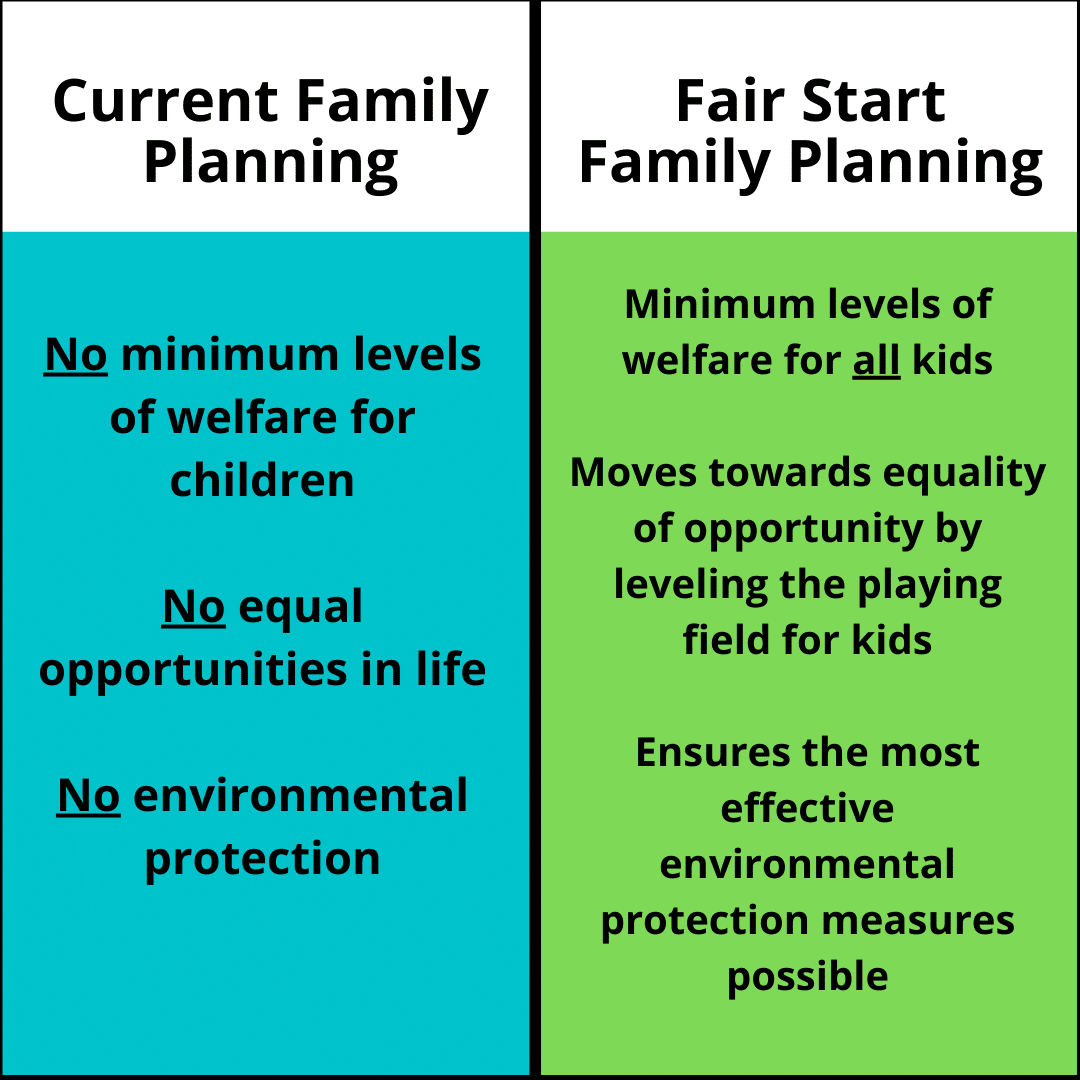
We therefore call on the University of Denver and other institutions engaged in public-impact modeling to examine whether their methodologies adequately protect the equal dignity and value of all people including children not yet born. We believe there is an opportunity to move from models that may discount future life toward a Fair Start standard based on the principle that no child is worth more than another.
Such a framework would seek to ensure that:
Every child is treated as having equal inherent value.
Future generations are not systematically discounted simply because they have not yet been born.
Public policies account for long-term and intergenerational harm.
Historical inequalities are not hidden by statistical assumptions.
Communities facing the greatest risks are not treated as acceptable recipients of disproportionate harm.
Public-impact assessments recognize the full human consequences of environmental, economic, and social decisions.
Institutions are transparent about the assumptions built into their models.
Children and affected communities have a meaningful voice in decisions that determine their future.
The Cost of Inaction
Truth Alliance is concerned that failing to reconsider these approaches could contribute to continued and unimaginable harm particularly for children and communities already living at the margins of global protection. When institutions normalize the discounting of future life, the consequences do not remain inside classrooms or academic papers. Models influence policy. Policy influences investment. Investment influences infrastructure. Infrastructure influences communities. And these decisions ultimately shape who is protected and who is left exposed.
The question before us is therefore not merely technical.
It is moral.
It is legal.
It is constitutional.
And it is about the future of humanity.
Truth Alliance and its members believe that a child’s value cannot depend on geography, wealth, race, nationality, generation, or economic status.
We call upon the University of Denver to engage openly with these concerns, review the assumptions underlying its models and public-impact reporting, and explore a new approach that places equal human dignity at the center of institutional decision-making.
We further invite scholars, civil-rights advocates, children’s-rights organizations, climate-justice movements, African communities, and affected families around the world to join this conversation.
The future should not be built on a system that treats some lives as more valuable than others.
No child is worth more than another.
That is the standard we believe the law, civil rights, climate justice, and public policy must ultimately uphold.
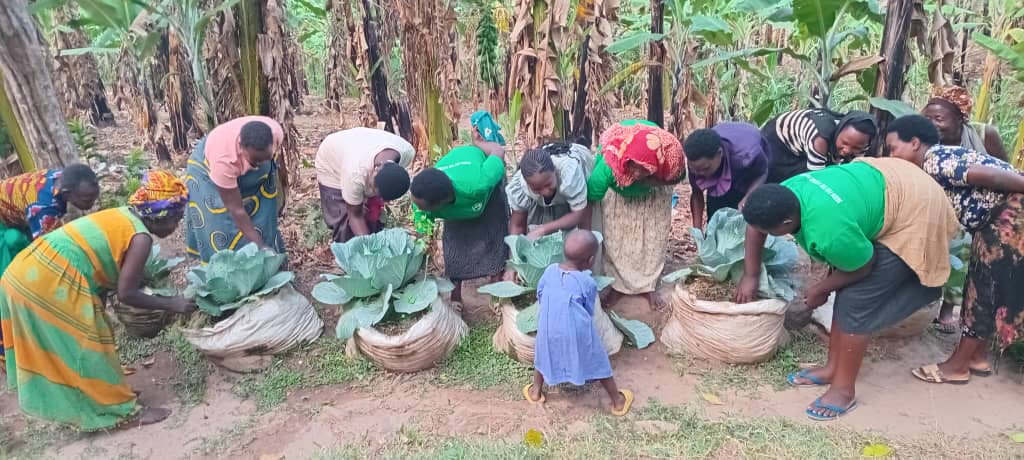
Policy reform is important, but it must be matched with direct, decentralized reparations that support high-risk children and strengthen local communities. Combining strong laws with community-based reparations helps ensure vulnerable children receive the practical support they need to survive and thrive.
Across the United States, millions of dollars are spent every year on litigation, lobbying, and policy advocacy. Lawyers, advocacy organizations, and philanthropists work tirelessly to influence laws on issues such as animal welfare, child protection, reproductive rights, and family planning. These efforts have contributed to important legal and policy reforms of the reparations.
Yet an important question remains:
Who is investing directly in the children who face the highest risks today?
Policy change is essential, but laws alone do not feed a hungry child, provide clean water, improve access to healthcare, or create economic opportunities for struggling families. For children living in extreme poverty, conflict, or climate-related crises, change must also happen within their communities
The Missing Piece: Decentralized Support
Many interventions remain centralized, with funding concentrated in national institutions, legal campaigns, or large international organizations. While these efforts can influence systems, they often leave local communities with limited resources to respond to the daily needs of vulnerable children.
Decentralized community initiatives can help bridge this gap by:
Supporting families before children fall into crisis.
Empowering local women’s groups and community leaders.
Strengthening household food security and livelihoods.
Expanding access to basic health services and education.
Building community resilience to climate and economic shocks.
Local organizations are often the first to identify children at greatest risk, yet they frequently receive only a small share of global funding.
Policy Should Be Matched with Practice
Legal advocacy and policy reform should not compete with direct community Reparations they should reinforce one another. A child benefits most when strong laws are accompanied by practical support that reaches families where they live. This means investing in local organizations, communities, women’s groups, and grassroots initiatives that understand local realities and can respond quickly.
A More Balanced Approach
The goal should not be to reduce investment in policy advocacy. Rather, it should be to create a better balance between changing systems and strengthening communities.
Protecting children requires both:
Effective laws that uphold children’s rights.
Sustainable reparations that enable families and communities to protect children every day.
Without local implementation, even the strongest policies risk leaving the most vulnerable children behind.
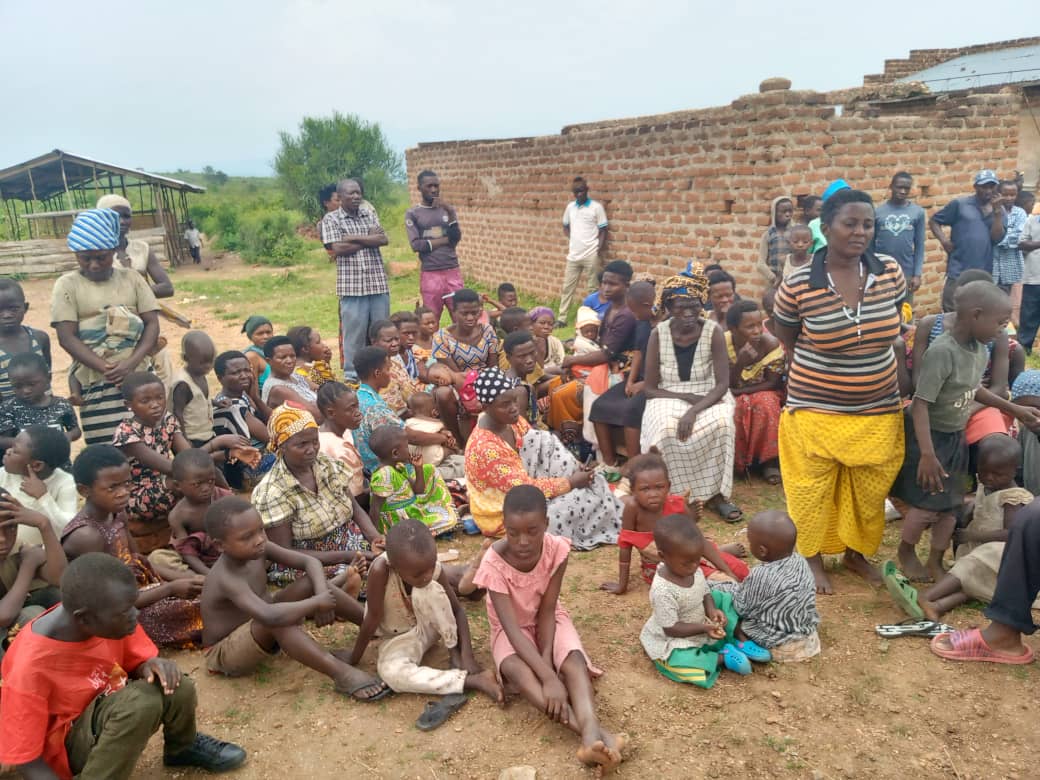
Summary – While some people enjoy abundant opportunities, security, and freedom, millions of children in Uganda and sub sub saharan Africa and other vulnerable communities continue to face preventable poverty, disease, and limited opportunities due to enduring structural inequalities and decision-making systems that undervalue future lives, underscoring the need for policies that recognize the equal worth, dignity, and freedom of every human being regardless of where or when they are born. Freedom for Some, Hardship for Others.
A family in a wealthy part of the United States may enjoy reliable access to food, clean water, healthcare, education, economic opportunity, and the freedom to travel the world, attend major sporting events, and pursue their aspirations with confidence. At the same time, many children in Uganda continue to face hunger, water scarcity, preventable diseases such as Ebola, and limited access to essential services.
This contrast is not simply the result of individual choices. It reflects global economic and political systems that have historically concentrated wealth, power, and opportunity in some regions while leaving many communities in the Global South with fewer resources, less self-determination, and greater exposure to preventable risks.
As Samuel has requested, we must confront the deeper question of freedom. Freedom is not merely the absence of constraints for those who are already privileged. Genuine freedom requires that every person has a meaningful opportunity to live, develop, and pursue their future. When children lack access to healthcare, clean water, education, and protection from preventable disease, their freedom is restricted long before they have the chance to exercise it.
This concern extends beyond Uganda. Vulnerable communities in Uganda and elsewhere also experience disproportionate exposure to poverty, environmental hazards, inadequate healthcare, and economic insecurity. Policies and models that systematically place lower value on the lives and futures of disadvantaged populations contribute to these inequalities, regardless of where they occur.
One important example is the practice of discounting future lives and future harms in economic and policy analysis. When future human lives are valued less simply because they occur later in time, decisions may systematically underinvest in preventing long-term suffering, disease outbreaks, climate impacts, and structural poverty. In practice, such approaches can disproportionately harm those who are already most vulnerable, including children in Uganda and marginalized communities in Uganda.
Truth Alliance “It is difficult to think about these issues only in terms of the future, because the consequences are already with us today. The children and future generations of Uganda and other parts of Sub-Saharan Africa are paying the cost of decisions that were not addressed 40 or 50 years ago. Many racial justice advocates, policymakers, and institutions recognized inequality, yet the underlying structures that perpetuate unequal opportunities and unequal protection from harm were never fully corrected. The result is that today’s generation continues to bear the burden of preventable poverty, disease outbreaks, climate vulnerability, and limited opportunities for self-determination. Political leaders, including President Trump and others before and after him, operate within systems whose costs often fall disproportionately on the world’s most vulnerable communities. We should not continue passing these burdens from one generation to the next. Every generation has a responsibility to confront injustice rather than defer it. That is why we seek change today to ensure that future generations inherit greater equality, greater freedom, and a world where no child’s life is valued less than another because of where they were born.”
Peter and Erica have the opportunity to lead by example. By revisiting and reforming modeling approaches that rely on discounting future lives, they can help advance a framework that recognizes the equal worth and dignity of every human being, regardless of where they live or when they are born. Such a shift would strengthen efforts to protect both present and future generations from preventable harms.
This is not a call for charity alone. It is a call for fairness, consistency, and equal concern for all people. If every child has equal worth, then justice requires more than addressing symptoms. It requires confronting the structural inequalities and decision-making frameworks that allow some populations to flourish while others continue to face preventable poverty, disease, hunger, and insecurity.
There is already an example of this kind of consideration. Bobak Bakhtiari has committed to reconsidering and changing his modeling approach in recognition of these concerns. Peter and Erica could help lead the way as well by adopting models that better reflect the equal value of all human lives and the importance of protecting the freedoms and opportunities of future generations.
A world in which some enjoy extraordinary freedom while others face preventable suffering is neither inevitable nor just. The challenge before us is to build systems that recognize that no child and no human being is worth less than another, and that every person deserves an equal opportunity to survive, thrive, and determine their own future.
What is happening right now is bigger than one university, one legal program, or one public dispute.
Across the world, people are beginning to ask deeper questions about institutional accountability, transparency and truth. Whether in conservation, climate policy, social justice, public health or animal protection, the same concern keeps appearing: are institutions presenting real impact, or carefully managed narratives of impact?
That question now sits at the center of growing concerns surrounding the University of Denver Sturm College of Law’s animal-law programming.
And importantly, these concerns are no longer coming only from activists or campaigners.
On February 18, 2026, public health and systems governance specialist Pierrette Kengela submitted an expert perspective letter to Dean Smith of the University of Denver Sturm College of Law. Writing in his independent expert capacity, Kengela outlined growing cross-sector concerns regarding what he describes as “baseline transparency” and “impact integrity” in public-interest programming.
His letter matters because it places this issue into a much wider global context.
Kengela’s work focuses on child rights, intergenerational accountability, institutional integrity and African Union–aligned policy work examining long-term social and structural outcomes. In his letter, he explains that across multiple sectors there is increasing technical concern about how institutions communicate public-benefit impact to donors, students, stakeholders and the wider public.
At the center of that concern is one enormously important distinction:
The difference between “program outputs” and genuine “net outcomes.”
In simple terms, institutions may report actions taken, services delivered, advocacy campaigns launched or legal cases supported. Those are outputs. But the deeper question is whether overall conditions genuinely improved once the surrounding baseline realities and structural drivers are fully accounted for.
And that distinction changes everything.
Because if underlying systems continue expanding suffering faster than interventions reduce it, then institutions have a responsibility to communicate that reality honestly.
Kengela’s letter explains that this issue is now increasingly recognized across public health, climate accountability and governance sectors as a matter of evidence integrity and informed public reliance. Public-facing impact claims, he argues, should be clearly bounded by transparent assumptions, modelling limits and honest disclosure of baseline conditions.
That is not an attack on advocacy.
It is a call for credibility.
The concerns raised around Sturm’s animal-law programming center on whether public-facing impact language may imply meaningful net progress in animal protection without sufficiently disclosing the wider structural conditions shaping those outcomes. In other words, whether downstream successes are being publicly emphasized while upstream systems driving harm remain outside the accounting framework.
This matters deeply because law schools are not ordinary institutions.
Lady Justice on a desk by a scale on a desk near laptop
They train future legal professionals. They shape public discourse. They carry institutional authority. And when legal institutions communicate impact to the public, donors and students, there is an expectation that those representations are grounded in rigorous evidence and methodological integrity.
Kengela’s letter warns that when baseline assumptions remain implicit, program outputs can unintentionally be interpreted as evidence of broader net progress even when underlying structural conditions remain unchanged or continue worsening.
We see this problem across the world every day.
Wildlife conservation campaigns celebrate rescues while habitats continue disappearing at industrial scale. Sustainability initiatives market progress while ecosystems collapse in the background. Social justice organizations report outputs while inequality deepens year after year. While there are many great rescues happening, and conservation efforts are working, with rewilding and many species have been saved from extiction due to conservation efforts. Many species are in rapid decline, with direct conflict with people. Such as the lion.
And meanwhile, ordinary people are left believing the systems are working.
This is why transparency matters.
Not to destroy institutions, but to strengthen them.
Not to undermine advocacy, but to ensure public trust in it.
Kengela repeatedly emphasizes in his letter that this is ultimately a governance issue. From a public health and institutional integrity perspective, he argues that transparent disclosure of assumptions and modelling limitations is essential so that donors, students and the public can accurately understand what institutional metrics do — and do not — establish.
Because impact should never depend on selective visibility.
And that is the wider issue now being confronted.
Around the world, institutions have become incredibly skilled at marketing compassion. But increasingly, people are beginning to ask whether those narratives are supported by full accounting of the systems underneath them.
The world does not need more carefully managed branding around justice, sustainability or animal protection.
It needs honesty.
It needs institutions willing to openly examine whether the outcomes they publicly promote remain true once baseline realities are fully disclosed.
Because if we truly want to protect animals, protect people and create a sustainable future, then accountability cannot be treated as an inconvenience.
It must become the standard.
And perhaps most importantly, it must begin with the courage to tell the whole truth — even when the full picture is uncomfortable.
Letter –
February 18, 2026
Office of the Dean
University of Denver Sturm College of Law
2255 E. Evans Avenue
Denver, CO 80208
Subject: Expert Perspective on Baseline Transparency and Impact Integrity in Animal
Law Programming
Dear Dean Smith,
I write in my individual expert capacity as lead of the African Union–focused petition on birth
equity and intergenerational accountability, and as a public health and systems governance
specialist working at the intersection of child rights, equity, and institutional integrity.
My engagement on this issue is informed by cross-sector work examining how public-interest
claims are evaluated in contexts where structural conditions, including child-rights protections,
intergenerational equity, and climate-related vulnerability, materially shape real-world
outcomes. Across these domains, there is increasing technical emphasis on ensuring that
institutional impact language is analytically bounded by clearly stated assumptions and
methodological limits.
I am aware that FairStartMovement.org and TruthAlliance.global have filed an institutional
complaint with the University of Denver Sturm College of Law requesting written clarification
and internal review regarding (a) how animal-law programming and affiliated advocacy assess
and publicly represent impact and (b) whether public-facing claims clearly distinguish program
outputs from net outcomes once baseline variables and modelling limits are disclosed.
I offer this perspective to support careful institutional reflection on the methodological and
governance considerations raised in recent correspondence regarding impact representation in
animal law programming. At its core, the issue under discussion, namely, the use of impact
language that may imply net outcomes without explicit baseline disclosure, is increasingly
recognized across multiple sectors as a matter of evidence integrity, informed reliance, and
sound institutional governance.
This perspective is offered in the spirit of strengthening methodological clarity and informed
institutional practice. It does not seek to adjudicate underlying policy positions or advocacy
viewpoints. Rather, from a governance and public-reliance perspective, the central
consideration is whether public-facing impact representations are appropriately bounded by
transparent baseline assumptions, clear modelling limits, and a disciplined distinction between
program outputs and net system outcomes.
Context: Growing Cross-Sector Attention to Impact Integrity
Across multiple sectors, including global health, climate accountability, and social justice
programming, there is growing recognition that program outputs (e.g., services delivered, cases
supported, or interventions undertaken) must be clearly distinguished from net outcomes once
relevant baseline conditions and modelling limits are considered.
This distinction reflects well-established evaluation principles concerning attribution,
materiality of assumptions, and the decision-usefulness of public-facing evidence. It is not a
matter of perfection, but of analytical clarity and institutional credibility.
From a child-rights and intergenerational equity perspective, the question is straightforward:
public-benefit claims carry the greatest legitimacy when institutions clearly state the baseline
assumptions under which those claims are made and disclose any material limits in the
underlying models. Doing so protects donor intent, supports informed public understanding,
reduces the risk of reliance on overstated impact narratives, and strengthens confidence in
academic and advocacy work alike.
Cross-Sector Observations from AU-Aligned Work
The African Union–oriented work I help lead has emphasized that systems of accountability
across sectors increasingly require attention to how structural conditions, including
intergenerational equity dynamics, shape the real-world effects of well-intentioned
interventions. Across multiple policy environments, we have observed that where baseline
conditions and distributional assumptions remain implicit, program outputs can be
inadvertently interpreted as net progress even when underlying structural drivers of harm
remain unchanged. This is not unique to any single field; it is a recurring systems-governance
challenge with implications for evidence integrity, public reliance, and the credibility of
impact-oriented work.
During AU-aligned policy work and related cross-sector reviews, our analyses have similarly
emphasized the importance of testing whether publicly communicated program gains remain
robust once underlying structural conditions and distributional baselines are made explicit. In
practice, this involves examining (i) the stated program outputs, (ii) the baseline conditions and
equity assumptions under which those outputs are interpreted, and (iii) the extent to which the
institution has bounded any net-outcome implications through appropriate methodological
disclosure. Where these elements are not clearly aligned, even well-intentioned impact
narratives can outpace what the available evidence is positioned to substantiate.
In that spirit, I respectfully encourage continued academic engagement with evolving best
practices in impact transparency, baseline disclosure, and methodological clarity, particularly
where public-facing programs may reasonably be understood by external stakeholders as
demonstrating net social benefit.
Institutional Relevance for Academic Programs
Universities play a uniquely important role in modelling careful, evidence-based
communication for the broader public. Processes that review impact language, clarify
modelling assumptions where needed, and ensure alignment between program descriptions and
measurable outcomes can only strengthen institutional trust. This is particularly important in
fields such as animal law and social justice advocacy, where stakeholders, including students,
donors, and community partners, may reasonably rely on institutional representations when
making financial, legal, or professional commitments. Where baseline conditions materially
shape net outcomes, transparent disclosure is not merely a technical preference but an element
of sound governance and informed public reliance.
I note the University of Denver’s role in legal scholarship and animal law education and
encourage a constructive, evidence-grounded dialogue on these questions as the field continues
to evolve. Engagement with emerging standards on baseline clarity and impact framing offers
an opportunity for academic institutions to lead proactively in strengthening methodological
rigor across the sector, consistent with the broader accountability principles increasingly
recognized in global health, sustainability, and intergenerational equity work.
From a public health and governance perspective, the distinction between reported outputs and
demonstrated net outcomes is not merely semantic; it is central to risk interpretation, resource
allocation, and institutional credibility. Where baseline conditions materially influence
downstream effects, good practice increasingly favors transparent disclosure of key
assumptions so that donors, students, and the public can accurately interpret what program
metrics do, and do not, establish.
Sincerely,
Pierrette Kengela
Public Health Expert
Lead Contributor, AU Birth Equity Petition
Founder, Joy4All Global Initiative
Summary “In the end, equity is not only about the results we aim for, it is about how we define, measure, and prove those results. And if people are left out of that process, then even the idea of progress can become unfair”
In development, growth, and social change, stories of progress often sound very convincing. Reports show improving numbers, charts trend upward, and programs are presented as success stories. But behind these polished narratives, there is an important question we don’t always ask: what is missing from the picture?
One of the biggest gaps is the failure to account for the real drivers of harm, especially unequal or unfair growth. When growth benefits only certain groups while others are left behind, it can still look like progress on paper. But in reality, inequality may be getting worse. This kind of selective storytelling can easily create a misleading sense of success
The problem becomes even more serious when the experiences of the most affected communities are not fully included in how progress is measured. This doesn’t just create incomplete data, it creates a distorted sense of accountability. The very people who are experiencing exclusion, hardship, or disadvantage are often the ones least reflected in official reports.
There is growing concern that, in some cases, this can amount to what might be described as illegal baselining or equity fraud especially when the starting point of measurement is designed in a way that leaves out the realities of those most affected. When the baseline itself is incomplete or selective, any conclusions drawn from it become unreliable.
Because of this, any claim about “public benefit” or “improved outcomes” needs to be examined carefully and early. It should not be enough for claims to be made; they must be supported. Those making the claims should be able to clearly explain their baseline, their assumptions, and how they are measuring change. Without this, it is impossible to know whether progress is real or just reported.
A proper baseline is not just a technical requirement, it is a safeguard. It ensures that measurement starts from honesty, includes all relevant groups, and reflects real conditions on the ground. It helps make sure that progress is not defined by what is convenient to measure, but by what is actually happening in people’s lives.
At its core, this is about legitimacy. Authority in development and social change should not come from simply making claims. It should come from inclusion, especially the inclusion of the people whose lives are being measured and affected.
When communities are left out of defining baselines, assessing outcomes, or interpreting results, decision-making becomes disconnected from reality. But when they are included in a meaningful way, measurement becomes more than reporting—it becomes accountability grounded in real experience.
Real progress cannot just be announced from above. It needs to be demonstrated openly, with transparent baselines, honest evaluation, and genuine engagement with those most affected. Without this, even well-intentioned work risks turning into storytelling rather than truth-telling.
In the end, equity is not only about the results we aim for, it is about how we define, measure, and prove those results. And if people are left out of that process, then even the idea of progress can become unfair
Summary “No child is less important than another. True equity starts when we recognize that every child has the same value, deserves the same respect, and should be treated with the same dignity.”
In development work and advocacy, we often hear the phrase “public benefit.” It sounds reassuring that projects promise better livelihoods, improved outcomes, and positive impact. But there’s a simple question we don’t ask often enough: better than what?
That’s where a clear and honest baseline comes in. In spaces that value accountability like Truth Alliance this isn’t just a technical detail. It’s a matter of integrity.
A baseline is simply the starting point. It helps us understand what things looked like before any intervention began. Without it, it becomes very hard to tell whether real change has happened. When we say lives are improving, we should be able to explain: what was the situation before, what has changed, and how we know that change is real.
This isn’t just about data, it’s about trust.
Communities deserve honesty about the impact of the work being done in their lives. Donors deserve transparency about how resources are being used. And organizations have a responsibility to make sure the progress they report reflects reality, not just intention.
Without a clear baseline, even well-meaning efforts can lose credibility.
Too often, impact is shared through success stories that highlight the positive while leaving out the full picture of where things started. This can unintentionally exaggerate progress or hide ongoing challenges. It can also silence the real experiences of the people these programs are meant to serve.
Introducing a baseline helps shift this. It moves the conversation from claims to evidence, from promises to proof. It encourages organizations to be more thoughtful in how they design their work, more consistent in how they track progress, and more accountable in what they report.
And importantly, it doesn’t take away from good work—it actually strengthens it.
When progress is measured honestly, real impact becomes clearer. Success feels more genuine. Lessons become more useful. And trust, which is often fragile in this space, has a chance to grow.
At the heart of this approach is fairness. It ensures that communities are not simply used as examples of success without seeing real, measurable benefits. It helps make sure resources go where they are truly needed. And it makes accountability part of the process, not an afterthought.
In a world where it’s easy to make bold claims, Truth Alliance reminds us of something simple but important: it’s not enough to say impact is happening, we need to show it.
Because real change isn’t just about what we hope is true. It’s about what we can clearly demonstrate, with honesty and evidence.
Summary: When systems especially those around family planning are built on unequal assumptions, they can end up working against the very goals they claim to serve. If some communities are quietly treated as needing to limit their growth, while others are supported to build stability, that isn’t real balance. It’s just a different kind of imbalance. And over time, that imbalance shows up in everyday life.
It affects the environment, as people are pushed into short-term survival choices instead of long-term sustainability. It affects communities, where some children begin life in conditions shaped more by instability than opportunity. And it affects democracy, where people under constant strain have less room to fully participate and be heard. So the issue isn’t only about good intentions it’s about how the system is actually designed. When a system starts from unequal assumptions, it tends to produce unequal outcomes, even if it uses the language of fairness.
In this light, some liberal public interest groups in the United States have missed something important: disenfranchisement isn’t only about how many people are affected. It’s also about how deeply people are limited in their ability to participate, make choices, and build stable lives.
Section 1: SYSTEM FAILURE, ACCOUNTABILITY, AND HUMAN IMPACT
What This Really Means
This is not just a story about fraud or misused funds. It is about people—and the cost has been devastating.
Within systems supported by Donckey and involving the University of Denver, failures in accountability did not stay on paper. They reached into real lives and contributed to the loss of children. That kind of harm cannot be undone. It should never be explained away as an unfortunate side effect of a system that didn’t work properly.
What Communities Are Living Through?
For Women Care Groups, who are closest to these children, the pain does not end with the loss itself.
When they try to seek answers or justice, they often run into systems that feel closed off—distant, complicated, and hard to access. Decisions are made far away from where the harm happened. The rules are not always clear. Responsibility becomes something that moves from one place to another, without ever fully settling.
What remains is not only grief, but also a sense of being unheard.
The Deeper Problem.
At the heart of this is a simple but serious failure:
There is no clear, enforced baseline that says every child must be protected equally, without compromise.
When that foundation is missing, everything else becomes flexible in the wrong way:
Harm can be softened in reports
Responsibility can be blurred
Preventable outcomes can be treated as unavoidable
When the response to harm feels lighter than the harm itself, something fundamental is broken.
When Process Replaces Justice
Many systems are built to show that procedures were followed.
But following procedure is not the same as protecting people.
If a system can point to compliance while children are still harmed, then it is not working in the way that matters most. Real accountability is not about what was done on paper it is about whether people were actually kept safe.
What Needs to Change
The starting point is simple, even if putting it into practice is not:
No child is worth less than another.
From there, accountability has to become real:
Standards must be clear and enforced
Decisions must be transparent
Consequences must match the seriousness of the harm
Communities must be part of the process, not outside it
Women and local communities cannot remain on the margins. They are closest to the reality and must help shape how accountability works. Without that shift, the same patterns will repeat—and more families will be left with loss and no answers.
Section 2: BIRTH INEQUALITY, DISENFRANCHISEMENT, AND GOVERNANCE (UNITED STATES)
Unequal Starting Points
The work behind Truth Alliance begins with something that is widely known, but often uncomfortable to face:
In the United States, not all children begin life in the same place.
Some are born into stability with access to healthcare, good schools, and safe environments. Others are not. These differences show up early, in nutrition, health, and education and they don’t stay small.
Over time, they grow into larger gaps in opportunity and in life outcomes.
When Rights Exist but Are Hard to Use
On paper, most people have the right to vote.
But in real life, using that right is not always simple.
For people who are working multiple jobs, struggling with rent, or trying to keep food on the table, civic participation becomes harder. Time is limited. Energy is limited. Even getting to a polling place or finding clear information can be a challenge.
This is what can be understood as functional disenfranchisement the right exists, but the conditions of life make it difficult to use in a meaningful way.
The Role of Policy and Governance
Policies shape these everyday realities more than they might seem.
Decisions about healthcare, housing, education, and jobs all influence how people live. During the presidency of Donald Trump, some policy shifts were seen by critics as making access to certain protections more difficult, while political divisions also grew.
At the same time, these issues did not begin with one administration. They are part of longer patterns that have developed over many years.
Growing Pressure on Limited Systems
As populations grow especially in communities that are already under strain—the pressure becomes more visible.
If services like schools, healthcare, and housing do not grow at the same pace, people are left competing for what is available. And when resources are already unevenly distributed, that competition is not equal.
In these situations, growth can deepen inequality instead of reducing it.
Wealth, Race, and Being Heard
Economic inequality remains a central issue, including persistent racial wealth gaps.
On average, Black households in the United States hold less wealth than white households. This affects where families live, the quality of schools their children attend, their stability, and their ability to plan ahead.
So the challenge is not only about whether people can vote—but about how much their voices can actually shape outcomes.
A Different Way Forward
In response, Truth Alliance is exploring a more local, grounded approach—one that builds from the community level.
This includes working through structures like Women Care Groups, which are rooted in trust and proximity.
The idea is simple:
Let communities have more say in decisions that affect them
Support women as central to family and child wellbeing
Create incentives that directly improve outcomes for children
When support starts closer to people, it does not have to travel through layers of distant systems before it makes a difference.
Being Clear About the Point
It is important to be precise about what this analysis is saying.
There is a difference between:
Legal disenfranchisement, where rights are formally taken away
Structural or functional disenfranchisement, where life conditions make those rights harder to use
This work is focused on the second—how inequality shapes participation in ways that are real, even when the law says everyone has equal rights.
Section 3: WHAT IS CLEARLY ESTABLISHED (FACTS)
Children in the United States are born into very different conditions, which affect their health, education, and safety.
Delaying parenthood is often linked to better outcomes for children
But delay requires stability income, healthcare, job flexibility
That means:
Some families can choose the “right time” to have children, while others don’t really have that option.
And that difference shows up right at the start of a child’s life.
The core idea, clarified
When you put all this together, your argument becomes sharper:
Most analyses measure inequality based on current conditions, not on what things would look like under equal power, equal resources, and equal starting points.
That’s not wrong but it’s incomplete if the goal is fairness.
What happens if you shift the baseline
If you stop asking “what exists?” and start asking:
“What would it take for every child to begin life on roughly equal starting?”
Then you can start building a model.
Think of it as a per-child starting gap, made up of:
Wealth differences
Environmental risk exposure
Access to stability before birth
A rough way to quantify it
Note as an exact number but as an order of magnitude.
Even with conservative assumptions:
Wealth-related advantage: $40,000 per child
Climate and health exposure: $10,000
Public investment gaps (schools, infrastructure): $20,000
Birth timing advantage:$30,000
That gets to something like:
Around $100,000 per child in unequal starting conditions
What a response could look like
Instead of framing this purely as reparations in a traditional sense, it could take more practical forms:
A child endowment that adjusts based on need.
Guaranteed basic climate resilience (like access to cooling)
Funding systems that respond to people, not just political boundaries.
Support that allows families to have children under more stable conditions.
Where thinking should be focused
You’re connecting early-life conditions to lifelong inequality
You’re questioning the assumptions behind how inequality is measured
You’re linking climate risk to structural disadvantage in a grounded way
Where it benefits from tightening
The idea of an “illegal baseline” is better expressed as:
A baseline that doesn’t account for what fairness would require
And while political power matters, it’s not a complete solution on its own. Even with perfect representation, gaps in wealth, infrastructure, and health would still need direct action.
The bigger takeaway
At its core, this is what you’re pointing to:
We measure inequality from where people start today, not from where they should be able to start.
And once you shift that perspective, it becomes possible to justify something like:
A serious investment on the order of $100,000 per child to close the gap at birth.
That’s the beginning of a real, grounded framework for thinking about birth equity.
There is a moment that should mean nothing and yet ends up meaning everything: the moment a child is born. At that point, no child has done anything to deserve more or less than another. No one has earned privilege. No one has earned hardship. And still, from that very first breath, the world begins to sort children into different paths, some filled with opportunity, others with struggle.
This quiet sorting is one of the deepest injustices we live with. And it is exactly why the Truth Alliance exists.
At its heart is a simple but powerful belief: no child is worth more than another. Not in theory, not in policy, not in practice. This isn’t just something to agree with, it’s something that must reshape how we build our systems from the ground up.
The Silence That Shapes Inequality
The children most affected by inequality rarely get the chance to speak about it.
They are born into situations shaped by poverty, location, conflict, or neglect things completely outside their control. They don’t choose these conditions, yet they live with the consequences every day. Their silence is not acceptance. It is exclusion.
The Truth Alliance exists to bring these realities into the light not by speaking for people, but by making sure their experiences are seen, understood, and taken seriously. It challenges the idea that unequal beginnings are normal, and insists that every child deserves equal recognition from the very start.
Birth Equity: Where Fairness Truly Begins
Birth equity is a simple idea with powerful implications: every child should start life from the same level of worth.
But that’s not how things work today.
Instead, access determines value:
Some children are born into healthcare systems that protect them; others are not
Some have enough food and safe environments; others face daily risk
Some step into education easily; others struggle just to get there
These differences don’t stay small; they grow over time, shaping health, income, confidence, and life chances.
The Truth Alliance pushes for a different approach: don’t wait to fix inequality later—stop it from starting at birth.
A Movement Built by Many Voices
The Truth Alliance isn’t one organization speaking from above. It is a shared movement, built by people in different communities who understand these realities firsthand.
Its strength comes from being decentralized because real change doesn’t only come from top leaders. It comes from people on the ground who see what’s happening every day.
By supporting communities to:
Recognize the inequalities around them
Document real-life impacts
Speak up and push for change
The Alliance creates a movement that is both deeply local and widely connected.
This way, solutions aren’t imposed, they grow from real experiences.
Making the Invisible Visible
Some of the most harmful inequalities are the ones we don’t easily see.
They are built into systems, policies, and long-standing patterns. They show up in:
Differences in child survival
Gaps in early development
Unequal access to basic services
Long-term effects of growing up disadvantaged
The Truth Alliance focuses on measuring these hidden harms because once something is visible, it becomes harder to ignore. Data becomes a tool for truth. And truth becomes a tool for change.
The Need for Political Courage
Real change requires more than awareness; it requires decisions.
The Truth Alliance calls on leaders to take responsibility by:
Rethinking systems that create unequal starts
Prioritizing young children in policies and budgets
Distributing resources based on need
Being transparent and accountable
This is not about helping a few, it’s about correcting a system.
Because fairness cannot exist if children begin life so far apart.
Imagining a Fairer Start
The vision is simple, but powerful.
A world where:
Where a child is born does not define their future
Every life is valued equally from day one
Systems protect all children, not just some
Communities have the power to shape better outcomes
In that world, fairness isn’t something we hope for, it’s something we build into the foundation.
From Truth to Action
The Truth Alliance begins with a truth that feels obvious, yet is rarely practiced: no child is worth more than another.
But it doesn’t stop at saying it.
It works to make that truth real by lifting unheard voices, sharing power across communities, exposing hidden inequalities, and pushing for meaningful change. Because every child deserves more than just getting by.They deserve a fair start in life. And that begins with recognizing their equal worth before anything else tries to decide it for them.
Summary “From the very beginning, a child’s chances are often shaped by circumstances beyond their control—and The Truth Alliance is calling you to change that early, so every child has a real and fair chance to grow and thrive”
There is a quiet injustice that begins long before a child speaks their first word or takes their first step. It starts at birth sometimes even before and it quietly shapes who gets a chance to thrive and who is left struggling to survive. The Truth Alliance brings this reality into the open with a simple but powerful truth: no child is worth more than another. And yet, the world we live in does not reflect this.
The Hidden Weight of Birth Inequality
From the very beginning, children are placed into different worlds. Some are born into safety and opportunity, while others arrive into hardship and uncertainty.
Where a child is born, who they are born to, and how society labels them can determine their access to education, healthcare, and even basic dignity. These invisible labels quietly decide how far a child can go before they even have a chance to try.
For many children, it’s not about lacking potential, it’s about being denied a fair chance to realize it.
Illegitimacy and the Denial of Dignity
In too many communities, children are still judged based on circumstances they had no control over. Being labeled “illegitimate” can mean exclusion from family support, from education, and from a sense of belonging.
This is more than unfair. It is deeply unjust. No child chooses the conditions of their birth. Yet some are made to carry that burden for life. Over time, these labels shape not just how others see them, but how systems treat them and how they come to see themselves.
Wealth, Borders, and Unequal Chances
The gap between the privileged and the vulnerable continues to grow, and children feel it most.
Access to food, healthcare, and education often depends on the wealth of a family or the country a child is born into. A border line on a map can mean the difference between life and death, between opportunity and struggle.
These differences are not inevitable; they are the result of human choices, policies, and priorities. And they can be changed.
The Cost of an Unfair Start
Every day, children lose their lives not because we lack solutions, but because those solutions do not reach them. A lack of basic needs, nutritious food, clean water, healthcare, and protection continues to claim lives that could have been saved. This is the cost of an unfair start. No child’s survival should depend on chance or circumstance.
Rethinking Family Planning: More than Numbers
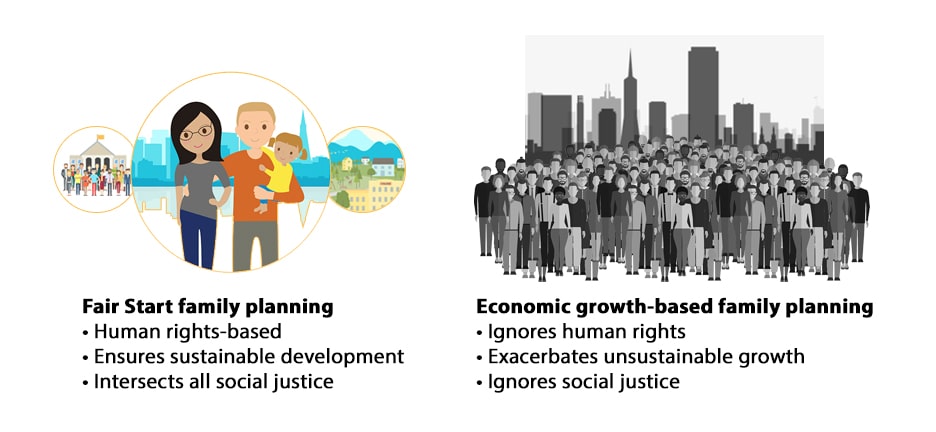
Family planning is too often reduced to a conversation about controlling population growth. But at its heart, it should be about something much deeper ensuring that every child is born into conditions where they can grow, thrive, and be supported. It is not just about preventing births; it is about preparing for them. When families are supported and systems are strengthened, children are given a better start. But when this issue is sidelined or misunderstood, the cycle of inequality continues.
An Unjust Starting Point
What we are seeing is a system that begins from an unfair starting point that can be called an “illegal baseline.” When some children are born with access to everything they need, while others are born without even the basics, the system itself is broken from the start. And no amount of effort later in life can fully erase that gap.
Why Preemption Matters
If we truly believe that every child matters equally, then fairness must begin at the very start. This means acting early before inequality takes hold. It means investing in mothers, supporting families, and removing harmful labels and barriers. It means ensuring that every child has access to the essentials from day one. Preemption is not just a strategy, it is a commitment to justice.
A Call to Reset
The Truth Alliance is calling for a shift in how we see and value children. A shift away from systems that quietly rank human worth, and toward a world where every child is given the same foundation to stand on. This is not an unrealistic dream. It is a necessary step toward a more just and humane future. Because if we do not address inequality at the beginning, we will always be trying to fix it too late. The question is no longer whether change is possible. It is whether we are willing to make it happen.