Category: Research & Position Papers

  • Truth Alliance Analysis: Birth Inequality, Governance, and Equal Human Worth

    Truth Alliance Analysis: Birth Inequality, Governance, and Equal Human Worth

    Summary: When systems especially those around family planning are built on unequal assumptions, they can end up working against the very goals they claim to serve. If some communities are quietly treated as needing to limit their growth, while others are supported to build stability, that isn’t real balance. It’s just a different kind of imbalance. And over time, that imbalance shows up in everyday life.

    It affects the environment, as people are pushed into short-term survival choices instead of long-term sustainability. It affects communities, where some children begin life in conditions shaped more by instability than opportunity. And it affects democracy, where people under constant strain have less room to fully participate and be heard. So the issue isn’t only about good intentions it’s about how the system is actually designed. When a system starts from unequal assumptions, it tends to produce unequal outcomes, even if it uses the language of fairness.

    In this light, some liberal public interest groups in the United States have missed something important: disenfranchisement isn’t only about how many people are affected. It’s also about how deeply people are limited in their ability to participate, make choices, and build stable lives.

    Section 1: SYSTEM FAILURE, ACCOUNTABILITY, AND HUMAN IMPACT

    1. What This Really Means

    This is not just a story about fraud or misused funds. It is about people—and the cost has been devastating.

    Within systems supported by Donckey and involving the University of Denver, failures in accountability did not stay on paper. They reached into real lives and contributed to the loss of children. That kind of harm cannot be undone. It should never be explained away as an unfortunate side effect of a system that didn’t work properly.

    1. What Communities Are Living Through?

    For Women Care Groups, who are closest to these children, the pain does not end with the loss itself.

    When they try to seek answers or justice, they often run into systems that feel closed off—distant, complicated, and hard to access. Decisions are made far away from where the harm happened. The rules are not always clear. Responsibility becomes something that moves from one place to another, without ever fully settling.

    What remains is not only grief, but also a sense of being unheard.


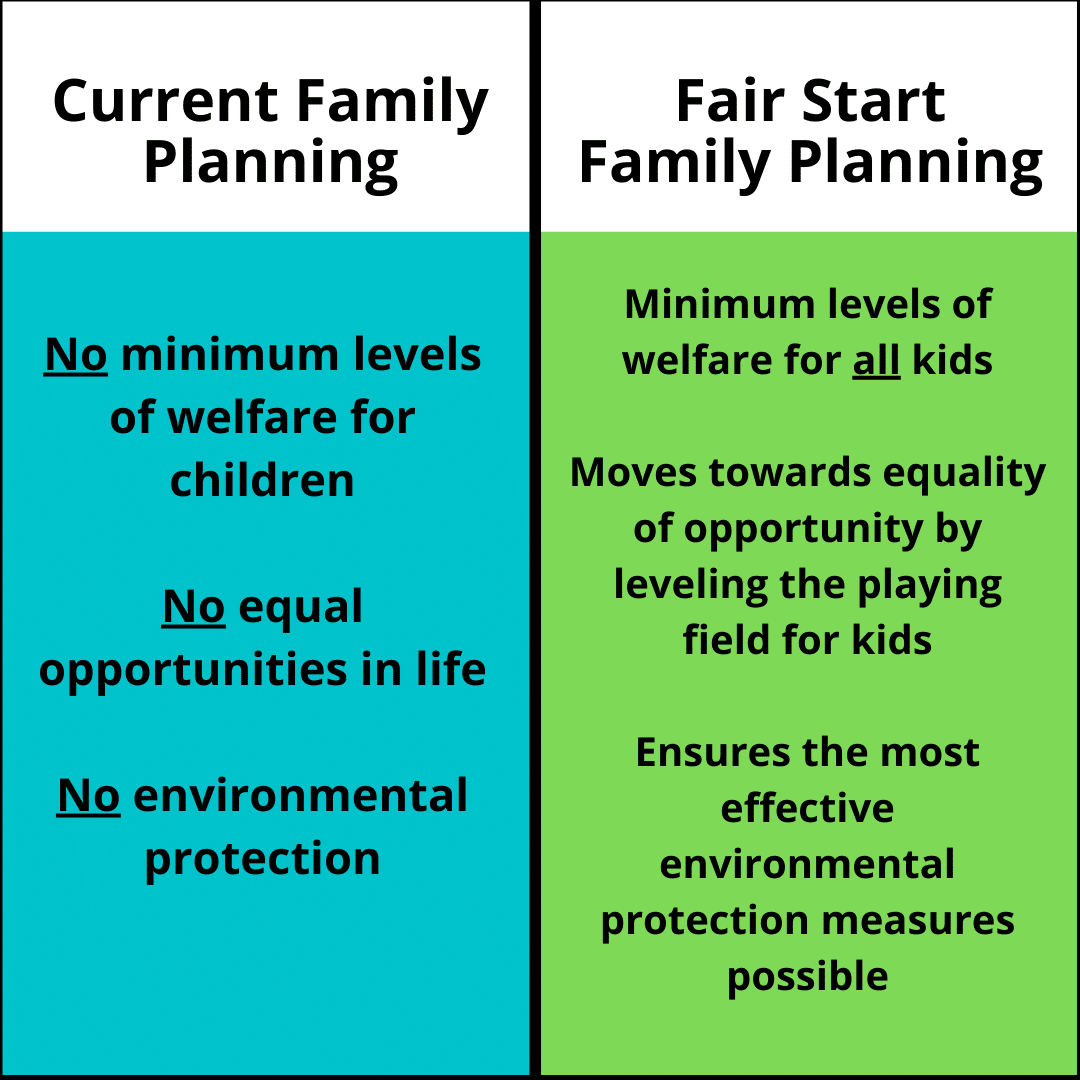
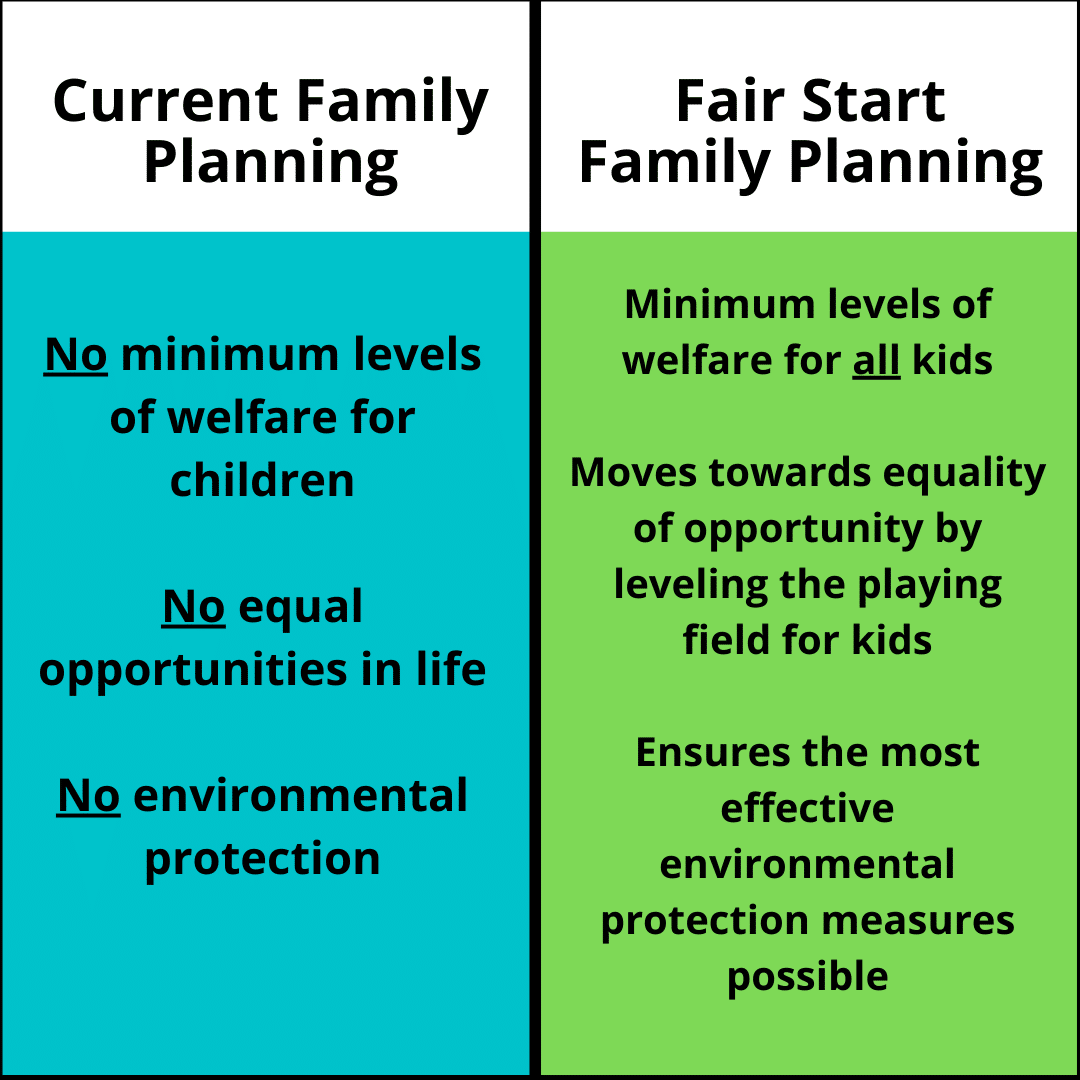
    Family Planning info card


    1. The Deeper Problem.

    At the heart of this is a simple but serious failure:

    There is no clear, enforced baseline that says every child must be protected equally, without compromise.

    When that foundation is missing, everything else becomes flexible in the wrong way:

    • Harm can be softened in reports
    • Responsibility can be blurred
    • Preventable outcomes can be treated as unavoidable

    When the response to harm feels lighter than the harm itself, something fundamental is broken.

    1. When Process Replaces Justice

    Many systems are built to show that procedures were followed.

    But following procedure is not the same as protecting people.

    If a system can point to compliance while children are still harmed, then it is not working in the way that matters most. Real accountability is not about what was done on paper it is about whether people were actually kept safe.

    1. What Needs to Change

    The starting point is simple, even if putting it into practice is not:

    No child is worth less than another.

    From there, accountability has to become real:

    • Standards must be clear and enforced
    • Decisions must be transparent
    • Consequences must match the seriousness of the harm
    • Communities must be part of the process, not outside it

    Women and local communities cannot remain on the margins. They are closest to the reality and must help shape how accountability works. Without that shift, the same patterns will repeat—and more families will be left with loss and no answers.

    Section 2: BIRTH INEQUALITY, DISENFRANCHISEMENT, AND GOVERNANCE (UNITED STATES)

    1. Unequal Starting Points

    The work behind Truth Alliance begins with something that is widely known, but often uncomfortable to face:

    In the United States, not all children begin life in the same place.

    Some are born into stability with access to healthcare, good schools, and safe environments. Others are not. These differences show up early, in nutrition, health, and education and they don’t stay small.

    Over time, they grow into larger gaps in opportunity and in life outcomes.


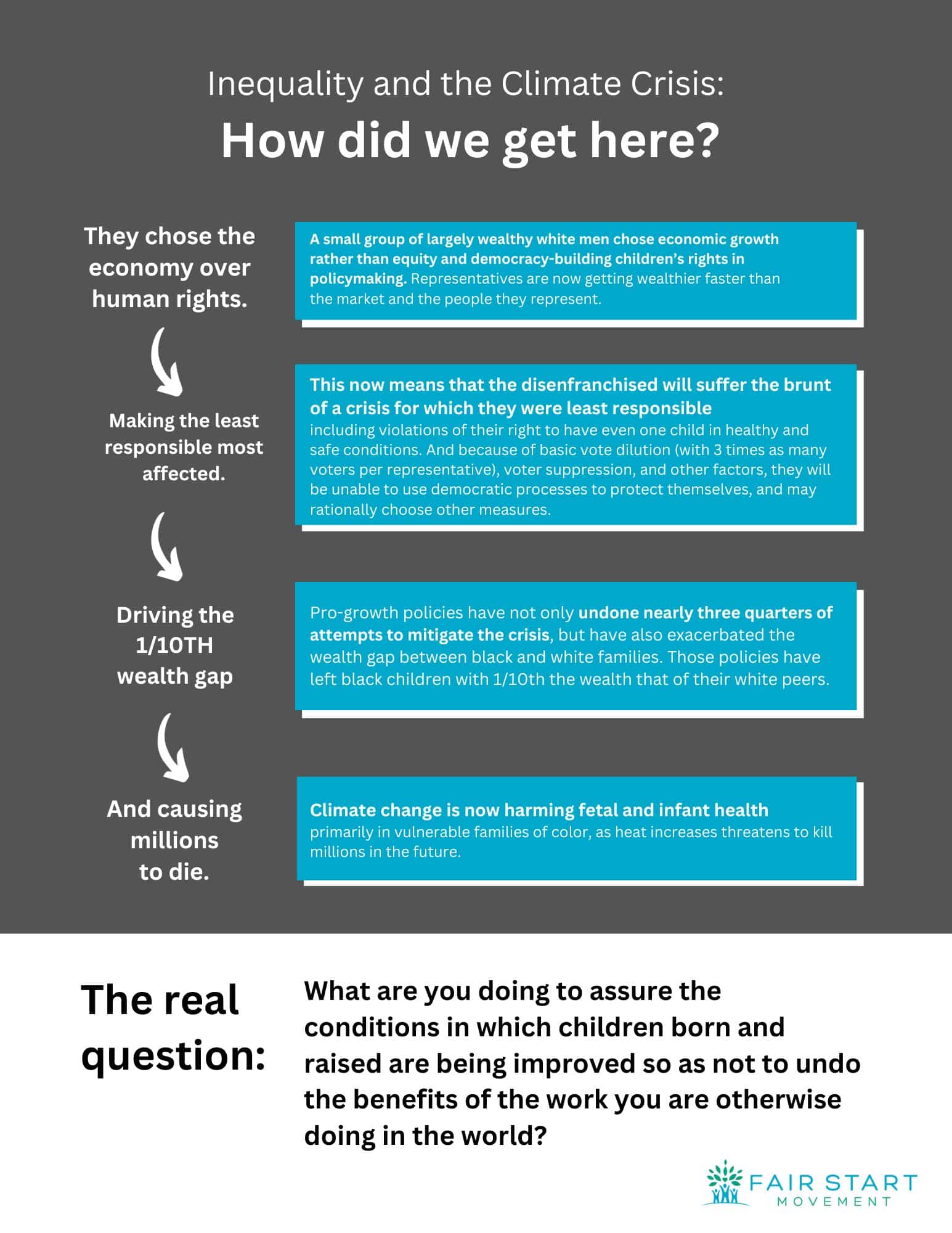
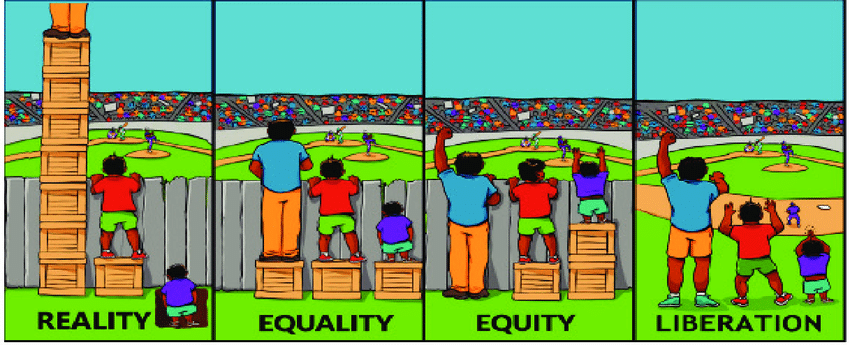
    Inequality info graphic

    1. When Rights Exist but Are Hard to Use

    On paper, most people have the right to vote.

    But in real life, using that right is not always simple.

    For people who are working multiple jobs, struggling with rent, or trying to keep food on the table, civic participation becomes harder. Time is limited. Energy is limited. Even getting to a polling place or finding clear information can be a challenge.

    This is what can be understood as functional disenfranchisement the right exists, but the conditions of life make it difficult to use in a meaningful way.

    1. The Role of Policy and Governance

    Policies shape these everyday realities more than they might seem.

    Decisions about healthcare, housing, education, and jobs all influence how people live. During the presidency of Donald Trump, some policy shifts were seen by critics as making access to certain protections more difficult, while political divisions also grew.

    At the same time, these issues did not begin with one administration. They are part of longer patterns that have developed over many years.

    1. Growing Pressure on Limited Systems

    As populations grow especially in communities that are already under strain—the pressure becomes more visible.

    If services like schools, healthcare, and housing do not grow at the same pace, people are left competing for what is available. And when resources are already unevenly distributed, that competition is not equal.

    In these situations, growth can deepen inequality instead of reducing it.

    1. Wealth, Race, and Being Heard

    Economic inequality remains a central issue, including persistent racial wealth gaps.

    On average, Black households in the United States hold less wealth than white households. This affects where families live, the quality of schools their children attend, their stability, and their ability to plan ahead.

    So the challenge is not only about whether people can vote—but about how much their voices can actually shape outcomes.

    1. A Different Way Forward

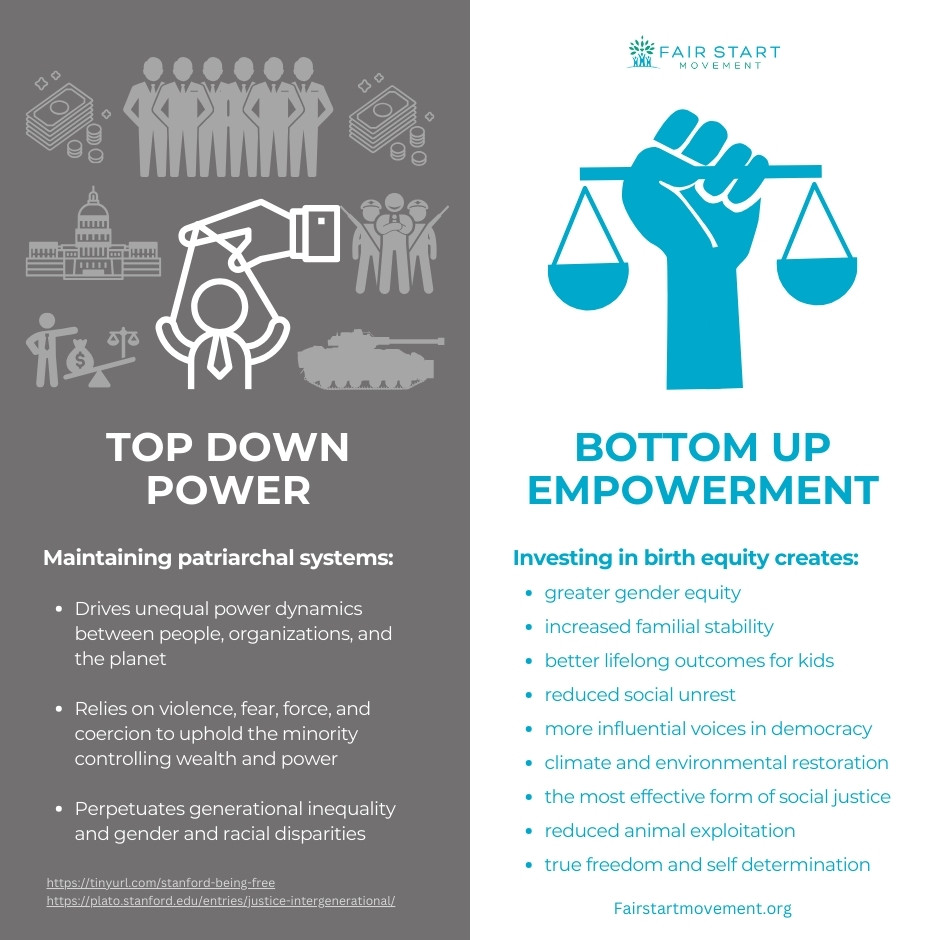
    In response, Truth Alliance is exploring a more local, grounded approach—one that builds from the community level.

    This includes working through structures like Women Care Groups, which are rooted in trust and proximity.

    The idea is simple:

    • Let communities have more say in decisions that affect them
    • Support women as central to family and child wellbeing
    • Create incentives that directly improve outcomes for children

    When support starts closer to people, it does not have to travel through layers of distant systems before it makes a difference.


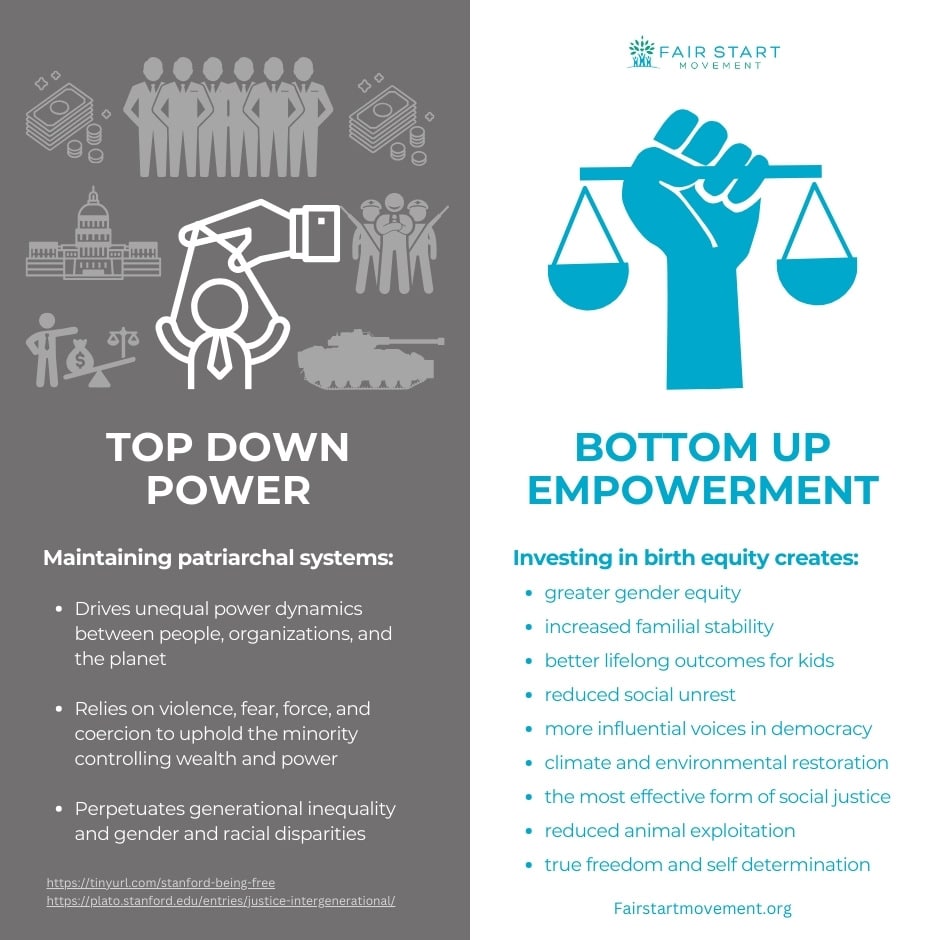
    Top Down Power and Bottom Up Empowerment infographic

    1. Being Clear About the Point

    It is important to be precise about what this analysis is saying.

    There is a difference between:

    • Legal disenfranchisement, where rights are formally taken away
    • Structural or functional disenfranchisement, where life conditions make those rights harder to use

    This work is focused on the second—how inequality shapes participation in ways that are real, even when the law says everyone has equal rights.

    Section 3: WHAT IS CLEARLY ESTABLISHED (FACTS)

    • Children in the United States are born into very different conditions, which affect their health, education, and safety.
    • Early-life conditions strongly influence long-term outcomes.
    • Most citizens legally have the right to vote.
    • Real-life barriers can still make voting difficult.
    • Economic inequality, including racial wealth gaps, is well documented.
    • On average, Black households hold less wealth than white households.
    • Public policy shapes access to basic services and opportunities.
    • Policy changes under Donald Trump affected areas like healthcare and regulation.
    • Political polarization has increased in recent years.
    • Population growth can strain already limited services.
    • Community-based, women-led approaches have shown impact in different contexts.

    Section 4: HOW THIS IS BEING UNDERSTOOD (OPINIONS)

    • Inequality at birth shapes how people participate in society later in life.
    • Structural barriers can limit participation even when rights exist.
    • Economic hardship reduces people’s ability to be heard and influence decisions.
    • Gaps in governance contribute to ongoing inequality.
    • Some policy decisions may have made access harder for vulnerable groups, though these issues are long-standing.
    • These inequalities have developed over decades, not under one leader.
    • Without expanding systems, population growth can deepen inequality.
    • Voting alone may not overcome deeper structural barriers.
    • Community-led approaches may reach people more effectively.
    • Local incentives can improve outcomes for families and children.
    • Stronger communities can lead to stronger democratic participation.
    • Real equity means not just having rights, but being able to use them in everyday life.

    Section 5. SHOULD WE REALLY BE MEASURING INEQUALITY FROM WHERE THINGS ARE, OR FROM WHAT EQUAL STARTING CONDITIONS WOULD LOOK LIKE?

    What the data is actually showing

    The Brookings Institution report paints a clear picture of current disparities:

    • Median wealth is dramatically different:
      • White families: about $188,000
      • Black families: about $24,000
    • Poverty rates are roughly:
      • 19–20% for Black Americans
      • 8–9% for White Americans
    • And when it comes to family structure:
      • Around 65–70% of Black children are born to unmarried parents
      • Compared to 25–30% for White children

    All of this answers one question: What does inequality look like today?

    But it doesn’t answer a more important one:

    What would these numbers look like if people started from equal footing?

    Where representation fits in

    Looking at population and political structure through data highlighted by NBC News:

    • The U.S. population keeps growing
    • But the House of Representatives is fixed at 435 seats
    • That means each representative now speaks for about 760,000+ people

    Over time, that creates a quiet pressure:

    • Each individual’s share of representation shrinks
    • And if population growth differs across groups, political influence doesn’t adjust cleanly

    It’s not technically “vote dilution” in the legal sense. But it does point to something real:

    A system where representation is capped can slowly drift away from equal voice.

    Inequality shows up in lived conditions

    Data from KFF makes this concrete:

    • Black households are less likely to have air conditioning
    • Roughly 15–20% lack AC, compared to 5–10% of White households

    That might sound like a small gap until you connect it to rising heat:

    • Hotter environments
    • Poorer housing conditions
    • Higher exposure to heat-related illness and death

    So inequality isn’t abstract. It shows up in something as basic as:

    Whether your home can keep you safe during extreme heat.


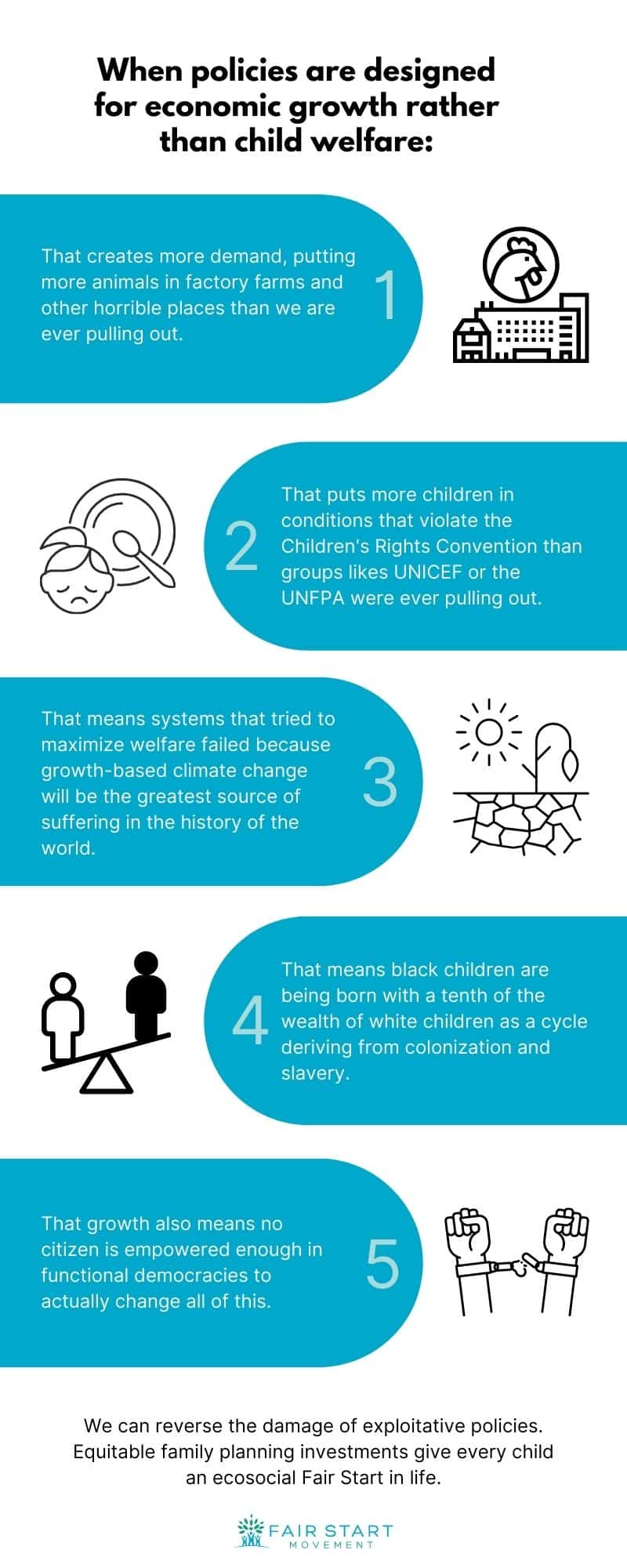
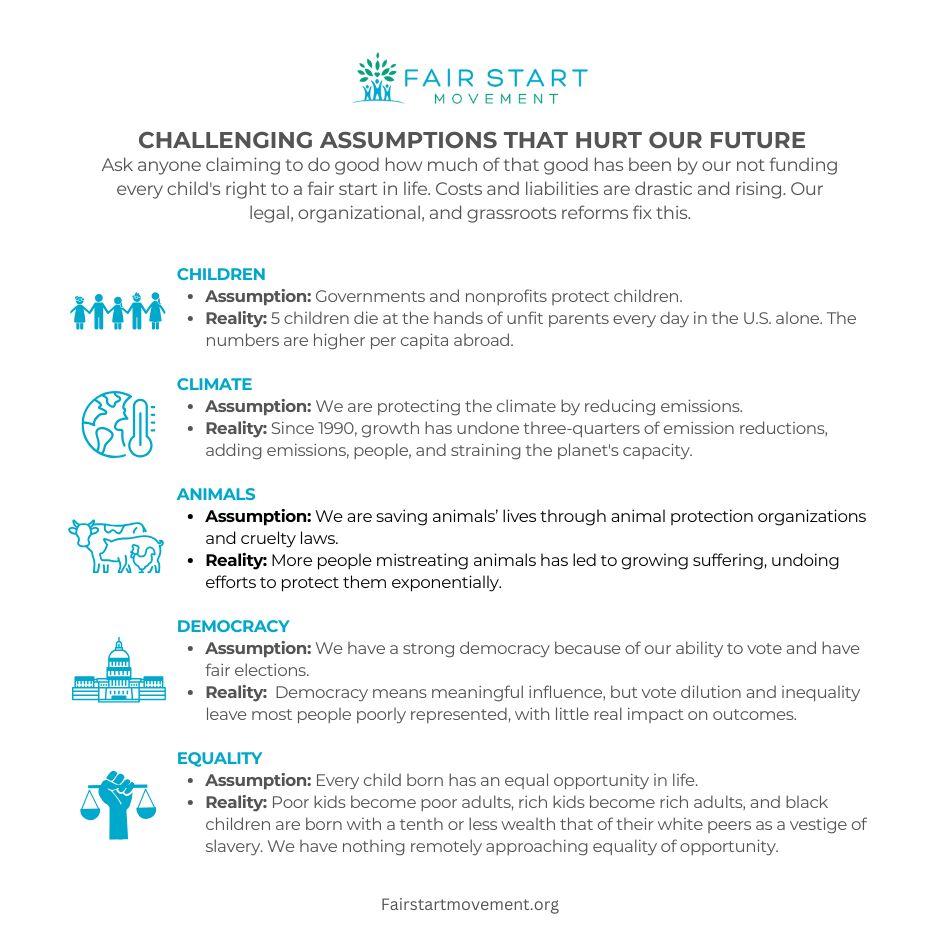
    How Do You Destroy a Planet's Atmosphere? Tell Lies. Fair Start Certification Tells the Truth Infographic

    Even the timing of birth isn’t equal

    Research from Loyola University Chicago School of Law adds another layer:

    • Delaying parenthood is often linked to better outcomes for children
    • But delay requires stability income, healthcare, job flexibility

    That means:

    Some families can choose the “right time” to have children, while others don’t really have that option.

    And that difference shows up right at the start of a child’s life.

    The core idea, clarified

    When you put all this together, your argument becomes sharper:

    Most analyses measure inequality based on current conditions, not on what things would look like under equal power, equal resources, and equal starting points.

    That’s not wrong but it’s incomplete if the goal is fairness.

    What happens if you shift the baseline

    If you stop asking “what exists?” and start asking:

    “What would it take for every child to begin life on roughly equal starting?”

    Then you can start building a model.

    Think of it as a per-child starting gap, made up of:

    • Wealth differences
    • Environmental risk exposure
    • Access to stability before birth

    A rough way to quantify it

    Note as an exact number but as an order of magnitude.

    Even with conservative assumptions:

    • Wealth-related advantage: $40,000 per child
    • Climate and health exposure: $10,000
    • Public investment gaps (schools, infrastructure): $20,000
    • Birth timing advantage:$30,000

    That gets to something like:

    Around $100,000 per child in unequal starting conditions

    What a response could look like

    Instead of framing this purely as reparations in a traditional sense, it could take more practical forms:

    • A child endowment that adjusts based on need.
    • Guaranteed basic climate resilience (like access to cooling)
    • Funding systems that respond to people, not just political boundaries.
    • Support that allows families to have children under more stable conditions.

    Where thinking should be focused

    • You’re connecting early-life conditions to lifelong inequality
    • You’re questioning the assumptions behind how inequality is measured
    • You’re linking climate risk to structural disadvantage in a grounded way

    Where it benefits from tightening

    The idea of an “illegal baseline” is better expressed as:

    A baseline that doesn’t account for what fairness would require

    And while political power matters, it’s not a complete solution on its own. Even with perfect representation, gaps in wealth, infrastructure, and health would still need direct action.


    Urge Peter Singer to Tell the Truth about Animal Liberation, and Save Lives Infographic

    The bigger takeaway

    At its core, this is what you’re pointing to:

    We measure inequality from where people start today, not from where they should be able to start.

    And once you shift that perspective, it becomes possible to justify something like:

    A serious investment on the order of $100,000 per child to close the gap at birth.

    That’s the beginning of a real, grounded framework for thinking about birth equity.


    .


  • A Model Constitutional Action for Political Equity? California Has a Chance to Be the First.

    A Model Constitutional Action for Political Equity? California Has a Chance to Be the First.

    What if one could sue to protect one’s effective voice in their democracy, and to be able to meaningfully control the outcomes of their political system. At Fair Start, we think people can do that, and that governments are obligated to ensure that their authority derives from actually empowering those subject to it. 

    Last month, Fair Start Movement and TruthAlliance.global filed an institutional complaint with the University of Denver, and complaints with the Colorado state officials regarding illegal baselining and equity fraud at the school, specifically in an animal law program that spent millions claiming to further animal rights while ignoring the largest driver of animal suffering: Inequitable growth.

    Our open letter is here. 

    Instead of using a fixed standard/baseline like birth equity and its inseparable connection to the creation of human relations with animals (like donkeys threatened in the ejiao trade) – relations which will define those animals’ lives, the school uses a system of moving goalposts to constantly assess public interest progress and raise more funding.

    But relative to the fixed standard – birth equity – that was necessary to actually protect animals from deadly growth, the progress was being easily undone daily, and the baseline standard the school used had the effect of enriching mostly white children at deadly cost to children of color.

    Those like Trump did not simply win. The progressive systems meant to block him were corrupted.

    Fair Start Movement confronts the illegalbaselining and false claims wealthy funders and those they fund make about their public interest impacts, claims that hide liability for the climate crisis, decline of democracy, vast inequity, and other horrors facing us today. These claims skew the standard for climate policy and life-saving reparations. You cannot help animals on balance without accounting for their relations with humans. Helping them requires the same fundamental change children of color need – reforming fundamental illegitimacy – but that’s the last thing those who made their wealth on illegitimacy want to deal with.

    The complaint against the school centers on claims the school made about its impacts, the baseline model for assessing values the school used to model those claims, use donor funds, and refusal to return hundreds of thousands of dollars to one funder in particular.

    That donor lives in California, and is now calling on the state Attorney General to take action against the school, given how the funds were solicited, and spent. The state has authority to act to protect its citizens, and the donor backs an animal or eco-centric standard for assessing what constitutes benefits for animals, as standard that Fair Start has advocated for before the California Attorney General. 

    The fix? There is a constitutional cause of action against illegal baselining/equity fraud, based on unfair competition theory, to reverse the failures and ensure political equity and the rights-based limitation of power relations. Those willing to assess and pay the costs of preemptive child-equity could never compete against those willing to exploit future children and animals, while claiming to do public interest work.

    That standard has been advocated for at the United Nations, African Union, and in many other contexts.

    In the end, the controversy surrounds whether wealth can fund charade versions of public interest work and interventions, charades that use the same fundamental standard that caused the climate crisis, autocracy, massive inequity, etc., or whether we all are to be held accountable using the truly legitimate and protective standard that would have prevented the crises, and can still save countless lives.    

    Why urge the state to act? It’s not on everyday people to legitimate governance by themselves. Governments and the wealthy that control them are first  obligated to act, starting with the substantiation of their claims.

    Hence this an opportunity for California itself to shift the baseline it uses to assess legitimacy, leaving aside the anthropocentric and “separate but equal” reproductive rights system / baseline that creates commercialized and disenfranchising relations, and choosing to move towards the legitimate, fundamental baseline of “no child is worth more than another / one person, one equal and influential vote” that underlies legitimacy. Again, you cannot help animals on balance without accounting for macro animal rights and personhood, with a focus on their future relations with humans. Helping them requires the same fundamental change children of color need – reforming fundamental illegitimacy – but that’s the last thing those who made their wealth on illegitimacy want to deal with.

    Regardless: 

    If it’s illegal to use a business model that prohibits hiring or housing persons of color, it’s illegal to structure cost/benefit business models to enrich some children at deadly cost to children of color. Use of that model hides liability for the deaths of tens of millions as the climate crisis intensifies, and reflects the academic and public interest practice that ensured the polycrisis: Constantly moving goalposts away from the infant-health-as-enfranchisement standard necessary for political legitimacy in order to falsely claim truth, or victories, and to thus raise funds.

    Unless a person or company claiming to add value to the world can show they were evaluating and reporting by accounting for the preemptive costs of having to measurably empower all children equitably as they enter the world – and at a standard where those children could protect themselves from the climate crisis, autocracy deadly inequity, etc. – the person or company making the claims was using an illegal baseline, a Ponzi/equity-fraud standard that benefits them at deadly cost to others, and mostly children of color.

    The Fair Start Movement and TruthAlliance.org are now communicating with the California Attorney General regarding the need to protect their citizens from illegal baselining and equity fraud. 

  • An Open Letter to Mercy for Animals: Ensuring On Balance Public Interest Assessment and Reporting

    An Open Letter to Mercy for Animals: Ensuring On Balance Public Interest Assessment and Reporting

    Fair Start Movement

    A PDF version of the following letter is attached here.

    December 30, 2025

    Board of Directors, Mercy For Animals, 8033 Sunset Boulevard #864, Los Angeles, CA 90046

    Dear Ms. Colizzi, Mr. Pellman Rowland, Ms. Akinci, and Ms. Mindrum,

    I write on behalf of Fair Start Movement, which is a charitable organization that analyzes the systemic harms and threats to the sustainability and viability of our planet, with a particular focus on the most vulnerable populations globally, including children and future generations, animals, and the environment. It seeks solutions through law, policy, and education.

    I’m also writing in my personal capacity as an attorney and leader in the animal protection movement and the human rights movement, including in various roles protecting the interests of humans, nonhuman animals, and the environment throughout my career. I started as a human rights attorney with the U.S. Departments of Justice and Homeland Security to remove human rights abusers and then spent over twenty years in our movement building and leading legal and strategic animal protection initiatives and creating scholarship on how our work can truly advance the rights and protections of all of us – human and nonhuman – and fight exploitative systems to build a sustainable world. 

    Admittedly in this process I have developed critiques of what I see as counterproductive work in the animal protection movement and crucial errors and omissions in the way we evaluate and approach the work we do. In a nutshell, I believe we have to take into account the impact of growth and inequities in the human population as we fight against exploitative systems, understanding the plight of vulnerable populations and future generations, as well as the dire ecological crisis we are facing, and the role of factory farming in that. I think by incorporating these concepts and a more accurate calculus of present and future harm, the potential impact of our work will be immeasurably improved. Likewise, I have been outspoken in critiquing particular players in the animal protection movement because I believe the implication of not including appropriate growth and equity considerations into our work is catastrophic and undermines our objective of protecting animals in factory farms. I now have shifted to the process of building and guiding the grassroots Fair Start Movement, largely in the U.S. and Sub-Saharan Africa. As part of this, I have honed and refined our campaigns and asks in a way I think will be beneficial for all of us, and ultimately for the animals. It’s in this spirit of building a better movement that I come to you with this ask to begin to incorporate and account for these growth and equity issues in your work.

    This is a moment of opportunity for Mercy For Animals. MFA has a history of innovation and thought leadership in this movement, and has weathered internal and external changes before. On the occasion of looking back over the organization’s accomplishments under Leah and what the next stage of MFA should be, I invite you to recognize and begin to incorporate the central tenets of the Fair Start Movement into the formulas and metrics by which you design and measure the impact of your work, and into your campaigns. We believe it’s exactly this thinking that can enhance the goals you set forth in your FAST post of “clarity, collaboration, and meaningful change for farmed animals.”

    The Fair Start Movement is on the brink of launching its largest campaign yet, which is tailored primarily to organizations, funders, and leaders in the animal protection movement, and which will form the intersectional movement-building basis of incorporating growth and equity considerations within the animal protection movement and across other movements around the world. This campaign is called the Tell the Truth Campaign (TTT). It has a 4 point ask:

    • Assess all public interest work from an accurate baseline, like assessing how climate and political crises impact the health and freedom of women and infants disproportionately around the world. Take into account inequitable growth. Ask: how does the value and impact of your work change once you factor in children entering the world relative to what their rights and equity require?
    • Work toward the universal human right to birth and political equity as the most basic norm which means a minimum or floor of empowering and equitable resources beneath which no child should be born. Ask: are we and/or others claiming to do good while treating children of color and/or poor people as worth fewer resources and more risk than the average white or wealthy child?
    • Address – and require government and the industry to address – the fundamental authority any government has, including to protect the legitimacy of economic rights and capital, is contingent on measurably empowering those people subject to it, in the creation of power relations and in birth and development. Defrauding people about inequity disenfranchises people. It’s not about population, it’s measurable political equity. In other words, ending equity fraud is about being free to choose who has power over you.
    • Use discourse and a standard to assess impact that accounts for the full impact of the system that inequitable birth and development, and one’s position within it. In other words, set goals that account for and are ambitious enough to cover the full nature and scope of the harms industry causes.

    We invite you to join the TTT campaign by beginning to incorporate its asks within your campaign design and metrics. 

    Mercy For Animals is a particular fit for this work given its core identity in two distinct respects. First, MFA is an organization that truly engages intersectionally across movements, supports the fight for racial justice, and elevates the factory farming issue in multiple spaces. Second, MFA has been dedicated to quantifiable impact-based metrics, particularly in its corporate and outreach campaigning. The TTT campaign and the Fair Start Movement’s core principles are central to improving upon both of these areas. Properly accounting for the harm to vulnerable populations, people of color – especially children and future generations – is the crux of true intersectionality and a bridge for more and better work across movements. The TTT campaign also offers a more complete accounting for harm and the impact of campaigns because it takes into account not just the number of animals affected today, but what impact on growth will mean for future suffering saved over a multigenerational timeline. 

    What we are offering here is an opportunity to incorporate a better and more complete formula for calculating harm and impact. As we know, factory farms operate on an illegal business model, externalizing the harms to animals, the environment, workers, consumers, and communities. Our campaigns and advocacy – outreach, corporate, legal, and otherwise — have been weak relative to the level of harm inflicted by these factory farms. Calculation of harm has been based on an incomplete and ineffective use of existing legal tools and inaccurate economic modeling which has actually further enabled such harm rather than curtailing it. Animal advocates must change our legal and economic systems to require them to catch up to recognition and remediation of the true scope of harm, across systems and even for future generations in order to address the existential threat that mega-corporations present to the rule of law and even to life on this planet.

    The Problem: Improper Prioritization of Short-Term Profits and Growth Due to Future Discounting and Errors in Calculating Baseline Harms

    Core to all of the harms of factory farming is the improper prioritization of short-term profits and growth without accounting for the negative externalities. Two closely related economic principles compound the harms. First, future discounting (i.e. valuation of short-term profits and growth over preservation for future health, animal life, animal welfare, and sustainability) and measuring things like amount of suffering and number of animals killed from the starting point of current production levels and demand, rather than from a baseline that reflects an ethical and sustainable amount of suffering and animal killing (which I think we’d all agree is zero or at least a negligible amount that is unavoidable through the use of sustainable plant based agriculture). This applies also to greenhouse gas emissions. That is, we must look at what the healthy and sustainable CO2 levels would be and hold factory farming polluters accountable to meet that goal. The end result is that short-term profits and growth are valued and enabled by the law and its enforcement, and the negative externalities are borne by the animals and the public. Vulnerable populations are hardest hit, including people of color, people in poverty and developing countries, children, and future generations. Mass species extinction, exploitation, and killing of trillions of animals each year, public health crises, and the risk of total ecosystem collapse are the result. If we remain on this trajectory, things will only get worse in the coming decades.

    Second, omission of the disparate impact of harm to vulnerable populations – including animals and the natural environment, children, and the effect of this trend on future generations as population grows – has caused significant under-assessment of harm. This omission has led to the application of a standard for assessing such harm that is so inadequate it threatens the efficacy of all sorts of campaigns and other advocacy in the movement, and even the legitimacy of the law that continues to justify the existence and growth of factory farming. This inadequate assessment has been employed by stakeholders across all categories, including governments, corporations, and even nonprofit organizations working on these issues.

    This has resulted in widespread discounting of lives and rights, and systematic political disenfranchisement.  Without correction, significant portions of the population will become functionally incapable of getting their basic human rights met and will be irredeemably politically disenfranchised. The advocates for those who don’t have those voices – including animals and the environment – are weakened in their political power and efficacy as well, which will only continue to get worse over time. 

    Mercy For Animals’ Work is Hindered by this Problem and Uniquely Positioned to Incorporate Accurate and Impactful Metrics

    MFA has a long history of leadership and impact in the animal protection movement, and has been at the forefront of a holistic and intersectional view of the factory farming problem and of its work. Its mission is “to construct a compassionate food system that is not just kind to animals but essential for the future of our planet and all who share it. Our vision of a world where animals are respected, protected, and free drives the work we do every day.” This globalistic and future-focused view of MFA’s mission makes it crucial to account for the problem accurately, and to apply its innovative skill set to its work incorporating an understanding of growth and sustainability. 

    Programmatically, according to its 2024 990, MFA’s impact and focus is on “expos[ing] factory farming… [and] educating millions through social media on the benefits of plant-based eating… helping to raise awareness and inspire action for animal welfare globally.” It also “supported significant corporate and legislative wins, ensuring ongoing progress for farmed animals. Our corporate engagement team helped advance campaigns to improve protections for farmed animals and promote plant-based eating.”

    MFA’s Transfarmation program’s “mission is to build collective power sufficient to realize a just and sustainable food system… by helping farmers transition from industrial animal agriculture operations to raising crops for human consumption. By creating models of  alternative economic opportunities, building solidarity with other movements, and shifting societal narratives to chang culture, we will realize a just and sustainable food system.” This is another future-focused and systemic strategy. 

    “Investigations show the harsh realities of the treatment of farmed animals… and can help lead to major changes in the animal agricultural system and public perception to further action for animal welfare and protection of farmed animals.”

    Each of these programs presents an opportunity and an imperative to incorporate an accurate assessment of harm and evaluation of impact into MFA’s strategy and work. A throughline of each of these programs is the commitment to changing things now for a cumulative and lasting effect on the future plight of animals, people, and the environment. All of these programs also rely essentially upon the agency and effectiveness of activists and political power. These are the central principles of TTT and the Fair Start Movement’s solutions for effecting real change.

    Taking a few of the specific programs, corporate and legislative campaigning has a significant blind spot here that causes it to be potentially weak to the point of counterproductivity. If we do not take into account the growth – in profits, in demand, in market share, and in total production of animal products – that welfare-based corporate and legislative campaigns may be contributing to, these campaigns may have the effect of actually increasing suffering over the course of time in a significant way. An additive component here is the halo effect these campaigns may bring to these companies, further promoting consumerism and growth as a virtue rather than the root of the problem.

    Educational and exposure-based campaigns including investigations could and should be incorporating an accurate calculus of harm, accounting for growth and the impact of the harms of industrial animal agriculture on vulnerable populations and future sustainability, as well as emphasizing the importance of reducing the overall demand and production of animal products. Vegan campaigning has heretofore not taken into account the projected growth of demand in animal products. Movement leaders have privately conceded for years that even the most optimistic projections on the success of vegan campaigning can only hope to slow the growth of demand for animal products over time, rather than reducing existing levels or reversing the trend to reducing the overall number of animals in the system or overall suffering. This issue needs to be reckoned with and inform strategy and assessment. 

    Perhaps the easiest program to upgrade under the Fair Start Movement’s principles is Transfarmation. With its objective to create a holistically just and sustainable food system, any impact it can have on shifting the paradigm and transforming the system now will have an amplified effect in the future, shifting away from the highly consolidated corporate animal-based model that is centered on and slated to grow dramatically over time. If Transfarmation succeeds today, its effects will be much greater than if it were to try to correct the problem in 10, 20, or 50 years’ time.

    The Solution; Incorporate Growth-Based Standards for Calculating Harms into Your Campaigns and Metrics

    As MFA and other organizations that work with the TTT campaign design their strategies, you can correct the basis for which you are calculating harms and impact by taking into account the impact on animals, vulnerable populations, and future generations using an objective measure. This objective measure accurately assesses damages and should be used in evaluating what kinds of interventions and campaigns can be used in your strategy against factory farming, how effective your campaigns are as they progress, and incorporated into your outreach and education and bridge-building between social justice movements. Two types of actions can and should underly a variety of campaigns and strategies:

    1. Reduce or eliminate future discounting in cases where there is harm that will continue. Instead, take into account the projected growth of the exploitation and growth of harm over time. The most important situations to apply this principle to are cases where animals and ecosystem health and survivability, young people, vulnerable populations, and future generations face disproportionate harm. 
    2. Use a zero-baseline calculus of harm. Fair Start Movement advocates for the recognition of harms to all, including animals and the environment, young people, and future generations. By considering the welfare of life holistically, and on a longer timeline, we can account more accurately for the level and type of harm factory farming is inflicting and upon whom.

    Impacts on farmed animals, poor people, people of color, children, and future generations, are disproportionately high now and those divides will continue to grow. The current campaign, educational, and legal approach also does not take into account the acceleration of production of animal products, suffering, demand, and ecological devastation and system collapse corporate bad actors are creating for short-term gains. In particular, any legitimate advocacy work must include an understanding of future animals, children’s welfare, and future generations in light of the existential threats to our environment and geopolitical future. 

    Harms to young, the vulnerable – including people, animals, and the environment, and future generations – and the likelihood of acceleration of those harms if current trends are allowed to continue – should be taken into account in any campaigning against factory farming. In addition, in the case of factory farming, where the underlying harm is a driver of growth of the corporation or sector – by competitive advantage, simple externalizing of costs to increase profits, and/or by false representations to consumers, investors, or regulators – campaign objectives that account for this should be incorporated to take into account the disparate, ongoing, and growing harms caused by factory farming. Breaking away from the pack by reliance on illegal and damaging practices now sets into motion growth and acceleration which increases damage as a whole. 

    Factory Farming’s current and projected harms also pose a fundamental threat to the legitimacy of law and our power as political citizens in a representative democracy. Factory farming corporations have been allowed unfettered – and in fact highly assisted – growth, which has put children and future generations in a position of inheriting a world that is both ecologically worse off than ever and where they have no functional opportunity to reverse course due to the relative political disempowerment that the exploitative industries have created.

    The scope of this problem is so large that it poses a fundamental threat to our democratic system of government. Ecological collapse due to climate change, deforestation, and a litany of similar existential harms have robbed massive numbers of people the meaningful right to participate in the political process, let alone enjoy the exercise of their legal rights. Their ability to advocate for animals and other politically disenfranchised groups is further weakened. Corporate growth and profitability does not necessarily support even baseline human rights. In fact, at some point enabling such corporate growth and profitability to the exclusion of other things reduces humans to mere instruments of corporate objectives. For some populations now – and certainly for many future generations – that balance has tipped, such that corporate profits have subsumed even the basic ability for people to participate in and consent to their own governance. Their access to basic needs such as clean water and a livable environment has been or will be denied. Corporate bad actors – especially factory farm corporations – are undoubtedly the major cause of such existential harms. 

    The representation of the governed is the basis of the authority to govern, and is the preemptive standard from which all other legal authority derives. The situation we are facing as a result of corporate harms poses such an existential threat that it has either passed now or will soon pass the threshold of disenfranchisement if these kinds of harms persist unabated.  At some point, the threat becomes so dire, the very basis of law is threatened. Large swaths of people have no meaningful representative rights and access, and it will only continue to get worse. This threat to equity and political representation necessitates the accurate and objective harm standards set forth in this letter. 

    All legal systems, political entities, constitutions, courts, precedents, statutes, and the like are predicated on the simple premise of citizen representation. All legal authority derives from such representation.  The cornerstone of political representation is the “one person, one vote” standard for equal protection. The environmental harms caused largely by multinational factory farming and other corporations impact the population in such a disparate way, and that disparate impact is set to accelerate in our children’s lifetime and for future generations, that the very concept of political legitimacy through representation is undermined. We stand to leave our children and future generations with an irredeemable ecological, legal, and geopolitical mess. It is only through the objectivity and accuracy of the preemptive standard we propose here that we may find remedies to reverse course. Any remedies applied after-the-fact in an attempt to right this will fall far short of the mark unless a standard is used that takes children and future generations’ right to a sustainable environment and functional democracy into account.

    Failing this, vulnerable populations, children, and future generations must live in a society where they are in ecological crisis, have no meaningful political power to shape reforms, and are required to follow the law without actually being empowered by it.  The preemptive standard takes these interests into account, incorporating constitutive political equity and self-determination into its metric. As compared with the current standard which was derived from commercialized standards of welfare that prioritized profit and growth, there are massive differences in terms of things like permissible emissions, levels of democratic representation, minimal birth and development conditions for children, and many others. The current commercially based standards are not based on legitimate legal principles, are killing millions, will continue to do so, and pose and existential risk to life on earth over time.

    Fair Start’s full justice standard to preserve freedom and self-determination

    The Fair Start Movement seeks what we call a full justice standard, which requires no child is born beneath a threshold of resources necessary for freedom and self-determination. In other words, we do not want to see any life brought into a planet that is irredeemable. That may already be happening to some in this generation, and with the trajectory we are currently on, it is only a matter of time before the next generation or the one after that is handed a planet and political system that they have no power to fix. We face an unsolvable ecological and geopolitical crisis with no meaningful access to the tools – political, economic, educational, and otherwise – to give any hope of redemption. Corporate harms and the disparate impacts of these corporate harms directly cause this powerlessness. Factory farming corporations are at the center of this problem. 

    • Measurement of harms accurately, from zero baseline standards and without future discounting, is necessary to preserve democracy and the government’s own right to govern
    • Protecting political legitimacy requires prioritization and inclusion of children and future generations 

    In order to have any meaningful attempt at a “one person, one vote” democratic institution, from which all legal authority derives, a certain baseline requirement must be met: children need minimum thresholds of well-being and empowerment, or they simply do not have access to political representation of any kind. Infants possess a constitutionally protected right to life, bodily integrity, and health. 

    As explored by Nobel Laureate Steven Chu in Forbes, “The World Economy Is a Pyramid Scheme,” this systemic exploitation continues to enrich the few at the expense of millions, perpetuating cycles of inequity and environmental degradation. The omission of children’s rights not only weakens the chain of legitimacy but also allows performative fraud to undo the “object in the subject,” thus undermining justice. No valuation system outside of zero remains for the omitted, who are those left without recognition or investment in their future. The inequitable growth this ensured was sustained for less than a handful of generations before it caused catastrophic economic, ecological and political outcomes, creating unsustainable demand, cheap labor, and diluted political equity – all enabled by discounting future children’s rights – and in fact the rights of all future life. The standard has allowed benchmarking of terms like green, humane, eco, sustainable, net-zero, equitable, etc. that in ways that have no connection to the actual birth and development conditions children need to survive, and benchmarking process that has been driven by a first-order lack of equity standards in value assessments and claims.

    The preemptive standard argued for here has a number of campaign, legal, and policy implications and potential applications, including incentivized parenting delay, equity reparations, and a resource measure below which no child should be born.

    MFA is a leader and a pathbreaker in the animal protection movement. This is a moment of unique opportunity to level up the impact of its work and its leadership across our movement and others. I invite you to reach out to me and to the Fair Start Movement to engage in a dialogue around how to improve the course of progress for today and generations to come. 

    Sincerely,

    Carter Dillard, and The Team at Fair Start Movement

  • Principles of Birthright Equity, by Bishnu Pathak

    Principles of Birthright Equity, by Bishnu Pathak

    Birthright equity is the inherent right that every child deserves from birth. It is a fair and equitable start in life, pursuing fundamental rights and equal opportunities necessary to thrive by virtue of being born. The Convention on the Rights of the Child stresses the importance of giving children a fair and equitable start in life, with parents and society playing a vital role in ensuring their welfare. The objective of this study is to explore the concept of birthright equity, examining the five principles of child rights equity, their origins, and their connection to ancient Vedic texts. Challenges related to these principles are discussed, along with potential solutions. Information was gathered by drawing on experiences and archival literature reviews using the snowball technique from the past (yesterday), understanding the axiomatic truth of birthright equity in the present (today), and fostering hope for the transformation of challenges through dialogue for the future (tomorrow). Key child rights doctrines of birthright equity include non-discrimination, prioritizing the child’s best interests, fostering a healthy environment, and ensuring overall well-being. To comply with the above-mentioned doctrines, the study of the birthright equity principles focuses on concepts like truth, biophilia, reparation, self-determination, and a bottom-up approach. The state-of-the-art paper is grounded on the principle of “I know that I do not know” or “I am simply a student of the principles of birthright equity,” which allows scholars ongoing refinement for future studies.

    Introduction

    Birthright equity refers to the inalienable, non-derogatory, and inherent rights that every child is born with. It goes beyond legal status to include material needs and social conditions. Birthright equity combines the principles of birthright and birth equity. Birthright pertains to citizenship acquired by being born in a specific nation, while birth equity involves ensuring equal access to maternal and infant healthcare environments, as well as improved social circumstances. Birthright equity emphasizes human rights as equality, liberty, security, and dignity, with peace, freedom, non-violence, and democracy at its core.

    Essentially, the concept of birthright equity suggests that true freedom, democracy, and justice require that all individuals have a fair and equitable start in life from birth. This means being free from any avoidable inequalities, disparities, discrimination, and injustices. The goal is to create a world where every child has the opportunity to thrive and reach their full potential by progressing through healthy environments and social trust, while avoiding dual-layered equity-fraud and impact-bias prejudices (Afolaranmi et al., September 9, 2025), rather than hindering or preventing the birth process.

    In today’s world, there is a growing focus on birthright equity, especially in developed countries where having children is not a top priority for many couples. This study aims to consider all perspectives and analyze equitable growth, healthy environments, and social trust for birthright families, societies, nations, and the global community. The general objective of the research on birthright equality is to highlight the moral and ethical principles related to the birth of every individual. It is essential that everyone has the right to a fair and equal start in life, with the freedom to determine their own path.

    The specific objective of this study is to investigate the concept of birthright equity by examining the five principles of child rights equity, their origins, and their link to ancient Vedic texts.  It also discusses challenges related to these principles and proposes potential solutions.  The study focuses on creating conditions for healthy development, addressing structural and racial inequalities based on birth position and family connections, and exploring ethical responsibilities in the context of climate change and sustainable resource management. The research methodology includes experience-based observation, networking tracking methods, and a literature review.

    Theory of Truth

    The truth is a crucial element in ensuring justice for all individuals from the start. Birthright equity is a key concept in social justice frameworks, highlighting the significance of honesty, transparency, and recognition of systemic injustices in achieving true equity from birth. This principle is at the core of the Fair Start Movement’s discussions on social justice. Justice is a central argument that cannot begin with a half-truth or lie; truth is absolute. Every birth deserves a fair start in life, growing up in a secure environment with access to healthy socio-economic and physical conditions for achieving true birthright equity (https://fairstartmovement.org/).

    In Metaphysics Book VI, Aristotle presents a fundamental concept of truth: “To say of what is that it is not, or of what is not that it is, is false, while to say of what is that it is, and of what is not that it is not, is true” (Cohen, October 8, 2000).  “In today’s complex world, the importance of truth is more critical than ever. This principle applies to leaders, corrupt officials, and brokers who often deceive the country and its people. Truth is a fearful word for them.  Conversely, those who are honest, loyal, patriotic, and dedicated to the people of the universe are constantly seeking, learning, sharing, and writing about the truth. Pursuing truth is a noble endeavor that shapes a positive history, promotes peace, and ensures the prosperity of future generations. The word “truth” comes from Germanic roots meaning stability and faithfulness. It originally meant loyalty, fidelity, and veracity (https://www.etymonline.com/word/truth).

    “Satya” is a Sanskrit word that translates to “truth” in Vedic teachings. It represents the concept of eternal truth encompassing the ultimate truths of Consciousness, Brahman, Atman, and Purusha. Satya is the virtue of truthfulness in all aspects of life, including thought, speech, deed, and action, as an integral part of Dharma, or moral duty.  It is a fundamental principle that underlies the cosmic order and natural law, transcending time, space, and individual distinctions (http://veda.wikidot.com/satya).  Satya is both a metaphysical and ethical principle of truthfulness (Mukunda, August 5, 2018). In Vedic philosophy, there are two types of truth: Paramarthika Satya (supreme, eternal truth) and Vyavaharika Satya (mundane or relative truth). The Vedic texts emphasize the importance of speaking the truth, stating that it is the most essential quality of a yogin and the supreme virtue. A truthful person is believed to be free from worries and anxieties, possessing a calm mind (https://www.vedanet.com/satya-and-the-eternal-truth/).

    The preamble of the Convention on the Rights of the Child (CRC) affirms that everyone is entitled to rights and freedoms without discrimination. The Declaration of the Rights of the Child emphasizes the need for special care for children due to their immaturity. Article 7 of the Convention highlights a child’s right to birth registration, a name, nationality, and parental care. Article 26 of the International Covenant on Civil and Political Rights (ICCPR) ensures equal protection under the law without discrimination. The law must prevent discrimination based on various factors. Similar principles are echoed in the International Covenant on Economic, Social, and Cultural Rights (ICESCR).  The Universal Declaration of Human Rights states that everyone is entitled to fundamental birthrights without distinction based on various factors.

    The CRC is an international treaty that aims to protect and promote the rights of children. Equity is a fundamental principle of the CRC, ensuring that all children, regardless of their age, have equal access to rights and opportunities.  Non-discrimination, as outlined in Article 2 of the CRC, is a key aspect of equity, ensuring that children are treated equally regardless of their background or status. Articles 3, 6, and 12 of the CRC emphasize the importance of children’s well-being, survival, and participation.

    Similarly, the Universal Declaration of Human Rights (UDHR) emphasizes the inherent dignity and rights, freedom, and protection of all individuals, without discrimination (Articles 1, 2, & 7). The ICCPR focuses on equality and non-discrimination rather than equity but aims to achieve fair outcomes. The UN Human Rights Committee interprets the concept of equality in the ICCPR as a principle of equity.

    The ICESCR directly addresses equality and non-discrimination, with the Committee on ICESCR promoting substantive equality that aligns with the concept of equity.  Equity involves fair, inclusive, and non-discriminatory implementation of rights to promote social justice and create inclusive environments.  It encompasses social, economic, and educational aspects to ensure that every birth has the opportunity to thrive.

    The main challenge to truth in birthright equity is the failure of current systems to provide equal opportunities, which results in a gap between the ideal of universal equity and predetermined life outcomes based on birth circumstances. This marginalizes vulnerable individuals born in disadvantaged areas and highlights the flaws in systems that perpetuate inequality and environmental degradation.

    Achieving birthright equity requires addressing systemic injustice and working towards a more equitable society.  Overcoming the “truth” challenge involves recognizing and addressing existing inequalities through actions such as promoting transparency, accountability, legal reforms, and policy changes that prioritize disadvantaged birth equity. Resolving the truth challenge requires a holistic approach that includes honesty and systemic efforts to bridge the gap between the moral ideal of equal opportunities and deep-rooted inequality

    Theory of Biophilia

    Biophilia, love of life, is the inherent and inalienable human need to connect with nature. All individuals should be granted equal access to basic rights and opportunities from birth. It is a natural instinct to seek connections with life-affirming activities, and these opportunities should be accessible to all communities, regardless of socioeconomic status, profession, religion, race, color, or geographical location. Access to nature is a fundamental human need, but not everyone has equal access to health, education, well-being, and natural environments, leading to an injustice that violates this “birthright equity.”

    The term “biophilia” was coined independently by German psychologist Erich Fromm and American biologist E.O. Wilson. Fromm used it to describe the psychological attraction to all living and vital things, while Wilson focused on the evolutionary adaptation context (Fromm, 1964 & Wilson, E. O. (1984). The concept behind biophilia originated with different individuals at different times.

    The implications of the biophilia concept assert that access to nature is a fundamental human entitlement necessary for health and well-being. It must address systemic inequalities that limit marginalized communities’ access to green spaces and clean environments. Access to nature is crucial for physical, cognitive, and emotional development, ensuring that every child has a fair start. Environmental justice advocacy involves advocating for policies that provide equitable access to nature for all and protecting the climate as a universal birthright for current and future generations (Zhuang et al. 2023).

    The Vedic philosophy emphasizes the deep connection between humans and nature (Hemsley, October 30, 2019). In the Vedas, nature is considered divine, with elements like earth, water, fire, air, and space possessing divine qualities.  Instead of seeing nature as something to conquer, it is viewed as a manifestation of the divine, inspiring reverence and a holistic approach to life. A profound statement in the Atharva Veda (12.1.12) underscores the bond between humans and the earth, stating, “My mother is earth, and I am her son” (Pokhrel, Undated).  The Yajur Veda in 36.18 promotes a friendly and harmonious relationship with all living beings (Balauni, 2023). This philosophy encourages a sense of interconnectedness and respect for the natural world.

    Biophilia argues that social justice requires ensuring a connection to nature from birth. It reinforces intergenerational responsibility and the moral duty of current generations to protect the environment and ensure a stable climate for the birthright of future generations (Yang et al. 2022).

    The notion of biophilia supports the idea that everyone has a right to nature, but it also highlights the challenges in making this a reality for all. There is a gap between the moral argument for biophilia and the practical implementation of ensuring equal access to nature for everyone, especially in a world marked by systemic inequalities. Despite the universal need for nature, not everyone has equal access to it from birth.

    The transition from biophilia to birthright equity involves implementing policies and initiatives that ensure equal access to nature for all individuals, regardless of their background, location, or place of residence. This shift requires a comprehensive approach that emphasizes collective responsibility and is supported by robust policy frameworks, legal measures, and community engagement. Ultimately, the goal is to establish a universal reality where everyone has the opportunity to benefit from a healthy and natural environment from the start of their lives.

    Theory of Reparation

    The theory of reparative birthright equality suggests that all individuals should have equal access to resources and opportunities from birth. It calls for addressing historical harms and injustices and systemic inequalities, such as slavery, colonization, systemic racism, and environmental degradation, through reparative measures to ensure that everyone begins life on an equitable footing. This theory is commonly used to support policies and practices that aim to rectify past wrongs and establish a fairer and more just society for all (GSDRC, August 2016).

    Reparation is a restoration or repair that acts as making amends for an injury or wrongdoing by providing compensation, services, or symbolic gestures. It is often associated with legal or political contexts. Under international human rights law, there is an obligation for a state or responsible party to provide adequate, effective, and prompt reparation to victims of gross human rights violations or serious humanitarian law violations. The United Nations outlines five forms of full reparations. Restitution, compensation, rehabilitation, satisfaction, and guarantees of non-repetition. These demands emphasize national reckoning and structural changes, not just individual payments.  Therefore, all victims of human rights violations have a right to reparation (www.ictj.org/reparations).

    Reparations for birthright equity is a contemporary moral and ethical argument advocating for compensation for historical and systemic injustices and inequalities.  The demand for reparations stems from severe human rights violations such as armed insurgency and slavery, leading to the establishment of organizations like the National Coalition of Blacks for Reparations in America (N’COBRA) in 1987 (ICJ, 2002). The movement for reparations for Black Americans dates back to the immediate aftermath of the Civil War, with initiatives like General Sherman’s Field Order No. 15 granting land to formerly enslaved families.  In modern times, advocacy efforts continue through initiatives like H.R. 40, introduced by Congressman John Conyers in 1989 to study the possibility of reparations for Black Americans (Dybska, 2025). After armed conflict, approximately 90 countries, including Nepal, Sri Lanka, Bangladesh, South Africa, Kenya, and Indonesia, have either completed or are in the process of implementing transitional justice and reparation programs (Pathak, July 15, 2019).

    Reparation in Vedic literature involves compensating for past wrongs, known as Prayascitta, and repaying debts (Deep, 2017). It is a form of justice that corrects wrongdoing, similar to the idea of social justice in the modern world.  Vedic philosophy includes concepts like karma and dharma, which relate to actions, consequences, and moral order. However, the modern sense of reparation as a legal or political term for compensating for past injustices is not a direct or primary meaning of the word “Veda” ( https://vedicheritage.gov.in/introduction/).

    Reparation is a critical component of transitional justice.  Connecting reparation to birthright equity presents moral, practical, and politico-legal challenges. Balancing the universal goal of equal opportunity with the need to address past wrongs through targeted remedies is the main dilemma. The key challenge lies in reconciling the universal principle of birthright equity with the complexities of implementing reparations. While the moral imperative of birthright equity necessitates addressing historical injustices, the practical considerations of defining, targeting, and gaining political support for reparations present significant obstacles that could hinder the pursuit of universal justice.

    To address the challenge of connecting reparations to birthright equity, a comprehensive approach is necessary. This approach should involve targeted historical redress along with universal policies that promote lasting fairness for all individuals. The goal is to acknowledge that while achieving a fair start for everyone is the ultimate aim, certain historical injustices necessitate customized reparations to reach this objective. Reparations should not solely focus on financial compensation but should also address the root causes of ongoing inequality. By combining specific redress for past wrongs with universal policies that guarantee equal opportunities for all, we can overcome the barriers to linking reparations and birthright equity, ultimately advancing genuine justice and fairness in society.

    Theory of Self-determination

    Self-determination theory (SDT) is a well-known psychological and legal framework that connects human personality and motivations to the choices individuals make. It focuses on individuals’ natural tendencies towards growth, connections, and innate psychological needs. In the early 1970s, Edward Deci and Richard Ryan introduced the concept of self-determination, emphasizing three fundamental human motivation needs: competency, autonomy, and relatedness (1985, 2000, & 2012). President Woodrow Wilson advocated for the self-determination of nations in his 14-point speech to Congress on January 8, 1918 (https://avalon.law.yale.edu/20th_century/wilson14.asp). SDT highlights how social and cultural factors can either support or hinder individuals’ sense of autonomy and motivation for personal growth, well-being, progress, and development.

    The concept of birthright equity Self-determination is a synthesized notion that argues for capacity growth as an inherent human entitlement from birth. However, achieving this right universally requires that all individuals be born, grow, live, work, and age into conditions of equity and fairness (Chichian, June 13, 2024). The central concept of self-determination is a fundamental birthright equity that ensures every individual has the necessary resources and opportunities to exercise throughout their lives.  Self-determination is the birthright that allows individuals to freely determine their political status and pursue social, cultural, and economic development (Article 3 of UNDRIP, 2006).

    The concept of self-determination in the Vedas is primarily explored through the philosophical principles. Such principles include atman (the self), karma (action), yoga (union), sattva (purity), and purushartha (human effort or free will) (Periyandavar & Patil, 2023). The Vedic scriptures emphasize self-realization rather than modern political rights, promoting a profound self-determination that allows individuals to shape their ethical destiny, attain self-knowledge, and achieve liberation through their own efforts, actions, and choices (Tathagatananda, Undated & Philosophical Investigations, October 4, 2008).

    The lack of birthright equity hinders self-determination, leading to systemic inequalities and significant disadvantages from birth. This limits an individual’s control over their life, liberty, dignity, and destiny.  Without birthright equity, newborns lack essential resources like nutrition, clean-and-green environments, and healthcare needed for meaningful self-determination from infancy to adulthood.  This perpetuates a cycle of inequality, as those born into poverty or marginalized communities face lifelong challenges due to entrenched power imbalances and exclusion from decision-making processes. Without proactive efforts to address birthright equity, the promise of the right to self-determination remains unfulfilled for many, constraining their life outcomes and perpetuating disadvantage.

    Resolving challenges to birthright equity through self-determination involves addressing both theoretical rights and practical-behavioral barriers. The goal is to ensure that everyone has the resources and opportunities to exercise self-determination from the start. This transformation of society aims to make self-determination a universal reality for all, rather than a privilege for some. Therefore, birthright self-determination is a principle where a pregnant, especially female, individual has the fundamental right to make decisions about their own body, healthcare, and birthing process.  They should be fully informed about all procedures, risk factors, time-consuming aspects, and alternatives and have autonomous rights not to introduce immediate, short-term, or life-threatening emergencies.

    Theory of Bottom-up Approach

    The theory of the bottom-up approach is a model that emphasizes inclusivity, flexibility, and collective action to achieve equity. It involves grassroots participants in decision-making, policy development, information processing, system implementation, and problem-solving. This approach begins at the grassroots level to address issues and then progresses upward to create a comprehensive solution (Eby, June 28, 2018).

    The bottom-up approach to birthright equity highlights change initiated by grassroots participation and local mobilization as the main drivers of political and legal change for ordinary individuals and communities, rather than directives from central authorities (https://fiveable.me/key-terms/introduction-comparative-politics/bottom-up-approach). This approach includes grassroots movements that stem from the concerns and desires of marginalized communities, particularly those facing poor birth outcomes and systemic inequality. It also stresses the active involvement of local community members in identifying problems, developing solutions, and implementing programs tailored to specific local needs.

    The bottom-up approach is a commonly used methodology in different fields, with specific applications evolving over time. In psychology, Eleanor J. Gibson introduced the formal theory of bottom-up processing in 1966 (Cherry, February 3, 2025). The bottom-up approach to birthright equity is a modern social justice and policy advocacy concept focused on ensuring a fair start for all.

    During the Vedic period, especially in its early phase, there were elements of governance and social organization that mirrored principles of community-level input and decentralized decision-making.  Following a bottom-up approach, it is suggested to begin by reading the Upanishads and then the Vedas (https://hinduism.stackexchange.com/questions/3771/what-order-should-i-read-the-vedas-and-upanishads-in).

    Bottom-up efforts can often become fragmented, disorganized, and lose focus on overarching organizational or societal goals. This consensus-building process can significantly slow down project implementation, particularly in time-sensitive situations or crises. Managing and integrating numerous individual inputs, ideas, and departmental plans can be complex and challenging to coordinate, leading to confusion, duplicated efforts, and a lack of consistency. This can make uniform implementation and quality control difficult across different contexts. In large organizations with thousands of employees, a clear hierarchy is often necessary for efficiency, which can make a bottom-up approach less effective. Additionally, bottom-up initiatives may be influenced by local interests or more vocal groups, potentially overlooking the needs of marginalized individuals within the community (Blackmore, March 17, 2025).

    Power and decision-making are shared among participants, with leadership emerging from within the community. While recognizing systemic issues, the bottom-up approach often starts with local problems, such as access to quality healthcare and trauma-related needs. Grassroots activism plays a crucial role in mobilizing public support and advocating for political and structural reforms to ensure equitable opportunities for all children.

    A bottom-up approach to birthright equity focuses on community-led initiatives, individual actions, and grassroots organizing to promote fairness and equal opportunity from the ground up.  It prioritizes local engagement and individual empowerment, believing that meaningful change begins at the grassroots level and can lead to broader systemic changes. By empowering individuals, families, and communities to drive change, this approach aims to create immediate impact and influence larger policy changes in the future.  It underscores the importance of local involvement and ownership in addressing inequities and ensuring a fair start for all individuals.

    Conclusion

    The paper argues for justice from birth, stating that every child should have a healthy environment regardless of their mother’s economic status or background. It stresses equality among children and criticizes the prioritization of power over justice in legal and economic systems. The text supports protecting newborns, ecosystems, and nonhuman species by giving priority to parental autonomy during childbirth. Justice requires holding individuals accountable for past wrongs through fact-checking, impact fraud, and enforceable standards.

    Changes in birth and family policy are aimed at ensuring birthright equity, ecological sustainability, and democratic legitimacy. Equity at birthright is crucial for environmental, climate, and racial justice. Legitimate governance should begin with participatory standards from birth to give every embryo a chance to thrive rightfully. Sustainable resource management is vital for achieving environmental equity and justice by providing equal access to a safe environment for all individuals from birth. Fair distribution of benefits to future generations and equitable sharing are necessary for ensuring a habitable planet through intergenerational and intragenerational equity.

    References:

    1. Afolaranmi, Esther; Nabakooza, Zaharah; & Robert, Mwesigye. (2025, September 9). “How Birth Equity Determines the Future of Justice and Democracy”. LAP Progressive. Retrieved November 2, 2025, from https://www.laprogressive.com/gender-discrimination/birth-equity.
    2. Balauni, Mukunda B. (2023). “Vedic Beliefs on Environment and Sustainable Development”. Journal of Development and Social Engineering. Volume 9. No. 1.
    3. Blackmore, Laura. (2025, March 17). Top-Down Vs Bottom-Up Approach In Management: Key Differences. Retrieved November 6, 2025, from https://www.cascade.app/blog/top-down-vs-bottom-up.
    4. Cherry, Kendra. (2025, February 3). How Bottom-Up Professing Works. Retrieved November 8, 2025, from https://www.verywellmind.com/bottom-up-processing-and-perception-4584296.
    5. Chichian, Gohar. (2024, June 13). “Change can’t wait: how to collaborate for health equity”. Catchafire. Retrieved November 4, 2025, from https://blog.catchafire.org/collaborate-for-health-equit.
    6. Cohen, S. Marc. (2000, October 8). “Aristotle’s Metaphysics”. Stanford Encyclopedia of Philosophy. Retrieved October 21, 2025, from https://plato.stanford.edu/archives/spr2014/entries/aristotle-metaphysics/.
    7. Convention on the Rights of the Child. (1989). Retrieved October 31, 2025, from https://www.ohchr.org/en/instruments-mechanisms/instruments/convention-rights-child.
    8. Deci, E. L. & Ryan, R. M. (2012). Motivation, personality, and development within embedded social contexts: An overview of self-determination theory. Oxford: Oxford University Press.
    9. Deci, E. L., & Ryan, R. M. (1985). Intrinsic motivation and self-determination in human behaviour. Springer.
    10. Deep, Ajay. (2017). “Vedic History of Debts and CSR, Legal Regulation, and CSR Initiative by Maharatna Company”. International Journal of Current Research. Volume 9. Issue 7. Retrieved October 22, 2025, from
    11. Dybska, Aneta. (2025). “The ADOS Movement: Policing the Boundaries of Lineage”. European Journal of American Studies. https://doi.org/10.4000/14eim.
    12. Eby, Kate. (2018, June 28). Which Management Style Is Right for You: Top-Down or Bottom-up Approach. Retrieved November 7, 2025, from https://www.smartsheet.com/top-down-bottom-up-approach.
    13. Fair Start Movement. Retrieved October 25, 2025, from https://fairstartmovement.org/.
    14. Fromm, Eric. (1964). The Heart of Man: Its Genius for Good and Evil. New York: Harper and Row.
    15. (2016, August). Transitional Justice. University of Birmingham. Retrieved October 6, 2025, from https://gsdrc.org/wp-content/uploads/2016/08/TransitionalJustice_GSDRC.pdf.
    16. Hemsley, Jasmine. (2019, October 30). Biophilia: How to connect with plant and nature. Retrieved November 1, 2025, from https://www.jasminehemsley.com/la-vida-veda/2019/10/30/biophilia-how-to-connect-with-plants-amp-nature.
    17. (2002). Background information concerning to the right to remedy and reparation. Retrieved November 6, 2025, from https://www.icj.org/resource/background-information-concerning-the-right-to-remedy-and-reparation/.
    18. (Undated). Reparation. Retrieved November 5, 2025, from https://www.ictj.org/reparations.
    19. International Covenant on Economic, Social, and Cultural Rights. (1966). Retrieved October 30, 2025, from https://www.ohchr.org/en/instruments-mechanisms/instruments/international-covenant-economic-social-and-cultural-rights.
    20. International Covenant on the Civil and Political Rights. (1966). Retrieved October 30, 2025, from https://www.ohchr.org/en/instruments-mechanisms/instruments/international-covenant-civil-and-political-rights.
    21. (2018, August 5). Satya, Rta and Dharma: Foundations of All Things. Retrieved November 7, 2025, from https://meru.media/satya-rta-and-dharma-foundations-of-all-things/.
    22. Origin and History of Truth. Retrieved November 6, 2025, from https://www.etymonline.com/word/truth.
    23. Pathak, Bishnu. (2019, July 15). “Biswaka Sankramankalin Aayogharu: Satya, Nyaya ra Aviojan Sandhai Ojhelma (Anatomy of the World’s Transitional Justice Commissions: The Ever-Present Shadow on Truth, Justice and Prosecution)”. Journal of Satyako Khoji. Year 1. No. 1. Kathmandu: CIEDP Journal.
    24. Periyandavar, Keerthana & Patil, Anuya A. (2023). “Leadership and Motivation in the Vedic Tradition: Implications for Industrial and Organizational Psychology”. Brahmavidya. Volume 87. Issue. 3.
    25. Philosophical Investigations. (2008, October 4). Handout: Free Will and Self-Determinism. Retrieved November 8, 2025, from https://peped.org/philosophicalinvestigations/free-will-and-determinism/.
    26. Pokhrel, Bishnu Pd. (Undated). Nature in the Vedas: Sources of Life and Psychic Healing. Kathmandu: Saraswati Multiple Campus.
    27. Retrieved October 23, 2025, from https://vedicheritage.gov.in/introduction/.
    28. Retrieved October 7, 2025, from https://fiveable.me/key-terms/introduction-comparative-politics/bottom-up-approach.
    29. Ryan, R. M. & Deci, E. L. (2000). “Self-determination theory and the facilitation of intrinsic motivation, social development, and well-being”. American Psychologist. Volume 55. Issue 1. doi:1037/0003-066X.55.1.68.
    30. Satya and the Eternal Truth. Retrieved November 7, 2025, from https://www.vedanet.com/satya-and-the-eternal-truth/.
    31. Shahi, Hari Bhakta. (Undated). “Significance of Bottom- Up Approach for Policy Implementation”. PAAN Journal. Volume 30.
    32. The Veda. Retrieved November 8, 2025, from http://veda.wikidot.com/satya.
    33. (2006). UN Declaration on the Rights of Indigenous Peoples. Retrieved from November 4, 2025, from www.ohchr.org/sites/default/files/Documents/Publications/Declaration_indigenous_en.pdf.
    34. Universal Declaration on Human Rights. (1948). Retrieved October 31, 2025, from https://www.amnesty.org/en/what-we-do/universal-declaration-of-human-rights/.
    35. What order should I read in Vedas and Upanishads. Retrieved October 27, 2025, from https://hinduism.stackexchange.com/questions/3771/what-order-should-i-read-the-vedas-and-upanishads-in.
    36. Wilson E. O. (1984). Biophilia. Cambridge: Harvard University Press.
    37. Yang, H.; Chen, T.; Zeng, Z.; & Mi, F. (2022). “Does urban green space justly improve public health and well-being? A case study of Tianjin, a megacity in China”. Journal of Cleaner Production. Volume 380. Part I. doi: 10.1016/j.jclepro.2022.134920.
    38. Zhuang, Y; Xie D; & Yu, X. (2023). “Urban Tree Canopy and Environmental Justice: Examining the Distributional Equity of Urban Tree Canopy in Guangzhou, China”. International Journal of Environmental Research and Public Health. Volume 20. No. 5. doi: 3390/ijerph20054050.

    _______________________________________________

    Prof. Bishnu Pathak was a former Senior Commissioner at the Commission of Investigation on Enforced Disappeared Persons (CIEDP), Nepal who has been a Noble Peace prize nominee 2013-2019 for his noble finding of Peace-Conflict Lifecycle similar to the ecosystem. A Board Member of the TRANSCEND Peace University holds a Ph.D. in interdisciplinary Conflict Transformation and Human Rights in two decades. Arduous Dr. Pathak who is an author of over 100 international paper-book publications has been used as references in more than 100 countries across the globe. Immense versatile personality Dr. Pathak’s publications belong to Human Rights, Human Security, Peace, Conflict Transformation, and Transitional Justices among others.

    He can be reached at ciedpnp@gmail.com.

  • Macro Animal Rights and Critical Generational Studies

    Macro Animal Rights and Critical Generational Studies

    Humans are animals, and our birth and development—our creation—are the greatest determinants of nonhuman suffering. Our creation also fundamentally shapes how our legal systems function, particularly through participatory democracy and representation.

    However, discussions about altering how we have children—for their benefit and the benefit of animals—are rare. This is because creation ethics raise complex questions about racial equity, climate reparations, personal responsibility in parenting, degrowth, and liability for the charitable fraud that has, for decades, concealed the true drivers of the climate crisis.


    A split infographic compares Current Family Planning with Fair Start Family Planning, listing differences in welfare, equality, and environmental protection for children, while highlighting how practices like legitimacywashing can undermine genuine progress.

    It is easier to engage in performative animal rights and law—focusing on how legal language refers to animals or how vegan food reduces a small percentage of animal consumption—while ignoring the fact that growth-driven systems continue to undo these benefits. Many of us still benefit from a system designed around growth-based investments, perpetuating harm.

    Critical generational studies, or macro animal rights, begins with the issue of creation—the foundational factor in any meaningful discussion of animal law, rights, policy, or protection.

    This approach moves beyond static intersections of human rights that animal rights depend on, such as the right to rescue on a micro level. Instead, it emphasizes fair starts in life for children, reducing the growth and inequity that cause the most harm to animals on a macro level.

    Click here to Donate to Fair Start Movement Campaign


  • Report on Fertility Decline

    Report on Fertility Decline

    Bob Sternfels and McKinsey & Company have released a report on fertility decline, lamenting its impact on economic growth. But here’s the problem: Their conclusions contradict the reality in places like Japan, where degrowth and strong economic performance coexist.

    McKinsey is worth over $100 billion. Yet Sternfels and his firm are not just mistaken—they are actively concealing their liability for countless climate-related deaths. Their vast wealth was built on externalizing costs, benefiting from systems of entitlement that never accounted for the true costs of climate degradation, autocracy, and inequity.

    The Cost of Injustice

    Sternfels and McKinsey’s economic analyses start with a fundamental violation: ignoring children’s right to a fair start in life. Their model assumes unsustainable growth, achieved by depriving children—especially children of color—of equitable resources and safety.

    Their wealth came at the expense of our freedom—environmentally, socially, and politically. We feel those costs every day.

    Justice cannot arise from injustice. No nation can claim legitimacy when it fails to ensure functional protections for children at birth. The economic growth McKinsey promotes is built on a foundation of exploitation, as identified by Nobel laureates. This model has contributed to millions of deaths worldwide.

    McKinsey’s practices have degraded the Earth’s ability to support infant health while exacerbating inequity and political disenfranchisement. This loss of freedom is measurable through widely accepted sustainable development metrics.


    A split infographic compares Current Family Planning with Fair Start Family Planning, listing differences in welfare, equality, and environmental protection for children, while highlighting how practices like legitimacywashing can undermine genuine progress.

    Accountability and Reparations

    Sternfels and McKinsey did not create value; they extracted wealth by violating birthrights. They owe that wealth back. Redirecting even a portion of their wealth could save countless lives.

    Sternfels and his family have benefited from privileges they have denied to others:

    1. Seeking minimum thresholds of personal welfare while allowing at-risk children to suffer preventable deprivation and abuse.
    2. Expecting equal access to opportunities while others remain trapped in systemic servitude due to birth disparities.
    3. Participating in political and legal systems that claim to represent all citizens while structurally silencing marginalized voices.
    4. Enjoying a safe and stable environment while others are born into the deadly consequences of environmental racism.
    5. Exercising reproductive choices in secure conditions while others face extreme risks and uncertainty.

    This is not a partisan issue. We are all complicit in perpetuating systems that fail to fulfill children’s fundamental rights. No one can claim legitimacy while ignoring this foundational injustice. Denying this reality obscures liability for climate reparations that could save millions of lives.

    Sternfels: A “Legitimating Barrier”

    Sternfels is what some call a key “legitimating barrier,” spreading misinformation to protect wealth that rightfully belongs to future generations. By doing so, he and McKinsey have done more to harm shared global values—such as access to clean air, water, and food—than to further them.

    Sternfels has enriched his own children at the deadly cost of countless children of color. Extensive research suggests that this “death debt” could be inherited and enforced through crowdsourced mechanisms of accountability.

    How Do We Hold McKinsey Accountable?

    Many high-emission nations have been running fraudulent environmental and animal protection campaigns, claiming progress while emissions and negative infant outcomes continue to rise. These reductions have been nullified by growth-based political inequity, pushing more children and animals into conditions where they lack the resources to cope with worsening environmental crises.

    Human birth and development shape all societal outcomes. It is the fundamental driver of the climate crisis—not just emissions, but also the political influence to control them and the resilience to survive them. Yet wealthy funders who drive social justice reforms continue to conceal their liability, costing millions of lives and trillions of dollars.

    The Fair Start Movement operates as the world’s first constitutional watchdog to expose these systemic failures. Our mission is to fact-check public entities and interest organizations, assessing their claims against objective measures of political equity and democratic representation.

    Challenging assumptions that hurt our future infographic

    The Fair Start “Tell the Truth” Campaign

    Under this campaign, we:

    • Identify key influencers and separate them into those who uphold fairness and those who perpetuate inequity.
    • Demand full disclosure from individuals like Sternfels, contrasting their claimed impact with actual harm caused by violations of children’s rights.
    • Expose how unaccounted-for inequities have exacerbated global crises and undermined democratic legitimacy.

    The Cost of Ignoring Growth and Inequity

    For decades, nonprofits, media, and business leaders have crafted a fantasy of progress, preventing real climate reforms. This failure will kill millions.

    Language matters. Freedom is impossible without truthfully acknowledging how we become legally obligated to others from birth. How can we claim to uphold justice without ensuring that all children are born and raised in conditions that respect their rights?

    If McKinsey and Sternfels acknowledge their debt to future generations, they must act. The solution is simple: Shift a percentage of their wealth to fund measurably fair starts in life for all children. True legitimacy begins with rights-based relations, and our campaign exposes those who refuse to derive their authority from empowering all constituents equitably.

    Reality, equality, equity, and liberation

    Take Action

    Urge Bob Sternfels to redo McKinsey’s fertility report—this time accounting for the true costs:

    • How children are born into conditions that violate their rights.
    • How inequity and climate degradation threaten infant health.
    • How political disenfranchisement prevents meaningful change.

    In future reports, we will contrast the wealth Sternfels’ children enjoy with the deadly cost borne by countless children worldwide—so the full extent of his liability is clear to all.

    Click here to Donate to Fair Start Movement Campaign


  • Macro Animal Rights and Critical Generational Studies

    Macro Animal Rights and Critical Generational Studies

    Humans are animals and our birth and development – our creation – is the largest determinant of nonhuman suffering. Our creation also determines at the most basic level how – through participatory democracy and representation – how our legal systems function.

    But altering how we have children, for their benefit and the benefit of animals, is rarely discussed because creation ethics involve big questions of racial equity, climate reparations, personal responsibility in parenting, de-growth and liability for the charitable fraud that for decades hid the drivers of the climate crisis.


    Reality, equality, equity, and liberation


    It’s easier to engage in performative animal rights and law, where we just talk about how legal language refers to animals or how vegan food reduces a small percentage of animals consumed, while the actual benefits to animals and vulnerable humans are undone via growth, and we benefit from a system designed around growth-based investments.


    Top Down Power and Bottom Up Empowerment


    Critical generational studies,  or macro animal rights, starts with the issue of creation  – the first necessary condition for something to accurately or comprehensively refer to animal law, rights, lives, policy, etc.

    This work goes beyond static intersections of the human rights that animal rights need, like the right to rescue on a micro level, towards  fair starts in life for children that reduce the growth and inequity doing the most harm to animals, on a macro level.


    Abused animal tied to a fence

    Please consider making a contribution through Donate. Together, we can create lasting change to save next generation

  • Work in Public Interest? Test Your Leadership for Impact Fraud, and Report Them If Needed

    Work in Public Interest? Test Your Leadership for Impact Fraud, and Report Them If Needed

    Many in leadership at public interest organizations face a unique conflict of interest.

    They will be interacting with funders who want the organizations to undercut their missions by ignoring growth and inequity, and the exponentially greater impact children entering the world without the necessary resources on any given day have on the organizations’ claims and missions than the organizations’ individual efforts have.

    The organizations can undercut their own work by making choices that exacerbate child inequity, and through impact fraud, i.e. making of claims of ogress that ignore the key context. It can also do much greater harm.


    A comparison chart of Current Family Planning vs. Fair Start Family Planning. The left side lists negatives of current planning; the right side highlights positive outcomes of fair start planning for welfare, equality, and environmental protection.


    Climate and related reparations have to be paid out relative to metric or baseline that measures the damages, and in some cases specifies how the funds are to be used. The baseline commonly used today is the same one that caused the climate crisis, elevating the freedom of current generations over future ones. Moving to a new baseline will save countless innocent lives.

    But it requires an accurate picture of costs and benefits. Impact fraud, like claiming to benefit children while backing policies that ensure more children are born into insufficient conditions than the charity actually benefits, clouds the picture.


    Infographic titled Inequality and the Climate Crisis: How did we get here? with text blocks explaining causes like prioritizing economy over rights, disenfranchisement, ignoring the 1/10th wealth gap, and impacts on families. It also highlights how practices such as legitimacywashing contribute to the problem by masking systemic failures under a veneer of responsibility.


    Ignoring key context, in claims and in organizational programming, creates legal liability. The climate crisis is driven by large environmental organizations that for decades engaged in this fraud, and now millions are dying from the standards the fraud hid and the misconduct it encouraged. Many of those in leadership carry serious liability.

    Why the Entry of Children Into the World Matters Most 

    Systems ensuring children entering the world as such – without share equity entitlements – degraded your ecological and social self-determination, and that of the children born, because the systems are using the children for economic growth rather than treating them as the constituents of democracy.

    Nations cannot legitimately assign entitlements without continuously constituting themselves in way the measurably empowers each citizen. It’s called share equity – which again is like equity in a company, where you have a measurably equal and influential role in outcomes. But right now most nations treat their constituents as economic inputs, consumers and workers designed for growth, rather than citizens with an equal and effective voice in their political systems. Governments take a share of wealth in the form of taxes, rather than justly entitling it first to ensuring the entry threshold for children.

    Many involved in Fair Start work were paid by their employers to omit from public statements how growth was undoing the claimed benefits, and enriching mostly white children at deadly cost to black children.

    These employers were often funded by interests that benefitted from growth.

    Because leaders at the organizations have the unique ability to conceal this undercutting, because they benefit substantially more than the least compensated employees, as well as the volunteers, of the organization, and because they will control the funding being offered, leaders face a special conflict of interest.


    Top Down Power and Bottom Up Empowerment


    Those at the bottom of the hierarchy , who do not face this conflict and are truly aligned with the mission, have a responsibility to police those at the top of the hierarchy. This is an ongoing process that currently involves whistleblowers at several organizations based in the United States, including several facing retaliation for attempts to unionize and be formally empowered to avoid the fraud. Those continuing the fundamental deceit that created the climate crisis are a threat to all of our futures.

    How could anything be public interest that starts with a set of entitlements designed to exploit the most vulnerable by not funding a line below which children should not be born, and above which they may?

    Is it worth the effort to remove corrupt leadership in order to ensure organizational integrity, impact and to save countless lives by ensuring legal entitlements? Many think so.

    TAKE ACTION: If you see impact fraud at an organization you are affiliated with, contact Info@fairstartmovement.org and we will refer you to competent legal counsel. 

  • The New York Times Can Do Better on Family Policy Reporting

    The New York Times recently reported on China leaning on women to have more kids, in the middle of the climate crisis, with no way to assure they will thrive in the future. The reporting does not cover how the United States does the same, through media – including the New York Times – and things like the child tax credit system.

    How can we change this? Getting the resources needed to give all kids an ecosocial Fair Start in life is the first human right. The lead editor at the Times can be approached in person to admit the Times reporting had undercut this right by – like China – urging women to have kids with no assurances of a fair start in life.

    Top Down Power and Bottom Up Empowerment


    He can now publicly change course.

    TAKE ACTION: Find and urge Joe Khan to do the right thing, and ensure Times reporting includes all relevant family policies, and the impacts of not giving kids a Fair Start in life on our world.