Category: Organizational Values & Mission

  • Women Care Modelling: When Care Modelling  Becomes Power for Climate Justice, Equity, and Children’s Rights.

    Women Care Modelling: When Care Modelling Becomes Power for Climate Justice, Equity, and Children’s Rights.

    Women Care Modelling starts from a simple truth: the people carrying the heaviest weight of climate change, poverty, and injustice already know what needs to change. Women, especially caregivers, farmers, and community organizers are not on the sidelines of this crisis. They are living it every day. This model places them where they belong: at the center of decisions, resources, and accountability. It recognizes that real solutions do not come from distant offices or short-term projects, but from those who protect families, stretch scarce resources, and hold communities together when systems fail.

    Centralized Power, Rooted in Real Life

    In Women Care Modelling, power is not scattered across layers of bureaucracy or captured by elites. It is centered within women-led care groups, the same groups that manage food, water, health, education, and daily survival. Because these women know which child missed a meal, which household lost crops, and which family is at risk, decisions are grounded in reality. Centralizing power here builds trust, strengthens coordination, and closes the space where corruption and “elite capture” often thrive. Money and support are harder to misuse when communities can see, feel, and track their impact.


    Family Planning info card


    Facing the Climate Crisis as a Daily Reality

    For women, climate change is not a theory it is empty granaries, longer walks for water, and children falling sick more often. Women Care Modelling treats climate action as a matter of survival.

    Women lead practical solutions:

    • Kitchen gardens that feed families even during drought
    • Water-saving practices that protect health and dignity
    • Seed preservation that keeps food systems alive
    • Knowledge shared between mothers, daughters, and grandmothers

    Because women manage households and care systems, the impact is immediate. Food appears on the table. Children eat better. Families become more resilient, not in reports, but in real life.

    Naming and Stopping Equity Fraud

    Equity fraud happens when systems talk about fairness but deliver benefits upward to the wealthy, the connected, and the powerful while leaving women and children behind. Women Care Modelling exposes and interrupts this pattern.

    It does so by:

    • Putting oversight directly in women’s hands
    • Measuring impact at the level of the home and the child
    • Demanding transparency in climate finance and aid
    • Prioritizing those most at risk, not those with the loudest voices

    This is not about being invited to the table. It is about owning the table, the budget, and the decisions.

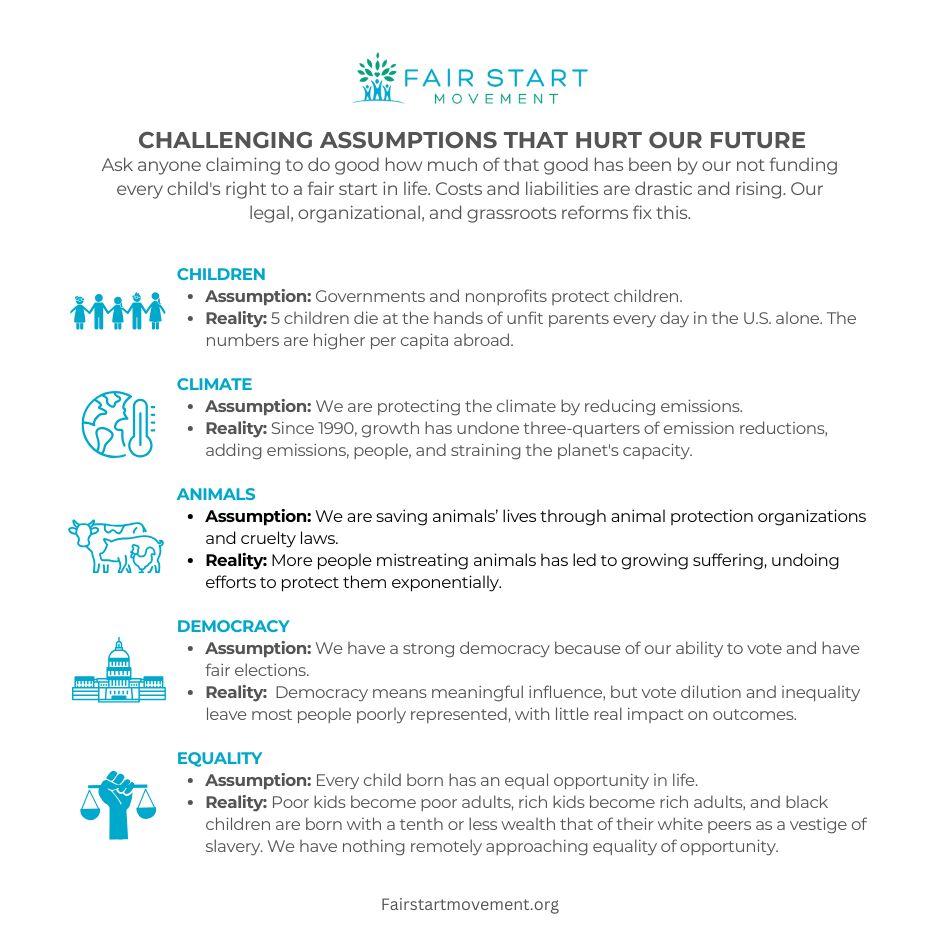
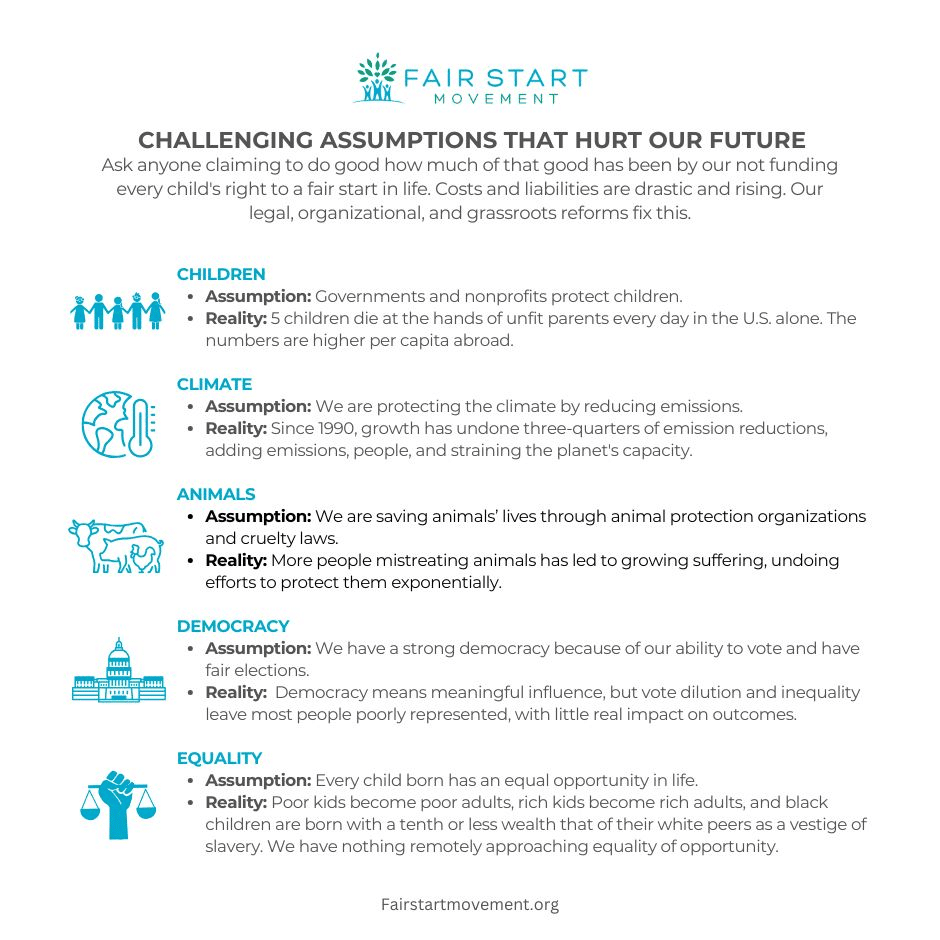
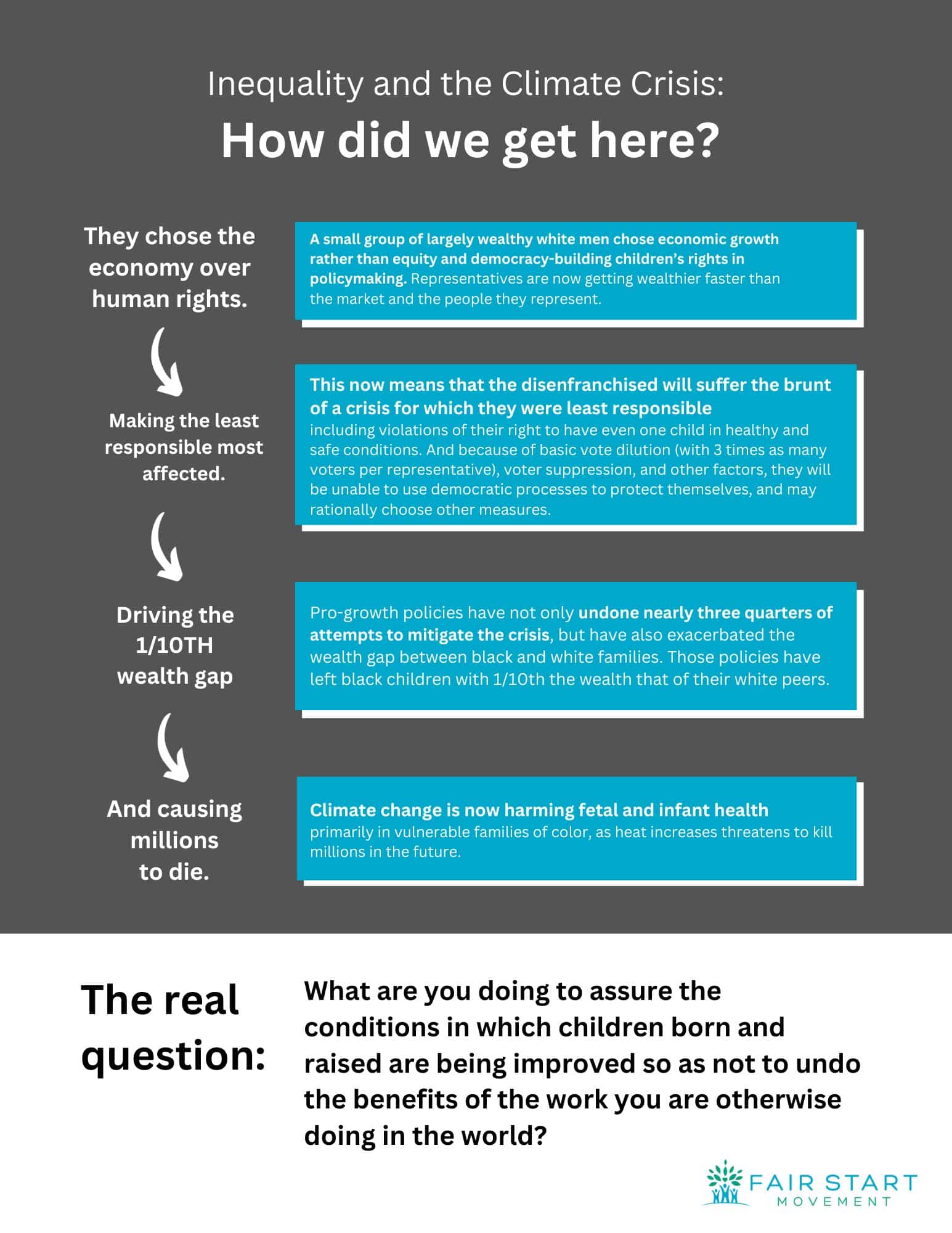
    Challenging assumptions that hurt our future infographic

    “No Child Is Worth More than Another”

    At the heart of Women Care Modelling is a moral line that cannot be crossed: no child’s life is more valuable than another’s. When care guides decision-making, children are no longer sorted by wealth, geography, or politics. Nutrition, health, safety, and education become non-negotiable not privileges reserved for a few. Under women-led care systems, children are not numbers in future plans. They are here, now, and their lives matter today.

     A Shift in Power and in Values

    Women Care Modelling is not charity, and it is not a soft approach. It is a transfer of power away from extractive systems that profit from crisis, and toward care-centered leadership that protects life. In a world facing climate breakdown and deepening inequality, this model offers something rare and necessary: a way to govern that values care as strength, accountability as justice, and survival as a shared responsibility.

  • The Founding Story of Truth Alliance, by Zahara Nabakooza

    The Founding Story of Truth Alliance, by Zahara Nabakooza

    By Zahara Nabakooza

    The idea for Truth Alliance began during a women’s dialogue in Uganda, when I asked a question that has guided me ever since: “If we don’t tell our truth, who will?”

    That question came from witnessing years of injustice, where fear, politics, and greed silenced ordinary people, especially women and children. I saw how truth was often buried to protect privilege, while the poor paid the price. Alongside women’s care groups in Uganda we were tired, we knew it was time to break the silence.

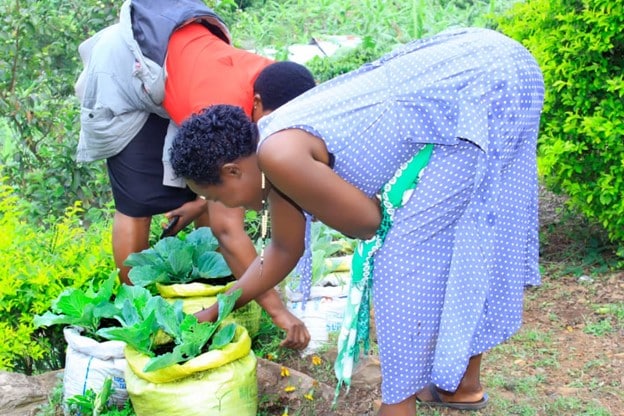
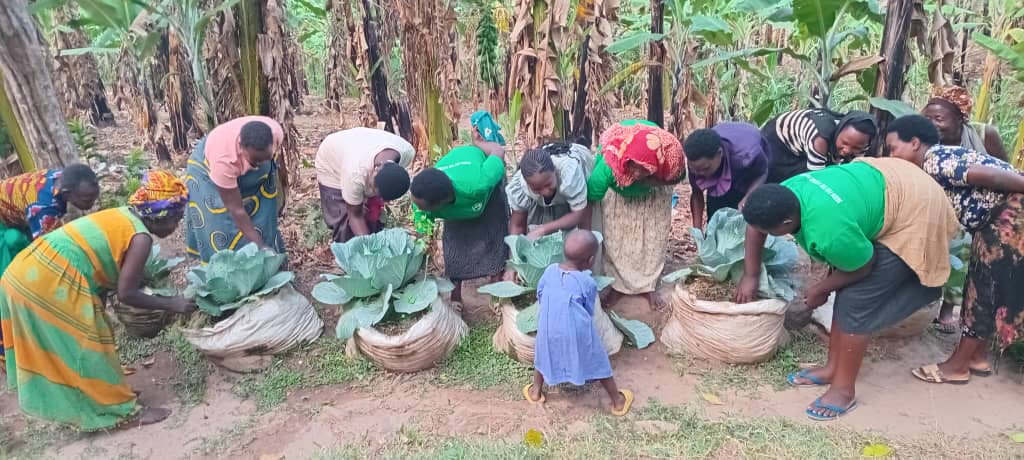
    People planting vegetables


    I understood that injustice is not only gendered but also racial and economic. Staying silent protects privilege; speaking out can heal, empower, and transform communities. I realized that real change could not come from the top down; it had to rise from the ground, from women in villages, from our children, from youth in the streets and from communities ready to speak and act with courage

    From that conviction, Truth Alliance was born. The name reflects our core values: “Truth” for honesty and moral courage, and “Alliance” for unity and collective action.

    Today, Truth Alliance continues to grow as a decentralized, women-led movement connecting local struggles to global justice, amplifying silenced voices, and standing for fairness, dignity, and the right of every person to live in truth.

  • Fair Start and Truth Alliance File Notice of Preemptive Standards with the California Attorney General

    Fair Start and Truth Alliance File Notice of Preemptive Standards with the California Attorney General

    Today the Fair Start Movement and an emerging coalition called the Truth Alliance filed a notice of preemptive standards with the California Attorney General seeking full justice in matters, like consumer fraud, impacting the futures of the most vulnerable children.

    A New Standard for Justice in California

    The Fair Start Movement has called on the California Attorney General to recognize that existing fraud and similar laws are preempted by what the organization describes as the “full justice” standard. This standard is now before the African Union and asserts that true empowerment requires ensuring no child is born beneath a threshold of resources necessary for freedom and self-determination.

    Why Equitywashing Is the Core Problem

    As the Fair Start Movement has argued in its foundational works, including Illegitimate Power, Illegitimate Violence: How Nations Are Built on the Backs of Disenfranchised Children, conventional legal and policy systems ignore the inequities at birth that drive global crises. This omission leads to political equitywashing, where claims of progress in areas such as climate or human rights obscure the fact that children continue to enter the world in conditions of radical injustice.


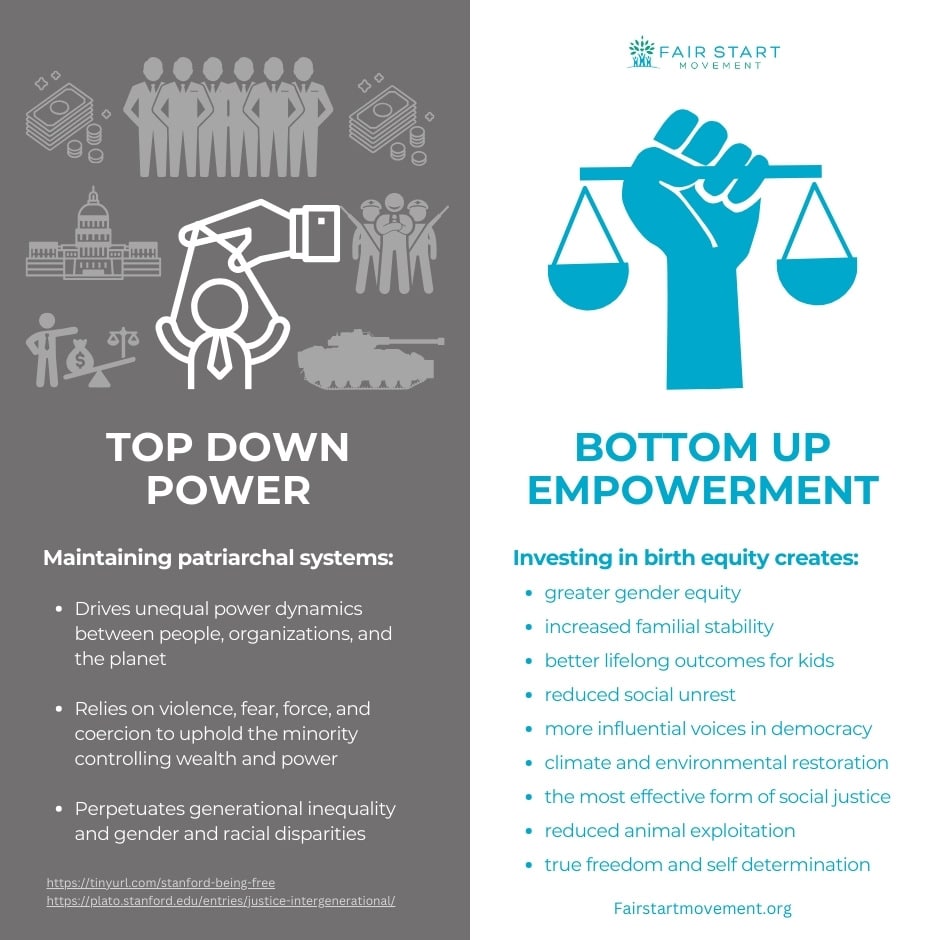
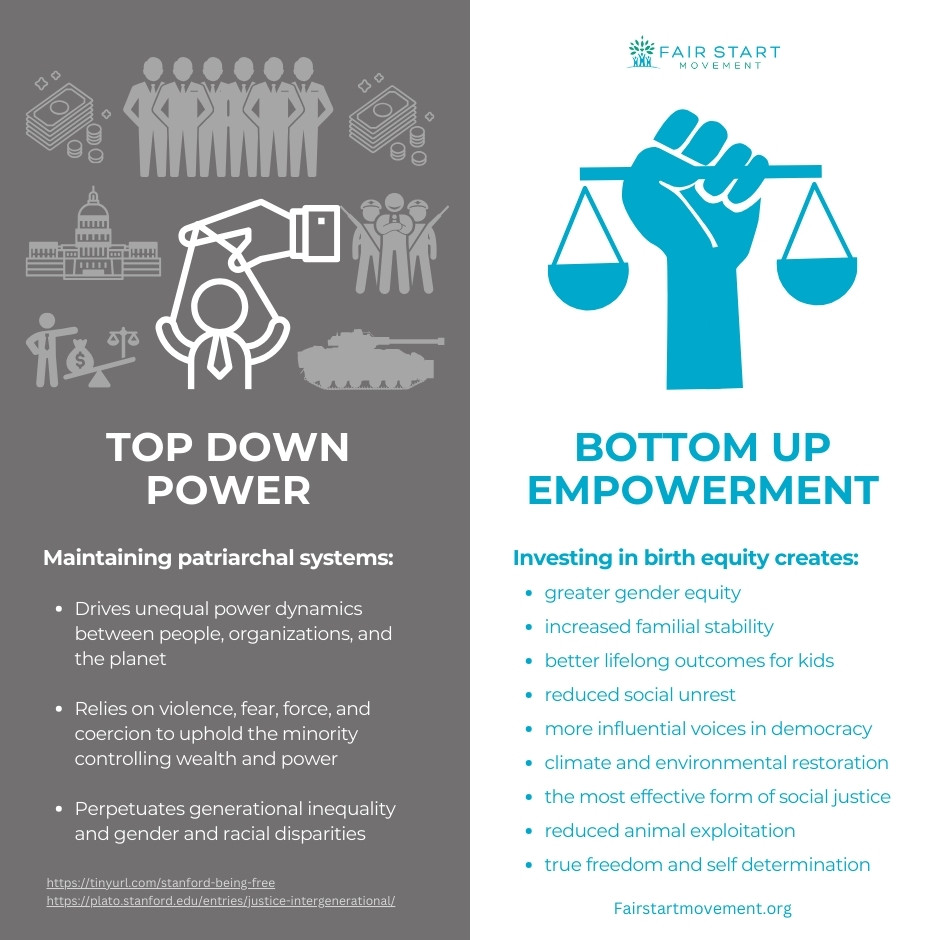
    Top Down Power and Bottom Up Empowerment infographic


    The use of the equity fraud standards has meant treating children of color – for decades – as worth exponentially fewer resources and more risk. As such, the standard gutted equity, or each person’s equal capacity to influence one’s political system and the outcomes that affect one’s life. That policy has led to millions of deaths in the climate and underlying crises, and the undoing of a lot of the value many claimed to create and the beneficial impacts they had.

    This is equity fraud, ensuring the assumption that our birth relations empower us, and in a sufficiently legitimate way to define things like the “green” in greenwashing laws or concepts like animal liberation, when in fact the standards are hardly green or liberating in the sense of what the most vulnerable children and animals need, but rather designed to enrich some at cost to others. Activists were comparing themselves to the worst actors rather than what was necessary to achieve their ends on balance, thus ensuring a race to the bottom.


    Family Planning info card


    Empowerment as the Basis of Legitimacy

    Fair Start’s letter to the California Attorney General emphasizes that governmental and corporate authority cannot be legitimate if it is not conditioned on empowering those it claims to represent. By centering child equity in all claims of value, impact, and legality, the Fair Start Movement argues that freedom and justice must be defined not as an absence of state coercion but as true consent to any external influence—a consent impossible without equitable starts in life.

    According to Mwesigye Robert, who helps lead a growing coalition called Truth Alliance that demands those making value and impact claims actually account for the preemptive need to ensure children entering the world are measurably empowered: “Positionality matters, children from the global south deserve to be seen as equal in dignity and opportunity and when global policies reflect that equity, their voice potential can truly be heard in highlighting the need for fairness in family planning and development funding.”


    Challenging assumptions that hurt our future infographic


    Fair Start Movement

    The Fair Start Movement is the only organization connecting the root causes of the climate crisis, inequality, and illegitimate governance to the fundamental issue of inequitable births. Their legal advocacy, including direct appeals to the California Attorney General, marks a groundbreaking step toward transforming systems of law and policy.

    If legitimate governance, including the authority to assign wealth, derives from empowering the people, then we all have preemptive right to ensure businesses treat the violation of children’s birthrights as a horrific cost, and not a benefit to be exploited for growth.

  • What is Animal Law? Don’t Get Scammed. It’s a High Ideal Being Hidden

    What is Animal Law? Don’t Get Scammed. It’s a High Ideal Being Hidden

    Humans are animals. Recognizing this helps shift us away from anthropocentric thinking that drives the climate crisis and leads to mass suffering. Animal law isn’t just about legal protections for nonhumans; it’s about fostering relationships between humans and nonhumans that prevent suffering.

    Most acts of animal cruelty go unreported. How do we address that? True animal law starts with inclusive birth and child welfare policies that foster empathy, empower future generations, and protect animals. Human and nonhuman liberation are interconnected, as the way we shape our relationships drives outcomes for both.

    The Hidden Undoing of Animal Law

    Many organizations promoting animal law ignore how their efforts are undermined by unchecked human growth and the erosion of political equity. They claim progress without acknowledging that expansion in human populations, wealth concentration, and political inequity counteract their efforts. By ignoring these fundamental drivers of animal suffering, these organizations uphold a version of animal law that ultimately harms animals more than it helps them.

    This omission is intentional. The organizations rely on assessment and reporting standards that obscure the real impact of human expansion, protecting the interests of wealthy donors rather than the vulnerable beings they claim to defend. They omit the connection between animal protection and just, sustainable human development because it threatens entrenched power structures.


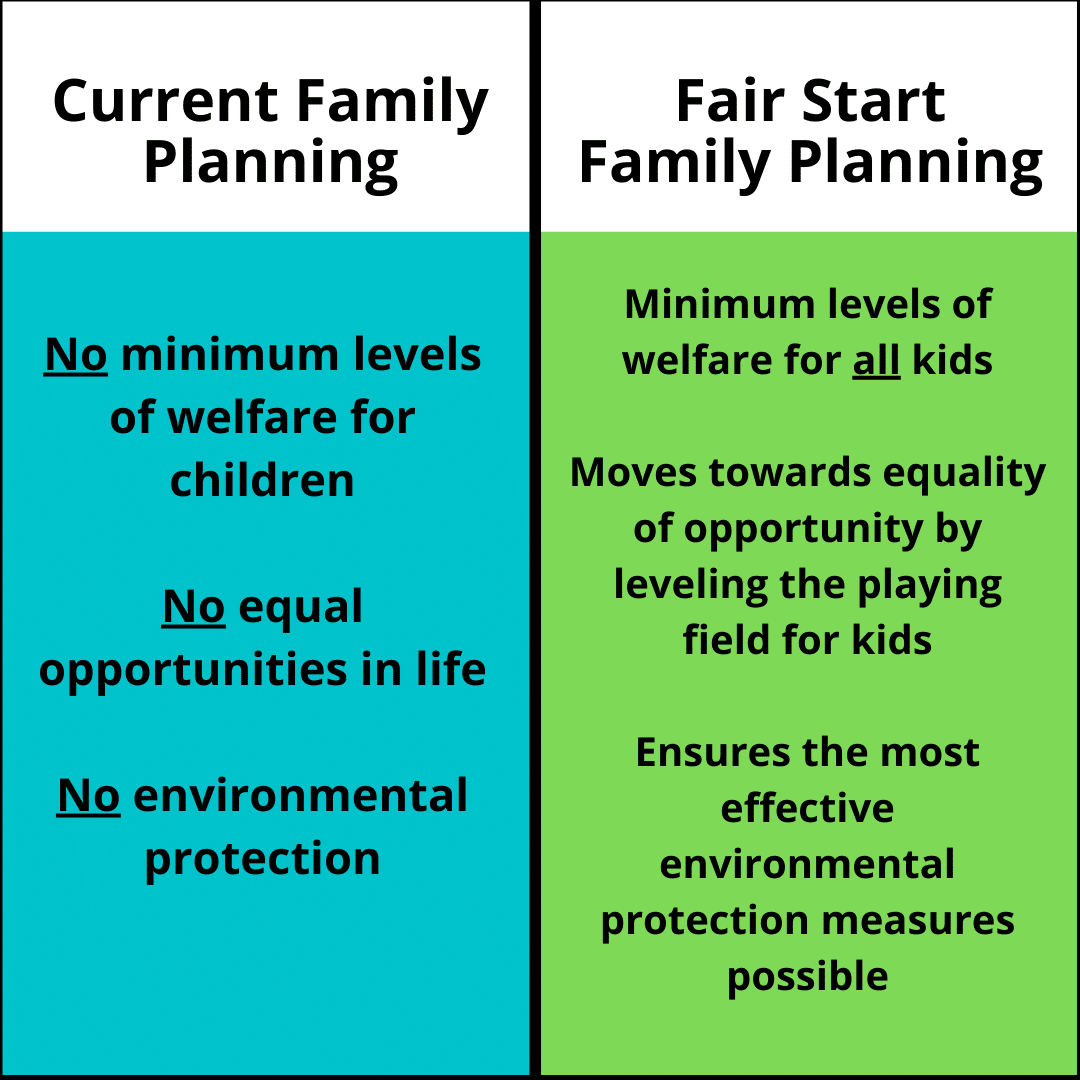
    A split infographic compares Current Family Planning with Fair Start Family Planning, listing differences in welfare, equality, and environmental protection for children, while highlighting how practices like legitimacywashing can undermine genuine progress.

    The Fundamental Truth

    We have collectively violated children’s right to a fair start in life. We have prioritized economic growth over political equity, allowed unsustainable population expansion, and ignored the needs of marginalized communities. These actions have caused more harm to animals, ecosystems, and human justice than any isolated intervention can remedy.

    Animal law isn’t just about legal directives referring to animals; it’s about ensuring legal systems protect nonhumans meaningfully. The best measure of animal law is found in constitutional preambles and the structures that shape human-nonhuman relationships—not just in laws that mention animals.

    The Creation Problem

    Our birth and development—our creation—is the largest determinant of nonhuman suffering. It outweighs any other human behavior. Our creation also dictates how legal systems function, determining whether they genuinely include and empower the vulnerable or serve only the privileged.

    Animal law must begin with the ethical considerations of human creation. Without this foundation, no legal system can meaningfully protect nonhumans. Yet, discussions of creation ethics are avoided because they raise uncomfortable questions about racial equity, climate reparations, parental responsibility, degrowth, and liability for misleading charitable work.


    Challenging assumptions that hurt our future infographic

    The Wealthy Influence on Animal Law

    For decades, wealthy families and funders have shaped animal law to serve their own interests. They support narrow definitions of animal law that ignore the role of population growth and political inequity, ensuring that advocacy remains performative rather than transformative. Many advocates embrace this limited scope because it offers well-compensated work with little real impact.

    Growth continues to undo the progress claimed by these organizations. It is easier to engage in performative animal law—discussing legal references to animals while ignoring the broader forces that shape their suffering. Large media budgets promote interventions that favor donors more than animals, drowning out solutions that would have a real impact. But there is no such thing as anthropocentric animal law.

    Justice cannot emerge from injustice. We cannot create a just society while violating children’s rights at birth, ensuring inequity from the start. Nations cannot be legitimate if they provide no functional protections for children as they enter the world—or for the nonhuman world they will impact.


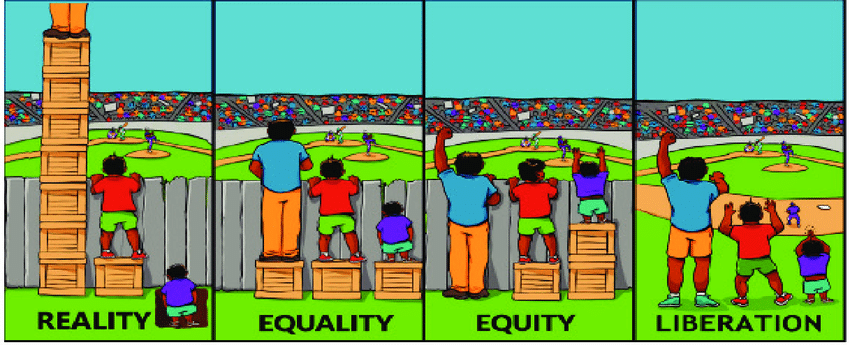
    Reality, equality, equity, and liberation


    The HSUS Example: Monetizing Animal Liberation

    In 2003, Fair Start advocates working with the Humane Society of the United States (HSUS) framed farmed animals as the most numerous victims of human cruelty. This framing aligned with corporate interests, such as Whole Foods, which profited from growing public outrage over factory farming. The strategy monetized the concept of animal liberation without actually achieving it.

    The most numerous class of animals, however, are future animals. HSUS and others ignored this reality, treating future beings the same way growth economists treat future people—as expendable. Rather than promoting small family ethics and policies that would reduce suffering, HSUS focused on food reforms within a growth-based market.

    Many advocates profited from the food sector while using sensational campaigns to overshadow the macro-level drivers of suffering. This growth-driven demand, not food choice alone, remains the largest determinant of climate outcomes and animal suffering.


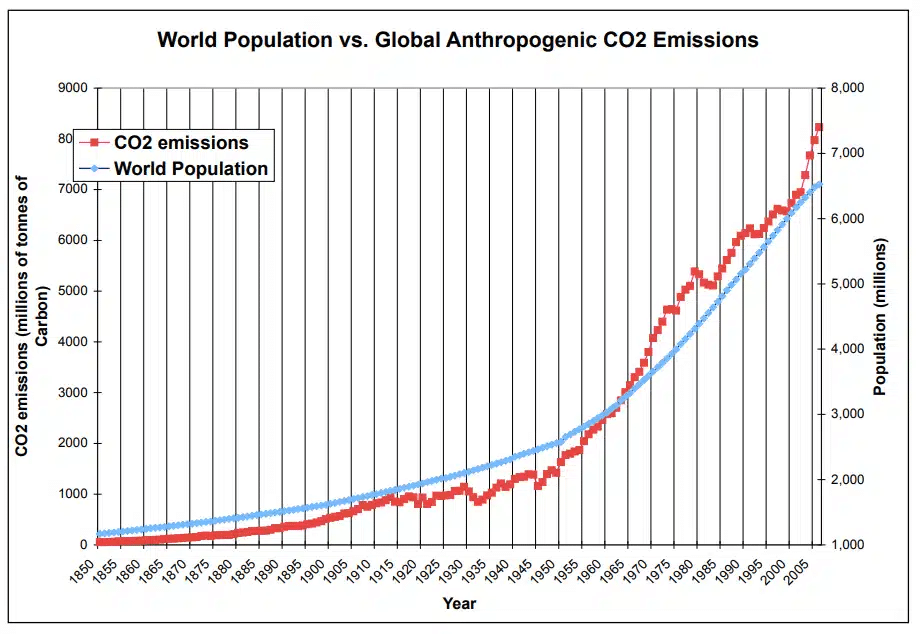
    Inequality info graphic

    The Corruption of Animal Law

    Animal law, as the most demanding form of social justice, serves as a measure of broader justice. It should assess how we include future generations in legal systems, empowering them to protect animals. However, from 2003 to today, most discussions of animal law focus on food and other downstream interventions. Few address family reforms that could benefit both animals and vulnerable humans.

    Many nonprofit funders manipulate the field by using media, academia, and legal framing to obscure real impacts. Harvard University, for example, claims to improve animal treatment through law but does not address the fundamental driver of suffering: anthropocentric growth. Their policies benefit funders more than animals.

    A senior funder associated with Harvard’s program has refused to include abortion access in animal law discussions, despite its disproportionate benefit to animals compared to food reforms. Their metric for impact ignores growth and birth-related impacts, ensuring inequity continues. Many organizations dependent on this funding remain silent, allowing resources meant for animals to sustain human privilege instead.

    The Demand for Climate Justice

    As climate reparations become a global demand, animal lawyers will face scrutiny. What were they doing during the crucial years of the climate crisis? Did they challenge the systems enabling injustice, or did they serve the interests of the powerful?

    Recent direct action movements offer hope that animal law can move toward true liberation rather than performative advocacy. However, if these movements ignore macro-level reforms, they, too, fail to serve nonhumans meaningfully.


    Top Down Power and Bottom Up Empowerment

    Fair Start: Exposing False Claims

    The Fair Start Movement exists to expose misleading impact claims and hold institutions accountable. Our Tell the Truth campaign asks key questions:

    • How do organizations account for children’s rights when claiming beneficial impact?
    • Are their claimed benefits being undone by growth and inequity?

    By challenging these false narratives, we push for policies that prioritize birth equity and sustainable relationships, ensuring that animal law becomes a force for real justice—not a tool of wealth and power.

    Conclusion: Be Effective

    The commercialization of animal rights as food consumerism is a stark example of how a justice movement can be co-opted. Organizations continue making fraudulent impact claims while inequity and growth undo their efforts daily. Many companies that diverted resources from fundamental reforms ultimately failed.

    We can change this. Start by asking: “When you claim to benefit animals, how do you account for children’s rights? Is your work being undone by growth?”

    Only by telling the truth can we ensure that animal law serves animals not the wealthy individuals who define it for their own gain.

    Click here to Donate to Fair Start Movement Campaign


  • Encouraging Wealthy Individuals to Support Care Groups for Family Planning and Reparations

    Encouraging Wealthy Individuals to Support Care Groups for Family Planning and Reparations

    Many organizations focus on reducing family size by promoting contraceptives, but they often overlook why parents make these choices. A better approach is encouraging people to join care groups, where they can learn about family planning benefits and see positive examples firsthand. These groups also provide essential resources like childcare, kitchen garden supplies, school fees, and materials—ensuring every child gets a fair start in life.

    A New Way to Address Family Planning and Climate Change

    Large organizations often rely on centralized systems to tackle family planning and climate issues, but these approaches don’t always work effectively. The Fair Start Movement (FSM) and Rejoice Africa Foundation Uganda (RAFUG) use a decentralized system, which leads to more transparent and impactful results for families directly affected by these issues.

    A split infographic compares Current Family Planning with Fair Start Family Planning, listing differences in welfare, equality, and environmental protection for children, while highlighting how practices like legitimacywashing can undermine genuine progress.

    How Can We Fund These Efforts?

    Wealthy nations can adopt this community-driven approach and work with less wealthy countries to share resources, promote birth equity, and support smaller, more sustainable families.

    How Care Groups Work

    Rejoice Africa Foundation has set up 20 care groups, each with 20 women led by a community leader. These leaders oversee projects like:

    • Kitchen gardens
    • Child savings programs
    • Family planning education
    • Agroforestry initiatives

    Real Stories from Care Group Members

    Immaculate’s Leadership in Rwampara
    Immaculate, a care group leader from Bugashe, Rwampara district, has helped women start kitchen gardens, practice sustainable cooking, and engage in family planning discussions. A donor contributed $640 for child savings accounts, enabling RAFUG to create 62 accounts and grants for kitchen gardens. However, financial support from wealthy individuals remains limited.

    The Challenges of Family Planning: Ruth’s Story
    Komugisha Ruth, a care group member, became pregnant while using the contraceptive Implanon. Struggling to provide for her child, Joan, she now questions parent-centered family planning and wants to delay having another child until she can better support her family.

    Jemima’s Journey from Child Bride to Activist
    Kabugho Jemima grew up in a poor family of 10 in Western Uganda. Forced into marriage at 16, she later worked as a maid for priests, one of whom sponsored her education in nursing. Now an activist, she fights for women’s rights, reproductive health, and climate-friendly farming. Jemima co-founded the Rejoice Africa Foundation, urging accountability through a reward-based system to combat climate change.

    The Impact of Care Groups

    Sixty women across three care groups have successfully built kitchen gardens, growing their own vegetables—even on small plots or using sack farming. Some members now earn $10 per week selling their harvests. This financial independence has helped women like Paskazia, who once engaged in risky survival strategies but now supports her family through farming.

    Joy, a mother of three, advises younger women to delay having children until they are better prepared. She shares her struggles during drought and poverty, encouraging others to plan for their children’s future.


    Challenging assumptions that hurt our future infographic

    Why Care Groups Matter for Reparations

    The Care Group model is more than a support system—it’s a path to long-term change. It helps women:

    • Build Community: Women with shared experiences support one another.
    • Gain Education: They learn about reproductive health, nutrition, and financial planning.
    • Develop Skills: Training in income-generating activities promotes financial independence.
    • Advocate for Change: Women collectively push for justice and support.
    • Ensure Sustainability: Community-led initiatives create lasting impact.

    A Call to Action for the Wealthy

    If more wealthy individuals followed the example of Jessica Blome and invested in Care Groups as part of reparations, donations would be more transparent and accountable. Most importantly, future generations would have a fairer and more sustainable start in life.

    Click here to Donate to Fair Start Movement Campaign


  • Inception of Seeds for the Future Project

    Inception of Seeds for the Future Project

    Origins and Growth
    Seeds for the Future launched in 2023 under the Rejoice Africa Foundation (RAFUG) as an Afrocentric initiative using women’s care groups to decentralize power and support future generations. It began as kitchen gardens tied to child reparations accounts and expanded to:

    • Nigeria: School supplies
    • Tanzania: Agroforestry
    • Kenya: School fees

    All efforts align with birth and developmental equity reparations, supported by Esther Afolaranmi’s work at the UN. Next month, RAFUG will launch a policy initiative in India, aiming to save countless lives.

    People coming to pick up grain to fight starvation in Amboseli

    A New Family Planning Model
    Unlike traditional approaches, our coalition challenges the outdated Cairo Consensus on population and development, which fails to address the climate crisis and economic inequality. We advocate for an equitable family model prioritizing:

    • Parental delay and readiness
    • Fair distribution of opportunities for all children
    • A universal ethic of smaller families

    This model, backed by peer-reviewed research and global media coverage, aligns with UN leadership’s call to shift from merely counting people to ensuring every child counts.


    Dying zebra from climate drought and starvation with two people looking concerned

    Justice Through Birth Equity
    The climate crisis and economic disparity are rooted in unjust family planning policies, disproportionately harming those least responsible. By improving outdated frameworks and focusing reparations on birthright entitlements, we can:

    • Restore balanced ecosystems
    • Ensure equal opportunities for future generations
    • Build sustainable communities by investing directly in young women and children

    The crises we face today could have been avoided with an ecocentric family planning system that truly upholds the Children’s Rights Convention. Now, we have the chance to make that vision a reality.

    Click here to Donate to Fair Start Movement Campaign


  • Tell the Truth Campaign: Ensuring Birth Equity as the First Human Right

    Tell the Truth Campaign: Ensuring Birth Equity as the First Human Right

    The Tell the Truth campaign calls on all who claim to improve the world to report their impacts in the context of children entering the world—relative to the rights and conditions they are promised.

    Are organizations truly accounting for the life experiences of the most vulnerable—infants and the animals they will impact? When we evaluate this honestly, we see how today’s ecological and political crises arose: those who appeared to be making progress were, in reality, reinforcing inequality and environmental destruction.

    Exposing the Truth

    We are fact-checking organizations that claim to support justice but fail to account for birth equity and sustainability, including:

    • The Weeden Foundation
    • Mercy for Animals
    • Wikipedia and the Center for Biological Diversity
    • Animal Rights Philanthropist Brad Goldberg

    This process reveals how public interest efforts often use flawed standards that hide their role in worsening the crises they claim to solve. By failing to prioritize birth equity, they reinforce systemic injustice, climate devastation, and political inequality.

    A split infographic compares Current Family Planning with Fair Start Family Planning, listing differences in welfare, equality, and environmental protection for children, while highlighting how practices like legitimacywashing can undermine genuine progress.

    The Core Issue: A Flawed Standard Driving Global Crises

    For decades, nonprofits, media, and business leaders ignored the impact of population growth and inequality, creating a false narrative of progress. Their standards for measuring impact exclude birth equity, ensuring a cycle of privilege for some while disempowering others—especially children of color. This approach has:

    • Undermined climate and racial justice efforts
    • Allowed unsustainable economic growth to masquerade as progress
    • Ensured wealth remains concentrated at the expense of the most vulnerable

    A Necessary Shift: Fair Start as the Overriding Human Right

    Instead of perpetuating injustice, we must reallocate extreme wealth to ensure every child is born into a system of reparations, with access to essential resources, education, and a sustainable environment. This includes:

    • Parenting delay and readiness programs
    • Family planning incentives inversely tied to privilege
    • A shift in policy to prioritize children’s rights as the foundation of justice

    Holding Institutions Accountable

    Fair Start activists, many of whom previously worked in leading nonprofits, are exposing how these organizations profited from systems that violated children’s rights. Legal action is underway, including climate tribunals in Africa, to challenge these harmful practices.

    Challenging assumptions that hurt our future infographic

    Take Action: Tell the Truth

    We urge organizations and individuals to:

    1. Assess and report impacts honestly—How does your work account for birth equity and the rights of future generations?
    2. Support policy reforms that place children’s rights at the center of governance and sustainability efforts.
    3. Admit the truth—continuing to ignore this reality does more harm than good.

    Justice starts with birth equity. It’s time to tell the truth and demand real accountability.

    Click here to Donate to Fair Start Movement Campaign


  • Urging Leaders of the UN Commission on the Status of Women to Tell the Truth, and Admit Their Death Debt

    Urging Leaders of the UN Commission on the Status of Women to Tell the Truth, and Admit Their Death Debt

    Fair Start Movement activists, who are attending the 69th session of the UN Commission on the Status of Women, are urging leadership to Tell the Truth:

    The Beijing Declaration and Platform for Action, illegally  violated the first and overriding human right, the right to an ecosocial fair start in life for all, and as such has done more harm than good because it thereby exacerbated inequity and deadly ecocide, leading to the deaths of millions as the climate crisis accelerates. 

    One fix?

    Leadership should change course, consistent with the policy advice below, and further urge the United Nations Secretary General to back fair starts in life, and measurable political equity, as overriding any system of governance that does not prioritize those things.

    FAIRSTART’S ADVOCACY PAPER FOR CSW69: CENTERING CHILD RIGHTS IN REPRODUCTIVE POLICIES

    Integrating Child Rights into Reproductive Policies: A Fair Start Approach

    The Fair Start Movement advocates for a fundamental shift in reproductive policies, moving beyond traditional frameworks focused solely on fertility rates and contraception to a holistic, child-centered approach. At its core, the Fair Start Movement is committed to ensuring that every child is born into an environment that fosters their well-being, growth, and future success. Aligning with global frameworks, such as the UN Convention on the Rights of the Child (CRC), the Beijing Platform for Action, the Maputo Protocol, and the Sustainable Development Goals (SDGs).

    Our mission is to ensure that every child is born into conditions that foster their well-being, rights, and future opportunities, granting them the ability to influence their outcomes in a just and equitable society.

    In line with this, FS has initiated petitions before the UN and ACHPR, and has launched a Tell the Truth (TTT) campaign, to bring these changes to the forefront of international legal discourse.

    Reproductive Rights as a Foundation for Child Well-being

    For too long, reproductive policies have been narrowly defined by access to contraception and abortion, neglecting the broader socio-economic realities that shape family planning choices. Fair Start advocates for a paradigm shift from simply reducing fertility rates to creating environments where informed reproductive choices are supported by education, economic security, and child welfare protections as exemplified in our Seed for Future Africa Program across Africa.

    Key Policy Advocacy

    • Governments must prioritize investments in education to empower individuals to make informed reproductive choices.
    • Reproductive rights frameworks should be integrated with child rights protections to ensure intergenerational equity and sustainability.


    Child Rights in Reproductive Policies

    Current reproductive policies often ignore the long-term welfare of children born into poverty, conflict, or fragile health systems. To achieve sustainable development, 

    reproductive policies must be framed within a child rights perspective, ensuring that every child is born into conditions that allow them to thrive.

    Key Policy Recommendations

    • Right to Survival and Development (UNCRC Article 6): Ensure reproductive policies are not solely focused on reducing birth rates but also on providing conditions for child survival, growth, and development.
    • Right to Health and Nutrition (UNCRC Article 24): Strengthen reproductive policies to reduce child mortality rates, prevent malnutrition, and promote maternal well-being.
    • Right to Protection from Poverty and Exploitation (UNCRC Articles 26 & 32): Link family planning policies to economic and social protections to break cycles of poverty.
    • Right to Education and Equal Opportunities (UNCRC Articles 28 & 29)


    Aligning with Global Frameworks

    Fair Start’s policy advocacy aligns with major international frameworks, ensuring a unified approach to reproductive and child rights policies:

    • Beijing Platform for Action (1995): Calls for universal access to reproductive health services while recognizing the role of socio-economic conditions in reproductive choices.
    • Maputo Protocol (2003): Advocates for women’s reproductive autonomy but must be expanded to include policies that enable delayed fertility for child well-being.
    • AU Agenda 2063: Supports human capital development, gender equality, and social transformation, aligning with sustainable reproductive policies.
    • SDGs (2030 Agenda): SDGs 3, 4, and 5 highlight reproductive autonomy, education, and gender-responsive health policies as integral to global sustainability goals.


    The Fair Start Movement’s Advocacy: UN Petition, ACHPR Petition, and the TTT Campaign

    The Fair Start Movement is actively working to bring systemic change through various advocacy platforms, including our UN petition, ACHPR petition, and the recently launched TTT campaign.

    The UN petition led by the Fair Start Movement calls for the integration of child rights into global policy frameworks, with an emphasis on addressing the long-term impacts of the climate crisis on future generations. The petition urges the UN to prioritize child welfare, ensuring that the rights of the future generation are safeguarded, especially in the face of environmental degradation and climate-related harm. It highlights the need for climate reparations to support communities most affected by environmental destruction, guaranteeing that future generations inherit a world capable of supporting their rights and opportunities.

    Similarly, the ACHPR petition, presented to the African Commission on Human and Peoples’ Rights, calls for the integration of climate justice into policy frameworks across Africa. It stresses the need for African governments to advocate for child rights and demand reparations given the impact of climate change in Africa. This must be done in order to mitigate the effects of environmental damage on children, especially the future generations in order to have the opportunity to grow, thrive, and enjoy basic rights, free from the consequences of climate-induced harm.

    The Tell the Truth (TTT) campaign is Fair Start Movement’s latest campaign, focused on raising global awareness about the need for accountability and justice in the face of the climate crisis.  

    What Fair Start Is All About

    At the core of the Fair Start Movement is the belief that every child should be granted a fair start in life, free from the constraints of systemic inequalities. We criticize any political standard that fails to prioritize child rights, particularly policies that perpetuate cycles of disadvantage. The standard we criticize is anything that does not use child rights to constitute nations with such investment in each child that there are equal offsets of each child’s capacity to influence outcomes relative to zero, or 0, 1, 2,……0. 

    In other words, political legitimacy should be based on ensuring that every child is equipped with the means to influence their future, starting from birth.

    The Deadly Lie: Privatizing Freedom and Political Legitimacy

    World leaders privatized freedom in the birth-creation of political relations after 1948 by conflating the act of having and not having children under a singular umbrella of autonomy, rather than treating the former as requiring political equity for the child. This hid the nature of freedom by privatizing the creation of political relations. And it led to 

    the measuring, assessing and reporting of public interest outcomes based on standards meant to take oneself out of one’s birth and development context, ensuring children of color were treated as deserving less and placing them at increased risk. This was the hiding, linguistically, of birthright white supremacy and massive death debt with a fraudulent assessment and reporting standard that inverted political obligation, hiding the need for nations to invest equitably in each child just to have basic authority over citizens – to be “representative.”  

    Leaders conflated the two by defining power narrowly as the violence of the state, rather than any form of human influence, so one would be free to terminate pregnancies without law enforcement blocking you, only to now die in a heat wave because one had no influence over climate policy, and could not afford air conditioning. 

    As Zaharah poignantly states:

    “How dare you? In this inequality and climate injustices that have harmed us from the global south, our children are dying and have no accountability, using a top-down system that isolated victims from the global south. The wealth you enjoy was made from the innocent blood of poor people from the global south. You will not escape blame, and it will pass into your children because your children are born in the luxury that was taken from us.”

    This sentiment reflects the reality that wealth accumulated at the expense of the Global South has left many children dead, with millions more at risk of dying from inequality and climate injustices. We must adopt and support an Afrocentric model while dismantling the top-down systems that perpetuate these inequalities.

    A Call to Action

    The Fair Start Movement calls on governments, policymakers, and global institutions to radically transform reproductive policies by embedding child rights at their core. This transformation is not just a matter of political or social reform—it is a moral and legal imperative that ensures the survival, growth, and development of every child.

    We demand a departure from outdated, population-control driven narratives and call for a shift toward child-centered policies that prioritize equitable investments in every child’s future. It is time for nations to acknowledge their responsibility to invest in each child from the moment of conception, ensuring that every child is afforded the opportunity to influence their own future and thrive in a world free from systemic inequalities.


    Additional Advocacy Talking Points for CSW69: Integrating Child Rights into Reproductive Policies & Promoting Delayed Fertility

    Reproductive Rights Must Evolve Beyond Contraception and Abortion

    • Historically, reproductive rights policies have focused primarily on access to contraception and abortion without ensuring long-term socio-economic sustainability.
    • A more holistic approach is needed—one that integrates child rights, economic security, and education policies into reproductive health frameworks.
    • Key advocacy point: Shift the narrative from “reducing fertility rates” to “creating enabling environments for informed reproductive choices and child well-being.”

    The Case for Delayed Fertility as a Policy Priority

    • Studies show that delayed fertility (having children at a later age when socio-economically stable) leads to better health, educational, and economic outcomes for children and parents.
    • Policies should focus on empowering women and families to make reproductive choices that align with their aspirations and economic security.
    • Key advocacy point: Governments must invest in education, employment opportunities, and financial security for women to enable informed family planning decisions rather than just controlling fertility rates.

    Child Rights Politics: Centering Children in Reproductive Policies

    • Current policies focus on reproductive choices without considering the long-term welfare of children born into poverty, conflict, or fragile health systems.
    • Child rights frameworks (such as the UN Convention on the Rights of the Child – CRC) should be integrated into reproductive policies to ensure that every child is born into conditions that allow them to thrive.
    • Key advocacy point: The shift toward child rights-based reproductive policies ensures that family planning policies contribute to intergenerational well-being, not just short-term fertility management.

    Linking to Global Commitments: Aligning with Beijing Policy, Maputo Protocol, AU Agenda 2063, and SDGs

    1. Beijing Declaration and Platform for Action (1995)
    • The Beijing Platform for Action remains a landmark policy framework that recognizes women’s reproductive rights as human rights.
    • It calls for universal access to reproductive health services and highlights the role of socio-economic conditions in reproductive choices.
    • Key advocacy point: CSW69 should advocate for full implementation of Beijing’s commitments, with an emphasis on integrating child rights and delayed fertility as part of women’s reproductive empowerment.
    1. The Maputo Protocol (2003)
    • The Maputo Protocol (Protocol to the African Charter on Human and Peoples’ Rights on the Rights of Women in Africa) guarantees women’s rights to reproductive health, autonomy, and access to safe abortion in specific cases (rape, incest, or when the pregnancy endangers health or life).
    • Article 14(1) states that women must have the right to control their fertility and access family planning services.
    • Key advocacy point: While Maputo advances reproductive rights, its implementation should extend beyond contraception and abortion to include economic policies that enable women to delay childbirth if they choose, ensuring child well-being and intergenerational equity.
    1. African Union’s Agenda 2063
    • Agenda 2063, Africa’s long-term strategic framework, emphasizes human capital development, gender equality, and social transformation.
    • The Aspiration 6 of Agenda 2063 calls for an Africa where development is people-driven, relying on the potential of its women and youth.
    • Key advocacy point: Sustainable reproductive policies must align with Agenda 2063’s focus on education, economic empowerment, and gender equality—ensuring that family planning policies are designed to uplift both women and future generations.
    1. Sustainable Development Goals (SDGs)
    • SDG 3 (Health), SDG 4 (Education), and SDG 5 (Gender Equality) all highlight the need for reproductive autonomy, access to education, and gender-responsive health policies.
    • The ICPD 1994 framework emphasized reproductive rights beyond contraception, advocating for health equity, maternal support, and economic empowerment.
    • Key advocacy point: The CSW69 discussions should align with global goals and commitments, ensuring that reproductive policies support women’s empowerment and child well-being holistically.

    Addressing Potential Criticism and Challenges

    Risk of Restricting Reproductive Freedom

    • The shift towards child rights-based reproductive policies and delayed fertility must not be used to restrict access to contraception or abortion.
    • Advocacy focus: Policies should be framed as expanding reproductive choices, not imposing delays on fertility through coercion.

    Economic and Policy Feasibility

    • Delaying fertility requires strong social and economic policies, including affordable healthcare, education, and job opportunities.
    • Advocacy focus: Governments must invest in infrastructure that enables reproductive autonomy, rather than focusing solely on birth rate policies.

    Avoiding Population Control Narratives

    • Some policymakers might misinterpret delayed fertility as a population control strategy.
    • Advocacy focus: This is not about controlling population but about ensuring sustainable reproductive choices and child well-being.

    Key Child Rights Issues we can include in CSW69 Advocacy and How to Make Them Relevant

    Child rights must be central to reproductive policy discussions because policies that affect fertility and reproductive choices directly impact the well-being, rights, and future of children. Below are the key child rights issues that should be included in the CSW69 advocacy, along with their relevance to the discussion on delayed fertility and reproductive policies.

    1. Right to Survival and Development (UNCRC Article 6)

    Relevance:

    • A child’s right to life and healthy development is directly linked to maternal health, prenatal care, and economic stability of parents.
    • When reproductive policies focus solely on reducing birth rates, they overlook the quality of life for children born under precarious conditions.
    • Delaying fertility can ensure that children are born when parents are physically, emotionally, and financially stable, improving survival rates and reducing child malnutrition and preventable diseases.

    Advocacy Point:

    • Reproductive policies must not only provide access to contraception and abortion but also ensure that every child born has the conditions needed for survival, growth, and development.
    1. Right to Quality Health and Nutrition (UNCRC Article 24)

    Relevance:

    • When young mothers (especially adolescents) have children before they are financially and emotionally ready, it increases child mortality rates and malnutrition.
    • Studies show that children born to older, economically stable mothers have better health outcomes and access to healthcare.
    • Unsafe abortions due to restrictive reproductive policies also lead to orphaned children or children left in unstable care systems.

    Advocacy Point:

    • Governments must strengthen reproductive policies to ensure that family planning services support women in choosing when to have children based on health and well-being factors.
    1. Right to Protection from Poverty and Exploitation (UNCRC Articles 26 & 32)

    Relevance:

    • Children born into poverty are more likely to experience malnutrition, lack of education, child labor, and trafficking.
    • Delayed fertility allows families to break cycles of poverty, ensuring that children have better access to education and resources.
    • Young mothers, especially teenage girls, are often forced into economic vulnerability, leading to child marriage, sexual exploitation, and human trafficking.

    Advocacy Point:

    • Governments must integrate reproductive policies with economic and social protection policies to ensure that children born into any family have financial stability and security.
    1. Right to Education and Equal Opportunities (UNCRC Articles 28 & 29)

    Relevance:

    • Early and unplanned pregnancies often interrupt girls’ education, pushing them into economic dependency and limiting their ability to provide for future children.
    • Children of economically stable, educated parents are more likely to stay in school and achieve their full potential.
    • Adolescent pregnancy is linked to school dropouts, creating a generational cycle where both mother and child face educational barriers.

    Advocacy Point:

    • Reproductive policies must prioritize delaying fertility to ensure that women and girls complete their education before becoming parents.
    • Governments should expand school-based reproductive health programs that combine contraception access with economic and career development programs for young girls.
    1. Right to a Family and Social Protection (UNCRC Article 27)

    Relevance:

    • Many children born into unstable environments experience neglect, abuse, and separation from their families due to economic struggles or unprepared parenting.
    • Orphanages and foster care systems are overburdened, and lack of support for struggling families contributes to the cycle of poverty.
    • Reproductive policies should not only prevent unplanned pregnancies but also support families in raising children in safe and stable environments.

    Advocacy Point:

    • Governments must align reproductive policies with child protection policies, ensuring that children are born into environments where they have access to stable family structures and social support systems.
    1. Right to Participation and Decision-Making (UNCRC Article 12)

    Relevance:

    • Reproductive policies often focus only on adult decision-making without including young people’s perspectives on their own reproductive futures.
    • Young people should have a say in family planning policies, especially in regions where early marriage and adolescent pregnancy are common.
    • Cultural and societal expectations often prevent young girls from exercising their reproductive rights freely.

    Advocacy Point:

    • Governments must involve youth voices in reproductive policy development, ensuring that adolescent reproductive health policies are rights-based and inclusive.

    Integrating Child Rights into Reproductive Policies: What Needs to Change?

    To bridge the gap between reproductive rights and child rights, the following policy changes are also necessary:

    1. Shift the Focus from Population Control to Child Well-being
    • Traditional reproductive policies focused on controlling birth rates rather than ensuring that every child born has access to a secure future.
    • CSW69 should advocate for a rights-based approach that prioritizes the child’s quality of life, not just reproductive restrictions.
    1. Strengthen Economic and Social Protection Policies for Parents
    • Delaying fertility must be supported by strong economic policies such as:
      ✔ Paid parental leave
      ✔ Childcare subsidies
      ✔ School reintegration for young mothers
    • Governments must integrate reproductive health services with economic empowerment programs.
    1. Expand Legal Protections for Young Mothers and Their Children
    • Policies must ensure that young mothers have access to education, job training, and financial support.
    • Laws must protect children born from unplanned pregnancies from discrimination and economic hardship.

    Key Advocacy Message for CSW69

    • Reproductive policies must move beyond fertility control to focus on child well-being.
    • Delaying fertility should be a choice, supported by social and economic policies that protect both mothers and children.
    • Child rights must be integrated into reproductive health discussions to ensure intergenerational equity and sustainability.
    • Governments must invest in reproductive education, social protection, and legal frameworks that allow families to thrive.

    Please consider making a contribution through Donate. Together, we can create lasting change to save next generation
     

  • What is Birth/Political Equity and Why Can’t We Be Free Without It?

    What is Birth/Political Equity and Why Can’t We Be Free Without It?

    The Cambridge Dictionary defines “equity” as the “value of a company, divided into many equal parts owned by the shareholders, or one of the equal parts into which the value of a company is divided.”

    But why do companies and shareholders have the authority to own equity at all? There is also – earlier on – the equity one has in one’s democracy, or the share one has in their political system that makes one relatively self-determining or free, as opposed to being determined by others.

    Generally, citizens receive their shares at birth, which vest when one becomes emancipated, and can vote. 


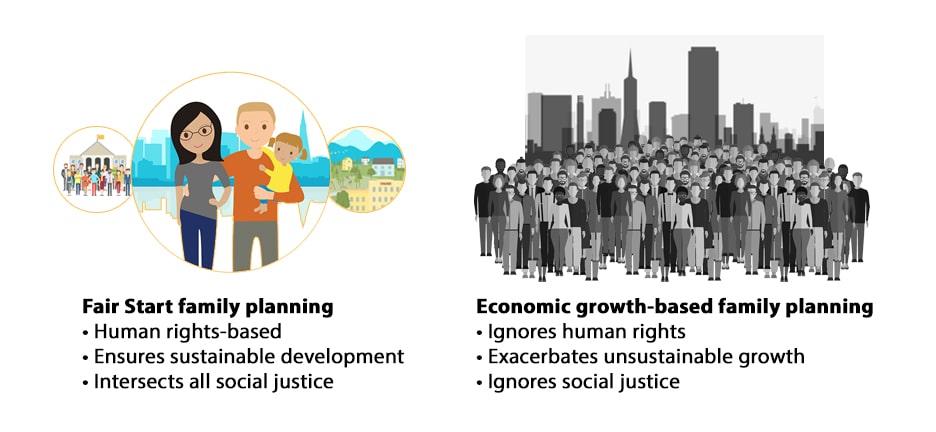
    Two panels compare family planning types. Left: diverse family illustration with bright colors, labeled Fair Start family planning with positive points. Right: grayscale crowd in a city, labeled Economic growth-based family planning with negative points.

    And because persons are generally considered politically equal, a rule that means each person gets one vote, one’s share of their democracy, first and foremost depends on the number of other individuals in it. That is why many thinkers have been concerned with the way growth dilutes the average person’s share, a fact hidden by formulas like representative ratios that are not based on empowering those subject to the law by treating them as equally empowered, relative to a neutral standard.

    But growth does not really account for other key factors that account for the equity, or level of influence, one has over one’s political system. What if that system has created macro changes in the environment so that persons are influenced, say by heat waves, against their will? What if one has a share, but because of structural racism and birth-based economic inequality, it really is not an equal share?

    Equity matters because it gives us some control over the systems in which we live, and that equity depends on the number of people with whom we share those systems, the disparities in the resources each of us may have, and things like the way we impact the physical environment around us.

    If one does not have equity in the political system, it’s hard to understand how they are free, or relatively self-determining. And there are hard parameters for what the amount of equity each of us deserves.

    Establishing a preemptive standard for self-determination, and political obligation 

    One way to consider birth/political equity, or what might also be called relative self-determination and autonomy, is to contrast it with the concept of population in the field of policy, a concept used by some to disenfranchise many.

    Partha Dasgupta is a brilliant theorist who has assessed optimal world population ranges. But, how do these persons actually relate to one another? What is the quality of those relations? How do we decide? 

    Fair Start’s main value-add to the world is to say that we should only bring kids into certain birth and development conditions, and that if we did that, the future would be better. And when we say “should,” we are the only organization in the world that has shown the “should” overrides all else because who we should be comes before what we do.

    Our first hurdle in ensuring that “should” is to overcome the idea that having kids is just about the freedom of the parents. It’s also about the freedom of the child and the community they form. And that second freedom is unique because all authority to govern and to own wealth derives from the inclusion of those subject to the governance or wealth as free and equal persons, with one person/one vote or equal self-determination. But by 1968, governments had taken equity out of reproductive rights systems, so that inclusion never occurred. Instead, economic growth became the standard. 

    Freedom was taken out of context, and the creation of power relations was privatized using an illegal – exclusive from self-determining political processes – standard. Challenging that standard can be controversial. In fact, one former ally organization removed content referring to this approach over traditional considerations of population, through the lens of reproductive autonomy, around the time of their receiving a significant grant. 

    One way to tell this story involves abortion. The illegal standard, even by the most liberal assessments, treats terminating a pregnancy as autonomy for the woman, even if she dies months later in a climate crisis heat wave, because she could not afford air conditioning, could not influence her political system to save herself, and did not have levels of trust to access her neighbor’s air conditioning, and was positioned that way because under fake “efficiency” standards she was treated as an economic input, etc. She was never free because she was never empowered, and in that situation, there is little reason to follow the rules.

    So just as Dasgupta has theorized optimal numbers, we can assess optimal qualitative relations, which we would practically create (whatever we do for equity after the fact) by ensuring no child is born beneath a particular line (or threshold: https://plato.stanford.edu/entries/justice-intergenerational/ ). That line, in many ways, represents the border of human freedom, and we could implement it in current policy measures by preempting baby bonds and similar legislation, using AI to set the line around a host of parameters that try to zero out harm, including the harm of taking the value of autonomy out of one’s political equity. 

    Here are many useful measures to inform how we draw the line:

    Please consider making a contribution through Donate. Together, we can create lasting change to save next generation