Category: Organizational Values & Mission

  • An Open Letter from Truth Alliance –  The Denver Model, Equal Valuation of Life, and the Urgent Need for a Fair Start for No Child is worth more than another.

    An Open Letter from Truth Alliance – The Denver Model, Equal Valuation of Life, and the Urgent Need for a Fair Start for No Child is worth more than another.

    To the University of Denver, its leadership, faculty, students, funders, alumni, and the wider public,

    Truth Alliance writes to raise a fundamental concern about how institutions model, value, and report the impacts of their work on people, animals, communities, and future generations.

    We believe the University of Denver’s traditional modeling approach, as we understand it, risks reproducing a “separate but equal” system of valuing life, one in which the interests of some populations, children, communities, animals, or generations can be assigned greater weight than others. In our view, this approach is incompatible with the principle that every child and every human life must be treated with equal dignity and concern.

    We refer to the prior letter Fair Start sent the University.

    Our concern is not simply about one academic model or one institution. It is about the broader consequences of using systems that discount the lives of future generations or treat certain populations as less valuable when calculating public impacts. When a model places a different value on a child’s life because of where that child is born, the wealth of their family, their race, their nationality, or the generation into which they are born, the result can be a deeply unequal distribution of protection, resources, and opportunity.

    Truth Alliance believes that no child is worth more than another. That principle must be reflected not only in constitutional law and civil rights but also in the models, policies, economic calculations, and institutional decisions that shape the future.

    The Question of Public Impact

    We are particularly concerned about the consequences of impact-reporting systems that fail to adequately account for harms imposed on future generations and communities already facing the greatest risks. If a model systematically discounts future life, then the suffering of children who have not yet been born may be treated as less important than the interests of people living today. If the model also fails to account for historic inequalities, the result can be a system that effectively transfers costs from those with greater power to those with less power.


    Family Planning info card


    This is especially alarming in the context of the climate crisis.

    Africa contributes a relatively small share of historical global greenhouse-gas emissions, inequalities yet African children and other global south communities are among those facing severe consequences from climate change. The impacts include:

    • Rising temperatures and increasingly dangerous heat.
    • More frequent and prolonged droughts.
    • Unpredictable rainfall and changing seasons.
    • Crop failures and declining agricultural productivity.
    • Food insecurity and malnutrition.
    • Water scarcity and competition over limited water resources.
    • Livestock losses and threats to pastoral livelihoods.
    • Flooding and destruction of homes and infrastructure.
    • Soil degradation and desertification.
    • Loss of forests, biodiversity, and wildlife habitats.
    • Increased displacement and climate-related migration.
    • Greater risks of disease and public-health emergencies.
    • Disruption of children’s education.
    • Increased poverty and loss of household income.
    • Greater risks to women and girls, particularly in vulnerable communities.
    • Increased conflict and competition over natural resources.
    • Loss of cultural heritage and traditional livelihoods.
    • Growing pressure on already weak health and social-protection systems.
    • Greater exposure of children to long-term and intergenerational harm.

    These are not abstract statistics. They represent real children, families, and communities whose futures are being shaped by decisions made today.


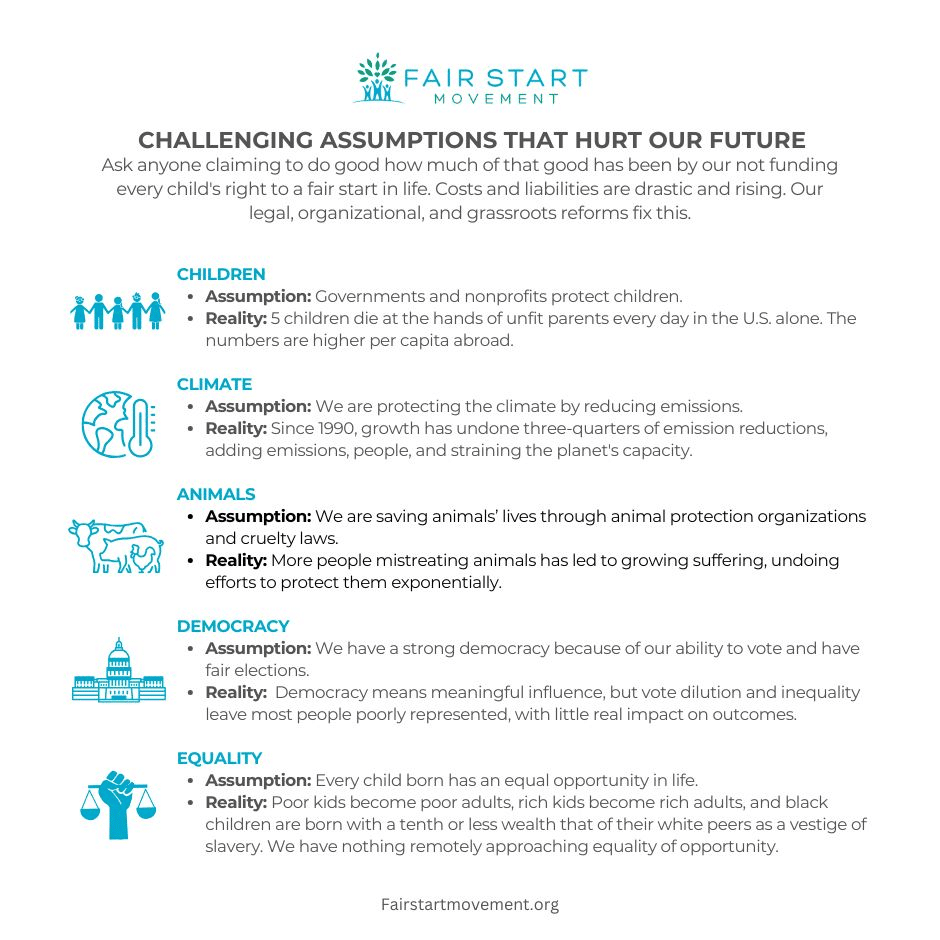
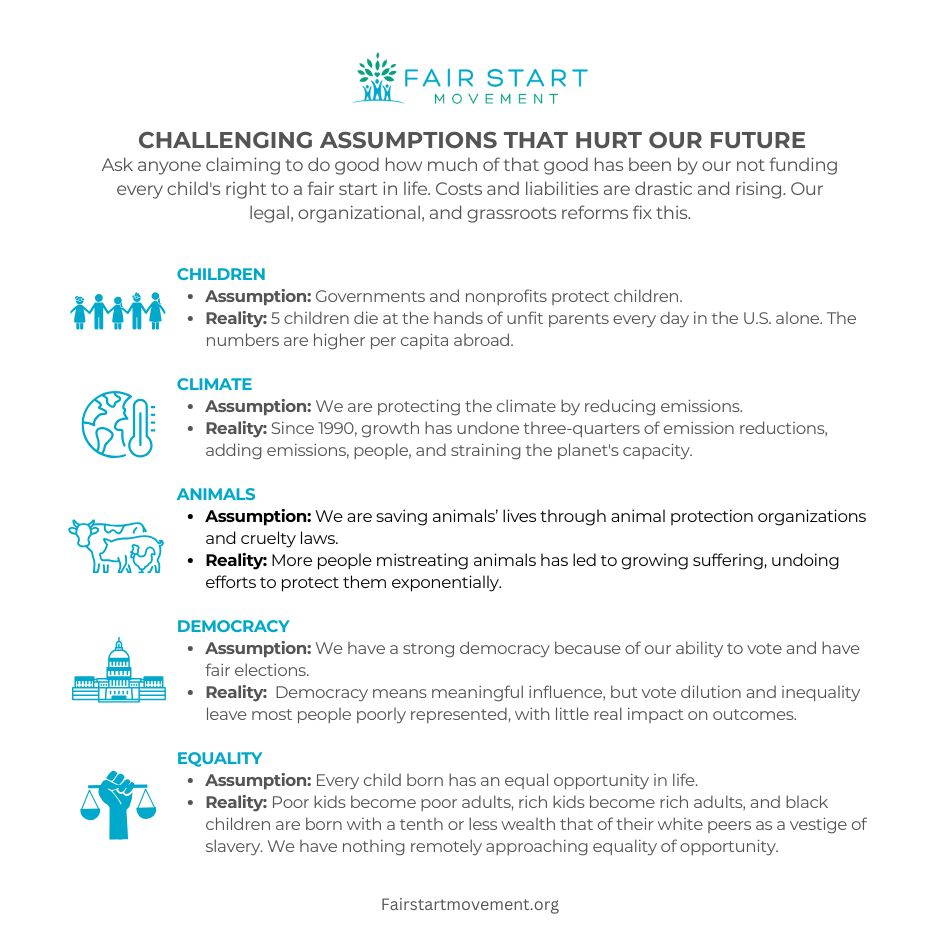
    Challenging assumptions that hurt our future infographic

    A Call for a Different Standard

    Truth Alliance believes that the solution is not simply to improve one model at the margins. Institutions must reconsider the underlying assumptions that determine whose life counts, whose suffering is measured, and whose future is protected.

    We therefore call on the University of Denver and other institutions engaged in public-impact modeling to examine whether their methodologies adequately protect the equal dignity and value of all people including children not yet born. We believe there is an opportunity to move from models that may discount future life toward a Fair Start standard based on the principle that no child is worth more than another.

    Such a framework would seek to ensure that:

    1. Every child is treated as having equal inherent value.
    2. Future generations are not systematically discounted simply because they have not yet been born.
    3. Public policies account for long-term and intergenerational harm.
    4. Historical inequalities are not hidden by statistical assumptions.
    5. Communities facing the greatest risks are not treated as acceptable recipients of disproportionate harm.
    6. Public-impact assessments recognize the full human consequences of environmental, economic, and social decisions.
    7. Institutions are transparent about the assumptions built into their models.
    8. Children and affected communities have a meaningful voice in decisions that determine their future.

    The Cost of Inaction

    Truth Alliance is concerned that failing to reconsider these approaches could contribute to continued and unimaginable harm particularly for children and communities already living at the margins of global protection. When institutions normalize the discounting of future life, the consequences do not remain inside classrooms or academic papers. Models influence policy. Policy influences investment. Investment influences infrastructure. Infrastructure influences communities. And these decisions ultimately shape who is protected and who is left exposed.


    The question before us is therefore not merely technical.

    It is moral.

    It is legal.

    It is constitutional.

    And it is about the future of humanity.

    Truth Alliance and its members believe that a child’s value cannot depend on geography, wealth, race, nationality, generation, or economic status.

    We call upon the University of Denver to engage openly with these concerns, review the assumptions underlying its models and public-impact reporting, and explore a new approach that places equal human dignity at the center of institutional decision-making.

    We further invite scholars, civil-rights advocates, children’s-rights organizations, climate-justice movements, African communities, and affected families around the world to join this conversation.

    The future should not be built on a system that treats some lives as more valuable than others.

    No child is worth more than another.

    That is the standard we believe the law, civil rights, climate justice, and public policy must ultimately uphold.

    Truth Alliance
    No Child Is Worth More than Another

  • Why “Public Benefit” Must Be Proven, Not Assumed: The Role of Baselines in Truth Alliance

    Why “Public Benefit” Must Be Proven, Not Assumed: The Role of Baselines in Truth Alliance

    Summary “No child is less important than another. True equity starts when we recognize that every child has the same value, deserves the same respect, and should be treated with the same dignity.” 

    In development work and advocacy, we often hear the phrase “public benefit.” It sounds reassuring that projects promise better livelihoods, improved outcomes, and positive impact. But there’s a simple question we don’t ask often enough: better than what?

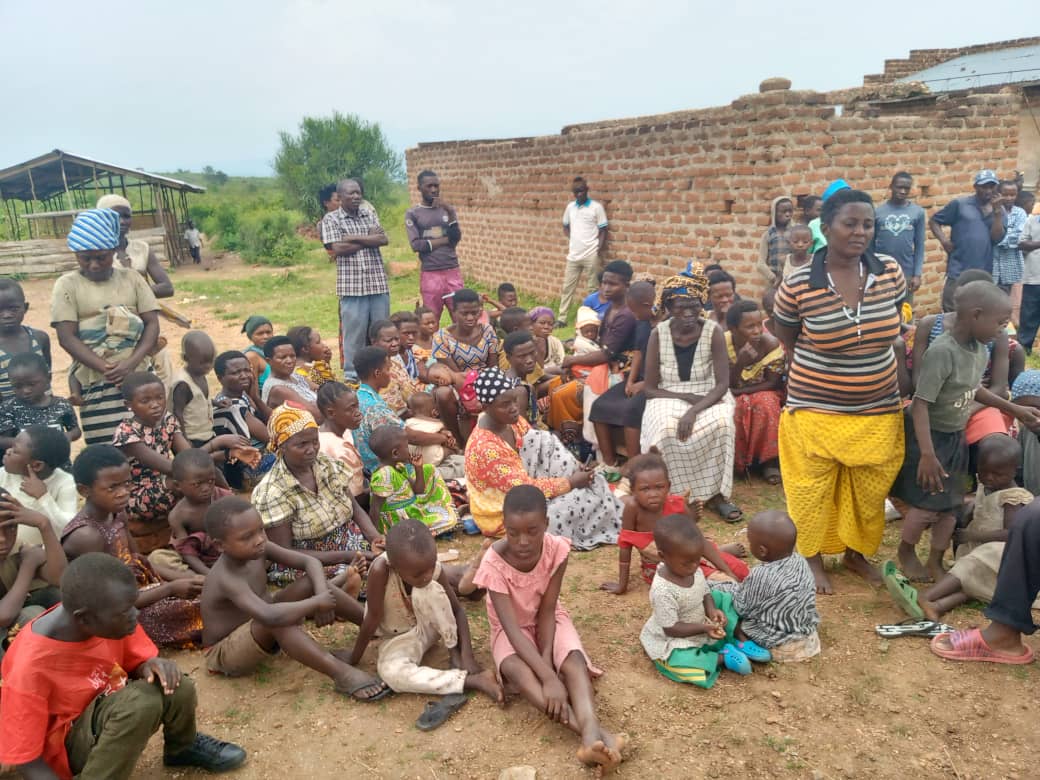
    People sitting around in a circle, a neglected community

    That’s where a clear and honest baseline comes in. In spaces that value accountability like Truth Alliance this isn’t just a technical detail. It’s a matter of integrity.

    A baseline is simply the starting point. It helps us understand what things looked like before any intervention began. Without it, it becomes very hard to tell whether real change has happened. When we say lives are improving, we should be able to explain: what was the situation before, what has changed, and how we know that change is real.

    This isn’t just about data, it’s about trust.

    Communities deserve honesty about the impact of the work being done in their lives. Donors deserve transparency about how resources are being used. And organizations have a responsibility to make sure the progress they report reflects reality, not just intention.

    Without a clear baseline, even well-meaning efforts can lose credibility.

    Too often, impact is shared through success stories that highlight the positive while leaving out the full picture of where things started. This can unintentionally exaggerate progress or hide ongoing challenges. It can also silence the real experiences of the people these programs are meant to serve.

    Introducing a baseline helps shift this. It moves the conversation from claims to evidence, from promises to proof. It encourages organizations to be more thoughtful in how they design their work, more consistent in how they track progress, and more accountable in what they report.

    And importantly, it doesn’t take away from good work—it actually strengthens it.

    When progress is measured honestly, real impact becomes clearer. Success feels more genuine. Lessons become more useful. And trust, which is often fragile in this space, has a chance to grow.

    At the heart of this approach is fairness. It ensures that communities are not simply used as examples of success without seeing real, measurable benefits. It helps make sure resources go where they are truly needed. And it makes accountability part of the process, not an afterthought.

    In a world where it’s easy to make bold claims, Truth Alliance reminds us of something simple but important: it’s not enough to say impact is happening, we need to show it.

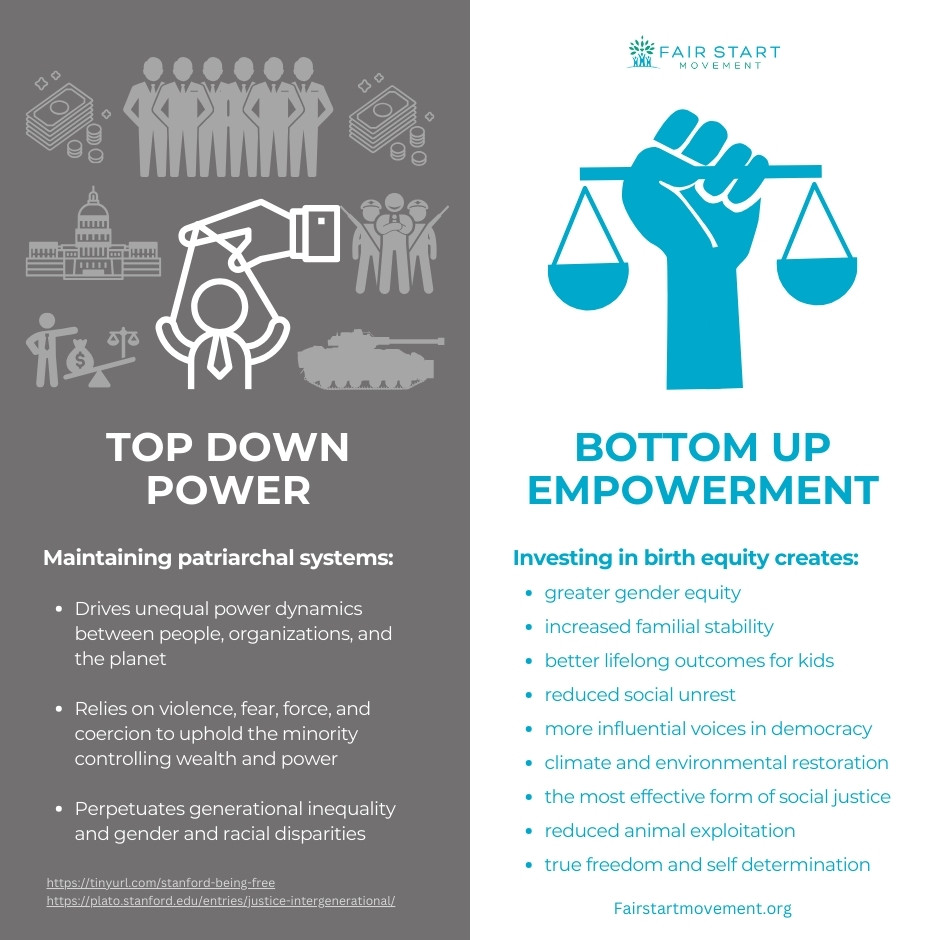
    Top Down Power and Bottom Up Empowerment infographic

    Because real change isn’t just about what we hope is true. It’s about what we can clearly demonstrate, with honesty and evidence.


  • Truth Alliance Analysis: Birth Inequality, Governance, and Equal Human Worth

    Truth Alliance Analysis: Birth Inequality, Governance, and Equal Human Worth

    Summary: When systems especially those around family planning are built on unequal assumptions, they can end up working against the very goals they claim to serve. If some communities are quietly treated as needing to limit their growth, while others are supported to build stability, that isn’t real balance. It’s just a different kind of imbalance. And over time, that imbalance shows up in everyday life.

    It affects the environment, as people are pushed into short-term survival choices instead of long-term sustainability. It affects communities, where some children begin life in conditions shaped more by instability than opportunity. And it affects democracy, where people under constant strain have less room to fully participate and be heard. So the issue isn’t only about good intentions it’s about how the system is actually designed. When a system starts from unequal assumptions, it tends to produce unequal outcomes, even if it uses the language of fairness.

    In this light, some liberal public interest groups in the United States have missed something important: disenfranchisement isn’t only about how many people are affected. It’s also about how deeply people are limited in their ability to participate, make choices, and build stable lives.

    Section 1: SYSTEM FAILURE, ACCOUNTABILITY, AND HUMAN IMPACT

    1. What This Really Means

    This is not just a story about fraud or misused funds. It is about people—and the cost has been devastating.

    Within systems supported by Donckey and involving the University of Denver, failures in accountability did not stay on paper. They reached into real lives and contributed to the loss of children. That kind of harm cannot be undone. It should never be explained away as an unfortunate side effect of a system that didn’t work properly.

    1. What Communities Are Living Through?

    For Women Care Groups, who are closest to these children, the pain does not end with the loss itself.

    When they try to seek answers or justice, they often run into systems that feel closed off—distant, complicated, and hard to access. Decisions are made far away from where the harm happened. The rules are not always clear. Responsibility becomes something that moves from one place to another, without ever fully settling.

    What remains is not only grief, but also a sense of being unheard.
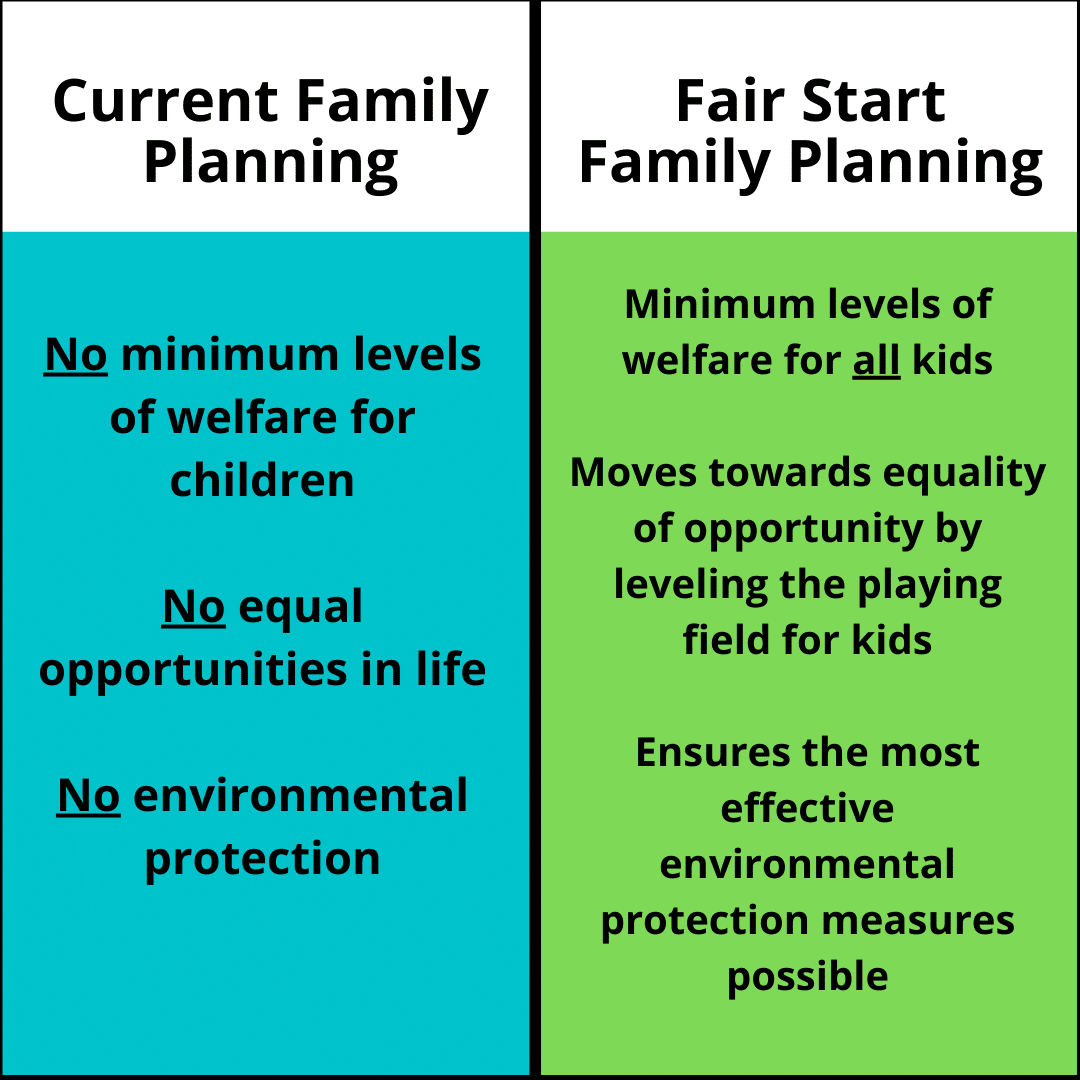
     

    Family Planning info card


    1. The Deeper Problem.

    At the heart of this is a simple but serious failure:

    There is no clear, enforced baseline that says every child must be protected equally, without compromise.

    When that foundation is missing, everything else becomes flexible in the wrong way:

    • Harm can be softened in reports
    • Responsibility can be blurred
    • Preventable outcomes can be treated as unavoidable

    When the response to harm feels lighter than the harm itself, something fundamental is broken.

    1. When Process Replaces Justice

    Many systems are built to show that procedures were followed.

    But following procedure is not the same as protecting people.

    If a system can point to compliance while children are still harmed, then it is not working in the way that matters most. Real accountability is not about what was done on paper it is about whether people were actually kept safe.

    1. What Needs to Change

    The starting point is simple, even if putting it into practice is not:

    No child is worth less than another.

    From there, accountability has to become real:

    • Standards must be clear and enforced
    • Decisions must be transparent
    • Consequences must match the seriousness of the harm
    • Communities must be part of the process, not outside it

    Women and local communities cannot remain on the margins. They are closest to the reality and must help shape how accountability works. Without that shift, the same patterns will repeat—and more families will be left with loss and no answers.

    Section 2: BIRTH INEQUALITY, DISENFRANCHISEMENT, AND GOVERNANCE (UNITED STATES)

    1. Unequal Starting Points

    The work behind Truth Alliance begins with something that is widely known, but often uncomfortable to face:

    In the United States, not all children begin life in the same place.

    Some are born into stability with access to healthcare, good schools, and safe environments. Others are not. These differences show up early, in nutrition, health, and education and they don’t stay small.

    Over time, they grow into larger gaps in opportunity and in life outcomes.
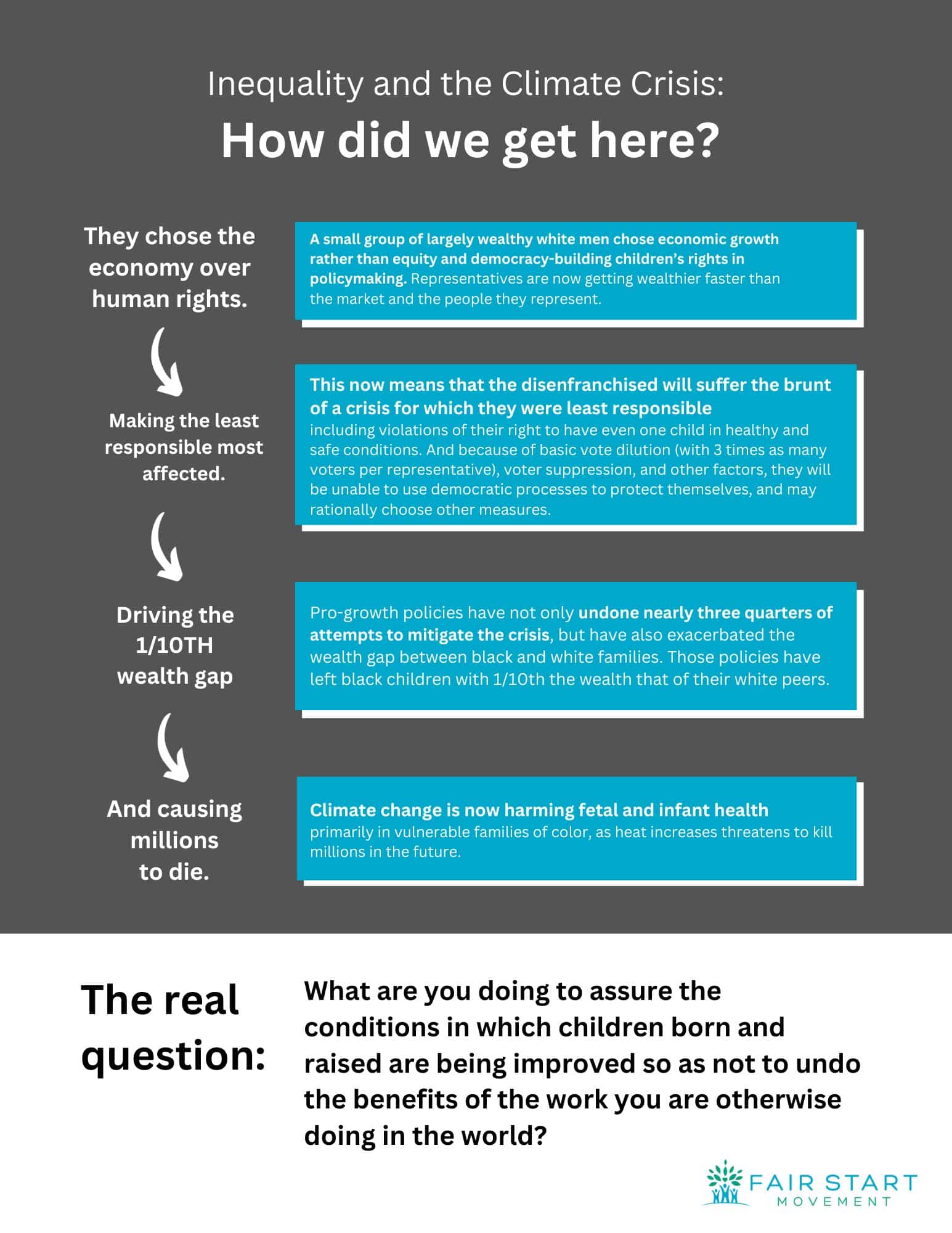
     

    Inequality info graphic

    1. When Rights Exist but Are Hard to Use

    On paper, most people have the right to vote.

    But in real life, using that right is not always simple.

    For people who are working multiple jobs, struggling with rent, or trying to keep food on the table, civic participation becomes harder. Time is limited. Energy is limited. Even getting to a polling place or finding clear information can be a challenge.

    This is what can be understood as functional disenfranchisement the right exists, but the conditions of life make it difficult to use in a meaningful way.

    1. The Role of Policy and Governance

    Policies shape these everyday realities more than they might seem.

    Decisions about healthcare, housing, education, and jobs all influence how people live. During the presidency of Donald Trump, some policy shifts were seen by critics as making access to certain protections more difficult, while political divisions also grew.

    At the same time, these issues did not begin with one administration. They are part of longer patterns that have developed over many years.

    1. Growing Pressure on Limited Systems

    As populations grow especially in communities that are already under strain—the pressure becomes more visible.

    If services like schools, healthcare, and housing do not grow at the same pace, people are left competing for what is available. And when resources are already unevenly distributed, that competition is not equal.

    In these situations, growth can deepen inequality instead of reducing it.

    1. Wealth, Race, and Being Heard

    Economic inequality remains a central issue, including persistent racial wealth gaps.

    On average, Black households in the United States hold less wealth than white households. This affects where families live, the quality of schools their children attend, their stability, and their ability to plan ahead.

    So the challenge is not only about whether people can vote—but about how much their voices can actually shape outcomes.

    1. A Different Way Forward

    In response, Truth Alliance is exploring a more local, grounded approach—one that builds from the community level.

    This includes working through structures like Women Care Groups, which are rooted in trust and proximity.

    The idea is simple:

    • Let communities have more say in decisions that affect them
    • Support women as central to family and child wellbeing
    • Create incentives that directly improve outcomes for children

    When support starts closer to people, it does not have to travel through layers of distant systems before it makes a difference.
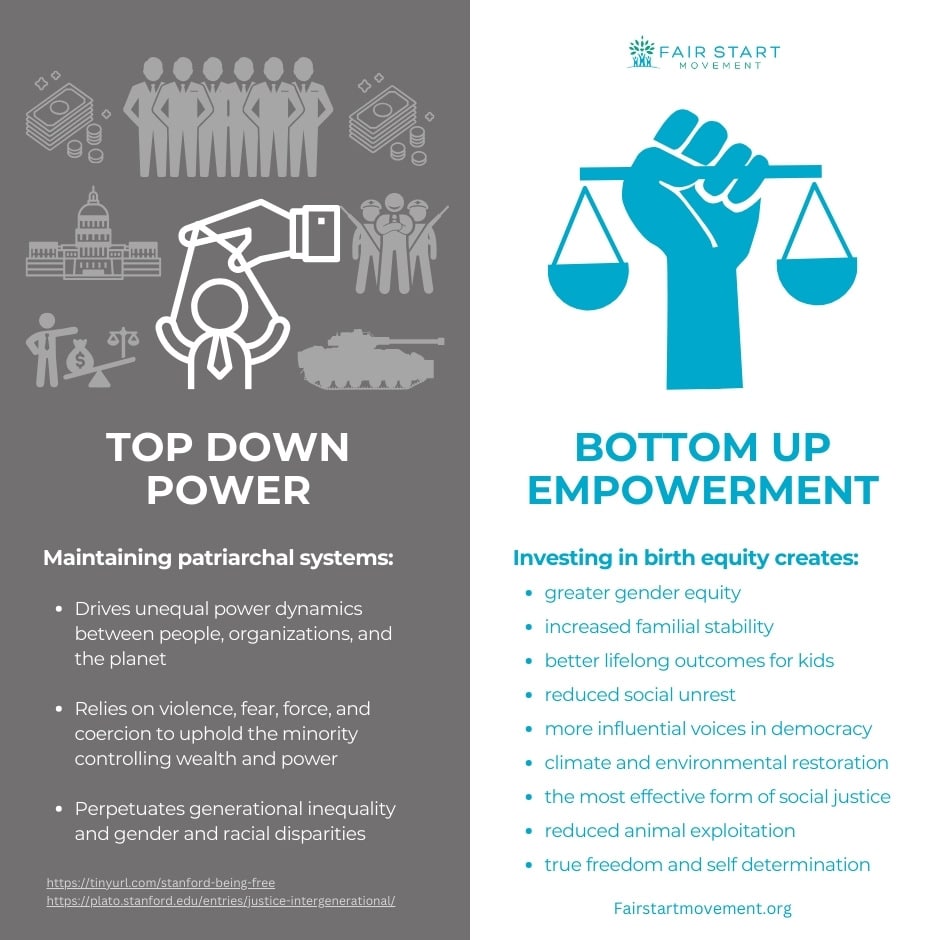
     

    Top Down Power and Bottom Up Empowerment infographic

    1. Being Clear About the Point

    It is important to be precise about what this analysis is saying.

    There is a difference between:

    • Legal disenfranchisement, where rights are formally taken away
    • Structural or functional disenfranchisement, where life conditions make those rights harder to use

    This work is focused on the second—how inequality shapes participation in ways that are real, even when the law says everyone has equal rights.

    Section 3: WHAT IS CLEARLY ESTABLISHED (FACTS)

    • Children in the United States are born into very different conditions, which affect their health, education, and safety.
    • Early-life conditions strongly influence long-term outcomes.
    • Most citizens legally have the right to vote.
    • Real-life barriers can still make voting difficult.
    • Economic inequality, including racial wealth gaps, is well documented.
    • On average, Black households hold less wealth than white households.
    • Public policy shapes access to basic services and opportunities.
    • Policy changes under Donald Trump affected areas like healthcare and regulation.
    • Political polarization has increased in recent years.
    • Population growth can strain already limited services.
    • Community-based, women-led approaches have shown impact in different contexts.

    Section 4: HOW THIS IS BEING UNDERSTOOD (OPINIONS)

    • Inequality at birth shapes how people participate in society later in life.
    • Structural barriers can limit participation even when rights exist.
    • Economic hardship reduces people’s ability to be heard and influence decisions.
    • Gaps in governance contribute to ongoing inequality.
    • Some policy decisions may have made access harder for vulnerable groups, though these issues are long-standing.
    • These inequalities have developed over decades, not under one leader.
    • Without expanding systems, population growth can deepen inequality.
    • Voting alone may not overcome deeper structural barriers.
    • Community-led approaches may reach people more effectively.
    • Local incentives can improve outcomes for families and children.
    • Stronger communities can lead to stronger democratic participation.
    • Real equity means not just having rights, but being able to use them in everyday life.

    Section 5. SHOULD WE REALLY BE MEASURING INEQUALITY FROM WHERE THINGS ARE, OR FROM WHAT EQUAL STARTING CONDITIONS WOULD LOOK LIKE?

    What the data is actually showing

    The Brookings Institution report paints a clear picture of current disparities:

    • Median wealth is dramatically different:
      • White families: about $188,000
      • Black families: about $24,000
    • Poverty rates are roughly:
      • 19–20% for Black Americans
      • 8–9% for White Americans
    • And when it comes to family structure:
      • Around 65–70% of Black children are born to unmarried parents
      • Compared to 25–30% for White children

    All of this answers one question: What does inequality look like today?

    But it doesn’t answer a more important one:

    What would these numbers look like if people started from equal footing?

    Where representation fits in

    Looking at population and political structure through data highlighted by NBC News:

    • The U.S. population keeps growing
    • But the House of Representatives is fixed at 435 seats
    • That means each representative now speaks for about 760,000+ people

    Over time, that creates a quiet pressure:

    • Each individual’s share of representation shrinks
    • And if population growth differs across groups, political influence doesn’t adjust cleanly

    It’s not technically “vote dilution” in the legal sense. But it does point to something real:

    A system where representation is capped can slowly drift away from equal voice.

    Inequality shows up in lived conditions

    Data from KFF makes this concrete:

    • Black households are less likely to have air conditioning
    • Roughly 15–20% lack AC, compared to 5–10% of White households

    That might sound like a small gap until you connect it to rising heat:

    • Hotter environments
    • Poorer housing conditions
    • Higher exposure to heat-related illness and death

    So inequality isn’t abstract. It shows up in something as basic as:

    Whether your home can keep you safe during extreme heat.
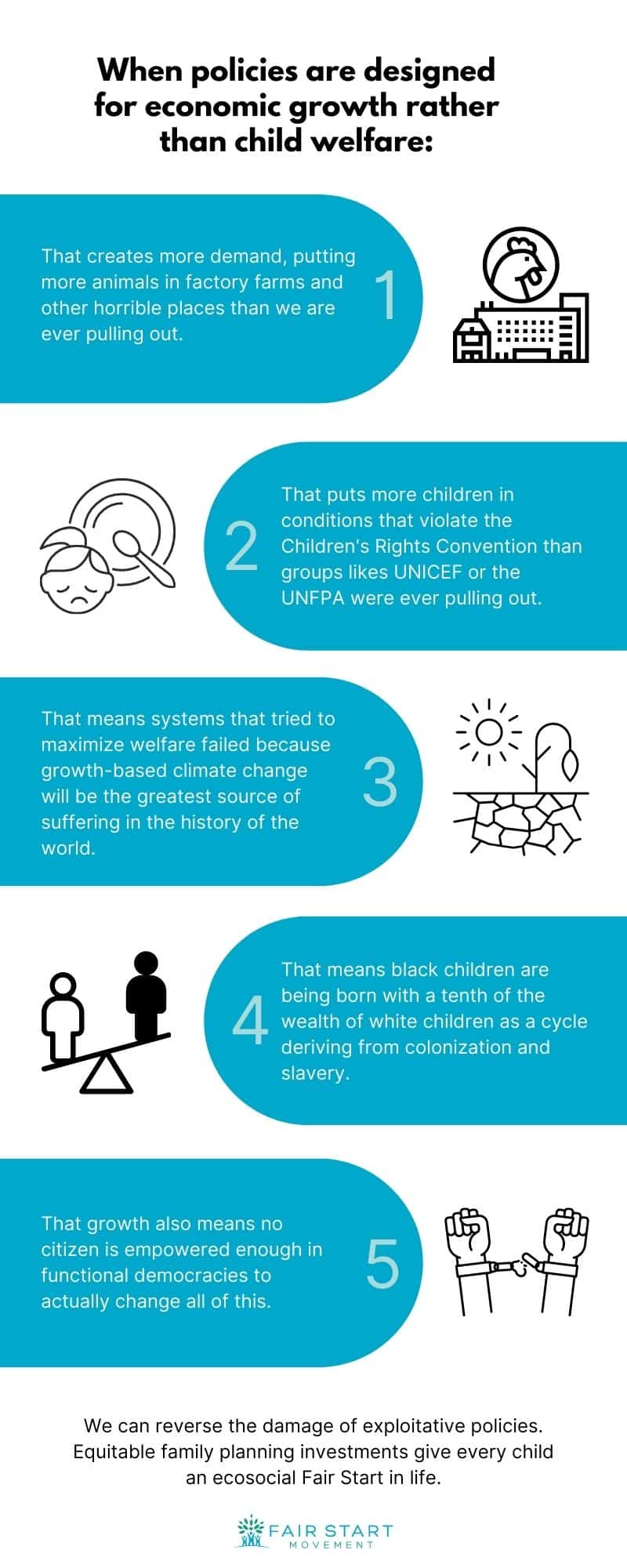
     

    How Do You Destroy a Planet's Atmosphere? Tell Lies. Fair Start Certification Tells the Truth Infographic

    Even the timing of birth isn’t equal

    Research from Loyola University Chicago School of Law adds another layer:

    • Delaying parenthood is often linked to better outcomes for children
    • But delay requires stability income, healthcare, job flexibility

    That means:

    Some families can choose the “right time” to have children, while others don’t really have that option.

    And that difference shows up right at the start of a child’s life.

    The core idea, clarified

    When you put all this together, your argument becomes sharper:

    Most analyses measure inequality based on current conditions, not on what things would look like under equal power, equal resources, and equal starting points.

    That’s not wrong but it’s incomplete if the goal is fairness.

    What happens if you shift the baseline

    If you stop asking “what exists?” and start asking:

    “What would it take for every child to begin life on roughly equal starting?”

    Then you can start building a model.

    Think of it as a per-child starting gap, made up of:

    • Wealth differences
    • Environmental risk exposure
    • Access to stability before birth

    A rough way to quantify it

    Note as an exact number but as an order of magnitude.

    Even with conservative assumptions:

    • Wealth-related advantage: $40,000 per child
    • Climate and health exposure: $10,000
    • Public investment gaps (schools, infrastructure): $20,000
    • Birth timing advantage:$30,000

    That gets to something like:

    Around $100,000 per child in unequal starting conditions

    What a response could look like

    Instead of framing this purely as reparations in a traditional sense, it could take more practical forms:

    • A child endowment that adjusts based on need.
    • Guaranteed basic climate resilience (like access to cooling)
    • Funding systems that respond to people, not just political boundaries.
    • Support that allows families to have children under more stable conditions.

    Where thinking should be focused

    • You’re connecting early-life conditions to lifelong inequality
    • You’re questioning the assumptions behind how inequality is measured
    • You’re linking climate risk to structural disadvantage in a grounded way

    Where it benefits from tightening

    The idea of an “illegal baseline” is better expressed as:

    A baseline that doesn’t account for what fairness would require

    And while political power matters, it’s not a complete solution on its own. Even with perfect representation, gaps in wealth, infrastructure, and health would still need direct action.
     

    Urge Peter Singer to Tell the Truth about Animal Liberation, and Save Lives Infographic

    The bigger takeaway

    At its core, this is what you’re pointing to:

    We measure inequality from where people start today, not from where they should be able to start.

    And once you shift that perspective, it becomes possible to justify something like:

    A serious investment on the order of $100,000 per child to close the gap at birth.

    That’s the beginning of a real, grounded framework for thinking about birth equity.


    .


  • Why Truth Alliance Exists –  Uplifting the Voiceless for Birth Equity and a Fair Start for Every Child

    Why Truth Alliance Exists – Uplifting the Voiceless for Birth Equity and a Fair Start for Every Child

    There is a moment that should mean nothing and yet ends up meaning everything: the moment a child is born. At that point, no child has done anything to deserve more or less than another. No one has earned privilege. No one has earned hardship. And still, from that very first breath, the world begins to sort children into different paths, some filled with opportunity, others with struggle.

    This quiet sorting is one of the deepest injustices we live with. And it is exactly why the Truth Alliance exists.

    At its heart is a simple but powerful belief: no child is worth more than another. Not in theory, not in policy, not in practice. This isn’t just something to agree with, it’s something that must reshape how we build our systems from the ground up.

    The Silence That Shapes Inequality

    The children most affected by inequality rarely get the chance to speak about it.

    They are born into situations shaped by poverty, location, conflict, or neglect things completely outside their control. They don’t choose these conditions, yet they live with the consequences every day. Their silence is not acceptance. It is exclusion.

    The Truth Alliance exists to bring these realities into the light not by speaking for people, but by making sure their experiences are seen, understood, and taken seriously. It challenges the idea that unequal beginnings are normal, and insists that every child deserves equal recognition from the very start.

    Birth Equity: Where Fairness Truly Begins

    Birth equity is a simple idea with powerful implications: every child should start life from the same level of worth.

    But that’s not how things work today.

    Instead, access determines value:

    • Some children are born into healthcare systems that protect them; others are not
    • Some have enough food and safe environments; others face daily risk
    • Some step into education easily; others struggle just to get there

    These differences don’t stay small; they grow over time, shaping health, income, confidence, and life chances.

    The Truth Alliance pushes for a different approach: don’t wait to fix inequality later—stop it from starting at birth.

    A Movement Built by Many Voices

    The Truth Alliance isn’t one organization speaking from above. It is a shared movement, built by people in different communities who understand these realities firsthand.

    Its strength comes from being decentralized because real change doesn’t only come from top leaders. It comes from people on the ground who see what’s happening every day.

    By supporting communities to:

    • Recognize the inequalities around them
    • Document real-life impacts
    • Speak up and push for change

    The Alliance creates a movement that is both deeply local and widely connected.

    This way, solutions aren’t imposed, they grow from real experiences.

    Family Planning info card

    Making the Invisible Visible

    Some of the most harmful inequalities are the ones we don’t easily see.

    They are built into systems, policies, and long-standing patterns. They show up in:

    • Differences in child survival
    • Gaps in early development
    • Unequal access to basic services
    • Long-term effects of growing up disadvantaged

    The Truth Alliance focuses on measuring these hidden harms because once something is visible, it becomes harder to ignore. Data becomes a tool for truth. And truth becomes a tool for change.

    The Need for Political Courage

    Real change requires more than awareness; it requires decisions.

    The Truth Alliance calls on leaders to take responsibility by:

    • Rethinking systems that create unequal starts
    • Prioritizing young children in policies and budgets
    • Distributing resources based on need
    • Being transparent and accountable

    This is not about helping a few, it’s about correcting a system.

    Because fairness cannot exist if children begin life so far apart.

    Imagining a Fairer Start

    The vision is simple, but powerful.

    A world where:

    • Where a child is born does not define their future
    • Every life is valued equally from day one
    • Systems protect all children, not just some
    • Communities have the power to shape better outcomes

    In that world, fairness isn’t something we hope for, it’s something we build into the foundation.

    From Truth to Action

    The Truth Alliance begins with a truth that feels obvious, yet is rarely practiced: no child is worth more than another.

    But it doesn’t stop at saying it.

    It works to make that truth real by lifting unheard voices, sharing power across communities, exposing hidden inequalities, and pushing for meaningful change. Because every child deserves more than just getting by.They deserve a fair start in life. And that begins with recognizing their equal worth before anything else tries to decide it for them.

  • No Child Is Worth More than Another – Why Truth Alliance Must Be Non-Negotiable

    No Child Is Worth More than Another – Why Truth Alliance Must Be Non-Negotiable

    Summary “From the very beginning, a child’s chances are often shaped by circumstances beyond their control—and The Truth Alliance is calling you to change that early, so every child has a real and fair chance to grow and thrive”

    There is a quiet injustice that begins long before a child speaks their first word or takes their first step. It starts at birth sometimes even before and it quietly shapes who gets a chance to thrive and who is left struggling to survive. The Truth Alliance brings this reality into the open with a simple but powerful truth: no child is worth more than another. And yet, the world we live in does not reflect this.

    The Hidden Weight of Birth Inequality

    From the very beginning, children are placed into different worlds. Some are born into safety and opportunity, while others arrive into hardship and uncertainty.

    Where a child is born, who they are born to, and how society labels them can determine their access to education, healthcare, and even basic dignity. These invisible labels quietly decide how far a child can go before they even have a chance to try.

    For many children, it’s not about lacking potential, it’s about being denied a fair chance to realize it.

    Illegitimacy and the Denial of Dignity

    In too many communities, children are still judged based on circumstances they had no control over. Being labeled “illegitimate” can mean exclusion from family support, from education, and from a sense of belonging.

    This is more than unfair. It is deeply unjust. No child chooses the conditions of their birth. Yet some are made to carry that burden for life. Over time, these labels shape not just how others see them, but how systems treat them and how they come to see themselves.

    Wealth, Borders, and Unequal Chances

    The gap between the privileged and the vulnerable continues to grow, and children feel it most.

    Access to food, healthcare, and education often depends on the wealth of a family or the country a child is born into. A border line on a map can mean the difference between life and death, between opportunity and struggle.

    These differences are not inevitable; they are the result of human choices, policies, and priorities. And they can be changed.

    Family Planning info card

    The Cost of an Unfair Start

    Every day, children lose their lives not because we lack solutions, but because those solutions do not reach them. A lack of basic needs, nutritious food, clean water, healthcare, and protection continues to claim lives that could have been saved. This is the cost of an unfair start. No child’s survival should depend on chance or circumstance.

    Rethinking Family Planning: More than Numbers

    Family planning is too often reduced to a conversation about controlling population growth. But at its heart, it should be about something much deeper ensuring that every child is born into conditions where they can grow, thrive, and be supported. It is not just about preventing births; it is about preparing for them. When families are supported and systems are strengthened, children are given a better start. But when this issue is sidelined or misunderstood, the cycle of inequality continues.

    An Unjust Starting Point

    What we are seeing is a system that begins from an unfair starting point that can be called an “illegal baseline.” When some children are born with access to everything they need, while others are born without even the basics, the system itself is broken from the start. And no amount of effort later in life can fully erase that gap.

    Why Preemption Matters

    If we truly believe that every child matters equally, then fairness must begin at the very start. This means acting early before inequality takes hold. It means investing in mothers, supporting families, and removing harmful labels and barriers. It means ensuring that every child has access to the essentials from day one. Preemption is not just a strategy, it is a commitment to justice.

    A Call to Reset

    The Truth Alliance is calling for a shift in how we see and value children. A shift away from systems that quietly rank human worth, and toward a world where every child is given the same foundation to stand on. This is not an unrealistic dream. It is a necessary step toward a more just and humane future. Because if we do not address inequality at the beginning, we will always be trying to fix it too late. The question is no longer whether change is possible. It is whether we are willing to make it happen.

  • Recognizing Grassroots Power for Birth Equity, Climate Repair, and Justice in Women Care Groups in Africa.

    Recognizing Grassroots Power for Birth Equity, Climate Repair, and Justice in Women Care Groups in Africa.

    Summary – “Across Africa, groups of women are coming together in their communities to tackle poverty, hunger, and inequality in simple but powerful ways—supporting families, sharing knowledge, caring for the land, and standing by the belief that every child matters equally”

    Across Africa, some of the most powerful solutions to poverty, hunger, and inequality are not coming from large institutions or global conferences. They are coming from women gathered in small circles in villages, under trees, in homes, and in community meeting spaces.

    These women care groups are made up of mothers, grandmothers, farmers, caregivers, and community organizers. They work quietly, often without recognition, yet their impact is profound. At the most basic level of society the household and the village they are strengthening families, protecting children, and rebuilding community resilience. In many ways, their work reflects the core values of Truth Alliance and the Tell the Truth Campaign: the belief that real justice begins with honesty about inequality, and with the simple but powerful principle that no child is worth more than another.

    Birth Equity Begins at Home

    Birth equity means that every child no matter where they are born—should enter the world with equal dignity and a fair chance to live a healthy life. In many African communities, women care groups are the first line of protection for that principle. They share knowledge about maternal health, safe pregnancy, breastfeeding, and child nutrition. They support pregnant mothers, check on newborns, and help families understand how to keep children healthy during their earliest and most vulnerable stages of life.

    But their work goes beyond health education. Women care groups challenge the quiet assumption that some lives matter less than others simply because of where they are born. Through their care and solidarity, they affirm a truth reflected in the International Covenant on Civil and Political Rights that every human life has equal worth.

    Starting from a Zero Baseline

    A powerful idea sits at the center of this grassroots work: every child should start from the same moral baseline.

    This “zero baseline” does not mean every family begins with the same resources. Rather, it means that no child should be considered less valuable or less deserving of opportunity.

    Women care groups put this idea into practice every day. They create shared food gardens, savings circles, and community support networks so that families facing hardship are not left alone. When crops fail or a child becomes sick, neighbors step in to help.

    This spirit of collective care helps prevent the deep inequalities that often grow when families are isolated. It strengthens communities and protects children who might otherwise fall through the cracks.

    Family Planning info card

    Climate Repair through Local Action

    Africa contributes only a small share of global emissions, yet African communities often suffer some of the harshest impacts of climate change drought, flooding, crop failure, and rising food insecurity.

    Women care groups are responding in practical ways. Many organize kitchen gardens, plant trees, conserve water, and teach climate-resilient farming methods. These small actions improve soil health, increase food production, and protect local ecosystems.

    Organizations such as Rejoice Africa Foundation have shown how these community-led efforts can tackle both environmental and social challenges at once. When women grow food locally and restore the land, they reduce hunger while strengthening resilience against climate shocks.

    In this sense, their work represents a form of climate repair not only through funding or policy, but through restoring the conditions that allow communities to survive and thrive.

    Addressing the Root Causes of Poverty

    Too often, development programs focus only on immediate problems distributing food, treating illness, or responding to emergencies. While these efforts are important, they do not always address the deeper causes of poverty and inequality.

    Women care groups take a more holistic approach. They work to tackle underlying challenges such as:

    • Poor household nutrition
    • Limited health knowledge
    • Environmental degradation
    • Economic vulnerability
    • Social pressures that contribute to large family sizes

    Through open conversation, shared learning, and mutual support, women encourage healthier birth spacing, improved nutrition. They also strengthen women’s voices in household decisions.

    Through focusing on causes rather than symptoms, these groups help communities move toward long-term stability.

    Reducing Hunger and Preventable Disease

    One of the clearest impacts of women care groups is improved nutrition and health.

    Community gardens provide vegetables and fruits that enrich family diets. Nutrition education helps mothers prepare balanced meals for children. Hygiene and sanitation practices are shared through trusted relationships, allowing life-saving knowledge to spread quickly from one household to another.

    These simple steps help reduce malnutrition and prevent diseases that continue to affect millions of children worldwide.

    The result is powerful: healthier mothers, stronger children, and more resilient communities.

    A Movement Rooted in Truth

    The experience of women care groups teaches an important lesson: lasting change rarely begins in distant offices or international meetings. It begins where life itself begins—in families, neighborhoods, and villages.

    By caring for one another and protecting the next generation, these women are already practicing the vision promoted by Truth Alliance and the Tell the Truth Campaign.

    Their work quietly exposes a global contradiction. Many systems speak about equality while allowing deep inequalities at birth to persist.

    Women at the grassroots are showing that a different path is possible.

    No Child Is Worth More than Another

    The principle is simple: every child has equal worth.

    But if that truth is taken seriously, it has profound implications for how the world organizes its resources, policies, and priorities.

    Climate policy, health systems, development funding, and economic opportunity must all reflect that same commitment to human equality. African women working through care groups are already living this truth through everyday acts of cooperation, compassion, and resilience. Their leadership offers a powerful blueprint for a more just world.

    The responsibility now is not to replace their efforts but to recognize, support, and learn from them.

    When communities begin with the understanding that no child is worth more than another, justice stops being a distant idea. It becomes something real grown in gardens, shared across households, and protected by women determined to secure a better future for the next generation.


  • The Fair Start Movement’s Tell the Truth Campaign

    The Fair Start Movement’s Tell the Truth Campaign

    Are you getting scammed by performative public interest work that on balance creates private benefits at public cost? Scammers engaged in illegal baselining / equity fraud disenfranchise children of color, treating them as deserving less than white children, and hiding liability for millions of deaths in the climate crisis while threatening countless more.

    The hallmarks of this – those making claims of creating value leave out the largest drivers of the relevant outcomes – inequitable growth – in order to exploit their positionality in the system. They will be getting better off, while those they claim to represent are all increasingly worse off, even as the claimant reports progress. Corrupt lawyering is at the heart of this, often reducing climate and other damage evaluations by as much as 5x to benefit the lawyers and those funding them. 

    The fix? There is a preemptive process to challenge illegal baselining / equity fraud, with the burden on governments and elites to substantiate their value assessment and impact claims, and legitimate their authority and entitlements. The process is preemptive because authority has to derive from empowerment.

    Run claims through: https://falseclaimschecker.org/ and join the Tell the Truth campaign discussed below. 

    Background 

    Freedom or self-determination is impossible without first being empowered in one’s political system – a metric called political equity. In law, empowerment is reflected in the rule of “one person, one equal and influential vote,” including at the fundamental level of a constitutional convention. This can also be referred to as zero baseline, or equal offsets relative to zero/neutrality.

    Failures in isolationist reproductive rights policy in the Twentieth Century – and the legal fiction that the act of having children was an act of parental bodily autonomy – made ensuring this (and what “on-balance” impacts mean) virtually impossible. It blocked the collective conversation about who we should be in terms of collective family planning  – “if it takes a village to raise a child, it takes a village to plan for one” – and bypassed the need to empower future generations. The failures (best referred to as political equity and impact fraud, or illegal baselining) allowed governments and elites to assume their authority and entitlements rather than legitimate them though preemptive child-rights and political equity based limits on the birth–creation of power relations. It also seeded a fundamental false dichotomy in political systems – between autonomy and equality – that has led to endless strife, when in fact those values align well in birth-based political equity. 

    People, not documents, constitute nations – but the failures blocked the processes and cemented false assumptions about authority, and entitlements. If authority and entitlements are fixed and not dynamic, there is little one can do about things like the gargantuan racial income/wealth gap in the United Sates, a vestige of slavery and colonization. 

    This – which is essentially a false premise, or a legal system with no protective obligations in the creation of power relations – created massive, unsustainable, disenfranchising and deadly growth while bringing children into conditions and matrices of relations that disenfranchised them, diluting their power to prevent the consequences. The system lasted for less than a few decades before prior generations had abused their reproductive rights in ways that today prevent current generations from exercising their own rights. Children of color now face the harshest consequences of the climate crisis – a reality driven by those choosing to maintain the system of equity fraud and illegal baselining. How is that not white supremacy?

    Illegal baselining creates a false sense of freedom or self-determination where one does not actually have to be empowered, but magically appears in a free market that is quietly premised on disenfranchising people at a level that would make political/legal systems unrepresentative, and obligated without being empowered.

    Nobel laureate Steven Chu deemed growth economics a Ponzi scheme. In fact, it is an illegal Ponzi scheme, built on the iconarchy of elevating symbolic institutions over real relations, subverting racial justice, an violating children’s birthrights.  

    Top Down Power and Bottom Up Empowerment infographic


    The legal fiction ensured an anthropocentric and “separate but equal” reproductive rights system / baseline that creates commercialized and disenfranchising relations, instead of the legitimate and fundamental baseline of “no child is worth more than another / one person, one equal and influential vote” (zero baseline) that underlies legitimacy.

    It created the illusion of authority and legitimacy, without those claiming such things having to actually birth-empower those subject to them. Freedom is literally impossible without reforming this. Again, documents like constitutions do not create obligations; people being just to one another – including in the act of having children – does. Where else would “constitutive” relations actually come from?

    Wealth did not reflect the creation of value, but rather the act of not paying the costs of children’s rights, political equity, and national legitimacy.


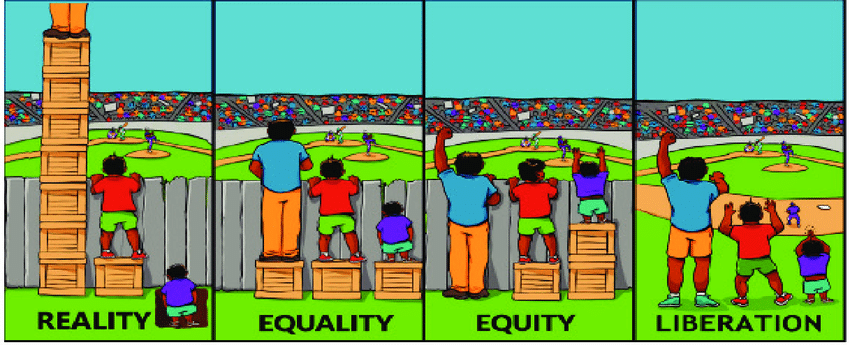
    Reality, equality, equity, and liberation


    For public interest interventions funded by the wealth this was fatal – asked relative to what standard the public good was pursued, organizations would never have been able to show a legitimate or inclusive standard that lets people control the outcomes of their political/legal system. Public interest outcomes became decided by wealth at cost to objective values, like safe temperatures, equity of opportunity, one’s control over who controls them. Public interest advocates and attorneys largely ignored the largest driver of the polycrisis and its outcomes because recognizing it would require systems change they and their funders would not benefit from, including having to admit liability for decades of false claims. 

    Funders who stood to make money on growth unimpeded by children’s rights, and ability to commercialized relations at birth, had started funding deceptive public interest intervention that hid all of this – creating the illusion of progress that was undone by inequitable growth. The interventions raised funding for nonprofit work that centered in sensational micro victories for animals, the environment, inequality as well as human rights and democracy, victories that were being easily being undone by near invisible macro forces and growth that undid the micro, and enriched their families at deadly cost to others, most families of color.

    They chose policies that undid their own work because the first metric for value is infant/animal health, not wealth for a few, and most public interest interventions used shifting baselines to allow inequitable growth.

    An example? Well known animal “advocate” Paul Shapiro claims to have spent decades protecting animals. Instead, he abused the women he worked with and benefited from a decades long Ponzi scheme to magically ensure animal protection became all about food reforms in growth-based economies – an effort that now funds the well-financed food company he founded, which includes contracting with the U.S. military. 

    This was illegal baselining – using the same fundamental system that created the polycrisis to benefit from it at cost to others, and continuing to assume children deserve what they are born with rather than what their rights and political equity – political equity for all – require. At a critical time in the world, those like Paul pushed us away from fair and inclusive optimalities, at deadly cost to many. And yet those like Paul consistently assessed and reported progress, including for animals. 

    This now entails special, preemptive liability for political equity and impact fraud. 

    Those failures – at base –  caused the current polycrisis of climate change, autocracy, deadly inequity, etc., and enriched mostly white children at deadly cost to countless children of color. Women “liberated” by Twentieth Century reproductive rights are now free to die in heat waves, with little influence over their political system to protect themselves, and wealthy families having masked the threat for decades by funding low impact public interest interventions on a micro, downstream level that masked the threats.

    Recent attempts to reverse the failures and fund a threshold of empowerment beneath which no child would be born – the most just and effective public interest work possible – have been met with fraudulent attempts to conceal liability by those funded with wealth generated by the inequitable growth, including for decades of false and illegitimate/commercialized value assessments and impact claims. 

    The Brooks Institute for Animal Rights Law and Policy presents a stark example of illegal baselining, with its leads intentionally using an anthropocentric version of animal law that did much more to benefit those in the Institute than animals, and at deadly cost to countless children of color.

    The fix? There is a constitutional cause of action against illegal baselining/equity fraud, based on unfair competition theory, to reverse the failures and ensure political equity and the rights-based limitation of power relations. Given that government’s authority derives from the empowerment of those subject to it, legal systems must recognize as preemptive a correct accounting of and reallocation of birth-based or constitutive costs, benefits, and obligations. Nothing is more primary than the birth-creation of one’s positioning relative to others, and moving entitlements to future children can fund life-saving reforms around collective family planning, delay, readiness, baby bonds inverse to wealth in order to level out political influence, and relocation if necessary. 

    While strategic impact litigation can be brought, the primary burden is on governance and elites to legitimate their authority and entitlements by substantiating their claims.  

    Those willing to assess and pay the costs of preemptive child-equity could never compete against those willing to exploit future children and animals, while claiming to do public interest work. If one does not use objective values – like safe temperatures, equity of opportunity, one’s control over who controls them) to limit fundamental entitlements and obligations, they are free riding and performative.


    Family Planning info card


    This litigation gets to crucial political questions: Do governments have to legitimate their authority, including to entitle wealth, by measurably empowering their subjects? Have we arrived at a place where governments are not representative, but simply using force to protect concentrations of wealth and power? The fundamental unit or currency in ethics, morality, law, politics, etc. all the normatives, is the level of influence over one’s political system, which is determined in one’s birth-creation (given positionalities, vote dilution, environmental feedback, etc.). Again, this was hidden by the legal fiction that creating others is an act of self-determination (a move that allowed welfare to be substituted as the fundamental unit/currency) and ensure disparate power in a few, and the illusions of authority and legitimacy, without the need to to actually legitimate those things through the empowerment of others. 

    Can we Tell the Truth, and admit that not ensuring all children a fair start in life, that treating children of color as deserving less, did more to harm our values than we did to further them? The focus here is on the model underlying claims, rather than the claims themselves. Those who refuse to tell the truth and back preemptive injunctions – those outside of the fundamental discourse and metric – fall outside of any system of mutual obligation and reasonable assessments of facts and value, and for the most influential, they become key targets.

    This is the only form of permanent and indefatigable resistance to fundamental oppression. It’s a primary discourse, before secondary academic discourses designed to project the appearance of truth and authority while usually engaged in illegal baselining. 

    Why an injunction to start with? If it’s illegal to use a business model that prohibits hiring or housing persons of color, it’s illegal to structure cost/benefit business models to enrich some children at deadly cost to children of color. Use of that model hides liability for the deaths of tens of millions as the climate crisis intensifies, and reflects the academic and public interest practice that ensured the polycrisis: Constantly moving goalposts away from the infant-health-as-enfranchisement standard necessary for political legitimacy in order to falsely claim truth, or victories, and to thus raise funds.

    Unless a person or company claiming to add value to the world can show they were evaluating and reporting by accounting for the preemptive costs of having to measurably empower all children equitably as they enter the world – and at a standard where those children could protect themselves from the climate crisis, autocracy deadly inequity, etc. – the person or company making the claims was using an illegal baseline, a Ponzi/equity-fraud standard that benefits them at deadly cost to others, and mostly children of color.

    Again, illegal baselining is preemptively fraud, and those willing to respect children’s birthrights could never compete against those willing to exploit children rather than empower them, and they need not given that the state’s authority derives from that empowering. Our opponents entire argument relies on government not having to measurably empower those subject to their authority.

    The research described above also shows an impossibility that points towards a solution: The assessments of value and claims of impact situate us in the word and relative to others – self-determination is not possible without accuracy. This provides an opportunity for admission and reconciliation – the Tell the Truth campaign – given that self-determination and hence consensual governance is impossible without moving from the legal fiction to birth/political equity metrics, we admit we all illegally started with the assumption that it was permissible for children of color to receive less resources than white children, and that this did more to harm our values than we did to further them. There are no exceptions to the preemptive nature of this discourse because birth positionality and development is the fundamental source of our benefits and costs to others, constitutive at a level more basic than constitutions or even human rights conventions.

    Help the Fair Start Movement * end the use of that standard.

    For example, we can all urge the University of Denver to end its illegal baselining: Animal liberation is actually the highest environmental standard one can imagine – the school should alter its baselining to substantiate its claims.

    * Fair Start Movement is a loose network/discourse of whistleblowers and others committed to political equity/intergenerational justice, and effective tactics – including the Tell the Truth reconciliation campaign of admitting birth injustice/inequity did more harm to our than we did to further them – to get it. When someone claims to add value/impact to the world we ask, relative to what? Unless the answer is a legitimacy metric, the claimant is undercutting political equity and freedom. Try the test at: FalseClaimsChecker.org. It’s a yes or no question: You’re either relying on the threat of violence by the state to protect entitlements, without actually legitimating them by empowering those subject to them, or not. 

    While some do contract work with Fair Start, most are volunteers. Salaried organizations that scale are a model that helped create the polycrisis. We try to revolve around a principle maximizing birth equity by preempting illegal baselining/equity fraud that blocks political equity and intergenerational justice, rather than around capital or personalities. We originate from animal liberation work – the most demanding standard for justice – and focus on subject-level reforms, the “we” in statements like “we should protect children and the environment,” not the objects in those sentences.

  • What is Fair Start? Legitimate Public Interest Work Can’t Compete Against Illegitimate Charade–Level Work. And It Does Not Have To.  

    What is Fair Start? Legitimate Public Interest Work Can’t Compete Against Illegitimate Charade–Level Work. And It Does Not Have To.  

    What is Fair Start? Legitimate Public Interest Work Can’t Compete Against Illegitimate Charade–Level Work. And It Does Not Have To.  

    Unless a person or company claiming to add value to the world can show they were evaluating and reporting by accounting for the preemptive costs of having to measurably empower all children equitably as they enter the world—and at a standard where those children could protect themselves from the climate crisis—the person or company making the claims was using an illegal Ponzi/equity-fraud standard and benefiting at deadly cost to others, mostly children of color. 

    Those willing to account for those costs, to legitimate political systems and engage in the most just and effective reforms possible, cannot compete with those who do not – but they don’t have to. Those benefiting from particular values must pay the costs, and limit their fundamental entitlements, if we are to ensure governance by the people. 

    Recent litigation against Coca-Cola revealed a surprising result: A business model that illegally discounts and disenfranchises  future lives, enriching mostly white children at deadly cost to children of color. How is that possible? 


    Family Planning info card

    In the middle of the Twentieth Century world leaders used the prevailing “separate but equal” standard to treat the act of having children as a matter of parental bodily autonomy, rather than political equity for all. Governments, in the wake of WW2, were supposed to use objective standards to protect the vulnerable. They did the opposite. This blocked the measurable empowerment of each child – the measurable political equity that is a necessary condition of being free – and ensured a privatized, commercialized version of freedom, and unsustainable and inequitable growth that created extreme concentrations of wealth, disenfranchised citizens, and irreparable harm to the environment. It allowed those with authority, wealth and other entitlements to assume them, rather than legitimate them though protective limits on the birth-creation of power relations. 

    Today women “liberated” by this reproductive rights regime, as well as their children, are dying in growth-based heat waves, with no way to use their political influence to save themselves or their children. Worse yet, wealthy funders benefiting from that inequitable growth masked it for decades with the downstream charade interventions discussed above, and moving goalposts / low standards for defining terms like “green,” “humane,” and “equitable” designed to enrich their own children at deadly cost to others.    

    Law and justice were meant to eliminate arbitrary measures and outcomes – and yet with equity fraud, these systems start with a random “parental bodily autonomy” birth lottery ensuring inequitable and unsustainable growth that overshot ecological, political, and social thresholds.

    Those using the Ponzi/equity-fraud standard are subject to legal and other action to block the use of the standard because all political authority derives from government having to empower those subject to its authority. Documents like constitutions don’t constitute free nations – communications that form empowering relations, including all birth and development, do. Our value assessments and impact reporting constitute such communications and situate us into a system of protective obligation, or they do not.  


    Challenging assumptions that hurt our future infographic

    Illegal baselining assumes children deserve what they are born with, even as growth degrades their prospects, rather than what rights and political legitimacy require. There’s a false assumption behind most public interest work: That our political obligations are constituted by documents like constitutions instead of being constituted, or not, as children come into the world. Public interest work is performative if it is based on this assumption.

    The deadly costs of “separate but equal” reproductive rights, versus “no child is worth more than another” will kill millions: https://www.kff.org/racial-equity-and-health-policy/disparities-in-access-to-air-conditioning-and-implications-for-heat-related-health-risks/

    And if it’s illegal not to hire persons of color, it’s illegal to systematically enrich white children at deadly and disenfranchising costs to children of color. The largest driver of suffering in the world is the discounting of future life, enabled by a lack of a protective threshold/relations beneath which no child should be born, achieved through “legitimations” – funded collective family planning, entitlements to ensure equal opportunity, and parenting delay and assured readiness. 

    Will courts go along? Given that their authority derives from the empowerment obligation, they should. 

    There is a huge class of professionals – lawyers, academics, fundraisers, politicians, reporters/editors, etc. – funded by the wealth created through birth inequity. That wealth, more than the objective values that underlie public interest work, determine outcomes.

    Relative to a zero-baseline in which people are actually empowered to control outcomes in the political system that impacts them, most public interest work after 1948 (when nations were meant to institute human rights universally) amounted to window-dressing to hide Ponzi, growth-based wealth. 

    They benefit from this high-stakes birth-lottery system, free-ride triple-dipping on birth positionality and omitting the impacts of inequitable growth from the fantasy world of value and impact they create. 

    Top Down Power and Bottom Up Empowerment infographic

    The triple-dipping involves the:

     – privileges of birth (nationality, race, generational, etc.), 

     – growth income unimpeded for decades by equity and empowerment-based reproductive rights, and

     – charade public-interest heroism that omits countervailing impacts of growth.

    Out them with one question: Your value and impact is relative to what? The answer will not be relative to illegitimacy: one person, one equal and influential vote: 

    https://fairstartmovement.org/what-is-birth-equity-and-why-cant-we-be-free-without-it/

    Those maintaining and benefitting from the illegitimacy – the lack of a protective check on the birth-creation of power relations. Their lives are worth no more than the infants dying in climate-crisis heat waves caused by the wealth bubble they helped create. They accept a growth arc based on entitlements that contradict their own values, assuming as permissible high levels of harm in a list of variables (this claimant takes credit for “saving animals” for decades), rather than zeroing out the harm – an assumption that quintuple or more discounts the harm caused by birth inequity.

    In the context of animal liberation, the macro framework is disfavored by funders because while food law and even criminal law reforms can ensure good media that support existing entitlements and investments, the family law and other reforms that the macro entails pose potential preemptive liability for value assessments and impact reporting around micro, downstream-level interventions undone by macro, upstream-level forces that illegally enriched some at deadly cost to others.

    Under our lead counsel, Esther Afolaranmi, the TruthAlliance.org and Fair Start Movement will run a Tell the Truth and Commit (TTTC) campaign backed by legal, grassroots and corporate certification efforts that divides binarily between those who admit use of the standard and commit to changing it, and scammers who do not and instead engage in hypocritical babble and value-signaling devoid of legitimating obligations—many of whom have used the standard for decades. The focus is not on the claims, but the numbers behind the claims. 


    Inequality info graphic

    We admit: We were part of a system of unsustainable birth inequity that did more harm to our own values than we did to further them, and we owe the victims compensation. We admit we omitted key facts, and back universally applicable injunctions against doing so as a matter of political legitimacy  

    The TTTC campaign leverages the costs of tens of millions of deaths from equity fraud to enjoin the use of the standard as unfair competition inside key public and private institutions in the U.S. and Europe. These institutions are using it to assume entitlements rather than legitimate them, and to pursue growth that slowly dilutes and commercializes the average level of political influence. Some of the institutions actually participated in the creation of the standard and constantly framed their public interest work as charity or investment, rather than the obligation of deriving entitlements from the measurable empowerment of others. 

    The injunction would limit entitlements and other benefits by the true or objective costs to others, based on things we all value—like safe temperatures, equality of opportunity, and limits on who has control over what we experience. TTTC is a truth and reconciliation process involving universal admission of our having benefited deadly costs to others based on equity fraud.

  • Women Care Modeling and Family Reforming

    Women Care Modeling and Family Reforming


    When Promises Spoke Loudly but Care Was Left Behind. Between 1948 and 1968, the world spoke boldly about justice. Leaders gathered to declare human rights, equality, and freedom. The Universal Declaration of Human Rights promised dignity for all. Independence movements filled the air with hope. Civil rights were debated in grand halls. But while these words traveled the globe, everyday life told a different story especially for families across Africa and the Global South.

    Behind the speeches, white supremacy, racial hierarchy, and economic extraction were tightening their grip. Wealth continued to flow outward. Power remained concentrated elsewhere. And quietly, without ceremony, the ways families cared for one another were disrupted. This contradiction between what was promised and what was lived reshaped homes, gender roles, and care itself.

    When One Family Model Was Declared “Modern”

    During this period, a single idea of family was promoted as the future: the Western nuclear family. A man earning wages. A woman caring alone, unpaid. A household separated from the community.


    Family Planning info card


    This model was presented as progress. But for African societies, it meant loss.

    Extended families where aunties, grandmothers, neighbors, and older children shared responsibility were pushed aside. Communal childcare, women-led food systems, and collective protection of elders were labeled outdated. Care that had sustained life for generations was erased from policy and planning. While Western nations built wealth through industry, land control, and racialized labor, African families were told to abandon systems that worked without being given resources to replace them.

    Families were not failing.

    They were being forced to change under unequal power.

    What Women Never Stopped Doing

    Even as systems shifted, women did not stop caring.

    Mothers shared food when money was gone. Grandmothers raised children whose parents were lost to migration, illness, or conflict. Women organized survival quietly through shared labor, farming, caregiving, and conflict resolution.

    This is where Women Care Modeling begins.

    It does not invent care.

    It recognizes what women were already doing, even when it was invisible, unpaid, and unsupported.

    Women Care Modeling understands care as real power, economic, social, and political. It is not charity. It is not instinct alone. It is skilled labor and collective leadership.

    Unlike the imposed nuclear family, Women Care Modeling is collective, intergenerational, and resilient because it was built to survive reality, not ideology.


    Challenging assumptions that hurt our future infographic

    Rights on Paper, Care in Real Life

    From 1948 to 1968, governments debated rights in meeting rooms. Meanwhile, women in marginalized communities practiced justice daily without funding, without recognition, and often without rest. That gap has not disappeared. Today, institutions can mobilize millions of dollars for abstract priorities, while women-led family care systems holding children, responding to climate stress, feeding communities, and protecting the vulnerable are expected to survive on fragments. The question is not capacity. It is whose lives are valued.

    Following the Money, Naming the Contradiction

    Women Care Modeling makes the contradiction impossible to ignore. If families especially across Africa had controlled serious resources decades ago, the priorities would have been clear: Children cared for together, not left behind, Mothers supported in health and wellbeing, Food grown and shared locally, Elders protected and respected, Women leading with accountability to their communities

    Instead, wealth was centralized in white institutions, and African families were blamed for “underdevelopment” after being stripped of land, labor, and decision-making power. Women Care Modeling names this not as an accident, but as racial injustice.

    The petition in Africa is only the beginning. Across the United States, whistleblowers are stepping forward and using the U.S. legal system to challenge unconstitutional practices (see: Fair Start and Truth Alliance File Notice of Preemptive Standards with the California Attorney General

    Some people from wealth concentrated hide from the Truth and benefiting at deadly cost harming millions of vulnerable children  

    What this work reveals is a deeper truth about both Trump-era politics and the suffering experienced across Africa: for decades, much of what was labeled ‘public interest’ work left out crucial facts while claiming to serve the common good. At its core was a quiet but powerful assumption that some children mattered more than others.


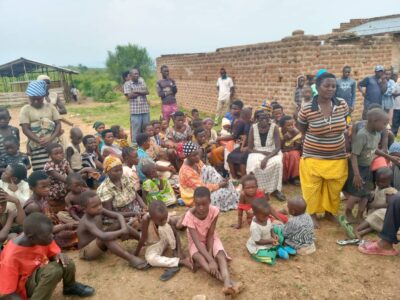
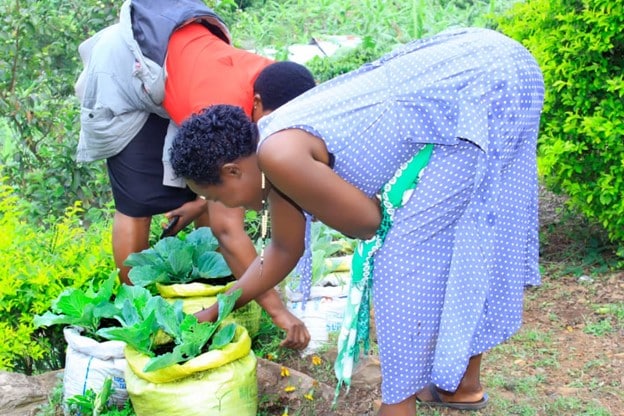
    People planting vegetables


    These approaches were shaped by political and economic systems marked by inequality, often influenced by wealthy white families with outsized power in global institutions like the United Nations. In exporting a narrow vision of freedom and the patriarchal nuclear family, communitarian planning systems were weakened or dismantled.

    The consequences have been devastating: wealth accumulated in some communities while children in others died. Enormous sums of money were used to avoid accountability through omission and misrepresentation, benefiting a privileged few at the direct expense of marginalized children. This is why every claim presented as ‘fact’ must be examined in context including whose values are centered and what baselines are being used. The most dangerous form of distortion is not always a lie, but the quiet erasure of the baseline itself.

    Inequality info graphic

    Listening as Evidence

    One of the strongest tools in Women Care Modeling is listening.

    It asks families a simple but radical question:

    How would you have used resources to care for life?

    Across communities, the answers repeat themselves. These collective voices challenge the story that extraction builds progress. They show, again and again, that care builds societies. Real numbers are not only found in budgets. They live in shared wisdom, lived experience, and community accountability.


    Top Down Power and Bottom Up Empowerment


    Care as Justice, Not Nostalgia

    Women Care Modeling is not about returning to the past. It is about repairing what was deliberately dismantled. It stands as a justice-based family reform movement calling out the hypocrisy of a world that preached equality while sustaining white supremacy.

    The call is clear:

    • Repair the harm through reparative funding.
    • Recognize African care systems as valid and powerful.
    • Move away from isolated family models toward women-led, community care power

    Africa does not suffer because it lacks families. It suffers because its care systems were broken to enrich others. Women Care Modeling insists on remembering this truth and building forward from it, with care at the center.