Tag: Essays & Perspectives

  • An Open Letter from Truth Alliance –  The Denver Model, Equal Valuation of Life, and the Urgent Need for a Fair Start for No Child is worth more than another.

    An Open Letter from Truth Alliance – The Denver Model, Equal Valuation of Life, and the Urgent Need for a Fair Start for No Child is worth more than another.

    To the University of Denver, its leadership, faculty, students, funders, alumni, and the wider public,

    Truth Alliance writes to raise a fundamental concern about how institutions model, value, and report the impacts of their work on people, animals, communities, and future generations.

    We believe the University of Denver’s traditional modeling approach, as we understand it, risks reproducing a “separate but equal” system of valuing life, one in which the interests of some populations, children, communities, animals, or generations can be assigned greater weight than others. In our view, this approach is incompatible with the principle that every child and every human life must be treated with equal dignity and concern.

    We refer to the prior letter Fair Start sent the University.

    Our concern is not simply about one academic model or one institution. It is about the broader consequences of using systems that discount the lives of future generations or treat certain populations as less valuable when calculating public impacts. When a model places a different value on a child’s life because of where that child is born, the wealth of their family, their race, their nationality, or the generation into which they are born, the result can be a deeply unequal distribution of protection, resources, and opportunity.

    Truth Alliance believes that no child is worth more than another. That principle must be reflected not only in constitutional law and civil rights but also in the models, policies, economic calculations, and institutional decisions that shape the future.

    The Question of Public Impact

    We are particularly concerned about the consequences of impact-reporting systems that fail to adequately account for harms imposed on future generations and communities already facing the greatest risks. If a model systematically discounts future life, then the suffering of children who have not yet been born may be treated as less important than the interests of people living today. If the model also fails to account for historic inequalities, the result can be a system that effectively transfers costs from those with greater power to those with less power.
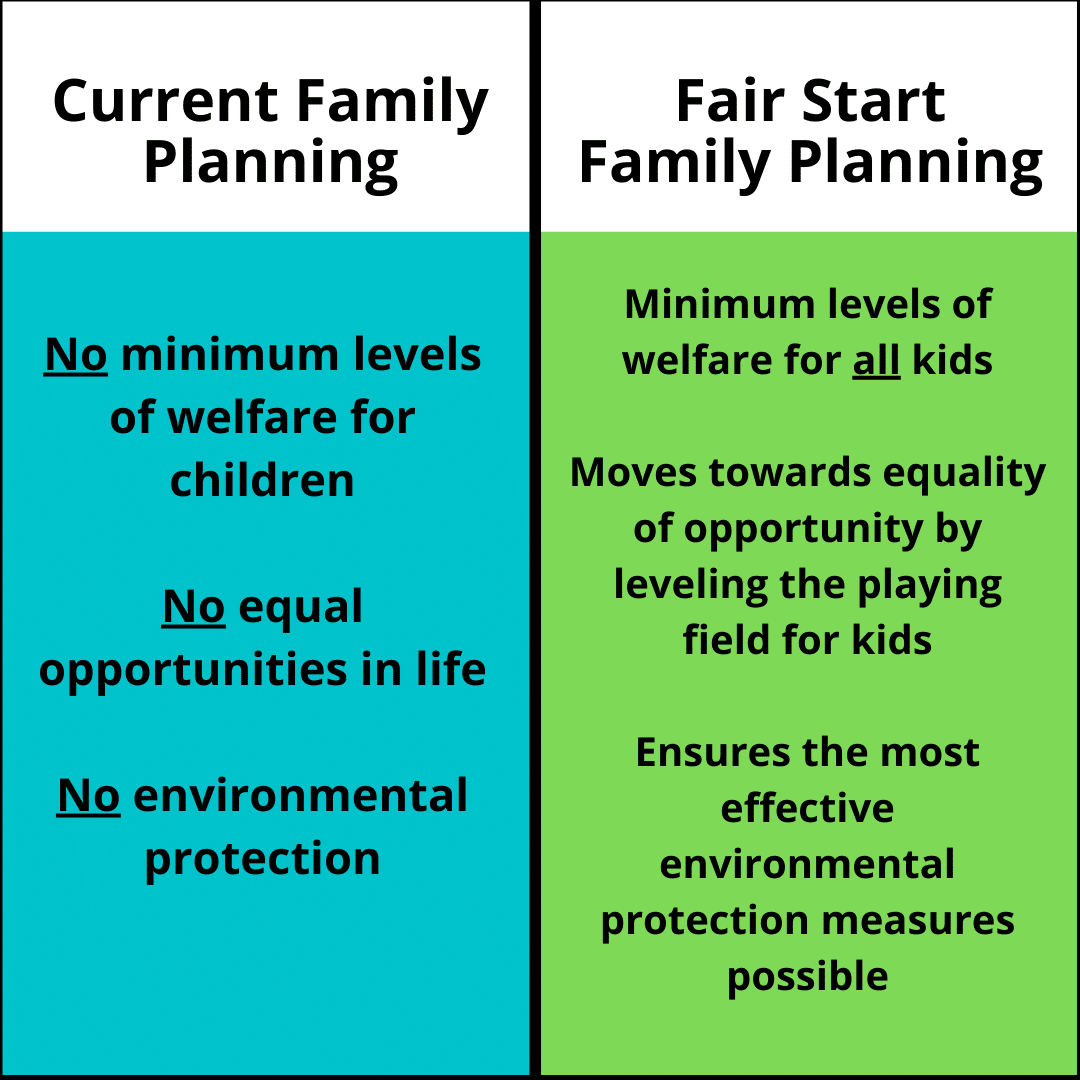
     

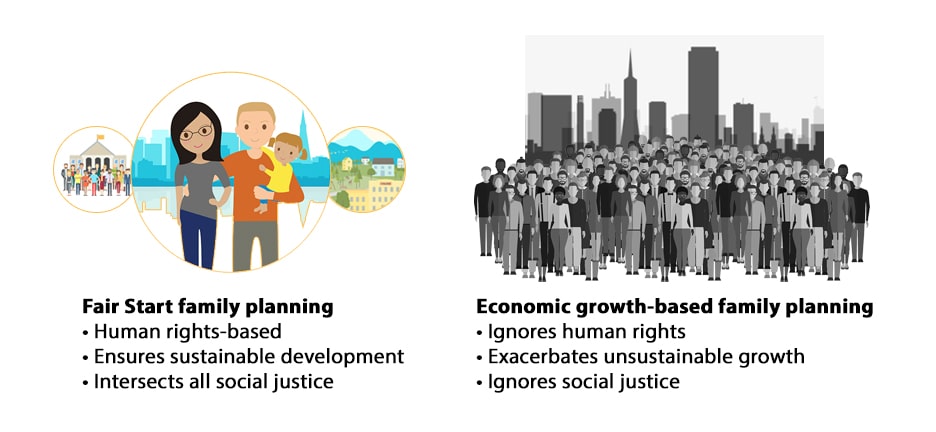
    Family Planning info card


    This is especially alarming in the context of the climate crisis.

    Africa contributes a relatively small share of historical global greenhouse-gas emissions, inequalities yet African children and other global south communities are among those facing severe consequences from climate change. The impacts include:

    • Rising temperatures and increasingly dangerous heat.
    • More frequent and prolonged droughts.
    • Unpredictable rainfall and changing seasons.
    • Crop failures and declining agricultural productivity.
    • Food insecurity and malnutrition.
    • Water scarcity and competition over limited water resources.
    • Livestock losses and threats to pastoral livelihoods.
    • Flooding and destruction of homes and infrastructure.
    • Soil degradation and desertification.
    • Loss of forests, biodiversity, and wildlife habitats.
    • Increased displacement and climate-related migration.
    • Greater risks of disease and public-health emergencies.
    • Disruption of children’s education.
    • Increased poverty and loss of household income.
    • Greater risks to women and girls, particularly in vulnerable communities.
    • Increased conflict and competition over natural resources.
    • Loss of cultural heritage and traditional livelihoods.
    • Growing pressure on already weak health and social-protection systems.
    • Greater exposure of children to long-term and intergenerational harm.

    These are not abstract statistics. They represent real children, families, and communities whose futures are being shaped by decisions made today.
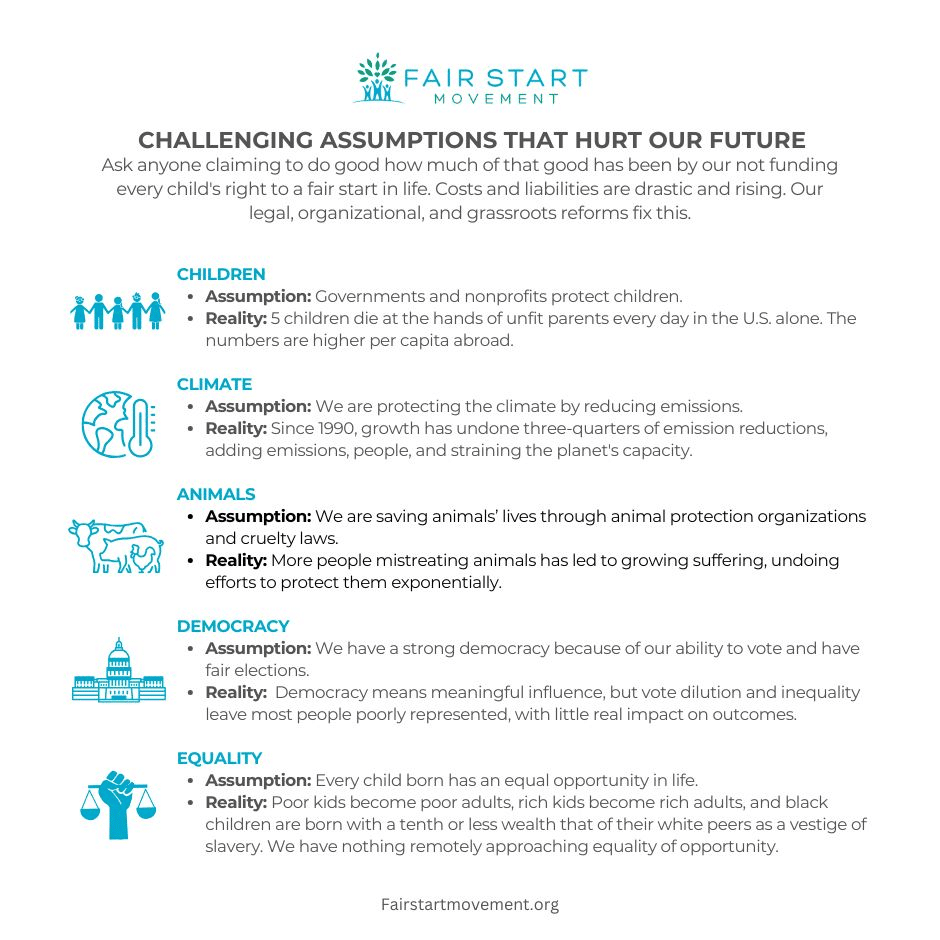
     

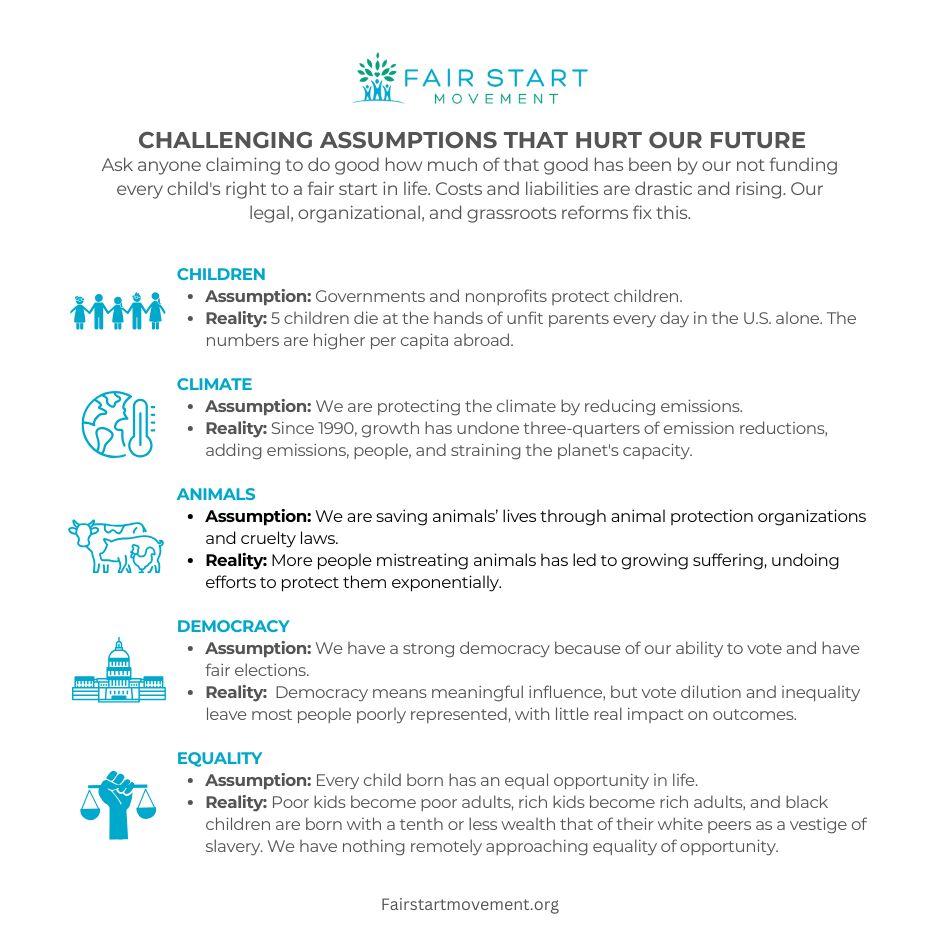
    Challenging assumptions that hurt our future infographic

    A Call for a Different Standard

    Truth Alliance believes that the solution is not simply to improve one model at the margins. Institutions must reconsider the underlying assumptions that determine whose life counts, whose suffering is measured, and whose future is protected.

    We therefore call on the University of Denver and other institutions engaged in public-impact modeling to examine whether their methodologies adequately protect the equal dignity and value of all people including children not yet born. We believe there is an opportunity to move from models that may discount future life toward a Fair Start standard based on the principle that no child is worth more than another.

    Such a framework would seek to ensure that:

    1. Every child is treated as having equal inherent value.
    2. Future generations are not systematically discounted simply because they have not yet been born.
    3. Public policies account for long-term and intergenerational harm.
    4. Historical inequalities are not hidden by statistical assumptions.
    5. Communities facing the greatest risks are not treated as acceptable recipients of disproportionate harm.
    6. Public-impact assessments recognize the full human consequences of environmental, economic, and social decisions.
    7. Institutions are transparent about the assumptions built into their models.
    8. Children and affected communities have a meaningful voice in decisions that determine their future.

    The Cost of Inaction

    Truth Alliance is concerned that failing to reconsider these approaches could contribute to continued and unimaginable harm particularly for children and communities already living at the margins of global protection. When institutions normalize the discounting of future life, the consequences do not remain inside classrooms or academic papers. Models influence policy. Policy influences investment. Investment influences infrastructure. Infrastructure influences communities. And these decisions ultimately shape who is protected and who is left exposed.


    The question before us is therefore not merely technical.

    It is moral.

    It is legal.

    It is constitutional.

    And it is about the future of humanity.

    Truth Alliance and its members believe that a child’s value cannot depend on geography, wealth, race, nationality, generation, or economic status.

    We call upon the University of Denver to engage openly with these concerns, review the assumptions underlying its models and public-impact reporting, and explore a new approach that places equal human dignity at the center of institutional decision-making.

    We further invite scholars, civil-rights advocates, children’s-rights organizations, climate-justice movements, African communities, and affected families around the world to join this conversation.

    The future should not be built on a system that treats some lives as more valuable than others.

    No child is worth more than another.

    That is the standard we believe the law, civil rights, climate justice, and public policy must ultimately uphold.

    Truth Alliance
    No Child Is Worth More than Another

  • Why Policy Change Alone Is Not Enough for High-Risk Children Need Direct Reparations

    Why Policy Change Alone Is Not Enough for High-Risk Children Need Direct Reparations

    Policy reform is important, but it must be matched with direct, decentralized reparations that support high-risk children and strengthen local communities. Combining strong laws with community-based reparations  helps ensure vulnerable children receive the practical support they need to survive and thrive. 

    Across the United States, millions of dollars are spent every year on litigation, lobbying, and policy advocacy. Lawyers, advocacy organizations, and philanthropists work tirelessly to influence laws on issues such as animal welfare, child protection, reproductive rights, and family planning. These efforts have contributed to important legal and policy reforms of the reparations.

    Yet an important question remains:

    Who is investing directly in the children who face the highest risks today?

    People carrying water containers on their backs

    Policy change is essential, but laws alone do not feed a hungry child, provide clean water, improve access to healthcare, or create economic opportunities for struggling families. For children living in extreme poverty, conflict, or climate-related crises, change must also happen within their communities

    The Missing Piece: Decentralized Support

    Many interventions remain centralized, with funding concentrated in national institutions, legal campaigns, or large international organizations. While these efforts can influence systems, they often leave local communities with limited resources to respond to the daily needs of vulnerable children.

    Decentralized community initiatives can help bridge this gap by:

    • Supporting families before children fall into crisis.
    • Empowering local women’s groups and community leaders.
    • Strengthening household food security and livelihoods.
    • Expanding access to basic health services and education.
    • Building community resilience to climate and economic shocks.

    Local organizations are often the first to identify children at greatest risk, yet they frequently receive only a small share of global funding.

    Policy Should Be Matched with Practice

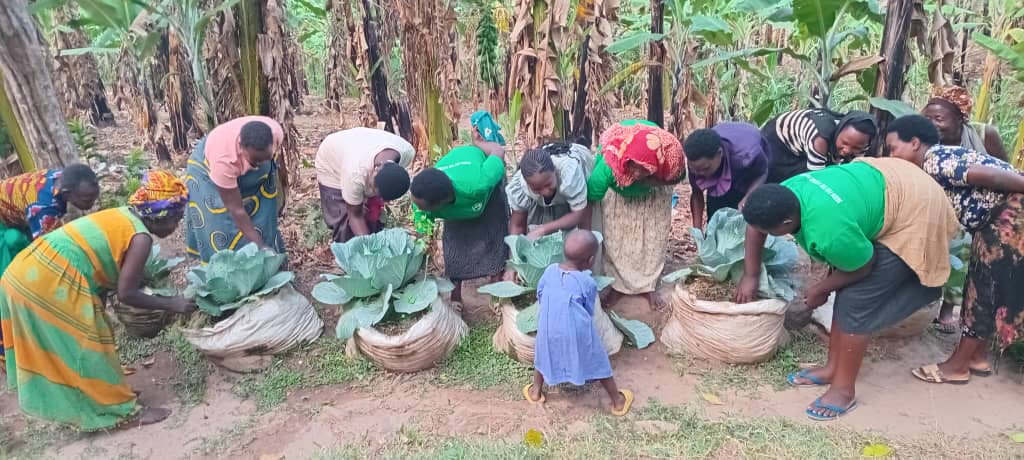
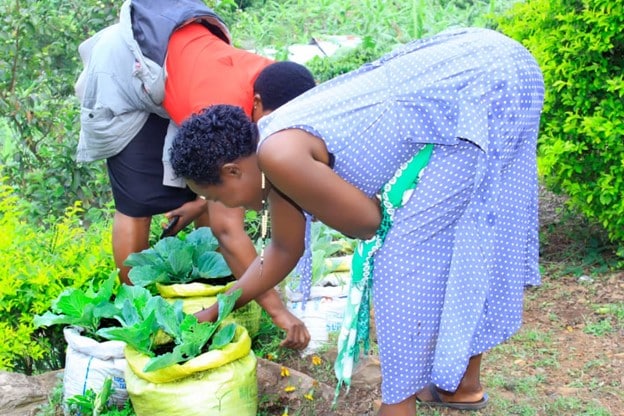
    People planting vegetables

    Legal advocacy and policy reform should not compete with direct community Reparations they should reinforce one another. A child benefits most when strong laws are accompanied by practical support that reaches families where they live. This means investing in local organizations, communities, women’s groups, and grassroots initiatives that understand local realities and can respond quickly.

    A More Balanced Approach

    The goal should not be to reduce investment in policy advocacy. Rather, it should be to create a better balance between changing systems and strengthening communities.

    Protecting children requires both:

    • Effective laws that uphold children’s rights.
    • Sustainable reparations that enable families and communities to protect children every day.

    Without local implementation, even the strongest policies risk leaving the most vulnerable children behind.


  • Freedom for Some, Hardship for Others – Why Every Child’s Life Must Be Valued Equally

    Freedom for Some, Hardship for Others – Why Every Child’s Life Must Be Valued Equally

    Summary – While some people enjoy abundant opportunities, security, and freedom, millions of children in Uganda and sub sub saharan Africa and other vulnerable communities continue to face preventable poverty, disease, and limited opportunities due to enduring structural inequalities and decision-making systems that undervalue future lives, underscoring the need for policies that recognize the equal worth, dignity, and freedom of every human being regardless of where or when they are born. Freedom for Some, Hardship for Others. 

    Challenging assumptions that hurt our future infographic


    A family in a wealthy part of the United States may enjoy reliable access to food, clean water, healthcare, education, economic opportunity, and the freedom to travel the world, attend major sporting events, and pursue their aspirations with confidence. At the same time, many children in Uganda continue to face hunger, water scarcity, preventable diseases such as Ebola, and limited access to essential services.

    This contrast is not simply the result of individual choices. It reflects global economic and political systems that have historically concentrated wealth, power, and opportunity in some regions while leaving many communities in the Global South with fewer resources, less self-determination, and greater exposure to preventable risks.

    As Samuel has requested, we must confront the deeper question of freedom. Freedom is not merely the absence of constraints for those who are already privileged. Genuine freedom requires that every person has a meaningful opportunity to live, develop, and pursue their future. When children lack access to healthcare, clean water, education, and protection from preventable disease, their freedom is restricted long before they have the chance to exercise it.

    This concern extends beyond Uganda. Vulnerable communities in Uganda and elsewhere also experience disproportionate exposure to poverty, environmental hazards, inadequate healthcare, and economic insecurity. Policies and models that systematically place lower value on the lives and futures of disadvantaged populations contribute to these inequalities, regardless of where they occur.

    One important example is the practice of discounting future lives and future harms in economic and policy analysis. When future human lives are valued less simply because they occur later in time, decisions may systematically underinvest in preventing long-term suffering, disease outbreaks, climate impacts, and structural poverty. In practice, such approaches can disproportionately harm those who are already most vulnerable, including children in Uganda and marginalized communities in Uganda.

    Family Planning info card

    Truth Alliance “It is difficult to think about these issues only in terms of the future, because the consequences are already with us today. The children and future generations of Uganda and other parts of Sub-Saharan Africa are paying the cost of decisions that were not addressed 40 or 50 years ago. Many racial justice advocates, policymakers, and institutions recognized inequality, yet the underlying structures that perpetuate unequal opportunities and unequal protection from harm were never fully corrected. The result is that today’s generation continues to bear the burden of preventable poverty, disease outbreaks, climate vulnerability, and limited opportunities for self-determination. Political leaders, including President Trump and others before and after him, operate within systems whose costs often fall disproportionately on the world’s most vulnerable communities. We should not continue passing these burdens from one generation to the next. Every generation has a responsibility to confront injustice rather than defer it. That is why we seek change today to ensure that future generations inherit greater equality, greater freedom, and a world where no child’s life is valued less than another because of where they were born.”

    Peter and Erica have the opportunity to lead by example. By revisiting and reforming modeling approaches that rely on discounting future lives, they can help advance a framework that recognizes the equal worth and dignity of every human being, regardless of where they live or when they are born. Such a shift would strengthen efforts to protect both present and future generations from preventable harms.

    This is not a call for charity alone. It is a call for fairness, consistency, and equal concern for all people. If every child has equal worth, then justice requires more than addressing symptoms. It requires confronting the structural inequalities and decision-making frameworks that allow some populations to flourish while others continue to face preventable poverty, disease, hunger, and insecurity.

    There is already an example of this kind of consideration. Bobak Bakhtiari has committed to reconsidering and changing his modeling approach in recognition of these concerns. Peter and Erica could help lead the way as well by adopting models that better reflect the equal value of all human lives and the importance of protecting the freedoms and opportunities of future generations.

    A world in which some enjoy extraordinary freedom while others face preventable suffering is neither inevitable nor just. The challenge before us is to build systems that recognize that no child and no human being is worth less than another, and that every person deserves an equal opportunity to survive, thrive, and determine their own future.

  • When Progress Leaves People Behind – Why Honest Baselines Matter in Measuring Equity

    When Progress Leaves People Behind – Why Honest Baselines Matter in Measuring Equity

    Summary “In the end, equity is not only about the results we aim for, it is about how we define, measure, and prove those results. And if people are left out of that process, then even the idea of progress can become unfair”

    In development, growth, and social change, stories of progress often sound very convincing. Reports show improving numbers, charts trend upward, and programs are presented as success stories. But behind these polished narratives, there is an important question we don’t always ask: what is missing from the picture?

    One of the biggest gaps is the failure to account for the real drivers of harm, especially unequal or unfair growth. When growth benefits only certain groups while others are left behind, it can still look like progress on paper. But in reality, inequality may be getting worse. This kind of selective storytelling can easily create a misleading sense of success


    Two illustrations compare family planning models: At left, a diverse happy family stands together with icons for community and health. At right, a monochrome crowd in a city. Text contrasts fair start (rights-based) with economic growth-based planning.

    The problem becomes even more serious when the experiences of the most affected communities are not fully included in how progress is measured. This doesn’t just create incomplete data, it creates a distorted sense of accountability. The very people who are experiencing exclusion, hardship, or disadvantage are often the ones least reflected in official reports.

    There is growing concern that, in some cases, this can amount to what might be described as illegal baselining or equity fraud especially when the starting point of measurement is designed in a way that leaves out the realities of those most affected. When the baseline itself is incomplete or selective, any conclusions drawn from it become unreliable.

    Because of this, any claim about “public benefit” or “improved outcomes” needs to be examined carefully and early. It should not be enough for claims to be made; they must be supported. Those making the claims should be able to clearly explain their baseline, their assumptions, and how they are measuring change. Without this, it is impossible to know whether progress is real or just reported.

    A proper baseline is not just a technical requirement, it is a safeguard. It ensures that measurement starts from honesty, includes all relevant groups, and reflects real conditions on the ground. It helps make sure that progress is not defined by what is convenient to measure, but by what is actually happening in people’s lives.


    Several hands of different skin tones are stacked together. Overlaid text reads, The most powerful social justice is a fair start in life. Join the coalition. The Fair Start Movement logo appears at the bottom.


    At its core, this is about legitimacy. Authority in development and social change should not come from simply making claims. It should come from inclusion, especially the inclusion of the people whose lives are being measured and affected.

    When communities are left out of defining baselines, assessing outcomes, or interpreting results, decision-making becomes disconnected from reality. But when they are included in a meaningful way, measurement becomes more than reporting—it becomes accountability grounded in real experience.

    Real progress cannot just be announced from above. It needs to be demonstrated openly, with transparent baselines, honest evaluation, and genuine engagement with those most affected. Without this, even well-intentioned work risks turning into storytelling rather than truth-telling.

    In the end, equity is not only about the results we aim for, it is about how we define, measure, and prove those results. And if people are left out of that process, then even the idea of progress can become unfair

  • Why “Public Benefit” Must Be Proven, Not Assumed: The Role of Baselines in Truth Alliance

    Why “Public Benefit” Must Be Proven, Not Assumed: The Role of Baselines in Truth Alliance

    Summary “No child is less important than another. True equity starts when we recognize that every child has the same value, deserves the same respect, and should be treated with the same dignity.” 

    In development work and advocacy, we often hear the phrase “public benefit.” It sounds reassuring that projects promise better livelihoods, improved outcomes, and positive impact. But there’s a simple question we don’t ask often enough: better than what?

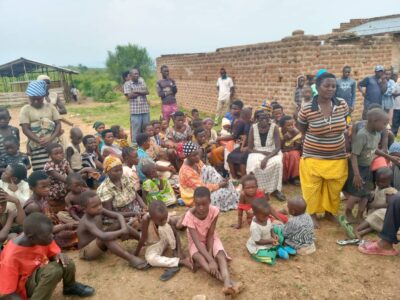
    People sitting around in a circle, a neglected community

    That’s where a clear and honest baseline comes in. In spaces that value accountability like Truth Alliance this isn’t just a technical detail. It’s a matter of integrity.

    A baseline is simply the starting point. It helps us understand what things looked like before any intervention began. Without it, it becomes very hard to tell whether real change has happened. When we say lives are improving, we should be able to explain: what was the situation before, what has changed, and how we know that change is real.

    This isn’t just about data, it’s about trust.

    Communities deserve honesty about the impact of the work being done in their lives. Donors deserve transparency about how resources are being used. And organizations have a responsibility to make sure the progress they report reflects reality, not just intention.

    Without a clear baseline, even well-meaning efforts can lose credibility.

    Too often, impact is shared through success stories that highlight the positive while leaving out the full picture of where things started. This can unintentionally exaggerate progress or hide ongoing challenges. It can also silence the real experiences of the people these programs are meant to serve.

    Introducing a baseline helps shift this. It moves the conversation from claims to evidence, from promises to proof. It encourages organizations to be more thoughtful in how they design their work, more consistent in how they track progress, and more accountable in what they report.

    And importantly, it doesn’t take away from good work—it actually strengthens it.

    When progress is measured honestly, real impact becomes clearer. Success feels more genuine. Lessons become more useful. And trust, which is often fragile in this space, has a chance to grow.

    At the heart of this approach is fairness. It ensures that communities are not simply used as examples of success without seeing real, measurable benefits. It helps make sure resources go where they are truly needed. And it makes accountability part of the process, not an afterthought.

    In a world where it’s easy to make bold claims, Truth Alliance reminds us of something simple but important: it’s not enough to say impact is happening, we need to show it.

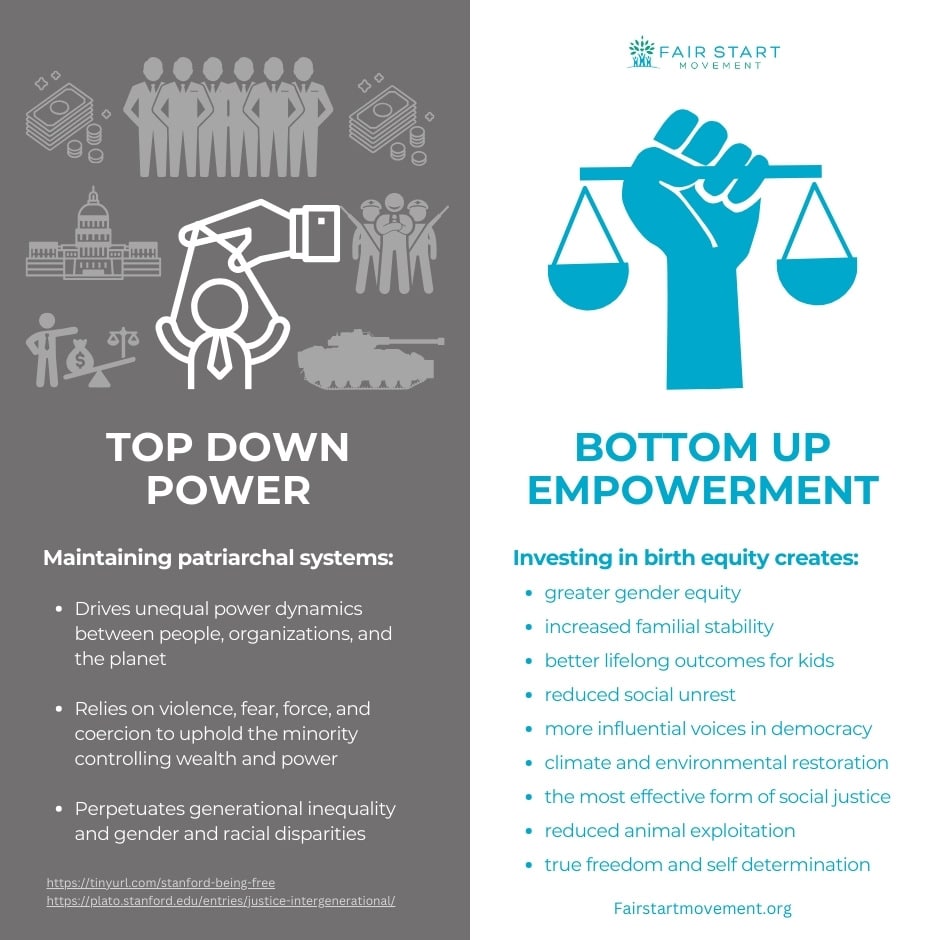
    Top Down Power and Bottom Up Empowerment infographic

    Because real change isn’t just about what we hope is true. It’s about what we can clearly demonstrate, with honesty and evidence.


  • Why Truth Alliance Exists –  Uplifting the Voiceless for Birth Equity and a Fair Start for Every Child

    Why Truth Alliance Exists – Uplifting the Voiceless for Birth Equity and a Fair Start for Every Child

    There is a moment that should mean nothing and yet ends up meaning everything: the moment a child is born. At that point, no child has done anything to deserve more or less than another. No one has earned privilege. No one has earned hardship. And still, from that very first breath, the world begins to sort children into different paths, some filled with opportunity, others with struggle.

    This quiet sorting is one of the deepest injustices we live with. And it is exactly why the Truth Alliance exists.

    At its heart is a simple but powerful belief: no child is worth more than another. Not in theory, not in policy, not in practice. This isn’t just something to agree with, it’s something that must reshape how we build our systems from the ground up.

    The Silence That Shapes Inequality

    The children most affected by inequality rarely get the chance to speak about it.

    They are born into situations shaped by poverty, location, conflict, or neglect things completely outside their control. They don’t choose these conditions, yet they live with the consequences every day. Their silence is not acceptance. It is exclusion.

    The Truth Alliance exists to bring these realities into the light not by speaking for people, but by making sure their experiences are seen, understood, and taken seriously. It challenges the idea that unequal beginnings are normal, and insists that every child deserves equal recognition from the very start.

    Birth Equity: Where Fairness Truly Begins

    Birth equity is a simple idea with powerful implications: every child should start life from the same level of worth.

    But that’s not how things work today.

    Instead, access determines value:

    • Some children are born into healthcare systems that protect them; others are not
    • Some have enough food and safe environments; others face daily risk
    • Some step into education easily; others struggle just to get there

    These differences don’t stay small; they grow over time, shaping health, income, confidence, and life chances.

    The Truth Alliance pushes for a different approach: don’t wait to fix inequality later—stop it from starting at birth.

    A Movement Built by Many Voices

    The Truth Alliance isn’t one organization speaking from above. It is a shared movement, built by people in different communities who understand these realities firsthand.

    Its strength comes from being decentralized because real change doesn’t only come from top leaders. It comes from people on the ground who see what’s happening every day.

    By supporting communities to:

    • Recognize the inequalities around them
    • Document real-life impacts
    • Speak up and push for change

    The Alliance creates a movement that is both deeply local and widely connected.

    This way, solutions aren’t imposed, they grow from real experiences.

    Family Planning info card

    Making the Invisible Visible

    Some of the most harmful inequalities are the ones we don’t easily see.

    They are built into systems, policies, and long-standing patterns. They show up in:

    • Differences in child survival
    • Gaps in early development
    • Unequal access to basic services
    • Long-term effects of growing up disadvantaged

    The Truth Alliance focuses on measuring these hidden harms because once something is visible, it becomes harder to ignore. Data becomes a tool for truth. And truth becomes a tool for change.

    The Need for Political Courage

    Real change requires more than awareness; it requires decisions.

    The Truth Alliance calls on leaders to take responsibility by:

    • Rethinking systems that create unequal starts
    • Prioritizing young children in policies and budgets
    • Distributing resources based on need
    • Being transparent and accountable

    This is not about helping a few, it’s about correcting a system.

    Because fairness cannot exist if children begin life so far apart.

    Imagining a Fairer Start

    The vision is simple, but powerful.

    A world where:

    • Where a child is born does not define their future
    • Every life is valued equally from day one
    • Systems protect all children, not just some
    • Communities have the power to shape better outcomes

    In that world, fairness isn’t something we hope for, it’s something we build into the foundation.

    From Truth to Action

    The Truth Alliance begins with a truth that feels obvious, yet is rarely practiced: no child is worth more than another.

    But it doesn’t stop at saying it.

    It works to make that truth real by lifting unheard voices, sharing power across communities, exposing hidden inequalities, and pushing for meaningful change. Because every child deserves more than just getting by.They deserve a fair start in life. And that begins with recognizing their equal worth before anything else tries to decide it for them.

  • No Child Is Worth More than Another – Why Truth Alliance Must Be Non-Negotiable

    No Child Is Worth More than Another – Why Truth Alliance Must Be Non-Negotiable
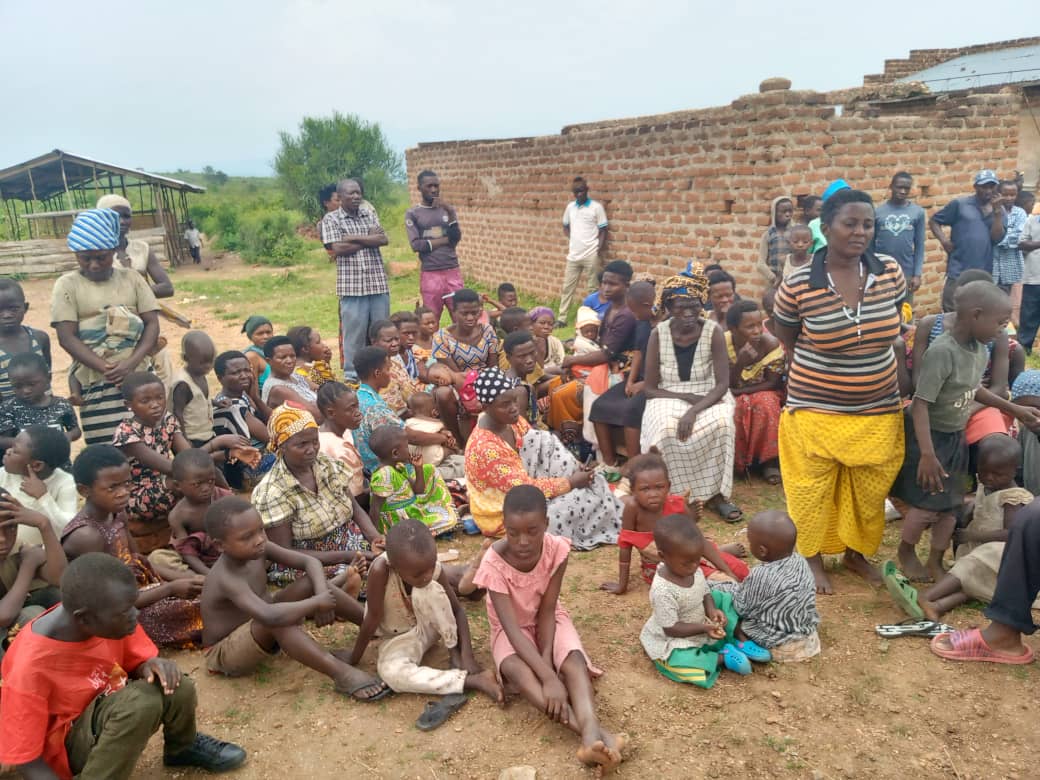
    Summary “From the very beginning, a child’s chances are often shaped by circumstances beyond their control—and The Truth Alliance is calling you to change that early, so every child has a real and fair chance to grow and thrive”

    There is a quiet injustice that begins long before a child speaks their first word or takes their first step. It starts at birth sometimes even before and it quietly shapes who gets a chance to thrive and who is left struggling to survive. The Truth Alliance brings this reality into the open with a simple but powerful truth: no child is worth more than another. And yet, the world we live in does not reflect this.

    The Hidden Weight of Birth Inequality

    From the very beginning, children are placed into different worlds. Some are born into safety and opportunity, while others arrive into hardship and uncertainty.

    Where a child is born, who they are born to, and how society labels them can determine their access to education, healthcare, and even basic dignity. These invisible labels quietly decide how far a child can go before they even have a chance to try.

    For many children, it’s not about lacking potential, it’s about being denied a fair chance to realize it.

    Illegitimacy and the Denial of Dignity

    In too many communities, children are still judged based on circumstances they had no control over. Being labeled “illegitimate” can mean exclusion from family support, from education, and from a sense of belonging.

    This is more than unfair. It is deeply unjust. No child chooses the conditions of their birth. Yet some are made to carry that burden for life. Over time, these labels shape not just how others see them, but how systems treat them and how they come to see themselves.

    Wealth, Borders, and Unequal Chances

    The gap between the privileged and the vulnerable continues to grow, and children feel it most.

    Access to food, healthcare, and education often depends on the wealth of a family or the country a child is born into. A border line on a map can mean the difference between life and death, between opportunity and struggle.

    These differences are not inevitable; they are the result of human choices, policies, and priorities. And they can be changed.

    Family Planning info card

    The Cost of an Unfair Start

    Every day, children lose their lives not because we lack solutions, but because those solutions do not reach them. A lack of basic needs, nutritious food, clean water, healthcare, and protection continues to claim lives that could have been saved. This is the cost of an unfair start. No child’s survival should depend on chance or circumstance.

    Rethinking Family Planning: More than Numbers

    Family planning is too often reduced to a conversation about controlling population growth. But at its heart, it should be about something much deeper ensuring that every child is born into conditions where they can grow, thrive, and be supported. It is not just about preventing births; it is about preparing for them. When families are supported and systems are strengthened, children are given a better start. But when this issue is sidelined or misunderstood, the cycle of inequality continues.

    An Unjust Starting Point

    What we are seeing is a system that begins from an unfair starting point that can be called an “illegal baseline.” When some children are born with access to everything they need, while others are born without even the basics, the system itself is broken from the start. And no amount of effort later in life can fully erase that gap.

    Why Preemption Matters

    If we truly believe that every child matters equally, then fairness must begin at the very start. This means acting early before inequality takes hold. It means investing in mothers, supporting families, and removing harmful labels and barriers. It means ensuring that every child has access to the essentials from day one. Preemption is not just a strategy, it is a commitment to justice.

    A Call to Reset

    The Truth Alliance is calling for a shift in how we see and value children. A shift away from systems that quietly rank human worth, and toward a world where every child is given the same foundation to stand on. This is not an unrealistic dream. It is a necessary step toward a more just and humane future. Because if we do not address inequality at the beginning, we will always be trying to fix it too late. The question is no longer whether change is possible. It is whether we are willing to make it happen.

  • The Founding Story of Truth Alliance, by Zahara Nabakooza

    The Founding Story of Truth Alliance, by Zahara Nabakooza

    By Zahara Nabakooza

    The idea for Truth Alliance began during a women’s dialogue in Uganda, when I asked a question that has guided me ever since: “If we don’t tell our truth, who will?”

    That question came from witnessing years of injustice, where fear, politics, and greed silenced ordinary people, especially women and children. I saw how truth was often buried to protect privilege, while the poor paid the price. Alongside women’s care groups in Uganda we were tired, we knew it was time to break the silence.

    People planting vegetables


    I understood that injustice is not only gendered but also racial and economic. Staying silent protects privilege; speaking out can heal, empower, and transform communities. I realized that real change could not come from the top down; it had to rise from the ground, from women in villages, from our children, from youth in the streets and from communities ready to speak and act with courage

    From that conviction, Truth Alliance was born. The name reflects our core values: “Truth” for honesty and moral courage, and “Alliance” for unity and collective action.

    Today, Truth Alliance continues to grow as a decentralized, women-led movement connecting local struggles to global justice, amplifying silenced voices, and standing for fairness, dignity, and the right of every person to live in truth.

  • The Story Behind COP30: Decades of Political Equity and Impact Fraud Hidden by World Leaders. There’s a Fix.

    The Story Behind COP30: Decades of Political Equity and Impact Fraud Hidden by World Leaders. There’s a Fix.

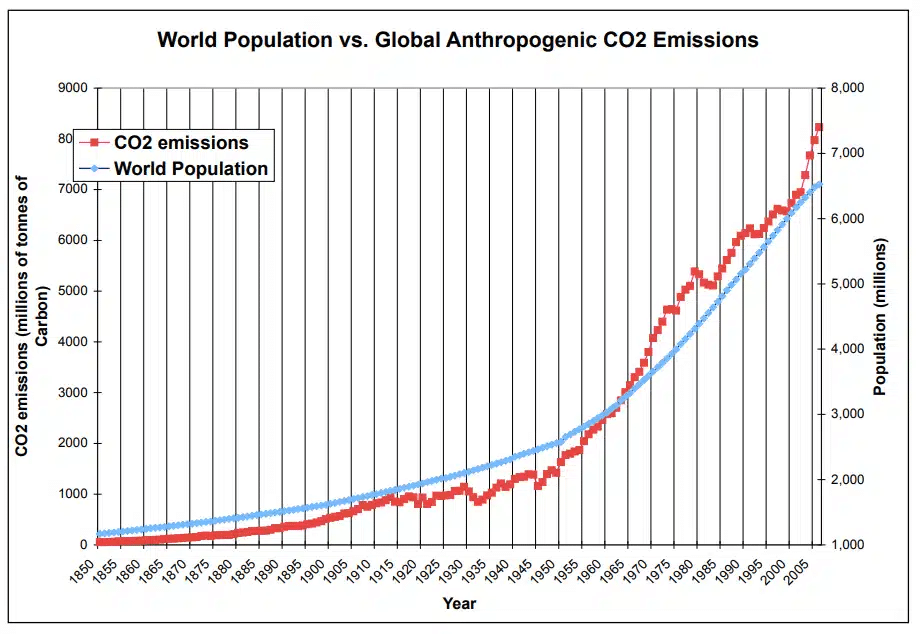
    As another climate conference kicks off there are more deadly emissions being released that ever before. 

    Want to understand the most just and effective solution to many of the world’s crises, like climate change, today?

    Ask anyone proposing an intervention to tell you how they have been accounting for children as a key factor in their work. Factcheck it with AI. You will be surprised. 

    Inequitable growth has put more animals and children in conditions of abuse, neglect and suffering than any organization has been able to save, and that’s before we factor in compounding factors like the climate crisis, and the decline of democracy. 


    Family Planning info card


    We rarely talk about how growth and inequitable birth positionality undo the very work we claim to be doing because it benefits those at the top, often the same people funding us. But the truth is this: It’s illegal and unethical to assess value and report impact while omitting key facts, manufacturing numbers, and ignoring the real costs. Those omissions enrich a few while disenfranchising and endangering others—mostly children of color. Decades of this deceit have led, quite literally, to the deaths of millions. 

    Measurable political equity is a necessary condition of being free, but the privatization of reproductive rights in the Twentieth Century made assuring that equity impossible. The fix is to require it as preemptive standard today, implemented through fundable birth equity standards. 

    No child is worth more than another. 

    Take Action: Engage those, like Bob Sternfels, who benefitted from a system that has killed millions to tell the truth and change course and move towards Fair Start Certification.

    The core discourse to engage in the solution:  “_______’s claimed value add does not account for political inequity, which is caused by our all treating children of color as deserving of less than white children, something that has for decades slowly disenfranchised at risk communities. That’s illegal, and a mistake that caused horrible outcomes that are undoing our claimed value add to the world, including allowing our governments to never actually empower the people they claim to represent. Use of any standard that ignores political equity means actively harming others, while slowly disenfranchising persons of color. Choose the Equity/Fair Start standard instead. Freedom is universal democratic empowerment, not exploiting arbitrary but massive differences in birth positionality and empowerment.” One is either part of a system of mutual obligation, or not, and asking these questions helps determine where others stand.