

The Fair Start Movement and Truth Alliance challenge climate claims that omit harms to children, vulnerable communities, animals and future generations.
Indigenous advocate June Bartuin will bring a call for birth equity to COP31, taking place in Antalya, Türkiye, on behalf of the Fair Start Movement and Truth Alliance, as the organizations prepare a formal notice asking the European Commission to strengthen accountability for environmental claims.
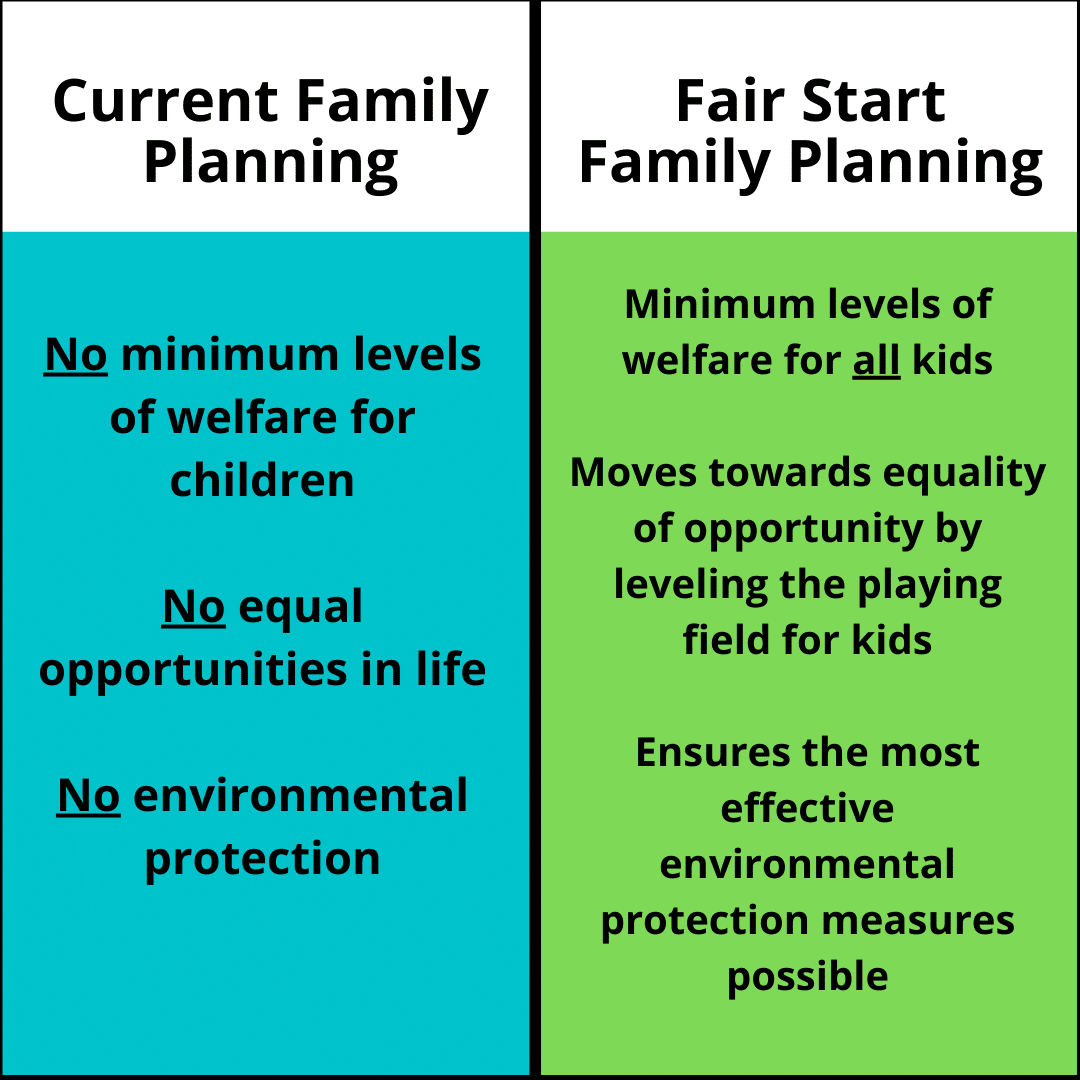
Their demand: institutions claiming climate progress must account for the harm children, communities, animals, and ecosystems continue to bear—and demonstrate how their work empowers those affected.
“Working directly with Indigenous communities on the frontline of ecological collapse, I see every day how our traditional knowledge holds the key to true survival,” said Bartuin, founder and Executive Director of Indigenous Peoples for Peace and Climate Justice in Kenya.
“On behalf of the Fair Start Movement and Truth Alliance, we are bringing a clear message to COP that real climate action requires birth equity by ensuring every child is born into a safe, empowered, and ecologically sustainable world. We must end ‘legitimacywashing’ and replace deceptive sustainability metrics with systemic justice, fair resource redistribution, and constitutional birth-equity standards that center Indigenous rights.”
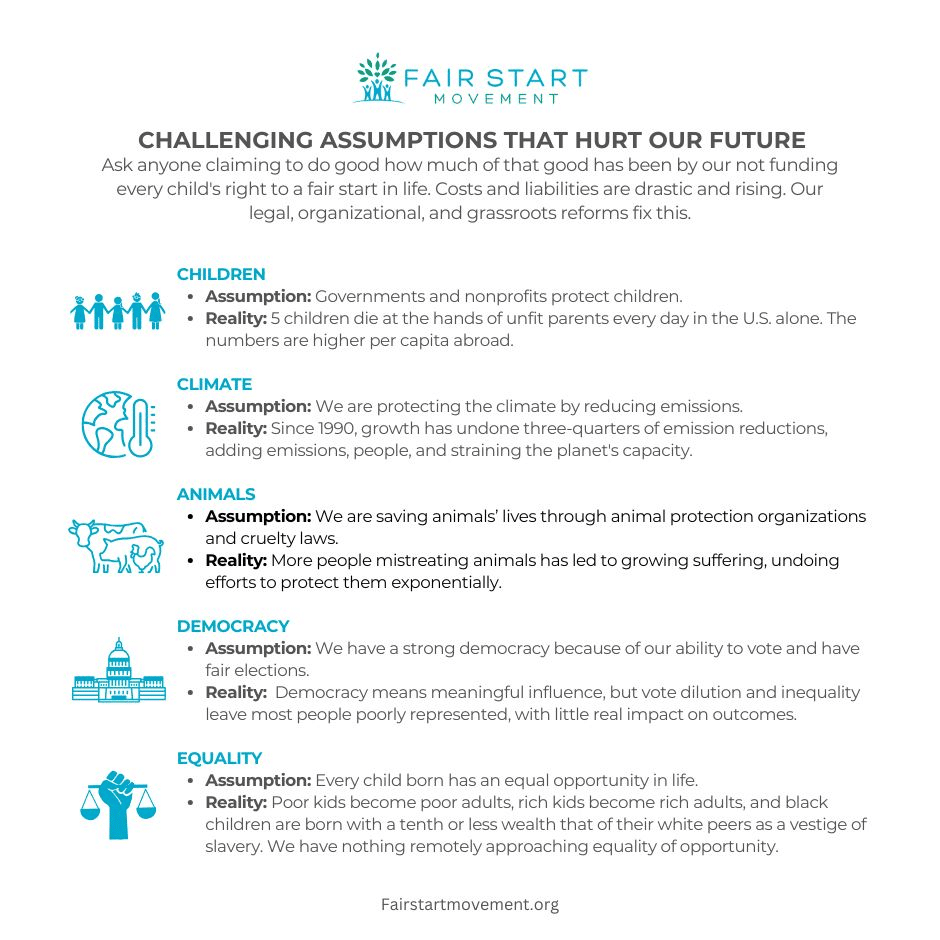
The organizations’ proposed EU notice calls for a transition from conventional anti-greenwashing rules to an anti-legitimacywashing standard. They use “legitimacywashing” to describe claims that lend credibility to institutions while omitting the conditions necessary to assess whether those institutions empower the people whose rights they invoke.
An improvement in one environmental indicator may coexist with rising total harm. The organizations argue that claims of overall benefit must disclose countervailing costs, including burdens shifted onto children born without adequate resources or meaningful opportunities to influence their futures.
Fair Start Movement’s zero baseline measures progress against the conditions necessary for equitable child empowerment, rather than treating existing deprivation as an acceptable starting point.
Pierrette Kengela, a public health and human rights advocate and founder of JOY4ALL, connects this accountability question to the rights of future generations. She argues that political legitimacy must begin with measurable birth equity and the empowerment of children to shape the systems governing their lives.
“National legitimacy is, and should have always been, contingent on measurable birth equity or the empowerment of each child to eventually control the outcomes of their political systems. The Tell the Truth campaign, which is a universal discourse in which all admit wrongly assuming children legally deserve with the prospects they are born with rather than what racial justice, their rights, and political equity require, and commit to prioritizing those things, is the best pathway to that legitimacy. Ensuring this change, especially in post-reconstruction scenarios, is the first order of business for everyone, and a discourse of our birth-equity obligations – in which it takes a village to plan for a child – is preemptive.”
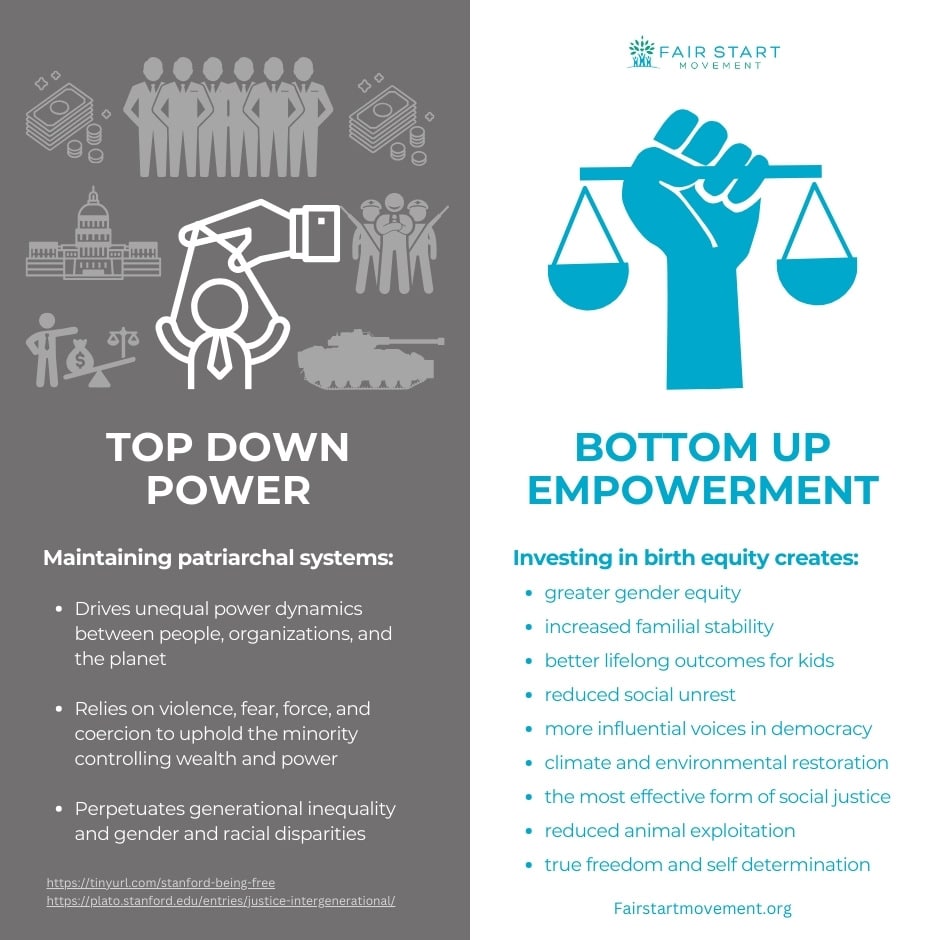
Fair Start Movement and Truth Alliance are challenging statements by COP and UN officials that the organizations argue present a misleading picture of progress by omitting the cumulative impacts of population and economic growth. Those omissions can conceal rising emissions, animal suffering, and disproportionate harm to communities of color and children born without the resources or political influence to protect themselves. The organizations are pursuing legal and regulatory accountability for claims they believe materially misrepresent these impacts.
In their May 20 joint letter, COP31 President-designate Murat Kurum and President of Negotiations Chris Bowen outlined commitments to implementation and inclusion. Kurum promised “concrete, measurable, and implementation-oriented outcomes.”
Fair Start Movement and Truth Alliance ask how those outcomes will account for children’s starting conditions and affected communities’ actual power over decisions.
The proposed EU notice also examines an October 8 United Nations Human Rights post discussing the Human Rights Council’s recognition of environmental rights. The post stated: “That recognition changed the human rights equation.” The post acknowledges the gap between recognition and reality. The organizations argue that closing—and measuring—that gap must be central to any assessment of progress.
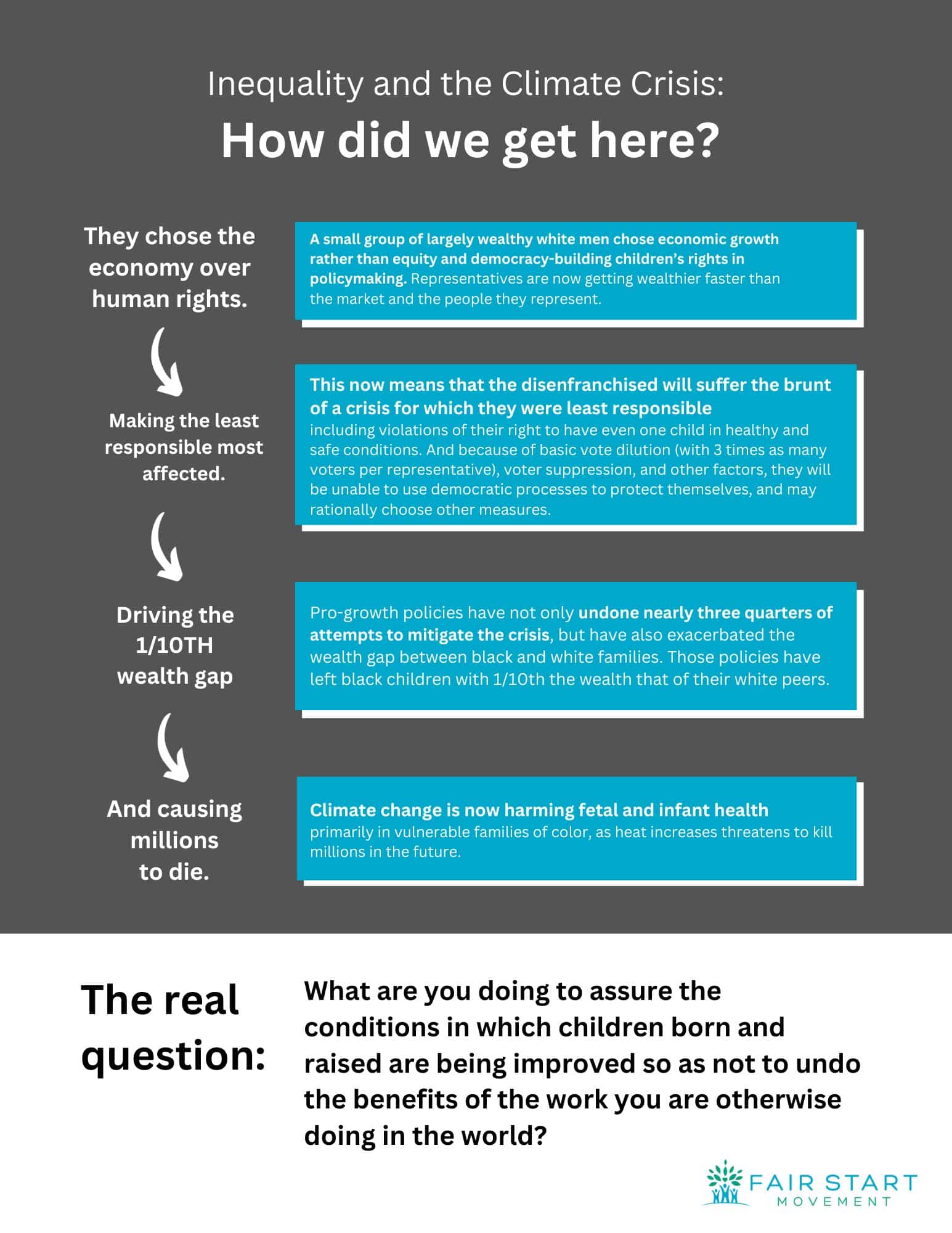
The notice asks the European Commission to explain how environmental claim standards address aggregate harm, material omissions, equality, and children’s rights. It also requests meaningful participation by affected communities in correcting deficiencies.
Fair Start Movement and Truth Alliance are also challenging UN messaging that they argue presents progress on human rights and environmental protection without fully accounting for the harms imposed on vulnerable communities and future generations.
Through Bartuin’s participation at COP31, the campaign connects these institutional questions to the communities living with their consequences.