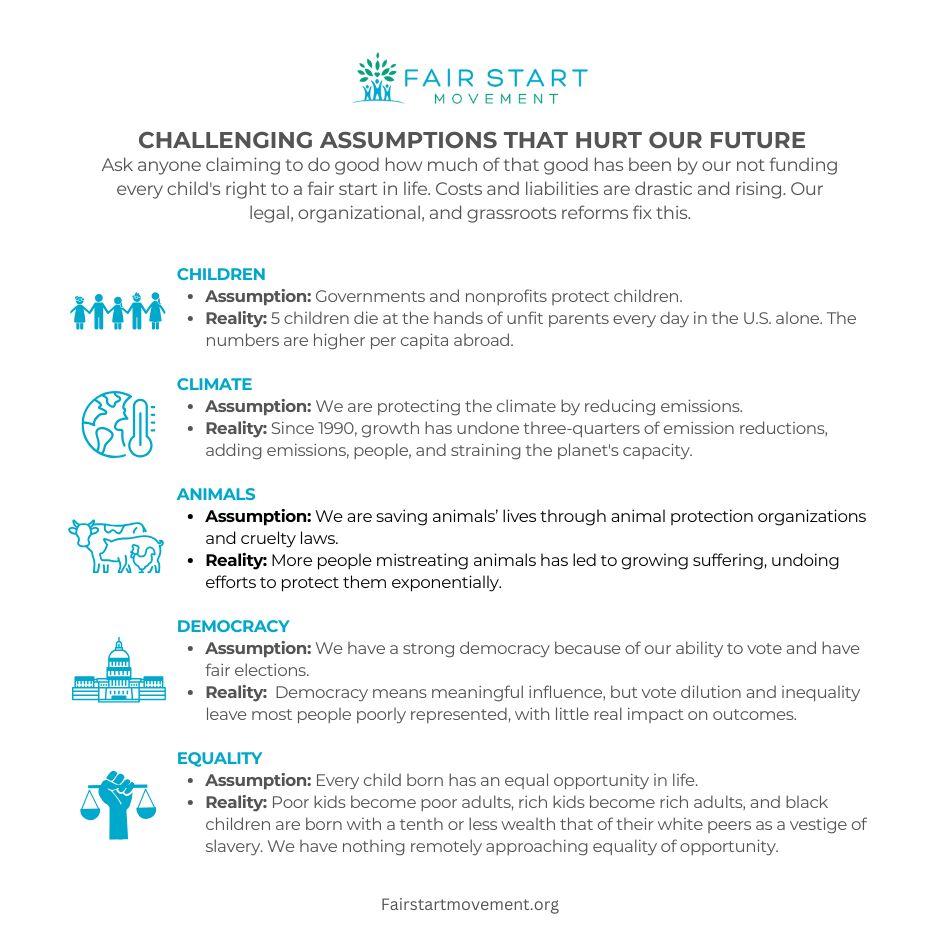
Birthright equity is the inherent right that every child deserves from birth. It is a fair and equitable start in life, pursuing fundamental rights and equal opportunities necessary to thrive by virtue of being born. The Convention on the Rights of the Child stresses the importance of giving children a fair and equitable start in life, with parents and society playing a vital role in ensuring their welfare. The objective of this study is to explore the concept of birthright equity, examining the five principles of child rights equity, their origins, and their connection to ancient Vedic texts. Challenges related to these principles are discussed, along with potential solutions. Information was gathered by drawing on experiences and archival literature reviews using the snowball technique from the past (yesterday), understanding the axiomatic truth of birthright equity in the present (today), and fostering hope for the transformation of challenges through dialogue for the future (tomorrow). Key child rights doctrines of birthright equity include non-discrimination, prioritizing the child’s best interests, fostering a healthy environment, and ensuring overall well-being. To comply with the above-mentioned doctrines, the study of the birthright equity principles focuses on concepts like truth, biophilia, reparation, self-determination, and a bottom-up approach. The state-of-the-art paper is grounded on the principle of “I know that I do not know” or “I am simply a student of the principles of birthright equity,” which allows scholars ongoing refinement for future studies.
Introduction
Birthright equity refers to the inalienable, non-derogatory, and inherent rights that every child is born with. It goes beyond legal status to include material needs and social conditions. Birthright equity combines the principles of birthright and birth equity. Birthright pertains to citizenship acquired by being born in a specific nation, while birth equity involves ensuring equal access to maternal and infant healthcare environments, as well as improved social circumstances. Birthright equity emphasizes human rights as equality, liberty, security, and dignity, with peace, freedom, non-violence, and democracy at its core.
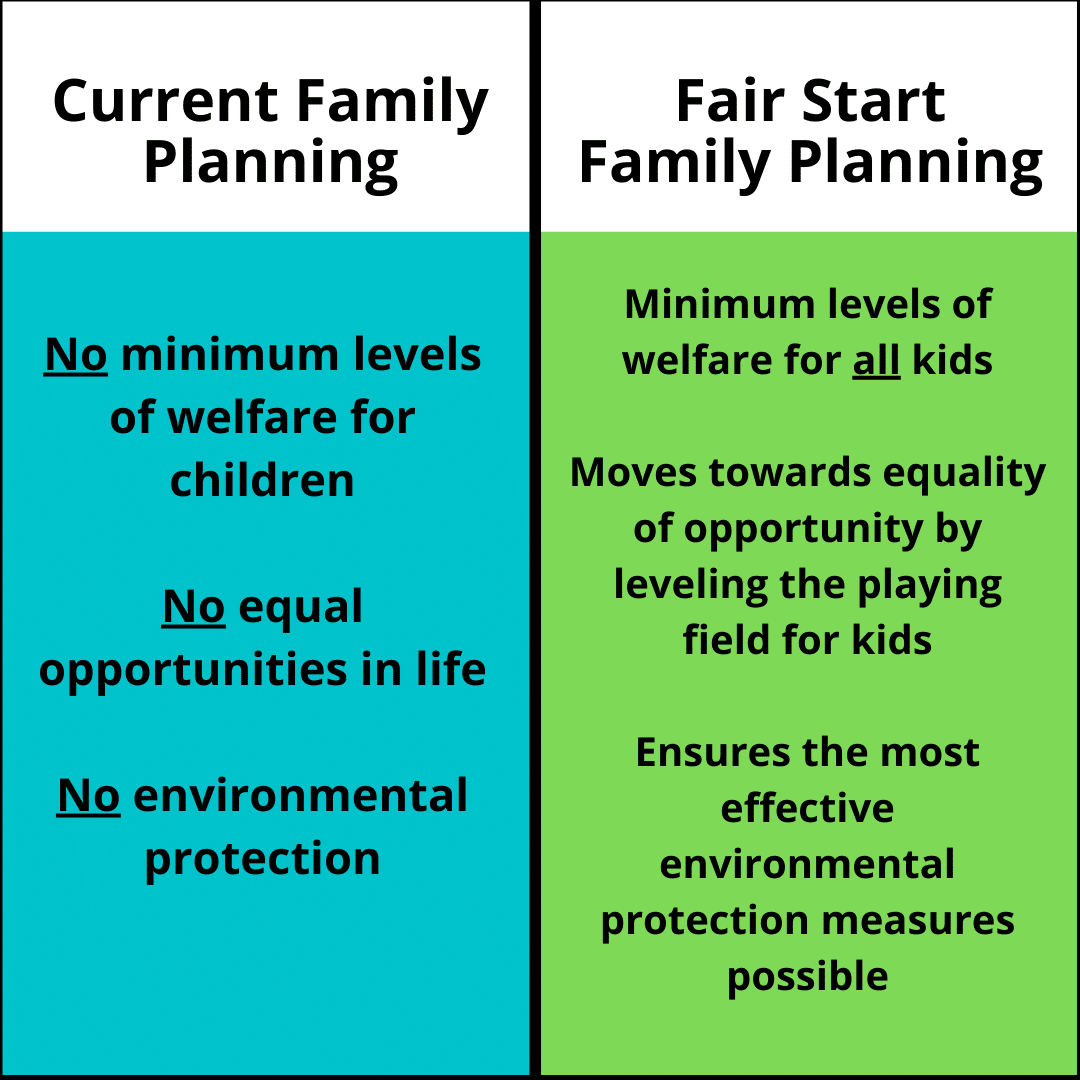
Essentially, the concept of birthright equity suggests that true freedom, democracy, and justice require that all individuals have a fair and equitable start in life from birth. This means being free from any avoidable inequalities, disparities, discrimination, and injustices. The goal is to create a world where every child has the opportunity to thrive and reach their full potential by progressing through healthy environments and social trust, while avoiding dual-layered equity-fraud and impact-bias prejudices (Afolaranmi et al., September 9, 2025), rather than hindering or preventing the birth process.
In today’s world, there is a growing focus on birthright equity, especially in developed countries where having children is not a top priority for many couples. This study aims to consider all perspectives and analyze equitable growth, healthy environments, and social trust for birthright families, societies, nations, and the global community. The general objective of the research on birthright equality is to highlight the moral and ethical principles related to the birth of every individual. It is essential that everyone has the right to a fair and equal start in life, with the freedom to determine their own path.
The specific objective of this study is to investigate the concept of birthright equity by examining the five principles of child rights equity, their origins, and their link to ancient Vedic texts. It also discusses challenges related to these principles and proposes potential solutions. The study focuses on creating conditions for healthy development, addressing structural and racial inequalities based on birth position and family connections, and exploring ethical responsibilities in the context of climate change and sustainable resource management. The research methodology includes experience-based observation, networking tracking methods, and a literature review.
Theory of Truth
The truth is a crucial element in ensuring justice for all individuals from the start. Birthright equity is a key concept in social justice frameworks, highlighting the significance of honesty, transparency, and recognition of systemic injustices in achieving true equity from birth. This principle is at the core of the Fair Start Movement’s discussions on social justice. Justice is a central argument that cannot begin with a half-truth or lie; truth is absolute. Every birth deserves a fair start in life, growing up in a secure environment with access to healthy socio-economic and physical conditions for achieving true birthright equity (https://fairstartmovement.org/).
In Metaphysics Book VI, Aristotle presents a fundamental concept of truth: “To say of what is that it is not, or of what is not that it is, is false, while to say of what is that it is, and of what is not that it is not, is true” (Cohen, October 8, 2000). “In today’s complex world, the importance of truth is more critical than ever. This principle applies to leaders, corrupt officials, and brokers who often deceive the country and its people. Truth is a fearful word for them. Conversely, those who are honest, loyal, patriotic, and dedicated to the people of the universe are constantly seeking, learning, sharing, and writing about the truth. Pursuing truth is a noble endeavor that shapes a positive history, promotes peace, and ensures the prosperity of future generations. The word “truth” comes from Germanic roots meaning stability and faithfulness. It originally meant loyalty, fidelity, and veracity (https://www.etymonline.com/word/truth).
“Satya” is a Sanskrit word that translates to “truth” in Vedic teachings. It represents the concept of eternal truth encompassing the ultimate truths of Consciousness, Brahman, Atman, and Purusha. Satya is the virtue of truthfulness in all aspects of life, including thought, speech, deed, and action, as an integral part of Dharma, or moral duty. It is a fundamental principle that underlies the cosmic order and natural law, transcending time, space, and individual distinctions (http://veda.wikidot.com/satya). Satya is both a metaphysical and ethical principle of truthfulness (Mukunda, August 5, 2018). In Vedic philosophy, there are two types of truth: Paramarthika Satya (supreme, eternal truth) and Vyavaharika Satya (mundane or relative truth). The Vedic texts emphasize the importance of speaking the truth, stating that it is the most essential quality of a yogin and the supreme virtue. A truthful person is believed to be free from worries and anxieties, possessing a calm mind (https://www.vedanet.com/satya-and-the-eternal-truth/).
The preamble of the Convention on the Rights of the Child (CRC) affirms that everyone is entitled to rights and freedoms without discrimination. The Declaration of the Rights of the Child emphasizes the need for special care for children due to their immaturity. Article 7 of the Convention highlights a child’s right to birth registration, a name, nationality, and parental care. Article 26 of the International Covenant on Civil and Political Rights (ICCPR) ensures equal protection under the law without discrimination. The law must prevent discrimination based on various factors. Similar principles are echoed in the International Covenant on Economic, Social, and Cultural Rights (ICESCR). The Universal Declaration of Human Rights states that everyone is entitled to fundamental birthrights without distinction based on various factors.
The CRC is an international treaty that aims to protect and promote the rights of children. Equity is a fundamental principle of the CRC, ensuring that all children, regardless of their age, have equal access to rights and opportunities. Non-discrimination, as outlined in Article 2 of the CRC, is a key aspect of equity, ensuring that children are treated equally regardless of their background or status. Articles 3, 6, and 12 of the CRC emphasize the importance of children’s well-being, survival, and participation.
Similarly, the Universal Declaration of Human Rights (UDHR) emphasizes the inherent dignity and rights, freedom, and protection of all individuals, without discrimination (Articles 1, 2, & 7). The ICCPR focuses on equality and non-discrimination rather than equity but aims to achieve fair outcomes. The UN Human Rights Committee interprets the concept of equality in the ICCPR as a principle of equity.
The ICESCR directly addresses equality and non-discrimination, with the Committee on ICESCR promoting substantive equality that aligns with the concept of equity. Equity involves fair, inclusive, and non-discriminatory implementation of rights to promote social justice and create inclusive environments. It encompasses social, economic, and educational aspects to ensure that every birth has the opportunity to thrive.
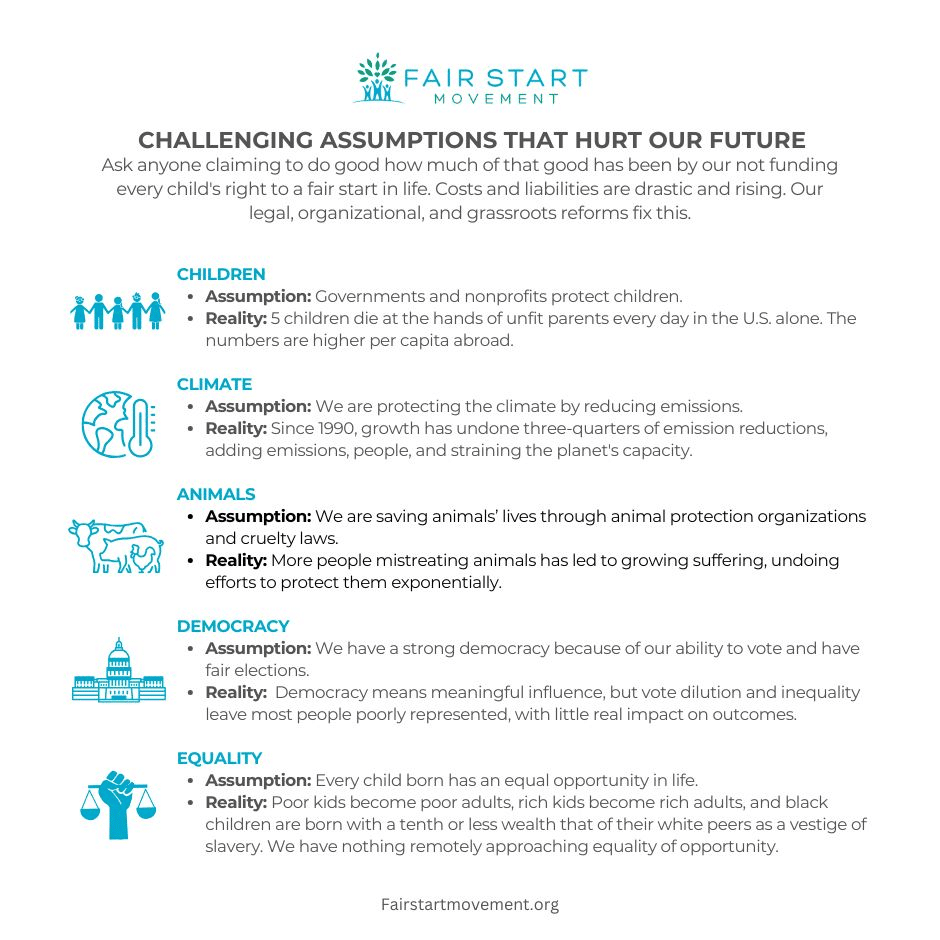
The main challenge to truth in birthright equity is the failure of current systems to provide equal opportunities, which results in a gap between the ideal of universal equity and predetermined life outcomes based on birth circumstances. This marginalizes vulnerable individuals born in disadvantaged areas and highlights the flaws in systems that perpetuate inequality and environmental degradation.
Achieving birthright equity requires addressing systemic injustice and working towards a more equitable society. Overcoming the “truth” challenge involves recognizing and addressing existing inequalities through actions such as promoting transparency, accountability, legal reforms, and policy changes that prioritize disadvantaged birth equity. Resolving the truth challenge requires a holistic approach that includes honesty and systemic efforts to bridge the gap between the moral ideal of equal opportunities and deep-rooted inequality
Theory of Biophilia
Biophilia, love of life, is the inherent and inalienable human need to connect with nature. All individuals should be granted equal access to basic rights and opportunities from birth. It is a natural instinct to seek connections with life-affirming activities, and these opportunities should be accessible to all communities, regardless of socioeconomic status, profession, religion, race, color, or geographical location. Access to nature is a fundamental human need, but not everyone has equal access to health, education, well-being, and natural environments, leading to an injustice that violates this “birthright equity.”
The term “biophilia” was coined independently by German psychologist Erich Fromm and American biologist E.O. Wilson. Fromm used it to describe the psychological attraction to all living and vital things, while Wilson focused on the evolutionary adaptation context (Fromm, 1964 & Wilson, E. O. (1984). The concept behind biophilia originated with different individuals at different times.
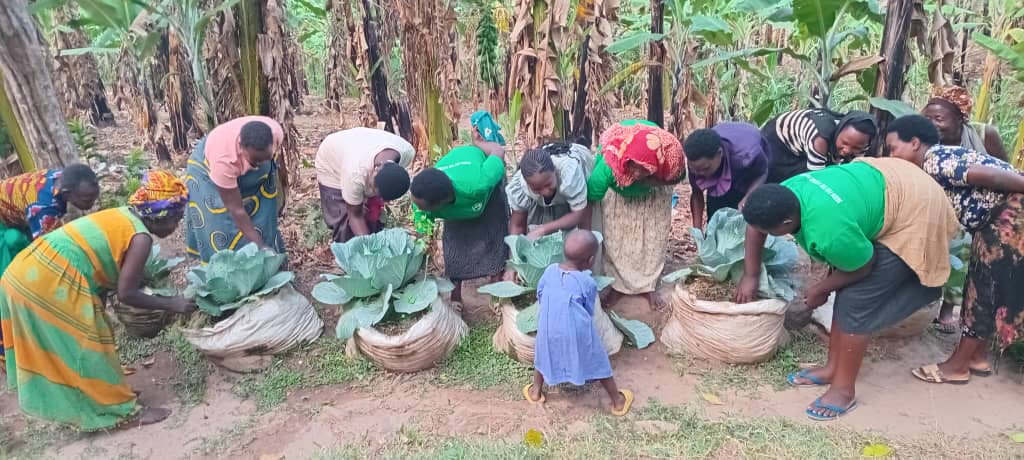
The implications of the biophilia concept assert that access to nature is a fundamental human entitlement necessary for health and well-being. It must address systemic inequalities that limit marginalized communities’ access to green spaces and clean environments. Access to nature is crucial for physical, cognitive, and emotional development, ensuring that every child has a fair start. Environmental justice advocacy involves advocating for policies that provide equitable access to nature for all and protecting the climate as a universal birthright for current and future generations (Zhuang et al. 2023).
The Vedic philosophy emphasizes the deep connection between humans and nature (Hemsley, October 30, 2019). In the Vedas, nature is considered divine, with elements like earth, water, fire, air, and space possessing divine qualities. Instead of seeing nature as something to conquer, it is viewed as a manifestation of the divine, inspiring reverence and a holistic approach to life. A profound statement in the Atharva Veda (12.1.12) underscores the bond between humans and the earth, stating, “My mother is earth, and I am her son” (Pokhrel, Undated). The Yajur Veda in 36.18 promotes a friendly and harmonious relationship with all living beings (Balauni, 2023). This philosophy encourages a sense of interconnectedness and respect for the natural world.
Biophilia argues that social justice requires ensuring a connection to nature from birth. It reinforces intergenerational responsibility and the moral duty of current generations to protect the environment and ensure a stable climate for the birthright of future generations (Yang et al. 2022).
The notion of biophilia supports the idea that everyone has a right to nature, but it also highlights the challenges in making this a reality for all. There is a gap between the moral argument for biophilia and the practical implementation of ensuring equal access to nature for everyone, especially in a world marked by systemic inequalities. Despite the universal need for nature, not everyone has equal access to it from birth.
The transition from biophilia to birthright equity involves implementing policies and initiatives that ensure equal access to nature for all individuals, regardless of their background, location, or place of residence. This shift requires a comprehensive approach that emphasizes collective responsibility and is supported by robust policy frameworks, legal measures, and community engagement. Ultimately, the goal is to establish a universal reality where everyone has the opportunity to benefit from a healthy and natural environment from the start of their lives.
Theory of Reparation
The theory of reparative birthright equality suggests that all individuals should have equal access to resources and opportunities from birth. It calls for addressing historical harms and injustices and systemic inequalities, such as slavery, colonization, systemic racism, and environmental degradation, through reparative measures to ensure that everyone begins life on an equitable footing. This theory is commonly used to support policies and practices that aim to rectify past wrongs and establish a fairer and more just society for all (GSDRC, August 2016).
Reparation is a restoration or repair that acts as making amends for an injury or wrongdoing by providing compensation, services, or symbolic gestures. It is often associated with legal or political contexts. Under international human rights law, there is an obligation for a state or responsible party to provide adequate, effective, and prompt reparation to victims of gross human rights violations or serious humanitarian law violations. The United Nations outlines five forms of full reparations. Restitution, compensation, rehabilitation, satisfaction, and guarantees of non-repetition. These demands emphasize national reckoning and structural changes, not just individual payments. Therefore, all victims of human rights violations have a right to reparation (www.ictj.org/reparations).
Reparations for birthright equity is a contemporary moral and ethical argument advocating for compensation for historical and systemic injustices and inequalities. The demand for reparations stems from severe human rights violations such as armed insurgency and slavery, leading to the establishment of organizations like the National Coalition of Blacks for Reparations in America (N’COBRA) in 1987 (ICJ, 2002). The movement for reparations for Black Americans dates back to the immediate aftermath of the Civil War, with initiatives like General Sherman’s Field Order No. 15 granting land to formerly enslaved families. In modern times, advocacy efforts continue through initiatives like H.R. 40, introduced by Congressman John Conyers in 1989 to study the possibility of reparations for Black Americans (Dybska, 2025). After armed conflict, approximately 90 countries, including Nepal, Sri Lanka, Bangladesh, South Africa, Kenya, and Indonesia, have either completed or are in the process of implementing transitional justice and reparation programs (Pathak, July 15, 2019).
Reparation in Vedic literature involves compensating for past wrongs, known as Prayascitta, and repaying debts (Deep, 2017). It is a form of justice that corrects wrongdoing, similar to the idea of social justice in the modern world. Vedic philosophy includes concepts like karma and dharma, which relate to actions, consequences, and moral order. However, the modern sense of reparation as a legal or political term for compensating for past injustices is not a direct or primary meaning of the word “Veda” ( https://vedicheritage.gov.in/introduction/).
Reparation is a critical component of transitional justice. Connecting reparation to birthright equity presents moral, practical, and politico-legal challenges. Balancing the universal goal of equal opportunity with the need to address past wrongs through targeted remedies is the main dilemma. The key challenge lies in reconciling the universal principle of birthright equity with the complexities of implementing reparations. While the moral imperative of birthright equity necessitates addressing historical injustices, the practical considerations of defining, targeting, and gaining political support for reparations present significant obstacles that could hinder the pursuit of universal justice.
To address the challenge of connecting reparations to birthright equity, a comprehensive approach is necessary. This approach should involve targeted historical redress along with universal policies that promote lasting fairness for all individuals. The goal is to acknowledge that while achieving a fair start for everyone is the ultimate aim, certain historical injustices necessitate customized reparations to reach this objective. Reparations should not solely focus on financial compensation but should also address the root causes of ongoing inequality. By combining specific redress for past wrongs with universal policies that guarantee equal opportunities for all, we can overcome the barriers to linking reparations and birthright equity, ultimately advancing genuine justice and fairness in society.
Theory of Self-determination
Self-determination theory (SDT) is a well-known psychological and legal framework that connects human personality and motivations to the choices individuals make. It focuses on individuals’ natural tendencies towards growth, connections, and innate psychological needs. In the early 1970s, Edward Deci and Richard Ryan introduced the concept of self-determination, emphasizing three fundamental human motivation needs: competency, autonomy, and relatedness (1985, 2000, & 2012). President Woodrow Wilson advocated for the self-determination of nations in his 14-point speech to Congress on January 8, 1918 (https://avalon.law.yale.edu/20th_century/wilson14.asp). SDT highlights how social and cultural factors can either support or hinder individuals’ sense of autonomy and motivation for personal growth, well-being, progress, and development.
The concept of birthright equity Self-determination is a synthesized notion that argues for capacity growth as an inherent human entitlement from birth. However, achieving this right universally requires that all individuals be born, grow, live, work, and age into conditions of equity and fairness (Chichian, June 13, 2024). The central concept of self-determination is a fundamental birthright equity that ensures every individual has the necessary resources and opportunities to exercise throughout their lives. Self-determination is the birthright that allows individuals to freely determine their political status and pursue social, cultural, and economic development (Article 3 of UNDRIP, 2006).
The concept of self-determination in the Vedas is primarily explored through the philosophical principles. Such principles include atman (the self), karma (action), yoga (union), sattva (purity), and purushartha (human effort or free will) (Periyandavar & Patil, 2023). The Vedic scriptures emphasize self-realization rather than modern political rights, promoting a profound self-determination that allows individuals to shape their ethical destiny, attain self-knowledge, and achieve liberation through their own efforts, actions, and choices (Tathagatananda, Undated & Philosophical Investigations, October 4, 2008).
The lack of birthright equity hinders self-determination, leading to systemic inequalities and significant disadvantages from birth. This limits an individual’s control over their life, liberty, dignity, and destiny. Without birthright equity, newborns lack essential resources like nutrition, clean-and-green environments, and healthcare needed for meaningful self-determination from infancy to adulthood. This perpetuates a cycle of inequality, as those born into poverty or marginalized communities face lifelong challenges due to entrenched power imbalances and exclusion from decision-making processes. Without proactive efforts to address birthright equity, the promise of the right to self-determination remains unfulfilled for many, constraining their life outcomes and perpetuating disadvantage.
Resolving challenges to birthright equity through self-determination involves addressing both theoretical rights and practical-behavioral barriers. The goal is to ensure that everyone has the resources and opportunities to exercise self-determination from the start. This transformation of society aims to make self-determination a universal reality for all, rather than a privilege for some. Therefore, birthright self-determination is a principle where a pregnant, especially female, individual has the fundamental right to make decisions about their own body, healthcare, and birthing process. They should be fully informed about all procedures, risk factors, time-consuming aspects, and alternatives and have autonomous rights not to introduce immediate, short-term, or life-threatening emergencies.
Theory of Bottom-up Approach
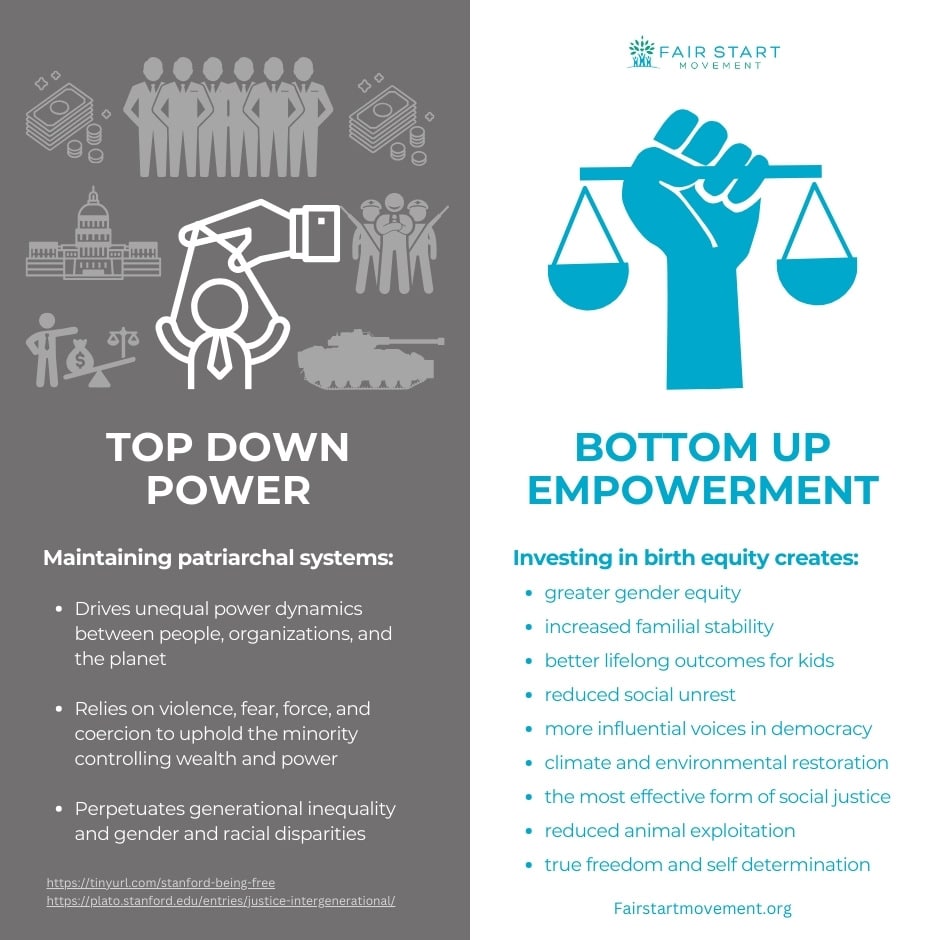
The theory of the bottom-up approach is a model that emphasizes inclusivity, flexibility, and collective action to achieve equity. It involves grassroots participants in decision-making, policy development, information processing, system implementation, and problem-solving. This approach begins at the grassroots level to address issues and then progresses upward to create a comprehensive solution (Eby, June 28, 2018).
The bottom-up approach to birthright equity highlights change initiated by grassroots participation and local mobilization as the main drivers of political and legal change for ordinary individuals and communities, rather than directives from central authorities (https://fiveable.me/key-terms/introduction-comparative-politics/bottom-up-approach). This approach includes grassroots movements that stem from the concerns and desires of marginalized communities, particularly those facing poor birth outcomes and systemic inequality. It also stresses the active involvement of local community members in identifying problems, developing solutions, and implementing programs tailored to specific local needs.
The bottom-up approach is a commonly used methodology in different fields, with specific applications evolving over time. In psychology, Eleanor J. Gibson introduced the formal theory of bottom-up processing in 1966 (Cherry, February 3, 2025). The bottom-up approach to birthright equity is a modern social justice and policy advocacy concept focused on ensuring a fair start for all.
During the Vedic period, especially in its early phase, there were elements of governance and social organization that mirrored principles of community-level input and decentralized decision-making. Following a bottom-up approach, it is suggested to begin by reading the Upanishads and then the Vedas (https://hinduism.stackexchange.com/questions/3771/what-order-should-i-read-the-vedas-and-upanishads-in).
Bottom-up efforts can often become fragmented, disorganized, and lose focus on overarching organizational or societal goals. This consensus-building process can significantly slow down project implementation, particularly in time-sensitive situations or crises. Managing and integrating numerous individual inputs, ideas, and departmental plans can be complex and challenging to coordinate, leading to confusion, duplicated efforts, and a lack of consistency. This can make uniform implementation and quality control difficult across different contexts. In large organizations with thousands of employees, a clear hierarchy is often necessary for efficiency, which can make a bottom-up approach less effective. Additionally, bottom-up initiatives may be influenced by local interests or more vocal groups, potentially overlooking the needs of marginalized individuals within the community (Blackmore, March 17, 2025).
Power and decision-making are shared among participants, with leadership emerging from within the community. While recognizing systemic issues, the bottom-up approach often starts with local problems, such as access to quality healthcare and trauma-related needs. Grassroots activism plays a crucial role in mobilizing public support and advocating for political and structural reforms to ensure equitable opportunities for all children.
A bottom-up approach to birthright equity focuses on community-led initiatives, individual actions, and grassroots organizing to promote fairness and equal opportunity from the ground up. It prioritizes local engagement and individual empowerment, believing that meaningful change begins at the grassroots level and can lead to broader systemic changes. By empowering individuals, families, and communities to drive change, this approach aims to create immediate impact and influence larger policy changes in the future. It underscores the importance of local involvement and ownership in addressing inequities and ensuring a fair start for all individuals.
Conclusion
The paper argues for justice from birth, stating that every child should have a healthy environment regardless of their mother’s economic status or background. It stresses equality among children and criticizes the prioritization of power over justice in legal and economic systems. The text supports protecting newborns, ecosystems, and nonhuman species by giving priority to parental autonomy during childbirth. Justice requires holding individuals accountable for past wrongs through fact-checking, impact fraud, and enforceable standards.
Changes in birth and family policy are aimed at ensuring birthright equity, ecological sustainability, and democratic legitimacy. Equity at birthright is crucial for environmental, climate, and racial justice. Legitimate governance should begin with participatory standards from birth to give every embryo a chance to thrive rightfully. Sustainable resource management is vital for achieving environmental equity and justice by providing equal access to a safe environment for all individuals from birth. Fair distribution of benefits to future generations and equitable sharing are necessary for ensuring a habitable planet through intergenerational and intragenerational equity.
References:
- Afolaranmi, Esther; Nabakooza, Zaharah; & Robert, Mwesigye. (2025, September 9). “How Birth Equity Determines the Future of Justice and Democracy”. LAP Progressive. Retrieved November 2, 2025, from https://www.laprogressive.com/gender-discrimination/birth-equity.
- Balauni, Mukunda B. (2023). “Vedic Beliefs on Environment and Sustainable Development”. Journal of Development and Social Engineering. Volume 9. No. 1.
- Blackmore, Laura. (2025, March 17). Top-Down Vs Bottom-Up Approach In Management: Key Differences. Retrieved November 6, 2025, from https://www.cascade.app/blog/top-down-vs-bottom-up.
- Cherry, Kendra. (2025, February 3). How Bottom-Up Professing Works. Retrieved November 8, 2025, from https://www.verywellmind.com/bottom-up-processing-and-perception-4584296.
- Chichian, Gohar. (2024, June 13). “Change can’t wait: how to collaborate for health equity”. Catchafire. Retrieved November 4, 2025, from https://blog.catchafire.org/collaborate-for-health-equit.
- Cohen, S. Marc. (2000, October 8). “Aristotle’s Metaphysics”. Stanford Encyclopedia of Philosophy. Retrieved October 21, 2025, from https://plato.stanford.edu/archives/spr2014/entries/aristotle-metaphysics/.
- Convention on the Rights of the Child. (1989). Retrieved October 31, 2025, from https://www.ohchr.org/en/instruments-mechanisms/instruments/convention-rights-child.
- Deci, E. L. & Ryan, R. M. (2012). Motivation, personality, and development within embedded social contexts: An overview of self-determination theory. Oxford: Oxford University Press.
- Deci, E. L., & Ryan, R. M. (1985). Intrinsic motivation and self-determination in human behaviour. Springer.
- Deep, Ajay. (2017). “Vedic History of Debts and CSR, Legal Regulation, and CSR Initiative by Maharatna Company”. International Journal of Current Research. Volume 9. Issue 7. Retrieved October 22, 2025, from
- Dybska, Aneta. (2025). “The ADOS Movement: Policing the Boundaries of Lineage”. European Journal of American Studies. https://doi.org/10.4000/14eim.
- Eby, Kate. (2018, June 28). Which Management Style Is Right for You: Top-Down or Bottom-up Approach. Retrieved November 7, 2025, from https://www.smartsheet.com/top-down-bottom-up-approach.
- Fair Start Movement. Retrieved October 25, 2025, from https://fairstartmovement.org/.
- Fromm, Eric. (1964). The Heart of Man: Its Genius for Good and Evil. New York: Harper and Row.
- (2016, August). Transitional Justice. University of Birmingham. Retrieved October 6, 2025, from https://gsdrc.org/wp-content/uploads/2016/08/TransitionalJustice_GSDRC.pdf.
- Hemsley, Jasmine. (2019, October 30). Biophilia: How to connect with plant and nature. Retrieved November 1, 2025, from https://www.jasminehemsley.com/la-vida-veda/2019/10/30/biophilia-how-to-connect-with-plants-amp-nature.
- (2002). Background information concerning to the right to remedy and reparation. Retrieved November 6, 2025, from https://www.icj.org/resource/background-information-concerning-the-right-to-remedy-and-reparation/.
- (Undated). Reparation. Retrieved November 5, 2025, from https://www.ictj.org/reparations.
- International Covenant on Economic, Social, and Cultural Rights. (1966). Retrieved October 30, 2025, from https://www.ohchr.org/en/instruments-mechanisms/instruments/international-covenant-economic-social-and-cultural-rights.
- International Covenant on the Civil and Political Rights. (1966). Retrieved October 30, 2025, from https://www.ohchr.org/en/instruments-mechanisms/instruments/international-covenant-civil-and-political-rights.
- (2018, August 5). Satya, Rta and Dharma: Foundations of All Things. Retrieved November 7, 2025, from https://meru.media/satya-rta-and-dharma-foundations-of-all-things/.
- Origin and History of Truth. Retrieved November 6, 2025, from https://www.etymonline.com/word/truth.
- Pathak, Bishnu. (2019, July 15). “Biswaka Sankramankalin Aayogharu: Satya, Nyaya ra Aviojan Sandhai Ojhelma (Anatomy of the World’s Transitional Justice Commissions: The Ever-Present Shadow on Truth, Justice and Prosecution)”. Journal of Satyako Khoji. Year 1. No. 1. Kathmandu: CIEDP Journal.
- Periyandavar, Keerthana & Patil, Anuya A. (2023). “Leadership and Motivation in the Vedic Tradition: Implications for Industrial and Organizational Psychology”. Brahmavidya. Volume 87. Issue. 3.
- Philosophical Investigations. (2008, October 4). Handout: Free Will and Self-Determinism. Retrieved November 8, 2025, from https://peped.org/philosophicalinvestigations/free-will-and-determinism/.
- Pokhrel, Bishnu Pd. (Undated). Nature in the Vedas: Sources of Life and Psychic Healing. Kathmandu: Saraswati Multiple Campus.
- Retrieved October 23, 2025, from https://vedicheritage.gov.in/introduction/.
- Retrieved October 7, 2025, from https://fiveable.me/key-terms/introduction-comparative-politics/bottom-up-approach.
- Ryan, R. M. & Deci, E. L. (2000). “Self-determination theory and the facilitation of intrinsic motivation, social development, and well-being”. American Psychologist. Volume 55. Issue 1. doi:1037/0003-066X.55.1.68.
- Satya and the Eternal Truth. Retrieved November 7, 2025, from https://www.vedanet.com/satya-and-the-eternal-truth/.
- Shahi, Hari Bhakta. (Undated). “Significance of Bottom- Up Approach for Policy Implementation”. PAAN Journal. Volume 30.
- The Veda. Retrieved November 8, 2025, from http://veda.wikidot.com/satya.
- (2006). UN Declaration on the Rights of Indigenous Peoples. Retrieved from November 4, 2025, from www.ohchr.org/sites/default/files/Documents/Publications/Declaration_indigenous_en.pdf.
- Universal Declaration on Human Rights. (1948). Retrieved October 31, 2025, from https://www.amnesty.org/en/what-we-do/universal-declaration-of-human-rights/.
- What order should I read in Vedas and Upanishads. Retrieved October 27, 2025, from https://hinduism.stackexchange.com/questions/3771/what-order-should-i-read-the-vedas-and-upanishads-in.
- Wilson E. O. (1984). Biophilia. Cambridge: Harvard University Press.
- Yang, H.; Chen, T.; Zeng, Z.; & Mi, F. (2022). “Does urban green space justly improve public health and well-being? A case study of Tianjin, a megacity in China”. Journal of Cleaner Production. Volume 380. Part I. doi: 10.1016/j.jclepro.2022.134920.
- Zhuang, Y; Xie D; & Yu, X. (2023). “Urban Tree Canopy and Environmental Justice: Examining the Distributional Equity of Urban Tree Canopy in Guangzhou, China”. International Journal of Environmental Research and Public Health. Volume 20. No. 5. doi: 3390/ijerph20054050.
_______________________________________________
 Prof. Bishnu Pathak was a former Senior Commissioner at the Commission of Investigation on Enforced Disappeared Persons (CIEDP), Nepal who has been a Noble Peace prize nominee 2013-2019 for his noble finding of Peace-Conflict Lifecycle similar to the ecosystem. A Board Member of the TRANSCEND Peace University holds a Ph.D. in interdisciplinary Conflict Transformation and Human Rights in two decades. Arduous Dr. Pathak who is an author of over 100 international paper-book publications has been used as references in more than 100 countries across the globe. Immense versatile personality Dr. Pathak’s publications belong to Human Rights, Human Security, Peace, Conflict Transformation, and Transitional Justices among others.
He can be reached at ciedpnp@gmail.com.