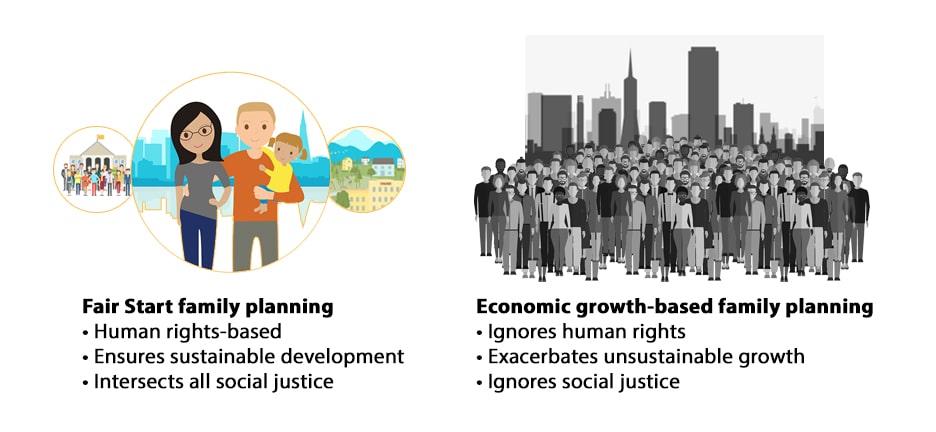
Parag Khanna’s recent push in Time to make mobility a human right in light of lower fertility rates and ageing in many nations seems well-intentioned. It’s certainly better than the legions of men crying out against a baby bust, as they urge women to have more kids to serve as cheap future labor and taxpayers. But Khana shares the same fundamental value with those men: Economic growth. And he places that over values like nature, equality, and participatory democracy.
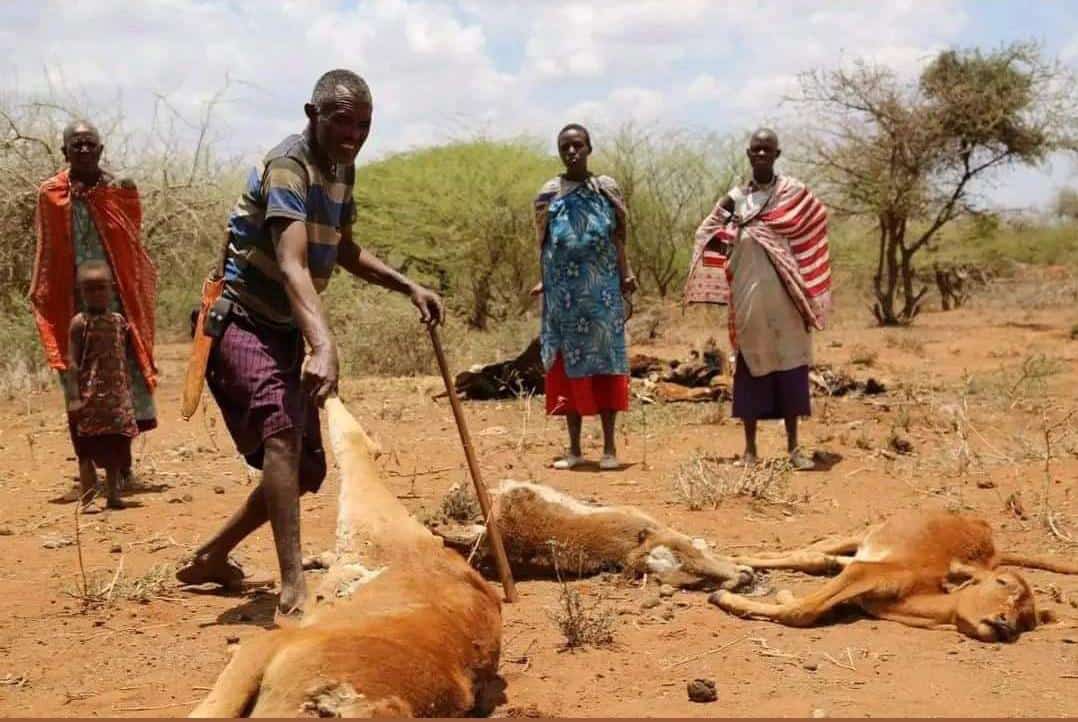
Drought in Kenya has been exacerbated by the climate crisis.
The wealth of the past several decades was made and placed in the hands of a few, according to one Nobel Laureate, by externalizing its costs on future generations. It was made by not requiring environmental regulations that would have prevented the climate crisis, and not ensuring that all children enjoy birth and development conditions consistent with the Children’s Rights Convention. Our priority should be to regulate and provide in this way, in part by compensating future generations through family planning entitlements, before we turn to mobility.
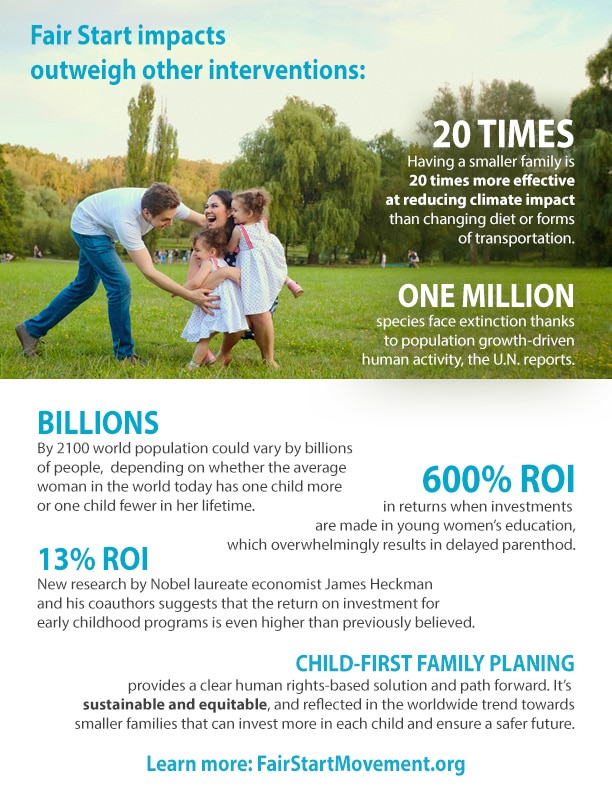
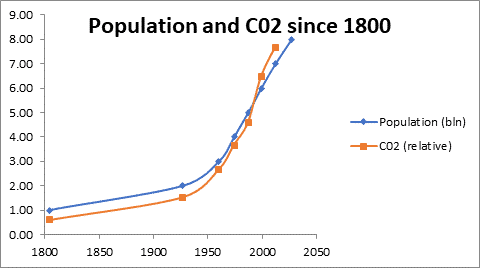
In a recent piece in USA Today Clay Routledge and Will Johnson cover the story of sea changes in American fertility rates. But while they are likely right about the cause of the trend towards being childfree or having smaller families, they proceed from two false assumptions. First, the change is beneficial not detrimental, given the climate crisis and the threat it poses to our nation. While Routledge and Johnson seem eager to return to unsustainable growth that ignores biodiverse nature, changes in fertility are one of the best chances we have to mitigate the crisis and invest more in the children who will need to be prepared for the degraded ecologies of the future.
TAKE ACTION: Urge President and News & Editor in Chief for USA TODAY, Nicole Carroll, to report on the need for Fair Start family planning reforms, the most effective solution to the crises we face today. Email her here: EIC@usatoday.com
To say patriarchy, or anthropocentrism, or exploitation, would all be correct. But is there something antecedent, something lurking upstream, that precedes these words? Perhaps it is simply the failure to take a base condition like human rights and democracy seriously, seriously enough to let it dictate our fundamental social relations, or the power structures that flow from how we are created or more specifically, pro-created.
If we took human rights and democracy in any particular nation seriously, we would start all laws, policies, and practices with one rule: We would first treat the capacity for each person’s political self-determination as directly inverse to the creation and emancipation of each child in that nation, relative to a neutral baseline such as the nonhuman world. And that would have meant that we would have been investing a lot more into family planning and child development, what the Children’s Rights Convention requires at a bare minimum.
One reason we don’t do this is that most nations live under an international consensus (called the Cairo Consensus) controlled by wealthy white people who decades ago chose to privilege their children over poor kids. Under its guidance we wrongly treat the act of having children as more self-determining for the parents rather than other-determining for the children born.
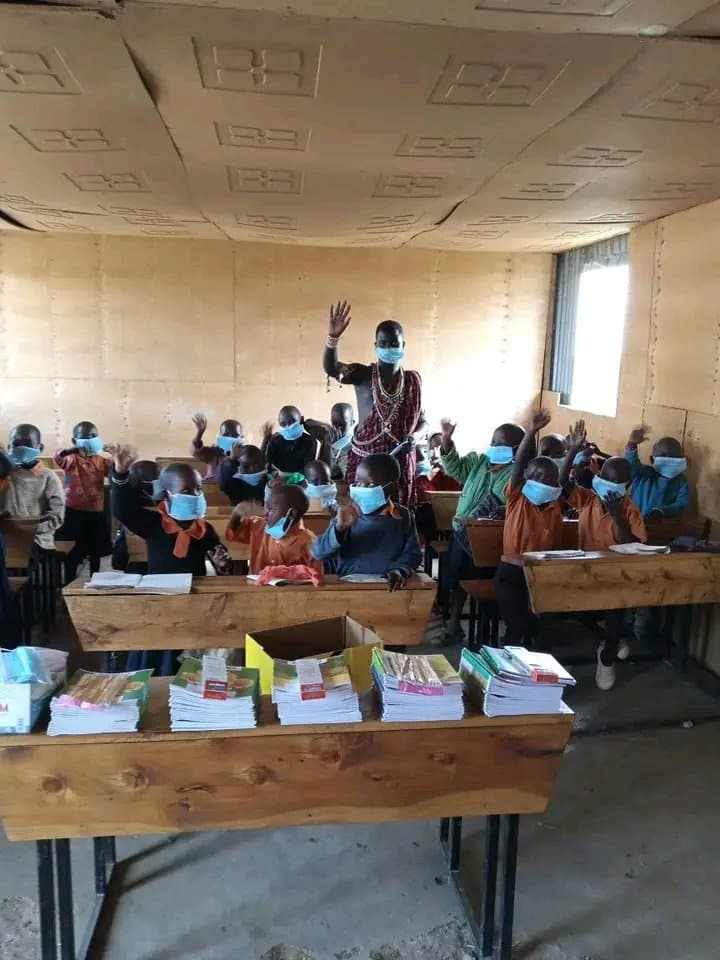
An effort in Amboseli Kenya to move to child-centric planning.
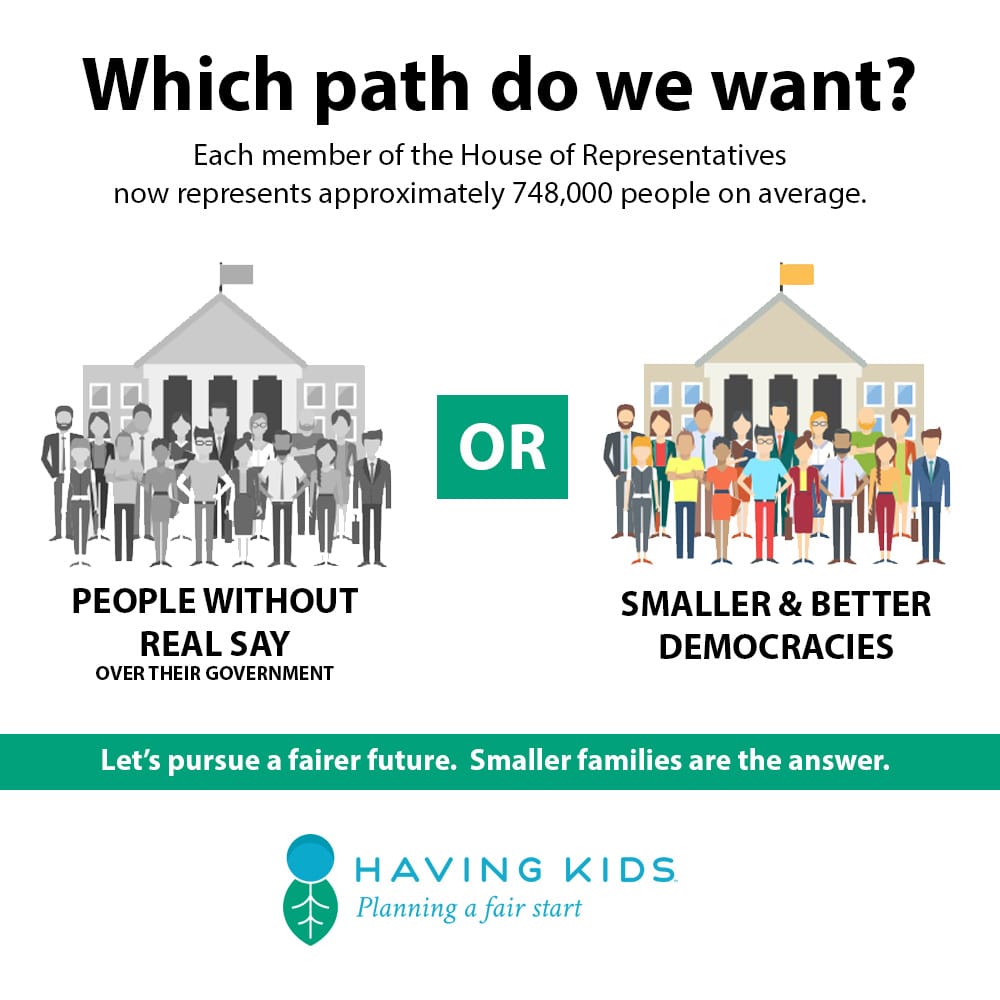
If we imagine a town hall where you were empowered to influence the rules you would have to live, each person would have less time to speak and influence the outcome as more people are added. If we believed in freedom, consensual governance and political self-determination, we would aim – through family reforms – for optimally ranged populations of people who would be relatively self-determining per the formula above. In practice polities/legalities like nation states would use the inversion to know when to divide off into a new entity. While fluid division is unusual in geopolitical affairs, it is actually quite common if we think about other forms of social organization that share power with nation states, like corporations and social movements. And we would start all laws, policies, and practices with such a requirement because who we should be precedes what we should do, and the former is best accounted for by the norms that create us.
As a practical matter this inversion, and optimal world population ranges, could have been achieved in the 20th Century with progressive scaled family planning obligations/entitlements meant to ensure ecocentrism and equal opportunities in life.
But that would have only happened if we wish for people to be actually empowered.
If people are empowered equally and thus matter politically – the hallmark of human rights and democracy – this direct inversion relative to a neutral position that makes the concept of self-determination coherent, is inevitable. We would offset each other, politically, and a first order of business before we do anything as a legitimate and inclusive group. Our creation would limit and decentralize the power others have over us. Representative government does not change this, given that we would have to be empowered – to have meaningful time at the podium – to participate in the election of representatives. And while many would argue that massive population growth enabled markets that produced true value – like mass advertising – these arguments miss the point: That to know what’s a benefit and what’s a cost first requires being a group of people capable of assessing such things. Democracy precedes and regulates economy. But because of the Ponzi scheme Chu notes above, these decisions were made for us, not by us.
If we think that creating lots of people results in innovation, like modern medicine, we should instead realize that actually educating and developing the children who are here now – through things like a college education – does so much more effectively. We will make that investment when we see past the myths: That rich children were just fortunate to be privileged, that some children are just “gifted,” that white children deserve their massive head start in life, etc. If we invest in people, right from the start, rather than exploiting them, we will start to see the things we value align.
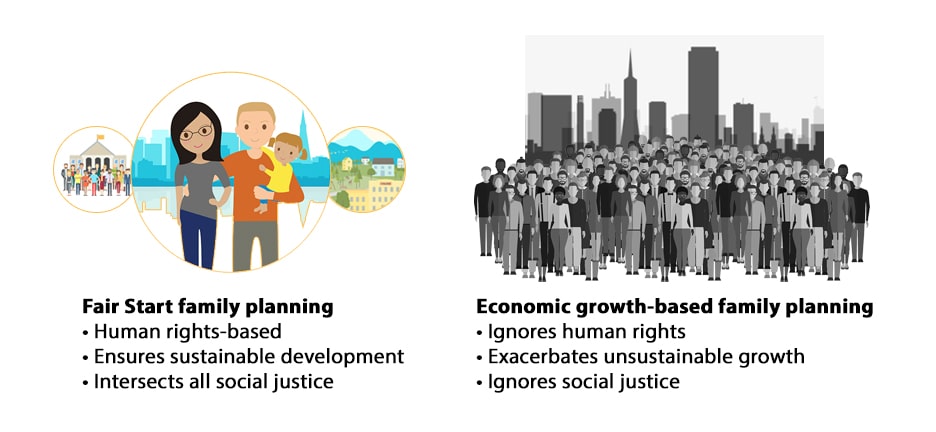
We will ignore this inversion if we are just faking human rights and democracy, because people won’t really need to matter politically. And if you Google the term “baby bust” you will see that most media in the United States (like the New York Times) do not engage in the inversion. Instead, they choose what Nobel Laureate Steve Chu called a Ponzi fraud scheme. The policies they promote seek to pump more people into the system to create profits for a few at the top. They do not account for justice in the actual creation of power relations, or the need to invest in children, but instead choose to exploit children – and their impoverished birth position – as cheap labor and drivers of consumption/demand. They chose policies that created people for shopping malls, not town halls. And that move fundamentally created the climate crisis.
But do we really have to respect rules, like the property “rights” of people like Elon Musk, if we played no meaningful role – and could play no such role – in creating such rules? People who value freedom – and the value of relative self-determination – will not.
This photograph captures interconnection, crucial social bonds that are strained as groups grow for the benefit of a few at the top.
The best reason persons would be obligated to follow laws is if their legal system intentionally includes, and reflects the will, of its constituents. That is what makes us free, and the inversion test determines whether we are being equitably empowered – or taking human rights and democracy seriously – and thus included, and thus freed. Refusal to empower people equitably means one is preconstituting (a “precon”), or refusing to constitute just communities. Free people will condition their political obligations on their capacity, as equals, to change those obligations.
While nations are apt to go to war, perhaps a sea change in our political evolution comes when we use the inversion test to determine who is free, and who is preconstituting, and use discourse (or other means?) to solve this hidden conundrum – the one that lies at the first border of human power, our creation. There is a unity of values if we start justice at the very beginning, in our creation.
Also at a macro level, urge anyone making a claims about what a policy should be to account for the actual people in their claim, for the actual power relations that are being fundamentally created by the claimant’s family planning norm. In many cases you will find that the person making the claim is misleading you, undoing the value they claim to be creating – like reducing climate emissions, and instead concentrating power in the hands of a few.
But their analysis misses the key question: How are we actually empowering people to participate in making the rules under which they must live, and limiting the power others have over them – including the destructive power inflicted by the climate crisis?
That solution could be as simple as steeply redistributive baby bond legislation designed to incentivize family planning that actually gives all children equal opportunities in life, socially and ecologically. There is no need to ignore the long run threat, while dealing with immediate ones.
Take action: Urge @dleonhardt to cover the story that really matters – how we work together to ensure a natural and democratic future.
While the Black Lives Matter movement focused on systemic racism in police violence, that violence was more direct than indirect. A more subtle form of violence involves the combination of massive economic inequity inflicted on black families that has been passed generation to generation, which combines with the climate crisis to disproportionally impact black women and infants.
One of the worst ways to exacerbate the climate crisis is by forcing people to have children they don’t want, expanding the human footprint on the planet. The costs fall on women and children, while rich men at the top benefit from the growth such moves create. That is why you hear people like Elon Musk whining about the “baby bust.”
That is also why people like Marco Rubio are pushing abortion bans. Rubio is the same politician that promoted an equally misogynistic Scarlet Letter law in Florida, which required single mothers to publish their sexual histories in the newspaper in order to place their babies up for adoption.
But Rubio has a big problem. Abortion bans go beyond assaulting women’s freedom.
Do you trust and relate to the people around you? Can you cooperate with them in a democratic fashion? If not, consider how past family planning policies created the situation, and how they robbed you – and your children – of truly functional communities where people – not corporations and politicians – have the power. This is the fundamental assault on freedom, and Rubio is part of it.
Urge Graham Brink, gbrink@tampabay.com, editor of Florida’s largest paper, to cover this issue and the threat Rubio poses to democracy and freedom.
Fair Start has previously encouraged the Royal Family to embrace more ecologically sustainable and socially equitable family planning, but the impact of a long-running racist and colonial empire / monarchy raise much larger questions:
Why are so many fascinated by monarchies in a world that purports to be committed to democracy? Does the racist and colonial history of the Royal family obligate reparations? Does the continuing focus on royalty undercut commitments to equality of opportunity, antiracism, and the dismantling of colonization?
One way to show a commitment to justice, at the most fundamental level, would be to embrace family planning reforms that include the needs of future generations and nonhuman animals, using nature and equity as guides to help families cooperate to ensure the best future possible for all children.
That model is at direct odds with the concept of monarchy, and even politically symbolic monarchies.
Wherever one falls in the debate about the death of Queen Elizabeth II, the moment provides the opportunity to reflect, and to try to answer questions that many generations ago could not have been publicly addressed.
The founder of Patagonia, Yvon Chouinard has given away the company to an environmental trust and non-profit. All profits will go to the organizations to fight the climate crisis and pursue other environmental goals.
The act is courageous and begins to break down the barrier that prevents us from talking about what the wealthy owe in light of the climate, inequity, and other crises we face today.
This quote by Patagonia leadership is key:
“The current system of capitalism has made its gains at an enormous cost, including increasing inequality and widescale uncompensated environmental damage. The world is literally on fire,” Charles Conn, chair of the Patagonia board, said in a statement.
TAKE ACTION: Urge @Elonmusk to consider the same moves that Patagonia chose with the companies he oversees, which rose to prominence through the same process.
Now, ultraconservative lawmakers have combined with the administration of hard-line President Ebrahim Raisi, who was elected last year, to criminalize the termination of pregnancies except in cases of rape, incest and risks to the mother’s life. Many officials speak of producing offspring as a moral duty, with Supreme Leader Ayatollah Ali Khamenei condemning those who don’t as indulging in a decadent bourgeois affectation. . . . Some of the Youthful Population office’s inducements for childbearing have invited ridicule and criticism, such as making family expansion a factor for university professors to climb up the academic ladder.
Not only will Iran’s policies exacerbate the climate crisis by multiplying the nation’s environmental impact, but they do nothing to ensure that children will be born into conditions that ensure equal opportunities in life, or that will eventually lead to the development of democratic society Iran.
And that’s the whole point.
Iran’s move is enabled by the United Nation’s family planning model, which ignores human rights and environmental sustainability – never ensuring the conditions of democratic development required by things like the Children’s Convention – and instead permits unsustainable growth that favors concentrations of wealth and power in member states.
TAKE ACTION: Urge @Atayeshe, the head the UN’s Population Fund, to condemn the policy as the first and overriding human right, the right to an ecosocial Fair Start in life, the right that liberates people by limiting and decentralizing power and thereby building true democracy.
That harm is a violation of the human right to a safe and healthy and sustainable environment and flows from the decisions of people like former Exxon executive Lee Raymond to hide evidence of the emerging climate crisis, preventing policies and other efforts that could have stopped much of the harm we see unfolding today.
People like Lee, and his family, made a fortune by foisting the true costs of their money on the environment, and future generations. They hurt people, for their own benefit.
There is no greater act of justice than recovering the money people like Lee made by harming others and using it to mitigate the crises we face today in the most effective way possible – through Fair Start family planning reforms that restore nature and truly empower children though better conditions of birth and development. There is no way to effectively protect future generations, and the restored ecologies they need to thrive, without policies that improve family planning outcomes, ideally ensuring all birth occur in conditions consistent with the Children’s Convention.
There are many ways to promote a better future. Take action now.